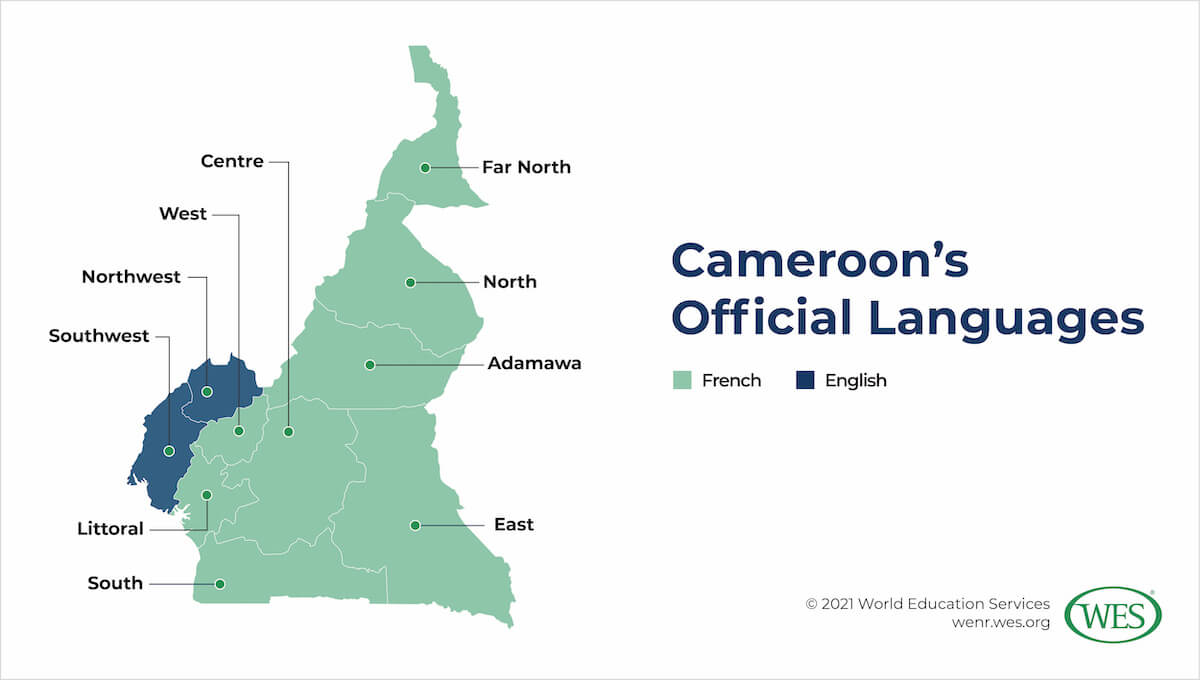
What language does Cameroon speak? Cameroon is a country with a rich linguistic landscape, boasting over 250 languages spoken within its borders. The official languages of Cameroon are French and English, a legacy of its colonial past. However, the vast majority of the population speaks a variety of national languages, each with its unique cultural and historical significance.
The linguistic diversity of Cameroon reflects the country’s complex history and geography. Bantu languages dominate the southern and central regions, while Niger-Congo languages are prevalent in the north and west. Afro-Asiatic languages, such as Arabic and Hausa, are also spoken in certain areas.
Official Languages of Cameroon
Cameroon, a country located in Central Africa, has two official languages: French and English. This linguistic duality is a result of the country’s colonial history.Cameroon was colonized by both France and Britain during the 19th century. The French established their presence in the southern part of the country, while the British controlled the northern part.
As a result, French and English became the official languages of the two respective regions.After Cameroon gained independence in 1960, the two official languages were retained. This was done to ensure that both linguistic communities would have equal access to education, government services, and other important aspects of society.Today, French and English are used in all official government communications and documents.
They are also the languages of instruction in schools and universities. In addition, many Cameroonians are bilingual and speak both French and English.
Cameroon’s Linguistic Diversity
In addition to French and English, Cameroon has over 250 indigenous languages. These languages are spoken by the various ethnic groups that make up the country’s population. The most widely spoken indigenous languages include Bamileke, Fulfulde, and Ewondo.Cameroon’s linguistic diversity is a reflection of the country’s rich cultural heritage.
The different languages spoken in Cameroon represent the many different cultures and traditions that make up the country.
National Languages of Cameroon

Cameroon is a linguistically diverse country with over 250 national languages spoken by its population. These languages belong to various language families, including Bantu, Semi-Bantu, Adamawa-Ubangi, and Afro-Asiatic. Each language has its own unique history, geographic distribution, and cultural significance.
The major national languages of Cameroon include:
- Bamileke: Spoken by over 3 million people in the western highlands, Bamileke is a Bantu language with a rich literary tradition.
- Bassa: Spoken by over 2 million people in the central and southern regions, Bassa is a Semi-Bantu language with a strong oral tradition.
- Fulfulde: Spoken by over 1 million people in the northern and eastern regions, Fulfulde is an Afro-Asiatic language that is also spoken in many other African countries.
- Ewondo: Spoken by over 1 million people in the central region, Ewondo is a Bantu language that is also used as a lingua franca in the capital city of Yaoundé.
- Hausa: Spoken by over 500,000 people in the northern region, Hausa is an Afro-Asiatic language that is also widely spoken in Nigeria and other West African countries.
The following table summarizes the information on the major national languages of Cameroon:
| Language | Number of Speakers | Geographic Distribution | Cultural Significance |
|---|---|---|---|
| Bamileke | Over 3 million | Western highlands | Rich literary tradition |
| Bassa | Over 2 million | Central and southern regions | Strong oral tradition |
| Fulfulde | Over 1 million | Northern and eastern regions | Spoken in many other African countries |
| Ewondo | Over 1 million | Central region | Used as a lingua franca in Yaoundé |
| Hausa | Over 500,000 | Northern region | Widely spoken in West Africa |
The national languages of Cameroon play a vital role in the country’s cultural and linguistic diversity. They are used in education, government, and the media, and they contribute to the country’s rich cultural heritage. The promotion and preservation of national languages is an important aspect of Cameroon’s cultural policy.
In addition to the major national languages, there are many other smaller languages spoken in Cameroon. These languages are spoken by smaller ethnic groups and are often concentrated in specific geographic areas. The diversity of languages in Cameroon is a reflection of the country’s rich cultural and linguistic heritage.
Language Families in Cameroon
Cameroon is a linguistically diverse country with over 250 languages spoken. These languages belong to various language families, the most prominent of which are Bantu, Niger-Congo, and Afro-Asiatic.
Bantu Languages
Bantu languages are the most widely spoken in Cameroon, with over 100 languages belonging to this family. They are spoken in the southern and western parts of the country. Some of the major Bantu languages in Cameroon include Bamileke, Bassa, and Fang.
Niger-Congo Languages
Niger-Congo languages are the second most widely spoken in Cameroon, with over 50 languages belonging to this family. They are spoken in the northern and eastern parts of the country. Some of the major Niger-Congo languages in Cameroon include Fulfulde, Hausa, and Kanuri.
Afro-Asiatic Languages
Afro-Asiatic languages are spoken in the northern part of Cameroon. The most prominent Afro-Asiatic language in Cameroon is Arabic, which is spoken by a significant portion of the population.
| Language Family | Number of Languages | Geographical Distribution |
|---|---|---|
| Bantu | 100+ | Southern and western Cameroon |
| Niger-Congo | 50+ | Northern and eastern Cameroon |
| Afro-Asiatic | 10+ | Northern Cameroon |
Sociolinguistic Status of Languages in Cameroon
The sociolinguistic status of languages in Cameroon varies. French and English are the official languages of the country, and they are used in government, education, and the media. However, many people in Cameroon also speak their native languages in addition to French and English.
Some of the most widely spoken native languages in Cameroon include Bamileke, Bassa, Fang, Fulfulde, Hausa, and Kanuri.
Pidgins and Creoles in Cameroon
Pidgins and creoles play a significant role in Cameroon, with Cameroonian Pidgin English being the most widely spoken. These languages emerged as a result of contact between different language communities, facilitating communication between groups with diverse linguistic backgrounds.
Historical Development
Cameroonian Pidgin English developed during the colonial era, influenced by English, Portuguese, German, and local Bantu languages. It became a lingua franca for trade and communication in coastal areas and later spread inland. Over time, it has evolved into a distinct language with its own grammar and vocabulary.
Linguistic Features
Cameroonian Pidgin English has a simplified grammar, reduced vocabulary, and limited verb tenses compared to standard English. It also incorporates elements from local languages, such as Bantu tone systems and lexical items. The language is highly flexible and adaptable, allowing for the incorporation of new words and phrases as needed.
Social Significance
Pidgins and creoles are important tools for communication in Cameroon’s diverse linguistic landscape. Cameroonian Pidgin English is widely used in urban areas, markets, and informal settings. It serves as a common language for people from different ethnic groups and backgrounds, promoting social cohesion and understanding.
Additionally, it has become a symbol of national identity and is often used in popular culture and media.
Language Policy and Education
Cameroon’s language policy is based on the recognition of both English and French as official languages. This policy has been in place since the country’s independence in 1960, and it has had a significant impact on the education system.
The use of both English and French in education has created a number of challenges. One of the most significant challenges is the need to train teachers who are proficient in both languages. This can be a difficult task, especially in rural areas where there may be a shortage of qualified teachers.
Another challenge is the development of teaching materials in both English and French. This can be a time-consuming and expensive process, and it can sometimes be difficult to find materials that are appropriate for the needs of students.
Despite these challenges, the use of both English and French in education has also created a number of opportunities. One of the most important opportunities is the ability for students to learn both languages. This can give them a significant advantage in the job market, as well as in their personal lives.
Another opportunity is the ability to promote multilingualism in the country. By learning both English and French, students can help to break down the barriers between the two language groups and promote a more unified Cameroon.
Challenges in Promoting Multilingualism
- The need to train teachers who are proficient in multiple languages.
- The development of teaching materials in multiple languages.
- The attitudes of parents and students towards multilingualism.
Opportunities in Promoting Multilingualism
- The ability for students to learn multiple languages.
- The promotion of multilingualism in the country.
- The increased job opportunities for multilingual individuals.
Language and Identity
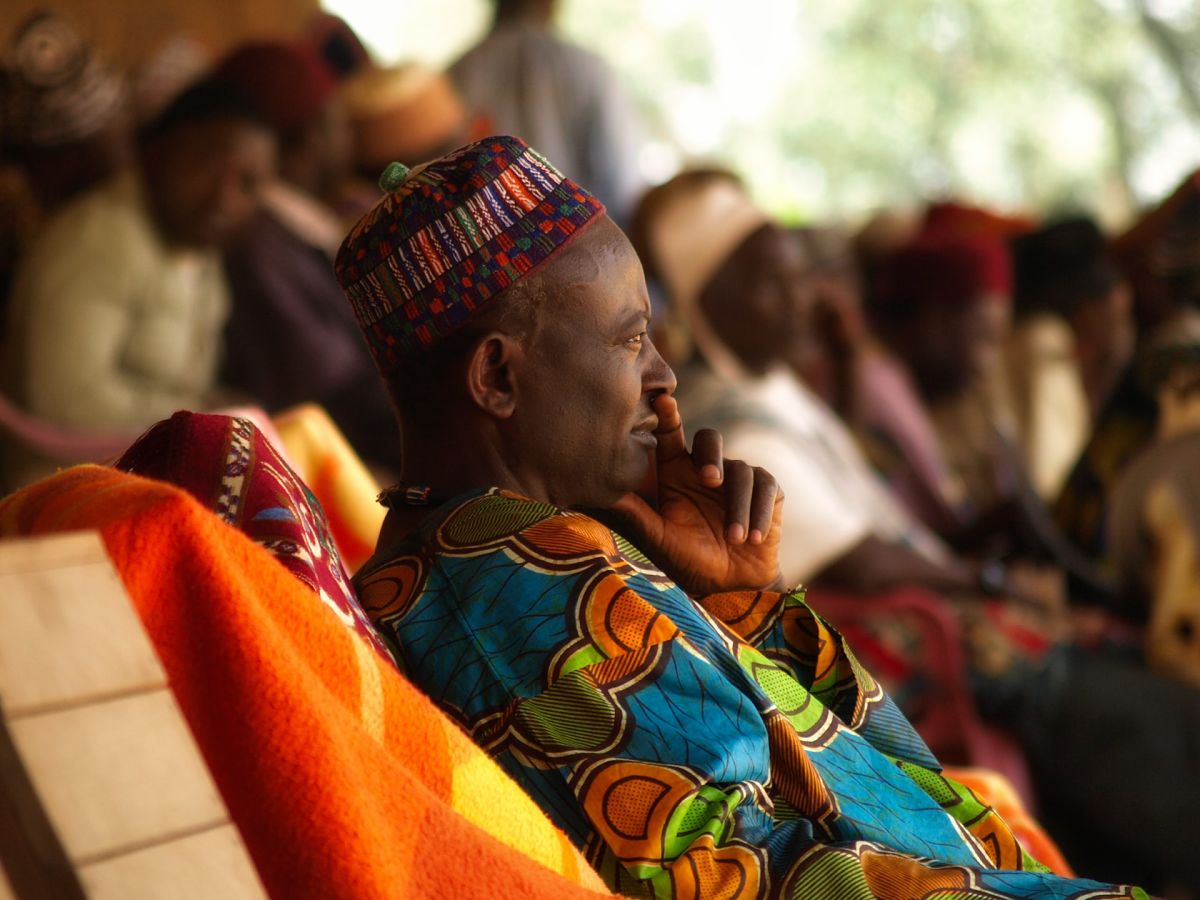
Language is a fundamental aspect of identity in Cameroon, shaping cultural practices, social interactions, and national unity. The country’s linguistic diversity reflects its rich history and cultural heritage, and each language group has its unique customs and traditions.
The official languages of Cameroon, French and English, are used in government, education, and business. However, the majority of Cameroonians speak one of the country’s many national languages as their mother tongue. These languages belong to various language families, including Bantu, Semi-Bantu, and Afro-Asiatic.
Language and Cultural Practices
Language is closely intertwined with cultural practices in Cameroon. Traditional ceremonies, rituals, and festivals often involve specific languages and dialects. For example, the Bamileke people of western Cameroon use their language, Ghomala’, in traditional dances, storytelling, and religious ceremonies.
Language and Social Interactions, What language does cameroon speak
Language also plays a crucial role in social interactions in Cameroon. People from different language groups often communicate using pidgins or creoles, which are simplified languages that combine elements from different languages. The most widely spoken pidgin in Cameroon is Cameroonian Pidgin English, which is used as a lingua franca for inter-ethnic communication.
Language and National Unity
Despite its linguistic diversity, Cameroon has a strong sense of national unity. The use of French and English as official languages helps to bridge the linguistic gap between different regions of the country. Additionally, the government promotes the teaching of national languages in schools to foster cultural understanding and national identity.
Language and Economic Development
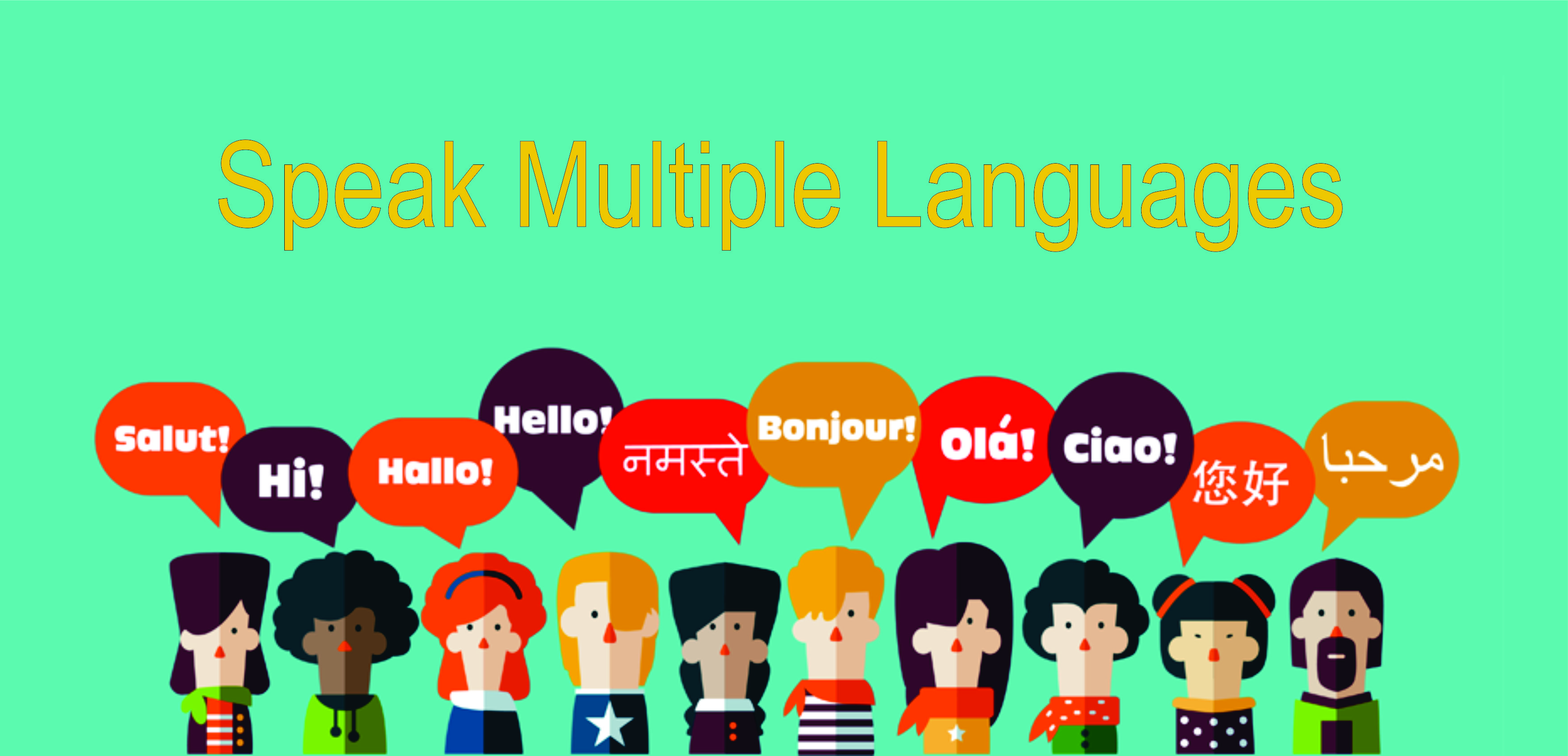
Language plays a crucial role in economic development by facilitating communication, knowledge sharing, and innovation. In Cameroon, the presence of multiple languages can both enhance and hinder economic growth.
Cameroon, a country in Central Africa, is a multilingual nation with over 250 languages spoken. The official languages are French and English, which are used in government, education, and business. However, the most widely spoken language in Cameroon is Cameroonian Pidgin English, a simplified form of English that has become the lingua franca of the country.
Like Cameroon, Ireland is also a multilingual country. The official languages of Ireland are Irish and English. However, English is the more commonly spoken language in Ireland, and it is the language used in government, education, and business. For more information about the language spoken in Ireland, refer to this article.
Advantages of Multiple Languages in Business and Trade
- Increased market reach: Businesses can cater to a wider customer base by using multiple languages.
- Enhanced cultural understanding: Using local languages builds trust and rapport with customers.
- Preservation of cultural heritage: Maintaining and using multiple languages preserves Cameroon’s rich linguistic diversity.
Disadvantages of Multiple Languages in Business and Trade
- Increased costs: Businesses may incur additional costs for translation and interpretation services.
- Communication barriers: Language differences can lead to misunderstandings and miscommunications.
- Limited access to information: Not all information may be available in all languages, restricting access to knowledge and opportunities.
Language and Technology
The technological revolution has significantly impacted language use in Cameroon. The internet, social media, and mobile devices have transformed how Cameroonians communicate, learn languages, and preserve their linguistic heritage.The internet has made a vast array of linguistic resources available to Cameroonians.
Online dictionaries, grammar guides, and language learning apps have made it easier for people to learn new languages and improve their proficiency in existing ones. Social media platforms such as Facebook and WhatsApp have facilitated cross-cultural communication and language exchange.
Cameroonians can now connect with people from all over the world, expanding their linguistic horizons and fostering cultural understanding.Mobile devices have also played a crucial role in language use in Cameroon. The proliferation of smartphones has made it possible for Cameroonians to access language-related content and services on the go.
They can use language learning apps, listen to podcasts, and watch videos in different languages, all from the convenience of their mobile devices. This increased accessibility has significantly boosted language learning and preservation efforts in Cameroon.
Language and the Arts
Language plays a vital role in the arts in Cameroon, shaping creative expression and cultural heritage. It influences the form and content of artistic works, from literature to music and theater.
Literature
Language provides the vocabulary, grammar, and syntax that form the building blocks of literary works. Cameroonian writers use language to create vivid characters, explore complex themes, and evoke powerful emotions.
- Ferdinand Oyono’s “Houseboy” (1956) exposes the harsh realities of colonialism through the eyes of a young Cameroonian boy.
- Calixthe Beyala’s “The Lonely Song of the Montparnasse Woman” (1994) explores the experiences of African women in Paris through lyrical prose.
- Patrice Nganang’s “Mount Pleasant” (2018) confronts the complexities of postcolonial Cameroon through a poetic and fragmented narrative.
Music
Language is integral to music in Cameroon, with lyrics, melody, and rhythm intertwining to create powerful and evocative works. Traditional songs often tell stories, pass on cultural knowledge, and express communal values.
- Makossa music, popularized by Manu Dibango, fuses traditional rhythms with jazz and funk influences.
- Bikutsi music, known for its fast tempo and sensual dance moves, is a popular genre in urban areas.
- Contemporary Cameroonian artists like Stanley Enow and Jovi rap in English and French, blending global hip-hop influences with local themes.
Theater
Language is the primary medium of expression in theater, shaping dialogue, stage directions, and the overall narrative. Cameroonian playwrights use language to explore social issues, challenge norms, and provide a platform for cultural expression.
- Guillaume Oyono-Mbia’s “Three Suitors… One Husband” (1964) satirizes polygamy and the changing roles of women in society.
- Werewere Liking’s “The White Witch” (1986) draws on African mythology and ritual to explore themes of identity, oppression, and liberation.
- Contemporary theater groups like Etoundi et les Ngassa explore experimental forms and engage with pressing social issues.
Relationship between Language and Identity
Language is closely intertwined with identity in Cameroonian arts. Artists use language to express their cultural heritage, challenge stereotypes, and explore their own sense of self.
- Cameroonian writers like Mongo Beti and Gaston-Paul Effa have used French to critique colonialism and promote African identity.
- Musicians like Richard Bona and Grace Decca blend traditional Cameroonian rhythms with global influences, creating a unique and cosmopolitan sound.
- Theater groups like Le Chantier International de la Jeunesse use performance to promote cultural diversity and intercultural dialogue.
Short Story
The Weaver’s TaleIn the vibrant tapestry of Cameroonian folklore, words are the threads that weave intricate tales.A young weaver sat by her loom, her nimble fingers guiding the vibrant threads. As she wove, she whispered a story, her voice like a soft melody.”The thread of red is the passion of our ancestors,” she sang.
“The thread of blue is the vast ocean that surrounds our shores.”With each word, the cloth grew richer, a vibrant canvas of Cameroonian history and culture. The weaver’s words painted a picture of a proud people, their lives intertwined like the threads of her loom.And so, through the power of language, the weaver created not only a beautiful cloth but also a tapestry of Cameroonian identity, forever woven into the fabric of her art.
Analyze the importance of language in promoting tourism in Cameroon: What Language Does Cameroon Speak
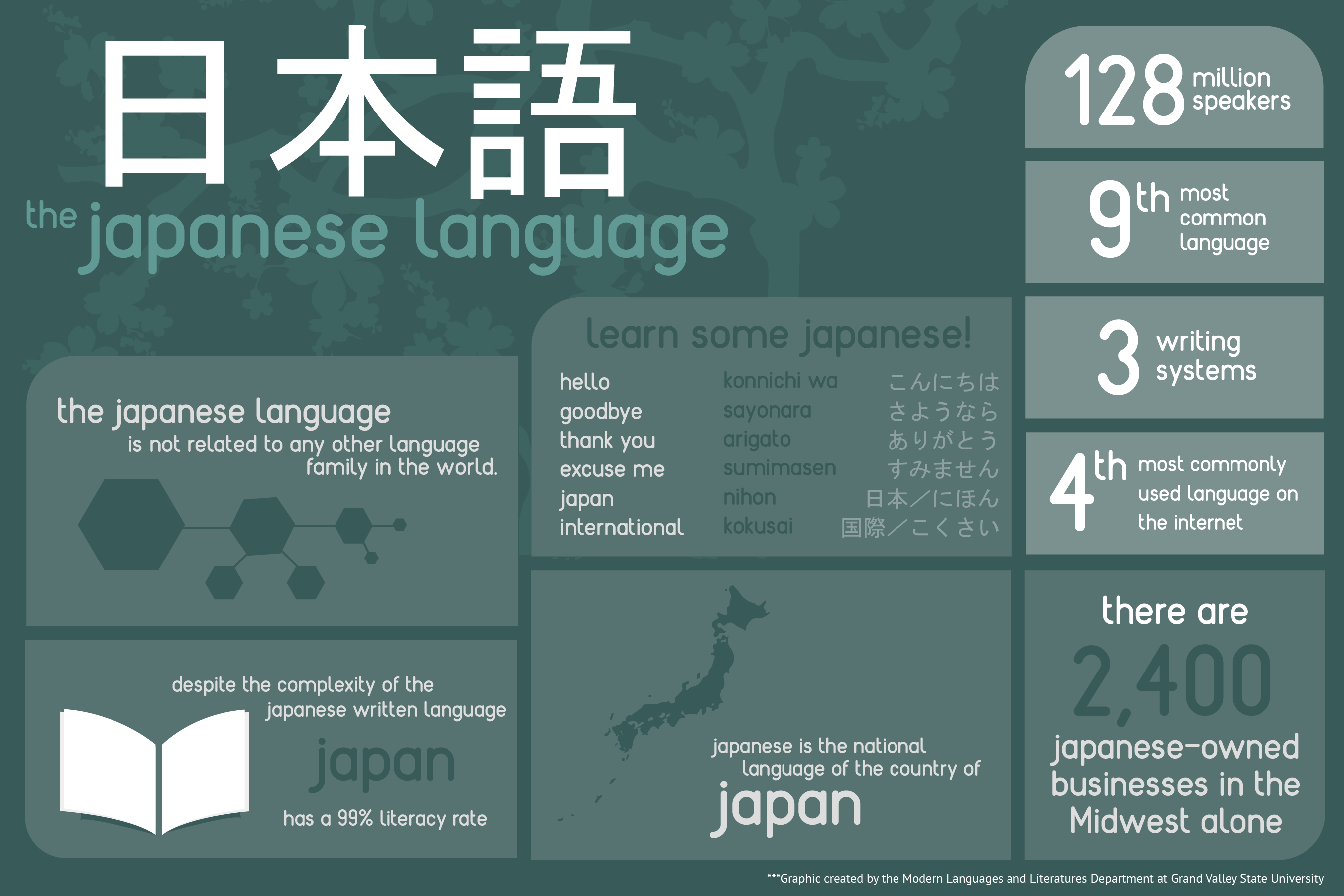
Language plays a vital role in promoting tourism in Cameroon, enhancing the visitor experience and fostering cultural exchange. Effective communication between tourists and locals facilitates seamless interactions, allowing tourists to fully immerse themselves in the country’s rich cultural heritage and natural wonders.
Understanding the local language enables tourists to engage with locals, learn about their customs and traditions, and gain a deeper appreciation for Cameroon’s diverse cultural landscape. It empowers them to navigate the country confidently, ask for assistance, and participate in local activities, enriching their overall travel experience.
Benefits of Language Proficiency for Tourists
- Enhanced communication and interaction with locals
- Improved understanding of cultural nuances and customs
- Greater appreciation for the country’s heritage and traditions
- Increased confidence and ease of navigation
- Access to authentic and immersive experiences
Language and the Media
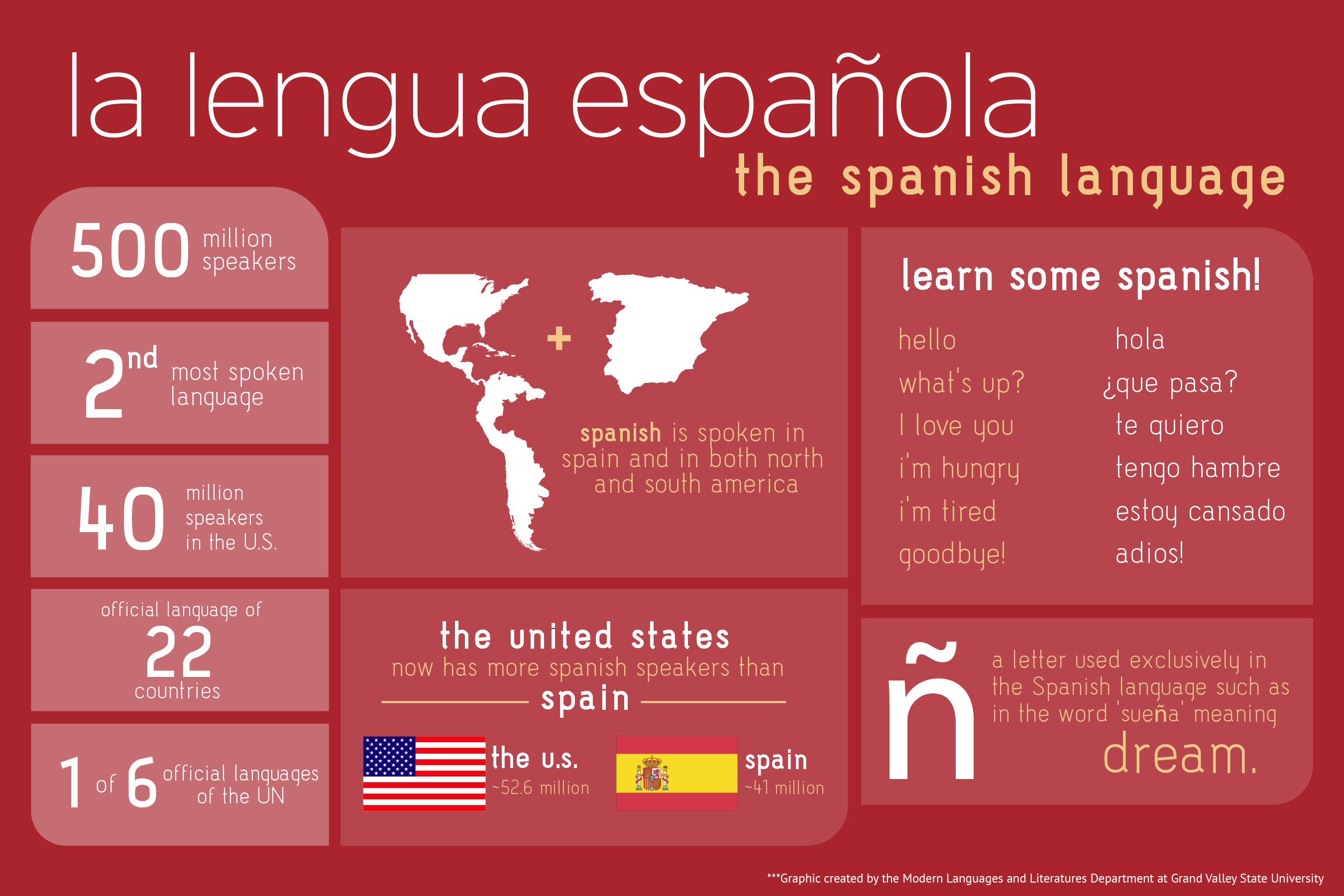
Language plays a crucial role in the media landscape of Cameroon, which is characterized by a diverse range of print, broadcast, and online platforms. These platforms serve a multilingual population, presenting challenges and opportunities in providing information and entertainment in multiple languages.
Print Media
Cameroon’s print media is predominantly in French and English, the country’s official languages. However, there are also newspapers and magazines published in local languages, such as Bamileke, Duala, and Fulfulde. These publications cater to specific linguistic communities and provide news and information that may not be accessible in the official languages.
Broadcast Media
The broadcast media in Cameroon includes television and radio stations that operate in both French and English. Additionally, there are stations that broadcast in local languages, particularly in areas with significant linguistic diversity. These stations play a vital role in reaching rural communities and providing them with information and entertainment in their own languages.
The Republic of Cameroon is a multilingual country with over 250 languages spoken within its borders. The official languages of Cameroon are French and English, which are used in government, education, and business. However, the vast majority of the population speaks various indigenous languages, including Bamileke, Fulfulde, and Ewondo.
This linguistic diversity is a reflection of the rich cultural heritage of Cameroon and its position as a crossroads between different linguistic groups. Furthermore, the number of languages spoken in Cameroon highlights the incredible linguistic diversity of the African continent as a whole.
According to recent estimates, over 2,000 languages are spoken in Africa, making it the most linguistically diverse continent in the world. How many languages are spoken on the continent of Africa is a question that has fascinated linguists and scholars for centuries, and the answer continues to evolve as new research is conducted.
Online Media
The internet has emerged as a significant platform for media consumption in Cameroon. Online news portals, social media platforms, and streaming services offer content in multiple languages. This has increased access to information and entertainment for people who may not have access to traditional print or broadcast media.
However, challenges remain in ensuring that online content is accessible and relevant to all linguistic communities.
Challenges and Opportunities
Providing information and entertainment in multiple languages in Cameroon presents both challenges and opportunities. One challenge is the need to translate content into different languages, which can be time-consuming and costly. Additionally, it can be difficult to ensure that the quality of the translation is high and that the content remains culturally appropriate.
Despite these challenges, there are also opportunities in providing multilingual media content. By offering information and entertainment in multiple languages, media outlets can reach a wider audience and promote inclusivity. Additionally, multilingual media can help to preserve and promote local languages and cultures.
Language and Research
Language plays a pivotal role in research in Cameroon. As a multilingual country, Cameroon presents unique challenges and opportunities for researchers. This section explores the importance of language in research, the need for language-sensitive research methods, and the challenges of conducting research in multilingual contexts.
Need for Language-Sensitive Research Methods
In multilingual contexts like Cameroon, it is essential to employ language-sensitive research methods that account for the linguistic diversity of the population. Researchers must consider the following factors:
- Language of the research participants:Researchers should conduct research in the language(s) that the participants are most comfortable with to ensure accurate data collection and interpretation.
- Translation and interpretation:If research is conducted in a language other than the participants’ native language, careful translation and interpretation are crucial to avoid misunderstandings and biases.
- Cultural context:Language is closely tied to culture. Researchers must be aware of the cultural context of the language they are using to avoid misinterpretations and ensure the research is culturally appropriate.
Challenges of Conducting Research in Multilingual Contexts
Conducting research in multilingual contexts presents several challenges, including:
- Communication barriers:Researchers may face communication barriers if they do not speak the language(s) of the participants. This can hinder data collection and limit the researcher’s ability to fully understand the participants’ perspectives.
- Cultural biases:Researchers may bring their own cultural biases to the research process, which can influence their interpretation of the data. It is important to be aware of these biases and to take steps to minimize their impact on the research.
- Ethical considerations:Researchers must consider the ethical implications of conducting research in multilingual contexts. This includes obtaining informed consent from participants, protecting their privacy, and ensuring that the research does not harm or exploit them.
Language and the Environment
Language plays a crucial role in shaping perceptions of the environment and environmental stewardship in Cameroon. Cameroonian languages encode environmental concepts and values, influencing how people interact with and understand their natural surroundings.
Linguistic Features Shaping Environmental Perceptions
Cameroonian languages exhibit several linguistic features that shape environmental perceptions:
- Classificatory Systems:Classify plants and animals based on their characteristics, fostering an understanding of their relationships and roles in the ecosystem.
- Metaphors and Analogies:Use metaphors and analogies to describe environmental phenomena, connecting them to cultural and social contexts.
- Proverbs and Sayings:Convey environmental wisdom and values through proverbs and sayings, guiding sustainable practices.
- Place Names:Place names often reflect environmental features, preserving knowledge about the local landscape.
Language and Health
Language plays a critical role in health care, affecting access to information, understanding of medical instructions, and overall health outcomes. In Cameroon, with its diverse linguistic landscape, providing health information and services in multiple languages poses challenges that can impact health disparities.
One major challenge is the availability of trained interpreters. Despite the multilingual nature of the country, there is a shortage of qualified interpreters who can accurately convey medical information between patients and health care providers. This can lead to miscommunication, errors in diagnosis and treatment, and ultimately, poorer health outcomes.
Challenges of Providing Health Information and Services in Multiple Languages
| Language | Cultural factors | Availability of trained interpreters | Cost of translation services | Lack of standardized health terminology |
|---|---|---|---|---|
| Limited proficiency in official languages | Beliefs and practices that influence health-seeking behavior | Insufficient training programs for interpreters | High costs associated with translation and interpretation | Inconsistent use of medical terms across different languages |
Another challenge is the cost of translation services. Translating medical documents and training materials into multiple languages can be expensive, which can hinder the dissemination of health information to non-native speakers. This can result in health disparities, as individuals who do not speak the dominant languages may have limited access to vital health information and services.
Furthermore, the lack of standardized health terminology across different languages can lead to confusion and errors. Medical terms may have different meanings or connotations in different languages, which can make it difficult for patients to understand their diagnoses and treatment plans.
This can also hinder communication between health care providers from different linguistic backgrounds.
Strategies to Improve Language Access and Reduce Health Disparities
To improve language access and reduce health disparities, several strategies can be implemented:
- Increase funding for language interpretation services to ensure the availability of qualified interpreters in health care settings.
- Train health care providers in cultural sensitivity and language skills to improve communication with patients from diverse linguistic backgrounds.
- Develop standardized health terminology in multiple languages to facilitate accurate communication and reduce errors.
- Provide patient education materials in multiple languages to ensure that all patients have access to vital health information.
- Collaborate with community organizations to provide language support and outreach services to non-native speakers.
By implementing these strategies, Cameroon can improve language access in health care, reduce health disparities, and ensure that all individuals have equitable access to quality health care.
Top FAQs
What are the official languages of Cameroon?
French and English are the official languages of Cameroon.
What are the most commonly spoken national languages in Cameroon?
The most commonly spoken national languages in Cameroon are Bamileke, Bassa, Ewondo, and Fulfulde.
What is the linguistic diversity of Cameroon?
Cameroon is home to over 250 languages, representing a wide range of language families, including Bantu, Niger-Congo, and Afro-Asiatic.
