What language is Zulu? Zulu, a vibrant and expressive language spoken by millions in Southern Africa, holds a rich history and cultural significance. Its unique characteristics and role in South African society make it a fascinating subject of exploration.
Originating in the Nguni Bantu language family, Zulu boasts a complex grammar, distinct phonology, and a vast vocabulary that reflects the diverse cultural heritage of the Zulu people. As a national language of South Africa, Zulu plays a pivotal role in education, media, and cultural preservation.
Definition of Zulu Language

The Zulu language, also known as isiZulu, is a Bantu language spoken by the Zulu people in South Africa. It is one of the official languages of South Africa and is also spoken in other countries in Southern Africa, such as Zimbabwe, Zambia, and Mozambique.The Zulu language has a rich history and is closely tied to the culture and traditions of the Zulu people.
It is estimated that there are around 12 million native Zulu speakers, making it one of the most widely spoken languages in South Africa.The Zulu language is characterized by its complex grammar and syntax, as well as its rich vocabulary.
It is a tonal language, meaning that the meaning of a word can change depending on the tone in which it is spoken.The Zulu language is an important part of South African culture and identity. It is used in literature, music, and other forms of artistic expression.
It is also used in education, government, and business.
Classification of Zulu Language

The Zulu language belongs to the Nguni subgroup of the Bantu language family, which is widely spoken in Southern Africa. It is closely related to other Nguni languages, such as Xhosa and Swati, and shares many similarities in grammar, vocabulary, and pronunciation.
Relationship to Other Nguni Languages
Zulu, Xhosa, and Swati form a dialect continuum, meaning that speakers of these languages can generally understand each other to some extent. However, there are some key differences between them, particularly in pronunciation and vocabulary. For example, Zulu uses the click sound /c/, which is not found in Xhosa or Swati.
Additionally, Zulu has a number of unique vowel sounds that are not found in the other two languages.
Despite these differences, Zulu, Xhosa, and Swati are all mutually intelligible to a large extent. This is due to their shared grammatical structure and extensive vocabulary overlap. As a result, speakers of these languages can often communicate with each other without too much difficulty.
Phonology of Zulu Language
The Zulu language has a complex and distinctive phonological system that sets it apart from other Bantu languages. It features a rich inventory of click consonants, a phenomenon not found in many other languages of the world.
The sound system of Zulu is characterized by the following distinctive features:
Click Consonants
Zulu is renowned for its extensive use of click consonants, which are produced by creating a suction with the tongue against the roof of the mouth and then releasing it abruptly. Zulu has three main types of clicks: dental, alveolar, and lateral.
Zulu, a Nguni Bantu language, is widely spoken in South Africa and other southern African countries. While Zulu is one of the official languages of South Africa, it is not the only language spoken in the country. In fact, Egypt, located in northern Africa, has a diverse linguistic landscape.
What languages are spoken in Egypt ? The answer lies in the country’s rich history and cultural influences, making it a fascinating topic for linguistic exploration. Returning to our initial topic, Zulu remains a vibrant and widely used language in southern Africa, reflecting the rich cultural heritage of the region.
- Dental clicks are produced with the tip of the tongue against the upper front teeth.
- Alveolar clicks are produced with the tip of the tongue against the alveolar ridge, just behind the upper front teeth.
- Lateral clicks are produced with the sides of the tongue against the upper molars.
These clicks are used in a variety of words, including nouns, verbs, and adjectives. They play a significant role in distinguishing between different words and meanings in the Zulu language.
Grammar of Zulu Language
The Zulu language, belonging to the Nguni branch of the Bantu family, exhibits a rich and complex grammatical structure. Its grammar shares similarities with other Bantu languages while possessing unique features.
Zulu, a Nguni language spoken primarily in South Africa, is characterized by its complex tonal system and click consonants. Despite its distinct linguistic features, Zulu shares some similarities with other sign languages. For example, the sign for “you” in Zulu is similar to the sign used in American Sign Language, which involves pointing to the person being addressed.
How to say you in sign language. Zulu, with its rich cultural and historical significance, continues to be an important language for communication and cultural expression in South Africa.
Noun Classes
Zulu employs a noun class system, categorizing nouns into various classes based on their semantic and syntactic properties. Each noun class is associated with a specific prefix, which determines the noun’s agreement with other elements in the sentence.
- Class 1:Singular human beings (e.g., umuntu)
- Class 2:Plural human beings (e.g., abantu)
- Class 3:Animals, objects with elongated shape (e.g., inja, umfula)
- Class 4:Plural of Class 3 (e.g., izinja)
- Class 5:Abstract nouns, mass nouns (e.g., ubuntu, ubumnandi)
Verb Tenses
Zulu has a complex system of verb tenses, allowing for precise expression of time and aspect. The tense system is based on the use of prefixes and suffixes, which modify the verb stem to indicate the desired temporal meaning.
- Present Tense:Expresses actions happening in the present (e.g., ngiyabona – I see)
- Past Tense:Expresses actions that have occurred in the past (e.g., ngabonile – I saw)
- Future Tense:Expresses actions that will occur in the future (e.g., ngizobona – I will see)
- Progressive Tense:Expresses ongoing actions (e.g., ngiyabona – I am seeing)
Sentence Structure
Zulu sentences typically follow a subject-verb-object (SVO) word order. The subject noun phrase agrees with the verb in terms of noun class and number.
Example: Umfana uyabona inja.(The boy sees the dog.)
Tone
Tone plays a crucial role in Zulu grammar. The pitch of the voice can change the meaning of words and phrases.
Example: “Inja”(with high tone) means “a dog,” while “Inja”(with low tone) means “dogs.”
Vocabulary of Zulu Language
The Zulu language possesses a rich and diverse vocabulary, encompassing a wide range of words and phrases that reflect the cultural and historical heritage of the Zulu people. The Zulu vocabulary includes terms for everyday objects, actions, and concepts, as well as specialized vocabulary related to traditional practices, rituals, and beliefs.
Common Words and Phrases
Here are some common Zulu words and phrases along with their meanings and usage:
- Sawubona: Hello (greeting used during the day)
- Sanibonani: Hello (greeting used in the evening)
- Ngiyabonga: Thank you
- Yebo: Yes
- Cha: No
- Uzophatheka kangani?: How are you?
- Ngikhona: I am fine
- Indlu: House
- Imoto: Car
- Isisu: Stomach
- Umkhosi: Traditional dance
- Ingoma: Traditional song
The Zulu language also incorporates a number of loanwords from other languages, particularly English and Afrikaans. These loanwords are often used to describe modern concepts and technologies that were not part of traditional Zulu culture.
Dialects of Zulu Language
The Zulu language is spoken by over 12 million people in South Africa, making it one of the most widely spoken languages in the country. There are several dialects of Zulu, each with its own unique characteristics. The major dialects of Zulu are:
- Northern Zulu: Spoken in the northern parts of KwaZulu-Natal, Northern Zulu is the most widely spoken dialect of Zulu.
- Southern Zulu: Spoken in the southern parts of KwaZulu-Natal, Southern Zulu is closely related to Northern Zulu but has some distinct features.
- Central Zulu: Spoken in the central parts of KwaZulu-Natal, Central Zulu is a transitional dialect that shares features with both Northern and Southern Zulu.
- Eastern Zulu: Spoken in the eastern parts of KwaZulu-Natal, Eastern Zulu is the most distinct dialect of Zulu and has a number of unique features.
The different dialects of Zulu are generally mutually intelligible, although there may be some difficulty in understanding between speakers of different dialects. The dialects vary in terms of pronunciation, grammar, and vocabulary. For example, Northern Zulu has a distinctive pronunciation of the click consonants, while Southern Zulu has a more relaxed pronunciation.
Central Zulu has a more complex grammar than Northern Zulu, while Eastern Zulu has a more simplified grammar.
The table below compares the key features of the different dialects of Zulu:
| Dialect | Pronunciation | Grammar | Vocabulary |
|---|---|---|---|
| Northern Zulu | Distinctive pronunciation of click consonants | Relatively simple grammar | Wide range of vocabulary |
| Southern Zulu | Relaxed pronunciation of click consonants | More complex grammar than Northern Zulu | Smaller range of vocabulary than Northern Zulu |
| Central Zulu | Transitional dialect with features of both Northern and Southern Zulu | More complex grammar than Northern Zulu | Wide range of vocabulary |
| Eastern Zulu | Most distinct dialect of Zulu | Simplified grammar | Limited range of vocabulary |
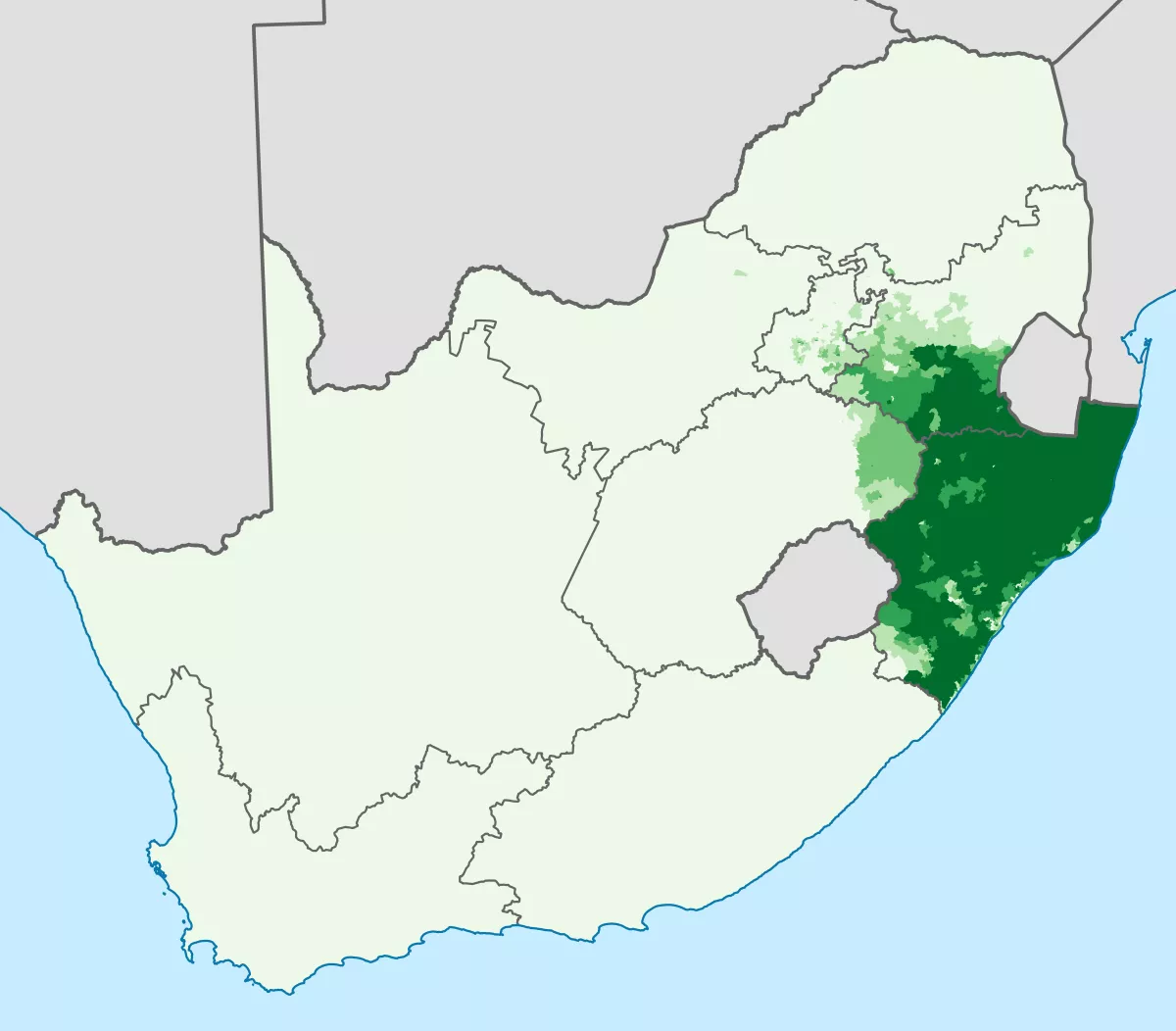
The map below illustrates the geographical distribution of the different dialects of Zulu:
[Image of a map of South Africa showing the distribution of the different dialects of Zulu]
Audio samples or transcriptions of speakers from different dialects can be found online. These samples can help to illustrate the linguistic variations between the different dialects.
Literature in Zulu Language
Zulu literature, a vibrant expression of Zulu culture and history, has a rich tradition that spans centuries. Its origins can be traced back to oral storytelling and praise poetry, which played a vital role in preserving cultural knowledge and values.
Over time, written Zulu literature emerged, influenced by both Western and African literary traditions.
Zulu literature has flourished in various periods, each marked by distinct themes and styles. The early 20th century witnessed the emergence of prominent writers such as John Dube and Sol T. Plaatje, who used their works to advocate for social justice and cultural preservation.
The post-apartheid era has seen a resurgence of Zulu literature, with writers like Sindiwe Magona and Zakes Mda exploring themes of identity, tradition, and modernity.
Prominent Zulu Writers and Their Works
- John Dube (1871-1946):Founded the Ohlange Institute, a leading center for Zulu education. His novel, Insila kaShaka(1930), depicts the life and reign of King Shaka.
- Sol T. Plaatje (1876-1932):A prominent journalist and activist, Plaatje wrote the influential novel Mhudi(1930), which explores the clash between African and European cultures.
- Sindiwe Magona (1953-present):A renowned short story writer and novelist, Magona’s works often focus on the experiences of women and children in South Africa. Her novel Mother to Mother(1998) won the Commonwealth Writers’ Prize for Best Book.
- Zakes Mda (1948-present):A versatile writer known for his novels, plays, and essays. Mda’s works explore themes of identity, exile, and the search for belonging. His novel The Heart of Redness(2000) won the Commonwealth Writers’ Prize for Best Book.
Cultural Significance of Zulu Language
The Zulu language holds immense cultural significance within Zulu society. It serves as a vital medium for preserving and transmitting cultural traditions, beliefs, and values. Through oral storytelling, proverbs, and songs, the Zulu language plays a crucial role in shaping Zulu identity and fostering a sense of community.
Role in Zulu Society
Zulu language is deeply intertwined with the social fabric of Zulu society. It facilitates communication, strengthens family bonds, and promotes cultural continuity. Through traditional ceremonies, rituals, and daily interactions, the Zulu language reinforces social norms, values, and cultural practices.
Traditions and Identity
The Zulu language is a repository of Zulu traditions and history. It embodies the collective wisdom and experiences of generations of Zulu people. Through the language, cultural heritage is preserved and passed down to younger generations, ensuring the continuity of Zulu traditions and identity.
Use of Zulu Language in Education
The Zulu language is one of the 11 official languages of South Africa, and it is spoken by over 12 million people. As a result, it is an important language in the country’s education system.
Zulu is used as a medium of instruction in some schools in South Africa, and it is also taught as a subject in many schools. The use of Zulu in education has a number of benefits. First, it helps to promote the use of the language and to ensure its survival.
Second, it helps to preserve the culture and heritage of the Zulu people. Third, it can help to improve the academic achievement of Zulu-speaking students.
Challenges of Zulu-Medium Education
There are also some challenges associated with Zulu-medium education. One challenge is the lack of resources. There is a shortage of Zulu-language textbooks and other teaching materials. Another challenge is the lack of qualified Zulu-speaking teachers. Finally, some Zulu-speaking students may not be proficient in English, which can make it difficult for them to succeed in higher education.
Opportunities of Zulu-Medium Education
Despite the challenges, there are also a number of opportunities associated with Zulu-medium education. One opportunity is the potential to improve the academic achievement of Zulu-speaking students. Research has shown that students who are taught in their first language tend to perform better academically than students who are taught in a second language.
Another opportunity is the potential to promote the use of Zulu and to ensure its survival. Zulu is a beautiful and expressive language, and it is important to preserve it for future generations.
Use of Zulu Language in Media

The Zulu language holds a significant position in South Africa’s media landscape, contributing to the preservation and promotion of Zulu culture and identity. Its presence extends across various media platforms, including newspapers, radio, television, and online platforms.
Presence in Newspapers
Zulu-language newspapers play a crucial role in disseminating information to Zulu-speaking communities. They provide news, current affairs, and cultural content, catering to a diverse readership. Notable Zulu-language newspapers include Ilanga, Isolezwe, and UmAfrika.
Radio Broadcasting
Radio remains a popular medium for Zulu language content. Several radio stations broadcast exclusively in Zulu, such as Ukhozi FMand Umhlobo Wenene FM. These stations offer a wide range of programming, including news, music, talk shows, and cultural discussions.
Television and Online Platforms, What language is zulu
Zulu language has made significant inroads into television and online media. The South African Broadcasting Corporation (SABC) has dedicated channels that broadcast Zulu-language content, including SABC 1and SABC 2. Additionally, streaming platforms such as Netflix and Showmax offer Zulu-language films and television series.
Factors Influencing Use of Zulu in Media
The use of Zulu in media is influenced by several factors, including government policies, audience demographics, and media ownership. Government policies, such as the Language in Education Policy, promote the use of indigenous languages in media and education.
Audience demographics play a significant role in determining the demand for Zulu-language content. The large Zulu-speaking population in South Africa creates a substantial audience for media outlets that cater to their linguistic needs.
Media ownership also impacts the use of Zulu in media. Independent media outlets often prioritize the use of indigenous languages to connect with local communities. In contrast, corporate media organizations may focus on maximizing audience reach and revenue, which can sometimes lead to a preference for English or Afrikaans.
Impact on Zulu Culture and Identity
The presence of Zulu language in media has a profound impact on the preservation and promotion of Zulu culture and identity. It provides a platform for Zulu-speaking communities to express their cultural values, traditions, and perspectives.
Zulu-language media also contributes to the revitalization of Zulu language and its transmission to younger generations. By providing accessible and engaging content in Zulu, media outlets help to ensure the continuity of the language and its cultural heritage.
Use of Zulu Language in Business: What Language Is Zulu
The Zulu language plays a significant role in business in South Africa, where it is one of the official languages. Its use in the business world offers several advantages and benefits, including improved communication, enhanced customer satisfaction, and increased market reach.
In marketing, Zulu is effectively utilized to connect with Zulu-speaking consumers. By incorporating Zulu language and cultural elements into marketing campaigns, businesses can resonate with their target audience on a deeper level. This approach helps build stronger emotional connections and increases brand loyalty.
Customer Service
In customer service, the use of Zulu enables businesses to provide personalized and culturally sensitive support to Zulu-speaking customers. By communicating in their native language, businesses can establish trust, improve understanding, and resolve queries more effectively. This enhances the overall customer experience and fosters positive relationships with Zulu-speaking consumers.
Workplace Communication
Within the workplace, Zulu can be used to facilitate communication among Zulu-speaking employees. This promotes inclusivity and ensures that all employees have equal opportunities to participate and contribute to the organization. Zulu can be used in team meetings, presentations, and other workplace interactions, fostering a sense of belonging and improving collaboration.
– Examine efforts to revive and preserve the Zulu language.
Efforts to revive and preserve the Zulu language have been ongoing for decades, with varying degrees of success. One of the most successful initiatives has been the establishment of language revitalization programs. These programs typically involve teaching Zulu to children in schools and communities, as well as providing resources for adults who want to learn the language.
Another important initiative has been the promotion of Zulu culture through festivals and other events. These events help to raise awareness of the Zulu language and culture, and they provide opportunities for people to use the language in a natural setting.
Effectiveness of Initiatives
It is difficult to quantify the number of Zulu speakers who have been reached by these initiatives. However, there is some evidence that they have had a positive impact on the preservation of Zulu culture. For example, a study by the University of KwaZulu-Natal found that the number of Zulu speakers in South Africa increased by 10% between 2001 and 2011.
The study also found that Zulu is now the second most spoken language in South Africa, after English. This suggests that the efforts to revive and preserve the Zulu language are having a positive impact.
Recommendations for Future Efforts
Despite the progress that has been made, there is still more that can be done to revive and preserve the Zulu language. One area where current initiatives are falling short is in the provision of resources for adult learners. Many adults who want to learn Zulu do not have access to formal classes or other resources.
Another area where improvements can be made is in the promotion of Zulu in the media. Zulu is currently not widely used in the media, which makes it difficult for people to hear and use the language. Increasing the use of Zulu in the media would help to raise awareness of the language and make it more accessible to people who want to learn it.
Future of Zulu Language

The future of the Zulu language in the next 50 years is uncertain, but there are a number of factors that could influence its growth or decline. These include the government’s language policies, the availability of Zulu-language education, the use of Zulu in the media, and the role of technology.
Government Policies and Initiatives
The South African government has a number of policies and initiatives in place to promote and preserve indigenous languages, including Zulu. These include the Pan South African Language Board Act (Act 59 of 1995), which recognizes Zulu as one of the 11 official languages of South Africa, and the National Language Policy Framework (2003), which aims to promote the use of indigenous languages in all spheres of life.
Education
The availability of Zulu-language education is another important factor that will influence the future of the language. Currently, Zulu is taught as a subject in schools in South Africa, and there are a number of universities that offer Zulu-language courses.
However, the number of Zulu-medium schools is still relatively small, and there is a need for more resources to be made available to support Zulu-language education.
Media
The use of Zulu in the media is also important for the future of the language. Currently, there are a number of Zulu-language newspapers, magazines, and radio stations, and Zulu is also used in some television programs. However, the amount of Zulu-language content in the media is still relatively small, and there is a need for more Zulu-language content to be made available.
Technology
Technology can play a vital role in the revitalization and dissemination of Zulu. There are a number of Zulu-language websites, apps, and social media groups, and these can help to connect Zulu speakers from all over the world. Technology can also be used to create new Zulu-language content, such as books, movies, and music.
Challenges and Opportunities
There are a number of challenges facing the Zulu language in the digital age. These include the dominance of English in the media and education, the lack of Zulu-language content online, and the decline in the number of Zulu speakers.
However, there are also a number of opportunities for the Zulu language in the digital age. These include the growth of Zulu-language websites, apps, and social media groups, the increasing availability of Zulu-language content online, and the growing number of Zulu speakers who are using technology.
Strategies for Ensuring the Continued Vitality and Relevance of Zulu
There are a number of strategies that can be implemented to ensure the continued vitality and relevance of Zulu in the future. These include:
- Increasing the availability of Zulu-language education
- Increasing the amount of Zulu-language content in the media
- Using technology to revitalize and disseminate Zulu
- Supporting Zulu-language businesses and organizations
- Promoting the use of Zulu in all spheres of life
User Queries
Is Zulu a difficult language to learn?
While Zulu has some unique features, such as click consonants and a complex noun class system, it is generally considered a moderately difficult language for English speakers to learn.
What is the difference between Zulu and Xhosa?
Zulu and Xhosa are closely related Nguni languages, but they have distinct differences in pronunciation, grammar, and vocabulary.
Is Zulu an endangered language?
No, Zulu is not considered an endangered language. It is spoken by millions of people in South Africa and is used in education, media, and government.
