How to say hello in many languages – Greetings, a fundamental aspect of human interaction, vary significantly across cultures and languages. Embark on a linguistic journey as we delve into the diverse ways people say hello around the world, exploring their cultural significance and nuances.
From the warm “bonjour” in French to the respectful “konnichiwa” in Japanese, each greeting carries a unique story, reflecting the values and customs of its speakers.
Common Greetings
Greetings are an essential part of human communication, serving as a way to establish rapport, show respect, and convey our intentions. Different cultures have developed their unique greetings, each with its own cultural significance and context.
List of Common Greetings, How to say hello in many languages
- Hello(English): A versatile greeting used in various situations, from casual to formal.
- Bonjour(French): A formal greeting used during the day, expressing good morning or good afternoon.
- Ciao(Italian): A casual greeting used both as a hello and goodbye.
- Hola(Spanish): A friendly greeting used in both formal and informal settings.
- Namaste(Hindi): A traditional Indian greeting that means “I bow to the divine in you.”
Formal vs. Informal Greetings
Greetings play a crucial role in establishing and maintaining social interactions. In many languages, there is a distinction between formal and informal greetings, which are used in different social situations. Understanding the appropriate use of each type of greeting is essential for effective communication.
Formal greetings are typically used in professional settings, with strangers, or in situations where respect and formality are expected. They often involve the use of honorifics, titles, or specific phrases that convey a sense of distance and politeness. For example, in English, the formal greeting “Good morning, Mr.
Smith” is appropriate for a business meeting or when addressing a person in a position of authority.
Informal greetings, on the other hand, are used in more casual settings, with friends, family, or people with whom one is familiar. They are often characterized by the use of first names, nicknames, or more relaxed and colloquial language. For example, in English, the informal greeting “Hi, John” is suitable for a conversation between friends or acquaintances.
Examples of Formal and Informal Greetings in Different Languages
The distinction between formal and informal greetings varies across languages. Here are some examples from different languages:
- English:Formal – “Good morning, Mr. Smith”; Informal – “Hi, John”
- Spanish:Formal – “Buenos días, señor García”; Informal – “Hola, Juan”
- French:Formal – “Bonjour, Monsieur Dubois”; Informal – “Salut, Jean”
- German:Formal – “Guten Morgen, Herr Müller”; Informal – “Hallo, Peter”
- Japanese:Formal – “Ohayo gozaimasu, Tanaka-san”; Informal – “Ohayo, Taro”
It is important to note that the cultural significance and nuances associated with formal and informal greetings can vary widely across cultures. In some cultures, such as Japan, the use of formal greetings is highly emphasized and considered a sign of respect, while in other cultures, such as the United States, informal greetings are more common in everyday interactions.
Non-Verbal Cues
Non-verbal cues play a crucial role in greetings, conveying subtle messages and shaping the overall tone of the interaction. These cues include gestures, facial expressions, and eye contact, and their interpretation can vary significantly across cultures.
Gestures, for instance, can convey a range of emotions and intentions. In many Western cultures, a handshake is a common form of greeting that signifies respect and warmth. However, in some Asian cultures, a slight bow is considered more appropriate, while in other parts of the world, a kiss on the cheek may be customary.
Learning how to greet people in various languages is a fascinating endeavor that opens doors to diverse cultures. From the warm “Hola” in Spanish to the polite “Bonjour” in French, each language holds unique nuances of expression. Belize, a vibrant country nestled in Central America, boasts a rich linguistic tapestry.
For those curious about the languages spoken in Belize, this comprehensive article provides an in-depth exploration. Returning to our linguistic journey, the art of greeting in different languages continues to captivate and connect us across borders.
Facial Expressions
Facial expressions are another important non-verbal cue in greetings. A smile, for example, is universally recognized as a sign of friendliness and openness. However, the intensity and duration of a smile can vary depending on the cultural context. In some cultures, a subtle smile may be considered polite, while in others, a broad and enthusiastic grin is more appropriate.
Eye Contact
Eye contact is another key non-verbal cue that can convey a range of messages. In many cultures, direct eye contact is considered a sign of respect and sincerity. However, in some Asian cultures, prolonged eye contact can be perceived as disrespectful or challenging.
Understanding the cultural nuances of non-verbal cues is essential for effective communication. By paying attention to gestures, facial expressions, and eye contact, we can better interpret the intentions of others and respond appropriately, fostering positive and meaningful interactions.
Regional Variations
Greetings can vary significantly across different regions within the same language. Local customs and traditions play a significant role in shaping the way people greet each other, often reflecting the unique cultural values and beliefs of the local community.
The table below summarizes some of the different greetings used in different regions, along with the context in which they are typically used.
| Region | Greeting | Context |
|---|---|---|
| United States | “Hello” or “Hi” | Informal, general greeting |
| United Kingdom | “Hello” or “Good morning/afternoon/evening” | Formal or informal, depending on the time of day |
| Canada | “Hello” or “Bonjour” (in French-speaking areas) | Informal, general greeting |
| Australia | “G’day” or “Hello” | Informal, general greeting |
| India | “Namaste” | Formal greeting, often accompanied by a slight bow |
| Japan | “Konnichiwa” | Formal or informal greeting, depending on the time of day |
These greetings are just a few examples of the many different ways people greet each other around the world. The cultural significance of these greetings varies depending on the region, but they all serve the same basic purpose: to establish a connection and show respect for the other person.
Language Families
Languages can be grouped into families based on their shared ancestry. Languages within the same family often share similar grammatical structures, vocabulary, and pronunciation. This can be seen in their greetings as well.
Some of the major language families include Indo-European, Sino-Tibetan, Afro-Asiatic, and Austronesian. Each of these families has its own unique characteristics, but there are also some general patterns that can be observed.
Indo-European
The Indo-European language family is one of the largest and most widely spoken in the world. It includes languages such as English, Spanish, French, Russian, and Hindi. Indo-European languages typically use a subject-verb-object word order and have a relatively complex system of verb tenses.
Greetings in Indo-European languages often involve a verbal expression of well-being or a wish for good health. For example, in English we say “Hello” or “Good morning”, while in Spanish we say “Hola” or “Buenos días”.
Sino-Tibetan
The Sino-Tibetan language family is spoken in East and Southeast Asia. It includes languages such as Chinese, Tibetan, and Burmese. Sino-Tibetan languages typically use a subject-object-verb word order and have a relatively simple system of verb tenses.
Greetings in Sino-Tibetan languages often involve a question about the other person’s well-being. For example, in Chinese we say “你好” (nǐ hǎo), which means “Are you well?”.
Afro-Asiatic
The Afro-Asiatic language family is spoken in North Africa and the Middle East. It includes languages such as Arabic, Hebrew, and Berber. Afro-Asiatic languages typically use a verb-subject-object word order and have a relatively complex system of verb tenses.
Greetings in Afro-Asiatic languages often involve a verbal expression of peace or blessing. For example, in Arabic we say “السلام عليكم” (as-salamu alaykum), which means “Peace be upon you”.
Austronesian
The Austronesian language family is spoken in Southeast Asia and the Pacific Islands. It includes languages such as Indonesian, Malay, and Hawaiian. Austronesian languages typically use a subject-verb-object word order and have a relatively simple system of verb tenses.
Greetings in Austronesian languages often involve a verbal expression of respect or deference. For example, in Indonesian we say “Selamat pagi” (good morning), which is literally “May your morning be safe”.
Historical Evolution
Greetings, as a form of social interaction, have undergone significant changes over time, reflecting evolving cultural norms, societal structures, and technological advancements.
Greetings hold immense cultural significance across the globe. Exploring the nuances of “hello” in diverse languages enriches our understanding of communication. To delve deeper into a specific language, resources like how can i learn korean language fast provide valuable guidance.
Returning to our exploration of greetings, we discover that each language holds unique ways to convey warmth and initiate conversations.
In ancient times, greetings often served practical purposes. For instance, in hunter-gatherer societies, greetings were used to identify friend from foe, establish dominance hierarchies, and facilitate cooperation. In agrarian societies, greetings evolved to reflect social status and respect for elders and superiors.
Medieval and Early Modern Periods
During the medieval and early modern periods, greetings became more elaborate and formalized, particularly in courtly and aristocratic circles. The rise of chivalry and courtly love led to the development of elaborate codes of conduct that dictated specific greetings for different social situations.
Industrial Revolution and Modern Era
The Industrial Revolution and the rise of urban centers brought about significant changes in greeting practices. In urban environments, greetings became more impersonal and standardized, reflecting the need for efficient communication in crowded and fast-paced settings.
In the modern era, technology has played a significant role in shaping greetings. The advent of telephones, email, and social media has introduced new ways of greeting people remotely and asynchronously.
Greetings for Special Occasions

Greetings for special occasions convey well wishes and acknowledge the significance of the event. These greetings often carry cultural and historical significance, reflecting the values and traditions of the community.
Holidays
During holidays, people exchange greetings that express joy, celebration, and good fortune. For example, in English, “Merry Christmas” and “Happy New Year” are common holiday greetings that convey wishes for a joyful and prosperous season. In Chinese, “新年快乐” (Xīnnián kuàilè) means “Happy New Year” and symbolizes renewal and good luck.
Birthdays
Birthday greetings express well wishes for health, happiness, and longevity. In many cultures, it is customary to say “Happy Birthday” or its equivalent in the local language. In Spanish, “Feliz cumpleaños” is a common birthday greeting that translates to “Happy birthday.” In Japanese, “お誕生日おめでとうございます” (Otanjōbi omedetō gozaimasu) means “Congratulations on your birthday” and conveys respect and well wishes.
Weddings
Wedding greetings convey joy,祝福, and support for the newlyweds. In English, “Congratulations” is a common wedding greeting that expresses well wishes for a happy and fulfilling marriage. In French, “Félicitations” is a formal wedding greeting that means “Congratulations.” In Indian culture, “Shaadi Mubarak” is a traditional wedding greeting that translates to “May your marriage be blessed.”
Greetings in Literature and Art
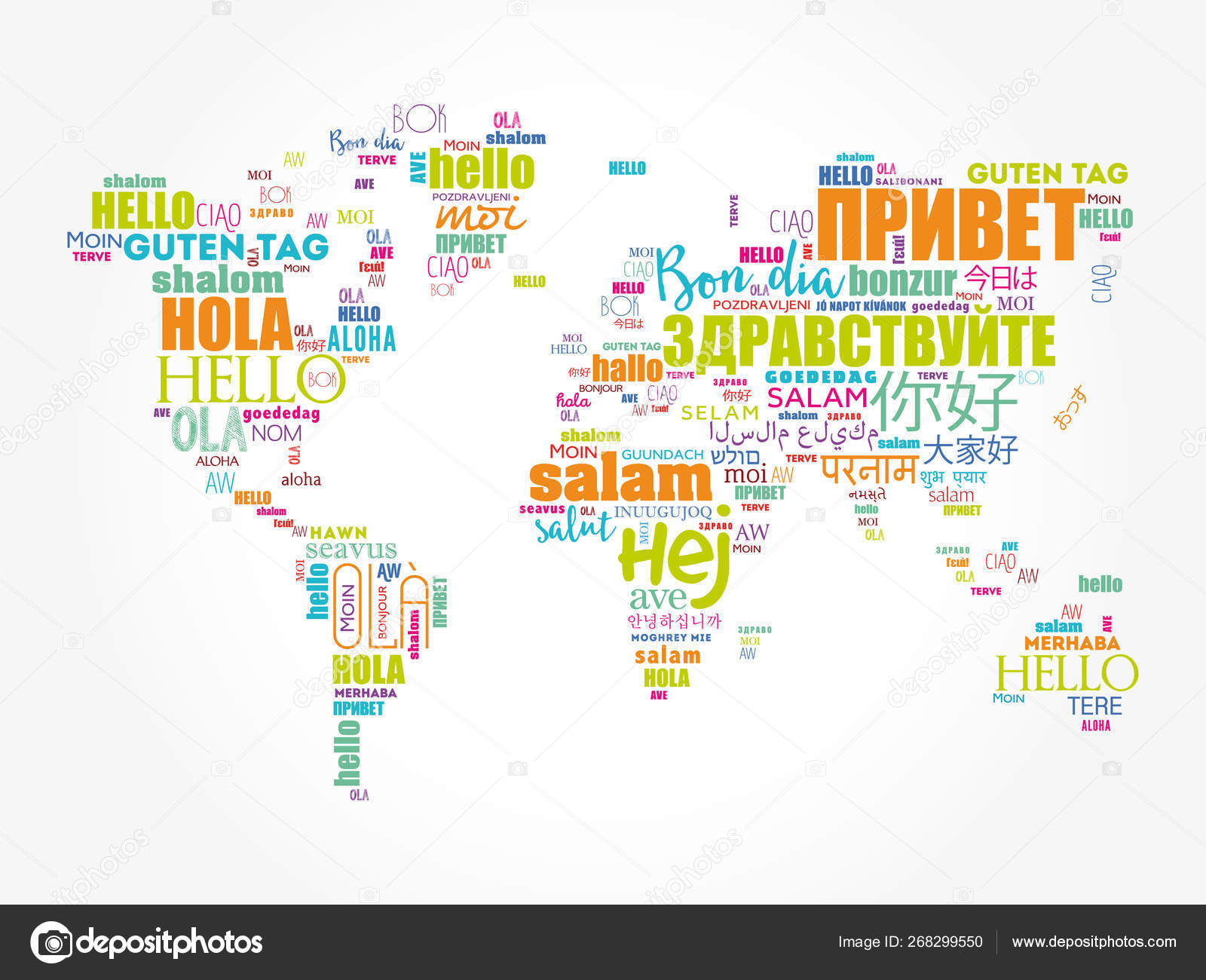
Greetings play a significant role in literature and art, reflecting cultural norms, social interactions, and personal relationships. They are portrayed across different cultures and time periods, providing insights into the social, cultural, and historical context of the work.
Symbolism and Meaning
Greetings in literature and art often carry symbolic meanings. A handshake, for example, may represent trust, cooperation, or agreement, while a bow may signify respect or submission. These gestures convey cultural values and social norms, shaping the interpretation of characters and their interactions.
Communication and Characterization
Greetings serve as a means of communication, conveying information about characters’ personalities, intentions, and relationships. A warm and friendly greeting may indicate a positive disposition, while a cold or distant greeting may suggest hostility or disapproval. Greetings also contribute to characterization, revealing aspects of a character’s social status, upbringing, and cultural background.
Sense of Place and Time
Greetings can create a sense of place and time in literary and artistic works. The use of specific greeting customs can evoke a particular cultural or historical setting. For example, the traditional Japanese greeting of bowing conveys a sense of respect and formality, while the informal handshake in Western cultures suggests a more casual and egalitarian environment.
Evolution of Greeting Customs
Greetings evolve over time, reflecting changing social and cultural norms. Literature and art capture this evolution, depicting how greeting customs have adapted to new technologies and globalization. For instance, the rise of social media has introduced new forms of greeting, such as emojis and virtual hugs, which reflect the increasing importance of digital communication.
Literary Device
Greetings can be used as a literary device to convey tone, mood, and atmosphere. A warm and welcoming greeting can create a sense of comfort and belonging, while a cold or hostile greeting can generate feelings of tension or unease.
Greetings can also foreshadow events or reveal hidden relationships between characters.
Greetings in Business and Diplomacy
Greetings are an essential part of business and diplomatic settings, as they set the tone for the interaction and can influence the outcome. It is important to be aware of the different types of greetings used in different cultures and contexts and to use them appropriately.
When greeting someone in a business or diplomatic setting, it is important to be polite and respectful. A firm handshake is usually appropriate, and it is important to make eye contact and smile. In some cultures, it is also customary to bow or curtsy.
Tips for Greeting People Appropriately in Business and Diplomatic Settings
- Be polite and respectful.
- Make eye contact and smile.
- Give a firm handshake.
- Be aware of the different types of greetings used in different cultures and contexts.
- Use the appropriate greeting for the situation.
Examples of Appropriate Greetings for Different Cultures and Contexts
| Culture | Context | Appropriate Greeting |
|---|---|---|
| China | Business meeting | 你好 (nǐ hǎo) |
| Japan | Diplomatic reception | おはようございます (ohayo gozaimasu) |
| United States | Job interview | Hello, my name is [your name]. |
Script
Scenario:You are meeting a potential client for the first time. You want to make a good impression, so you greet them appropriately.
You:Hello, Mr. Smith. It is a pleasure to meet you.
Mr. Smith:It is a pleasure to meet you too.
You:I am looking forward to working with you on this project.
Greetings in Online Communication
Online communication presents unique challenges and opportunities for greeting people. The lack of physical presence and immediate feedback can make it difficult to convey tone and intent, but it also allows for greater flexibility and creativity in greeting strategies.
To adapt greetings to different platforms and audiences, consider the following:
- Platform:Different platforms have different norms for greetings. For example, on social media, it is common to use informal greetings like “Hey” or “What’s up?” In professional settings, such as email or video conferencing, it is more appropriate to use formal greetings like “Hello” or “Good morning.”
- Audience:The audience you are greeting will also influence your choice of greeting. If you are greeting a close friend or family member, you may use a more casual greeting. If you are greeting a stranger or someone in a professional setting, it is best to use a more formal greeting.
- Cultural nuances:Cultural nuances can also play a role in online greetings. In some cultures, it is considered rude to greet someone without first asking about their well-being. In other cultures, it is considered impolite to use first names when greeting someone you do not know well.
To avoid common pitfalls and faux pas when greeting people online, keep the following in mind:
- Be mindful of your tone:It can be difficult to convey tone in text-based communication, so be careful not to come across as rude or unprofessional. Use polite language and avoid using slang or abbreviations.
- Don’t be too informal:Even in casual settings, it is important to maintain a certain level of formality when greeting people online. Avoid using overly familiar language or making personal comments.
- Be respectful of cultural differences:Be aware of the cultural norms for greeting people in different cultures. If you are unsure about how to greet someone, it is always best to err on the side of caution and use a more formal greeting.
Here is a sample dialogue that demonstrates how to initiate and respond to greetings in an online setting:
User 1:Hey there! How’s it going? User 2:Hi there! I’m doing well, thanks. How are you?
To summarize, the best practices for greeting people in online communication include:
- Adapt your greeting to the platform and audience.
- Be mindful of your tone and avoid coming across as rude or unprofessional.
- Don’t be too informal, even in casual settings.
- Be respectful of cultural differences.
Greetings in Different Contexts
Greetings vary significantly depending on the context in which they are used. Understanding the appropriate use of greetings in different settings is crucial for effective communication.
Social Settings
In social settings, greetings are primarily used to establish or maintain relationships. They can express friendliness, warmth, and a desire for connection. Common greetings include handshakes, hugs, kisses on the cheek, and verbal expressions such as “Hello,” “Hi,” or “Good morning.” The formality or informality of the greeting depends on the relationship between the individuals involved.
Educational Settings
In educational settings, greetings are typically more formal and respectful. Students are expected to greet their teachers and classmates politely, using appropriate titles and language. Common greetings include “Good morning, Professor Smith” or “Hello, classmates.” Students may also use non-verbal cues, such as bowing or nodding, to show respect.
Professional Settings
In professional settings, greetings are essential for establishing a positive and respectful work environment. They can convey professionalism, respect, and a willingness to collaborate. Common greetings include handshakes, eye contact, and verbal expressions such as “Good morning, Mr. Jones” or “Hello, team.” The formality of the greeting should match the level of seniority and the context of the interaction.
Greetings for Different Relationships
The way people greet each other varies significantly depending on the relationship between them. These variations can be observed in the formality, warmth, and intimacy of the greeting.
Formal Greetings
Formal greetings are typically used in professional or public settings, or when addressing someone who is older or in a position of authority. These greetings are characterized by their politeness and respect.
- Good morning/afternoon/evening
- Hello, Mr./Ms. [Last Name]
- How do you do?
Informal Greetings
Informal greetings are used between friends, family, and close acquaintances. These greetings are more casual and personal, and often convey a sense of warmth and familiarity.
- Hi
- Hey
- What’s up?
Intimate Greetings
Intimate greetings are reserved for close romantic partners or family members. These greetings are highly personal and affectionate, and often involve physical contact such as hugs or kisses.
- I love you
- Honey
- Babe
The choice of greeting depends on the specific relationship between the speakers, the context of the interaction, and the cultural norms of the society.
Greetings in International Settings: How To Say Hello In Many Languages
In an increasingly globalized world, interacting with people from diverse cultures is becoming commonplace. Greetings play a crucial role in establishing positive connections and fostering cross-cultural understanding. Understanding and adhering to appropriate greeting customs is essential for effective communication and building rapport in international settings.
Importance of Cultural Sensitivity and Understanding
Cultural sensitivity is paramount when greeting people from different cultures. Greetings vary significantly across cultures, and what may be considered polite in one culture could be perceived as disrespectful or inappropriate in another. It is important to research and understand the specific greeting customs of the cultures you will be interacting with.
Greetings for Travelers
When traveling to different countries, it is important to be aware of the local customs and etiquette, including how to greet people. A simple greeting can go a long way in making a good impression and showing respect for the local culture.
Useful Greetings for Travelers
The following table provides a list of useful greetings for travelers to use when visiting different countries.
| Country | Greeting | Pronunciation | Cultural Etiquette |
|---|---|---|---|
| China | 你好 (nǐ hǎo) | nee how | It is considered polite to bow slightly when greeting someone. |
| France | Bonjour (bonjour) | bohn-zhoor | It is customary to shake hands when meeting someone for the first time. |
| Germany | Guten Tag (goo-ten tahk) | goo-ten tahk | It is common to shake hands when greeting someone, but it is not necessary to bow. |
| India | Namaste (nah-mah-stay) | nah-mah-stay | It is considered respectful to place your hands together in front of your chest and bow slightly when greeting someone. |
| Italy | Buongiorno (bwon-jor-no) | bwon-jor-no | It is customary to shake hands when meeting someone for the first time. |
| Japan | Konnichiwa (kon-ni-chee-wa) | kon-ni-chee-wa | It is considered polite to bow slightly when greeting someone. |
| Mexico | Hola (oh-la) | oh-la | It is common to shake hands when greeting someone, but it is not necessary to bow. |
| Russia | Zdravstvuyte (zdrav-stvooy-te) | zdrav-stvooy-te | It is customary to shake hands when meeting someone for the first time. |
| Spain | Hola (oh-la) | oh-la | It is common to shake hands when greeting someone, but it is not necessary to bow. |
| United Kingdom | Hello (heh-loh) | heh-loh | It is common to shake hands when meeting someone for the first time. |
Cultural Significance of Greetings
In many cultures, greetings are considered to be an important part of social interaction. They can convey respect, warmth, and friendliness. In some cultures, it is considered rude to not greet someone when you meet them. In other cultures, it is considered more important to wait for the other person to initiate the greeting.It is important to be aware of the cultural significance of greetings in each country you visit.
This will help you to make a good impression and avoid any misunderstandings.
Tips for Using Greetings
When using greetings, it is important to be polite and respectful. Here are a few tips:* Always greet people with a smile.
- Make eye contact when you greet someone.
- Speak clearly and slowly.
- Use the appropriate greeting for the situation.
- Be aware of the cultural significance of greetings in each country you visit.
By following these tips, you can make sure that you are greeting people in a way that is both polite and respectful.
Interactive Map of Greetings
Greetings are an essential part of human communication, and they vary widely across different cultures. An interactive map of greetings can be a valuable tool for exploring and comparing greetings from around the world.
Such a map could display greetings in different languages, along with additional information such as their cultural significance and pronunciation. Users could explore the map and compare greetings from different cultures, and they could also contribute their own greetings to the map.
Features
- Interactive Map: A map that displays greetings in different languages around the world.
- Explore and Compare: Users can explore the map and compare greetings across different cultures.
- Additional Information: Additional information about each greeting, such as its cultural significance and pronunciation, is provided.
- User Contributions: Users can contribute their own greetings to the map.
- Leaderboard: A leaderboard tracks the most popular greetings.
Benefits
- Educational: An interactive map of greetings can be a valuable educational tool for students of language and culture.
- Cultural Exchange: The map can facilitate cultural exchange by allowing users to share and learn about greetings from different cultures.
- Travel: The map can be a useful resource for travelers who want to learn how to greet people in different languages.
Implementation
An interactive map of greetings could be implemented using a variety of technologies. One possible approach would be to use a web mapping platform such as Google Maps or OpenStreetMap. The map could be populated with data from a variety of sources, including online dictionaries, language learning websites, and user contributions.
FAQ Explained
What is the most common way to greet someone in English?
The most common way to greet someone in English is to say “hello” or “hi.”
What is the most formal way to greet someone in Spanish?
The most formal way to greet someone in Spanish is to say “buenos días” (good morning), “buenas tardes” (good afternoon), or “buenas noches” (good evening), followed by a handshake or a kiss on the cheek.
What is the most informal way to greet someone in Chinese?
The most informal way to greet someone in Chinese is to say “ni hao” (你好), which means “hello” or “how are you?”
