What language does Uzbekistan speak? Uzbek, a Turkic language, is the official language of Uzbekistan. Spoken by over 27 million people, it is the second most widely spoken Turkic language in the world, after Turkish.
Uzbek has a rich history, dating back to the 10th century. It is closely related to other Turkic languages such as Kazakh, Kyrgyz, and Uyghur. Uzbek is written using a modified version of the Cyrillic alphabet, although a Latin-based alphabet is also in use.
Uzbek Language Overview
The Uzbek language is a Turkic language spoken by the Uzbek people, primarily in Uzbekistan, where it is the official language. It is also spoken in Afghanistan, Tajikistan, Kyrgyzstan, Kazakhstan, and other parts of Central Asia.
The Uzbek language has a rich history, dating back to the 11th century. It is closely related to other Turkic languages, such as Turkish, Azerbaijani, and Kazakh.
Uzbek Alphabet
The Uzbek alphabet is based on the Cyrillic alphabet, with some additional letters. The alphabet has 36 letters, including 26 consonants and 10 vowels.
The Uzbek alphabet was first developed in the 1920s, when Uzbekistan was part of the Soviet Union. It was based on the Russian alphabet, with some modifications to accommodate the sounds of the Uzbek language.
Official Language Status
The Uzbek language enjoys the official language status in the Republic of Uzbekistan, as enshrined in the Constitution of Uzbekistan (Article 4).
This official status provides the Uzbek language with legal protection and institutional support. The government has implemented various measures to promote and preserve the Uzbek language, including:
Legal Framework
- The Law on the State Language (1989) establishes the Uzbek language as the official language of Uzbekistan.
- The Law on Education (1997) mandates the use of Uzbek as the primary language of instruction in schools.
- The Law on Mass Media (2002) requires all media outlets to broadcast and publish content in Uzbek.
Institutional Support
- The Uzbek Language Committee is responsible for developing and implementing language policies.
- The Academy of Sciences of Uzbekistan conducts research on the Uzbek language and literature.
- The Ministry of Education oversees the teaching of Uzbek in schools and universities.
The official language status of Uzbek has significantly contributed to its preservation and promotion. The language is widely used in all official settings, including government documents, education, and media. This has helped to strengthen the national identity of Uzbekistan and foster a sense of unity among its citizens.
Regional Distribution

Uzbek is primarily spoken in Central Asia, with Uzbekistan being its heartland. It is the official language of Uzbekistan and is also spoken in neighboring countries such as Kazakhstan, Kyrgyzstan, Tajikistan, Turkmenistan, Afghanistan, and Iran.
The distribution of Uzbek speakers is influenced by historical migrations and linguistic influences. The Uzbek people are descended from nomadic Turkic tribes who migrated to the region from the steppes of Central Asia. Over time, they assimilated with the local population and adopted the Persian language, which became the literary language of the region.
However, the Uzbek language continued to be spoken in everyday life.
Geographical Areas
- Uzbekistan:Uzbek is the official language of Uzbekistan and is spoken by the majority of the population.
- Kazakhstan:Uzbek is spoken by a significant minority in southern Kazakhstan, particularly in the border regions with Uzbekistan.
- Kyrgyzstan:Uzbek is spoken by a minority in southern Kyrgyzstan, especially in the Osh and Jalal-Abad regions.
- Tajikistan:Uzbek is spoken by a small minority in northern Tajikistan, particularly in the Sughd region.
- Turkmenistan:Uzbek is spoken by a minority in eastern Turkmenistan, especially in the Lebap region.
- Afghanistan:Uzbek is spoken by a significant minority in northern Afghanistan, particularly in the Balkh, Jowzjan, and Faryab provinces.
- Iran:Uzbek is spoken by a small minority in northeastern Iran, particularly in the Khorasan region.
Dialects and Variants
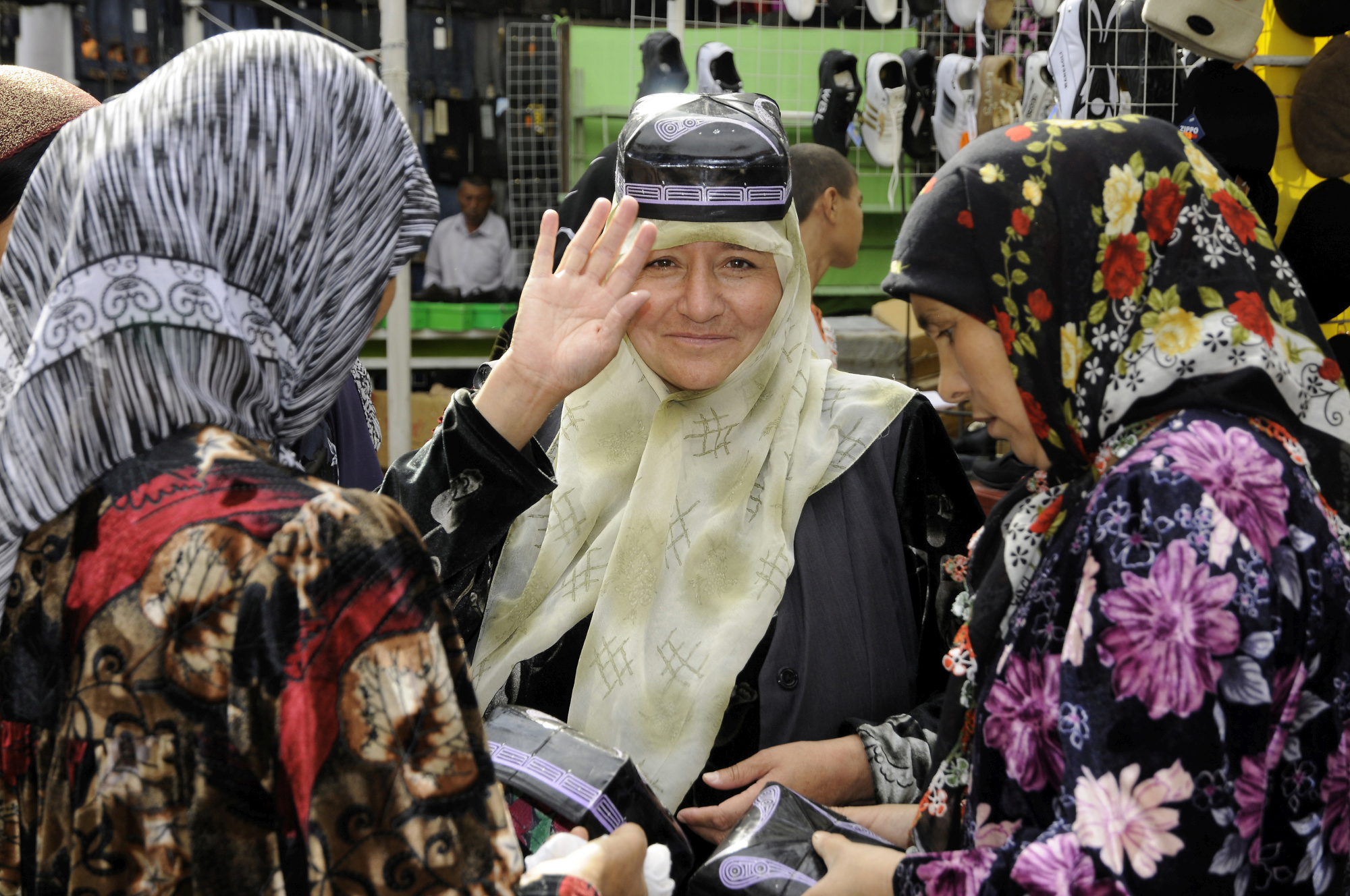
The Uzbek language exhibits regional variations, resulting in the formation of distinct dialects. These dialects share a common core but differ in pronunciation, vocabulary, and grammatical features.
The major Uzbek dialects include:
Northern Dialect
- Spoken in the northern regions of Uzbekistan, including Tashkent, Fergana, and Namangan.
- Characterized by a distinct pronunciation of vowels and consonants, as well as the use of certain grammatical constructions.
Southern Dialect
- Spoken in the southern regions of Uzbekistan, including Bukhara, Samarkand, and Surkhandarya.
- Features a more conservative pronunciation and vocabulary, preserving older linguistic forms.
Eastern Dialect
- Spoken in the eastern regions of Uzbekistan, including Andijan and Namangan.
- Shares similarities with the Southern dialect but also exhibits unique phonological and grammatical features.
Western Dialect
- Spoken in the western regions of Uzbekistan, including Khorezm and Karakalpakstan.
- Influenced by Turkmen and Kazakh languages, resulting in distinct pronunciation and vocabulary.
Linguistic Classification
Uzbek is a member of the Turkic language family, which is a branch of the Altaic language group. Within the Turkic family, Uzbek belongs to the Karluk branch, which also includes Uyghur, Kazakh, and Kyrgyz. Uzbek is most closely related to Uyghur, and the two languages share many similarities in phonology, morphology, and syntax.
The Turkic languages are characterized by a number of linguistic features, including vowel harmony, agglutination, and a subject-object-verb word order. Uzbek shares these features with other Turkic languages, but it also has some unique characteristics that distinguish it from its relatives.
Phonology
Uzbek has a rich phonological system, with 28 consonant phonemes and 8 vowel phonemes. The consonant inventory includes a number of voiceless and voiced stops, fricatives, and affricates, as well as a number of palatalized and velarized consonants. The vowel inventory includes a number of front, central, and back vowels, as well as a number of diphthongs.
Morphology
Uzbek is an agglutinative language, which means that words are formed by adding suffixes to a root word. Uzbek has a number of productive suffixes that can be used to create new words, including suffixes that indicate tense, aspect, mood, number, and case.
Uzbek also has a number of prefixes that can be used to change the meaning of a word.
Syntax
Uzbek has a subject-object-verb word order. The language also has a number of other syntactic features that are common to other Turkic languages, including the use of postpositions and the absence of articles.
| Feature | Uzbek | Uyghur | Kazakh | Kyrgyz |
|---|---|---|---|---|
| Phonology | 28 consonant phonemes, 8 vowel phonemes | 28 consonant phonemes, 8 vowel phonemes | 29 consonant phonemes, 8 vowel phonemes | 29 consonant phonemes, 8 vowel phonemes |
| Morphology | Agglutinative, with a number of productive suffixes | Agglutinative, with a number of productive suffixes | Agglutinative, with a number of productive suffixes | Agglutinative, with a number of productive suffixes |
| Syntax | Subject-object-verb word order, use of postpositions, absence of articles | Subject-object-verb word order, use of postpositions, absence of articles | Subject-object-verb word order, use of postpositions, absence of articles | Subject-object-verb word order, use of postpositions, absence of articles |
Phonology and Grammar

Phonological Features
Uzbek has a rich phonological system with several distinctive features:
- Vowel Harmony: Uzbek exhibits vowel harmony, where vowels within a word must agree in terms of their frontness or backness.
- Vowel Length: Vowel length plays a significant role in distinguishing words. Long vowels are indicated by a macron (e.g., ā).
- Consonant Clusters: Uzbek allows for complex consonant clusters, including both initial and final clusters (e.g., brd, qsh).
- Palatalization: Palatalization is a common feature, where consonants are pronounced with a palatalized articulation (e.g., k → kʲ).
- Aspiration: Aspiration is a characteristic of voiceless consonants, which are pronounced with a puff of air (e.g., pʰ).
Grammatical Structure
Uzbek has an agglutinative grammatical structure, where morphemes are added to words to modify their meaning or grammatical function:
- Case System: Uzbek has a rich case system, with six primary cases (nominative, genitive, dative, accusative, ablative, and locative).
- Verb Conjugation: Verbs are conjugated for person, number, tense, mood, and aspect. The present tense is formed using the suffix -moq, while the past tense uses -di.
- Noun Declension: Nouns are declined for case and number. The plural is typically formed by adding -lar.
- Postpositions: Uzbek uses postpositions rather than prepositions to indicate spatial relationships (e.g., uyda – “in the house”).
- Word Order: The basic word order in Uzbek is subject-object-verb.
Vocabulary and Loanwords

The Uzbek language has a rich vocabulary that has been influenced by various languages throughout its history. Loanwords have played a significant role in the development of Uzbek vocabulary, enriching it with new words and concepts.
Sources of Loanwords
The Uzbek language has borrowed words from a variety of sources, including:
- Persian:Persian has had a major influence on Uzbek vocabulary, especially in the areas of literature, culture, and religion.
- Arabic:Arabic loanwords are primarily found in religious and academic texts.
- Russian:Russian loanwords entered the Uzbek language during the Soviet era and are commonly used in technical, scientific, and political contexts.
- Other languages:Uzbek has also borrowed words from other languages, such as Chinese, Mongolian, and Turkish.
Influence of Loanwords on Uzbek Vocabulary
Loanwords have had a significant impact on Uzbek vocabulary, both semantically and syntactically.
Semantic Changes
Loanwords have introduced new concepts and ideas into Uzbek, enriching its semantic range. For example, the word “kitob” (book) is a loanword from Persian that has become an integral part of Uzbek vocabulary.
Syntactic Changes
Loanwords have also influenced the syntactic structure of Uzbek. For example, the use of the Russian preposition “na” (on) has become common in Uzbek, even though the native Uzbek preposition “ustida” (on) is still used.
Role of Loanwords in Uzbek Language Development
Loanwords have played a vital role in the development of Uzbek vocabulary. They have provided the language with the necessary words and concepts to express new ideas and technologies. Loanwords have also helped to shape the structure and usage of Uzbek.
Examples of Loanwords in Uzbek Texts
The following are some examples of loanwords in Uzbek texts:
- “Kitob” (book) – from Persian
- “Maktab” (school) – from Arabic
- “Zavod” (factory) – from Russian
- “Kompyuter” (computer) – from English
Impact of Globalization on Loanwords
Globalization has led to an increased influx of loanwords into Uzbek. As Uzbek speakers come into contact with other languages, they borrow words and phrases to express new concepts and ideas.
Sociolinguistic Factors Influencing Loanword Usage
The acceptance and usage of loanwords in Uzbek society are influenced by various sociolinguistic factors, such as:
- Education:Educated Uzbek speakers are more likely to use loanwords.
- Occupation:People who work in international or technical fields are more likely to use loanwords.
- Age:Younger Uzbek speakers are more likely to use loanwords than older speakers.
Implications for the Future of Uzbek
The influx of loanwords into Uzbek has implications for the future of the language. Some linguists argue that loanwords are enriching the language, while others worry that they may lead to the loss of native Uzbek words and phrases.
Ultimately, the future of Uzbek as a language will depend on the choices made by its speakers. If Uzbek speakers continue to borrow words from other languages, the language will continue to evolve and change. However, if Uzbek speakers make an effort to preserve native Uzbek words and phrases, the language will retain its unique identity.
Literature and Arts: What Language Does Uzbekistan Speak

Uzbek literature has a rich and diverse history, spanning over centuries and encompassing various genres. It is influenced by a blend of Persian, Arabic, and Turkic traditions.
Notable Uzbek authors include Alisher Navoi, a 15th-century poet and statesman considered the father of Uzbek literature, and Abdulla Qodiriy, a 20th-century novelist known for his historical works.
Poetry
Uzbek poetry has a strong oral tradition, with many folk tales and epics passed down through generations. It is characterized by its lyrical nature, often exploring themes of love, loss, and heroism.
Famous Uzbek poets include Furqat, a 19th-century poet known for his satirical works, and Zulfiya, a 20th-century poet who wrote about women’s issues.
Music
Uzbek music is vibrant and diverse, incorporating elements from traditional folk music, classical Persian music, and modern Western influences.
Popular Uzbek musical instruments include the doira (tambourine), the dutar (two-stringed lute), and the chang (harp).
Theater
Uzbek theater has a long history, with traditional forms such as the oina (folk puppet theater) and the lakhti (musical comedy) still performed today.
Modern Uzbek theater companies stage both traditional and contemporary plays, often exploring social and political issues.
– Describe the role of the Uzbek language in the education system of Uzbekistan, including its use as a medium of , the availability of Uzbek-language textbooks and resources, and the training of Uzbek-language teachers.
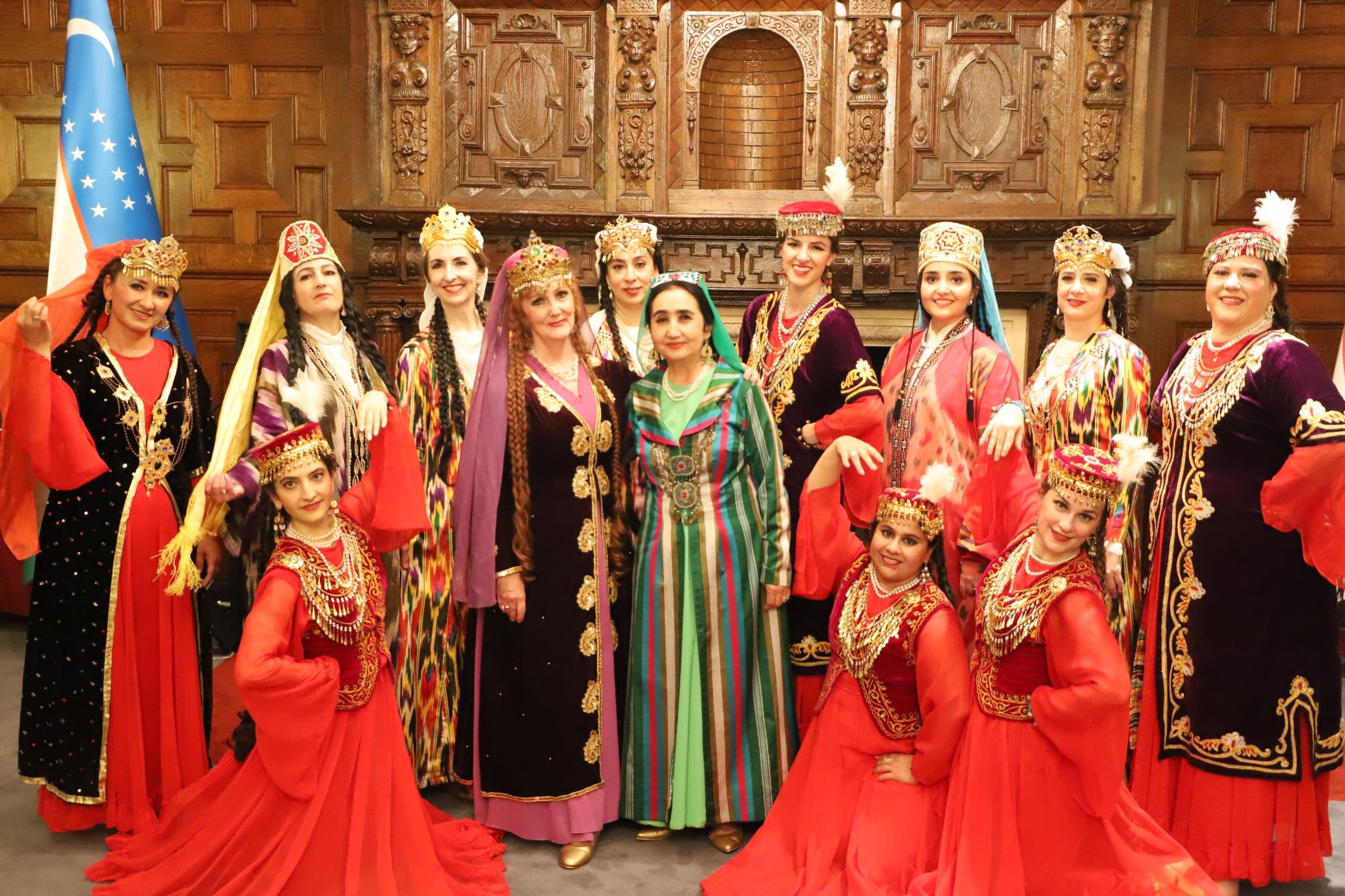
The Uzbek language plays a central role in the education system of Uzbekistan. It is the primary medium of instruction in schools, from primary to secondary level, and is also used in higher education institutions. The government has made significant efforts to promote the use of Uzbek in education, including providing Uzbek-language textbooks and resources, and training Uzbek-language teachers.
The use of Uzbek as a medium of instruction has helped to improve the quality of education in Uzbekistan. Students are able to learn more effectively in their native language, and they are better able to apply their knowledge to real-world situations.
Uzbekistan primarily speaks Uzbek, a Turkic language closely related to Turkish. If you need to translate presentations or documents into Uzbek, you can refer to the how to change language in powerpoint guide to ensure the correct language settings are applied.
Understanding the language spoken in Uzbekistan is crucial for effective communication and cultural exchange.
The availability of Uzbek-language textbooks and resources has also made it easier for students to access information and learn about different subjects.
Training of Uzbek-Language Teachers
The government has also invested in the training of Uzbek-language teachers. This has helped to ensure that there are qualified teachers available to teach Uzbek in schools and universities. The government has also developed a number of programs to support Uzbek-language teachers, including providing them with training and resources.
Media and Communication
The Uzbek language holds a prominent place in the media landscape of Uzbekistan. Newspapers, television channels, and radio stations widely use Uzbek to disseminate news, information, and entertainment to the public.
Use of Uzbek in Various Media Outlets
Uzbek is the primary language used in print media, with numerous newspapers and magazines published solely in Uzbek. Major newspapers like Uzbekistan Todayand Narodnoye Slovocater to a diverse readership, providing news and analysis in Uzbek.Television and radio broadcasting also extensively feature Uzbek content.
State-owned channels like Uzbekistan 1and O’zbekiston 24broadcast news, documentaries, and entertainment programs primarily in Uzbek. Private channels like Zo’r TVand Sevimli TValso offer a range of Uzbek-language programming, including popular dramas, talk shows, and music videos.Social media platforms have emerged as a significant avenue for Uzbek content dissemination.
The official language of Uzbekistan is Uzbek, a Turkic language closely related to Turkish and Azerbaijani. However, Russian is also widely spoken, especially in urban areas. If you’re traveling to Uzbekistan and want to learn a few basic phrases, you might be interested in learning how to say “you’re welcome” in sign language.
Here’s a quick guide to help you get started. Returning to the topic of Uzbekistan’s language, it’s worth noting that Uzbek has several dialects, each with its own unique characteristics.
Uzbek users actively engage on platforms like Facebook, Instagram, and Telegram, sharing news, opinions, and cultural expressions in their native language.
Impact of Technology on Uzbek Content Dissemination
The internet and social media have revolutionized access to Uzbek content. Online news portals, blogs, and social media groups provide a vast repository of Uzbek-language information, catering to a global audience.The internet has also facilitated the creation and distribution of Uzbek-language educational materials, cultural resources, and literary works.
Online platforms like the National Library of Uzbekistan and the Uzbek Wikipedia provide access to a wealth of Uzbek-language content, promoting literacy and cultural preservation.
Challenges and Opportunities for Uzbek Content Dissemination
While technology offers immense opportunities for Uzbek content dissemination, it also presents challenges. The proliferation of online content in various languages can make it difficult for Uzbek-language content to stand out and reach a wider audience.To address this challenge, efforts are underway to enhance the visibility and accessibility of Uzbek content online.
Initiatives like the “Uzbek Language Online” project aim to create a comprehensive online corpus of Uzbek-language resources, including dictionaries, textbooks, and literary works.
Leveraging Technology for Uzbek Content Dissemination
Artificial intelligence (AI) and virtual reality (VR) technologies hold great potential for further enhancing the reach of Uzbek content. AI-powered language translation tools can facilitate the translation of Uzbek content into other languages, making it accessible to a global audience.VR technology can be harnessed to create immersive cultural experiences that showcase Uzbek traditions, history, and art.
By leveraging these technologies, Uzbekistan can effectively promote and preserve its linguistic and cultural heritage on a global scale.
Language Contact and Bilingualism
Uzbekistan is a multilingual country, with Uzbek serving as the official language. Other languages spoken in the country include Russian, Tajik, Kazakh, and Kyrgyz. The relative prominence of these languages varies depending on geographical location and ethnic composition of the population.
Bilingualism is widespread in Uzbekistan, particularly in urban areas. Factors such as age, education level, and region influence the prevalence of bilingualism. Younger generations and those with higher education levels are more likely to be bilingual. In regions bordering neighboring countries, bilingualism in the respective languages is more common.
Impact of Bilingualism on Uzbek Language
Bilingualism has had a significant impact on the Uzbek language, leading to changes in vocabulary, grammar, and pronunciation. Uzbek has borrowed numerous words from Russian, particularly in the fields of science, technology, and administration. Grammatical structures have also been influenced by Russian, such as the use of prepositions and conjunctions.
Additionally, pronunciation of certain sounds has been affected by contact with Russian.
Language Contact Phenomena
Language contact between Uzbek and other languages has resulted in various language contact phenomena, including code-switching, borrowing, and calques. Code-switching involves the alternation between two or more languages within a single conversation. Borrowing refers to the adoption of words or phrases from one language into another.
Calques are loan translations, where a word or phrase from one language is translated literally into another.
Implications for Language Policy and Education
The widespread bilingualism and language contact in Uzbekistan have implications for language policy and education. The government recognizes the importance of both Uzbek and Russian as official languages and promotes their use in education and public life. However, there are ongoing debates regarding the relative status of these languages and the need for language planning to ensure the preservation and development of Uzbek.
Sociolinguistic Aspects
The Uzbek language is subject to various social factors that influence its usage and perception. These factors include:
Education
The Uzbek language is the primary medium of instruction in schools throughout Uzbekistan. Textbooks and educational resources are widely available in Uzbek, and teachers are trained to teach in the language. This promotes the use and proficiency of Uzbek among the younger generation.
Media and Communication
Uzbek is the dominant language in the media landscape of Uzbekistan. Television, radio, and print media primarily use Uzbek, ensuring its widespread exposure and usage. This exposure helps maintain the vitality and currency of the language.
Government and Official Use
Uzbek is the official language of Uzbekistan, used in government documents, official communications, and legal proceedings. This institutional support reinforces the status and prestige of the language.
Social Prestige and Attitudes, What language does uzbekistan speak
Uzbek is generally held in high esteem within Uzbek society. It is seen as a symbol of national identity and cultural heritage. However, there are variations in attitudes towards the language based on factors such as age, education level, and urban or rural residence.
Regional Variation
While Uzbek is the standard language, there are regional variations and dialects spoken in different parts of Uzbekistan. These dialects may differ in pronunciation, vocabulary, and grammar. However, they are generally mutually intelligible.
Future Prospects
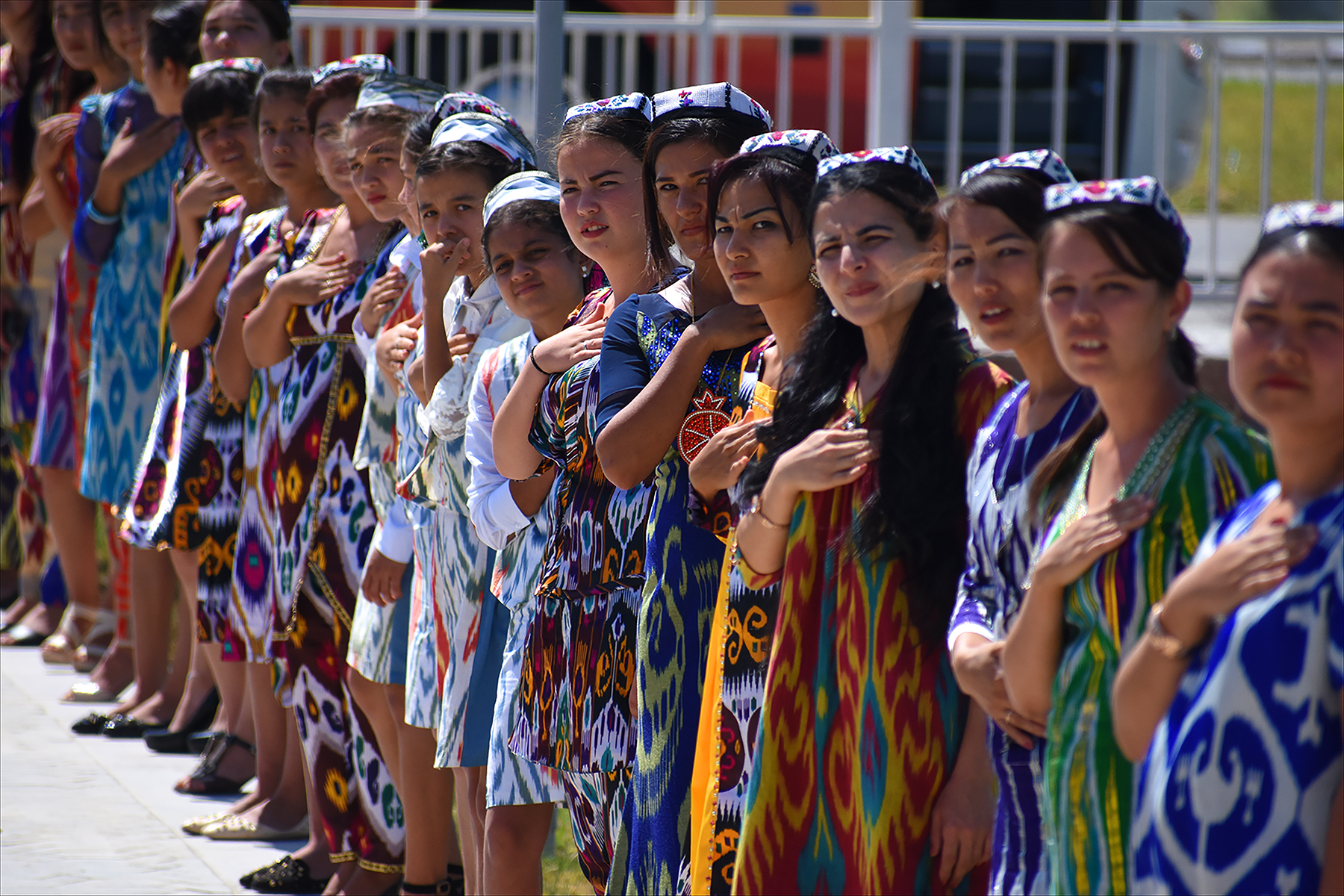
The Uzbek language faces a number of challenges and opportunities in the 21st century. One challenge is the influence of globalization, which is leading to increased use of English and other international languages in business, education, and media. Another challenge is the need to modernize the Uzbek language to meet the demands of a rapidly changing world.
Despite these challenges, the Uzbek language also has a number of opportunities. One opportunity is the growing interest in Uzbek culture and history, which is leading to increased demand for Uzbek-language materials. Another opportunity is the development of new technologies, which can be used to promote the Uzbek language and make it more accessible to learners.
Potential Impact of Globalization and Cultural Exchange
Globalization has a significant impact on the Uzbek language. On the one hand, globalization has led to increased exposure to foreign languages, particularly English, which is now widely used in international communication, business, and education. This has resulted in the adoption of many English words and phrases into Uzbek, and has also led to some changes in the way Uzbek is spoken.
On the other hand, globalization has also led to a growing interest in Uzbek culture and history, which has led to increased demand for Uzbek-language materials. This has resulted in the production of more Uzbek-language books, films, and other media, which has helped to promote the language and make it more accessible to learners.
Cultural exchange also has a significant impact on the Uzbek language. Uzbekistan has a long history of cultural exchange with its neighbors, including Iran, Afghanistan, and Tajikistan. This has resulted in the adoption of many words and phrases from these languages into Uzbek, and has also influenced the way Uzbek is spoken.
In the 21st century, cultural exchange is likely to continue to have a significant impact on the Uzbek language. As Uzbekistan becomes more integrated into the global community, it is likely to adopt more words and phrases from other languages.
At the same time, Uzbekistan’s own culture is likely to continue to influence the way Uzbek is spoken.
FAQ Overview
What is the official language of Uzbekistan?
Uzbek is the official language of Uzbekistan.
What language family does Uzbek belong to?
Uzbek belongs to the Turkic language family.
What is the most widely spoken Turkic language?
Turkish is the most widely spoken Turkic language.
What alphabet is used to write Uzbek?
Uzbek is written using a modified version of the Cyrillic alphabet, although a Latin-based alphabet is also in use.
What is the population of Uzbekistan?
The population of Uzbekistan is approximately 35 million.
