How can you avoid using biased language? This is a question that is becoming increasingly important in today’s world, as we become more aware of the power of words and their potential to harm. Biased language can perpetuate stereotypes, exclude certain groups of people, and even lead to discrimination.
In this article, we will explore the concept of biased language, discuss its impact, and provide tips on how to avoid using it.
Bias in Language

Bias in language refers to the use of language that favors one perspective or group over another. It can be intentional or unintentional and can manifest in various forms, including the use of stereotypes, generalizations, and emotionally charged language.Bias in language can have significant consequences, including perpetuating stereotypes, marginalizing certain groups, and hindering effective communication.
It is important to be aware of the potential for bias in language and to strive to use language that is inclusive and respectful of all.
Examples of Biased Language
Examples of biased language include:
- Using gendered language when referring to a group of people (e.g., “mankind” instead of “humankind”)
- Using racial or ethnic slurs
- Making generalizations about entire groups of people (e.g., “All men are X”)
- Using language that is dismissive or disrespectful of certain groups (e.g., “the poor”)
- Using euphemisms or coded language to refer to marginalized groups (e.g., “inner city” instead of “black neighborhood”)
Impact of Biased Language
Biased language is language that favors one group or perspective over another. It can be harmful because it can perpetuate stereotypes, discriminate against certain groups, and create a hostile or unwelcoming environment.
For example, the use of the term “illegal immigrant” to describe undocumented immigrants is biased because it implies that they are criminals. This term can be dehumanizing and make it difficult for undocumented immigrants to access essential services.
Stereotypes and Discrimination
Biased language can also perpetuate stereotypes. For example, the use of the term “welfare queen” to describe women who receive welfare benefits reinforces the stereotype that they are lazy and irresponsible.
Discrimination is another harmful consequence of biased language. For example, the use of the term “gay” as a slur can lead to discrimination against LGBTQ people.
Tips for Avoiding Biased Language
There are several things you can do to avoid using biased language. First, be aware of the stereotypes and biases that you may have. Second, use inclusive language that does not favor one group or perspective over another. Third, avoid using labels or generalizations.
Finally, be respectful of others and their experiences.
Identifying Biased Language
Identifying biased language is crucial to promote fair and inclusive communication. It involves recognizing language that favors one group or perspective over another, often perpetuating stereotypes or discriminatory practices.
Common Types of Biased Language
Common types of biased language include:
- Stereotyping:Attributing fixed and oversimplified characteristics to a group of people based on their race, gender, religion, or other group affiliation.
- Overgeneralization:Making broad generalizations about a group of people without considering individual differences or exceptions.
- Loaded Language:Using words or phrases that carry positive or negative connotations, influencing perceptions and creating an emotional response.
- Exclusionary Language:Using language that excludes or marginalizes certain groups by ignoring their perspectives or using derogatory terms.
- Euphemisms:Using indirect or vague language to avoid addressing uncomfortable topics or downplay the severity of an issue.
Tips for Recognizing Biased Language
To recognize biased language, consider the following tips:
- Examine the context and purpose of the language.
- Identify the target audience and their potential biases.
- Look for language that makes assumptions or generalizations about a group of people.
- Pay attention to emotional language that evokes strong reactions.
- Consider whether the language is inclusive and respectful of all perspectives.
Table of Examples
| Type of Bias | Example |
|---|---|
| Stereotyping | “All women are emotional.” |
| Overgeneralization | “People from that country are all poor.” |
| Loaded Language | “Lazy welfare recipients” (negative connotation) |
| Exclusionary Language | “Manpower” (ignores women) |
| Euphemisms | “Passed away” (instead of “died”) |
Phrases and Words to Avoid
To reduce bias in writing, avoid using the following phrases and words:
- All, every, none
- Man, mankind, he, his
- Normal, natural
- Crazy, stupid
- Blacklist, whitelist
Alternatives to Biased Language
Using biased language can have a negative impact on communication and relationships. It can also lead to misunderstandings, conflict, and even discrimination. Therefore, it is important to be aware of the language we use and to make an effort to use unbiased language.
There are a number of ways to avoid using biased language. One way is to use alternative, unbiased language for commonly used biased terms. For example, instead of using the term “blacklisted,” you could use the term “excluded.” Instead of using the term “whitelist,” you could use the term “approved list.”
Another way to avoid using biased language is to rewrite sentences to remove bias. For example, instead of saying “All men are created equal,” you could say “All people are created equal.”
You can also identify and replace biased language in a given text. For example, if you are reading a text that uses the term “disabled,” you could replace it with the term “person with a disability.”
Finally, you can rewrite a given sentence or paragraph to remove bias. For example, if you are writing a paragraph about a group of people, you could rewrite it to avoid using gendered language. Instead of saying “The men in the group were taller than the women,” you could say “The people in the group varied in height.”
Avoiding biased language is crucial in promoting inclusivity and objectivity. To effectively achieve this, it is essential to examine the historical context of language and its impact on marginalized communities. In this regard, understanding the factors that have contributed to English’s status as a “universal language” can provide valuable insights into how language shapes power dynamics.
Exploring the reasons why English has gained global prominence, as discussed in why is english a universal language , can inform our understanding of how language influences perceptions and biases.
Examples of Biased Language and Their Unbiased Alternatives
- Biased:Blacklist
- Unbiased:Excluded
- Biased:Whitelist
- Unbiased:Approved list
- Biased:Disabled
- Unbiased:Person with a disability
- Biased:The men in the group were taller than the women.
- Unbiased:The people in the group varied in height.
Unconscious Bias
Unconscious bias refers to the subtle and often unintentional prejudices or stereotypes that can influence our language and communication. These biases can manifest in various ways, such as using gendered language or making assumptions based on a person’s appearance or background.
Identifying and overcoming unconscious bias is crucial for inclusive and equitable communication. One strategy involves actively reflecting on our own language and considering alternative perspectives. By becoming aware of our potential biases, we can make conscious efforts to use more inclusive and neutral language.
Strategies for Identifying Unconscious Bias
- Examine your own language and identify any patterns or tendencies that may reflect unconscious bias.
- Seek feedback from others, especially from individuals who may have different perspectives or experiences than you.
- Use tools or resources that can help identify biased language, such as bias checkers or online dictionaries.
Strategies for Overcoming Unconscious Bias
- Replace biased language with more inclusive and neutral alternatives.
- Use specific and descriptive language to avoid making assumptions or generalizations.
- Be mindful of the impact of your language on others and strive to create a welcoming and respectful environment.
Inclusive Language: How Can You Avoid Using Biased Language
Inclusive language is a form of communication that strives to be respectful and non-discriminatory. It seeks to avoid using words or phrases that may exclude or offend individuals based on their identity or characteristics, such as race, gender, sexual orientation, disability, or socioeconomic status.
Using inclusive language is important for creating a welcoming and equitable environment. It shows that you value and respect all individuals, regardless of their differences. It also helps to break down stereotypes and promote understanding.
Types of Inclusive Language
There are many different types of inclusive language, each with its own benefits. Some common types include:
- Gender-inclusive languageavoids using gendered terms or pronouns when referring to people whose gender is unknown or non-binary. For example, instead of saying “he or she,” you could say “they.”
- Race-inclusive languageavoids using racial slurs or stereotypes. It also uses respectful and accurate language when referring to people of different races.
- Disability-inclusive languageavoids using ableist language or stereotypes. It also uses respectful and accurate language when referring to people with disabilities.
- LGBTQ+-inclusive languageavoids using homophobic or transphobic slurs or stereotypes. It also uses respectful and accurate language when referring to LGBTQ+ people.
- Socioeconomic status-inclusive languageavoids using classist language or stereotypes.
It also uses respectful and accurate language when referring to people of different socioeconomic statuses.
Benefits of Inclusive Language
Using inclusive language has many benefits, including:
- Creates a welcoming and equitable environment
- Shows that you value and respect all individuals
- Breaks down stereotypes and promotes understanding
- Helps to create a more inclusive society
Importance of Inclusive Language in the Workplace
Inclusive language is especially important in the workplace. It helps to create a respectful and productive environment where all employees feel valued and included. It also helps to prevent discrimination and harassment.
To avoid biased language, consider the context and perspective of your audience. For instance, in Uganda, the official languages are English and Swahili, but other languages like Luganda and Acholi are also widely spoken. What language is spoken in Uganda ?
The answer depends on the region and ethnic group. Understanding these nuances helps avoid making assumptions based on limited information, ensuring inclusive and unbiased communication.
When using inclusive language in the workplace, it is important to be mindful of the following:
- Use gender-neutral language when possible.
- Avoid using racial slurs or stereotypes.
- Use respectful and accurate language when referring to people with disabilities.
- Avoid using homophobic or transphobic slurs or stereotypes.
- Use respectful and accurate language when referring to people of different socioeconomic statuses.
By using inclusive language, you can help to create a more welcoming and equitable workplace for all.
Resources for Further Learning
- GLAAD’s Transgender Ally Guide
- American Bar Association’s Inclusive Language Guide
- APA’s Glossary of LGBTQ+ Terms
Cultural Sensitivity
In a globalized world, cultural sensitivity is paramount in language use. It involves respecting and understanding the diverse cultural backgrounds, beliefs, and values of individuals. Avoiding offensive or disrespectful language is crucial for fostering inclusivity and preventing misunderstandings.
Cultural sensitivity in language requires awareness of the following:
- Cultural norms and customs: Understanding the acceptable behaviors, communication styles, and social practices within different cultures.
- Language nuances: Recognizing that words and phrases may carry different meanings or connotations across cultures.
- Stereotypes and biases: Avoiding generalizations and assumptions about individuals based on their cultural background.
Respectful Language
To use respectful language, consider the following guidelines:
- Use inclusive language that acknowledges diversity and avoids excluding or marginalizing individuals.
- Avoid using derogatory or offensive terms, even if they are common in your own culture.
- Be mindful of the context and audience when using humor or sarcasm, as these can be easily misunderstood.
Cultural Awareness, How can you avoid using biased language
Developing cultural awareness is essential for using language sensitively. This involves:
- Educating oneself about different cultures through books, articles, and interactions with people from diverse backgrounds.
- Seeking feedback from individuals who belong to the culture you are trying to understand.
- Being open to learning and adjusting your language use based on feedback and experiences.
Disability Language
Disability language refers to the way we talk about and refer to people with disabilities. It is important to use language that is respectful, accurate, and inclusive. Avoid using language that is stigmatizing, patronizing, or dehumanizing.
When referring to people with disabilities, use person-first language. This means putting the person before the disability. For example, say “a person with a disability” instead of “a disabled person.” Also, avoid using labels or stereotypes. Instead, focus on the individual’s strengths and abilities.
Appropriate and Inappropriate Language
Here is a table comparing appropriate and inappropriate language when referring to people with disabilities:
| Appropriate Language | Inappropriate Language |
|---|---|
| Person with a disability | Disabled person |
| Uses a wheelchair | Wheelchair-bound |
| Has a learning disability | Mentally retarded |
| Deaf | Deaf and dumb |
| Blind | Visually impaired |
It is also important to be aware of the unconscious biases that we may have about people with disabilities. These biases can lead us to use language that is unintentionally offensive or harmful. For example, we may assume that people with disabilities are less intelligent or capable than people without disabilities.
It is important to challenge these biases and to use language that is inclusive and respectful.
“Language is a powerful tool that can be used to create or destroy. When we use respectful and inclusive language, we are creating a more welcoming and equitable world for people with disabilities.”- The National Council on Disability
Age-Inclusive Language
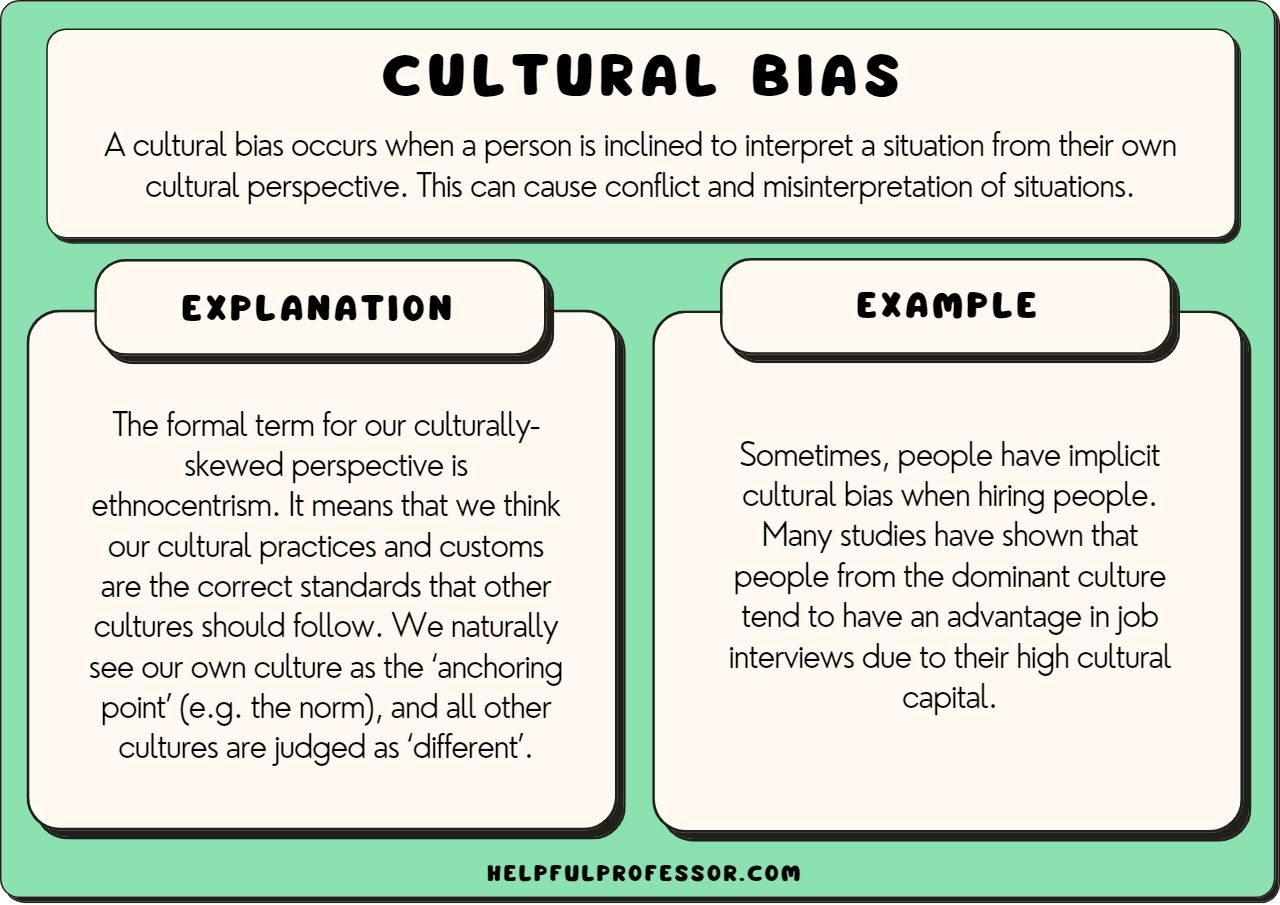
Using age-inclusive language is essential to avoid perpetuating stereotypes and biases based on age. This language promotes respect and dignity for people of all ages, fostering a more inclusive and equitable society.
Tips for Avoiding Ageist Language
- Avoid using ageist labels or stereotypes.Instead of referring to someone as “old” or “young,” use more neutral terms like “senior” or “youthful.”
- Focus on abilities rather than age.Highlight a person’s skills, experiences, and contributions, rather than their age.
- Use respectful language.Avoid using condescending or patronizing language, and treat people of all ages with respect.
- Be mindful of your tone.Avoid using a tone that implies superiority or inferiority based on age.
- Educate yourself.Stay informed about ageism and its impact, and continue to learn about inclusive language practices.
Tools for Avoiding Biased Language
Various tools and resources are available to assist writers in identifying and avoiding biased language. These tools can be beneficial in promoting inclusive and unbiased communication.
One such tool is the Bias Checker, which analyzes text for potential biases based on gender, race, sexual orientation, and disability. It provides suggestions for alternative, more inclusive language.
Machine Learning Tools
Machine learning algorithms can also be used to detect biased language. These tools are trained on large datasets of biased and unbiased text, allowing them to recognize patterns and identify potentially biased phrases or words.
However, it is important to note that these tools have limitations. They may not be able to detect all instances of bias, and they can sometimes suggest changes that are not appropriate in all contexts. Therefore, it is crucial to use these tools in conjunction with human judgment and cultural sensitivity.
– Training and Education
Promoting bias-free language requires a strong emphasis on training and education. Training programs can raise awareness about biased language, its impact, and strategies for using inclusive language. Different types of training programs exist, such as workshops, online courses, and seminars.
Effective training programs typically incorporate interactive exercises, real-world scenarios, and feedback to enhance learning and skill development. They also emphasize the importance of ongoing training and education to maintain bias-free language skills.
Types of Training Programs
- Workshops:In-person or virtual sessions that provide hands-on practice and interactive exercises.
- Online Courses:Self-paced online modules that offer flexibility and accessibility.
- Seminars:Presentations and discussions led by experts in the field of inclusive language.
Key Elements of Effective Training Programs
- Interactive Exercises:Role-playing, simulations, and group discussions foster active learning.
- Real-World Scenarios:Examples and case studies from real-life situations enhance relevance and applicability.
- Feedback:Constructive feedback from trainers and peers helps participants refine their skills.
- Ongoing Training:Regular refresher courses and workshops ensure sustained progress.
Importance of Ongoing Training and Education
Bias-free language is a skill that requires continuous practice and reinforcement. Ongoing training and education programs help participants stay updated on evolving language norms and best practices. They also provide opportunities for skill refreshers and reinforcement.
Best Practices for Organizations
Organizations can promote bias-free language by establishing clear policies, providing training, and fostering a culture of inclusivity.
Creating and implementing bias-free language policies involves:
- Defining what constitutes biased language and providing examples.
- Establishing guidelines for using inclusive language in all forms of communication, including written, verbal, and visual.
- Providing training to employees on how to identify and avoid biased language.
- Creating a system for monitoring and evaluating the effectiveness of the policy.
Leadership plays a crucial role in promoting inclusive language. Leaders can set the tone by using inclusive language themselves and by creating a culture where all employees feel comfortable speaking up about bias.
Organizations can monitor and evaluate the effectiveness of their bias-free language policies by:
- Tracking the number of complaints or incidents related to biased language.
- Conducting employee surveys to assess the level of awareness and understanding of bias-free language.
- Reviewing communication materials to identify any instances of biased language.
Case studies of organizations that have successfully implemented bias-free language policies can provide valuable insights and best practices.
Resources for organizations to learn more about bias-free language and its benefits include:
- The Society for Human Resource Management (SHRM)
- The National Association for the Advancement of Colored People (NAACP)
- The Anti-Defamation League (ADL)
Case Studies and Examples
Numerous organizations have made significant strides in implementing bias-free language practices, resulting in positive outcomes and valuable lessons learned. These case studies and examples provide valuable insights into the successful implementation of inclusive language.
One notable example is the United Nations, which has established clear guidelines for bias-free language in its communication materials. By using inclusive terms and avoiding stereotypes, the UN has fostered a more equitable and respectful work environment.
Successful Implementation
- Improved communication and understanding among diverse teams
- Reduced instances of misunderstandings and conflicts
- Enhanced employee morale and sense of belonging
- Increased credibility and reputation as an inclusive organization
Lessons Learned
- Importance of leadership commitment and support
- Need for ongoing training and education
- Value of involving diverse perspectives in language review processes
- Regular monitoring and evaluation to ensure continuous improvement
Questions Often Asked
What is biased language?
Biased language is language that favors one group of people over another. It can be used to perpetuate stereotypes, exclude certain groups of people, and even lead to discrimination.
What are some examples of biased language?
Some examples of biased language include using gendered language when it is not necessary, using stereotypes to describe people, and using language that excludes certain groups of people.
How can I avoid using biased language?
There are a number of things you can do to avoid using biased language. First, be aware of the potential for bias in your language. Second, use inclusive language that does not favor one group of people over another. Third, avoid using stereotypes to describe people.
Finally, be mindful of the words you use and their potential impact on others.
