What is language of cuba – Cuban Spanish, the vibrant language of Cuba, is a captivating fusion of history, culture, and linguistic influences. With its unique vocabulary, grammar, and pronunciation, Cuban Spanish stands as a testament to the island nation’s rich heritage and its enduring connection to the Spanish-speaking world.
Emerging from the convergence of indigenous languages, African dialects, and European tongues, Cuban Spanish has evolved over centuries, reflecting the diverse cultural tapestry that has shaped Cuba’s identity. Its distinctive characteristics, from its rhythmic intonation to its expressive slang, have become integral to the Cuban experience, serving as a medium for storytelling, music, and cultural expression.
Definition and Overview
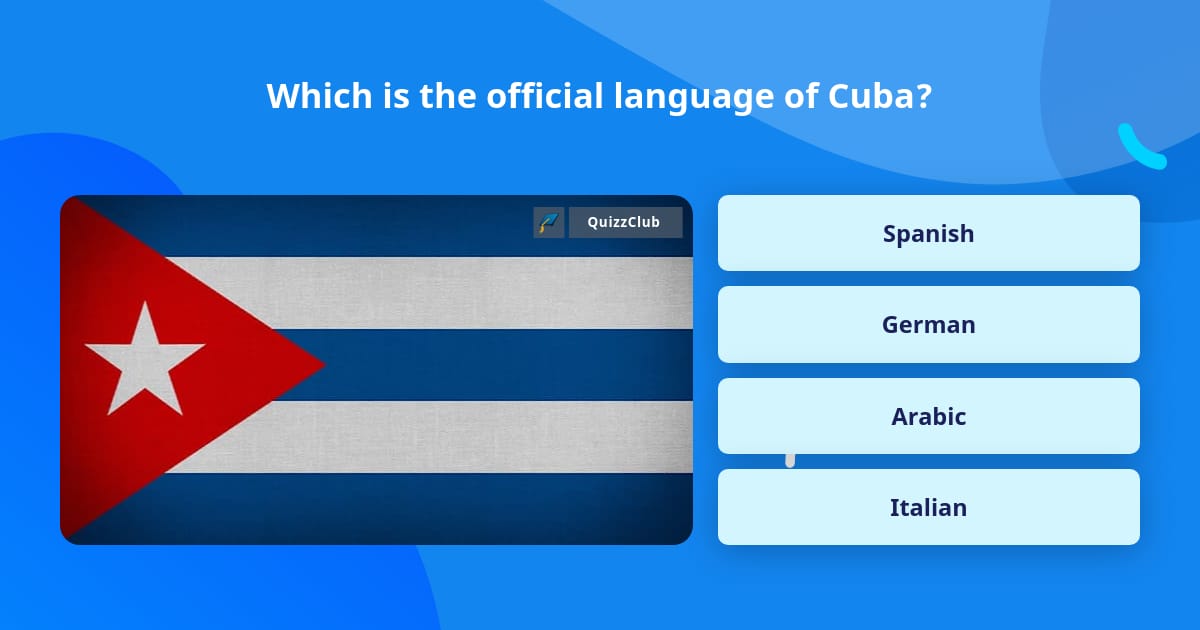
The official language of Cuba is Spanish. Spanish was introduced to Cuba by Spanish colonizers in the 15th century and has been the dominant language on the island ever since.
Cuban Spanish is a dialect of Spanish that has evolved over time due to the influence of indigenous languages, African languages, and other European languages. It is spoken by the majority of the population of Cuba and is also spoken by Cuban communities in other countries.
Language Family
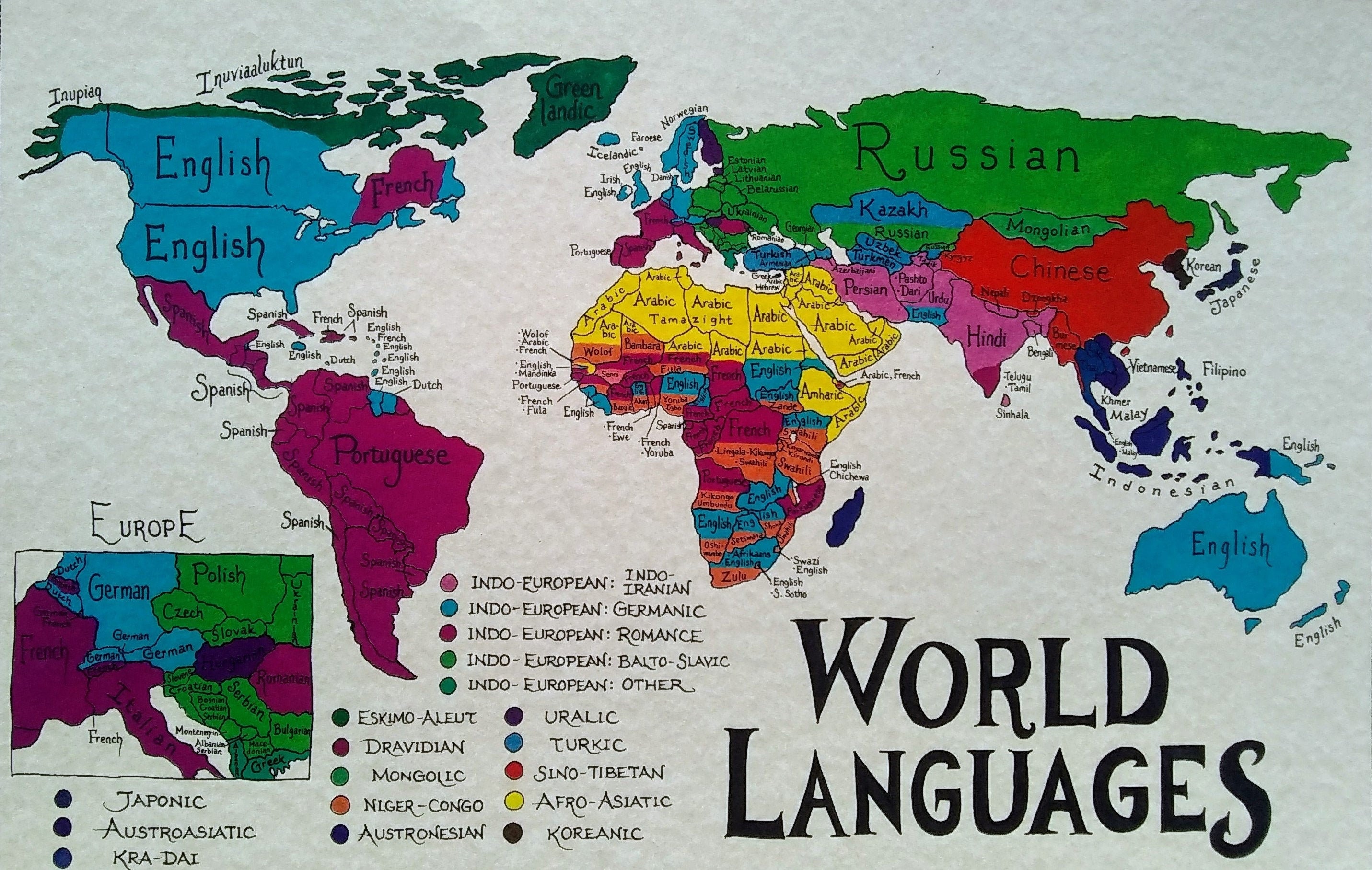
Cuban Spanish belongs to the Romance language family, which is a group of languages that evolved from Latin. Other Romance languages include French, Italian, Portuguese, and Romanian.
Cuban Spanish is most closely related to other Spanish dialects spoken in the Caribbean, such as Dominican Spanish and Puerto Rican Spanish. However, it also has some unique features that distinguish it from other Spanish dialects.
Geographic Distribution
Cuban Spanish is spoken in all of the provinces of Cuba. It is also spoken by Cuban communities in other countries, such as the United States, Spain, and Mexico.
Influences
The development of Cuban Spanish has been influenced by a number of factors, including:
- Indigenous languages: The indigenous languages of Cuba have had some influence on the vocabulary and pronunciation of Cuban Spanish.
- African languages: The African slaves who were brought to Cuba have also had a significant influence on the development of Cuban Spanish. Many words and phrases in Cuban Spanish are of African origin.
- Other European languages: Cuban Spanish has also been influenced by other European languages, such as French and English.
These influences have shaped the unique features of Cuban Spanish, which distinguish it from other Spanish dialects.
Writing
Cuban Spanish is written using the same alphabet as other Spanish dialects. However, there are some orthographic and spelling conventions that are specific to Cuban Spanish.
- The letter “c” is pronounced as a “s” before the vowels “e” and “i”.
- The letter “h” is silent in most words.
- The letter “y” is used as a vowel in some words.
Literature
Cuban literature is a rich and diverse body of work that has been produced over the centuries. Some of the most famous Cuban authors include José Martí, Nicolás Guillén, and Alejo Carpentier.
Cuban literature has been influenced by a number of factors, including the island’s history, culture, and geography. Cuban authors have often written about the themes of revolution, identity, and exile.
Dialect Variations
Cuba, despite its relatively small size, exhibits a rich tapestry of Spanish dialects, each with its unique characteristics and origins.
The Cuban dialect continuum can be broadly divided into three main regional variations:
Western Dialect
- Spoken in the western provinces of Pinar del Río, Havana, and Matanzas.
- Characterized by the use of the diminutive suffix “-ico” (e.g., “cafecito” for “coffee”).
- Influenced by the speech of Canary Islanders who immigrated to Cuba in the 19th century.
Central Dialect
- Spoken in the central provinces of Villa Clara, Cienfuegos, and Sancti Spíritus.
- Preserves many archaic features from the Andalusian dialect of southern Spain.
- Known for its use of the double negative (e.g., “no me gusta nada” for “I don’t like anything”).
Eastern Dialect
- Spoken in the eastern provinces of Camagüey, Las Tunas, Granma, Santiago de Cuba, and Guantánamo.
- Influenced by the speech of Haitian immigrants who arrived in Cuba during the 18th and 19th centuries.
- Features a distinctive intonation pattern and the use of African-derived words (e.g., “chévere” for “cool”).
| Dialect | Geographic Distribution | Key Characteristics |
|---|---|---|
| Western | Pinar del Río, Havana, Matanzas | Diminutive suffix “-ico”, Canary Island influence |
| Central | Villa Clara, Cienfuegos, Sancti Spíritus | Archaic Andalusian features, double negative |
| Eastern | Camagüey, Las Tunas, Granma, Santiago de Cuba, Guantánamo | Haitian influence, distinctive intonation, African-derived words |
In addition to these regional dialects, there are also a number of smaller local variations, influenced by factors such as socioeconomic status, ethnicity, and occupation.
The development of Cuban Spanish has also been influenced by other languages, including English, French, and African languages. For example, the word “guagua” for “bus” is derived from the English word “wagon,” while the word “conga” for “dance” is of African origin.
The language of Cuba is Spanish, which is the official language and the most widely spoken. However, there are other languages spoken in Cuba, such as Haitian Creole, spoken by the Haitian immigrant community, and various indigenous languages, such as the Taíno language.
The Cherokee tribe, on the other hand, speaks the Cherokee language, an Iroquoian language spoken in the southeastern United States. The Cherokee language is a living language with around 22,000 speakers, and it is taught in schools and universities in the Cherokee Nation.
– Influence of African and Indigenous Languages
The Cuban Spanish language has been significantly influenced by African and indigenous languages. This influence is evident in the vocabulary, grammar, and pronunciation of Cuban Spanish.
African and indigenous languages have contributed to the development of new words in Cuban Spanish. For example, the word “Bembé” (a type of drum) comes from the Yoruba language, and the word “Guajiro” (a peasant farmer) comes from the Taíno language.
African and indigenous languages have also influenced the grammar of Cuban Spanish. For example, the use of the double negative in Cuban Spanish (e.g., “No lo sé nada”) is a feature that is common in many African languages.
Finally, African and indigenous languages have influenced the pronunciation of Cuban Spanish. For example, the pronunciation of the letter “s” as “sh” in Cuban Spanish is a feature that is common in many Bantu languages.
Loanwords
African and indigenous languages have contributed a number of loanwords to Cuban Spanish. These loanwords can be categorized into several different language families, including Bantu, Yoruba, and Taíno.
- Bantu: Bembé, Conga, Guaguancó
- Yoruba: Añá, Babalú-Ayé, Changó
- Taíno: Guajiro, Hamaca, Huracán
Socio-Historical Factors
The contact between African and indigenous languages and Spanish in Cuba was a result of the slave trade and the colonization of the island by Spain. African slaves were brought to Cuba to work on sugar plantations, and they brought their own languages with them.
Indigenous peoples were also present in Cuba before the arrival of the Spanish, and their languages also influenced the development of Cuban Spanish.
Unique Features of Cuban Spanish

Cuban Spanish is a distinct dialect of Spanish spoken in Cuba. It is characterized by a unique blend of vocabulary, grammar, and pronunciation that sets it apart from other dialects of Spanish. These unique features have developed over centuries due to Cuba’s unique history and culture.
One of the most distinctive features of Cuban Spanish is its vocabulary. Cuban Spanish has a number of words and phrases that are not used in other dialects of Spanish. For example, the word “guagua” is used to refer to a bus, while the word “botella” is used to refer to hitchhiking.
Cuban Spanish also has a number of unique grammatical features. For example, the present perfect tense is often used in place of the simple past tense. Additionally, the use of the subjunctive mood is more common in Cuban Spanish than in other dialects of Spanish.
Finally, Cuban Spanish has a number of unique pronunciation features. For example, the letter “s” is often pronounced as a “th” sound, and the letter “r” is often pronounced as a “l” sound.
Distinctive Vocabulary
- Guagua: bus
- Botella: hitchhiking
- Chevere: cool
- ¡Oye!: hey
- ¡Qué bolá!: what’s up
Literary and Cultural Significance
Cuban Spanish has played a vital role in the literary and cultural landscape of Cuba. It has been the language of renowned writers, musicians, and artists, who have shaped the nation’s cultural identity.One of the most significant contributions of Cuban writers to the Spanish language is the development of a unique literary style characterized by its vibrant and expressive use of language.
Cuban authors have explored themes of national identity, social inequality, and the complexities of Cuban history through their works. Notable figures include José Martí, whose writings on Cuban independence and social justice continue to inspire generations of Cubans.In music, Cuban Spanish has been instrumental in the development of various genres, including son, salsa, and bolero.
The lyrics of these songs often reflect the social and cultural realities of Cuba, with themes of love, loss, and the struggles of everyday life. The unique rhythms and melodies of Cuban music have captivated audiences worldwide, making it an integral part of the country’s cultural heritage.Beyond literature and music, Cuban Spanish has also influenced the visual arts.
Artists such as Wifredo Lam and Amelia Peláez have incorporated elements of Afro-Cuban culture and the Cuban landscape into their works. Their paintings and sculptures reflect the vibrant colors, textures, and rhythms of Cuban life, showcasing the richness and diversity of the nation’s cultural heritage.The contributions of Cuban writers and artists to the Spanish language have not only shaped the cultural identity of Cuba but have also had a profound impact on the broader Hispanic world.
Cuban Spanish continues to be a source of inspiration and a testament to the creativity and resilience of the Cuban people.
Literary Contributions
* Development of a unique literary style characterized by its vibrant and expressive use of language.
- Exploration of themes of national identity, social inequality, and the complexities of Cuban history.
- Notable figures include José Martí, whose writings on Cuban independence and social justice continue to inspire generations of Cubans.
Musical Contributions
* Instrumental in the development of various genres, including son, salsa, and bolero.
- Lyrics often reflect the social and cultural realities of Cuba, with themes of love, loss, and the struggles of everyday life.
- Unique rhythms and melodies have captivated audiences worldwide.
Artistic Contributions
* Artists such as Wifredo Lam and Amelia Peláez have incorporated elements of Afro-Cuban culture and the Cuban landscape into their works.
- Paintings and sculptures reflect the vibrant colors, textures, and rhythms of Cuban life.
- Showcase the richness and diversity of the nation’s cultural heritage.
Education and Language Policy
Cuba’s education system is structured in a three-tiered model, comprising primary, secondary, and higher education. Primary education is compulsory and free for all children aged 6-14, while secondary education is also free but not mandatory. Higher education is provided by universities and other institutions, with a focus on technical and professional training.
Spanish is the official and sole medium of instruction in Cuba’s education system. This policy has played a crucial role in fostering literacy, national identity, and economic development in the country.
Importance of Spanish as the Medium of Instruction, What is language of cuba
The use of Spanish as the medium of instruction in Cuba has several advantages. Firstly, it ensures that all citizens have access to education regardless of their linguistic background. Secondly, it fosters a sense of national unity and identity, as Spanish is the common language spoken by all Cubans.
Moreover, the use of Spanish in education has contributed to Cuba’s high literacy rate, which is estimated to be over 99%. This has had a positive impact on the country’s economic development, as a literate population is essential for a modern and prosperous economy.
Evolution of Education and Language Policies
Cuba’s education system and language policies have undergone significant changes over time. In the early 20th century, the education system was highly segregated, with separate schools for different racial and social groups. Spanish was the primary language of instruction, but other languages, such as English and French, were also used.
After the Cuban Revolution in 1959, the government implemented a number of reforms to the education system, including the elimination of segregation and the establishment of Spanish as the sole medium of instruction. These reforms have had a lasting impact on Cuban society, fostering greater equality and a stronger sense of national unity.
Summary
In summary, Cuba’s education system and language policies have played a crucial role in shaping the country’s literacy, national identity, and economic development. The use of Spanish as the medium of instruction has ensured that all citizens have access to education and has fostered a sense of unity among Cubans.
Language Use in Daily Life
Cuban Spanish is used in a variety of ways in everyday communication, reflecting the rich social and cultural context of the island.
In formal settings, such as business meetings or academic lectures, Cuban Spanish is spoken with a high level of formality and precision. Standard Spanish grammar and vocabulary are used, and speakers avoid slang or colloquialisms.
Informal Communication
In informal settings, such as conversations with friends or family, Cuban Spanish is spoken more casually. Speakers use slang, idioms, and colloquialisms to express themselves in a lively and engaging manner.
Some common slang terms include “ché” (a term of endearment), “guagua” (bus), and “camello” (camel, used to refer to a large, old car).
Regional Variations
Cuban Spanish varies slightly from region to region. In the eastern part of the island, for example, speakers use a distinctive accent that is influenced by the Spanish spoken in the Canary Islands.
The official language of Cuba is Spanish, which is spoken by the vast majority of the population. However, other languages are also spoken in Cuba, including English, French, and Haitian Creole. The Swedish language is not commonly spoken in Cuba, but it is spoken by a small number of Swedish immigrants and their descendants.
For more information on the languages spoken in Sweden, please refer to this article: what language do swedish talk.
In the western part of the island, the accent is more similar to that of mainland Spain. However, there are some regional variations in vocabulary as well. For example, the word “guagua” is used for “bus” in Havana, but “ómnibus” is used in Santiago de Cuba.
Cultural Expression
Cuban Spanish is a vibrant and expressive language that is used in a variety of cultural contexts. It is the language of literature, music, and theater. Some of Cuba’s most famous writers, such as José Martí and Alejo Carpentier, wrote in Cuban Spanish.
Cuban music is also known for its use of Cuban Spanish. The lyrics of many popular songs are full of slang, idioms, and colloquialisms. This gives Cuban music a unique and authentic flavor.
Technology and Language: What Is Language Of Cuba
The advent of technology has significantly impacted the use and preservation of Cuban Spanish. The widespread adoption of social media, the internet, and mobile devices has both positive and negative implications for the language.
On the one hand, technology has facilitated communication and access to information, breaking down geographical barriers and allowing Cuban Spanish speakers from around the world to connect with each other. Social media platforms like Facebook and Twitter have become important forums for linguistic exchange and the sharing of Cuban culture.
The internet has also made it easier for people to access Cuban literature, music, and other cultural artifacts, which helps to preserve and promote the language.
Role of Mobile Devices
Mobile devices, in particular, have played a significant role in the preservation of Cuban Spanish. The widespread use of smartphones and tablets has made it possible for people to access language-learning apps, dictionaries, and other resources that can help them to improve their proficiency in Cuban Spanish.
Additionally, mobile devices have made it easier for people to stay connected with their families and friends in Cuba, which helps to maintain the vitality of the language.
Influence on Other Spanish Dialects
Cuban Spanish has exerted a significant influence on other Spanish dialects spoken in the Americas, particularly in the Caribbean and Central America. Its unique vocabulary, pronunciation, and cultural practices have spread to other regions through migration, trade, and cultural exchange.
The influence of Cuban Spanish can be seen in the following areas:
Vocabulary
- Many Cuban Spanish words have been adopted into other Spanish dialects, such as “guagua” (bus), “yuma” (foreigner), and “chivo” (goat).
- Cuban Spanish has also influenced the pronunciation of certain words in other dialects. For example, the “s” sound is often pronounced as “h” in Cuban Spanish, and this pronunciation has spread to other regions.
Cultural Practices
- Cuban music, dance, and cuisine have had a major impact on other Spanish-speaking cultures. For example, the salsa dance originated in Cuba and has become popular throughout the Americas.
- Cuban Spanish has also influenced the way that people speak in other dialects. For example, the use of the informal pronoun “tú” (you) is more common in Cuban Spanish than in other dialects.
Challenges and Preservation

Cuban Spanish, like other languages, faces challenges that can hinder its preservation and use. One of the significant challenges is the influence of globalization and the widespread use of English, particularly in media, entertainment, and international communication. The exposure to English can lead to language shift, where speakers adopt English words, phrases, and even grammatical structures into their Cuban Spanish.Efforts to promote and protect Cuban Spanish have been implemented to address these challenges.
The Cuban government has taken steps to promote the use of Cuban Spanish in education, media, and official communication. There are initiatives to support Cuban Spanish literature, music, and other cultural expressions that showcase the richness and diversity of the language.
Additionally, organizations and institutions work to document and preserve the unique features of Cuban Spanish, ensuring its continued use and vitality.
Education and Language Policy
The education system plays a crucial role in preserving Cuban Spanish. The government has implemented policies to ensure that Cuban Spanish is the primary language of instruction in schools and universities. This includes the development of curricula and materials that promote the use of standard Cuban Spanish and the inclusion of Cuban literature and cultural content in educational programs.
Future of Cuban Spanish
Cuban Spanish, a vibrant and distinctive dialect, faces an uncertain future in the face of globalization and cultural change. Technology, immigration, and other factors are likely to shape its evolution in the coming decades.
Timeline of Predicted Changes
Over the next 50 years, Cuban Spanish is expected to undergo several notable changes:
- Increased influence of global Spanish:Cuban Spanish will likely adopt more vocabulary and grammatical features from other Spanish dialects, particularly those spoken in the Americas.
- Loss of regionalisms:Some of the unique regionalisms that characterize Cuban Spanish may gradually disappear as younger generations adopt more standardized forms of Spanish.
- Increased use of technology:The internet and social media will continue to play a significant role in the evolution of Cuban Spanish, introducing new words and phrases and facilitating communication with Spanish speakers around the world.
Comparison to Other Caribbean Spanish Dialects
Cuban Spanish shares similarities with other Spanish dialects spoken in the Caribbean region, such as Puerto Rican Spanish, Dominican Spanish, and Colombian Spanish. These dialects share a common origin in the Spanish spoken by the Spanish colonists who settled in the Americas in the 16th century.
As a result, they share many grammatical and lexical features, such as the use of the “vosotros” form of the second-person plural pronoun and the use of the “ser” verb form to express habitual actions.However, Cuban Spanish also has some unique features that distinguish it from other Caribbean Spanish dialects.
One of the most noticeable differences is the use of the “seseo” pronunciation, in which the “c” before “i” or “e” is pronounced as an “s” rather than a “th” sound. For example, the word “casa” (house) is pronounced “casa” in Cuban Spanish, while it is pronounced “thaza” in other Caribbean Spanish dialects.Another unique feature of Cuban Spanish is the use of the “yeísmo” pronunciation, in which the “ll” sound is pronounced as a “y” sound.
For example, the word “llave” (key) is pronounced “yave” in Cuban Spanish, while it is pronounced “llave” in other Caribbean Spanish dialects.These unique features of Cuban Spanish are due to a combination of factors, including the influence of African and indigenous languages, as well as the relative isolation of Cuba from other Spanish-speaking countries in the Caribbean.
Similarities with Other Caribbean Spanish Dialects
- Shared origin in the Spanish spoken by the Spanish colonists who settled in the Americas in the 16th century.
- Common grammatical and lexical features, such as the use of the “vosotros” form of the second-person plural pronoun and the use of the “ser” verb form to express habitual actions.
Differences from Other Caribbean Spanish Dialects
- Use of the “seseo” pronunciation, in which the “c” before “i” or “e” is pronounced as an “s” rather than a “th” sound.
- Use of the “yeísmo” pronunciation, in which the “ll” sound is pronounced as a “y” sound.
Historical Connections
- The Spanish dialects spoken in the Caribbean region today are all descended from the Spanish spoken by the Spanish colonists who settled in the Americas in the 16th century.
- The relative isolation of Cuba from other Spanish-speaking countries in the Caribbean has contributed to the development of unique features in Cuban Spanish.
Sociolinguistic Analysis
Cuban Spanish is influenced by a variety of sociolinguistic factors, including social class, ethnicity, and gender. These factors can affect the way that people speak Cuban Spanish, including the pronunciation of words, the use of grammar, and the choice of vocabulary.
Social Class
Social class can have a significant impact on the way that people speak Cuban Spanish. For example, people from higher social classes tend to speak more standard Cuban Spanish, while people from lower social classes tend to speak more non-standard Cuban Spanish.
This is because people from higher social classes have more access to education and resources, which can help them to learn and use standard Cuban Spanish.
Ethnicity
Ethnicity can also play a role in the way that people speak Cuban Spanish. For example, people of African descent tend to speak Cuban Spanish with a different accent than people of European descent. This is because people of African descent have been influenced by the languages of their ancestors, which can affect the way that they pronounce words and use grammar.
Gender
Gender can also have a small impact on the way that people speak Cuban Spanish. For example, women tend to use more polite language than men. This is because women are often socialized to be more polite and respectful than men.
FAQ
What is the official language of Cuba?
Cuban Spanish is the official language of Cuba.
What are some of the unique features of Cuban Spanish?
Cuban Spanish is characterized by its distinctive vocabulary, grammar, and pronunciation, including the use of unique words and phrases, simplified grammar structures, and a rhythmic intonation.
How has Cuban Spanish been influenced by other languages?
Cuban Spanish has been influenced by indigenous languages, African dialects, and other European languages, resulting in a rich blend of linguistic features.
