What language do people in Turkey speak? This question sets the stage for an enthralling narrative that delves into the linguistic landscape of Turkey, a nation where diverse languages and dialects intertwine, each carrying its own historical, cultural, and social significance.
Turkey’s official language is Turkish, a member of the Turkic language family with a rich history and widespread usage. However, the linguistic tapestry of Turkey is far more intricate, encompassing a multitude of regional languages and dialects that reflect the country’s diverse cultural heritage.
Official Language of Turkey
The official language of Turkey is Turkish, a member of the Turkic language family spoken by approximately 85% of the population.
Turkish has a rich history and cultural significance, tracing its roots back to the Oghuz Turkic tribes that migrated to Anatolia in the 11th century. It has been influenced by various languages throughout history, including Persian, Arabic, and French, and has undergone significant modernization efforts in the 20th century.
Legal Status and Recognition
Turkish is the sole official language of Turkey and is used in all government, educational, and legal proceedings. Its status is protected by the Turkish Constitution, which mandates its use in official communication and education.
Promotion and Preservation
The Turkish government has made significant efforts to promote and preserve the Turkish language. These efforts include establishing the Turkish Language Institute, which is responsible for regulating the language and promoting its correct usage, as well as implementing language policies aimed at protecting Turkish from foreign influences.
Regional Languages and Dialects
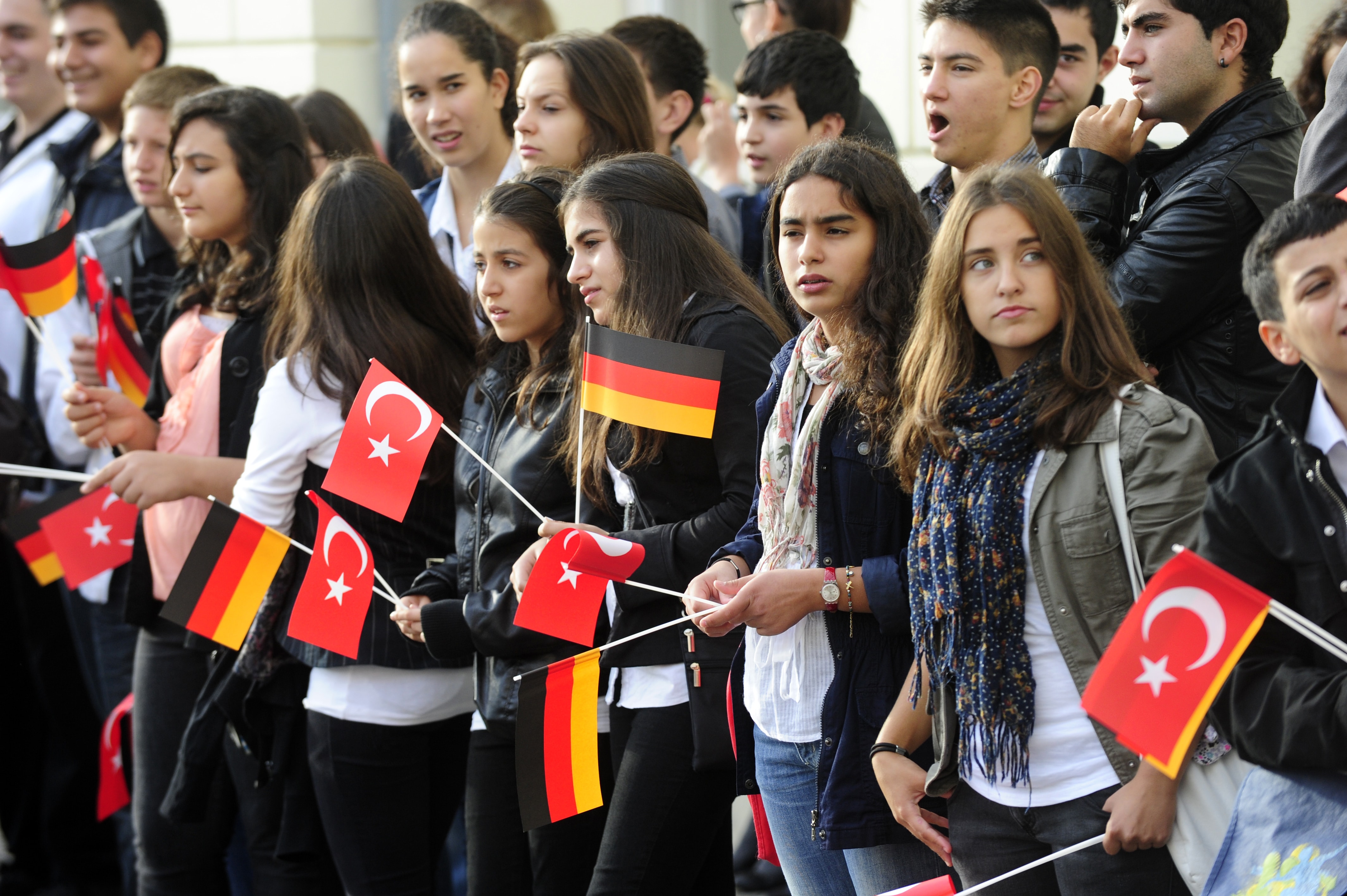
Turkey is a linguistically diverse country with a rich tapestry of regional languages and dialects. These languages and dialects have played a significant role in shaping the cultural and historical identity of Turkey.
The geographic distribution of regional languages and dialects in Turkey is influenced by a variety of factors, including historical migrations, political boundaries, and cultural exchanges. The most widely spoken regional languages in Turkey are Kurdish, Arabic, Zaza, and Laz. These languages are spoken by significant populations in different regions of the country.
The linguistic diversity of Turkey is a reflection of the country’s rich cultural heritage. The regional languages and dialects spoken in Turkey have been influenced by a variety of languages, including Turkish, Persian, Arabic, and Kurdish. This linguistic diversity has contributed to the development of a unique and vibrant Turkish culture.
Regional Languages and Dialects in Turkey
- Kurdish:Spoken by approximately 15-20 million people in southeastern Turkey, as well as in neighboring countries such as Iraq, Iran, and Syria.
- Arabic:Spoken by approximately 5-7 million people in southern Turkey, particularly in the provinces of Hatay, Gaziantep, and Şanlıurfa.
- Zaza:Spoken by approximately 2-3 million people in eastern Turkey, primarily in the provinces of Tunceli, Bingöl, and Elazığ.
- Laz:Spoken by approximately 200,000 people in northeastern Turkey, along the Black Sea coast.
Geographic Distribution of Regional Languages and Dialects
The following table summarizes the regional languages and dialects spoken in Turkey, their geographic distribution, and their approximate number of speakers:
| Language/Dialect | Geographic Distribution | Number of Speakers |
|---|---|---|
| Kurdish | Southeastern Turkey | 15-20 million |
| Arabic | Southern Turkey | 5-7 million |
| Zaza | Eastern Turkey | 2-3 million |
| Laz | Northeastern Turkey | 200,000 |
Historical Development of Regional Languages and Dialects
The regional languages and dialects spoken in Turkey have a long and complex history. The earliest known languages spoken in Turkey were Anatolian languages, which were spoken by the Hittites and other ancient civilizations. These languages were eventually replaced by Indo-European languages, such as Greek and Armenian.
The arrival of the Turks in Anatolia in the 11th century AD brought with it the Turkish language, which gradually became the dominant language in the region.
The regional languages and dialects spoken in Turkey today are the result of centuries of linguistic contact and exchange. These languages have been influenced by a variety of factors, including the political and cultural history of Turkey, as well as the geographic distribution of its population.
Role of Regional Languages and Dialects in Turkish Culture and Society
The regional languages and dialects spoken in Turkey play a vital role in Turkish culture and society. These languages are used in everyday communication, education, and the arts. They are also a source of cultural pride and identity for many Turkish people.
The government of Turkey recognizes the importance of regional languages and dialects. The Turkish constitution guarantees the right of all citizens to use their own language and to receive education in their own language. The government also supports the development of regional languages and dialects through a variety of programs and initiatives.
Historical Linguistic Influences
The languages spoken in Turkey today are the result of a long and complex history of linguistic influences. The region has been home to a succession of civilizations and empires, each of which has left its mark on the local languages.
The primary language spoken in Turkey is Turkish, an Altaic language belonging to the Turkic language family. Turkey’s rich linguistic heritage also encompasses various minority languages, including Kurdish, Arabic, and Armenian. Notably, the question of whether C++ qualifies as a high-level language has been subject to debate , with proponents arguing its abstraction and object-oriented features elevate it beyond low-level languages like assembly.
Returning to the linguistic landscape of Turkey, it is worth noting that the Turkish language has undergone significant modernization efforts in recent decades, embracing Latin script and adopting Western vocabulary to align with its secular and Western-oriented identity.
The most significant of these influences include:
Ancient Civilizations
The earliest known inhabitants of Turkey were the Hittites, who spoke an Indo-European language. The Hittites were followed by the Phrygians, Lydians, and Greeks, all of whom spoke Indo-European languages as well. These languages had a profound influence on the development of Turkish, particularly in terms of vocabulary and grammar.
Persian Empire
In the 6th century BC, the Persian Empire conquered Turkey. The Persians spoke an Indo-European language called Old Persian, which had a significant influence on Turkish. Many Persian words were borrowed into Turkish, and the Persian writing system was adopted for writing Turkish.
Arab Empire
In the 7th century AD, the Arab Empire conquered Turkey. The Arabs spoke Arabic, a Semitic language, which had a major impact on Turkish. Many Arabic words were borrowed into Turkish, and the Arabic writing system was adopted for writing Turkish.
Turkic Migrations
In the 11th century AD, Turkic tribes from Central Asia began migrating into Turkey. The Turks spoke a variety of Turkic languages, which eventually replaced the Indo-European and Semitic languages that had been spoken in Turkey for centuries.
Ottoman Empire
The Ottoman Empire, which ruled Turkey from the 13th to the 20th century, was a major center of linguistic diversity. The Ottoman Empire included territories in Europe, Asia, and Africa, and as a result, the Turkish language was influenced by a wide variety of languages, including Greek, Armenian, Persian, and Arabic.
Modern Turkey
After the collapse of the Ottoman Empire, Turkey became a modern nation-state. The Turkish government adopted a policy of linguistic nationalism, which aimed to promote the use of Turkish as the sole official language of the country. As a result of this policy, many of the minority languages spoken in Turkey have declined in recent years.
Timeline of Major Linguistic Events in Turkey’s History
- c. 2000 BC:Hittites arrive in Turkey and establish an empire.
- c. 1200 BC:Phrygians, Lydians, and Greeks arrive in Turkey.
- 546 BC:Persian Empire conquers Turkey.
- 636 AD:Arab Empire conquers Turkey.
- 1071 AD:Turkic tribes begin migrating into Turkey.
- 1299 AD:Ottoman Empire is founded.
- 1923 AD:Ottoman Empire collapses and Turkey becomes a modern nation-state.
Map of Language Families and Branches in Turkey
[Insert map here]
Table of Key Linguistic Influences on Turkish Languages
| Time Period | Source Language | Type of Influence |
|---|---|---|
| c. 2000 BC | Hittite | Vocabulary, grammar |
| c. 1200 BC | Phrygian, Lydian, Greek | Vocabulary, grammar |
| 546 BC | Old Persian | Vocabulary, writing system |
| 636 AD | Arabic | Vocabulary, writing system |
| 1071 AD | Turkic languages | Replacement of Indo-European and Semitic languages |
1299 AD
| Greek, Armenian, Persian, Arabic | Vocabulary, grammar |
Language Education and Policy
The language education system in Turkey is designed to promote the official language, Turkish, while also recognizing the linguistic diversity of the country. Primary education is compulsory for all children, and Turkish is the primary language of instruction.
The government plays a significant role in promoting and preserving the official language. The Turkish Language Institution (TDK) is responsible for regulating the Turkish language and developing language policies. The government also provides financial support for Turkish language education and research.
Challenges and Opportunities for Minorities and Non-Native Speakers
While Turkish is the official language of Turkey, there are also a number of minority languages spoken in the country. These languages include Kurdish, Arabic, Armenian, and Greek. Minority languages are often used in informal settings, such as the home and community, but they are not widely used in education or government.
Non-native speakers of Turkish face a number of challenges in learning the language. These challenges include the lack of resources for language learning, the difficulty of the Turkish grammar system, and the social stigma associated with speaking a non-native language.
Despite these challenges, there are also a number of opportunities for minorities and non-native speakers to learn Turkish. The government provides a number of resources for language learning, including language classes, textbooks, and online materials. There are also a number of private language schools that offer Turkish language instruction.
Language and Identity
Language plays a vital role in shaping national identity in Turkey. Turkish is the official language and a unifying force that binds the Turkish people together. It is the language of government, education, media, and cultural expression. Through language, Turkish citizens express their shared cultural values, traditions, and history, fostering a sense of national belonging and pride.
Language and Cultural Expression
Turkish language is deeply intertwined with Turkish culture. It reflects the country’s rich history, influenced by various civilizations throughout the centuries. The language is replete with proverbs, idioms, and metaphors that encapsulate Turkish cultural values, such as hospitality, respect for elders, and the importance of family.
Turkish literature, poetry, and music are celebrated for their linguistic artistry and cultural significance.
Language and Social Identity
Language is also a marker of social identity in Turkey. Different regions of the country have their own dialects and accents, which reflect local cultural influences. These linguistic variations contribute to a sense of regional identity and can shape perceptions of social status and group membership.
Language and Education
The Turkish language is a central part of the country’s education system. Turkish is the primary language of instruction in schools and universities, ensuring that all citizens have access to education and can participate fully in society. Language education also plays a role in promoting national unity and preserving Turkish cultural heritage.
Language and Media
In Turkey, the media landscape is shaped by the country’s diverse linguistic heritage. The official language, Turkish, is used in all major media outlets, but there is also a significant presence of minority languages, reflecting the country’s multicultural composition.
Newspapers in Turkey are primarily published in Turkish, with a few notable exceptions catering to specific ethnic or linguistic groups. For instance, the Armenian-language newspaper Agosand the Kurdish-language newspaper Özgür Gündemprovide news and commentary for their respective communities.
Television and radio broadcasting in Turkey is also predominantly in Turkish, but there are some channels that broadcast in Kurdish, Arabic, and other minority languages. The state-owned broadcaster TRT operates several channels in different languages, including TRT Kurdî and TRT Arabi.
Online platforms in Turkey reflect the country’s linguistic diversity, with content available in Turkish, Kurdish, Arabic, and other languages. Social media platforms like Facebook and Twitter are widely used by Turkish users, and they facilitate communication and information sharing across linguistic boundaries.
The use of different languages in the Turkish media landscape has a significant impact on media consumption and public discourse. Turkish-language media outlets tend to have a wider reach and influence on public opinion, while minority-language media outlets cater to specific linguistic communities and provide alternative perspectives.
Language is often used to shape media narratives and influence public opinion in Turkey. For example, the use of inflammatory language or biased reporting can contribute to social and political polarization. Conversely, media outlets that promote tolerance and understanding can play a positive role in fostering social cohesion.
Media diversity in Turkey presents both challenges and opportunities. On the one hand, it allows for the expression of diverse perspectives and the promotion of minority voices. On the other hand, it can also lead to fragmentation and the creation of echo chambers where people only consume media that confirms their existing beliefs.
| Media Outlet | Language | Audience |
|---|---|---|
| TRT 1 | Turkish | General public |
| TRT Kurdî | Kurdish | Kurdish-speaking population |
| CNN Türk | Turkish | News and current affairs audience |
| Habertürk | Turkish | General public |
| Hürriyet | Turkish | General public |
| Sabah | Turkish | Conservative audience |
| Cumhuriyet | Turkish | Liberal audience |
| Agos | Armenian | Armenian-speaking population |
| Özgür Gündem | Kurdish | Kurdish-speaking population |
The role of language in promoting or suppressing minority voices in the Turkish media is complex. While minority-language media outlets provide a platform for the expression of diverse perspectives, they often face challenges such as censorship and discrimination. The government has taken steps to promote the use of minority languages in the media, but these efforts have been met with mixed results.
Globalization and digital media are having a significant impact on the language landscape of the Turkish media. The increasing availability of online content from around the world is exposing Turkish audiences to new languages and cultures. At the same time, the rise of social media is providing new opportunities for minority voices to be heard.
The future of language and media in Turkey is uncertain. The increasing use of social media and the potential for new language varieties to emerge could lead to a more diverse and dynamic media landscape. However, it is also possible that the dominance of Turkish in the media will continue, limiting the visibility and influence of minority languages.
Language and Tourism
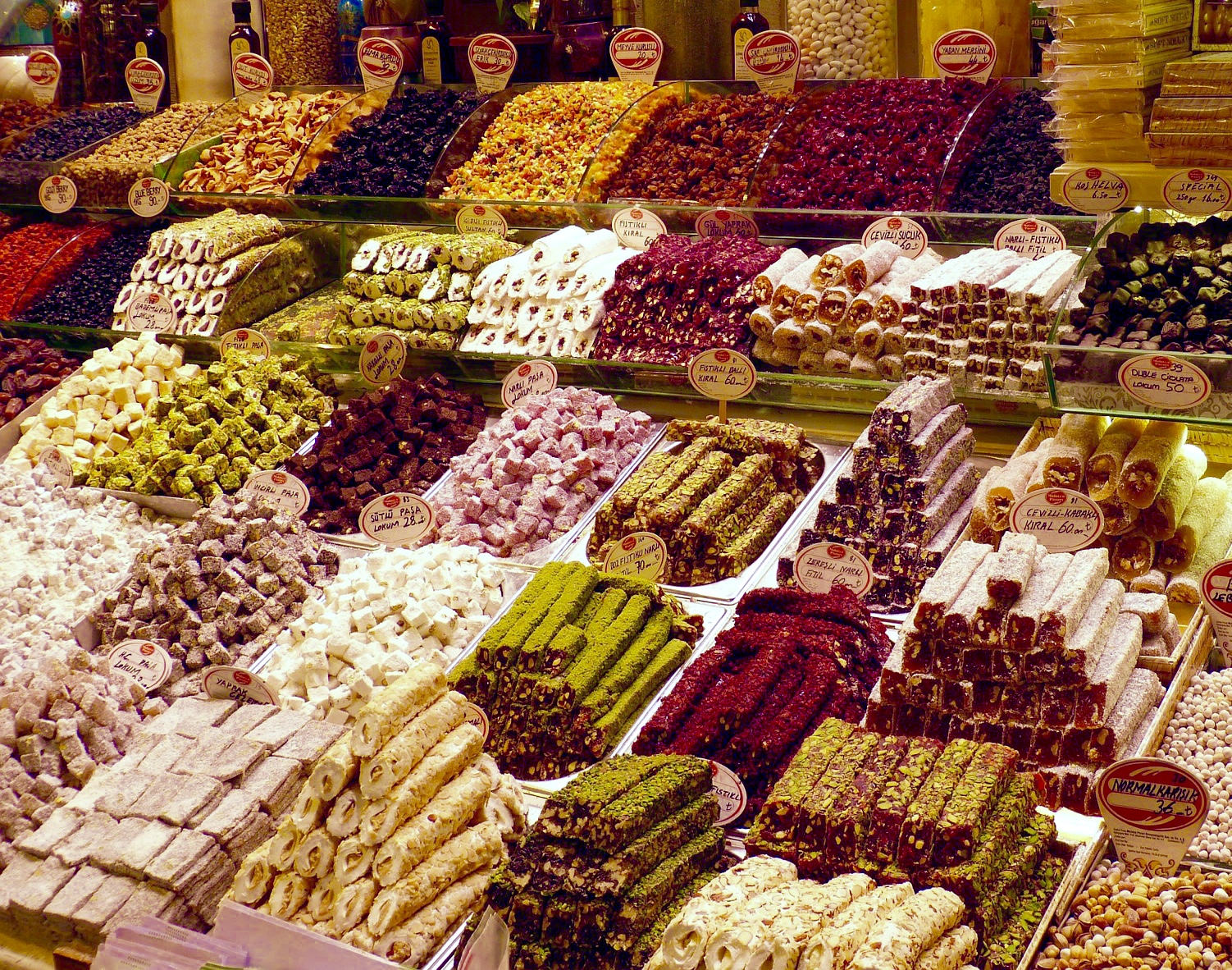
In Turkey, the tourism industry is a vital economic sector. Language plays a significant role in facilitating communication between tourists and locals, enhancing the overall tourism experience. Effective language communication ensures that tourists can navigate destinations, access information, and engage with local culture.
Language Barriers in Tourism
Language barriers can arise when tourists do not speak or understand the local language. This can lead to challenges in communication, such as difficulty in asking for directions, ordering food, or understanding cultural customs. Language barriers can also affect the quality of interactions between tourists and locals, limiting opportunities for meaningful cultural exchange.
Tips for Navigating Language Challenges
- Learn Basic Phrases: Before traveling, it is helpful to learn a few basic phrases in the local language. This can facilitate basic communication and show respect for the local culture.
- Use Translation Apps: Mobile translation apps can assist with language translation in real-time. These apps can translate text, speech, and even provide visual translation through a camera.
- Seek Assistance from Locals: Do not hesitate to ask for help from locals who may be willing to assist with communication. Many locals are eager to interact with tourists and may be able to provide directions or other assistance.
- Embrace Gestures and Body Language: Non-verbal communication, such as gestures and body language, can help bridge language gaps. Using gestures can convey basic messages and facilitate understanding.
Language and International Relations
Language plays a pivotal role in Turkey’s international relations, facilitating diplomatic communication, fostering trade, and promoting cultural exchange. Turkey’s official language, Turkish, is widely used in international diplomacy, while English serves as a lingua franca in many sectors.
Use of Languages in Diplomacy
In diplomatic settings, Turkish is the primary language for official communication between Turkey and other Turkish-speaking nations. For interactions with non-Turkish-speaking countries, English is commonly employed as a bridge language, ensuring effective communication and understanding.
Language in Trade and Commerce
In the realm of international trade, language is crucial for facilitating business transactions. Turkish companies often utilize Turkish in their domestic operations, while English is widely used in international trade negotiations and documentation. Additionally, knowledge of the local language of a target market can provide significant advantages in understanding consumer preferences and conducting effective marketing campaigns.
Cultural Exchange and Language
Language serves as a bridge for cultural exchange, enabling the sharing of ideas, values, and traditions. Through cultural exchange programs, students and professionals from Turkey have the opportunity to learn foreign languages, immerse themselves in different cultures, and promote understanding and cooperation between nations.
Language as a Facilitator and Barrier
While language can facilitate international cooperation, it can also present challenges. Language barriers can hinder effective communication, leading to misunderstandings and misinterpretations. To overcome these barriers, translation and interpretation services are often employed in diplomatic, trade, and cultural exchange settings.
Language and Technology
Technology has significantly impacted language use in Turkey. The widespread adoption of smartphones, social media, and online translation tools has changed the way people communicate and interact with language.
Social Media
Social media platforms like Twitter, Facebook, and Instagram have become major channels for language use in Turkey. These platforms allow users to share their thoughts, ideas, and experiences in real-time, often using informal and colloquial language.
Social media has also contributed to the spread of new words and phrases, particularly among younger generations. Hashtags and memes have become popular ways to express oneself and engage with others.
Turkish is the official language of Turkey, spoken by the vast majority of the population. It is a Turkic language, related to other languages such as Azerbaijani, Kazakh, and Uzbek. However, sign language is a visual language that uses gestures and facial expressions to communicate.
For example, how to say dog in sign language involves making a fist with your thumb extended and moving it back and forth in front of your chest. While Turkish is the primary language spoken in Turkey, sign language is an important tool for communication with the deaf community.
Online Translation Tools
Online translation tools like Google Translate and DeepL have made it easier for people in Turkey to communicate with those who speak different languages. These tools allow users to instantly translate text, emails, and even entire websites.
While online translation tools can be helpful for basic communication, they are not always accurate or reliable. This can lead to misunderstandings and misinterpretations.
Language Learning Apps
Language learning apps like Duolingo and Babbel have become popular in Turkey as a way to learn new languages or improve existing skills. These apps offer interactive lessons, games, and exercises that make language learning more accessible and enjoyable.
Language learning apps have helped to break down barriers to language acquisition and have made it possible for people in Turkey to learn languages that were previously difficult to access.
Language and the Arts
Language plays a pivotal role in Turkish literature, music, and other art forms, serving as a medium for expressing creativity, imagination, and cultural identity. Through the written word, poets, novelists, and playwrights craft intricate narratives that explore human emotions, societal issues, and historical events.
The rich vocabulary and expressive nature of Turkish allow for vivid descriptions, poetic imagery, and thought-provoking insights.
Literature
Turkish literature has a long and illustrious history, dating back to the 13th century. Notable works include the epic poem “Book of Dede Korkut,” the mystical poetry of Rumi and Yunus Emre, and the modern novels of Orhan Pamuk and Elif Shafak.
These literary masterpieces showcase the power of language to capture the complexities of human experience, convey cultural traditions, and challenge societal norms.
Music, What language do people in turkey speak
Music is an integral part of Turkish culture, and language plays a crucial role in shaping its unique melodies and rhythms. Traditional Turkish folk songs often feature poetic lyrics that tell stories of love, loss, and daily life. The intricate use of makam (melodic modes) and usul (rhythmic patterns) creates a rich and expressive musical landscape.
Contemporary Turkish pop music also incorporates elements of Western and Eastern influences, resulting in a diverse and vibrant musical scene.
Other Art Forms
Language also finds expression in other art forms such as painting, calligraphy, and film. Calligraphy, the art of beautiful writing, is highly valued in Turkish culture and often features intricate designs and verses from poetry or religious texts. In painting, artists use language to convey symbolism, emotions, and cultural narratives.
Turkish cinema has produced critically acclaimed films that explore social and political issues, often using language as a powerful tool for storytelling and social commentary.
Language and Education

Language plays a crucial role in the Turkish education system, influencing access to education, learning outcomes, and cultural identity. The use of different languages in instruction, assessment, and extracurricular activities has significant implications for students’ educational experiences.
Language of Instruction
Turkish is the official language of instruction in all levels of education in Turkey. This policy aims to promote national unity and facilitate communication among students from diverse linguistic backgrounds. However, it has also raised concerns about the preservation of minority languages and the educational attainment of students from non-Turkish-speaking communities.
Assessment
Assessments in Turkish schools are typically conducted in Turkish, which can create challenges for students who are not proficient in the language. This can lead to inequitable access to higher education and employment opportunities for non-native Turkish speakers.
Extracurricular Activities
Extracurricular activities in Turkish schools often involve the use of different languages. For example, English language clubs and international exchange programs provide opportunities for students to develop proficiency in foreign languages. These activities can enhance students’ global awareness and intercultural competence.
Impact on Educational Opportunities and Outcomes
The use of language in the Turkish education system can significantly impact educational opportunities and outcomes. Students who are proficient in Turkish have better access to higher education and employment opportunities. However, students from non-Turkish-speaking backgrounds may face barriers to educational attainment due to language proficiency issues.
Language and Business
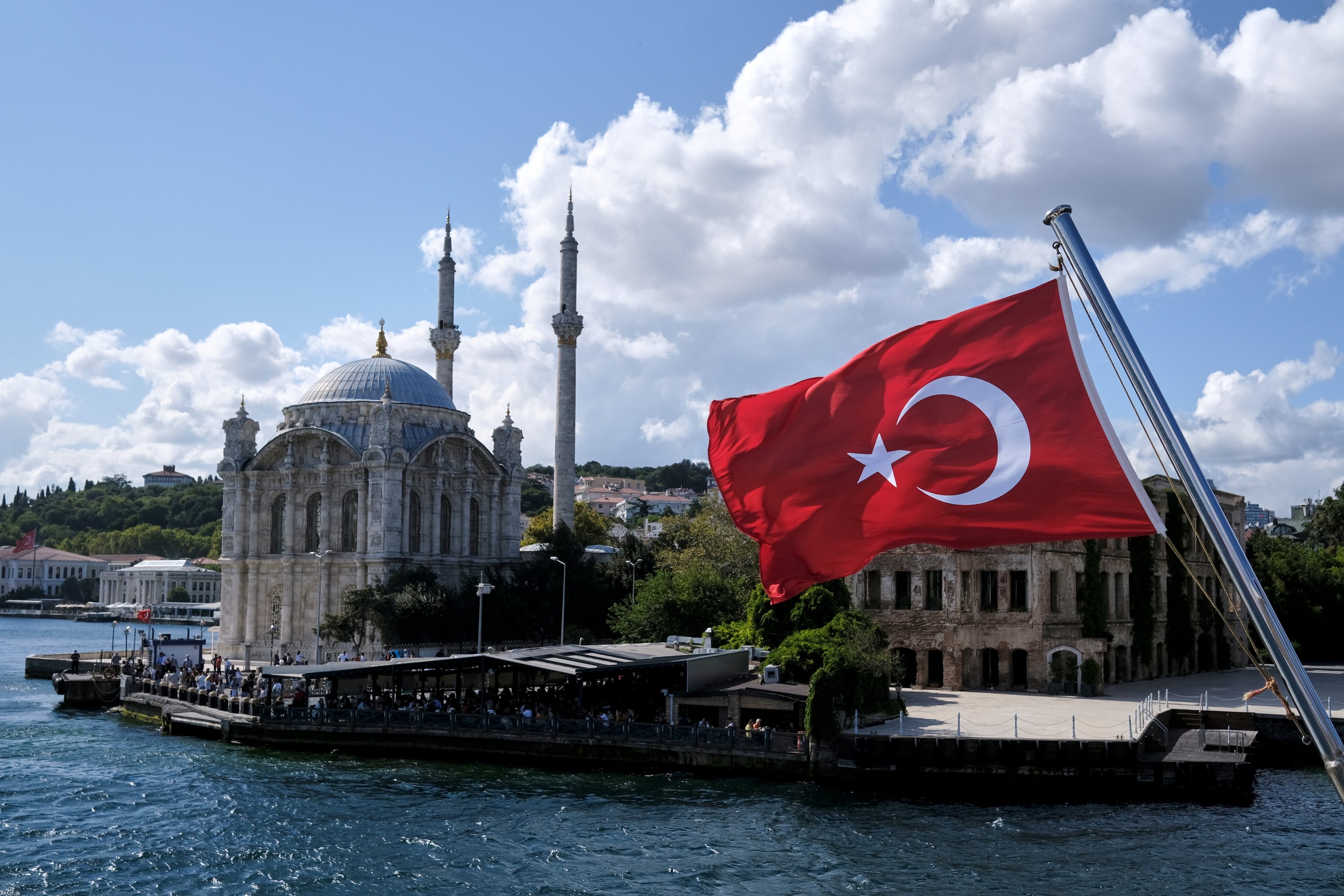
Language plays a vital role in the Turkish business environment, shaping communication, negotiations, contracts, marketing, and international partnerships. Effective language usage can facilitate successful business interactions, while language barriers can lead to misunderstandings and communication gaps.
Turkish is the official language of Turkey, and it is essential for conducting business within the country. However, English is also widely used in international business transactions, particularly in large corporations and multinational companies.
Use of Different Languages in Business Interactions
The choice of language in business negotiations, contracts, and marketing depends on several factors, including the target audience, the nature of the business, and the level of formality required.
- Negotiations:In international negotiations, English is often used as a common language to ensure clarity and avoid misunderstandings. However, in some cases, local languages may be preferred to establish a rapport and build trust.
- Contracts:Business contracts are typically drafted in the official language of the country where the business is registered. In Turkey, contracts are usually written in Turkish, but they may also include English translations for international partners.
- Marketing:Marketing materials are typically translated into the local language of the target market. However, English may be used in global marketing campaigns to reach a wider audience.
Tips for Communicating Effectively with International Partners
To communicate effectively with international partners, businesses should consider the following tips:
- Use clear and concise language:Avoid using jargon or technical terms that may not be understood by non-native speakers.
- Be aware of cultural differences:Cultural differences can influence language usage and communication styles. Be respectful of different cultural norms and avoid making assumptions.
- Use professional interpreters or translators:For important business meetings or negotiations, consider using professional interpreters or translators to ensure accurate communication and avoid misunderstandings.
- Proofread all communications:Before sending any written communications, carefully proofread them for any errors in grammar, spelling, or punctuation.
Impact of Cultural Differences on Language Usage in Business Interactions
Cultural differences can significantly impact language usage in business interactions. For example, in some cultures, it is considered polite to use indirect language and avoid direct confrontations. In other cultures, direct and assertive communication is preferred.
It is important for businesses to be aware of these cultural differences and adapt their language usage accordingly. This can help to build rapport, establish trust, and avoid misunderstandings.
Common Misunderstandings That Can Arise Due to Language Barriers
Language barriers can lead to a variety of misunderstandings in business interactions. Some common misunderstandings include:
- Misinterpretations of tone or intent:Tone and intent can be difficult to convey accurately through translation, leading to misunderstandings.
- Cultural misunderstandings:Cultural differences can lead to misunderstandings in the interpretation of language, even when the words themselves are translated correctly.
- Technical or specialized terms:Technical or specialized terms may not have direct translations in other languages, leading to confusion.
Key Language Skills for Successful Business Communication in Turkey
To communicate effectively in the Turkish business environment, businesses should focus on developing the following key language skills:
| Skill | Description |
|---|---|
| Turkish language proficiency: | A good understanding of Turkish is essential for conducting business in Turkey. |
| English language proficiency: | English is widely used in international business transactions in Turkey. |
| Cross-cultural communication skills: | An understanding of Turkish culture and communication styles is crucial for effective business interactions. |
| Business vocabulary and terminology: | Familiarity with business-related vocabulary and terminology is essential for clear and concise communication. |
| Negotiation skills: | Effective negotiation skills are important for successful business dealings in Turkey. |
Resources for Businesses Seeking Language Training and Translation Services
There are a number of resources available to businesses seeking language training and translation services in Turkey. These include:
- Language schools:Many language schools in Turkey offer business-oriented language training programs.
- Translation agencies:Translation agencies can provide professional translation services for business documents, marketing materials, and other communications.
- Online language learning platforms:Online language learning platforms can provide a convenient and flexible way to improve language skills.
Role of Technology in Facilitating Language Communication in the Turkish Business Context
Technology plays an increasingly important role in facilitating language communication in the Turkish business context. Online translation tools, video conferencing platforms, and language learning apps can help businesses to overcome language barriers and communicate effectively with international partners.
For example, online translation tools can provide quick and easy translations of business documents and communications. Video conferencing platforms allow businesses to conduct meetings and negotiations with partners from different countries in real time. Language learning apps can help employees to improve their language skills and communicate more effectively in the Turkish business environment.
Language and Healthcare: What Language Do People In Turkey Speak
Language plays a crucial role in the Turkish healthcare system, facilitating communication between healthcare professionals and patients. However, non-native speakers often face challenges in accessing healthcare services due to language barriers.
Language accessibility and cultural sensitivity are essential in healthcare settings. Barriers to healthcare access for non-native speakers include limited interpreter availability, lack of translated medical materials, and cultural differences that may affect communication and understanding.
Improving Language Accessibility
- Increasing interpreter services
- Providing translated medical materials
- Training healthcare professionals in cultural sensitivity
Successful Initiatives
- The “Language Access Plan” in the United States, which mandates language accessibility in healthcare settings
- The “Translation and Interpretation Services” in the United Kingdom, which provides interpreters for non-native speakers
Ethical Implications
Language barriers in healthcare can lead to misdiagnosis, incorrect treatment, and patient dissatisfaction. They can also violate the ethical principle of informed consent and patient autonomy.
Technology and Language Accessibility
Technology can enhance language accessibility through machine translation, video interpretation, and language learning apps.
Role of Healthcare Professionals
Healthcare professionals play a vital role in promoting language accessibility and cultural sensitivity by being respectful, using clear language, and seeking assistance from interpreters when necessary.
Patient-Centered Care
Patient-centered care involves tailoring healthcare services to the individual needs of patients, including their language preferences.
Impact on Healthcare Outcomes
Language barriers can negatively impact healthcare outcomes, leading to delayed diagnosis, medication errors, and lower patient satisfaction.
– Language and Social Inclusion
Language plays a crucial role in promoting social inclusion by facilitating communication, fostering a sense of belonging, and enabling access to essential services. In Turkey, non-native speakers face specific challenges in accessing education, employment, and social services due to language barriers.
This essay explores the role of language in promoting social inclusion in Turkey, particularly for non-native speakers, and discusses initiatives aimed at bridging language barriers and fostering inclusivity.
Non-native speakers in Turkey face challenges in accessing education due to limited Turkish language proficiency. This can hinder their ability to understand course materials, participate in class discussions, and achieve academic success. Similarly, in the employment sector, non-native speakers may encounter difficulties in job interviews, workplace communication, and career advancement due to language barriers.
Accessing social services can also be challenging for non-native speakers, as they may struggle to communicate with healthcare providers, social workers, and other service providers.
Initiatives for Bridging Language Barriers
Several initiatives have been implemented in Turkey to address language barriers and foster inclusivity for non-native speakers. These include:
- Turkish language classes for non-native speakers offered by government agencies, NGOs, and private institutions.
- Interpretation and translation services provided in healthcare settings, social service agencies, and educational institutions.
- Multilingual signage and materials in public spaces and workplaces.
- Language exchange programs and community outreach initiatives that connect non-native speakers with native Turkish speakers.
These initiatives have been effective in improving communication and access to services for non-native speakers. However, there is still room for improvement in terms of the availability and quality of language support services, particularly in rural areas and for speakers of less common languages.
Broader Implications of Language Barriers
Language barriers can have broader implications for social inclusion in Turkey. They can lead to social isolation, discrimination, and limited opportunities for non-native speakers. This can hinder their ability to fully participate in society, contribute to the economy, and enjoy a good quality of life.
Addressing language barriers is therefore essential for promoting social inclusion and creating a more equitable society in Turkey.
Language and Future Trends
The future of language use in Turkey is a topic of great interest and speculation. As the country continues to develop economically and socially, it is likely that there will be significant changes in the way that Turkish is used.
These changes are likely to be driven by a number of factors, including changes in language policy, education, and technology.
Language Policy
The Turkish government has a long history of promoting the use of Turkish as the official language of the country. This policy has been successful in largely eliminating the use of other languages in public life. However, there are some signs that this policy may be changing.
In recent years, there has been a growing movement to promote the use of Kurdish and other minority languages in Turkey. It is possible that this movement will lead to changes in language policy in the future.
Education
The way that Turkish is taught in schools is also likely to change in the future. Currently, Turkish is taught as a compulsory subject in all schools in Turkey. However, there is a growing movement to introduce more choice into the language curriculum.
This movement is likely to lead to more students being able to choose to study other languages in addition to Turkish.
Technology
Technology is also likely to have a significant impact on the future of language use in Turkey. The internet and social media are already having a major impact on the way that people communicate. In the future, it is likely that these technologies will become even more important.
This could lead to changes in the way that Turkish is used, as people become more accustomed to communicating in shorter, more informal ways.
Detailed FAQs
What is the official language of Turkey?
Turkish
What are some of the regional languages spoken in Turkey?
Kurdish, Arabic, Armenian, Georgian, Laz
How many people speak Turkish?
Approximately 85 million worldwide
