What language is spoken in Siberia? This question delves into the linguistic tapestry of a vast and diverse region, where a multitude of languages coexist, each carrying its own unique story. From the indigenous tongues of the native peoples to the dominant presence of Russian, the linguistic landscape of Siberia is a fascinating mosaic that reflects the region’s rich history, cultural heritage, and ongoing linguistic dynamics.
Siberia’s linguistic diversity is a testament to the region’s complex history, shaped by migrations, conquests, and cultural exchanges. The region has been home to numerous indigenous peoples, each with their own distinct language and cultural traditions. Over time, these languages have interacted and influenced each other, resulting in a rich linguistic landscape that continues to evolve.
Linguistic Diversity in Siberia
Siberia, a vast region spanning the northern part of Asia, is home to a remarkable linguistic diversity. Over 30 languages belonging to different language families are spoken by the indigenous peoples of Siberia.
In Siberia, the primary language spoken is Russian. However, there are also various indigenous languages spoken in the region, such as Yakut, Buryat, and Tuvan. Unlike American Sign Language, which can be challenging to master due to its unique grammar and syntax as discussed here , these indigenous languages have their own distinct grammatical structures and vocabularies.
Understanding the linguistic diversity of Siberia highlights the importance of preserving and promoting the rich cultural heritage of the region.
The linguistic diversity in Siberia is a result of the region’s complex history and the interaction of different cultures. Over the centuries, Siberia has been inhabited by various nomadic and settled communities, each bringing their own languages and cultural practices.
Paleo-Siberian Languages
The Paleo-Siberian languages are a group of unrelated languages spoken by indigenous peoples of Siberia who are not part of the major language families of Eurasia.
- Ket
- Nivkh
- Yukaghir
- Chukchi-Kamchatkan
- Yeniseian
Uralic Languages
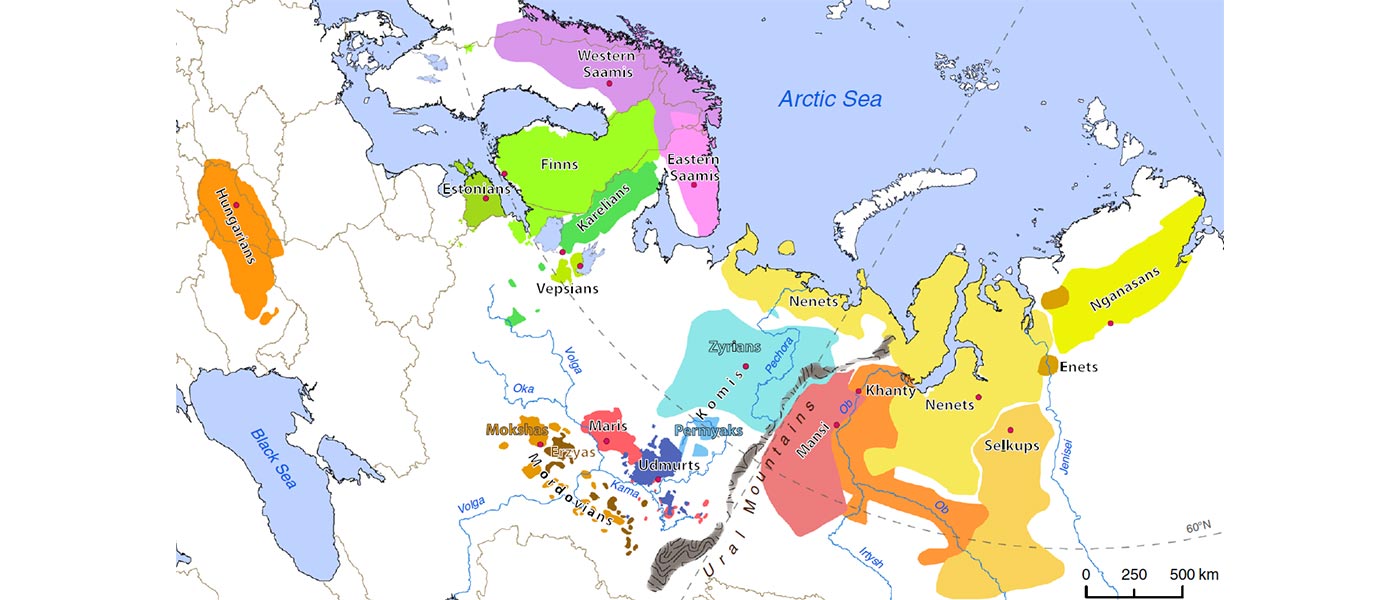
The Uralic languages are a language family spoken by peoples in northern Eurasia, including Siberia.
- Hungarian
- Finnish
- Estonian
- Nenets
- Khanty
- Mansi
Altaic Languages
The Altaic languages are a proposed language family spoken in Siberia and Central Asia.
- Turkic languages
- Mongolian languages
- Tungusic languages
Indo-European Languages
The Indo-European languages are a large language family spoken across much of Eurasia, including Siberia.
- Russian
- German
- English
- Persian
- Hindi
Influence of Russian
Russian, the official language of Russia, has had a significant impact on the linguistic landscape of Siberia. Many indigenous languages are now spoken alongside Russian, and some are facing the threat of extinction.
Major Language Groups in Siberia
Siberia is home to a diverse array of languages, reflecting its rich cultural and historical heritage. The region’s languages belong to several major language groups, each with its unique characteristics and geographic distribution.
The Uralic language group is widely spoken in western Siberia. It includes languages such as Khanty, Mansi, and Nenets, spoken by indigenous peoples of the region. These languages are characterized by a rich system of vowel harmony and a complex case system.
Altaic Languages
The Altaic language group is another major family present in Siberia. It includes languages such as Turkic, Mongolian, and Tungusic. Turkic languages, such as Yakut, are spoken by Turkic peoples in eastern Siberia. Mongolian languages, such as Buryat, are spoken by Mongolian peoples in southern Siberia.
Tungusic languages, such as Evenki and Even, are spoken by indigenous peoples in central and eastern Siberia.
Paleo-Siberian Languages
The Paleo-Siberian language group is a diverse collection of languages that are not related to any other known language family. These languages include Chukchi, Koryak, and Nivkh, spoken by indigenous peoples of northeastern Siberia. They exhibit unique grammatical structures and a rich vocabulary related to their traditional way of life.
Indigenous Languages of Siberia
Siberia, the vast and enigmatic region spanning the northernmost parts of Asia, is home to a rich tapestry of indigenous languages spoken by its native peoples. These languages, with their unique features and characteristics, reflect the cultural diversity and linguistic heritage of the region.
Indigenous languages of Siberia can be broadly classified into three major language families: Uralic, Altaic, and Paleo-Siberian. Each family encompasses a diverse array of languages, each with its own distinct grammar, vocabulary, and cultural significance.
Uralic Languages
- The Uralic languages are spoken by peoples inhabiting the western and central regions of Siberia. These languages include Hungarian, Finnish, Estonian, and their various dialects.
- Uralic languages are characterized by vowel harmony, a system in which the vowels in a word must agree in terms of their backness or frontness.
- They also exhibit a rich system of case endings, which are used to indicate the grammatical function of nouns and pronouns.
Altaic Languages
- The Altaic languages are spoken by peoples in the eastern and southern regions of Siberia. These languages include Turkish, Mongolian, and Tungusic.
- Altaic languages are typically agglutinative, meaning that words are formed by adding suffixes to a root word.
- They also have a vowel harmony system, but it is less restrictive than in Uralic languages.
Paleo-Siberian Languages
- The Paleo-Siberian languages are spoken by a diverse group of peoples in the northeastern and easternmost regions of Siberia. These languages include Chukchi, Koryak, and Itelmen.
- Paleo-Siberian languages are not related to any other known language family, and they exhibit a wide range of structural and typological diversity.
- Some Paleo-Siberian languages have complex verb systems, while others have relatively simple grammatical structures.
Russian as a Lingua Franca
Russian is the dominant language in Siberia, with over 80% of the population speaking it. It serves as the official language of the region and is used in government, education, media, and business. The spread of Russian in Siberia is largely attributed to the region’s history of Russian colonization and settlement.
Factors Contributing to the Spread of Russian
- Imperial expansion:Russia’s imperial expansion into Siberia in the 16th and 17th centuries brought Russian settlers, administrators, and traders to the region, who established Russian settlements and introduced the Russian language.
- Political and economic dominance:After the Russian Revolution, Siberia became part of the Soviet Union, and Russian became the official language of the republic. The Soviet government promoted the use of Russian in education, media, and public life, suppressing the use of indigenous languages.
- Migration:Throughout the 20th century, there was significant migration of Russian workers and settlers to Siberia, particularly during the Soviet era. This influx of Russian speakers further contributed to the spread of the Russian language.
Impact on Indigenous Languages
- Language shift:The dominance of Russian has led to a significant decline in the use of indigenous languages in Siberia. Many indigenous communities have shifted to using Russian as their primary language, especially in urban areas.
- Loss of cultural heritage:The decline of indigenous languages has resulted in the loss of cultural heritage and traditional knowledge associated with those languages. Many indigenous communities have lost the ability to pass on their oral histories, stories, and songs in their native tongues.
- Educational challenges:The lack of educational opportunities in indigenous languages has made it difficult for younger generations to learn and maintain their native languages. This has contributed to the intergenerational loss of indigenous languages.
Challenges Faced by Indigenous Languages
- Limited resources:Indigenous languages in Siberia face a lack of resources, including funding, teachers, and materials. This makes it difficult to support language revitalization efforts and promote the use of indigenous languages.
- Government policies:Government policies have historically favored the use of Russian over indigenous languages. This has created a linguistic hierarchy that marginalizes indigenous languages and makes it challenging for them to thrive.
- Social factors:Social factors, such as stigma and discrimination, can discourage the use of indigenous languages. This can lead to self-censorship and a reluctance to speak indigenous languages in public spaces.
Future of Russian as a Lingua Franca
- Continued dominance:Russian is likely to remain the dominant language in Siberia for the foreseeable future. It is the language of government, education, and the economy, and it has a strong presence in urban areas.
- Language revitalization efforts:There are ongoing efforts to revitalize indigenous languages in Siberia. These efforts include language immersion programs, cultural revitalization initiatives, and the development of educational materials in indigenous languages.
- Potential for coexistence:It is possible that Russian and indigenous languages can coexist in Siberia, with Russian serving as the lingua franca and indigenous languages being used in specific domains, such as education, cultural events, and traditional practices.
Language Revitalization Efforts
Language revitalization efforts in Siberia aim to preserve and revive indigenous languages that have been facing decline due to factors such as urbanization, assimilation, and the dominance of Russian. These initiatives involve a range of programs and activities aimed at promoting the use of indigenous languages in education, media, and community life.One notable example of a successful language revitalization effort in Siberia is the Evenki language revitalization program implemented by the Association of Evenki People of the Russian Federation.
This program has focused on developing educational materials, training teachers, and establishing Evenki language immersion programs in schools. As a result, the number of Evenki speakers has increased significantly, and the language is now being used more actively in everyday life.Another innovative approach to language revitalization in Siberia has been the use of digital tools and online resources.
The Eveny language, for example, has been revitalized through the creation of an online dictionary, language learning apps, and social media groups. These digital resources have made it easier for Eveny speakers to access language materials and connect with other speakers, contributing to the revitalization of the language.
Challenges and Community Involvement
Despite these successes, language revitalization efforts in Siberia face a number of challenges. These include a lack of resources, funding, and community support. Additionally, the dominance of Russian as the lingua franca in Siberia can make it difficult to promote the use of indigenous languages.To overcome these challenges, language revitalization efforts in Siberia often emphasize community involvement and collaboration.
By working with local communities, language revitalization programs can ensure that they are tailored to the specific needs and priorities of the community. This involvement can take a variety of forms, such as establishing community language councils, involving elders in language teaching, and promoting the use of indigenous languages in local events and activities.
Impact of Technology
Technology has played a significant role in language revitalization efforts in Siberia. Digital tools and online resources have made it easier for indigenous communities to access language materials, connect with other speakers, and promote the use of their languages. Social media platforms, for example, have been used to create online communities of indigenous language speakers, share language resources, and organize language learning events.
Language and Cultural Identity
In Siberia, language plays a pivotal role in shaping cultural identity. Indigenous languages embody the unique histories, beliefs, and traditions of the region’s diverse ethnic groups. The preservation of these languages is crucial for maintaining cultural heritage and traditions.
Language Preservation and Cultural Heritage
Language preservation efforts in Siberia aim to revitalize and maintain indigenous languages. These efforts include initiatives to teach indigenous languages in schools, establish language immersion programs, and create language resources. By preserving languages, communities can safeguard their cultural heritage, ensuring that traditions, stories, and knowledge are passed down to future generations.
Language as a Symbol of Cultural Identity
Language is a powerful symbol of cultural identity. Speaking an indigenous language connects individuals to their ancestors, their community, and their cultural heritage. It fosters a sense of belonging and pride, promoting cultural diversity and understanding. The loss of indigenous languages can lead to a decline in cultural identity and a diminished sense of connection to one’s heritage.
Language and Education
In Siberia, education plays a crucial role in preserving and revitalizing indigenous languages. The government has implemented policies to support the teaching of indigenous languages in schools, recognizing their importance for cultural identity and community cohesion.
However, providing education in both indigenous languages and Russian presents challenges and opportunities. Indigenous languages often lack standardized curricula and teaching materials, and there is a shortage of qualified teachers.
Challenges, What language is spoken in siberia
- Lack of standardized curricula and teaching materials for indigenous languages
- Shortage of qualified teachers
- Limited access to educational resources in indigenous languages
- Socioeconomic factors that may hinder the prioritization of indigenous language education
Opportunities
- Preservation and revitalization of indigenous languages
- Promotion of cultural identity and community cohesion
- Improved educational outcomes for indigenous students
- Development of bilingualism and multilingualism
Language and Technology
Technology has a profound impact on language use in Siberia, shaping communication patterns, norms, and vocabulary. Social media, messaging apps, and other digital platforms provide new avenues for language interaction, influencing language use and contributing to language change.
Social media platforms like Facebook and Instagram allow users to connect with others who share their linguistic background, regardless of geographic location. This facilitates the maintenance and revitalization of minority languages, as speakers can interact with others who speak the same language and share cultural experiences.
Messaging Apps
Messaging apps like WhatsApp and Telegram have become ubiquitous in Siberia, providing a convenient and accessible means of communication. These apps often support multiple languages, allowing users to communicate with others who speak different languages. This can contribute to language learning and the spread of new vocabulary.
Language Learning Apps
Language learning apps like Duolingo and Babbel have made language learning more accessible in Siberia. These apps provide interactive lessons and exercises that can help users learn new languages or improve their proficiency in existing languages.
Digital Dictionaries
Digital dictionaries like Google Translate and Yandex Translate provide quick and easy access to translations between different languages. This can be particularly useful for speakers of minority languages who need to communicate with others who do not speak their language.
Language and the Media
The media plays a pivotal role in shaping language use and attitudes in Siberia. It influences the perception and use of indigenous languages, contributing to both their preservation and decline.
Siberia is a vast region in northern Asia, and the languages spoken there reflect its diverse population. Russian is the official language and is widely spoken throughout the region, but there are also many other languages spoken, including indigenous languages such as Yakut, Buryat, and Evenki.
Interestingly, the sign language used in Siberia is also distinct from the sign language used in other parts of the world, as it has developed unique gestures and symbols to represent words like “don’t” ( don’t in sign language ).
This reflects the rich linguistic diversity of Siberia and the unique cultural heritage of its people.
The representation of indigenous languages in the media varies significantly across different regions of Siberia. In some areas, there are dedicated media outlets that promote and showcase indigenous languages. For example, the Sakha Republic has a state-owned television channel, Sakha TV, which broadcasts programs in the Sakha language.
Similarly, the Republic of Buryatia has a radio station, Buryad FM, which features Buryat language content.
Impact on Language Revitalization Efforts
The presence of indigenous languages in the media has a positive impact on language revitalization efforts. It provides a platform for speakers to use their languages publicly, fostering a sense of pride and ownership. Furthermore, it helps to normalize the use of indigenous languages in everyday life, making them more visible and accessible to younger generations.
However, the representation of indigenous languages in the media is often limited, and they often face competition from Russian-language media. This can lead to a decline in the use of indigenous languages, particularly among younger generations who are more exposed to Russian-language media.
Language and Tourism
Language plays a pivotal role in tourism and cultural exchange in Siberia, facilitating communication between visitors and locals, enhancing cultural understanding, and promoting intercultural dialogue.
Language services and interpretation are essential for promoting tourism and fostering intercultural understanding in Siberia. They enable tourists to navigate the region effectively, communicate with local communities, and gain a deeper understanding of the diverse cultures and traditions.
Language Services for Tourists
- Translation and interpretation services for guided tours, museum visits, and cultural events.
- Language assistance for accommodation, transportation, and other travel-related needs.
- Development of multilingual signage and tourist information materials.
Importance of Interpretation
Interpretation goes beyond mere language translation; it involves conveying cultural context, historical background, and local perspectives to visitors.
- Interpreters facilitate meaningful interactions between tourists and locals, fostering cultural exchange and mutual respect.
- They provide insights into the unique traditions, beliefs, and values of Siberian communities, enhancing visitors’ understanding and appreciation.
- Interpreters act as cultural ambassadors, promoting cross-cultural dialogue and building bridges between diverse cultures.
Benefits of Language Services and Interpretation for Tourism
- Enhanced visitor experience and satisfaction.
- Increased cultural understanding and appreciation.
- Promotion of intercultural dialogue and respect.
- Economic benefits through increased tourism revenue.
– Examine the relationship between language and the natural environment in Siberia, focusing on the Nenets people and their reindeer herding practices.

The Nenets people, an indigenous group inhabiting the vast Siberian tundra, have a deep connection to the natural environment, particularly through their traditional practice of reindeer herding. Their language, Nenets, reflects this intimate relationship, with a rich vocabulary that captures the nuances of their environment and the intricacies of reindeer herding.
Nenets Language and Reindeer Herding
The Nenets language has evolved over centuries to encompass a comprehensive lexicon related to reindeer herding. Specific terms exist for different types of reindeer, their behavior, and the equipment used in herding. For instance, the Nenets word “ty” refers to a male reindeer used for riding, while “vazh” denotes a female reindeer suitable for milking.
This linguistic specificity enables the Nenets to communicate effectively about their primary livelihood and cultural practice.Moreover, the Nenets language incorporates a wealth of ecological knowledge accumulated through generations of observation and interaction with the tundra environment. Terms such as “yamal” (open tundra) and “nyar” (forest tundra) reflect the diverse landscapes they inhabit.
By encoding this ecological knowledge in their language, the Nenets preserve and transmit vital information about their surroundings.
– Explore the use of language in artistic expression in Siberia.: What Language Is Spoken In Siberia
The vast and diverse region of Siberia, spanning across northern Asia, is home to a rich tapestry of languages and cultures. Language plays a vital role in the artistic expression of the Siberian people, shaping their cultural identity and preserving their cultural heritage.
This essay delves into the multifaceted relationship between language and art in Siberia, exploring the ways in which language is used to create and convey meaning in various art forms.
Language in Literature
Literature, a powerful medium for storytelling and cultural preservation, holds a prominent place in Siberian artistic expression. The written word, whether in the form of epic poems, folktales, or contemporary novels, serves as a repository of cultural knowledge and values.
In Siberia, literature often draws upon the region’s rich oral traditions, incorporating elements of folklore and mythology into its narratives. The use of language in Siberian literature is characterized by its vivid imagery, evocative storytelling, and deep connection to the natural environment.
Language in Music
Music is another integral part of Siberian artistic expression. Traditional Siberian music is deeply rooted in the region’s nomadic and pastoral heritage, with songs often reflecting the rhythms and melodies of everyday life. The use of language in Siberian music is closely intertwined with the performance of traditional instruments, such as the throat singing of the Tuvan people.
Through music, Siberian artists convey emotions, tell stories, and connect with their cultural roots.
– Analyze the legal framework for language rights in Siberia.
.jpg "Extinct klavdiya plotnikova")
The legal framework for language rights in Siberia is complex and evolving. The Russian Constitution guarantees the right to use one’s native language, but this right is not always respected in practice. In recent years, there have been some positive developments, such as the adoption of a new law on the rights of indigenous peoples.
However, there is still much work to be done to ensure that the language rights of all Siberians are fully respected.
Recognition and protection of indigenous languages in laws and policies
The Russian Constitution recognizes the right of all citizens to use their native language. However, this right is not always respected in practice. In some cases, indigenous languages are not used in government or education, and their speakers face discrimination.In recent years, there have been some positive developments in the area of indigenous language rights.
In 2006, the Russian government adopted a new law on the rights of indigenous peoples. This law includes a number of provisions to protect indigenous languages, such as the right to use indigenous languages in government and education.However, the implementation of this law has been uneven.
In some regions, indigenous languages are still not used in government or education. In other regions, indigenous language speakers face discrimination.
Comparative analysis of language rights frameworks in Siberia with other regions
The legal framework for language rights in Siberia is similar to that of other regions of Russia. However, there are some important differences.One difference is that Siberia is home to a large number of indigenous peoples. This has led to the development of a number of laws and policies specifically designed to protect the languages of indigenous peoples.Another difference is that Siberia is a vast region with a diverse population.
This has led to the development of a number of regional laws and policies on language rights.
Role of international law and organizations in promoting language rights in Siberia
International law and organizations play an important role in promoting language rights in Siberia. The United Nations Declaration on the Rights of Indigenous Peoples includes a number of provisions on language rights. These provisions have been used to support indigenous language rights activists in Siberia.International organizations such as the UNESCO and the OSCE have also played a role in promoting language rights in Siberia.
These organizations have provided funding for language revitalization projects and have advocated for the rights of indigenous language speakers.
Future Prospects for Languages in Siberia

The future of languages in Siberia is uncertain. The region is home to a great diversity of languages, but many of them are facing challenges due to globalization, migration, and technological advancements. However, there are also opportunities for language revitalization and promotion in the region.
One of the biggest challenges facing languages in Siberia is the influence of Russian. Russian is the official language of Russia, and it is the dominant language in many parts of Siberia. This has led to a decline in the use of indigenous languages, as people have shifted to Russian for education, employment, and communication.
Another challenge facing languages in Siberia is the migration of people from rural to urban areas. This has led to a decline in the number of speakers of indigenous languages, as people move to cities where Russian is the dominant language.
Technological advancements can also pose a challenge to languages in Siberia. The internet and social media are increasingly used for communication, and this can lead to a decline in the use of indigenous languages. Additionally, the use of technology can lead to the spread of new words and phrases, which can dilute the vocabulary of indigenous languages.
Potential Scenarios and Strategies
Despite these challenges, there are also opportunities for language revitalization and promotion in Siberia. One opportunity is the growing interest in indigenous cultures and languages. This interest has led to the development of new programs and initiatives to support indigenous languages.
Another opportunity for language revitalization in Siberia is the development of new technologies. Technology can be used to create new resources for language learners, such as online dictionaries and grammar books. Additionally, technology can be used to connect speakers of indigenous languages with each other, regardless of their location.
Role of Government Policies
Government policies can play a significant role in supporting linguistic diversity in Siberia. Governments can provide funding for language revitalization programs, and they can also develop policies that promote the use of indigenous languages in education, government, and the media.
Educational Initiatives
Educational initiatives can also play a role in supporting linguistic diversity in Siberia. Schools can offer programs that teach indigenous languages, and they can also incorporate indigenous languages into their curriculum.
Community Engagement
Community engagement is essential for the success of language revitalization efforts. Communities need to be involved in the planning and implementation of language revitalization programs, and they need to be committed to the long-term success of these programs.
Conclusion
The future of languages in Siberia is uncertain, but there are both challenges and opportunities facing these languages. With the support of governments, educational institutions, and communities, it is possible to ensure the vitality of both indigenous and non-indigenous languages in the region.
Expert Answers
What is the most widely spoken language in Siberia?
Russian is the most widely spoken language in Siberia, serving as the lingua franca for communication across the region.
How many indigenous languages are spoken in Siberia?
There are over 50 indigenous languages spoken in Siberia, representing various language families, including Uralic, Altaic, and Paleo-Siberian.
What are the challenges facing indigenous languages in Siberia?
Indigenous languages in Siberia face challenges such as language shift towards Russian, limited educational opportunities, and the impact of globalization.
