Embarking on a linguistic journey, “How Hard is Russian Language to Learn” delves into the intricacies of mastering this Slavic tongue. Russian, renowned for its rich literary tradition and complex grammar, presents both challenges and rewards for aspiring learners.
From its unique alphabet and intricate case system to its vast vocabulary and cultural nuances, this article provides a comprehensive overview of the factors that shape the difficulty of learning Russian. By exploring the challenges and strategies involved, learners can gain valuable insights into the complexities of this fascinating language.
Introduction
Assessing the difficulty of learning a language involves considering factors such as grammar, vocabulary, pronunciation, and cultural context. Russian, a Slavic language with a unique alphabet and complex grammar, poses certain challenges for learners, but its rich history and cultural significance make it an intriguing language to master.
Russian grammar is known for its intricate case system, which requires nouns, adjectives, and pronouns to change their form depending on their grammatical function within a sentence. Additionally, Russian verbs have a wide range of conjugations, including aspects that express the completion or ongoing nature of an action.
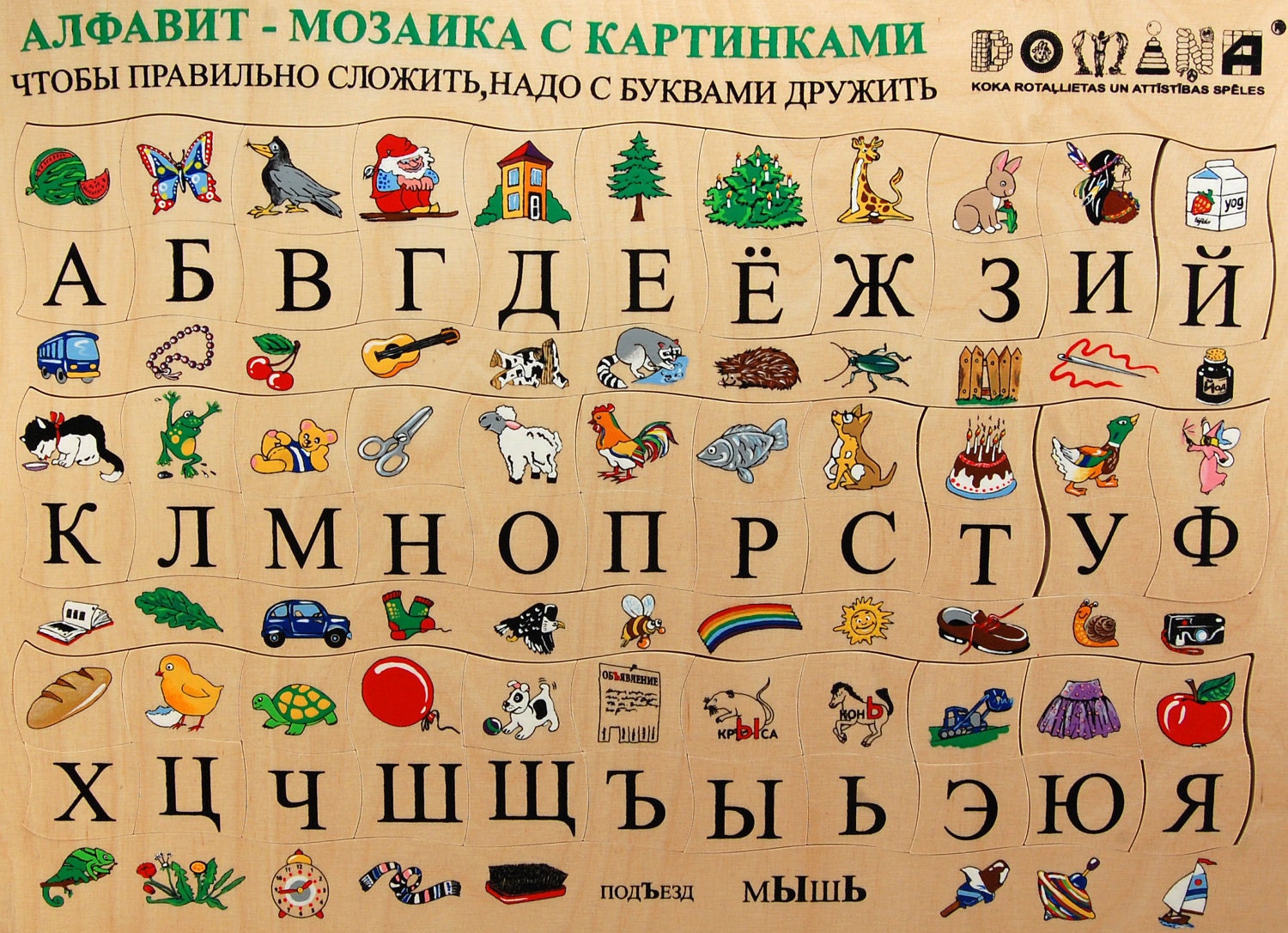
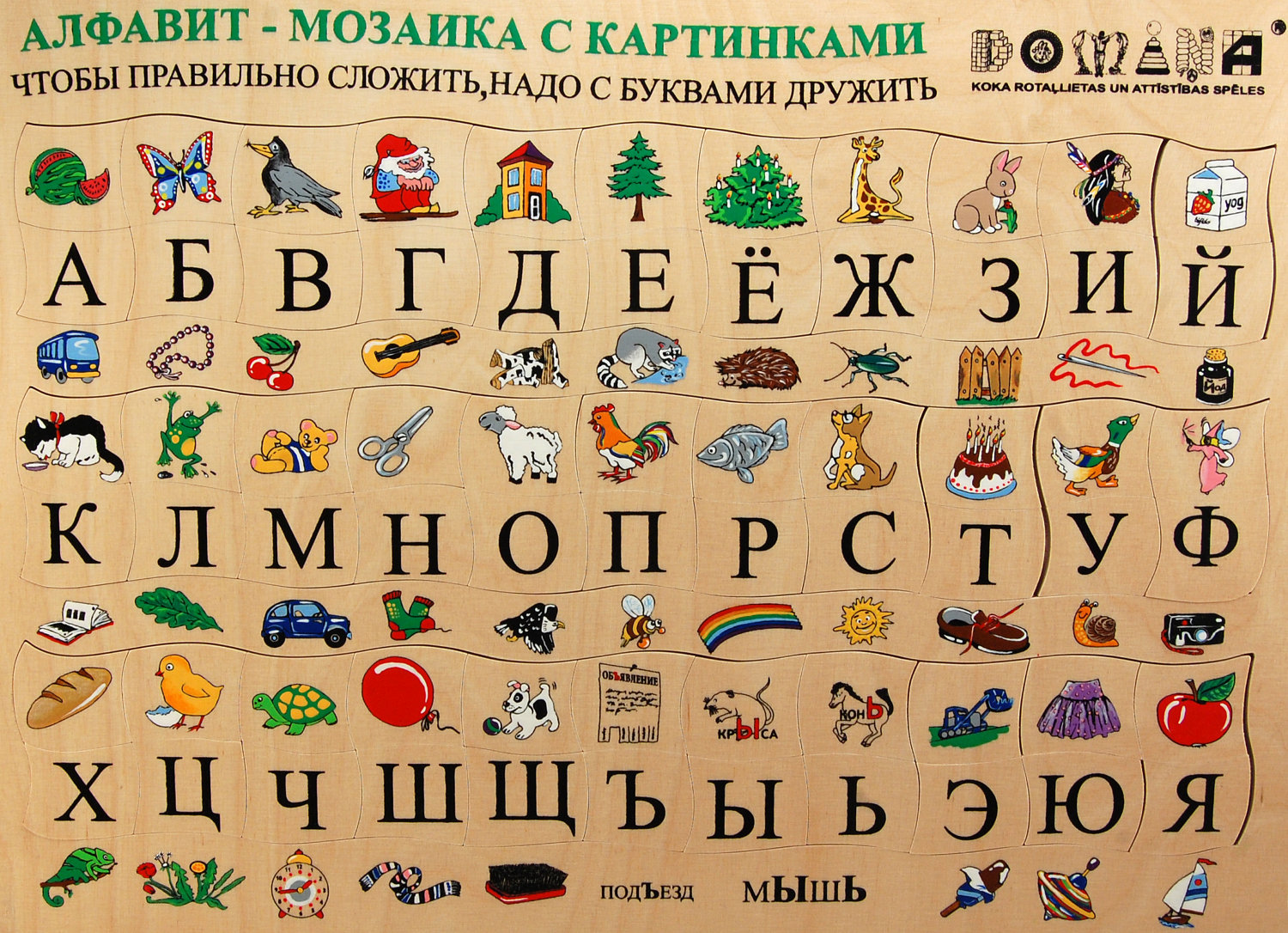
The Russian alphabet, Cyrillic, is distinct from the Latin alphabet used in English and many other European languages. While the Cyrillic alphabet has some similarities to the Greek alphabet, it also includes unique letters and combinations that can be challenging for learners to master.
Pronunciation in Russian can also be challenging, particularly due to the presence of palatalized consonants and the reduction of unstressed vowels. Intonation and stress patterns in Russian differ from those in English, which can further complicate pronunciation for learners.
Beyond linguistic challenges, understanding Russian culture and customs is essential for effective communication. Russian culture has a rich history, influenced by Eastern Orthodox Christianity, Slavic traditions, and Soviet ideology. Knowledge of Russian history, literature, and social norms can enhance comprehension and communication in Russian.
Phonology
Russian phonology, the sound system of the Russian language, is characterized by a number of unique sounds and pronunciation rules. These features can make Russian challenging for native English speakers to learn, but with practice and dedication, it is possible to master Russian pronunciation.
One of the most distinctive features of Russian phonology is the presence of palatalized consonants. These consonants are pronounced with the tongue raised towards the hard palate, which gives them a softer sound than their non-palatalized counterparts. For example, the consonant /t/ is pronounced as [t] in the word “такси” (taxi), but as [tʲ] in the word “театр” (theater).
Another unique feature of Russian phonology is the presence of vowel reduction. In unstressed syllables, vowels are often reduced to a schwa sound, which is represented by the letter “ъ” in the Cyrillic alphabet. For example, the word “молоко” (milk) is pronounced as [mələˈko].
Stress also plays an important role in Russian phonology. Stress can fall on any syllable in a word, and it can change the meaning of a word. For example, the word “замок” (castle) is pronounced with stress on the first syllable, while the word “замо́к” (lock) is pronounced with stress on the second syllable.
Russian phonology is similar to that of other Slavic languages, such as Polish and Czech. However, there are some key differences. For example, Russian has a more complex vowel system than Polish, and it lacks the nasal vowels that are found in Czech.
The Russian language is widely considered to be one of the most challenging languages to learn for native English speakers. Its complex grammar, extensive vocabulary, and unique Cyrillic alphabet present significant hurdles for learners. However, the rewards of mastering Russian can be immense, unlocking access to a vast literary tradition and a vibrant culture.
Interestingly, while Russian may be challenging, the official language of Israel, Hebrew , is also known for its complexity, featuring a rich history and a unique alphabet. Despite these challenges, the study of both Russian and Hebrew can provide invaluable insights into different cultures and perspectives.
History of Russian Phonology
The Russian phonological system has undergone a number of changes over time. One of the most significant changes was the loss of the yers, which were two short vowels that were pronounced in Old Russian. The loss of the yers led to a number of changes in the pronunciation of Russian words, including the development of palatalized consonants and vowel reduction.
Another major change in Russian phonology was the development of stress. In Old Russian, stress was relatively free, but over time it became fixed on the penultimate syllable of most words. This change had a significant impact on the pronunciation of Russian words, and it is one of the features that makes Russian difficult for native English speakers to learn.
Table of Differences Between Russian and English Phonology
| Feature | Russian | English ||—|—|—|| Number of vowels | 5 | 20 || Number of consonants | 33 | 24 || Presence of palatalized consonants | Yes | No || Presence of vowel reduction | Yes | No || Stress | Fixed on the penultimate syllable | Variable |
Grammar
Russian grammar is highly complex and structured, featuring many aspects that are unfamiliar to native English speakers. This complexity can pose challenges to learners.
One of the most striking features of Russian grammar is its case system. Nouns, adjectives, and pronouns decline according to six different cases, each indicating a different grammatical function. For example, the nominative case is used for the subject of a sentence, while the accusative case is used for the direct object.
This case system can be difficult for learners to master, as it requires memorizing the different case endings and understanding how they are used in context.
Verbal System
Another challenge of Russian grammar is its verbal system. Russian verbs have a complex system of conjugations, which vary depending on the tense, aspect, mood, and person. Additionally, Russian verbs have two aspects: perfective and imperfective. Perfective verbs describe completed actions, while imperfective verbs describe ongoing or habitual actions.
This distinction can be difficult for learners to grasp, as it is not present in English.
Adjectives
Russian adjectives also have a complex system of declensions. Adjectives must agree in case, number, and gender with the nouns they modify. This can be challenging for learners, as it requires memorizing the different adjective endings and understanding how they are used in context.
Word Order
Russian word order is also different from English word order. In Russian, the verb typically comes at the end of the sentence. This can be confusing for learners, as it requires them to rewire their thinking about sentence structure.
Vocabulary

Russian vocabulary is vast and diverse, with an estimated 200,000 to 500,000 words. It is composed of native Slavic roots, as well as borrowings from other languages, particularly Old Church Slavonic, Greek, Latin, French, German, and English.
Russian vocabulary is highly structured, with a rich system of prefixes and suffixes that can be used to create new words. This makes it possible to express complex ideas with a single word. For example, the word “прекрасный” (prekrasnyy) means “beautiful,” but the prefix “пре” (pre-) can be added to create the word “превосходный” (prevoskhodnyy), which means “excellent.”
Historical Development
Russian vocabulary has been influenced by a variety of factors throughout its history. The most significant influence has been from Old Church Slavonic, the liturgical language of the Russian Orthodox Church. Old Church Slavonic was used in Russia for centuries, and it has contributed a large number of words to the modern Russian language.
Other languages that have influenced Russian vocabulary include Greek, Latin, French, German, and English. These languages have contributed words related to science, technology, art, and culture.
Relationship to Russian Culture
Russian vocabulary is closely tied to Russian culture. Many words reflect the unique experiences and values of the Russian people. For example, the word “душа” (dusha) means “soul,” but it also has a broader meaning that encompasses the entire inner world of a person.
The Russian language is a rich and expressive language that reflects the culture and history of the Russian people.
Morphology
Morphology plays a crucial role in Russian by providing the rules for word formation and the relationships between different forms of words.
For learners, Russian morphology presents challenges due to its:
- Complex system of declensions and conjugations
- Use of prefixes and suffixes to modify word meaning
- Distinction between perfective and imperfective verb forms
Case System
Russian nouns, adjectives, and pronouns have six cases, each with distinct endings that indicate their grammatical function in a sentence.
- Nominative (subject)
- Genitive (possession)
- Dative (indirect object)
- Instrumental (means or manner)
- Prepositional (location or direction)
li>Accusative (direct object)
Syntax
Russian syntax, like that of other Slavic languages, is characterized by relatively free word order, with the verb usually appearing in second position. Russian has a rich case system, with six cases for nouns, adjectives, and pronouns. Agreement between nouns and verbs is obligatory in number, gender, and case.
Russian syntax differs from that of English, Spanish, and French in several ways, including the use of cases, the position of the verb, and the use of aspect.
Word Order
Russian word order is relatively free, but there are some general rules that govern the placement of words in a sentence. The most important of these rules is that the verb must appear in second position in a declarative sentence.
For example:
Я люблю тебя. (I love you.)
In this sentence, the verb “люблю” (love) appears in second position, after the subject “я” (I). Other elements of the sentence, such as the object “тебя” (you), can appear in any order.
Use of Cases
Russian has a rich case system, with six cases for nouns, adjectives, and pronouns. The cases are used to indicate the grammatical function of a word in a sentence. For example, the nominative case is used for the subject of a verb, the accusative case is used for the direct object of a verb, and the dative case is used for the indirect object of a verb.
The use of cases can be complex, but there are some general rules that can help you to learn how to use them correctly. For example, the nominative case is always used for the subject of a verb, and the accusative case is always used for the direct object of a verb.
Agreement between Nouns and Verbs
Russian nouns and verbs must agree in number, gender, and case. This means that the ending of a noun must match the ending of the verb that it is associated with. For example, in the sentence “Я люблю тебя” (I love you), the verb “люблю” agrees with the subject “я” in number (singular), gender (masculine), and case (nominative).
The agreement between nouns and verbs can be complex, but there are some general rules that can help you to learn how to do it correctly. For example, the ending of a noun always matches the ending of the verb that it is associated with.
Culture and Context
Cultural context is crucial in language learning, as it provides the background and understanding necessary to grasp the nuances and subtleties of a language. Russian culture has a profound influence on the language, shaping its grammar, vocabulary, and idioms.
Russian culture emphasizes collectivism and communal values, which is reflected in the language’s use of plural pronouns and the tendency to avoid direct confrontation. The language also reflects the country’s rich history and traditions, with many idioms and proverbs drawing inspiration from folklore and literature.
Influence of Russian Culture on the Language
- Collectivism:Use of plural pronouns (e.g., “мы” instead of “я” for “I”) and emphasis on group identity.
- Indirect Communication:Avoidance of direct confrontation and use of euphemisms and indirect language.
- Historical Influences:Idioms and proverbs often reference historical events, cultural figures, and traditional beliefs.
Cultural Values Reflected in Russian Idioms and Proverbs
Russian idioms and proverbs offer insights into the cultural values and beliefs of Russian society. They often express wisdom, humor, and a deep understanding of human nature.
- “Не все коту масленица” (Not all days are Shrovetide for the cat):Life has its ups and downs.
- “Семь раз отмерь, один раз отрежь” (Measure seven times, cut once):Be careful and consider all options before making a decision.
- “На чужой каравай рот не разевай” (Don’t open your mouth at someone else’s loaf):Don’t be greedy or envious of others.
Role of Russian Literature and Art in Language Learning, How hard is russian language to learn
Immersing oneself in Russian literature and art can greatly enhance language learning. These works provide authentic examples of language use, introduce new vocabulary, and offer insights into Russian culture and history.
- Literature:Reading works by authors like Tolstoy, Dostoevsky, and Chekhov exposes learners to rich language and complex ideas.
- Art:Studying Russian paintings, music, and architecture can provide a visual and auditory context for language learning.
Cultural Immersion in Language Acquisition
Cultural immersion is essential for effective language acquisition. By living in a Russian-speaking environment, learners can experience the language firsthand, interact with native speakers, and gain a deeper understanding of the culture.
- Language Exchange Programs:Participating in language exchange programs allows learners to practice speaking and listening with native speakers.
- Cultural Events:Attending Russian cultural events, such as concerts, exhibitions, and festivals, exposes learners to authentic language and cultural practices.
- Travel:Traveling to Russia provides an immersive experience that allows learners to interact with native speakers in real-life situations.
Resources

Learning Russian requires access to effective resources that can provide comprehensive support throughout the learning journey. These resources encompass a range of formats, including textbooks, online courses, language learning apps, dictionaries, and more.
The availability of resources for learning Russian varies depending on the specific location and the level of proficiency desired. In regions with a significant Russian-speaking population, such as Russia, Ukraine, and Belarus, there is a wider selection of resources available, including local language schools, immersion programs, and Russian-language media.
Textbooks
Textbooks provide a structured approach to learning Russian, covering essential grammar, vocabulary, and cultural insights. They often include exercises, practice activities, and cultural notes to enhance understanding and retention.
- Russian for Dummiesby Andrew Kaufman and Marina Kaufman: A beginner-friendly textbook that introduces basic grammar, vocabulary, and pronunciation.
- New Penguin Russian Courseby Nicholas J. Brown and Richard M. Dobson: A comprehensive textbook that covers all levels of Russian proficiency, from beginner to advanced.
- Colloquial Russian: The Complete Course for Beginnersby Theodora Bynon: A conversational textbook that focuses on developing speaking and listening skills.
Online Courses
Online courses offer a convenient and flexible way to learn Russian at your own pace. These courses typically provide video lessons, interactive exercises, and access to online forums for support and interaction with other learners.
- RussianPod101: A popular online course with a vast library of video lessons, grammar explanations, and cultural insights.
- Lingoda: An online language school that offers live group classes and private tutoring sessions with certified Russian teachers.
- Duolingo: A free language learning app that includes a Russian course with bite-sized lessons and gamified activities.
Language Learning Apps
Language learning apps provide a portable and engaging way to practice Russian on the go. These apps offer interactive exercises, vocabulary flashcards, and speech recognition features to enhance learning.
- Babbel: A subscription-based app that offers a comprehensive Russian course with interactive lessons, grammar explanations, and vocabulary exercises.
- Busuu: A language learning app that provides a structured course in Russian, including grammar, vocabulary, and cultural insights.
- HelloTalk: A language exchange app that connects learners with native Russian speakers for language practice and cultural exchange.
Dictionaries
Dictionaries are essential tools for expanding vocabulary and understanding the meaning of unfamiliar words. They provide definitions, usage examples, and pronunciation guides to enhance comprehension.
- Oxford Russian Dictionary: A comprehensive dictionary with over 100,000 entries, including idioms, colloquialisms, and technical terms.
- Collins Russian Dictionary: A popular dictionary with a focus on modern Russian usage, including slang and informal expressions.
- Yandex Translate: An online dictionary and translation tool that provides instant translations and pronunciation assistance.
Learning Methods
There are various methods for learning Russian, each with its advantages and disadvantages. These methods include:
Traditional classroom learning
This involves attending regular classes with a teacher who provides instruction, assigns homework, and conducts assessments. This method offers structured learning, immediate feedback, and opportunities for interaction with classmates. However, it can be inflexible and may not cater to individual learning styles.
Online courses
The difficulty of learning Russian is often compared to other languages, such as the relative ease of learning Dutch in the Netherlands what language do they speak in netherland. However, it is important to note that the difficulty of learning a language is subjective and depends on a variety of factors, including the learner’s native language, motivation, and learning style.
These courses are typically self-paced and offer flexibility in terms of time and location. They provide access to interactive materials, quizzes, and discussion forums. However, online courses may lack the personal interaction and immediate feedback found in classroom settings.
Language immersion
This involves spending an extended period of time in a Russian-speaking country, where learners are exposed to the language through daily interactions and activities. This method provides an authentic and immersive learning experience, but it can be expensive and may not be practical for everyone.
Language exchange
This involves finding a native Russian speaker who is willing to exchange language skills. Learners can practice speaking and listening in a conversational setting while helping their partner learn their own language. This method offers personalized learning and cultural exchange, but it may be challenging to find a suitable language partner.
Language apps and software
These tools offer interactive lessons, exercises, and vocabulary drills. They provide convenience and flexibility, but they may lack the comprehensive instruction and personalized feedback found in other methods.The best learning method depends on individual preferences, learning styles, and circumstances. It is recommended to consider the advantages and disadvantages of each method before choosing the one that suits the learner’s needs and goals.
Motivation
Motivation is crucial for successful language learning, as it sustains learners’ interest and effort throughout the process. Intrinsic motivation arises from within the learner, driven by personal interest, enjoyment, and a desire for self-improvement. Extrinsic motivation, on the other hand, stems from external factors such as rewards, recognition, or practical benefits.
Tips for Staying Motivated
- Set realistic goals: Break down large tasks into smaller, achievable steps to avoid feeling overwhelmed.
- Track progress: Monitor your learning journey to see your improvement and stay accountable.
- Find a language partner or join a language exchange group: Engage with others to practice speaking and gain support.
- Immerse yourself in Russian culture: Explore Russian movies, music, and literature to make learning more enjoyable.
- Reward yourself: Celebrate your successes, no matter how small, to stay motivated.
– Discuss the time commitment required to learn Russian.
The time required to learn Russian varies depending on a number of factors, including individual learning style, prior language learning experience, and amount of time dedicated to studying per day.
Basic Conversational Ability
For most learners, it takes around 480 hours of study to reach basic conversational ability in Russian. This level of proficiency allows learners to communicate on everyday topics, such as weather, family, and travel.
Intermediate Fluency
To achieve intermediate fluency in Russian, learners typically need to invest around 1,200 hours of study. At this level, learners can communicate comfortably in most situations, including social and professional settings.
Advanced Proficiency
Advanced proficiency in Russian requires approximately 2,400 hours of study. Learners who reach this level can communicate fluently and accurately in all situations, including academic and professional settings.
| Level of Proficiency | Estimated Time Commitment |
|---|---|
| Basic Conversational Ability | 480 hours |
| Intermediate Fluency | 1,200 hours |
| Advanced Proficiency | 2,400 hours |
Tips for Maximizing Learning Efficiency and Minimizing the Time Required to Achieve Fluency
- Set realistic goals and track your progress.
- Find a learning method that works for you and stick with it.
- Practice regularly and consistently.
- Immerse yourself in the Russian language and culture.
- Find a language partner or tutor to help you practice speaking and listening.
- Don’t be afraid to make mistakes.
- Stay motivated by setting realistic goals and celebrating your progress.
Native Speakers
Interacting with native Russian speakers is an invaluable resource for language learners. Native speakers provide authentic pronunciation, colloquialisms, and cultural insights that can enhance your understanding of the language.
Finding Native Speakers
There are several ways to find and connect with native Russian speakers:
- Language exchange websites and apps:Websites like Tandem and HelloTalk allow you to connect with native speakers who are interested in learning your language.
- Russian cultural centers and community groups:Many cities have Russian cultural centers that host events and offer opportunities to meet native speakers.
- Social media:Join Russian-language Facebook groups or follow Russian influencers on Instagram or TikTok to connect with native speakers online.
- Language schools:Some language schools offer immersion programs that allow students to interact with native speakers in a structured environment.
Immersion: How Hard Is Russian Language To Learn
Immersion is a powerful technique for learning Russian. It involves surrounding yourself with the language as much as possible, both inside and outside the classroom. This can be done through a variety of activities, such as:
- Watching Russian movies and TV shows
- Listening to Russian music
- Reading Russian books and articles
- Speaking Russian with native speakers
- Traveling to a Russian-speaking country
Immersion can help you to improve your Russian skills in a number of ways. First, it can help you to get used to the sound of the language and to develop a sense of its rhythm and intonation. Second, it can help you to expand your vocabulary and to learn new words and phrases in context.
Third, it can help you to improve your pronunciation and to speak Russian more fluently. Finally, immersion can help you to gain a better understanding of Russian culture and to appreciate the nuances of the language.
Tips for Creating an Immersive Environment
There are a number of things you can do to create an immersive environment for yourself:
- Set aside some time each day to focus on Russian. This could involve watching a Russian movie, listening to Russian music, or reading a Russian book.
- Find a language partner or take a Russian class. This will give you the opportunity to practice speaking and listening to Russian with other people.
- Travel to a Russian-speaking country. This is the most immersive way to learn Russian, as you will be surrounded by the language all the time.
Conclusion
In summary, the difficulty of learning Russian varies depending on several factors. While its Cyrillic alphabet, complex grammar, and vast vocabulary pose challenges, the language also offers some advantages, such as a logical structure and abundant resources.
Ultimately, the time and effort required to master Russian depend on the learner’s individual abilities, dedication, and learning methods. With consistent practice and immersion, it is possible to achieve proficiency in Russian.
Recommendations
- Set realistic goals and be patient with your progress.
- Immerse yourself in the language through media, conversation, and travel.
- Find a qualified teacher or language partner for guidance and support.
- Utilize online resources, apps, and dictionaries to enhance your learning.
- Stay motivated by connecting with the Russian culture and its people.
Query Resolution
How long does it take to learn Russian?
The time required to learn Russian varies depending on factors such as individual learning style, prior language experience, and time dedicated to studying. For basic conversational ability, learners may need around 6-9 months of consistent study, while intermediate fluency can take up to 1-2 years.
Advanced proficiency typically requires several years of dedicated effort.
Is Russian grammar difficult?
Russian grammar is known for its complexity, particularly its extensive case system and verb conjugations. However, with consistent practice and effective learning strategies, learners can gradually master the intricacies of Russian grammar.
What is the best way to learn Russian?
The most effective way to learn Russian is through a combination of methods, including structured language classes, immersion programs, and self-study with textbooks, online courses, and language exchange partners. Consistency and active engagement with the language are crucial for success.
