How long to become fluent in a language – Embarking on a linguistic odyssey, this discourse delves into the intricate tapestry of factors that influence the time it takes to attain fluency in a foreign tongue. From the labyrinthine corridors of individual learning styles to the enigmatic interplay of age, motivation, and immersion, we unravel the secrets that govern the pace of language acquisition.
Our exploration unveils the nuanced variations in fluency timelines, unraveling the intricacies of basic, intermediate, and advanced proficiency levels. We delve into the linguistic landscapes of diverse languages, uncovering the hidden challenges and elusive pathways that shape the journey towards fluency.
Factors Influencing Fluency Timeline
Achieving fluency in a new language is a multifaceted endeavor influenced by a myriad of factors that vary from one individual to another. Understanding these factors can provide valuable insights into the time it takes to become fluent.
Individual learning styles play a pivotal role in shaping the fluency acquisition journey. Some individuals may excel in visual learning, while others thrive in auditory or kinesthetic environments. Tailoring language learning strategies to one’s preferred learning style can significantly enhance progress and reduce the time it takes to reach fluency.
Age
Age has been widely studied in relation to language learning, with research suggesting that children generally acquire fluency faster than adults. This is attributed to their greater neuroplasticity, allowing for easier absorption of new linguistic structures and sounds. However, adults often possess advantages in cognitive abilities and life experiences, which can compensate for the slower rate of language acquisition.
Motivation
Motivation is a crucial factor that drives language learning efforts and influences the time it takes to achieve fluency. Individuals with strong intrinsic motivation, such as a passion for the language or a desire to connect with a particular culture, tend to progress more rapidly than those who are extrinsically motivated, such as learning for academic or professional reasons.
Immersion
Immersion in the target language environment is widely recognized as one of the most effective ways to accelerate fluency acquisition. Surrounding oneself with the language through daily interactions, media consumption, and social engagements provides ample opportunities for practice and exposure to authentic language usage, leading to faster internalization and improved proficiency.
Prior Language Knowledge and Cognitive Abilities
Prior knowledge of other languages can significantly impact the time it takes to become fluent in a new language. Individuals who possess a strong foundation in a related language may find it easier to transfer their existing linguistic skills, reducing the time required for learning.
While the time frame for language fluency varies depending on factors such as individual aptitude and immersion, studies suggest that it typically takes around 500-1000 hours of focused practice to reach conversational proficiency. In Sweden, the official language is Swedish, spoken by the vast majority of the population.
To delve deeper into the linguistic landscape of Sweden, one can explore the informative article: What language does Sweden people speak. Returning to the topic of language fluency, it is worth noting that consistency and dedication remain key to achieving proficiency in any language.
Additionally, cognitive abilities such as working memory, attention, and processing speed have been found to influence language learning outcomes.
Average Timeframes for Fluency: How Long To Become Fluent In A Language

Achieving fluency in a new language requires consistent effort and dedication. The time it takes to become fluent varies depending on several factors, including the difficulty of the language, the learner’s proficiency, and the amount of time and effort invested in learning.
Basic Fluency
Basic fluency typically involves understanding and communicating in everyday situations. It usually takes around 6-12 months of consistent study to reach this level, assuming the learner has some prior exposure to the language. During this stage, learners focus on building a vocabulary of 1,000-2,000 words and mastering basic grammar structures.
Intermediate Fluency
Intermediate fluency allows for more complex communication and comprehension. Learners can participate in conversations, understand cultural nuances, and read and write with proficiency. This level generally requires 1-2 years of study, building on the foundation established during basic fluency.
Advanced Fluency
Advanced fluency signifies a high level of proficiency, enabling learners to communicate fluently and effectively in both formal and informal settings. They can understand complex texts, express themselves accurately, and engage in specialized discussions. Reaching advanced fluency typically takes 3-5 years or more of dedicated study and practice.
Language Difficulty and Learner Proficiency
The difficulty of the language plays a significant role in determining the timeframe for fluency. Languages with complex grammar structures, unfamiliar sounds, or distinct writing systems generally require more time to master. Additionally, the learner’s prior knowledge and proficiency in other languages can influence the learning process.
Examples of Language Difficulty
* Easy Languages (for English speakers):Norwegian, Swedish, Spanish, Italian, French
Difficult Languages (for English speakers)
Arabic, Mandarin Chinese, Japanese, Korean, HungarianIt’s important to note that these estimates are averages and can vary based on individual circumstances. With consistent effort, determination, and effective learning strategies, learners can achieve fluency in their desired language within the timeframes mentioned.
Methods for Accelerating Fluency

Achieving fluency in a foreign language is a multifaceted endeavor that requires dedication, effective strategies, and personalized approaches. This section explores various methods that can accelerate the fluency development process.
Immersion is a cornerstone of accelerated language learning. Surrounding oneself with the target language through activities like living in a foreign country, watching movies, and listening to music promotes natural language acquisition and improves comprehension.
Spaced Repetition
Spaced repetition involves reviewing learned material at increasing intervals, strengthening memory retention and facilitating long-term recall. Language learning apps like Anki and Memrise utilize this technique, presenting flashcards for review at optimal intervals.
Active Recall
Active recall challenges learners to retrieve information from memory without relying on external cues. This forces the brain to work harder, improving comprehension and retention. Language learning exercises that encourage active recall include self-testing, writing summaries, and explaining concepts to others.
Technology and Language Learning Apps
Technology offers a range of tools to enhance fluency development. Language learning apps provide interactive exercises, personalized feedback, and gamified learning experiences that make language acquisition more engaging and effective.
Specific examples of features and functionalities include speech recognition for pronunciation practice, grammar checkers for accuracy, and vocabulary builders for expanding vocabulary.
Personalized Learning Plans and Tailored Content
Personalized learning plans cater to individual learning styles, interests, and goals. They allow learners to focus on areas where they need the most improvement and progress at their own pace.
Tailored content ensures that learning materials are relevant and engaging. Learners can create custom playlists of podcasts, select books and articles that align with their interests, and participate in online forums that connect them with native speakers.
Importance of Consistency and Practice
Consistency and regular practice are paramount in achieving fluency in a foreign language. They help solidify the new language in your memory, strengthen neural pathways, and promote automaticity.
Spaced repetition, a technique involving reviewing the target language at increasing intervals, enhances retention by actively recalling information from memory. This forces your brain to work harder and strengthens the memory traces.
Maintaining Motivation and Avoiding Plateaus
- Set realistic goals and track your progress to stay motivated.
- Find enjoyable ways to engage with the language, such as watching movies, listening to music, or reading.
- Immerse yourself in the language by surrounding yourself with native speakers or joining language exchange groups.
- Don’t be afraid to make mistakes; they are a natural part of the learning process.
- Take breaks when needed to avoid burnout and maintain focus.
Immersion Techniques
Immersion techniques are highly effective in language acquisition, as they provide learners with extensive exposure to the target language in a natural and authentic environment. By participating in language immersion programs or extended stays in target language countries, learners can accelerate their fluency development and achieve a deeper understanding of the language and culture.
While the time frame for language fluency varies, the Bible’s widespread translation into numerous languages highlights the importance of language acquisition. Understanding the intricacies of a language, including its grammar, vocabulary, and cultural context, is a multifaceted process that requires consistent effort and exposure.
Cultural immersion plays a crucial role in language acquisition. When learners are immersed in the target culture, they are exposed to the language in its natural context and can observe how it is used in everyday situations. This helps them develop a better understanding of the language’s nuances, idioms, and cultural references, which are essential for achieving fluency.
Examples of Successful Immersion Experiences
- A study by the University of Pennsylvania found that students who spent a semester abroad in a Spanish-speaking country made significant gains in their Spanish proficiency, outperforming students who studied the language in a traditional classroom setting.
- A report by the American Council on the Teaching of Foreign Languages (ACTFL) showed that students who participated in a year-long immersion program in China achieved near-native fluency in Mandarin.
Target Language Proficiency Levels
Language proficiency levels are standardized measurements that describe an individual’s ability to understand and use a language. These levels are typically divided into several stages, each representing a different degree of fluency and competence.
Fluency, in this context, refers to the ability to communicate effectively and confidently in a language. It involves not only linguistic knowledge and grammatical accuracy but also cultural understanding and the ability to engage in natural and spontaneous conversations.
Criteria for Assessing Fluency
Fluency is typically assessed based on various criteria, including:
- Accuracy:The ability to use grammatically correct language and avoid errors in pronunciation, vocabulary, and syntax.
- Fluency:The ability to speak and write smoothly and effortlessly, without hesitation or significant pauses.
- Complexity:The ability to use a wide range of vocabulary, grammar structures, and sentence patterns to express complex ideas and concepts.
- Naturalness:The ability to use language in a way that sounds natural and authentic, avoiding unnatural or forced constructions.
- Cultural understanding:The ability to understand and appreciate the cultural context of the language, including its customs, traditions, and social norms.
Assessing Fluency

Assessing fluency is crucial for tracking progress and identifying areas for improvement. Various methods are available, each with its advantages and limitations.
Standardized Tests
Standardized tests, such as TOEFL and IELTS, provide a standardized and objective measure of fluency. They typically assess reading, writing, listening, and speaking skills.
Oral Proficiency Interviews
Oral proficiency interviews involve a conversation with a trained examiner. They assess speaking fluency, pronunciation, grammar, and vocabulary.
Self-Evaluations
Self-evaluations allow learners to assess their own fluency. They can be conducted through checklists, journals, or reflective writing.
Importance of Regular Assessments
Regular assessments help track progress, identify strengths and weaknesses, and set realistic goals. They also provide motivation and feedback.
Limitations of Fluency Assessments
Fluency assessments have limitations, including subjectivity, test anxiety, and cultural bias. Additionally, they may not fully capture all aspects of fluency.
Table: Advantages and Disadvantages of Assessment Methods
| Assessment Method | Advantages | Disadvantages |
|---|---|---|
| Standardized Tests | Objective, standardized, widely recognized | May not fully capture all aspects of fluency, expensive |
| Oral Proficiency Interviews | Assesses real-time speaking skills, personalized feedback | Subjective, can be influenced by test anxiety |
| Self-Evaluations | Convenient, inexpensive, promotes self-awareness | May lack objectivity, influenced by self-perception |
Sample Oral Proficiency Interview Script and Scoring Rubric
Interview Script:
- Warm-up: General questions about background and interests
- Main Task: Discussion of a specific topic or situation
- Follow-up Questions: Probing questions to assess fluency and accuracy
Scoring Rubric:
- Fluency: Speech rate, hesitation, and coherence
- Accuracy: Grammatical correctness, vocabulary use, and pronunciation
- Complexity: Use of complex sentence structures, varied vocabulary, and idiomatic expressions
Self-Evaluation Checklist for Students
- Can I express myself clearly and coherently in the target language?
- Do I use a variety of sentence structures and vocabulary?
- Can I maintain a conversation at a natural pace?
- Am I comfortable speaking in front of others?
- Do I understand the cultural nuances of the target language?
Native Speaker Fluency
Native speaker fluency refers to the highest level of proficiency in a language, typically acquired through immersion from birth or early childhood. Native speakers possess an intuitive understanding of the language’s grammar, vocabulary, and cultural nuances, allowing them to communicate effortlessly and effectively.
Factors contributing to native-like proficiency include:
- Early and sustained exposure to the language
- Immersion in a native-speaking environment
- Frequent interaction with native speakers
- Formal language education and instruction
- Cultural immersion and understanding
Non-Native Speakers Striving for Native-Like Fluency
Non-native speakers can strive for native-like fluency through:
- Immersive experiences in target language environments
- Consistent and intensive language study
- Active participation in language learning communities
- Engaging with native speakers and immersing themselves in the culture
- Seeking feedback and guidance from native speakers
Examples of Native Speaker Fluency
- An English speaker who grew up in the United States
- A French speaker who was born and raised in Paris
- A Spanish speaker who has lived in Mexico all their life
| Characteristic | Description |
|---|---|
| Grammatical Accuracy | Native speakers have a deep understanding of the language’s grammar and use it correctly and intuitively. |
| Extensive Vocabulary | Native speakers possess a wide range of vocabulary, including both common and specialized terms. |
| Cultural Nuances | Native speakers are familiar with the cultural context and nuances of the language, allowing them to communicate effectively in different situations. |
| Pronunciation and Intonation | Native speakers have a natural pronunciation and intonation, making their speech easy to understand and fluent. |
| Effortless Communication | Native speakers can communicate fluently and effortlessly, without hesitation or difficulty. |
Importance of Native Speaker Fluency for Language Learners
Native speaker fluency is the ultimate goal for many language learners. It provides:
- Enhanced communication skills
- Improved cultural understanding
- Increased confidence and credibility
- Access to a wider range of opportunities
- A deeper appreciation of the language and its culture
Real-World Fluency
Real-world fluency encompasses the practical application of language skills in everyday communication. It goes beyond grammatical accuracy and incorporates cultural competence, allowing individuals to interact effectively in various real-life situations.
Cultural Competence
Cultural competence is crucial for effective communication, as cultural differences can impact the interpretation of messages. Understanding cultural nuances, such as gestures, tone, and social norms, enables individuals to adapt their communication style accordingly.
- Respecting cultural protocols and customs
- Being aware of potential misunderstandings
- Adapting language and communication style to different cultural contexts
Individual Differences
The timeline for achieving fluency in a language varies significantly among individuals. Factors such as learning style, motivation, and language aptitude influence the pace of acquisition.
Learning styles affect how effectively individuals absorb and retain information. Some learners excel in structured classroom settings, while others thrive in immersive environments. Identifying one’s preferred learning style can optimize the learning process.
Motivation is a crucial factor in language acquisition. Learners with a strong desire to master a language tend to progress faster. Intrinsic motivation, driven by personal interest or goals, is more sustainable than extrinsic motivation, which relies on external rewards or pressure.
Language aptitude refers to an individual’s innate ability to learn languages. While some individuals seem to pick up languages effortlessly, others may face greater challenges. However, language aptitude is not a fixed trait; it can be developed through consistent practice and exposure to the target language.
Set Realistic Expectations
It is essential to set realistic expectations and avoid comparing oneself to others. Fluency is a gradual process that requires time and effort. Focusing on one’s own progress and celebrating milestones along the way can help maintain motivation.
– Elaborate on the cognitive benefits associated with multilingualism, such as improved memory, attention, and problem-solving abilities.
Multilingualism offers significant cognitive advantages. Studies have shown that individuals who speak multiple languages exhibit enhanced memory capabilities, improved attention spans, and superior problem-solving skills.
Improved Memory
Multilinguals have better recall and recognition abilities compared to monolinguals. This is attributed to the constant switching between languages, which strengthens neural pathways and improves cognitive flexibility.
Enhanced Attention
Learning multiple languages requires constant attention to different linguistic cues. This heightened attention span translates into improved focus and concentration in other cognitive tasks.
Superior Problem-Solving Skills
Multilinguals demonstrate greater cognitive flexibility and adaptability. They can approach problems from multiple perspectives, fostering creative solutions and enhancing overall problem-solving abilities.
Long-Term Fluency Maintenance
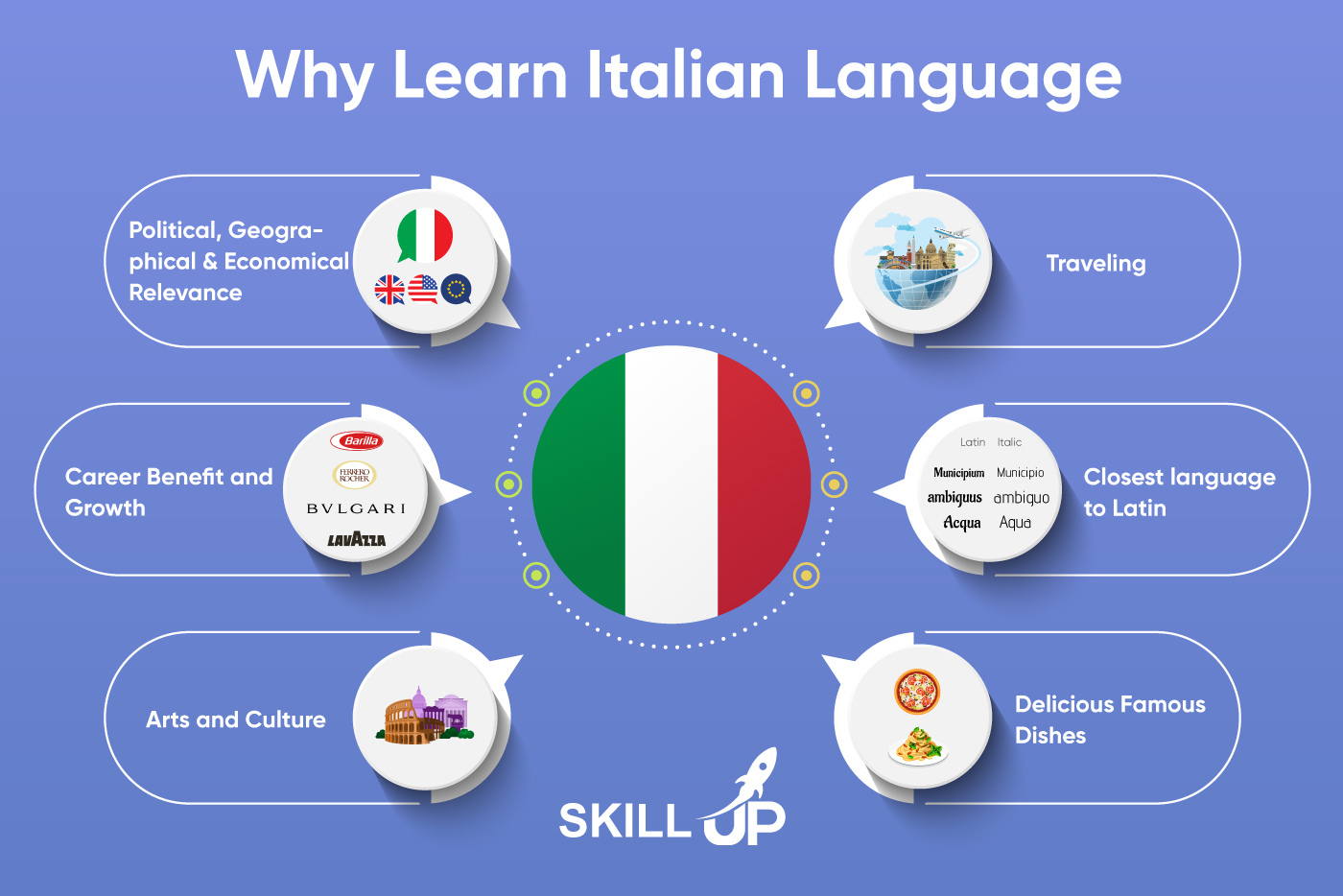
Sustaining fluency in a language requires ongoing engagement and exposure to maintain proficiency. Regular practice and immersion techniques are crucial for preventing regression and ensuring long-term language retention.
Techniques for Refreshing Language Skills
- Read books, articles, and news in the target language.
- Watch movies, TV shows, and videos with native speakers.
- Listen to music and podcasts in the target language.
- Engage in conversations with native speakers or language partners.
- Take refresher courses or workshops to reinforce grammar and vocabulary.
Staying Motivated and Engaged
- Set realistic goals and track progress to stay motivated.
- Find a language partner or join a language exchange group for regular practice.
- Immerse yourself in the target language culture by traveling or interacting with native speakers.
- Use language learning apps or online resources to supplement practice.
- Reward yourself for achievements and milestones to maintain engagement.
Language Learning Myths and Misconceptions
There are many myths and misconceptions surrounding language learning and fluency. Some people believe that only children can learn languages fluently, or that there is a “magic bullet” method that can make you fluent overnight. However, the reality is that language learning is a complex process that takes time and effort.
There is no one-size-fits-all approach, and what works for one person may not work for another.
One of the most common myths about language learning is that it is impossible to become fluent in a language after a certain age. However, research has shown that adults can learn languages just as well as children, although they may take a bit longer.
The key is to find a method that works for you and to be consistent with your practice.
Another common myth is that there is a “magic bullet” method that can make you fluent overnight. Unfortunately, there is no such thing. Language learning takes time and effort, and there is no shortcut. The best way to learn a language is to find a method that works for you and to be consistent with your practice.
Common Myths and Misconceptions
- Only children can learn languages fluently.
- There is a “magic bullet” method that can make you fluent overnight.
- You need to be a native speaker to be fluent in a language.
- You can’t learn a language if you’re not good at grammar.
- You need to spend hours studying every day to become fluent.
Table Comparing Different Language Learning Methods
| Method | Effectiveness | Pros | Cons |
|---|---|---|---|
| Immersion | High | Provides real-world practice, allows for natural acquisition | Can be expensive and time-consuming, may not be suitable for all learners |
| Classroom instruction | Moderate | Structured and systematic, provides feedback from a teacher | Can be slow and inflexible, may not be suitable for all learning styles |
| Online learning | Moderate | Flexible and convenient, allows for self-paced learning | Can be isolating and lack accountability, may not be suitable for all learners |
| Language exchange | Moderate | Provides opportunities for real-world practice, allows for cultural exchange | Can be difficult to find a suitable partner, may not be suitable for all learning styles |
| Self-study | Low | Flexible and convenient, allows for self-paced learning | Can be difficult to stay motivated, may not be suitable for all learners |
Debunking the Myth: “Only Children Can Learn Languages Fluently”
The myth that only children can learn languages fluently is simply not true. Adults can learn languages just as well as children, although they may take a bit longer. The key is to find a method that works for you and to be consistent with your practice.
There are a number of reasons why adults may take longer to learn a language than children. First, adults have more responsibilities and commitments, which can make it difficult to find time to study. Second, adults may be more self-conscious about making mistakes, which can inhibit their learning.
Finally, adults may have different learning styles than children, and may need to find a method that is more suited to their needs.
Despite these challenges, adults can learn languages fluently. With the right method and a consistent practice schedule, anyone can achieve fluency in a foreign language.
Technology and Language Learning

Technology has revolutionized language learning, making it more accessible, interactive, and personalized than ever before. Language learning apps and software offer a wide range of features to enhance the learning experience, from immersive virtual reality experiences to gamification and personalized learning paths.
Benefits of Language Learning Apps and Software
- Immersive virtual reality experiences provide a realistic and engaging way to practice language skills in a simulated environment.
- Gamification and interactive learning make language learning fun and motivating, increasing engagement and retention.
- Personalized learning paths allow learners to tailor their learning experience to their individual needs and goals.
Limitations of Language Learning Apps and Software
- Accuracy limitations: Language learning apps and software may not always provide accurate or nuanced feedback, which can hinder progress.
- Lack of human interaction: While technology can facilitate language learning, it cannot replace the benefits of interacting with native speakers or language teachers.
Integrating Technology into a Language Learning Plan
To effectively integrate technology into a language learning plan, consider the following steps:
- Choose the right apps and software based on your learning style, goals, and budget.
- Set realistic goals and track your progress regularly to stay motivated and accountable.
- Incorporate technology into a comprehensive learning strategy that includes other methods such as reading, writing, listening, and speaking practice.
Blog Post: Technology’s Role in Language Learning: A Guide for Educators and Learners
This blog post will provide a comprehensive guide to using technology effectively for language learning, covering the following topics:
- The benefits and limitations of language learning apps and software.
- How to choose the right technology for your learning needs.
- Tips for integrating technology into a comprehensive language learning plan.
- Case studies and success stories of individuals who have used technology to enhance their language learning journey.
Language Learning Communities and Resources
Joining language learning communities and online forums offers numerous benefits for language learners. These platforms provide a supportive environment, motivation, and ample opportunities for language practice.
Finding Language Partners and Resources
There are several ways to connect with language partners, tutors, and language exchange programs online. Some popular options include:
- Websites:Tandem, HelloTalk, Language Exchange
- Apps:Speaky, Hello Pal, Tandem
- Social Media Groups:Facebook groups dedicated to specific languages or regions
Utilizing Online Language Learning Materials, How long to become fluent in a language
Online dictionaries, grammar guides, and other language learning materials can greatly enhance your learning. Here are some tips for using them effectively:
- Choose resources that align with your learning style and level.
- Incorporate them into your regular study routine.
- Use online flashcards to practice vocabulary and grammar.
- Watch videos or listen to podcasts in your target language.
Benefits and Drawbacks of Language Learning Communities and Resources
The following table summarizes the benefits and drawbacks of different language learning communities and resources:
| Type | Benefits | Drawbacks |
|---|---|---|
| Language Exchange Partners |
|
|
| Online Forums and Communities |
|
|
| Online Language Learning Materials |
|
|
“Joining a language learning community has been invaluable to my progress. I’ve gained confidence in speaking and writing, and I’ve made lasting friendships with people from all over the world.”- Maria, a language learner
Discussion:Share any specific examples of language learning communities or resources that you have found helpful.
FAQ Overview
How can I accelerate my fluency?
Immersion techniques, such as language exchange programs or extended stays in target language environments, can significantly expedite fluency development.
What is the role of motivation in fluency acquisition?
Motivation is the driving force behind consistent practice and engagement, which are essential for achieving fluency.
How can I measure my fluency progress?
Regular self-assessments, oral proficiency interviews, and standardized tests provide valuable insights into your fluency development.
