How long to learn a new language – Embark on a linguistic journey to unravel the complexities of language acquisition. How long does it take to learn a new language? Join us as we delve into the intricacies of this fascinating endeavor, exploring the factors that influence the learning process and providing practical strategies to accelerate your progress.
From the impact of age to the power of immersion, we’ll uncover the secrets to effective language learning. Whether you’re a seasoned polyglot or just starting your first language-learning adventure, this comprehensive guide will equip you with the knowledge and tools to achieve your linguistic goals.
Factors Influencing Language Learning Duration
The duration of time it takes to learn a new language is influenced by various factors. Understanding these factors can help learners optimize their language learning strategies and set realistic expectations.
Impact of Age on Language Acquisition
Age plays a significant role in language acquisition. Research suggests that children have a higher capacity for language learning compared to adults. This is attributed to their greater neuroplasticity, which allows for easier formation of new neural connections. As individuals age, their brains become less adaptable, making language learning more challenging.
Role of Native Language Proficiency
The proficiency in one’s native language also influences the duration of language learning. Individuals who are proficient in their native language tend to learn new languages more quickly. This is because they have a strong foundation in language structure, grammar, and vocabulary, which can be transferred to the new language.
Influence of Immersion and Exposure
Immersion in the target language environment and exposure to native speakers play a crucial role in language learning. Individuals who live in or visit the country where the language is spoken have more opportunities to practice and improve their skills.
Exposure to authentic language materials, such as movies, music, and books, can also enhance language acquisition.
Different Learning Methods and Their Impact
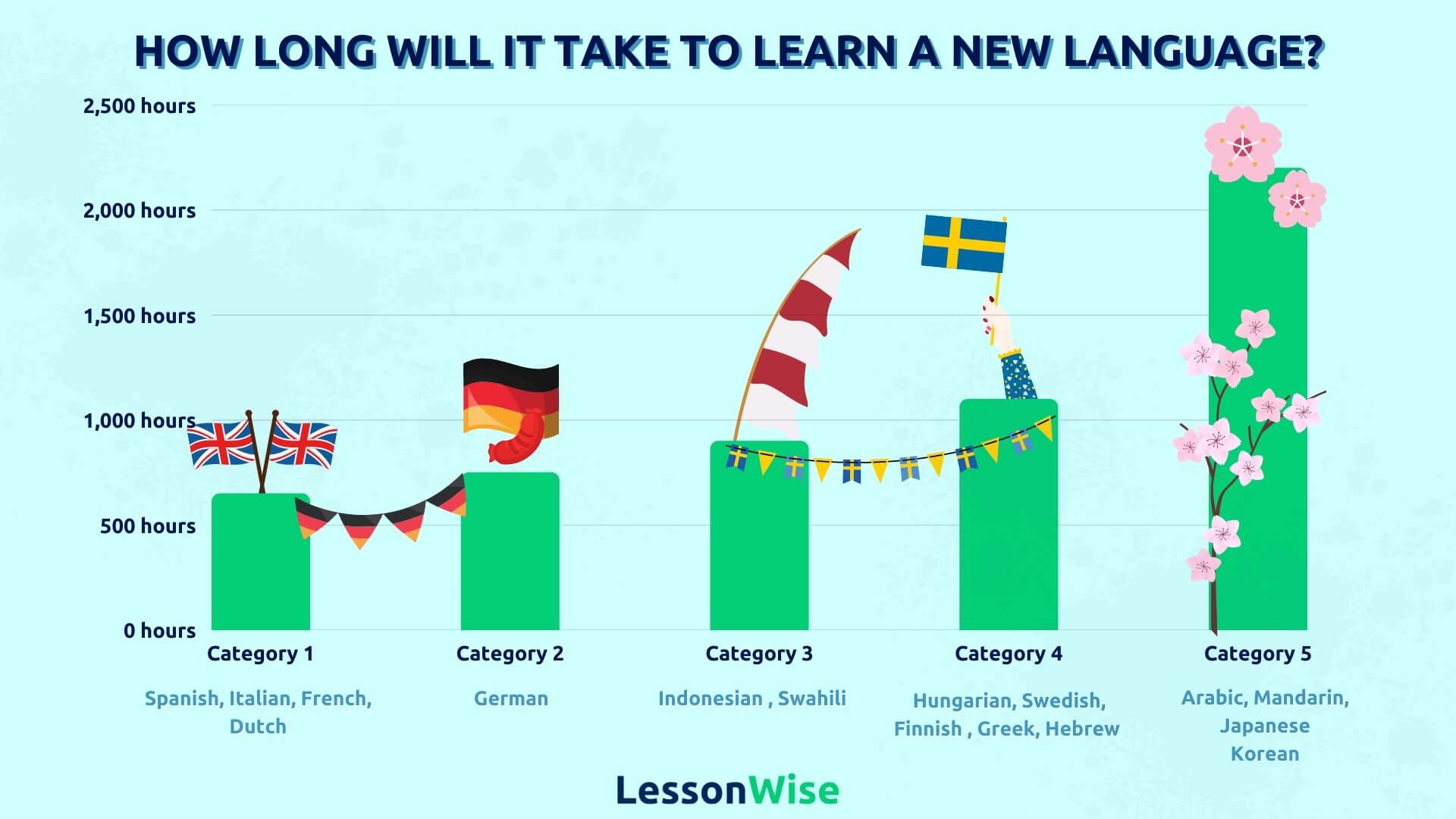
The effectiveness of language learning methods varies depending on individual learning styles, goals, and circumstances. Here’s a comparison of different approaches and their impact on language acquisition:
Traditional Classroom Learning vs. Self-Study
Traditional classroom learning involves face-to-face instruction in a structured environment. Self-study, on the other hand, allows for greater flexibility and independence.
- Advantages of Traditional Classroom Learning:Structured lessons, immediate feedback, opportunities for peer interaction, and access to resources.
- Advantages of Self-Study:Flexibility, customized learning pace, and the ability to focus on specific areas of interest.
Language Exchange Programs
Language exchange programs pair learners of different languages to practice and improve their communication skills.
- Benefits of Language Exchange Programs:Immersive language practice, cultural exchange, and the opportunity to develop authentic relationships.
Online Language Learning Platforms
Online language learning platforms offer interactive lessons, exercises, and assessments.
- Advantages of Online Language Learning Platforms:Convenience, affordability, and access to a wide range of resources.
- Disadvantages of Online Language Learning Platforms:Lack of face-to-face interaction, potential for distractions, and the need for self-discipline.
Individual Learning Styles
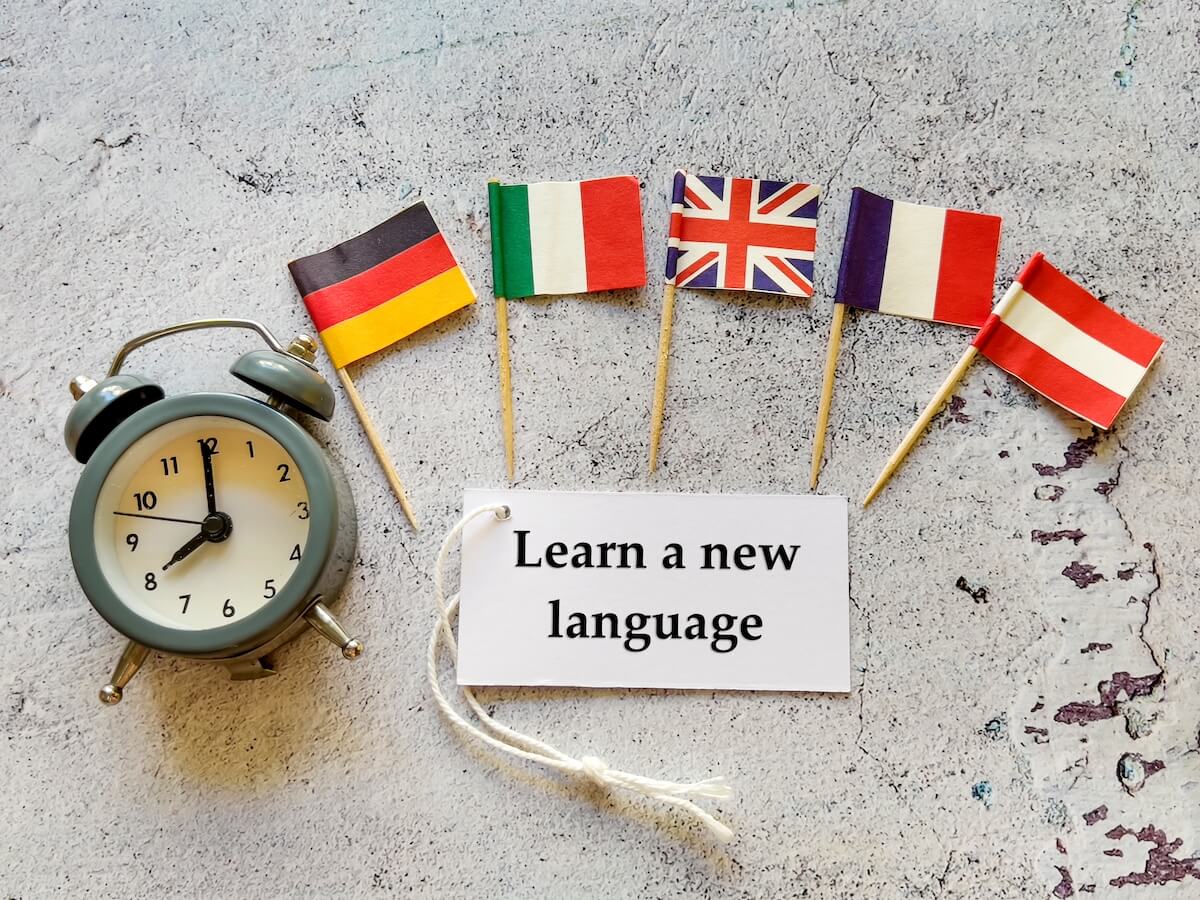
The effectiveness of language learning methods can vary significantly based on an individual’s learning style. By identifying and understanding one’s preferred learning style, learners can tailor their language learning methods to enhance their comprehension and retention.
Identifying Learning Styles
There are three main learning styles:
- Visual learnersprefer to learn through visual aids such as images, charts, and diagrams.
- Auditory learnersprefer to learn through listening to lectures, discussions, and audio recordings.
- Kinesthetic learnersprefer to learn through hands-on activities, role-playing, and physical movement.
To determine one’s preferred learning style, learners can reflect on their past learning experiences and identify the methods that have been most effective for them. Additionally, there are various online and offline assessments that can help learners identify their learning style.
Tailoring Language Learning Methods
Once a learner has identified their preferred learning style, they can tailor their language learning methods to match their strengths. For example:
- Visual learnerscan benefit from using flashcards, watching videos, and creating visual aids to support their learning.
- Auditory learnerscan benefit from listening to podcasts, attending language classes, and practicing speaking with a language partner.
- Kinesthetic learnerscan benefit from using interactive games, participating in role-playing activities, and practicing writing by hand.
Incorporating multiple learning styles into language learning can enhance the learning experience and improve retention. By engaging multiple senses and using a variety of learning methods, learners can create a more comprehensive and effective learning environment.
Creating a Personalized Language Learning Plan
To create a personalized language learning plan based on individual learning styles, learners should:
- Identify their preferred learning style.
- Choose language learning methods that align with their learning style.
- Set realistic goals and create a schedule for language learning.
- Find a language learning partner or tutor who can provide support and feedback.
- Regularly assess their progress and make adjustments to their learning plan as needed.
By following these steps, learners can create a personalized language learning plan that will help them achieve their language learning goals.
The Importance of Motivation and Goal Setting
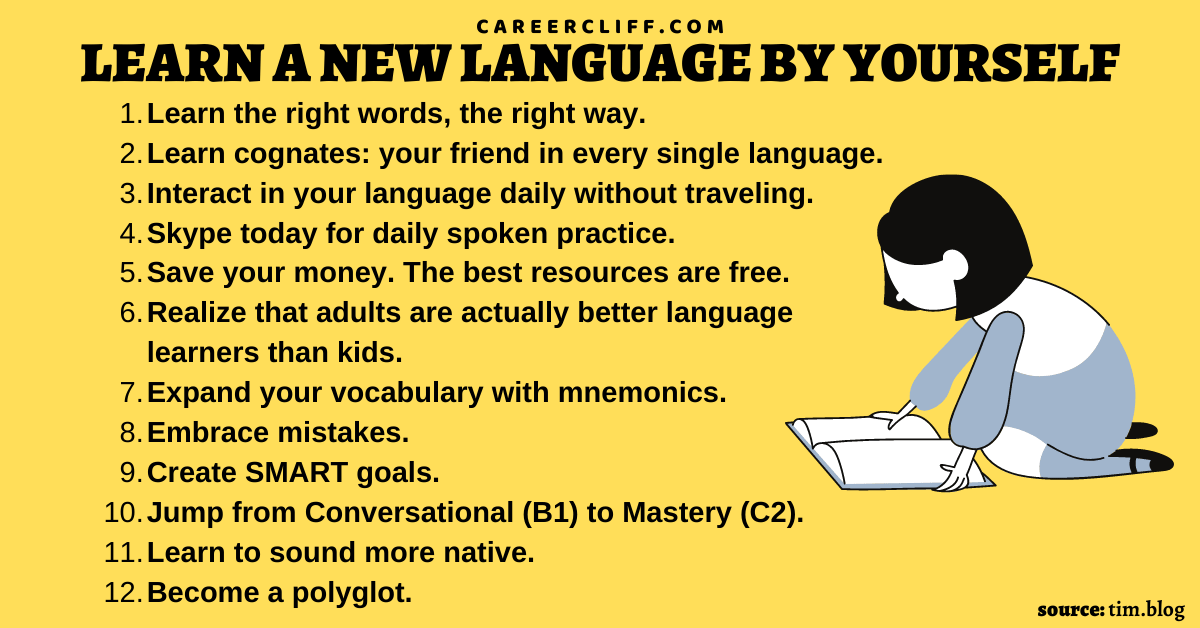
Motivation and goal setting are crucial factors in language learning. They drive learners forward, provide direction, and sustain their efforts over time.
Intrinsic Motivation
Intrinsic motivation stems from within the learner and is driven by the enjoyment of learning itself, curiosity, or a desire for personal growth. Examples include:
- Enjoying the sound and structure of the language
- Wanting to connect with native speakers
- Seeking intellectual stimulation
Extrinsic Motivation
Extrinsic motivation comes from external sources and is driven by rewards or consequences. Examples include:
- Improving job prospects
- Traveling to foreign countries
- Passing a language proficiency exam
Setting Realistic Goals
Setting realistic goals is essential for maintaining motivation. Goals that are too easy can lead to boredom, while goals that are too difficult can cause frustration. Consider the following tips:
- Break down large goals into smaller, achievable steps.
- Set specific, measurable, attainable, relevant, and time-bound (SMART) goals.
- Adjust goals as needed based on progress and feedback.
Maintaining Motivation
Maintaining motivation throughout the learning process requires effort. Strategies include:
- Setting short-term goals and celebrating progress.
- Finding a language learning buddy or joining a class for support.
- Rewarding oneself for milestones achieved.
- Focusing on the intrinsic rewards of learning.
The following flowchart illustrates the process of maintaining motivation:
[Insert flowchart illustrating the process of maintaining motivation]
In summary, motivation and goal setting are vital for successful language learning. Intrinsic motivation provides a deep-seated drive, while extrinsic motivation can supplement and sustain effort. Setting realistic goals and employing strategies to maintain motivation help learners stay on track and achieve their language learning objectives.
Measuring Language Proficiency
Assessing language proficiency is crucial for tracking progress and setting realistic goals. Standardized language proficiency scales provide a common framework for evaluating language abilities across different languages and contexts.
Common Language Proficiency Scales
Two widely recognized language proficiency scales are:
- Common European Framework of Reference for Languages (CEFR): A scale developed by the Council of Europe, ranging from A1 (beginner) to C2 (proficient user).
- American Council on the Teaching of Foreign Languages (ACTFL): A scale used in the United States, ranging from Novice Low to Superior.
Time Commitment and Practice

Regular practice is crucial for language learning. Aim for at least 20-30 minutes of dedicated study time each day, even if it’s just reviewing vocabulary or grammar rules.
Importance of Consistency, How long to learn a new language
Consistency is key. Regular study helps your brain retain information and form new connections. Avoid cramming sessions; spread out your practice over shorter, more frequent intervals.
Benefits of Spaced Repetition and Active Recall
Spaced repetition involves reviewing material at increasing intervals. This strengthens memories and improves retention. Active recall forces you to retrieve information from memory, which is more effective than simply re-reading.
Recommended Practice Schedule
| Level | Daily Practice Time |
|---|---|
| Beginner | 20-30 minutes |
| Intermediate | 30-45 minutes |
| Advanced | 45-60 minutes |
Tips for Maintaining Consistency
- Set realistic goals and break down large tasks into smaller chunks.
- Find a study buddy or join a language learning group for accountability.
- Reward yourself for completing study sessions.
- Make learning fun by incorporating games, videos, or other engaging activities.
Reflection Writing
Reflect on your current practice habits. Are you consistent with your studies? Do you incorporate spaced repetition and active recall? How can you improve your practice routine?
Immersion and Exposure
Immersion and exposure to the target language play a pivotal role in effective language learning. It provides numerous benefits, including enhanced comprehension, fluency, and pronunciation.
Creating an Immersive Environment
To create an immersive environment, learners can utilize various resources and strategies:
- Language Learning Apps:Apps like Duolingo, Babbel, and Rosetta Stone offer interactive lessons, exercises, and immersion features.
- Movies and TV Shows:Watching movies and TV shows in the target language with subtitles initially and gradually removing them improves comprehension and exposure to natural speech patterns.
- Music:Listening to music in the target language exposes learners to pronunciation, intonation, and vocabulary in a captivating way.
Role of Media, Travel, and Language Exchange
Immersion extends beyond language learning apps and digital resources:
- Media:Reading newspapers, magazines, and books in the target language provides exposure to written language and cultural nuances.
- Travel:Immersing oneself in a country where the target language is spoken offers unparalleled opportunities for authentic language exposure and practice.
- Language Exchange:Connecting with native speakers through language exchange programs or online platforms allows learners to engage in real-time conversations and receive feedback.
Benefits of Immersion and Exposure
| Benefit | Impact |
|---|---|
| Enhanced Comprehension | Improved understanding of spoken and written language |
| Increased Fluency | Ability to speak and express oneself smoothly and naturally |
| Improved Pronunciation | Accurate pronunciation and intonation, reducing accent |
| Cultural Immersion | Understanding and appreciation of the target language’s culture |
| Motivation and Engagement | Increased motivation and enjoyment in the learning process |
Tips for Creating an Immersive Environment
- Set aside dedicated time for immersion activities.
- Incorporate immersion into daily routines, such as listening to music or watching movies while commuting.
- Seek out opportunities for real-world interactions with native speakers.
- Create a language-rich environment at home or in the workplace.
- Be consistent and persistent in immersion efforts.
Cultural Context and Nuances
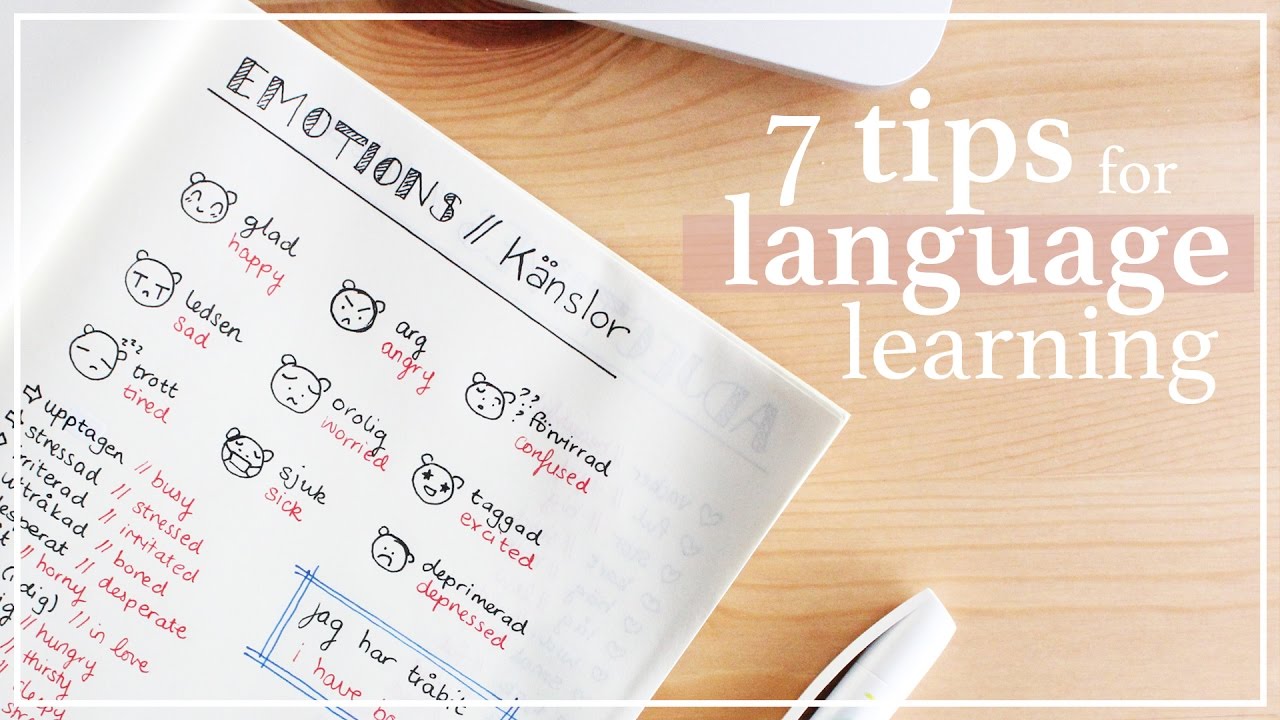
Understanding cultural context is essential for effective language learning. Culture influences how people communicate, interpret messages, and express themselves. It shapes the language’s vocabulary, grammar, and idioms.Cultural immersion, such as living in a target language country or interacting with native speakers, helps learners understand the cultural nuances that underlie language usage.
For instance, in some cultures, direct eye contact may be considered disrespectful, while in others, it is a sign of attention and engagement.
Examples of Cultural Differences Impacting Language Usage
- In English, the phrase “to take a break” means to pause or rest, while in Spanish, “tomar un descanso” means to have a drink.
- In Japanese, the word “hai” can mean “yes,” “no,” or “I understand,” depending on the context and intonation.
- In Arabic, the concept of time is more fluid than in Western cultures, and appointments may not be as strictly adhered to.
Common Challenges and Obstacles
Language learning is not without its challenges. Common obstacles include:
- Lack of motivation:Staying motivated can be difficult, especially during plateaus or setbacks.
- Fear of making mistakes:Learners may be hesitant to speak or write due to the fear of making errors.
- Insufficient practice:Regular and consistent practice is crucial for progress, but finding time and resources can be challenging.
- Language anxiety:Some learners experience anxiety when using the target language, which can hinder progress.
- Cultural differences:Understanding cultural nuances and idioms can be difficult, leading to misunderstandings or misinterpretations.
Strategies for Overcoming Obstacles
To overcome these challenges, consider the following strategies:
- Set realistic goals:Breaking down large goals into smaller, achievable steps can help maintain motivation.
- Immerse yourself:Surrounding yourself with the target language through media, conversation, or travel can enhance fluency.
- Embrace mistakes:Errors are an inherent part of learning. Viewing them as opportunities for growth can reduce anxiety.
- Seek support:Joining a language learning community, finding a tutor, or connecting with native speakers can provide motivation and support.
- Reward yourself:Celebrating milestones and accomplishments can help maintain enthusiasm.
Staying Positive and Motivated
Maintaining a positive mindset is crucial. Here are some tips:
- Focus on progress:Track your achievements and celebrate your successes, no matter how small.
- Visualize your goals:Keeping your end goal in mind can provide motivation during challenging times.
- Surround yourself with positivity:Spend time with people who encourage and support your language learning journey.
- Remember your reasons:Reconnect with the reasons why you started learning the language to reignite your passion.
- Take breaks:Regular breaks can prevent burnout and help you return to your studies refreshed.
– Explain the importance of setting realistic timeframes for language learning.: How Long To Learn A New Language
Setting realistic timeframes for language learning is essential for several reasons. Firstly, it helps to manage expectations and avoid disappointment. If a learner sets an unrealistic goal of becoming fluent in a new language in a few months, they may become discouraged when they don’t reach their goal.
This can lead to frustration and a loss of motivation.
Secondly, setting realistic timeframes allows learners to plan their studies effectively. If a learner knows that it will take them a year to reach a certain level of proficiency, they can break down their learning into manageable chunks and set achievable goals for each stage.
The duration required to master a foreign language hinges upon a myriad of factors. While some languages, like Hawaiian , may be acquired more swiftly due to their phonetic simplicity, others demand considerably more time and effort to achieve proficiency.
This will help them to stay on track and make progress at a steady pace.
Factors to Consider When Setting Realistic Timeframes
- Prior language learning experience:Learners who have prior experience learning languages will typically find it easier to learn a new language than those who are learning a language for the first time.
- The difficulty of the target language:Some languages are more difficult to learn than others. For example, a native English speaker will typically find it easier to learn Spanish than Mandarin Chinese.
- The amount of time available for study:Learners who can dedicate more time to studying will be able to progress more quickly than those who have less time available.
- The learner’s motivation:Learners who are highly motivated will be more likely to stick with their studies and make progress.
The Benefits of Learning a New Language
Language learning provides numerous cognitive, professional, and personal advantages. It enhances cognitive abilities, expands career opportunities, and enriches personal experiences.
Cognitive Benefits
Learning a new language strengthens cognitive functions, including:
Improved Memory
It requires memorizing vocabulary, grammar, and pronunciation, enhancing overall memory capacity.
Increased Attention and Concentration
Language learning demands focus and sustained attention, improving these abilities in other areas.
Enhanced Problem-Solving Skills
Understanding different language structures fosters critical thinking and problem-solving abilities.
Boosted Creativity
Exposure to diverse linguistic perspectives stimulates creativity and expands cognitive flexibility.
Professional Advantages
Language skills are highly valued in today’s globalized job market, providing numerous professional benefits:
Expanded Career Opportunities
Learning a new language can take a significant amount of time and effort, depending on various factors. However, it’s worth noting that the language spoken in Yemen is Arabic. For more information on this, you can refer to this article.
Nevertheless, regardless of the language you choose to learn, the time it takes to achieve fluency can vary greatly.
Proficiency in multiple languages opens doors to jobs in international companies, diplomacy, and translation.
Increased Job Security
Language skills make employees more adaptable and valuable in a competitive job market.
Higher Earning Potential
Bilingual and multilingual employees often command higher salaries and promotions.
Personal Benefits
Beyond professional advantages, language learning enriches personal life in many ways:
Cultural Immersion
It allows individuals to connect with different cultures, appreciate their perspectives, and expand their worldviews.
Travel Enhancement
Language proficiency makes travel more enjoyable and rewarding, enabling deeper connections with locals.
Personal Growth and Fulfillment
Learning a new language challenges personal limits, fosters a sense of accomplishment, and enhances self-confidence.
Choosing the Right Language to Learn
Choosing the right language to learn is a crucial decision that can significantly impact your learning journey. Consider the following factors:
Personal interests and goals
What languages align with your passions, career aspirations, or travel plans?
In-demand languages
Research the languages that are in high demand in the global job market or in specific industries.
Similarity to your native language
Languages that share similar grammar or vocabulary with your native language can be easier to learn.
Availability of resources
Consider the availability of learning materials, teachers, and language exchange opportunities for the language you choose.
Popular and In-Demand Languages
Some of the most popular and in-demand languages include:
- English
- Spanish
- Mandarin Chinese
- French
- German
- Arabic
- Japanese
Step-by-Step Guide to Assessing Language Learning Needs
1. Identify your motivations
Determine why you want to learn a new language.
2. Research potential languages
Explore different languages that align with your interests and goals.
3. Consider your learning style
Assess whether you prefer structured classes, self-study, or immersion.
4. Evaluate your current language skills
Determine your proficiency level in any languages you already know.
5. Set realistic goals
Establish achievable targets for your language learning journey.
Finding the Right Language Learning Resources
Finding high-quality language learning materials is crucial for successful language acquisition. These resources can provide structured lessons, vocabulary, grammar explanations, and opportunities for practice. When selecting resources, consider your learning style, goals, and level of proficiency.
Types of Language Learning Resources
Various types of language learning resources are available, each with its own advantages and disadvantages.
Textbooks
- Structured and comprehensive, providing a solid foundation in grammar, vocabulary, and culture.
- May be less engaging and lack opportunities for interactive practice.
Online Courses
- Offer flexibility and convenience, with interactive exercises, videos, and audio recordings.
- Can be expensive and may not provide personalized feedback.
Language Apps
- Gamified and user-friendly, making learning fun and accessible.
- May lack depth and comprehensive coverage compared to other resources.
| Resource Type | Pros | Cons |
|---|---|---|
| Textbooks | Structured, comprehensive | Less engaging, lack interactive practice |
| Online Courses | Flexible, interactive | Expensive, lack personalized feedback |
| Language Apps | Gamified, accessible | Lack depth, comprehensive coverage |
Evaluating Language Learning Resources
To ensure the quality of your language learning resources, consider the following criteria:
Credibility
Verify the credentials of the authors or creators.
Effectiveness
Look for resources that have been proven to be effective through research or user reviews.
Alignment with Learning Style
Choose resources that match your preferred learning methods (visual, auditory, kinesthetic).
Level Appropriateness
Select materials that are appropriate for your current proficiency level.
Recommended Resources
The following resources are recommended for different learning levels and goals:
Beginners
Duolingo, Rosetta Stone, Babbel
Intermediate
Michel Thomas Method, Pimsleur, Italki
Advanced
LanguagePod101, LingQ, Tandem
Technology and Language Learning
Technology can greatly enhance language learning by providing:
Immersive experiences
Virtual reality and augmented reality create immersive environments for language practice.
Personalized learning
Adaptive learning platforms tailor content to individual needs and progress.
Community and social interaction
Online forums, social media groups, and language exchange apps connect learners with native speakers.
Community and Social Interaction
Engaging with native speakers and other learners is essential for language acquisition.
Language Exchange
Tandem, HelloTalk
Online Communities
Reddit, Discord
Local Events
Attend language meetups, cultural events, and conversation groups.
Creating a Language Learning Plan
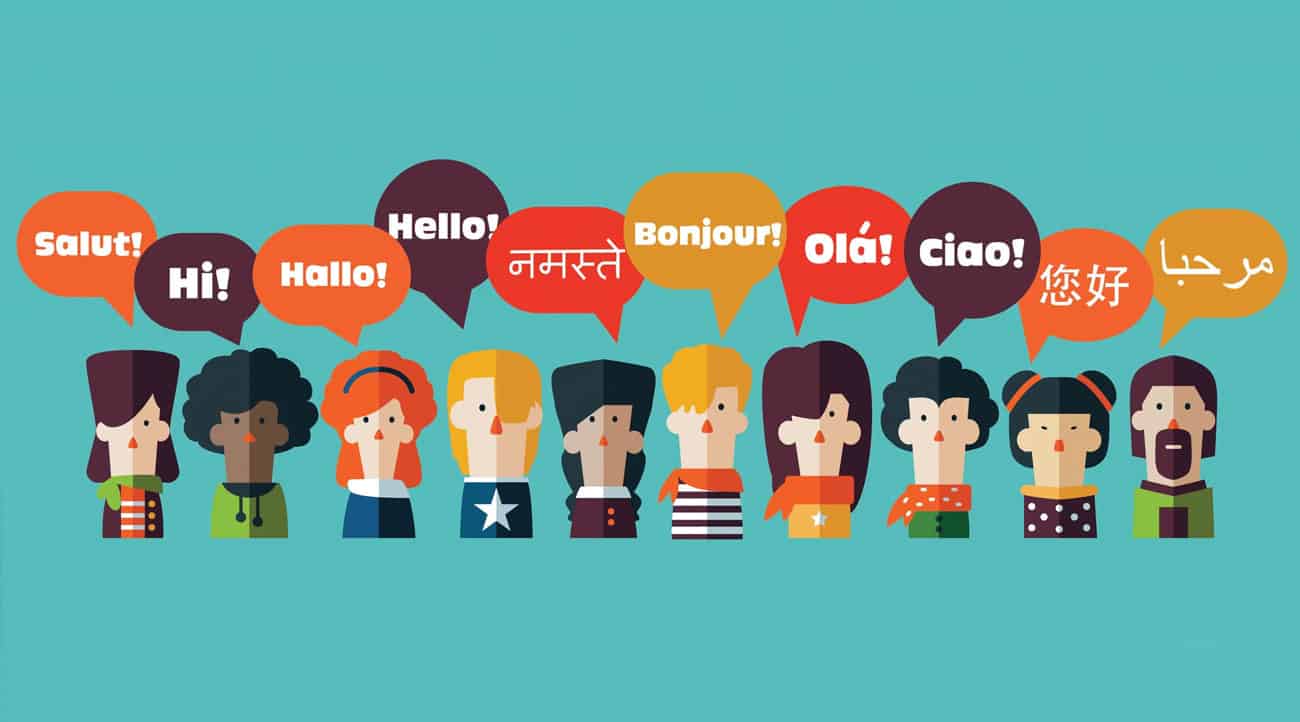
Creating a structured language learning plan is essential for effective and efficient language acquisition. A well-defined plan provides a roadmap for your learning journey, ensuring you stay organized, motivated, and on track to achieve your language goals.
When creating a language learning plan, consider the following steps:
Setting Goals
- Establish clear and specific language learning goals. Determine your desired level of proficiency, whether it’s conversational fluency, business communication, or academic reading.
- Set realistic goals that are challenging but achievable within your timeframe.
Allocating Time
- Dedicate a consistent amount of time each day or week to language learning. Even short, focused study sessions can be effective.
- Break down your study time into smaller chunks to maintain focus and avoid burnout.
Tracking Progress
- Monitor your progress regularly to identify areas for improvement and adjust your plan accordingly.
- Use language learning apps or online tools that track your vocabulary, grammar, and pronunciation.
Flexibility and Adaptability
- Recognize that language learning is an ongoing process and be willing to adjust your plan as needed.
- If you encounter difficulties or plateaus, don’t give up. Re-evaluate your goals, study methods, or learning resources.
Additional Tips and Resources
Enhancing language learning efficiency requires a multifaceted approach. Beyond the fundamental factors discussed earlier, several additional tips and resources can significantly accelerate your progress.
Immersive Learning
Surrounding yourself with the target language through immersive experiences is a powerful technique. This includes:
- Watching movies and TV shows
- Listening to music and podcasts
- Reading books and articles
- Engaging in conversations with native speakers
Spaced Repetition
Spaced repetition involves reviewing learned material at increasing intervals, which strengthens memory retention. Tools like Anki and SuperMemo can automate this process.
Using Flashcards
Flashcards are a classic and effective way to memorize vocabulary and grammar rules. They allow for quick and efficient review.
Helpful Websites, Online Communities, and Language Learning Tools
Numerous online resources and communities provide support and learning opportunities:
- Duolingo:Gamified language learning platform
- Memrise:Spaced repetition-based vocabulary builder
- HelloTalk:Language exchange app connecting learners with native speakers
- Busuu:Comprehensive language learning platform with courses and community forums
- Babbel:Interactive language learning app with lessons and exercises
Seek Support and Connect with Others
Joining language exchange programs, participating in online forums, and connecting with language learners on social media can provide motivation, support, and opportunities for practice.
| Resource | Key Features | Benefits |
|---|---|---|
| Anki | Spaced repetition software | Efficient memory retention |
| Memrise | Vocabulary builder with spaced repetition | Enhanced vocabulary recall |
| HelloTalk | Language exchange app | Authentic language practice |
| Busuu | Comprehensive language learning platform | Structured lessons and community support |
| Babbel | Interactive language learning app | Engaging lessons and exercises |
“Immersion is the key to language learning. The more you surround yourself with the language, the faster you will learn it.”- Michel Thomas, language learning expert
Call-to-Action
Share your own tips and experiences that have helped you enhance your language learning journey in the comments below.
Helpful Answers
How long does it take to become fluent in a new language?
The time it takes to achieve fluency varies depending on individual factors, such as age, native language, learning style, and immersion opportunities. However, research suggests that with consistent effort, most learners can reach conversational fluency in 6 to 12 months.
Is it easier to learn a new language as a child?
Yes, children generally have an advantage in language learning due to their greater neuroplasticity and exposure to language in natural contexts. However, adults can also learn new languages successfully with the right strategies and motivation.
What is the most effective way to learn a new language?
The most effective language learning methods involve immersion, active engagement, and regular practice. This includes speaking, listening, reading, and writing in the target language as much as possible. Combining different learning methods, such as classroom instruction, online courses, and language exchange programs, can also enhance progress.
How can I stay motivated to learn a new language?
Motivation is crucial for sustained language learning. Set realistic goals, find a language learning buddy, reward yourself for progress, and focus on the intrinsic benefits of learning a new language, such as cultural enrichment and cognitive development.
