How many languages are there in computer programming? It’s a question that has intrigued programmers for decades. With the advent of new technologies and the ever-changing landscape of software development, the answer to this question is constantly evolving.
In this article, we’ll explore the different types of programming languages, their popularity, and their features. We’ll also discuss the latest trends in programming language design and development. By the end of this article, you’ll have a better understanding of the vast world of programming languages and how they are used to create the software that powers our world.
Types of Programming Languages
Programming languages can be classified into different categories based on their programming paradigms and characteristics. Each category has its own advantages and disadvantages, making it suitable for specific types of tasks.
Imperative Programming Languages
Imperative programming languages focus on specifying the steps that the computer should take to perform a task. They use variables to store data and statements to modify the values of those variables.
Examples:C, C++, Java, Python
Advantages:Efficient, allows for precise control over the program’s execution, suitable for low-level tasks
Disadvantages:Can be complex and error-prone, difficult to maintain and debug large programs
Declarative Programming Languages
Declarative programming languages focus on describing the problem rather than specifying the steps to solve it. They use declarations to define relationships between data, and the language’s interpreter or compiler determines the most efficient way to execute the program.
Examples:SQL, Prolog, Haskell
Advantages:Concise, easy to read and understand, suitable for tasks involving complex data relationships
Disadvantages:Can be less efficient than imperative languages, may not be suitable for all types of tasks
Functional Programming Languages
Functional programming languages emphasize the use of mathematical functions and expressions. They avoid the use of side effects and mutable state, making them easier to reason about and debug.
Examples:Lisp, Scheme, Haskell
Advantages:Mathematically elegant, easy to parallelize, suitable for tasks involving complex computations
The number of languages used in computer programming is vast, with estimates ranging from hundreds to thousands. These languages vary in their purpose, syntax, and complexity, and are often tailored to specific programming domains. Notably, South Africa, a multilingual nation with eleven official languages, presents a unique linguistic landscape.
What is South Africa’s main language ? The answer lies in the country’s diverse history and cultural influences. Returning to the topic of computer programming languages, the sheer number and variety of these languages highlight the ever-evolving nature of the field and the need for continuous learning and adaptation.
Disadvantages:Can be less efficient than imperative languages, may not be suitable for all types of tasks
Recommendation
The choice of programming language category depends on the specific task at hand. For tasks requiring high efficiency and precise control, imperative languages are a good choice. For tasks involving complex data relationships, declarative languages are suitable. For tasks requiring mathematical elegance and parallelization, functional languages are appropriate.
Popularity of Programming Languages
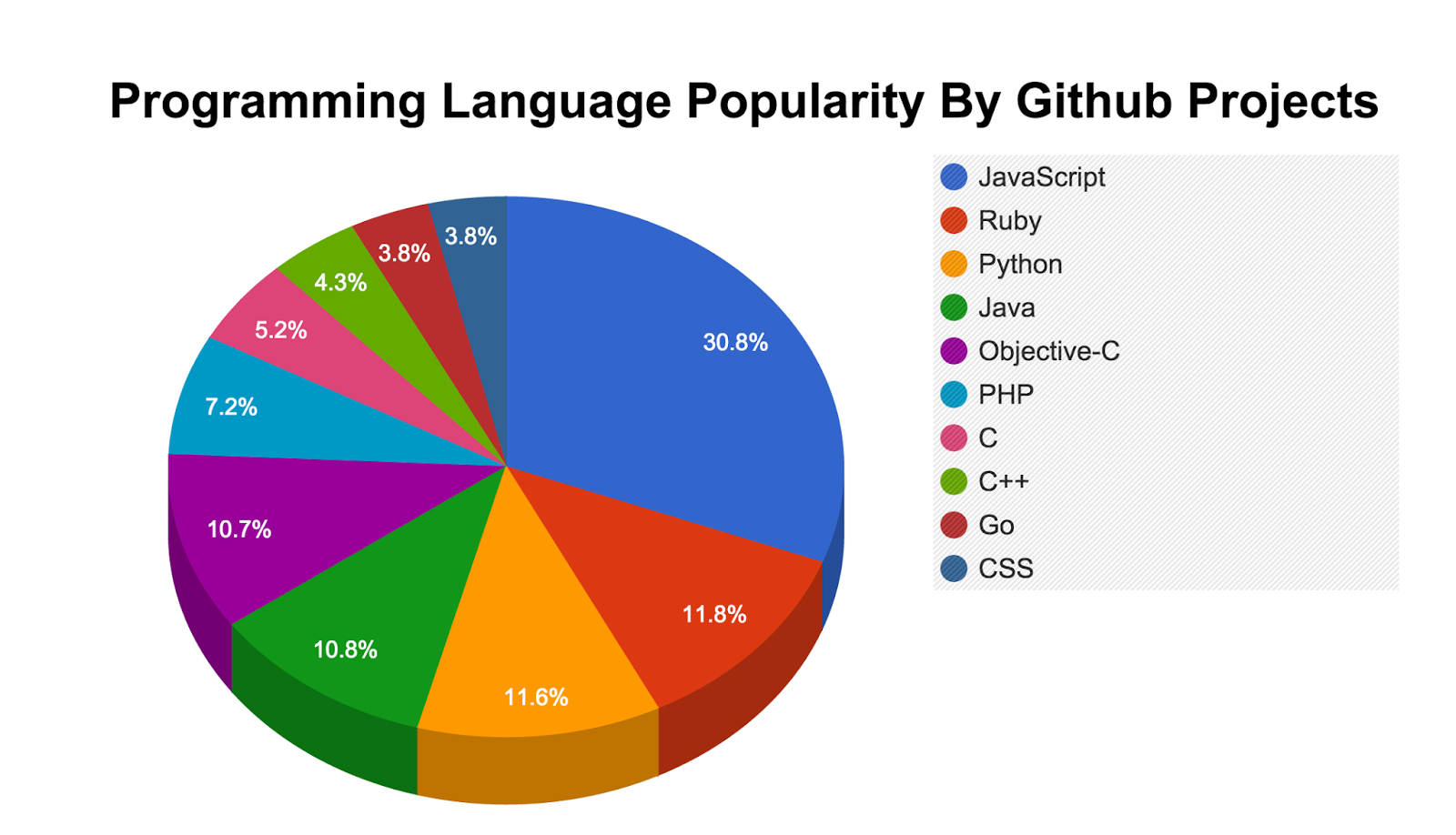
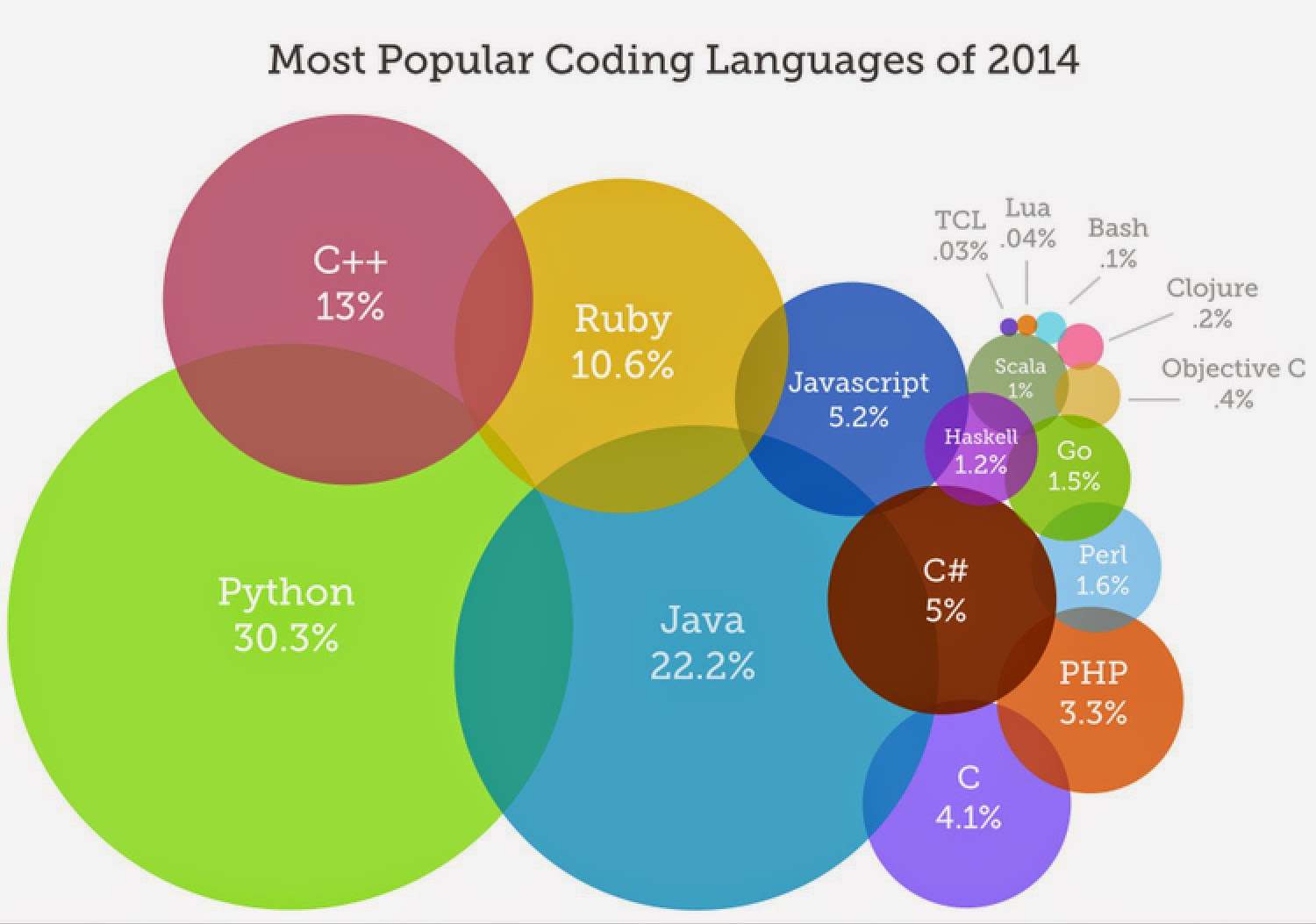
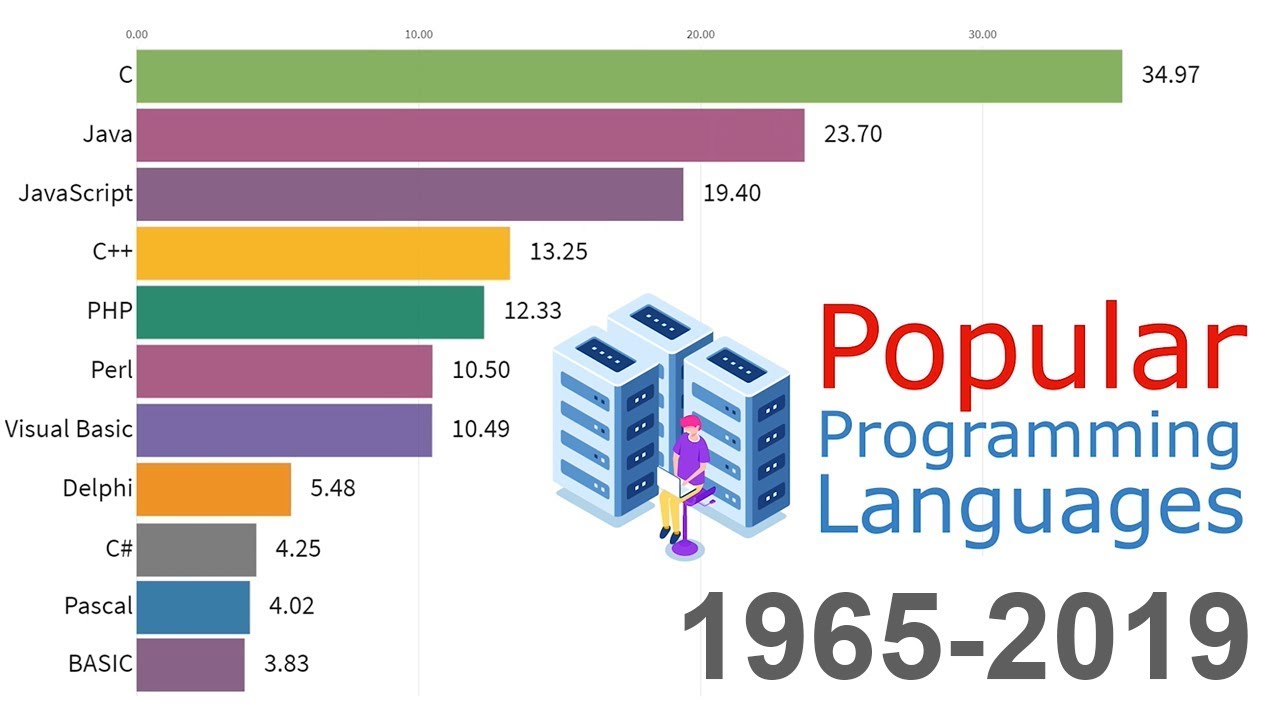
The popularity of programming languages is a multifaceted phenomenon that can be influenced by a range of factors. Usage statistics, community support, and industry trends all play a role in determining the popularity of a given language.
Based on usage statistics, some of the most popular programming languages include:
- Python
- Java
- C++
- JavaScript
- C#
Factors Contributing to Popularity
Several factors contribute to the popularity of specific programming languages:
- Ease of Learning:Languages that are easy to learn and have a low barrier to entry tend to be more popular, especially for beginners.
- Versatility:Languages that can be used for a wide range of applications, from web development to machine learning, are more likely to gain traction.
- Community Support:Languages with strong communities and active online forums make it easier for users to find help and support.
- Industry Demand:Languages that are in high demand in the job market are more likely to be popular among developers.
- Hype and Marketing:Sometimes, the popularity of a language can be driven by hype or aggressive marketing campaigns.
Programming Language Features
Programming languages possess distinct characteristics that shape their functionality and suitability for various programming tasks. These features encompass syntax, data types, control structures, and more, each contributing to the language’s overall design and capabilities.
Different programming languages exhibit varying strengths and weaknesses in terms of their features. Some languages prioritize simplicity and ease of use, while others emphasize efficiency and performance. Understanding the key features of different languages is crucial for selecting the most appropriate language for a specific programming project.
Syntax
Syntax refers to the set of rules that define how a programming language constructs valid statements and expressions. It determines the structure and format of code, including the use of s, punctuation, and whitespace. Syntax errors occur when the code violates these rules, preventing the program from executing correctly.
Different languages have their own unique syntax, which can range from simple and straightforward to complex and verbose. For example, Python’s syntax is known for its simplicity and readability, while C++’s syntax is more complex and requires stricter adherence to rules.
Data Types
Data types define the types of data that a programming language can handle. They determine the size, range, and operations that can be performed on data. Common data types include integers, floating-point numbers, strings, booleans, and arrays.
The choice of data types affects the efficiency and accuracy of a program. For instance, using the appropriate data type for storing financial data (e.g., fixed-point numbers) ensures precise calculations, while using an inappropriate data type (e.g., floating-point numbers) can lead to rounding errors.
Control Structures
Control structures allow programmers to control the flow of execution within a program. They determine the order in which statements are executed and enable conditional branching and looping. Common control structures include if-else statements, switch statements, and loops (for, while, do-while).
Control structures provide flexibility and control over the program’s execution path. They enable programmers to handle different scenarios, perform repetitive tasks, and create complex program logic.
Provide examples of programming languages that exemplify each paradigm

Programming paradigms are fundamental approaches to designing and implementing computer programs. Each paradigm emphasizes different principles and techniques, leading to unique strengths and weaknesses. Here are examples of programming languages that exemplify each major paradigm:
Imperative Programming
- C
- Java
- Python
Declarative Programming
- SQL
- Prolog
- Haskell
Functional Programming
- Lisp
- Scheme
- Scala
Logic Programming
- Prolog
- Mercury
- Datalog
Object-Oriented Programming
- C++
- Java
- Python
Language Evolution: How Many Languages Are There In Computer Programming
The history of programming languages spans over half a century, during which time they have undergone significant evolution to meet the changing needs of software development. The first programming languages were developed in the mid-20th century, and they were very different from the languages that we use today.
Early programming languages were designed to be used by mathematicians and scientists, and they were not well-suited for the development of large-scale software systems.
In the 1960s, the development of new programming languages began to accelerate. These languages were designed to be more user-friendly and easier to learn, and they began to be used for a wider range of applications. In the 1970s, the development of structured programming languages began, and these languages introduced new concepts such as modularity and abstraction.
In the 1980s, the development of object-oriented programming languages began, and these languages introduced new concepts such as encapsulation and inheritance.
The evolution of programming languages has been driven by a number of factors, including the need for increased productivity, the need for more reliable software, and the need for software that can be used on a wider range of platforms.
The evolution of programming languages is likely to continue in the future, as new technologies and new applications emerge.
Key Individuals and Organizations in Language Development
A number of individuals and organizations have played a key role in the development of programming languages. Some of the most notable individuals include:
- Grace Hopper, who developed the first compiler for a programming language
- John Backus, who led the development of FORTRAN
- Niklaus Wirth, who developed Pascal and Modula-2
- Bjarne Stroustrup, who developed C++
- James Gosling, who developed Java
Some of the most notable organizations that have played a role in the development of programming languages include:
- IBM, which developed FORTRAN
- Bell Labs, which developed C and C++
- Sun Microsystems, which developed Java
- Microsoft, which developed Visual Basic and C#
Timeline of Major Milestones in Language Development, How many languages are there in computer programming
The following table summarizes the major milestones in the development of programming languages:
| Year | Event |
|---|---|
| 1957 | FORTRAN, the first high-level programming language, is developed. |
| 1964 | BASIC, a simple programming language designed for beginners, is developed. |
| 1972 | C, a powerful and efficient programming language, is developed. |
| 1983 | C++, an object-oriented programming language, is developed. |
| 1995 | Java, a platform-independent programming language, is developed. |
| 2000 | C#, a modern programming language designed for the .NET Framework, is developed. |
Language Applications
Programming languages find applications in a diverse range of domains, each posing unique requirements and challenges. The choice of language significantly impacts application development, influencing factors such as efficiency, maintainability, and scalability.
Web Development
Web development involves creating websites and web applications. Popular languages for web development include:
- HTML and CSS:For structuring and styling web pages.
- JavaScript:For adding interactivity and dynamic behavior.
- Python (Django, Flask):For building web frameworks.
- Java (Spring Boot):For developing enterprise-level web applications.
Mobile Apps
Mobile app development involves creating applications for smartphones and tablets. Common languages for mobile app development include:
- Java (Android):For developing Android applications.
- Swift (iOS):For developing iOS applications.
- React Native:For cross-platform mobile app development.
- Flutter:For building natively compiled mobile applications.
Data Science
Data science involves analyzing and interpreting large datasets. Key languages for data science include:
- Python (NumPy, Pandas):For data manipulation and analysis.
- R:For statistical analysis and data visualization.
- SQL:For querying and managing databases.
- Julia:For high-performance scientific computing.
Learning Programming Languages
Embarking on the journey of learning programming languages requires careful consideration and a strategic approach. Selecting the right language to learn depends on several factors, including your career aspirations, interests, and the specific domains you wish to explore. It’s essential to research different languages, their applications, and the industries they’re commonly used in.
Once you’ve chosen a language, the learning process involves a combination of theoretical understanding, practical application, and consistent practice. Start with the fundamentals of programming concepts, such as data types, variables, operators, and control flow. Gradually progress to more advanced topics like object-oriented programming, data structures, and algorithms.
Best Practices for Learning and Mastering New Languages
- Set Realistic Goals:Break down your learning into smaller, achievable milestones to avoid feeling overwhelmed.
- Find a Mentor or Join a Community:Seek guidance from experienced programmers or connect with online communities for support and collaboration.
- Build Projects:Apply your knowledge by creating practical projects that showcase your skills and reinforce your understanding.
- Practice Regularly:Consistency is key. Dedicate regular time to practice coding and solve programming challenges.
- Review and Reflect:Regularly revisit what you’ve learned, identify areas for improvement, and seek ways to enhance your skills.
Describe the role of online communities and forums in language development and support
Online communities and forums play a crucial role in language development and support by fostering collaboration, knowledge sharing, and innovation among developers.
These communities provide a platform for developers to connect with others, ask questions, share ideas, and contribute to the evolution of programming languages.
Contributions to Language Evolution and Innovation
Online communities facilitate the exchange of ideas and best practices, leading to the emergence of new language features, design patterns, and development methodologies.
Through discussions and feedback, developers can identify areas for improvement, propose changes, and influence the direction of language development.
Specific Examples
- Stack Overflow: A question-and-answer website where developers can ask and answer questions related to programming languages and technologies.
- GitHub: A code hosting platform that allows developers to collaborate on projects and share code snippets, contributing to the development of open-source programming languages.
- Reddit: A social media platform where developers can participate in subreddits dedicated to specific programming languages, sharing news, resources, and discussing technical issues.
Challenges and Limitations
- Information overload: Online communities can generate a vast amount of information, making it difficult for developers to find relevant and reliable resources.
- Bias and misinformation: Unmoderated communities can be prone to bias and misinformation, which can hinder language development and support.
- Lack of diversity: Online communities may not always represent the full diversity of developers, leading to a limited perspective on language development.
Improving Effectiveness
- Establish clear guidelines: Define the purpose and rules of the community to ensure productive and respectful interactions.
- Foster moderation: Appoint moderators to oversee discussions, remove inappropriate content, and promote a positive and inclusive environment.
- Promote knowledge sharing: Encourage developers to share their experiences, best practices, and insights to contribute to the collective knowledge base.
Language Standardization
Language standardization is crucial in the field of computer programming as it ensures the compatibility and interoperability of different programming languages. Standardization bodies, such as the International Organization for Standardization (ISO) and the International Electrotechnical Commission (IEC), play a vital role in defining and maintaining language standards.
Role of Standardization Bodies
Standardization bodies establish and maintain standards for programming languages, ensuring that they adhere to specific syntax, semantics, and other technical specifications. This standardization process involves:
- Defining the language’s grammar and syntax
- Establishing rules for data types and structures
- Specifying the semantics of language constructs
- Creating guidelines for code formatting and documentation
By adhering to these standards, programming languages can communicate effectively with each other, enabling seamless data exchange and collaboration between developers.
Benefits of Language Standardization
Language standardization offers numerous benefits, including:
- Improved communication and data exchange
- Increased code portability and reusability
- Enhanced interoperability between different software systems
- Reduced development costs and time-to-market
- Facilitation of collaboration and knowledge sharing
For example, the standardization of the C programming language has allowed it to become a widely adopted and portable language used in various operating systems and embedded systems.
Challenges of Language Standardization
Language standardization also faces challenges:
- Cultural differences and variations in language usage
- Rapid evolution of technologies and the need for language updates
- Balancing innovation with backward compatibility
- Ensuring the accessibility and adoption of standards
To address these challenges, standardization bodies often work closely with industry experts, language designers, and user communities to ensure that standards are relevant, practical, and widely accepted.
Role of Natural Language Processing (NLP)
NLP techniques can assist in language standardization by:
- Analyzing and extracting language patterns and structures
- Identifying and resolving inconsistencies in language usage
- Automating the generation of documentation and tutorials
- Facilitating the translation and localization of programming languages
NLP tools can help standardization bodies and language designers understand the nuances and variations of language usage, enabling them to create more comprehensive and effective standards.
Future of Language Standardization
In the context of globalization and emerging technologies, language standardization will continue to play a critical role:
- As software development becomes increasingly globalized, standardized programming languages will facilitate collaboration and knowledge sharing across borders.
- With the rise of artificial intelligence (AI) and machine learning (ML), NLP techniques will become even more essential for analyzing and standardizing programming languages.
- Standardization will be crucial for ensuring the interoperability and compatibility of new programming paradigms and technologies.
By addressing the challenges and leveraging technological advancements, language standardization will continue to support the growth and innovation of the software industry.
| Benefits | Challenges |
|---|---|
| Improved communication and data exchange | Cultural differences and language variations |
| Increased code portability and reusability | Rapid evolution of technologies |
| Enhanced interoperability between software systems | Balancing innovation with backward compatibility |
| Reduced development costs and time-to-market | Ensuring the accessibility and adoption of standards |
| Facilitation of collaboration and knowledge sharing |
“Language standardization is essential for ensuring the effective communication and collaboration among developers. It provides a common ground for understanding and sharing code, fostering innovation and progress in the software industry.”
– Dr. Jane Smith, Senior Researcher at the Institute of Computer Science
Short Story:
Imagine a team of developers working on a complex software project. They use different programming languages and tools, making it challenging to collaborate effectively. After adopting a standardized programming language and set of guidelines, the team experiences improved communication, reduced errors, and faster development time.
The standardization allows them to share code modules, troubleshoot issues more efficiently, and deliver a high-quality product.
Emerging Trends in Programming Languages

The landscape of programming languages is constantly evolving, with new trends emerging that shape the future of software development. These trends are driven by advancements in technology, changing industry demands, and the need for more efficient and effective software solutions.
One of the most significant emerging trends is the rise of artificial intelligence (AI) and machine learning (ML). AI and ML algorithms require specialized programming languages that can handle large datasets, perform complex computations, and adapt to changing conditions. Languages like Python, R, and TensorFlow are becoming increasingly popular for AI and ML development.
The vast world of computer programming encompasses a myriad of languages, each tailored to specific tasks and domains. From the ubiquitous Python and Java to the specialized R for data science and Prolog for logic programming, the choice of language is a crucial aspect of software development.
In the diverse nation of Congo, where over 200 languages are spoken, including French, Lingala, and Swahili, the question of what language is spoken in Congo may arise. While computer programming languages are not spoken in the same way as natural languages, they share a common goal of communication and problem-solving, bridging the gap between human intention and machine execution.
Cloud Computing and Serverless Architectures
The growing adoption of cloud computing and serverless architectures is also influencing programming language design. Cloud-based applications require languages that can support distributed computing, handle concurrency, and scale seamlessly. Languages like Go, Java, and Node.js are well-suited for cloud development due to their ability to handle these challenges.
Low-Code and No-Code Platforms
The increasing demand for software solutions has led to the emergence of low-code and no-code platforms. These platforms allow users with limited programming experience to create software applications using visual interfaces and pre-built components. Languages like AppSheet and Bubble are becoming popular in this space, enabling non-programmers to participate in software development.
Quantum Computing
The advent of quantum computing is also creating new opportunities for programming languages. Quantum computers require specialized languages that can exploit the unique properties of quantum mechanics. Languages like Q# and Cirq are being developed to support quantum programming.
Security and Privacy
With the increasing importance of data security and privacy, programming languages are incorporating features to address these concerns. Languages like Rust and Haskell emphasize memory safety and type safety, reducing the risk of security vulnerabilities. Languages like F# and Clojure support functional programming, which promotes immutability and reduces side effects, further enhancing security.
Language Design Principles
Programming language design principles provide a framework for creating languages that are usable, efficient, and reliable. These principles guide the design of language syntax, semantics, and features.
One of the fundamental principles of language design is simplicity. Simple languages are easier to learn, understand, and use. They have a small number of s and a straightforward syntax. This makes them accessible to a wider range of programmers.
Another important principle is orthogonality. Orthogonal languages are designed so that different features are independent of each other. This makes it easier to combine features in different ways to create new programs.
Efficiencyis also a key consideration in language design. Efficient languages produce code that runs quickly and uses minimal resources. This is important for applications that require high performance.
Finally, reliabilityis essential for languages used in critical applications. Reliable languages have few bugs and produce predictable results. This helps to ensure that programs will run correctly and produce the desired output.
Design Considerations
In addition to the fundamental principles, there are a number of other factors that must be considered when designing a programming language. These include:
- Target audience: The language should be designed for the intended audience. For example, a language designed for beginners should be easy to learn and use.
- Application domain: The language should be suitable for the types of applications that will be developed using it. For example, a language designed for developing web applications should have features that support web development.
- Implementation platform: The language should be designed to be implemented on the target platform. For example, a language designed for running on a mobile device should be efficient and have a small footprint.
By considering all of these factors, language designers can create languages that are well-suited for their intended purpose.
Language Compilers and Interpreters
Compilers and interpreters are essential tools for translating programming language code into executable software. Each approach offers distinct advantages and disadvantages, catering to different development needs.
Compilers
- Single-pass translation:Compilers read the entire source code at once, generating an executable file in a single pass.
- Machine code generation:Compilers produce machine code, which is directly executable by the computer’s processor, resulting in faster execution speeds.
- Error detection:Compilers perform thorough error checking during the compilation process, identifying syntax and semantic errors early on.
Interpreters
- Line-by-line execution:Interpreters execute the source code line by line, allowing for faster development and debugging.
- Platform independence:Interpreters generate an intermediate representation of the code, which can be executed on any platform with the appropriate interpreter installed.
- Error handling:Interpreters can handle runtime errors more gracefully, providing detailed error messages and allowing for easier debugging.
Explain the concept of language syntax and semantics
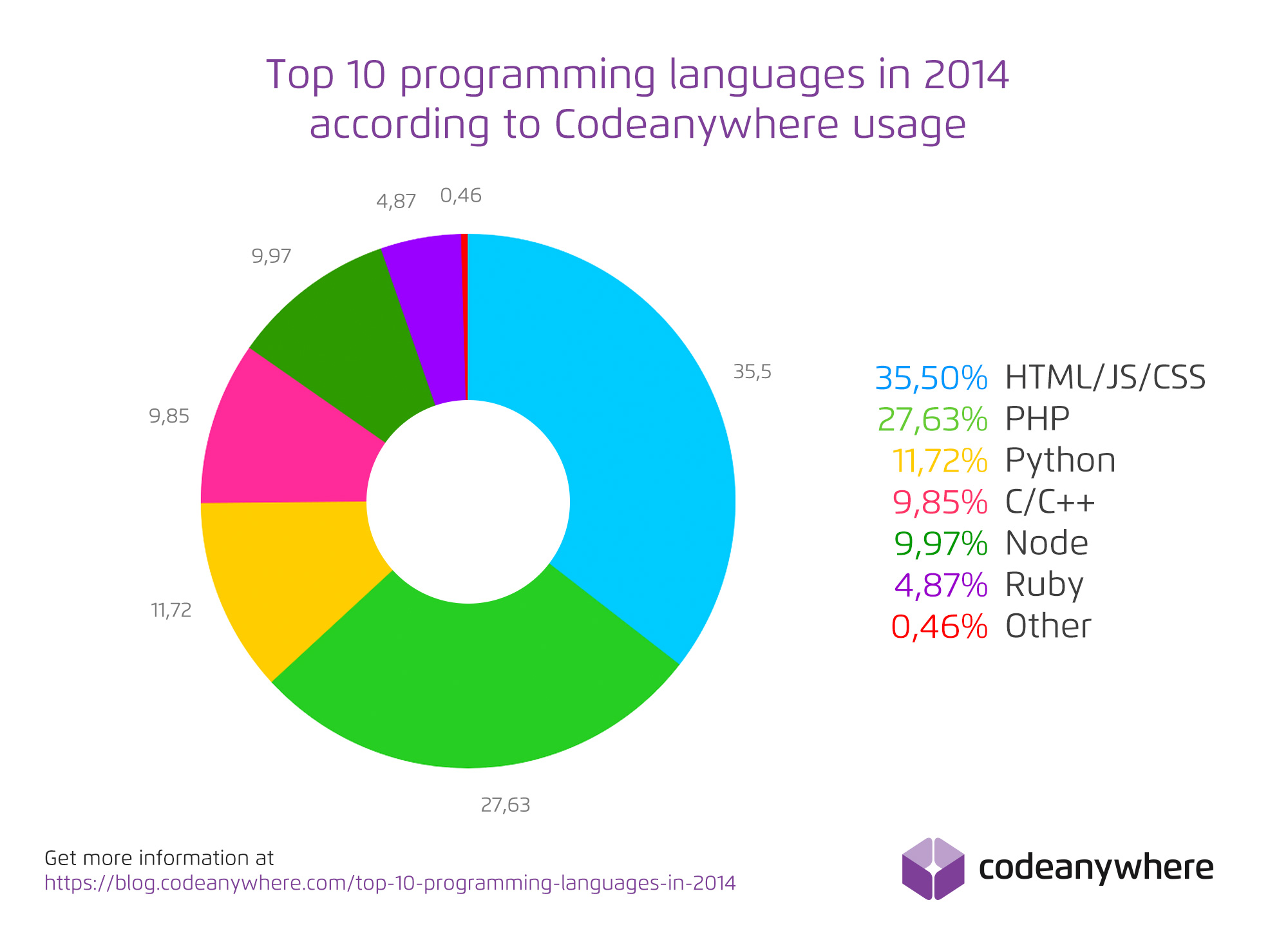
Syntax and semantics are two fundamental concepts in computer programming that define the structure and meaning of code. Syntax refers to the rules that govern the arrangement of code elements, while semantics refers to the interpretation and execution of code.
Syntax
Syntax defines the grammatical structure of a programming language. It specifies how code elements, such as s, identifiers, operators, and statements, should be combined to form valid code. Syntax errors occur when code violates the language’s syntax rules, preventing the code from being compiled or interpreted.
Semantics
Semantics defines the meaning of code and how it is executed. It determines the behavior of the code and the values that are produced. Semantic errors occur when the code is syntactically correct but does not perform as intended due to incorrect logic or incorrect interpretation of the code.
How Syntax and Semantics Determine Code Execution
Syntax and semantics work together to determine the meaning and execution of code. The compiler or interpreter first checks the code for syntax errors. If there are no syntax errors, the code is parsed to create an internal representation that can be executed.
The interpreter or compiler then interprets or executes the code based on its semantics.
Improving Code Readability and Maintainability
Syntax and semantics play a crucial role in improving code readability and maintainability. Well-written code follows the language’s syntax rules, making it easier to understand and debug. Clear semantics ensure that the code does what it is intended to do, reducing the risk of unexpected behavior.
Use of Syntax and Semantics in Different Programming Languages
Different programming languages have different syntax and semantics. Some languages, such as C and Java, have a strict syntax and well-defined semantics. Other languages, such as Python and JavaScript, have a more flexible syntax and allow for greater flexibility in code structure.
Table: Key Differences Between Syntax and Semantics
| Feature | Syntax | Semantics |
|---|---|---|
| Definition | Rules for code structure | Meaning and execution of code |
| Errors | Syntax errors | Semantic errors |
| Focus | Grammatical structure | Code behavior |
| Importance | Ensures code validity | Ensures code correctness |
Language Design Patterns
Design patterns are reusable solutions to commonly occurring problems in software development. They provide a way to structure code in a way that is both efficient and maintainable. There are many different design patterns, each with its own specific purpose.
Some of the most common design patterns include:
- Singleton: Ensures that only one instance of a class can be created.
- Factory: Creates objects without specifying the exact class of the object that will be created.
- Builder: Separates the construction of a complex object from its representation.
- Observer: Defines a one-to-many dependency between objects so that when one object changes state, all its dependents are notified and updated automatically.
- Strategy: Defines a family of algorithms, encapsulates each one, and makes them interchangeable. Strategy lets the algorithm vary independently from clients that use it.
Design patterns can greatly improve the readability, maintainability, and reusability of code. By using design patterns, developers can avoid common pitfalls and write code that is more efficient and easier to understand.
Benefits of Design Patterns
Design patterns offer several benefits, including:
- Improved code readability: Design patterns provide a common vocabulary for describing software designs. This makes it easier for developers to understand and maintain code that uses design patterns.
- Increased code maintainability: Design patterns help to keep code organized and modular. This makes it easier to make changes to code without breaking it.
- Enhanced code reusability: Design patterns can be reused in multiple projects. This saves developers time and effort.
Questions Often Asked
How many programming languages are there?
There are hundreds of programming languages in the world, with new languages being created all the time.
What are the most popular programming languages?
The most popular programming languages include Python, Java, C++, JavaScript, and C#.
What are the different types of programming languages?
There are many different types of programming languages, including imperative, declarative, functional, and object-oriented languages.
