How many languages do you speak? This seemingly simple question opens a gateway to a world of linguistic exploration and cultural immersion. In this comprehensive guide, we delve into the intricacies of language acquisition, unraveling the factors that influence language learning and illuminating the profound benefits of multilingualism.
From understanding the different levels of language proficiency to exploring a wide range of language learning methods, this guide provides a roadmap for anyone seeking to embark on a linguistic journey. We delve into the role of language in shaping personal identity, fostering social justice, and driving technological advancements, showcasing the multifaceted nature of human communication.
Language Acquisition Journey
Language acquisition is a complex and multifaceted process that involves learning a new language and its grammar, vocabulary, and pronunciation. It is a skill that can be acquired through various methods, including formal instruction, immersion in a language-rich environment, or self-study.
The process of language acquisition typically involves several stages, including exposure to the language, comprehension, production, and fluency.
There are numerous factors that influence language learning, including age, motivation, language aptitude, and learning strategies. Age is a significant factor, with children generally having an easier time acquiring new languages than adults. Motivation is also crucial, as learners who are intrinsically motivated to learn a language are more likely to succeed.
Language aptitude refers to an individual’s innate ability to learn languages, and it can vary from person to person. Finally, learning strategies play a vital role in language acquisition, with effective strategies including spaced repetition, active recall, and immersion.
Benefits of Multilingualism
Multilingualism, the ability to speak and understand multiple languages, offers numerous cognitive, social, and economic benefits. Cognitively, multilingualism has been linked to improved memory, attention, and problem-solving skills. Socially, multilingual individuals are often more open-minded and tolerant of other cultures.
Economically, multilingualism can lead to increased job opportunities and higher earning potential.
Language Proficiency Levels
Language proficiency levels are a way of measuring how well someone can speak, read, write, and understand a language. There are different levels of proficiency, ranging from A1 (beginner) to C2 (proficient). These levels are used to assess language skills for various purposes, such as career advancement, academic pursuits, and personal development.
There are a number of different ways to measure language proficiency, including standardized tests, language assessments, and proficiency interviews. Standardized tests, such as the TOEFL and IELTS, are widely used to assess language proficiency for academic purposes. Language assessments, such as the ACTFL Proficiency Guidelines, are used to assess language proficiency for professional purposes.
Proficiency interviews are used to assess language proficiency for a variety of purposes, including employment and immigration.
Types of Language Certifications
There are a number of different types of language certifications available, such as those offered by language schools, universities, and professional organizations. These certifications can be used to demonstrate language proficiency for a variety of purposes, such as career advancement, academic pursuits, and personal development.
Preparing for Language Proficiency Tests
There are a number of different ways to prepare for language proficiency tests. One way is to take a language course. Language courses can help you improve your language skills and prepare you for the specific format of the test you are taking.
Another way to prepare for language proficiency tests is to study independently. There are a number of resources available online and in libraries that can help you prepare for language proficiency tests.
Common European Framework of Reference for Languages (CEFR)
The Common European Framework of Reference for Languages (CEFR) is a framework that standardizes language proficiency levels across Europe. The CEFR is used to assess language proficiency for a variety of purposes, such as education, employment, and immigration. The CEFR has six levels of proficiency: A1, A2, B1, B2, C1, and C2.
Relationship to Language Acquisition Theories
Language proficiency levels are related to language acquisition theories. For example, Krashen’s Input Hypothesis states that language learners need to be exposed to comprehensible input in order to acquire a language. The Communicative Approach emphasizes the importance of communication in language learning.
Language proficiency levels can be used to assess how well language learners are able to communicate in the target language.
Real-World Situations
Language proficiency levels are relevant in a number of real-world situations. For example, language proficiency levels are important for international business, diplomacy, and education. In international business, language proficiency levels can help businesses communicate with customers and partners from other countries.
In diplomacy, language proficiency levels can help diplomats communicate with foreign officials. In education, language proficiency levels can help students learn in a foreign language.
| Level | Description | Examples of Tasks |
|---|---|---|
| A1 | Beginner | Can understand and use familiar everyday expressions and very basic phrases aimed at satisfying specific needs. Can introduce him/herself and others and can ask and answer questions about personal details such as where he/she lives, people he/she knows and things he/she has. Can interact in a simple way provided the other person talks slowly and clearly and is prepared to help. |
| A2 | Elementary | Can understand sentences and frequently used expressions related to areas of most immediate relevance (e.g. very basic personal and family information, shopping, local geography, employment). Can communicate in simple and routine tasks requiring a simple and direct exchange of information on familiar and routine matters. Can describe in simple terms aspects of his/her background, immediate environment and matters in areas of immediate need. |
| B1 | Intermediate | Can understand the main points of clear standard input on familiar matters regularly encountered in work, school, leisure, etc. Can deal with most situations likely to arise while traveling in an area where the language is spoken. Can produce simple connected text on topics that are familiar or of personal interest. Can describe experiences and events, dreams, hopes & ambitions and briefly give reasons and explanations for opinions and plans. |
| B2 | Upper Intermediate | Can understand the main ideas of complex text on both concrete and abstract topics, including technical discussions in his/her field of specialization. Can interact with a degree of fluency and spontaneity that makes regular interaction with native speakers quite possible without strain for either party. Can produce clear, detailed text on a wide range of subjects and explain a viewpoint on a topical issue giving the advantages and disadvantages of various options. |
| C1 | Advanced | Can understand a wide range of demanding, longer texts, and recognize implicit meaning. Can express him/herself fluently and spontaneously without much obvious searching for expressions. Can use language flexibly and effectively for social, academic and professional purposes. Can produce clear, well-structured, detailed text on complex subjects, showing controlled use of organizational patterns, connectors and cohesive devices. |
| C2 | Proficient | Can understand with ease virtually everything heard or read. Can summarize information from different spoken and written sources, reconstructing arguments and accounts in a coherent presentation. Can express him/herself spontaneously, very fluently and precisely, differentiating finer shades of meaning even in the most complex situations. |
Language Learning Methods

There are various language learning methods, each with its own advantages and disadvantages. Choosing the right method depends on individual needs, learning style, motivation, and available resources. This section compares and contrasts different language learning methods, including immersion, structured learning, and online learning.
Immersion Method
Immersion involves surrounding oneself with the target language in a real-life context. This can be achieved through living in a country where the language is spoken, attending language schools in such countries, or engaging with native speakers through conversation exchange programs.
Immersion provides authentic language input and allows for natural language acquisition.
Advantages:
- Authentic language input
- Natural language acquisition
- Improved fluency and pronunciation
Disadvantages:
- Can be expensive and time-consuming
- Requires a high level of motivation and self-discipline
- May not be suitable for all learning styles
Structured Learning Method
Structured learning involves following a formal curriculum and using textbooks, workbooks, and other learning materials. This method is typically taught in classrooms or online courses. Structured learning provides a systematic approach to language learning and allows for guided practice.
Advantages:
- Structured and organized approach
- Guided practice and feedback
- Suitable for different learning styles
Disadvantages:
- Can be less immersive than other methods
- May not be as engaging as other methods
- Can be more expensive than other methods
Online Learning Method
Online learning involves using the internet to access language learning materials and interact with teachers and other learners. This method offers flexibility and convenience and can be a cost-effective option.
Advantages:
- Flexibility and convenience
- Cost-effective
- Access to a wide range of resources
Disadvantages:
- Can be less immersive than other methods
- Requires a high level of self-motivation and discipline
- May not be suitable for all learning styles
The following table summarizes the key features of each language learning method:
| Method | Immersion | Structured Learning | Online Learning |
|---|---|---|---|
| Strengths | Authentic language input, natural language acquisition | Structured and organized approach, guided practice | Flexibility, convenience, cost-effective |
| Weaknesses | Expensive, time-consuming, not suitable for all learning styles | Less immersive, less engaging, more expensive | Less immersive, requires self-motivation, not suitable for all learning styles |
| Suitability | Highly motivated learners with time and resources | Learners who prefer a structured approach and guided practice | Learners who need flexibility, convenience, and cost-effective options |
Common Misconceptions
There are several common misconceptions about language learning methods. One misconception is that immersion is the only effective method. While immersion can be an effective method, it is not the only one. Structured learning and online learning can also be effective, depending on individual needs and preferences.
Another misconception is that all language learning methods are created equal. This is not true. Different methods have different advantages and disadvantages. It is important to choose the method that best suits individual needs and preferences.
Call to Action
There is no one-size-fits-all approach to language learning. The best method for one person may not be the best method for another. It is important to explore different methods and find the one that best suits individual needs and preferences.
With the right method, language learning can be an enjoyable and rewarding experience.
– Immersion and Language Exchange
Language immersion and language exchange are two highly effective methods for language acquisition. Immersion involves surrounding oneself with the target language in an environment where it is the primary means of communication. Language exchange involves interacting with native speakers to practice speaking and listening.
Benefits of Language Immersion
Immersion offers numerous benefits, including:
- Enhanced comprehension and fluency: By being constantly exposed to the language, learners develop a deeper understanding of its grammar and vocabulary, leading to improved comprehension and fluency.
- Improved pronunciation and intonation: Immersion provides ample opportunities to listen to and imitate native speakers, resulting in improved pronunciation and intonation.
- Greater cultural understanding: Immersion not only enhances language skills but also fosters a deeper understanding of the culture associated with the language.
Role of Language Exchange
Language exchange plays a vital role in language learning by:
- Finding native speakers for practice: Language exchange platforms and meetups connect learners with native speakers who are willing to practice conversation.
- Gaining insights into different cultures: Language exchange allows learners to interact with people from diverse backgrounds, providing insights into different cultures and perspectives.
- Building confidence in speaking and listening: Regular practice with native speakers boosts confidence in speaking and listening skills.
Finding and Participating in Language Exchange Programs
There are several ways to find and participate in language exchange programs:
- Online platforms: Platforms like Tandem and HelloTalk connect learners with language partners worldwide.
- Local meetups and events: Many cities host language exchange meetups and events where learners can connect.
- University or community language exchange groups: Universities and community centers often organize language exchange groups for students and community members.
To maximize the benefits of language exchange, consider the following tips:
- Set clear goals: Determine what you want to achieve through language exchange and find a partner who shares similar goals.
- Be consistent: Regular practice is key to improving language skills. Establish a consistent schedule for language exchange sessions.
- Be open to feedback: Seek constructive criticism from your language partner to identify areas for improvement.
“Language exchange has been an invaluable tool for me in improving my Spanish fluency. I’ve gained confidence in my speaking and listening skills, and I’ve also learned so much about the Mexican culture.”- Emily, language learner
Additional Notes
In addition to immersion and language exchange, writing can also be an effective method for language acquisition. Writing helps learners solidify their understanding of grammar and vocabulary and develop their writing skills in the target language.
Language Learning Resources
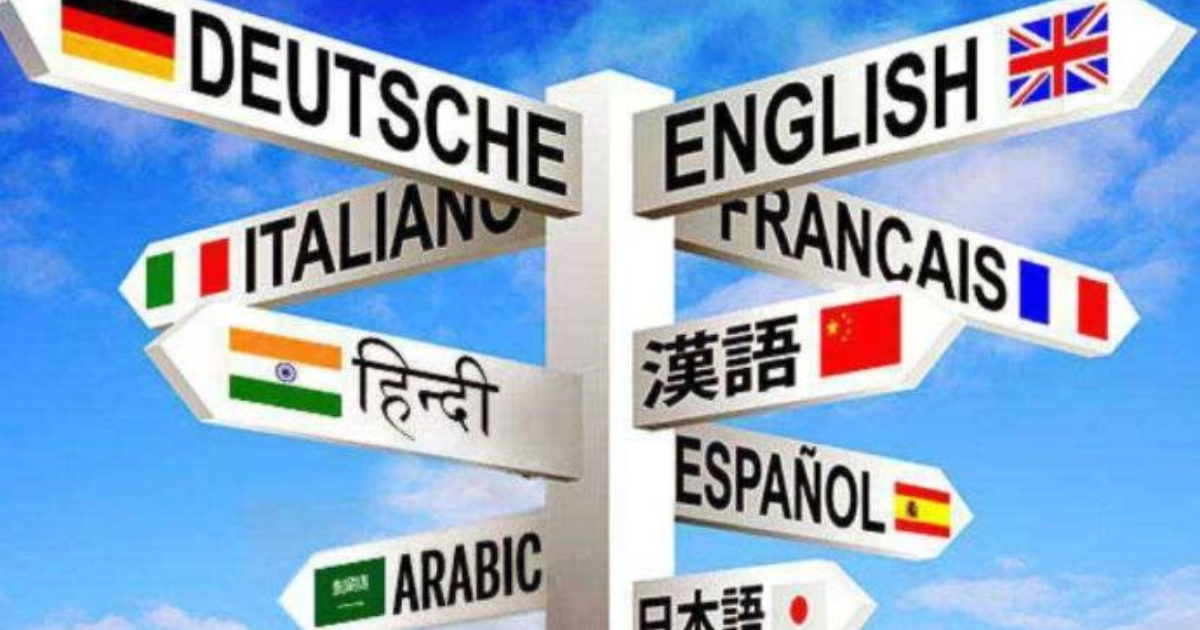
In the realm of language acquisition, harnessing a diverse array of resources can significantly enhance your learning journey. These resources provide structured guidance, immersive experiences, and personalized support to accelerate your progress and deepen your understanding of the target language.
Navigating the vast landscape of language learning resources can be daunting, but understanding the different types available and their respective strengths can help you make informed choices that align with your learning style and goals.
Online Courses
- Offer structured learning paths with interactive lessons, multimedia content, and assessments.
- Provide access to expert instructors and a community of learners for support and motivation.
- Can be self-paced or instructor-led, offering flexibility and accountability.
Language Learning Apps
- Engage learners with gamified lessons, interactive exercises, and personalized feedback.
- Provide bite-sized learning experiences that fit into busy schedules.
- Offer portability and accessibility, allowing you to learn on the go.
Books
- Provide comprehensive grammar explanations, vocabulary lists, and cultural insights.
- Offer a structured approach to learning, with exercises and self-assessment tools.
- Can be used as a primary or supplementary resource, depending on your learning style.
Other Materials
- Immersion Materials:Movies, TV shows, music, and podcasts in the target language provide authentic language exposure.
- Dictionaries and Grammars:Essential tools for looking up words, phrases, and grammatical structures.
- Language Exchange Partners:Connect with native speakers to practice conversation and gain cultural insights.
When selecting language learning resources, consider the following factors:
- Your learning style (visual, auditory, kinesthetic, etc.)
- Your learning goals (conversational fluency, reading comprehension, etc.)
- Your budget and time constraints
- The reputation and reviews of the resource
By leveraging a combination of language learning resources tailored to your individual needs, you can create a comprehensive and engaging learning experience that will maximize your language acquisition journey.
Technology in Language Learning: How Many Languages Do You Speak

Technology has revolutionized language learning, making it more accessible, engaging, and effective. From AI-powered tools to virtual and augmented reality, technology offers a range of options to enhance the language acquisition journey.
AI-powered Language Learning Tools
AI-driven language learning apps and platforms provide personalized learning experiences tailored to individual needs and learning styles. They use natural language processing (NLP) to analyze learner input and provide real-time feedback on pronunciation, grammar, and vocabulary. These tools offer interactive exercises, gamified lessons, and personalized recommendations to keep learners engaged and motivated.
Virtual and Augmented Reality in Language Acquisition
Virtual reality (VR) and augmented reality (AR) technologies create immersive learning environments that simulate real-life language interactions. VR headsets transport learners to virtual worlds where they can practice speaking and listening with native speakers, while AR overlays digital information onto the real world, enabling learners to interact with language in a more contextualized way.
These technologies enhance language learning by providing authentic experiences and promoting active participation.
Language and Culture
Language and culture are inextricably linked, forming a symbiotic relationship that shapes and influences each other. Language serves as a medium through which cultural values, beliefs, and practices are expressed, transmitted, and preserved.
Language shapes cultural identity by providing a unique lens through which individuals perceive and interact with the world. The words and phrases used in a language reflect the cultural experiences, perspectives, and priorities of its speakers. For instance, in some cultures, there may be specific terms for extended family relationships or concepts related to honor and respect, reflecting the importance of these values within that culture.
Role of Language in Cultural Preservation
Language plays a crucial role in cultural preservation by serving as a repository of cultural knowledge and heritage. Oral traditions, such as storytelling, poetry, and songs, are often passed down through generations, preserving cultural narratives, beliefs, and customs. Written texts, including religious scriptures, historical accounts, and literary works, also contribute to the preservation of cultural heritage by documenting and transmitting cultural knowledge.
Language and Travel
Embarking on a journey across borders opens up a world of diverse cultures and experiences. While embracing the unfamiliar, the ability to communicate effectively can profoundly enhance one’s travel adventures. Speaking multiple languages while traveling unlocks a myriad of benefits, fostering deeper connections, enriching cultural immersion, and navigating challenges with ease.
Communicating Effectively in Different Languages
Effective communication is paramount when venturing into foreign lands. Understanding local customs, asking for directions, and engaging in meaningful conversations become effortless when you possess language skills. Respecting local dialects and customs demonstrates cultural sensitivity, fostering a sense of belonging and appreciation.
When faced with language barriers, embrace patience and a willingness to learn. Non-verbal cues, gestures, and translation apps can bridge communication gaps. Seeking assistance from locals who speak your language or hiring an interpreter can also facilitate smoother interactions.
Enhanced Travel Experiences
Beyond mere communication, language proficiency elevates travel experiences in countless ways. It allows you to:
- Connect with locals on a deeper level, gaining insights into their perspectives and traditions.
- Fully immerse yourself in the local culture, attending events, trying authentic cuisine, and exploring hidden gems.
- Negotiate prices and services with confidence, ensuring fair treatment.
- Experience a sense of independence and empowerment, navigating unfamiliar environments with ease.
Challenges of Learning New Languages While Traveling
While the benefits are undeniable, learning new languages while traveling can present challenges. Time constraints, limited resources, and the constant exposure to different dialects can make it difficult to master a language fluently. However, focusing on essential phrases, immersing yourself in the local environment, and utilizing language learning apps can expedite the process.
Essential Phrases and Vocabulary for Travelers
To kick-start your language learning journey, here’s a guide to essential phrases and vocabulary for travelers:
| Category | Phrases |
|---|---|
| Greetings | Hello, goodbye, thank you, please |
| Directions | Where is…, how do I get to… |
| Accommodation | I’m looking for a hotel, how much is a room |
| Food and Drinks | I’m hungry, I’d like to order… |
| Emergencies | Help, I need a doctor, where’s the hospital |
Technology in Language Learning
Technology has revolutionized language learning, providing travelers with a wealth of resources. Language learning apps like Duolingo and Babbel offer bite-sized lessons, vocabulary builders, and interactive exercises. Translation apps like Google Translate and iTranslate allow for instant translations, making communication a breeze.
Additionally, podcasts, audiobooks, and online language courses can provide immersive learning experiences while on the go.
Script for a Dialogue Between Two Travelers
Imagine two travelers, Emily and Mateo, who meet in a foreign country. Emily speaks Spanish, while Mateo speaks French. Despite the language barrier, they find a way to communicate:
Emily: Hola, ¿cómo estás? (Hello, how are you?) Mateo: Bonjour, je vais bien, merci. Et vous? (Hello, I'm fine, thank you. And you?) Emily: Bien, gracias.(Good, thank you.) Mateo: Vous parlez français? (Do you speak French?) Emily: No, solo hablo español. (No, I only speak Spanish.) Mateo: Ah, d'accord. Je parle un peu d'espagnol. (Ah, okay.
I speak a little Spanish.) [They continue their conversation in a mix of Spanish and French, using gestures and smiles to bridge the gaps.]
Flowchart for Choosing Which Language to Speak
When traveling in multilingual environments, deciding which language to speak can be a challenge. Here’s a flowchart to guide your decision-making:
Start
↓
Is there a dominant language in the situation?
↓
Yes
-> Speak the dominant language
↓
No
↓
Do you know the native language of the person you're speaking to?
↓
Yes
-> Speak the native language
↓
No
↓
Is there a language you're both comfortable with?
↓
Yes
-> Speak the language you're both comfortable with
↓
No
↓
Use gestures, translation apps, or seek help from a third party
Poem Celebrating the Joys of Speaking Multiple Languages While Traveling
In lands unknown, where tongues entwine,
A traveler's soul, a vibrant shrine.
With words that dance across the air,
They weave connections, beyond compare.

A tapestry of languages, a vibrant hue,
Unveiling secrets, making dreams come true.
From bustling streets to tranquil shores,
A symphony of voices, a world that roars.

The locals' laughter, a sweet refrain,
Inviting you to share their joy and pain.
Their stories whispered, their hearts laid bare,
A bridge of understanding, beyond compare.

With every language spoken, a world unfolds,
A treasure trove of wisdom, stories untold.
The world becomes a canvas, painted bright,
As language guides you through the darkest night.

So raise your voice, let your words take flight,
Embrace the tongues that fill the world with light.
For in the tapestry of languages, we find,
A symphony of cultures, forever intertwined.
Language and Career

In today’s globalized job market, language skills have become increasingly important for career success. Employers value multilingual employees who can communicate effectively with clients, colleagues, and partners from diverse linguistic backgrounds. Multilingualism can open doors to new opportunities, enhance career prospects, and provide a competitive edge in various industries.
Multilingual individuals possess a wider range of communication options, enabling them to connect with a broader audience. They can negotiate deals, build relationships, and exchange ideas more effectively, leading to increased productivity and improved business outcomes.
Case Studies
- Maria Garcia, a Spanish-English bilingual, secured a promotion to a management position in a multinational company. Her ability to communicate fluently in both languages allowed her to effectively lead a team of employees from different cultural backgrounds.
- David Chen, a Mandarin-English interpreter, has built a successful career in the healthcare industry. His language skills enable him to bridge communication gaps between medical professionals and patients from diverse linguistic communities, ensuring accurate diagnosis and treatment.
- Amina Patel, a French-Arabic translator, has established a thriving translation business. Her expertise in multiple languages allows her to cater to a wide range of clients, including government agencies, international organizations, and businesses.
Language and Education
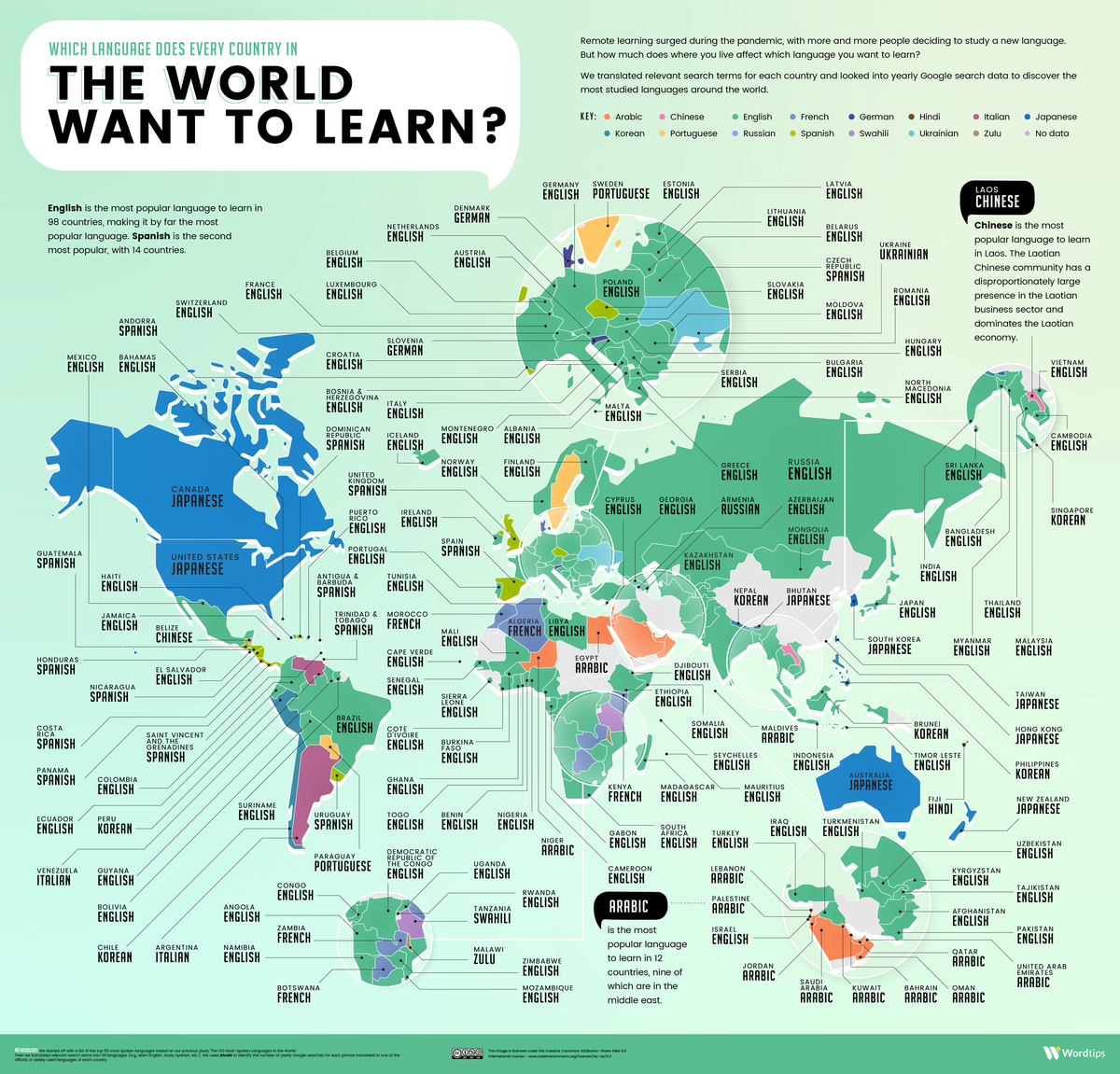
Language plays a pivotal role in education, serving as the medium through which knowledge and skills are transmitted and acquired. It is the foundation upon which students build their understanding of the world around them.
Teaching in multiple languages presents both challenges and opportunities. One challenge is ensuring that all students have equal access to quality education, regardless of their linguistic background. Another challenge is finding qualified teachers who are proficient in multiple languages. However, multilingual education can also provide opportunities for students to develop cognitive and linguistic skills that are beneficial in both academic and professional settings.
The number of languages one speaks is often a topic of discussion, and knowing how to express gratitude in various languages can be a valuable skill. For instance, in sign language, the gesture for “thank you” involves moving the dominant hand in a clockwise motion while keeping the fingers extended and the palm facing forward.
Discover more about this gesture and other sign language expressions to enhance your communication abilities across different cultures and linguistic backgrounds.
Successful Multilingual Education Programs
- The European Union’s Erasmus+ program supports multilingual education and student mobility.
- The United States’ Seal of Biliteracy recognizes students who are proficient in two or more languages.
- The Canadian province of Quebec has a long history of successful multilingual education programs.
Impact of Language on Student Achievement
- Students who are proficient in multiple languages tend to perform better on standardized tests.
- Multilingual students have better problem-solving skills and critical thinking abilities.
- Multilingualism can improve memory and attention.
Role of Language in the Development of Critical Thinking Skills
- Language is essential for developing critical thinking skills, as it allows students to analyze, evaluate, and synthesize information.
- Multilingual students are better able to compare and contrast different perspectives.
- Multilingualism can help students to develop a more nuanced understanding of the world.
Evidence-Based Recommendations for Improving Language in Educational Settings
- Provide students with opportunities to use language in meaningful and authentic contexts.
- Create a supportive and encouraging learning environment.
- Use a variety of teaching methods to cater to different learning styles.
- Provide students with feedback on their language use.
- Collaborate with parents and the community to support language learning.
Lesson Plan that Incorporates Multilingual Approaches to Teaching
- Lesson plan for a multilingual math class.
- Lesson plan for a multilingual science class.
- Lesson plan for a multilingual social studies class.
Research Paper on the Benefits of Multilingual Education
- The benefits of multilingual education for cognitive development.
- The benefits of multilingual education for academic achievement.
- The benefits of multilingual education for career success.
Language and Identity

Language plays a pivotal role in shaping personal identity. It is a lens through which we perceive the world, express our thoughts and emotions, and connect with others. The language we speak not only reflects our cultural background but also influences our self-perception and the way we interact with society.
Determining the number of languages an individual speaks can provide insights into their linguistic repertoire. Exploring the linguistic landscape of different regions, such as Lebanon, offers further understanding of language diversity. By delving into the languages spoken in Lebanon ( what language do lebanon speak ), we can appreciate the complex linguistic tapestry of the world and the significance of multilingualism in fostering global communication.
Language and Heritage
Language serves as a bridge connecting us to our heritage. It preserves the traditions, values, and stories of our ancestors. By learning and speaking the language of our heritage, we gain a deeper understanding of our roots and feel a sense of belonging to a larger community.
For example, many immigrants find solace and connection by speaking their native language with their families and within their communities, even if they have adopted a new language in their adopted country.
Rediscovering Cultural Roots
Language can be a powerful tool for rediscovering one’s cultural roots. Individuals who have been disconnected from their heritage often find a renewed sense of identity by reconnecting with the language of their ancestors. This can involve studying historical texts, attending language classes, or simply engaging in conversations with native speakers.
By embracing the language, they unlock a gateway to their past and gain a deeper appreciation for their culture.
Language and Social Justice
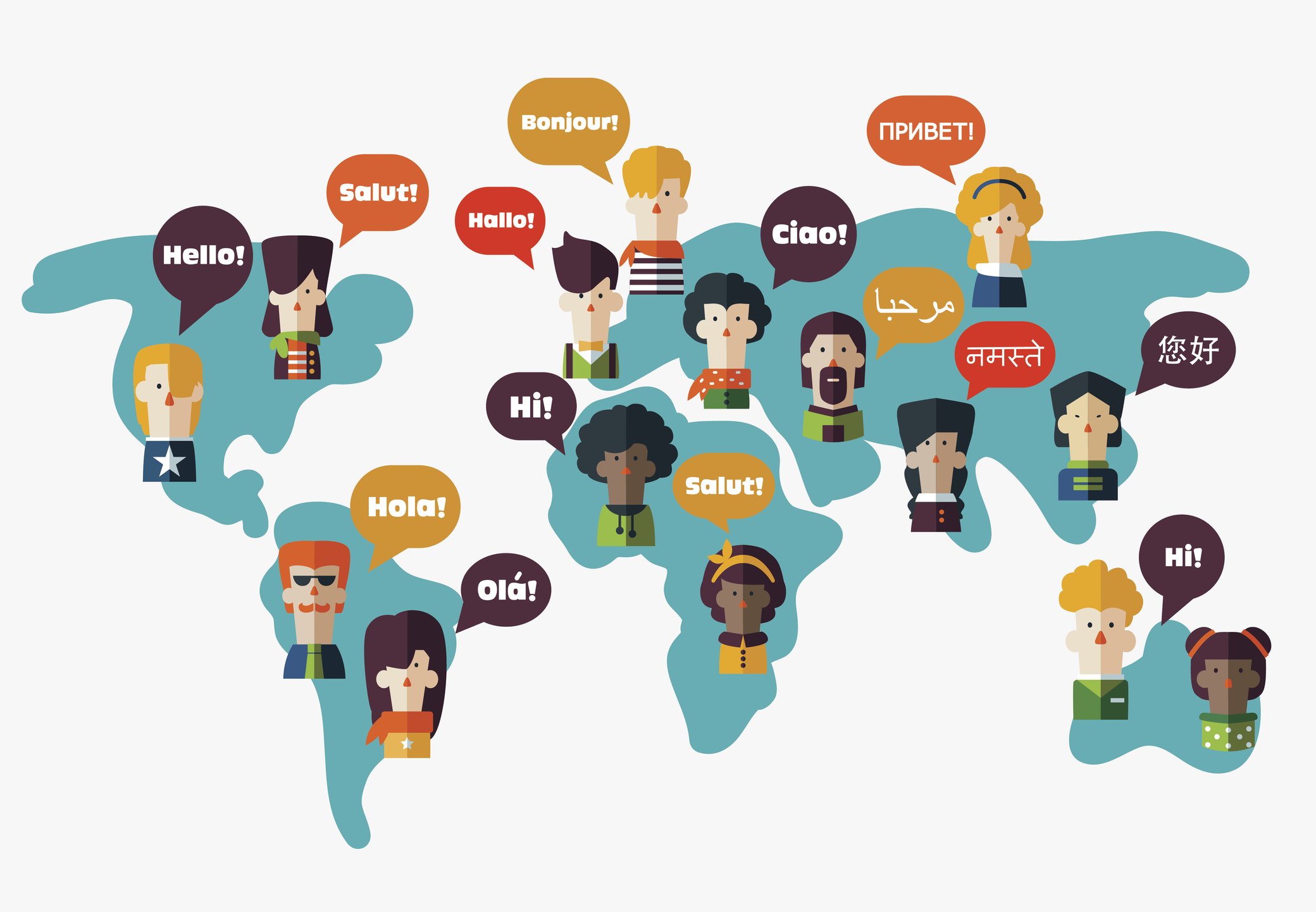
Language plays a crucial role in promoting social justice and empowering marginalized communities. It is a tool for communication, expression, and advocacy, enabling individuals and groups to voice their concerns, challenge injustices, and work towards a more equitable society.
One of the most significant ways language contributes to social justice is by empowering marginalized communities. When people have access to their own language and are able to express themselves in it, they gain a sense of agency and self-determination.
This empowerment is essential for challenging oppressive structures and advocating for change.
Examples of Language in Social Justice
- Civil Rights Movement in the United States:The use of language, such as speeches, songs, and slogans, was instrumental in mobilizing support for the Civil Rights Movement and raising awareness about racial injustice.
- Indigenous Language Revitalization:Efforts to revitalize and preserve Indigenous languages are crucial for cultural preservation, self-determination, and the empowerment of Indigenous communities.
- Language Rights Advocacy:Organizations and activists around the world advocate for language rights, ensuring that individuals have the right to use their own language in education, government, and other public spheres.
Language and Technology
Language plays a pivotal role in the development and evolution of technology. It shapes the design, functionality, and accessibility of various technological tools and platforms. Language barriers, on the other hand, can hinder technological progress and limit the widespread adoption of innovations.
Natural Language Processing (NLP), How many languages do you speak
NLP is a subfield of artificial intelligence that deals with the interaction between computers and human (natural) languages. It empowers computers to understand, interpret, and generate human language, enabling a wide range of language-based applications.
Key concepts and techniques in NLP include machine learning, statistical modeling, and linguistic analysis. These techniques allow NLP systems to extract meaning from text, translate languages, and engage in natural language conversations.
Real-world applications of NLP include search engines, machine translation services, and chatbots. Search engines use NLP to understand user queries and retrieve relevant results. Machine translation services leverage NLP to translate text from one language to another, breaking down language barriers in communication.
Language Models
Language models are a type of AI system that can generate human-like text. They are trained on vast amounts of text data and learn to predict the next word in a sequence, enabling them to generate coherent and grammatically correct text.
Current language models, such as GPT-3 and BLOOM, have demonstrated impressive capabilities in tasks like text generation, question answering, and summarization. They have the potential to revolutionize fields like artificial intelligence, healthcare, and education.
However, language models also raise ethical and societal concerns. Their ability to generate realistic text can be used for malicious purposes, such as spreading misinformation or creating deepfakes. It is crucial to address these concerns and develop responsible guidelines for the use of language models.
– Explain the role of language in creative expression.

Language plays a pivotal role in creative expression, providing the medium through which individuals can articulate their thoughts, emotions, and experiences in imaginative and evocative ways. It enables us to explore the depths of our consciousness, delve into the realms of imagination, and communicate our unique perspectives with the world.
Language serves as the canvas upon which artists paint their literary masterpieces, musicians compose their symphonies, and visual artists express their visions. It empowers us to craft vivid imagery, evoke powerful emotions, and challenge conventional norms through the written word, spoken verse, and artistic creations.
Use of language in literature
In literature, language becomes a tool for storytelling, character development, and world-building. Authors employ a diverse range of literary devices, such as metaphors, similes, and symbolism, to create immersive experiences that transport readers to different realms and perspectives.
- Metaphors:Comparing two seemingly unrelated things to create vivid imagery and evoke emotions (e.g., “Life is a journey.”)
- Similes:Comparing two things using “like” or “as” to highlight similarities and create vivid descriptions (e.g., “Her eyes sparkled like diamonds.”)
- Symbolism:Using objects, characters, or events to represent abstract ideas or concepts (e.g., the color red often symbolizes passion or danger)
Use of language in music
In music, language intertwines with melody and rhythm to convey emotions and tell stories. Lyrics become vessels for expressing personal experiences, societal issues, and universal truths.
- Lyrical poetry:Songs with complex and evocative lyrics that explore themes of love, loss, and social commentary (e.g., Bob Dylan’s “Blowin’ in the Wind”)
- Narrative songs:Songs that tell stories through their lyrics, often using vivid imagery and character development (e.g., Johnny Cash’s “A Boy Named Sue”)
- Instrumental music:Music without lyrics that conveys emotions and creates atmospheres through its melodies, harmonies, and rhythms (e.g., classical symphonies)
FAQ Insights
What are the key factors that influence language learning?
Motivation, immersion, exposure, practice, and consistency are among the most influential factors that impact language learning success.
What are the different levels of language proficiency?
Language proficiency is typically categorized into six levels: A1, A2, B1, B2, C1, and C2, with each level representing increasing proficiency in listening, speaking, reading, and writing.
What are the benefits of multilingualism?
Multilingualism enhances cognitive function, improves memory, increases cultural understanding, expands career opportunities, and fosters greater empathy and tolerance.
