How to change language in settings – Changing language settings is a crucial aspect of user experience and accessibility in today’s globalized digital landscape. This comprehensive guide delves into the intricacies of language settings, providing step-by-step instructions, troubleshooting tips, and best practices to empower users with the knowledge and skills to navigate language barriers seamlessly.
Introduction to Changing Language Settings
:max_bytes(150000):strip_icc()/facebook-language-android-5b46429cc9e77c00375397e1.png "How to Change Language Settings: A Comprehensive Guide")
Changing language settings is crucial for optimizing the user experience in various applications and software programs. By tailoring the language interface to the user’s native tongue, language settings enhance comprehension, navigation, and overall engagement with the product or service.For instance, in e-commerce platforms, adjusting language settings enables users to browse product descriptions, checkout options, and customer support in their preferred language, facilitating a seamless shopping experience.
Similarly, in educational software, customizing language settings allows students to access learning materials and interact with the interface in a language they are most comfortable with, maximizing their learning outcomes.
Importance of Language Settings for User Experience
- Enhances comprehension and clarity for users
- Facilitates navigation and interaction with the interface
- Customizes the experience to the user’s linguistic preferences
- Improves overall engagement and satisfaction with the product or service
Steps to Change Language Settings
Changing the language settings on your device allows you to customize the user interface and applications to your preferred language. The steps to change language settings may vary slightly depending on the operating system you are using.
Windows
- Go to the “Control Panel”.
- Click on “Clock, Language, and Region”.
- Click on “Language”.
- Under the “Languages” tab, click on “Add a language”.
- Select the language you want to add and click on “Add”.
- Once the language is added, you can set it as the default language by clicking on the “Set as default” button.
macOS
- Go to the “System Preferences”.
- Click on “Language & Region”.
- Under the “Preferred languages” tab, drag and drop the language you want to use to the top of the list.
iOS
- Go to the “Settings” app.
- Tap on “General”.
- Tap on “Language & Region”.
- Tap on “iPhone Language”.
- Select the language you want to use.
Android
- Go to the “Settings” app.
- Tap on “System”.
- Tap on “Languages & input”.
- Tap on “Languages”.
- Select the language you want to use.
Customization of Language Settings
:max_bytes(150000):strip_icc()/005-change-facebook-language-to-english-2654383-5f34794363cc48f7b59c3912c1a43ef0.jpg)
Customizing language settings allows users to tailor their devices to their preferred languages and specific needs. This includes adjusting keyboard layout, spell checker, and writing style.
The options for customizing language settings vary depending on the operating system and software used. Common customization options include:
Keyboard Layout
The keyboard layout determines the arrangement of keys on the keyboard. Different languages often have different keyboard layouts to accommodate specific characters and symbols. For example, the QWERTY layout is commonly used for English, while the AZERTY layout is used for French.
Changing the keyboard layout allows users to type more efficiently in their preferred language. To change the keyboard layout, users typically go to the language settings in their operating system or software and select the desired layout from a list of available options.
Advantages and disadvantages of different keyboard layouts include:
- QWERTY:Widely used, efficient for English typing, but less efficient for other languages.
- AZERTY:Designed for French, optimized for French typing, but less efficient for English.
- DVORAK:Designed for efficiency, but requires learning a new key arrangement.
Spell Checker
The spell checker helps identify and correct spelling errors in text. It can be customized for different languages by adding custom dictionaries and ignoring specific words.
For an optimal user experience, it is essential to adjust the language settings on your device to align with your preferred language. If you are interested in the language spoken in Haiti, you may refer to this article: What language Haiti.
Returning to the topic of changing language settings, once you have identified the desired language, navigate to the settings menu on your device and locate the language options. From there, you can select the preferred language and apply the changes.
To enable and configure the spell checker, users typically go to the language settings in their operating system or software and select the desired language. They can then add custom dictionaries, which contain words that are not recognized by the default dictionary, and specify words to be ignored.
The accuracy and limitations of the spell checker vary depending on the language. For example, the spell checker for English is highly accurate, but it may not be as accurate for languages with complex spelling rules or a large number of homophones.
Writing Style
The writing style refers to the grammar, punctuation, and capitalization rules used in text. It can be customized for different languages to ensure that text conforms to the conventions of the target language.
To customize the writing style, users typically go to the language settings in their operating system or software and select the desired language. They can then adjust settings such as the grammar rules, punctuation rules, and capitalization rules.
It is important to consider cultural norms and conventions when customizing the writing style. For example, some languages have different rules for capitalization than English, and some languages use different punctuation marks to indicate questions or exclamations.
Troubleshooting Language Settings
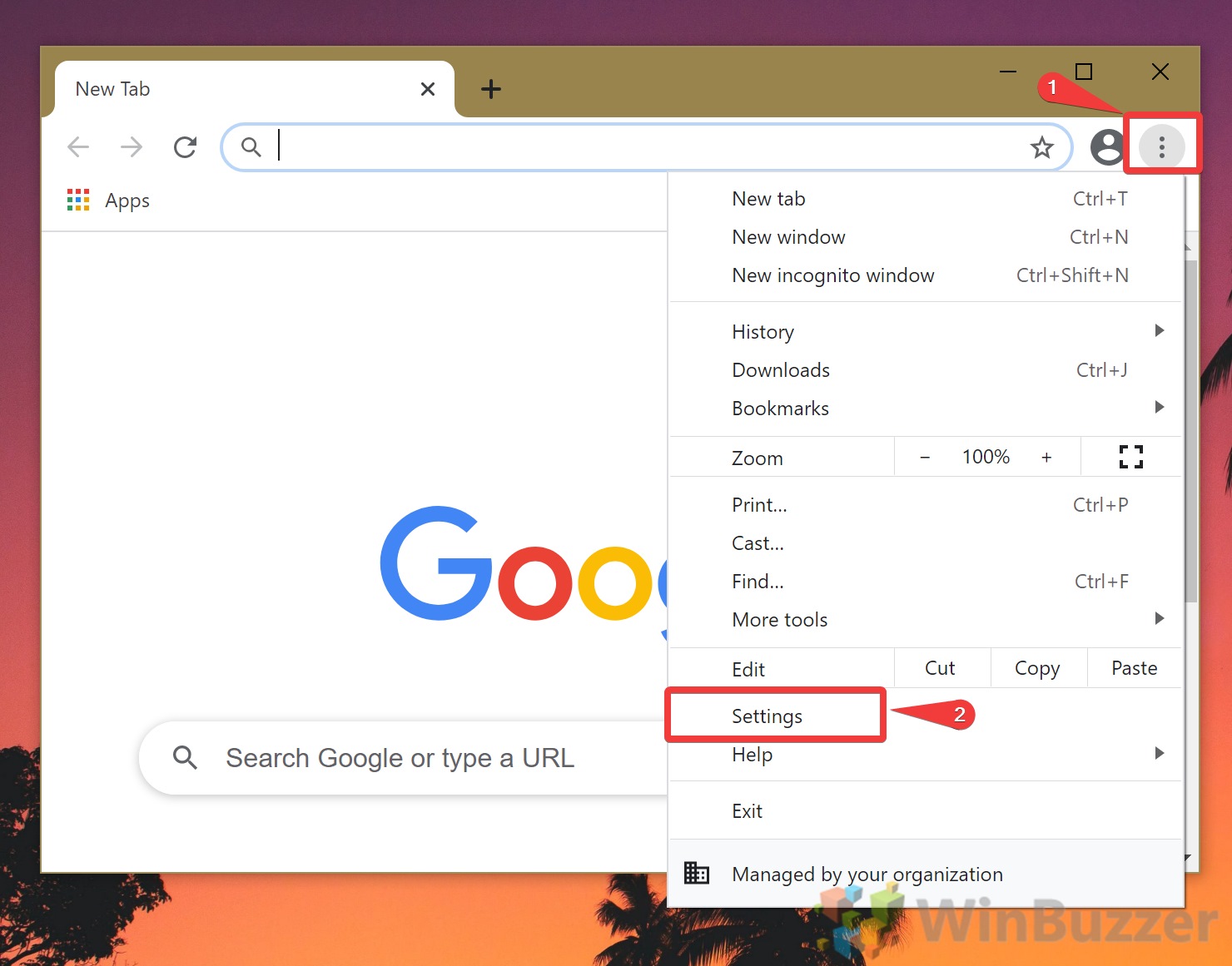
When changing language settings, certain issues may arise. Identifying and resolving these issues ensures seamless language customization.
One common issue is the absence of desired language options. This may occur due to:
Missing Language Packs
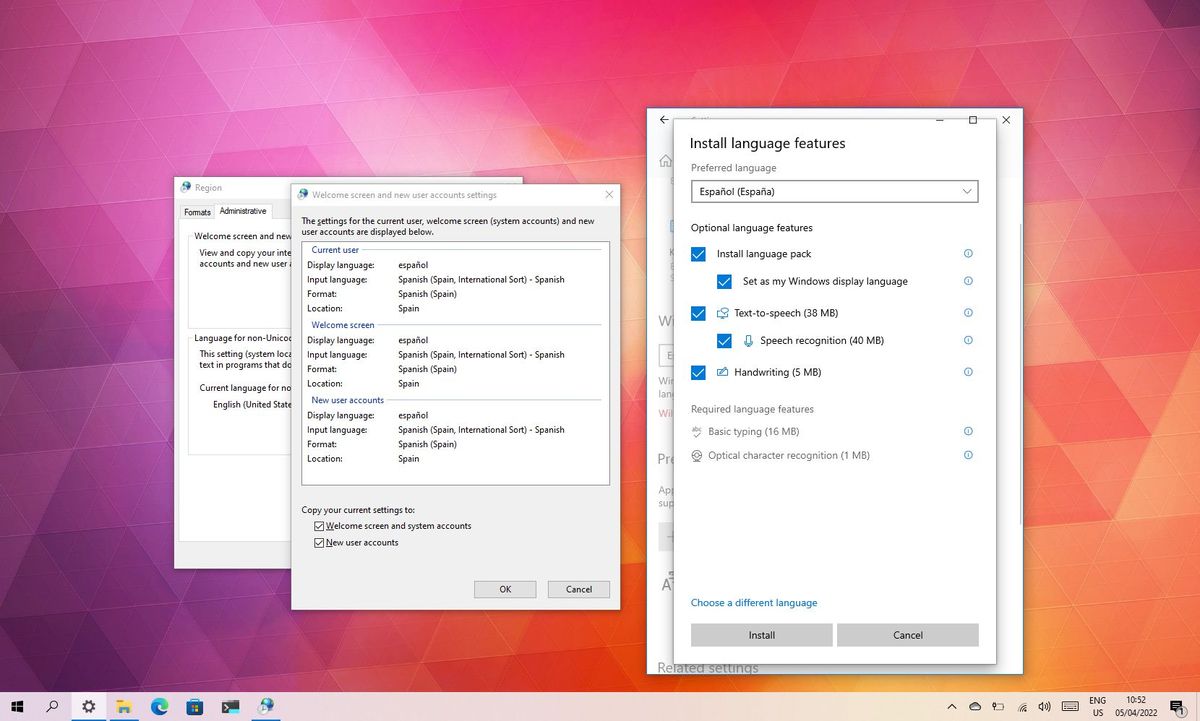
- Language packs are additional files that provide translations for specific languages. If a language pack is not installed, the desired language may not be available.
- To resolve this, download and install the appropriate language pack from the system’s language settings or software repository.
Incorrect Regional Settings
- Regional settings determine the default language and other location-based preferences. If these settings are incorrect, the desired language may not be applied.
- To resolve this, navigate to the regional settings in the system’s control panel and ensure that the correct region and language are selected.
– Discuss the potential effects of changing language settings on other applications and services, including compatibility issues and data loss.
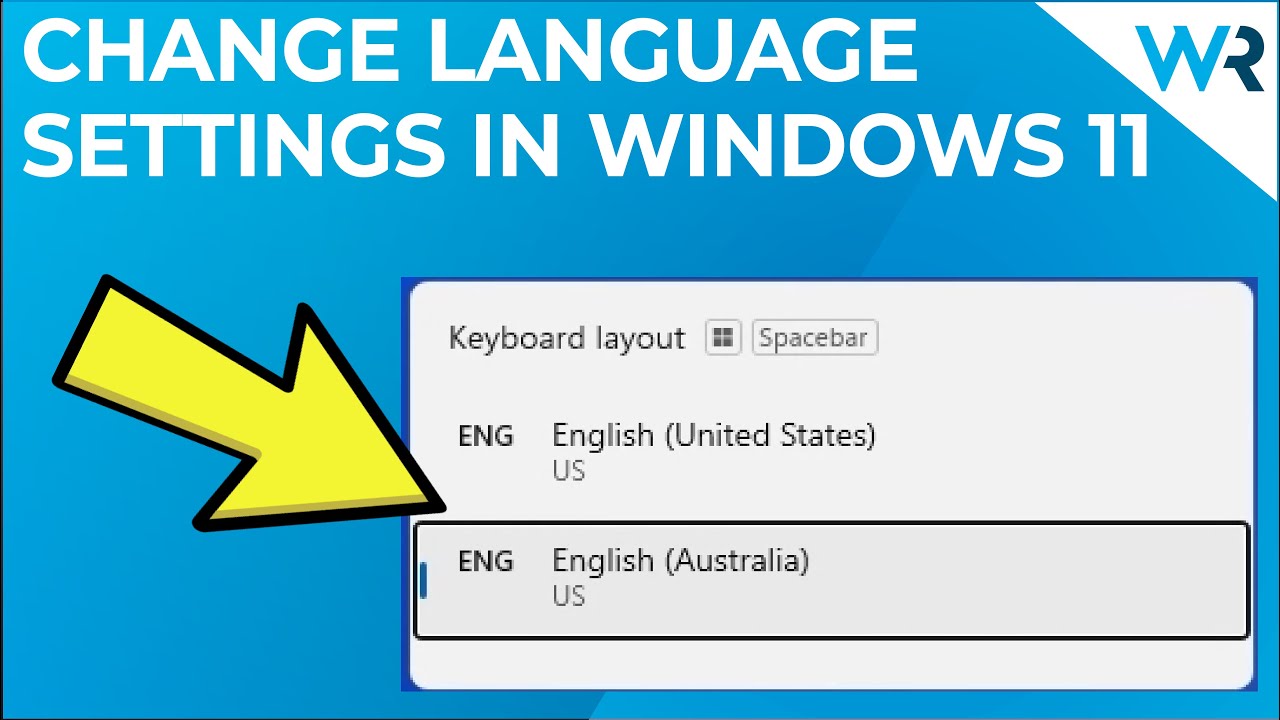
Changing language settings can have various effects on other applications and services. Some potential issues include:
Compatibility issues:Changing the language settings in one application may not be compatible with other applications or services that you use. For example, if you change the language settings in your operating system, some applications may not be able to display text correctly or may not function properly.
Data loss:In some cases, changing the language settings can cause data loss. For example, if you change the language settings in a database, the data in the database may be corrupted or lost.
– Best Practices for Changing Language Settings
:max_bytes(150000):strip_icc()/change-facebook-language-mobile-5b46382f46e0fb003704e24f.png "Language windows settings display time change technastic preferred install follow menu")
When changing language settings, it is important to follow best practices to ensure consistency, avoid confusion, and maintain compatibility.
One best practice is to change the language settings in a centralized location. This will ensure that all applications and services use the same language. Another best practice is to test the language settings after changing them. This will help to identify any potential compatibility issues or data loss.
Maintaining Consistency
To maintain consistency, it is important to use the same language throughout all applications and services. This will help to avoid confusion and make it easier for users to navigate the system.
Avoiding Confusion
To avoid confusion, it is important to provide clear and concise instructions on how to change the language settings. These instructions should be available in multiple languages to accommodate users who may not be familiar with the primary language.
Accessibility Considerations
Language settings play a crucial role in accessibility for users with disabilities. By customizing language settings, users can optimize their devices and applications to meet their specific needs and preferences.
For instance, users with visual impairments may benefit from changing the language settings to one with a larger font size or a high-contrast color scheme. This enhances the visibility and readability of text content, making it easier for them to navigate and interact with their devices.
Screen Reader Compatibility
For users who rely on screen readers, language settings can significantly impact the accuracy and efficiency of text-to-speech conversion. By selecting a language that is compatible with the screen reader software, users can ensure that text content is pronounced correctly and in a manner that is easy to understand.
Cultural Implications of Language Settings
Language settings play a crucial role in shaping the cultural experience of users in digital environments. By customizing language settings, individuals can tailor their online interactions to align with their cultural preferences and identities. Changing language settings can have profound implications for user behavior, preferences, and communication across different cultures.
Language settings can influence how users perceive and interact with content. For example, users who prefer to use their native language may find it easier to navigate websites, understand instructions, and engage with online communities. This can lead to increased satisfaction, engagement, and a sense of belonging.
Language and Cultural Identity
Language settings are closely intertwined with cultural identity and expression. The choice of language can signal an individual’s cultural background, values, and affiliations. By customizing language settings, users can express their cultural identity and connect with others who share similar linguistic and cultural backgrounds.
Language and Communication Across Cultures
Language settings play a significant role in communication and understanding across different cultures. When users interact with online content in their preferred language, they are more likely to comprehend the message accurately and respond appropriately. This can facilitate effective communication, reduce misunderstandings, and foster cross-cultural exchange.
Language Settings and Inclusivity
Language settings can promote inclusivity and diversity in digital environments. By providing options for multiple languages, websites and online platforms can make their content accessible to a wider audience. This allows users from diverse linguistic backgrounds to participate fully in online communities and access information and services in their preferred language.
Ethical Implications of Language Settings
In globalized digital environments, language settings raise ethical considerations. The choice of default language can have implications for accessibility, equity, and representation. It is important to consider the potential impact of language settings on marginalized or underrepresented communities and ensure that all users have equal access to online content and services.
List specific language packs or online translation services that are recommended
There are several language packs and online translation services available that can assist you in changing the language settings of your devices and applications. Here’s a table summarizing some of the recommended options:
| Tool/Resource | Description | Features | Benefits | Link |
|---|---|---|---|---|
| Language Packs | ||||
| Microsoft Language Pack | A collection of language-specific resources that enable users to change the display language of their Windows operating system and supported applications. | – Supports a wide range of languages.
| – Enhances user experience by providing a familiar language interface.
| https://support.microsoft.com/en-us/windows/language-packs-for-windows-10-400add2b-4861-96b9-449c-73924484c485 |
| Apple Language Packs | Similar to Microsoft Language Packs, Apple Language Packs allow users to change the display language of their macOS operating system and supported applications. | – Supports a wide range of languages.
| – Enhances user experience by providing a familiar language interface.
| https://support.apple.com/en-us/HT201752 |
| Online Translation Services | ||||
| Google Translate | A popular online translation service that supports over 100 languages. | – Free and easy to use.
| – Can assist in translating user interfaces and application content into different languages.
| https://translate.google.com/ |
| DeepL Translate | Another highly regarded online translation service known for its accuracy and fluency. | – Supports over 25 languages.
| – Can assist in translating user interfaces and application content into different languages.
| https://www.deepl.com/translator |
Best Practices for Using Language Packs and Online Translation Services
When using language packs or online translation services, it’s important to consider the following best practices:
- Choose the right language pack or service:Select a language pack or service that supports the language you want to use and is compatible with your device or application.
- Test the translation:Before applying a language pack or using an online translation service, test the translation to ensure it is accurate and conveys the intended meaning.
- Be aware of potential compatibility issues:Changing language settings may affect the compatibility of some applications or services. Check for any potential compatibility issues before making changes.
- Consider data loss:Changing language settings may result in data loss if the new language is not supported by the application or device. Back up your data before making any changes.
Additional Considerations
When changing language settings, it is important to consider the following additional factors:
Compatibility Issues
Changing the language settings of an application or operating system may affect its compatibility with other applications or services that rely on the same language settings. For example, if a user changes the language settings of their web browser to Spanish, they may encounter compatibility issues with websites that are not available in Spanish.
To change the language in your device settings, navigate to the “Language and Input” section and select your desired language. Understanding how to change language settings is crucial, as it enables seamless interaction with devices and software. In the realm of programming languages, JavaScript, a widely used scripting language, is often debated as to whether it is object-oriented.
If you’re curious about this topic, you can explore the article ” Is JavaScript an Object-Oriented Language? ” for further insights.
Data Loss, How to change language in settings
In some cases, changing the language settings of an application or operating system may result in data loss. For example, if a user changes the language settings of their email client to French, they may lose access to emails that were originally written in English.
Case Study
A company recently changed the language settings of its customer relationship management (CRM) system from English to Spanish. This change caused compatibility issues with the company’s other applications, which were not available in Spanish. As a result, the company experienced a significant decrease in productivity.
FAQ on Changing Language Settings
Users often encounter various questions and concerns when changing language settings on their devices or applications. To address these common queries, we have compiled a list of frequently asked questions and provided concise answers to guide users through the process effectively.
Changing language settings can have several potential effects on other applications and services. These effects may include compatibility issues, data loss, or altered functionality. To ensure a smooth transition, it is essential to consider the following factors:
Compatibility Issues
- Changing the language settings may affect the compatibility of certain applications or services that are not fully localized or do not support the new language. This can lead to unexpected behavior or errors within those applications.
- Some applications may require reinstallation or additional language packs to function correctly in the new language.
Data Loss, How to change language in settings
- Changing the language settings may cause data loss in some cases, especially if the data is stored in a language-dependent format.
- It is recommended to back up important data before making any changes to the language settings.
Altered Functionality
- Changing the language settings may alter the functionality of certain applications or services that are heavily dependent on language-specific features.
- For example, changing the language settings in a word processor may affect the spell-checking and grammar-checking capabilities.
To minimize the potential impact of changing language settings, it is advisable to follow these best practices:
Best Practices
- Check the compatibility of applications and services before changing the language settings.
- Back up important data to prevent any potential loss.
- Test the functionality of applications and services after changing the language settings to ensure they are working correctly.
Changing language settings can also have implications for accessibility and cultural considerations:
Accessibility Considerations
- Changing the language settings may affect the accessibility of applications and services for users who rely on assistive technologies, such as screen readers or magnifiers.
- It is important to ensure that the new language settings do not hinder the accessibility of these technologies.
Cultural Implications
- Changing the language settings may have cultural implications, especially in multilingual environments.
- It is important to consider the cultural sensitivities and preferences of users when selecting a new language setting.
Finally, here are some specific language packs or online translation services that are recommended for changing language settings:
Recommended Language Packs and Online Translation Services
- Language Packs:Microsoft Language Pack, Apple Language Pack, Google Language Pack
- Online Translation Services:Google Translate, Bing Translate, DeepL Translate
In addition to the considerations discussed above, there are a few additional factors to keep in mind when changing language settings:
Additional Considerations
- Regional Variations:Be aware of regional variations within languages, as certain words or phrases may have different meanings in different regions.
- Time Zones:Changing the language settings may also affect the time zone settings, so it is important to adjust them accordingly.
- Input Methods:Changing the language settings may require using a different input method, such as a different keyboard layout or handwriting recognition system.
Glossary of Terms

In the context of language settings, several key terms are frequently used. Understanding these terms is essential for effective language management and customization.
Locale
A locale refers to a specific combination of language, region, and cultural conventions. It encompasses not only the language itself but also its variations based on regional dialects, cultural norms, and formatting preferences.
Language Pack
A language pack is a collection of localized resources, such as translated text, images, and other assets, that enable software or applications to be used in a specific language. It allows users to interact with the interface and content in their preferred language.
Regional Settings
Regional settings encompass a broader range of customization options that influence how certain features or data are displayed and interpreted. These settings include preferences for date and time formats, currency symbols, measurement units, and keyboard layouts, all of which can vary depending on the region.
– Historical Perspective on Language Settings
Language settings have evolved significantly since the early days of computing. In the beginning, most software was only available in English. As the use of computers spread to other countries, the need for localization and internationalization became apparent.
Localization is the process of adapting software to a specific locale, including language, currency, and date formats. Internationalization is the process of designing software to be easily localized. The development of localization and internationalization standards has made it much easier for software developers to create software that can be used by people all over the world.
The rise of the internet has further accelerated the globalization of software. Today, most major software applications are available in dozens of languages. Machine translation has also played a significant role in making software more accessible to users around the world.
Examples of How Language Settings Have Changed Over Time
In the early days of computing, most software was only available in English. As the use of computers spread to other countries, the need for localization and internationalization became apparent. This led to the development of software that could be translated into multiple languages.
The rise of the internet has further accelerated the globalization of software, and today most major software applications are available in dozens of languages. Machine translation has also played a significant role in making software more accessible to users around the world.
The evolution of language settings in technology has had a significant impact on the accessibility and usability of technology for users around the world. It has made it possible for people who do not speak English to use computers and the internet.
It has also made it easier for people to learn new languages.
The continued evolution of language settings in technology presents both challenges and opportunities. One challenge is the need to ensure that software is localized and internationalized in a way that is culturally sensitive. Another challenge is the need to keep up with the ever-changing landscape of languages and dialects.
However, the continued evolution of language settings in technology also presents opportunities. One opportunity is the potential to make technology more accessible to people who do not speak English. Another opportunity is the potential to use technology to promote cultural diversity and understanding.
Future Trends in Language Settings
:max_bytes(150000):strip_icc()/iphone_language-5c0e9b0c46e0fb000195c03e.jpg "Language")
The realm of language settings is poised for significant transformations, driven by the relentless advancements in artificial intelligence (AI) and machine translation. These technological breakthroughs hold the potential to reshape language use across various domains, including education, business, and healthcare.
AI-powered language models are rapidly evolving, exhibiting remarkable capabilities in natural language processing and machine translation. These models are continuously trained on vast datasets, enabling them to comprehend and generate human-like text with unprecedented accuracy and fluency.
Impact on Language Diversity and Accessibility
The integration of AI into language settings presents both opportunities and challenges for language diversity and accessibility. On the one hand, AI can facilitate the translation and localization of content into a broader range of languages, making information more accessible to global audiences.
On the other hand, the reliance on AI-powered language models may inadvertently favor dominant languages and marginalize less commonly used ones. It is crucial to address these potential biases and ensure that language diversity is preserved in the face of technological advancements.
Implications for Language Use in Different Domains
The transformative impact of AI on language settings will be felt across various domains. In education, AI-powered language assistants can provide personalized learning experiences, translating materials into students’ native languages and offering real-time support.
In business, AI-driven language translation can streamline communication and collaboration among multinational teams, breaking down language barriers and fostering global partnerships.
In healthcare, AI can empower patients by translating medical information into their preferred languages, improving their understanding of their health conditions and empowering them to make informed decisions.
Case Studies and Research
Numerous research studies and case studies have demonstrated the potential of AI to revolutionize language settings. For instance, Google Translate’s neural machine translation model has significantly improved the quality and accuracy of machine translations, making it a valuable tool for businesses and individuals alike.
Another notable example is Microsoft’s Translator Hub, which enables organizations to customize their own machine translation models tailored to specific domains and terminologies.
Case Studies of Language Settings
Case studies provide valuable insights into the real-world impact of changing language settings. By examining specific examples, we can identify the factors that contribute to successful language setting changes and the potential pitfalls to avoid.
Example 1
Case Study:Language Preference Setting in a Website
Language Setting Changed:Automatic language detection based on user location
Impact:Increased user engagement and website traffic
Methodology:A/B testing comparing the original language setting with the new automatic detection setting
Recommendations:Set language preference based on user location or previous interactions to enhance user experience and engagement.
Query Resolution: How To Change Language In Settings
How do I change the language settings in my operating system?
Refer to the specific instructions provided in Section 2 of this guide for different operating systems (e.g., Windows, macOS, iOS, Android).
What are the options for customizing language settings?
Customization options include keyboard layout, spell checker, and writing style. Details and examples are provided in Section 3 of this guide.
What are some common troubleshooting issues related to language settings?
Potential issues and solutions are addressed in Section 4 of this guide, including language packs and regional settings.
