How to read arabic language – Embark on a captivating journey into the intricacies of the Arabic language, unlocking the secrets of its written form. With this comprehensive guide, you will delve into the complexities of Arabic script, pronunciation, grammar, and vocabulary, empowering you to decipher and comprehend the beauty of this rich language.
Introduction: How To Read Arabic Language
Learning the Arabic language is an important pursuit for several reasons. Firstly, Arabic is the language of the Quran, the holy book of Islam. Studying Arabic allows Muslims to engage with the Quran on a deeper level, understanding its nuances and teachings directly.
Secondly, Arabic is a widely spoken language, with over 370 million native speakers. By learning Arabic, individuals can connect with people from various cultures and backgrounds, expanding their social and professional networks.
Challenges and Rewards
Learning Arabic presents both challenges and rewards. One of the challenges lies in its unique alphabet and script, which can be unfamiliar to learners from non-Arabic speaking backgrounds. Additionally, Arabic grammar and syntax differ significantly from many Western languages, requiring dedicated effort to master.
However, the rewards of learning Arabic are substantial. Fluency in Arabic opens doors to a wealth of cultural and intellectual treasures, including literature, poetry, and philosophy. It also enhances career prospects in fields such as diplomacy, journalism, and academia. Furthermore, learning Arabic promotes cognitive flexibility and cultural sensitivity, fostering a deeper understanding of the Arab world and its perspectives.
Alphabet and Pronunciation
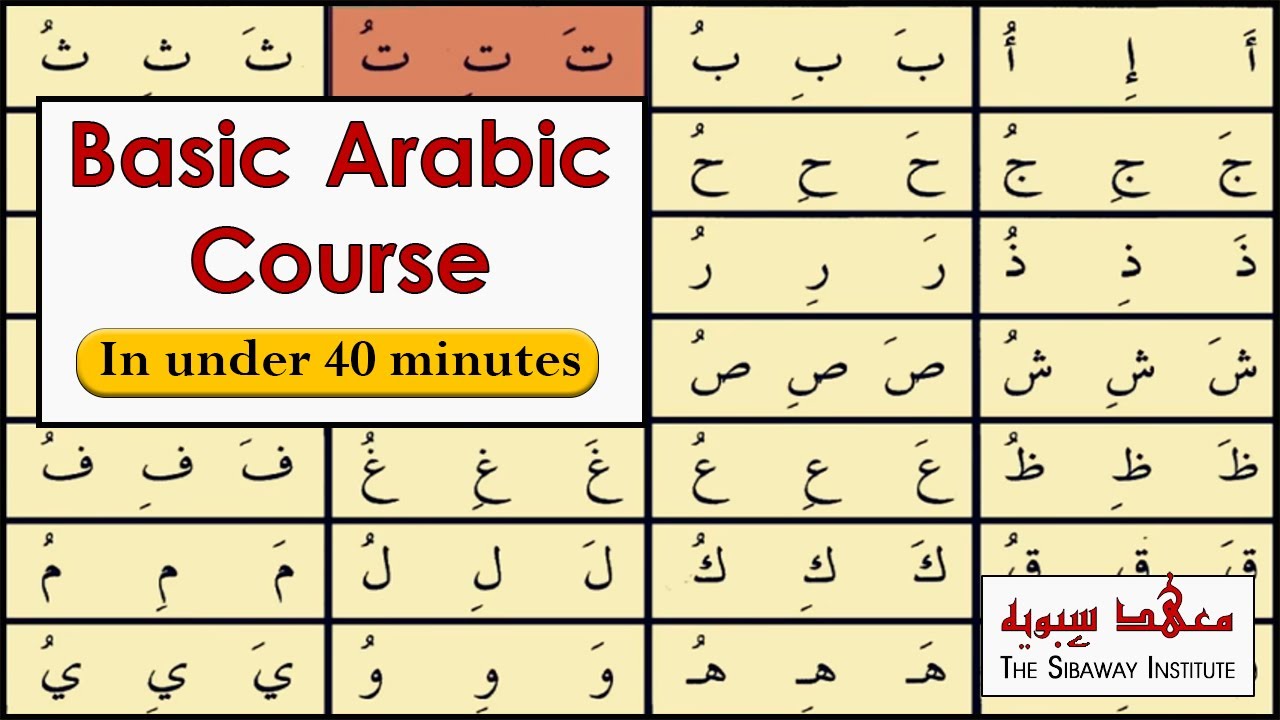
The Arabic alphabet is a set of 28 letters that are used to write the Arabic language. The letters are written from right to left, and they are connected to each other in a cursive script. The Arabic alphabet is unique in that it has several letters that are not found in the English alphabet, and it also has several letters that are pronounced differently than they are in English.
Unique Characteristics of Arabic Pronunciation
One of the most unique characteristics of Arabic pronunciation is the use of guttural sounds. Guttural sounds are produced by vibrating the back of the throat, and they are not found in many other languages. Another unique characteristic of Arabic pronunciation is the use of emphatic consonants.
Emphatic consonants are pronounced with a strong emphasis on the tongue, and they are also not found in many other languages.
Comparison of Arabic Letters to English Letters
The following table compares the Arabic letters to the English letters that they are most similar to. However, it is important to note that the pronunciation of the Arabic letters is not always the same as the pronunciation of the English letters.
| Arabic Letter | English Letter | Pronunciation |
|---|---|---|
| ا | a | /a/ |
| ب | b | /b/ |
| ت | t | /t/ |
| ث | th | /θ/ |
| ج | j | /dʒ/ |
| ح | h | /ħ/ |
| خ | kh | /x/ |
| د | d | /d/ |
| ذ | dh | /ð/ |
| ر | r | /r/ |
| ز | z | /z/ |
| س | s | /s/ |
| ش | sh | /ʃ/ |
| ص | s | /sˤ/ |
| ض | d | /dˤ/ |
| ط | t | /tˤ/ |
| ظ | dh | /ðˤ/ |
| ع | a | /ʕ/ |
| غ | gh | /ɣ/ |
| ف | f | /f/ |
| ق | q | /q/ |
| ك | k | /k/ |
| ل | l | /l/ |
| م | m | /m/ |
| ن | n | /n/ |
| ه | h | /h/ |
| و | w | /w/ |
| ي | y | /j/ |
Grammar and Structure
Arabic grammar follows a set of rules that govern the structure of sentences, the use of articles, nouns, verbs, and adjectives, and the formation of phrases and clauses. Understanding these rules is essential for effective communication in Arabic.
Basic Sentence Structure
Arabic sentences typically follow a subject-verb-object (SVO) word order. The subject is usually a noun or pronoun, the verb is in the present tense by default, and the object is the noun or pronoun that receives the action of the verb.
- Example: “الكتاب على الطاولة” (al-kitābu ʿalā al-ṭāwilah) – “The book is on the table”.
Articles
Arabic has two articles: definite (ال, al-) and indefinite (a/an). The definite article is used before specific nouns, while the indefinite article is used before non-specific nouns.
- Example: “الكتاب” (al-kitābu) – “The book” (specific)
- Example: “كتاب” (kitābun) – “A book” (non-specific)
Nouns
Arabic nouns have three genders (masculine, feminine, and dual) and two numbers (singular and plural). The gender and number of a noun affect the form of the article, adjective, and verb that is used with it.
- Example: “كتاب” (kitāb) – “Book” (masculine, singular)
- Example: “كتابين” (kitābāni) – “Two books” (masculine, dual)
Verbs
Arabic verbs have three tenses (past, present, and future) and two aspects (perfect and imperfect). The tense and aspect of a verb affect the form of the verb that is used.
- Example: “قرأ” (qara’a) – “He read” (past tense, perfect aspect)
- Example: “يقرأ” (yaqra’u) – “He is reading” (present tense, imperfect aspect)
Adjectives
Arabic adjectives agree with the noun they modify in gender, number, and definiteness. Adjectives can be placed before or after the noun they modify.
- Example: “الكتاب الكبير” (al-kitābu al-kabīr) – “The big book”
- Example: “كتاب كبير” (kitābun kabīr) – “A big book”
Vocabulary Building
Expanding Arabic vocabulary is essential for developing proficiency in the language. Effective techniques include immersion, memorization, and utilizing root words and their derivatives.
Arabic has a rich root system, with many words sharing a common root. Understanding these roots can help you deduce the meaning of unfamiliar words and expand your vocabulary exponentially.
Essential Arabic Vocabulary, How to read arabic language
- السلام عليكم (as-salamu alaykum): Peace be upon you (common greeting)
- شكراً (shukran): Thank you
- مع السلامة (ma’a as-salama): Goodbye (with peace)
- كم (kam): How much?
- أين (ayna): Where?
- ماذا (maza): What?
- من فضلك (min fadlik): Please
- نعم (na’am): Yes
- لا (la): No
- معذرة (ma’dhrah): Excuse me
Reading Practice
Reading Arabic requires consistent practice to enhance comprehension and fluency. Here are some tips and strategies to improve reading skills:
Decoding Unfamiliar Words and Phrases
Decoding unfamiliar words and phrases is crucial for understanding Arabic text. The following strategies can assist in this process:
- Contextual Clues:Utilize the surrounding context to infer the meaning of unknown words.
- Root Words:Arabic words often share common root words. Identifying the root can help deduce the meaning of derivatives.
- Morphology:Analyze the structure of words, including prefixes, suffixes, and patterns, to determine their meaning.
- Cognates:Arabic shares cognates with other languages, especially those in the Semitic family. Identifying cognates can aid in understanding.
- Dictionary:Consult a reliable Arabic-English dictionary for unfamiliar words.
Graded Reading Passages
Practicing with graded reading passages is essential for developing reading comprehension. These passages are organized by difficulty level, allowing learners to gradually improve their skills.
Begin with simple passages that focus on familiar vocabulary and grammar. As you progress, select passages with more complex language and structure. Regular practice with graded passages helps build fluency and confidence in reading Arabic.
Writing Practice
Arabic calligraphy is an art form that has been practiced for centuries, and it is considered to be one of the most important aspects of Islamic culture. The principles of Arabic calligraphy include using a variety of writing tools, such as pens, brushes, and inks, and understanding the importance of line spacing and composition.
There are many different styles of Arabic calligraphy, each with its own unique characteristics. Some of the most common styles include Kufic, Naskh, and Thuluth. Kufic is a very old style of calligraphy that is characterized by its angular shapes and geometric patterns.
Naskh is a more modern style of calligraphy that is used for writing everyday text. Thuluth is a decorative style of calligraphy that is often used for writing religious texts.
Learning to write Arabic calligraphy can be a challenging but rewarding experience. There are many resources available to help you learn, including books, websites, and online courses. With practice, you can develop your own unique style of Arabic calligraphy.
Exercises for Practicing Arabic Handwriting
- Start by practicing the individual letters of the Arabic alphabet. Focus on getting the shape and proportions of each letter correct.
- Once you have mastered the individual letters, start practicing writing words and sentences.
- Pay attention to the spacing between letters and words, and make sure your writing is neat and legible.
- Experiment with different writing tools and inks to find the ones that you like best.
The Importance of Arabic Calligraphy in Islamic Art and Culture
Arabic calligraphy is an important part of Islamic art and culture. It is used to decorate mosques, palaces, and other buildings. It is also used to write religious texts, such as the Quran. Arabic calligraphy is a beautiful and expressive art form that has been used for centuries to communicate the beauty of the Arabic language and the teachings of Islam.
– Discuss the importance of listening and speaking practice

Listening and speaking practice are crucial for Arabic language proficiency. They enhance comprehension, fluency, and communication skills. By actively engaging in listening and speaking exercises, learners develop their ability to understand spoken Arabic, express themselves effectively, and interact confidently in real-life situations.
Benefits of Listening and Speaking Practice
- Improved comprehension: Listening practice exposes learners to authentic Arabic speech, allowing them to develop their ability to understand native speakers.
- Enhanced fluency: Speaking practice provides opportunities to apply grammatical rules and vocabulary, improving fluency and confidence in self-expression.
- Effective communication: By engaging in listening and speaking exercises, learners develop the skills necessary for effective communication in Arabic, enabling them to participate in conversations and convey their ideas clearly.
Cultural Immersion
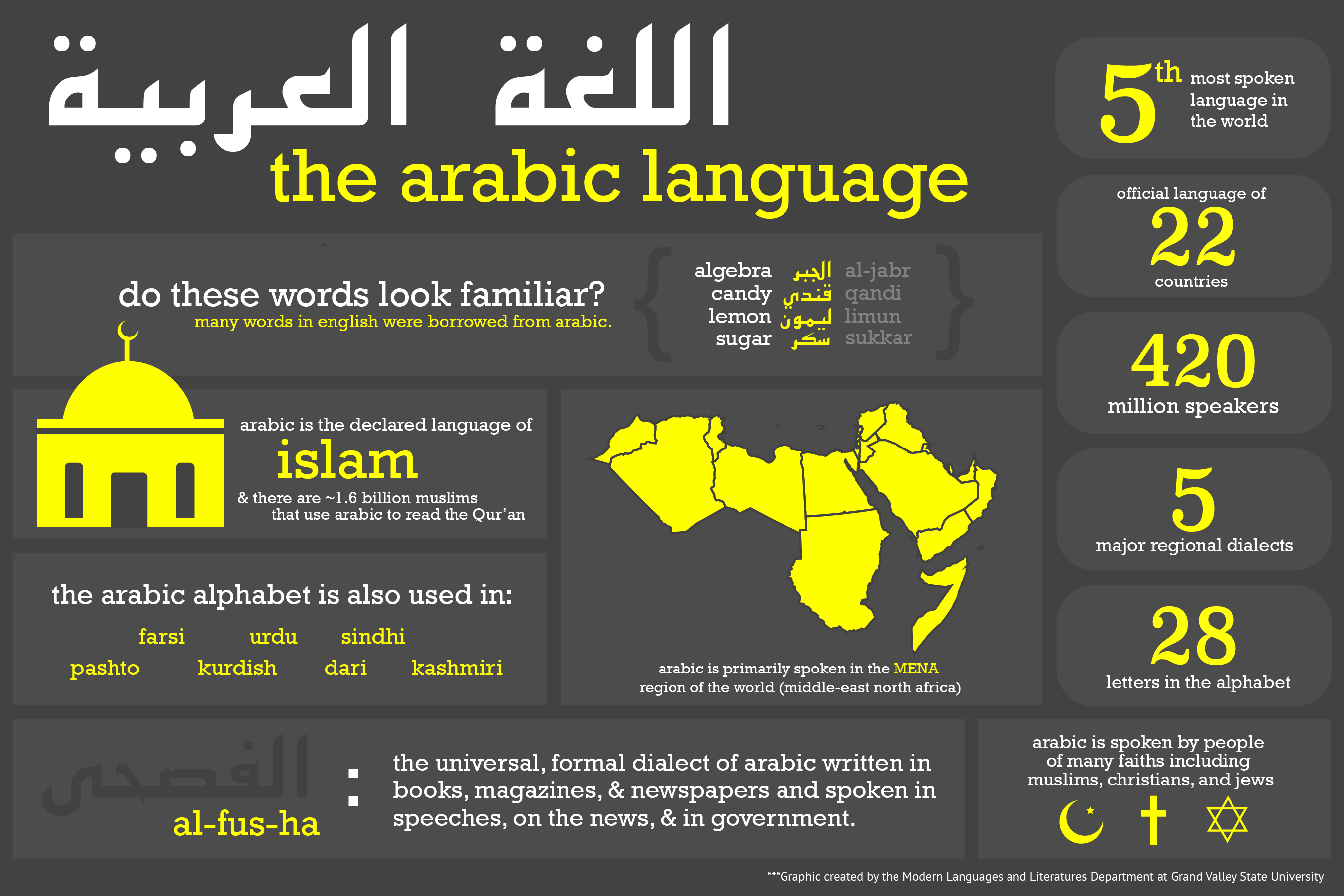
Cultural immersion is an essential aspect of language learning as it allows learners to experience the language in its authentic context. Arabic is a rich and diverse language, and immersing oneself in Arabic culture is crucial for understanding the nuances and subtleties of the language.Incorporating Arabic culture into your learning can be done in various ways.
Watching Arabic films and television shows, listening to Arabic music, and reading Arabic literature can help you become familiar with the language’s rhythms, idioms, and cultural references. Additionally, interacting with native Arabic speakers is invaluable for developing your language skills and gaining insights into the culture.
Interacting with Native Arabic Speakers
Engaging with native Arabic speakers provides numerous benefits. It allows you to practice your language skills in real-life situations, receive feedback on your pronunciation and grammar, and learn about the culture firsthand.To interact with native Arabic speakers, consider attending Arabic language meetups or classes, joining online language exchange platforms, or finding a language partner.
Make an effort to engage in conversations, ask questions, and participate in cultural activities to maximize your learning experience.
– Create a comprehensive list of reputable online resources for learning Arabic, covering a range of platforms such as websites, apps, and online courses.

The internet offers a plethora of online resources for learning Arabic, catering to diverse learning styles and proficiency levels. To help you navigate this vast landscape, we have compiled a comprehensive list of reputable platforms that offer high-quality Arabic learning materials.
When selecting an online resource, it is crucial to consider factors such as content quality, user-friendliness, cost, and alignment with your individual learning goals. Here are some of the top-rated online resources for learning Arabic:
Websites
- ArabicPod101:Offers a wide range of lessons, podcasts, and videos covering all aspects of Arabic grammar, vocabulary, and culture.
- Madinah Arabic:A comprehensive online course developed by the Islamic University of Madinah, providing a structured and thorough approach to Arabic learning.
- Live Lingua:Provides interactive lessons, grammar exercises, and vocabulary lists, focusing on practical language skills.
Apps
- Duolingo:A gamified language learning app that makes learning Arabic fun and engaging.
- Drops:An app designed for quick and easy vocabulary building, with bite-sized lessons and spaced repetition.
- HelloTalk:A language exchange app that connects you with native Arabic speakers for practice and feedback.
Online Courses
- Udemy:Offers a variety of Arabic courses taught by experienced instructors, covering different proficiency levels and learning objectives.
- Coursera:Provides online courses from top universities, including Arabic language courses from institutions like the American University in Cairo.
- edX:Another platform offering online courses from leading universities, with a selection of Arabic language courses available.
Formal
Formal Arabic classes offer structured learning environments that provide a comprehensive approach to language acquisition. These classes typically cover all aspects of the language, including grammar, vocabulary, pronunciation, and cultural context.
Benefits of Taking Formal Arabic Classes
* Structured Curriculum:Formal classes follow a well-defined curriculum that ensures a systematic progression in language skills.
Qualified Instructors
Classes are taught by qualified instructors who are proficient in Arabic and have experience in teaching the language.
Immersive Environment
Class discussions, activities, and assignments create an immersive environment that facilitates language learning.
Feedback and Assessment
Instructors provide regular feedback and assessments to track progress and identify areas for improvement.
To master the intricacies of the Arabic language, it is essential to delve into its unique script and grammar. While this journey may require dedication, the rewards are substantial. If you seek guidance on adjusting language settings on your Roku device, a comprehensive guide is available here.
Returning to our exploration of Arabic, its rich vocabulary and nuanced syntax provide a gateway to a world of literature, culture, and history.
Cultural Context
Formal classes often incorporate cultural aspects of Arabic-speaking regions, enhancing understanding of the language in its broader context.
Tips for Finding a Qualified Arabic Teacher
* Certifications and Credentials:Look for teachers with recognized certifications in Arabic language teaching.
Arabic, a Semitic language, is written from right to left in a cursive script. Its alphabet consists of 28 letters, each with multiple forms depending on its position within a word. To learn Arabic, one must first master the alphabet and its various forms.
Once this foundation is established, one can begin to read simple words and phrases. For those interested in further exploring the linguistic landscape of Canada, an informative resource can be found at What Language is in Canada. Continuing with Arabic, it is essential to practice regularly and immerse oneself in the language through reading, listening, and speaking to achieve fluency.
Experience and Background
Inquire about the teacher’s experience teaching Arabic and their familiarity with the region’s culture.
Native Speaker
Consider hiring a native Arabic speaker to ensure authentic pronunciation and cultural insights.
Teaching Methodology
Ask about the teacher’s teaching methods and how they align with your learning style.
References and Reviews
Check references and read online reviews from previous students to assess the teacher’s effectiveness.
Comparison of Different Types of Arabic Language Courses
Formal Arabic language courses vary in format and intensity. Here are some common types:* University Courses:Offered at universities and colleges, these courses provide a rigorous and comprehensive study of Arabic language and culture.
Community College Courses
These courses are less intensive than university courses and offer a more flexible schedule for students with busy lifestyles.
Private Language Schools
Private schools offer intensive language programs with smaller class sizes and tailored learning plans.
Online Courses
Online courses provide flexibility and convenience but may lack the interactive and immersive experience of in-person classes.
Describe the benefits of short-term and long-term immersion programs

Immersion programs provide a unique and effective way to learn a new language. By immersing yourself in the target language and culture, you can accelerate your language learning progress and gain a deeper understanding of the people and their way of life.
Short-term immersion programs are a great option for those who want to get a taste of immersion without making a long-term commitment. These programs typically last for a few weeks or months and can be a great way to improve your language skills and gain cultural experience.
Long-term immersion programs are a more intensive option that can last for several months or even years. These programs are ideal for those who want to fully immerse themselves in the target language and culture and achieve fluency.
Benefits of short-term immersion programs
- Can improve your language skills quickly and effectively
- Provide a taste of immersion without making a long-term commitment
- Can be a great way to experience a new culture
Benefits of long-term immersion programs
- Can help you achieve fluency in the target language
- Provide a deep understanding of the target culture
- Can be a life-changing experience
Self-Study
Self-study can be an effective way to learn Arabic, provided you have the discipline and motivation to stick to a regular study schedule.
Short-Term and Long-Term Goals
When setting your goals, it is important to be realistic about what you can achieve in a given timeframe. For example, if you are a beginner, you may not be able to become fluent in Arabic in a few months.
However, you may be able to learn the basics of the language, such as how to read and write the Arabic alphabet, and how to hold basic conversations.
Language Skills
When learning Arabic, it is important to focus on all four language skills: reading, writing, listening, and speaking. Reading and writing will help you to develop a strong foundation in the language, while listening and speaking will help you to communicate with native speakers.
Study Schedule
One of the most important aspects of self-study is to create a regular study schedule. This will help you to stay on track and make progress towards your goals. It is important to set aside a specific time each day or week to study Arabic.
Even if you can only study for a short period of time, it is better than not studying at all.
Resources and Materials
There are a variety of resources and materials available to help you learn Arabic on your own. These include textbooks and workbooks, online courses and apps, and language exchange programs.
Staying Motivated
Staying motivated to learn Arabic can be a challenge, especially if you are not making progress as quickly as you would like. However, there are a number of things you can do to stay motivated, such as setting realistic goals, finding a language partner or study group, and using technology to assist with learning.
Writing as a Tool
Writing can be a valuable tool for self-reflection and progress tracking. By writing about your learning experiences, you can identify areas where you need to improve and track your progress over time.
Assessment and Progress Tracking
Regular assessment is crucial for effective language learning, providing feedback on your progress and identifying areas for improvement. Self-assessment can be done through various means, such as using online resources, engaging in writing practice, and conversing with native speakers.
Language proficiency tests, like ACTFL, CEFR, and DELE, offer standardized evaluations for job applications, academic purposes, and more.
Setting realistic goals and tracking your progress helps you stay motivated and measure your growth. Celebrate your achievements and adjust your learning strategies as needed.
“Assessment is an essential component of language learning, as it provides learners with valuable feedback on their progress and helps them identify areas where they need to improve.”
– Dr. Sarah Lambert, language acquisition expert
Language Proficiency Tests
Language proficiency tests assess your skills in listening, speaking, reading, and writing. They are widely recognized and can be useful for various purposes.
| Test | Levels | Focus |
|---|---|---|
| ACTFL (American Council on the Teaching of Foreign Languages) | Novice, Intermediate, Advanced, Superior | Speaking, listening, reading, writing |
| CEFR (Common European Framework of Reference for Languages) | A1, A2, B1, B2, C1, C2 | General language proficiency |
| DELE (Diplomas de Español como Lengua Extranjera) | A1, A2, B1, B2, C1, C2 | Spanish language proficiency |
Motivation and Goals
Sustained motivation is a crucial aspect of language learning, especially when it comes to a complex language like Arabic. Setting clear and realistic goals, tailored to your specific language learning objectives, is essential for staying on track. This section delves into the significance of goal-setting and motivation, exploring strategies for maintaining enthusiasm throughout the learning journey.
Learning Arabic can unlock a world of opportunities, whether for career advancement, travel, or personal growth. By setting specific, achievable goals, you can align your learning efforts with your aspirations. For instance, if your goal is to converse fluently with native Arabic speakers, you might focus on developing strong speaking and listening skills.
Alternatively, if you aim to read classical Arabic literature, you could prioritize vocabulary building and grammar study.
Setting Realistic Goals
Setting realistic goals is paramount to avoid discouragement and maintain motivation. Break down your long-term goals into smaller, manageable milestones. Celebrate your achievements along the way, no matter how small. Each milestone conquered will serve as a reminder of your progress and fuel your motivation to continue learning.
Finding a Language Learning Community
Connecting with other Arabic learners can provide support, encouragement, and a sense of accountability. Join online forums, attend local meetups, or find a language exchange partner. Sharing your learning experiences and challenges with others can boost your motivation and make the learning process more enjoyable.
Benefits of Arabic Language Skills
The table below Artikels the potential benefits of learning Arabic in different contexts:
| Context | Benefits |
|---|---|
| Career | Increased job opportunities in business, diplomacy, academia, and tourism |
| Travel | Enhanced communication and cultural immersion while traveling in Arabic-speaking countries |
| Personal Growth | Intellectual stimulation, cognitive development, and a deeper understanding of Middle Eastern culture |
As the renowned language learner Lýdia Machová once said, “The greatest motivation is the desire to understand.” Embracing this sentiment can help you stay motivated throughout your Arabic language learning journey.
Maintaining Motivation
Maintaining motivation over the long term can be challenging. Here are some strategies to help you stay on track:
- Set specific, achievable goals and track your progress.
- Celebrate your successes, no matter how small.
- Find a language learning community for support and encouragement.
- Immerse yourself in Arabic culture through movies, music, and literature.
- Use language learning apps and online resources to make learning fun and accessible.
Tips for Success

Embarking on the journey of learning Arabic can be both rewarding and challenging. To make the most of your experience, consider implementing these practical tips that address common pitfalls and provide strategies for enhancing your skills in vocabulary, grammar, and pronunciation.
Overcoming the lack of resources or the complexities of Arabic grammar requires patience, persistence, and a willingness to seek support. Remember that language learning is a gradual process, and with consistent effort, you will achieve your goals.
Strategies for Improving Vocabulary
- Immerse yourself in Arabic content: Read books, watch movies, listen to music, and engage in conversations to expand your vocabulary.
- Use flashcards or spaced repetition software to memorize new words and phrases.
- Practice using new words in different contexts to improve retention.
Strategies for Enhancing Grammar
- Study Arabic grammar rules and structures systematically.
- Practice applying grammar rules in writing and speaking exercises.
- Seek feedback from native speakers or language teachers to identify areas for improvement.
Strategies for Improving Pronunciation
- Listen attentively to native speakers and imitate their pronunciation.
- Practice speaking Arabic aloud, focusing on correct pronunciation of sounds and intonation.
- Use pronunciation aids such as online dictionaries or language learning apps.
Overcoming Challenges
Learning Arabic may present challenges, but these can be overcome with the right approach.
- Embrace the challenge: View difficulties as opportunities for growth.
- Seek support from language partners, teachers, or online communities.
- Break down large tasks into smaller, manageable steps.
The Importance of Patience and Persistence
Language learning is a marathon, not a sprint. Embrace the journey and celebrate your progress along the way.
- “Patience and persistence are key. Don’t give up on your dreams.” – Nelson Mandela
- Set realistic goals and reward yourself for your achievements.
- Stay motivated by connecting your learning to your passions and interests.
FAQs
What is the best way to start learning to read Arabic?
Begin by familiarizing yourself with the Arabic alphabet and its unique pronunciation. Practice writing the letters and connecting them to form words.
How can I improve my Arabic reading comprehension?
Engage in regular reading practice, starting with simple texts and gradually increasing the difficulty. Use a dictionary to look up unfamiliar words and phrases.
What are some tips for memorizing Arabic vocabulary?
Use flashcards, spaced repetition techniques, and immerse yourself in Arabic media such as movies, TV shows, and music.
