How to read russian language – Embark on a linguistic journey with our comprehensive guide to reading Russian, unveiling the secrets of the Cyrillic alphabet and unlocking the richness of Russian literature and culture. Dive into the intricacies of grammar, vocabulary, and pronunciation, empowering you to navigate the complexities of this fascinating language.
Mastering the Cyrillic alphabet is the gateway to unlocking the written word in Russian. Our detailed guide will introduce you to each letter, its pronunciation, and its history, providing a solid foundation for your reading comprehension. Immerse yourself in the nuances of Russian grammar, understanding the structure of sentences, the functions of different parts of speech, and the formation of various sentence types.
Introduction to Russian Language
The Russian language is an East Slavic language that is spoken by over 250 million people worldwide. It is the official language of Russia, Belarus, Kazakhstan, and Kyrgyzstan, and is also widely spoken in other countries of the former Soviet Union.
Russian is a member of the Indo-European language family, and is closely related to other Slavic languages such as Ukrainian, Belarusian, Polish, and Czech. It is written in the Cyrillic alphabet, which was developed in the 10th century by two Bulgarian monks, Cyril and Methodius.
Russian is a complex language with a rich history and culture. It is a language of great beauty and expression, and is a valuable tool for understanding the history and culture of Russia and the other countries where it is spoken.
Unique Features of Russian
Russian has a number of unique features that distinguish it from other languages. These include:
- The Cyrillic alphabet:The Cyrillic alphabet is a unique alphabet that is used to write Russian. It was developed in the 10th century by two Bulgarian monks, Cyril and Methodius, and is based on the Greek alphabet.
- Complex grammar:Russian grammar is complex and has a number of features that are not found in other languages. These include the use of cases, genders, and aspects.
- Rich vocabulary:Russian has a rich vocabulary that includes a wide range of words and phrases. This vocabulary is constantly expanding, as new words are added to the language to reflect the changing world.
Common Russian Phrases and Expressions
Here are some common Russian phrases and expressions:
- Здравствуйте (Zdravstvuyte):Hello
- Спасибо (Spasibo):Thank you
- Пожалуйста (Pozhaluysta):Please
- Извините (Izvinite):Excuse me
- Да (Da):Yes
- Нет (Net):No
Understanding the Cyrillic Alphabet
The Cyrillic alphabet is a writing system used for various Slavic languages, including Russian. It was developed in the 10th century by two Bulgarian monks, Cyril and Methodius, and has since undergone several changes. The Cyrillic alphabet consists of 33 letters, 21 of which are consonants, 10 are vowels, and 2 are semivowels.
Cyrillic Alphabet Table
| Uppercase | Lowercase | Pronunciation | Example |
|---|---|---|---|
| А | а | /a/ | вода (water) |
| Б | б | /b/ | брат (brother) |
| В | в | /v/ | ветер (wind) |
| Г | г | /g/ | гора (mountain) |
| Д | д | /d/ | дом (house) |
| Е | е | /ye/ | елка (fir tree) |
| Ё | ё | /yo/ | ёж (hedgehog) |
| Ж | ж | /zh/ | жизнь (life) |
| З | з | /z/ | завод (factory) |
| И | и | /i/ | игла (needle) |
| Й | й | /y/ | йод (iodine) |
| К | к | /k/ | кошка (cat) |
| Л | л | /l/ | лодка (boat) |
| М | м | /m/ | мама (mother) |
| Н | н | /n/ | ночь (night) |
| О | о | /o/ | окно (window) |
| П | п | /p/ | папа (father) |
| Р | р | /r/ | река (river) |
| С | с | /s/ | солнце (sun) |
| Т | т | /t/ | таблица (table) |
| У | у | /u/ | улица (street) |
| Ф | ф | /f/ | флаг (flag) |
| Х | х | /kh/ | хлеб (bread) |
| Ц | ц | /ts/ | царица (queen) |
| Ч | ч | /ch/ | чай (tea) |
| Ш | ш | /sh/ | шапка (hat) |
| Щ | щ | /shch/ | щи (cabbage soup) |
| Ъ | ъ | /none/ | Used to soften the preceding consonant |
| Ы | ы | /y/ | сыр (cheese) |
| Ь | ь | /none/ | Used to soften the preceding consonant |
| Э | э | /e/ | это (this) |
| Ю | ю | /yu/ | юг (south) |
| Я | я | /ya/ | яблоко (apple) |
Differences Between Similar-Looking Letters
Some Cyrillic letters look similar to Latin letters but have different pronunciations. For example:
- The letter “Б” (be) looks like the Latin letter “B” but is pronounced /b/.
- The letter “В” (ve) looks like the Latin letter “B” but is pronounced /v/.
- The letter “Г” (ge) looks like the Latin letter “C” but is pronounced /g/.
- The letter “Д” (de) looks like the Latin letter “D” but is pronounced /d/.
- The letter “И” (i) looks like the Latin letter “H” but is pronounced /i/.
- The letter “Л” (el) looks like the Latin letter “L” but is pronounced /l/.
- The letter “Н” (en) looks like the Latin letter “H” but is pronounced /n/.
- The letter “П” (pe) looks like the Latin letter “P” but is pronounced /p/.
- The letter “Р” (er) looks like the Latin letter “P” but is pronounced /r/.
- The letter “С” (es) looks like the Latin letter “C” but is pronounced /s/.
- The letter “Т” (te) looks like the Latin letter “T” but is pronounced /t/.
- The letter “У” (u) looks like the Latin letter “Y” but is pronounced /u/.
History and Development of the Cyrillic Alphabet
The Cyrillic alphabet was developed in the 10th century by two Bulgarian monks, Cyril and Methodius. They were commissioned by the Byzantine emperor Michael III to create a writing system for the Slavic people. The Cyrillic alphabet was based on the Greek alphabet, with some additional letters added to represent sounds that were not present in Greek.
The Cyrillic alphabet has undergone several changes over the centuries. The most significant change was made in the 18th century by Peter the Great, who simplified the alphabet and removed some of the less commonly used letters.
Common Russian Words and Phrases in Cyrillic
- Здравствуйте (Zdravstvuyte) – Hello
- Спасибо (Spasibo) – Thank you
- Да (Da) – Yes
- Нет (Net) – No
- Пожалуйста (Pozhaluysta) – Please
- Извините (Izvinite) – Excuse me
- Не за что (Ne za chto) – You’re welcome
- Как дела? (Kak dyLAH) – How are you?
- Хорошо (Khorosho) – I’m fine
- Меня зовут… (Menya zovut…) – My name is…
Basic Grammar and Sentence Structure: How To Read Russian Language
Russian grammar, like that of other Slavic languages, is highly inflectional, meaning that words change their form depending on their grammatical function in a sentence. The basic building blocks of Russian grammar are nouns, verbs, adjectives, and adverbs. Nouns are declined for case, number, and gender, while verbs are conjugated for tense, mood, and person.
Noun Declensions
Russian nouns have three genders (masculine, feminine, and neuter) and six cases (nominative, genitive, dative, accusative, instrumental, and prepositional). The case of a noun determines its grammatical function in a sentence. For example, the nominative case is used for the subject of a sentence, while the accusative case is used for the direct object.
- Nominative case:The subject of a sentence
- Genitive case:Possession, part of a whole
- Dative case:Indirect object, recipient of an action
- Accusative case:Direct object, object of a preposition
- Instrumental case:Instrument of an action, means of achieving something
- Prepositional case:Location, time, manner
Verb Conjugations
Russian verbs are conjugated for tense, mood, and person. There are three main tenses in Russian: present, past, and future. The present tense is used to describe actions that are happening now, while the past tense is used to describe actions that have already happened.
The future tense is used to describe actions that will happen in the future.
Verbs can also be conjugated for mood. The indicative mood is used to describe facts or events that are known to be true, while the subjunctive mood is used to describe hypothetical events or wishes.
Finally, verbs can be conjugated for person. The first person is used to describe actions that the speaker is performing, while the second person is used to describe actions that the listener is performing. The third person is used to describe actions that someone else is performing.
Sentence Construction
Russian sentences are typically constructed in a subject-verb-object order. However, the order of words in a sentence can be changed for emphasis or clarity.
For example, the following sentence is in the subject-verb-object order:
Я читаю книгу. (I am reading a book.)
However, the following sentence is in the object-verb-subject order:
Книгу читаю я. (I am reading a book.)
The second sentence is more emphatic than the first sentence because the object (книгу) is placed at the beginning of the sentence.
Vocabulary Building
Expanding your Russian vocabulary is crucial for enhancing your language skills. This involves learning essential nouns, verbs, adjectives, and phrases.
A systematic approach to vocabulary building involves categorizing words into logical groups, such as topics (e.g., food, travel, work), or grammatical functions (e.g., nouns, verbs, adjectives).
Essential Vocabulary
| Category | Examples |
|---|---|
| Nouns | дом (house), книга (book), человек (person) |
| Verbs | говорить (to speak), читать (to read), писать (to write) |
| Adjectives | большой (big), красный (red), красивый (beautiful) |
| Phrases | здравствуйте (hello), спасибо (thank you), пожалуйста (please) |
Strategies for Vocabulary Expansion
Immerse yourself in Russian through reading and listening. Engage with authentic Russian materials such as books, articles, movies, and music. By exposing yourself to real-world language usage, you will naturally encounter new words and phrases.
Use flashcards or a language learning app to practice memorizing new vocabulary. Regularly review your flashcards or app to reinforce your memory.
Reading Russian Texts

Reading Russian texts is a crucial step in mastering the language. It helps learners develop their comprehension skills, expand their vocabulary, and gain insights into Russian culture and society. This section provides practical tips and techniques for reading Russian texts effectively, along with resources and strategies for overcoming common challenges.
Understanding the Structure and Flow of Sentences
Russian sentences follow a subject-verb-object (SVO) structure, similar to English. However, Russian sentences can be more complex due to the use of cases, which indicate the grammatical function of nouns and adjectives. Understanding the case system is essential for deciphering the meaning of sentences.
Using Context Clues and Cognates
Context clues and cognates (words that are similar in form and meaning across languages) can be valuable aids in comprehension. Paying attention to the surrounding words and phrases can help learners infer the meaning of unfamiliar words. Additionally, many Russian words have cognates in English, which can facilitate recognition and understanding.
Finding and Accessing Russian Reading Materials
There are numerous resources available for finding and accessing Russian reading materials. Online libraries, such as the Russian State Library (RSL), offer a vast collection of books, articles, and other texts. Russian newspapers and magazines, such as Komsomolskaya Pravda and Rossiyskaya Gazeta, provide up-to-date news and feature articles.
Types of Russian Texts
Russian texts come in various forms, each with its own characteristics. Literary works, such as novels and short stories, offer insights into Russian culture and history. Non-fiction texts, such as textbooks, articles, and scientific papers, provide information on a wide range of topics.
Newspapers and magazines offer current events and news analysis.
Pronunciation and Intonation

Mastering Russian pronunciation and intonation is crucial for effective communication. Correct pronunciation ensures clarity and prevents misunderstandings, while proper intonation conveys emotions and nuances.
The Russian language features 33 letters, including 21 consonants, 10 vowels, and 2 modifier letters. Each letter has a distinct sound, and stress plays a vital role in word meaning.
Russian Alphabet
| Cyrillic Letter | Latin Letter | Example Word |
|---|---|---|
| А | A | Азбука (alphabet) |
| Б | B | Большой (big) |
| В | V | Вода (water) |
| Г | G | Говорить (to speak) |
| Д | D | Дом (house) |
Stress
Stress in Russian is fixed, meaning it falls on a particular syllable within a word. Incorrect stress can alter the meaning of a word or make it difficult to understand.
To read Russian language, one must familiarize themselves with the Cyrillic alphabet. Each letter represents a specific sound, and pronunciation is essential for understanding the language. Additionally, understanding how to change the language on Word can be beneficial for those who need to work with Russian text.
Here , you can find a guide on how to change the language on Word. With practice and dedication, one can master the Cyrillic alphabet and enhance their ability to read Russian language.
Intonation
Intonation refers to the variation in pitch and volume of speech. In Russian, intonation conveys emotions, questions, and emphasis. For example, a rising intonation at the end of a sentence indicates a question, while a falling intonation indicates a statement.
Common Pronunciation Mistakes
- Substituting “v” for “w” in words like “вода” (water)
- Pronouncing “ь” as a full vowel instead of a soft sign
- Ignoring the palatalization of consonants before “я”, “ю”, “ё” (e.g., “пять” should sound like “pyat”)
Resources
- Forvo: Online pronunciation dictionary
- RussianPod101: Pronunciation lessons
- Duolingo: Interactive language learning app with pronunciation exercises
Listening Comprehension

Developing strong listening comprehension skills is essential for mastering the Russian language. By training your ear to recognize and understand spoken Russian, you can enhance your overall language proficiency and engage more effectively with native speakers.
To improve your listening comprehension, consider the following techniques:
Active Listening
- Pay close attention to the words and phrases being spoken, focusing on understanding the overall meaning rather than individual words.
- Repeat what you hear to yourself, either silently or aloud, to reinforce your understanding.
- Try to anticipate what the speaker might say next based on the context.
- Don’t be afraid to ask for clarification if you don’t understand something.
Listening to Native Speakers
Immerse yourself in Russian-speaking environments by listening to native speakers whenever possible. This could involve watching Russian films or TV shows, listening to Russian music, or engaging in conversations with Russian speakers.
Pay attention to the intonation, pronunciation, and rhythm of the spoken language. Try to imitate what you hear to improve your own pronunciation and fluency.
Engaging in Conversations
Practice your listening skills by engaging in conversations with Russian speakers. This can be done through language exchange programs, online chat forums, or social media groups.
Start with simple conversations and gradually increase the complexity as your comprehension improves. Focus on understanding the main points of the conversation and responding appropriately.
Resources for Russian Audio and Video Content
- RussianPod101: Offers a wide range of podcasts, videos, and interactive exercises to improve listening comprehension.
- News in Slow Russian: Provides daily news updates in Russian spoken at a slower pace, making it easier to follow.
- Russian for Everyone: A YouTube channel with videos covering various topics in Russian, including news, culture, and travel.
- Russian Cinema: Watch Russian films and TV shows with subtitles to enhance your understanding of spoken Russian.
Writing in Russian
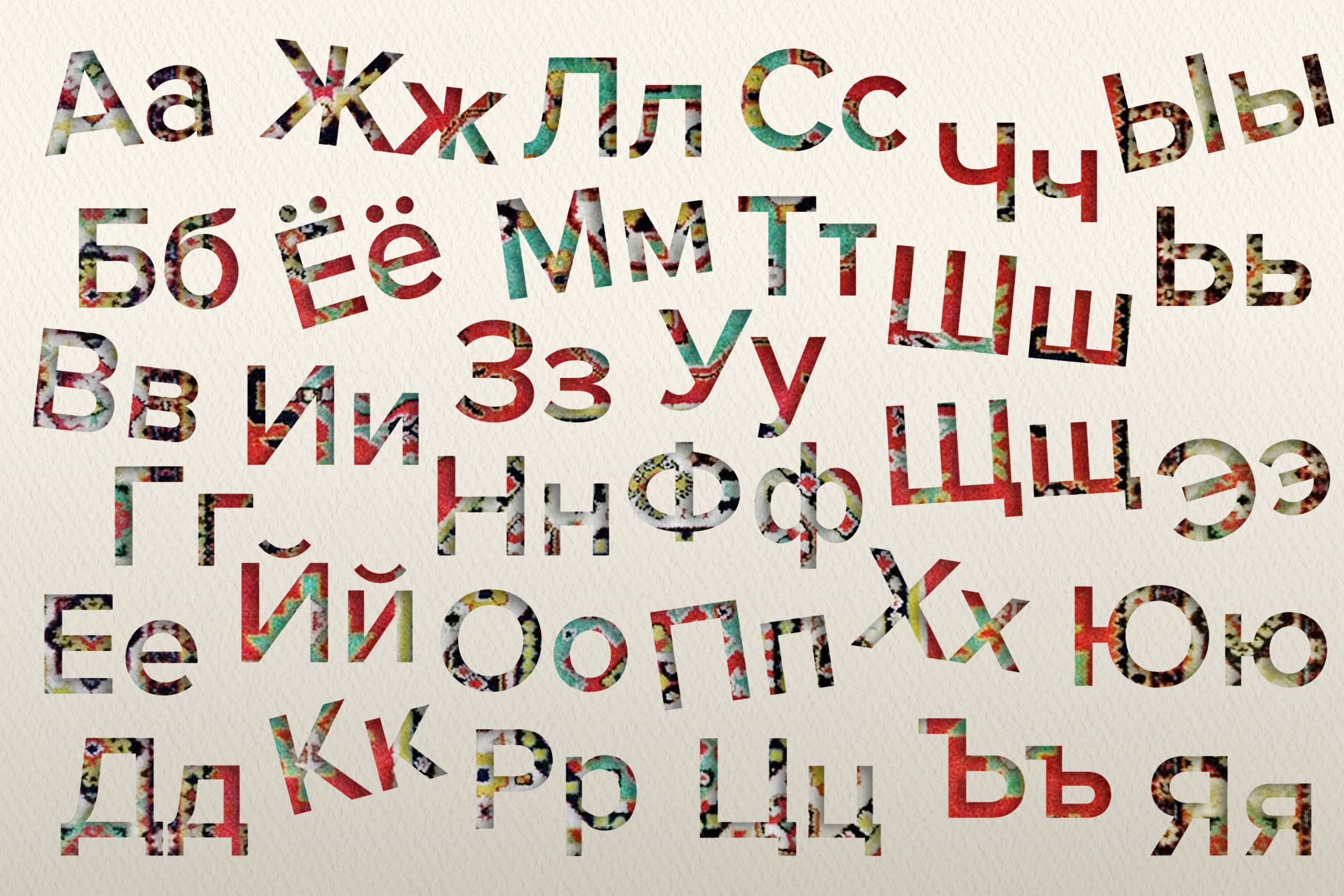
Writing in Russian involves understanding the Cyrillic alphabet, grammar rules, and writing conventions. This includes learning the formation of letters, basic grammar, sentence structure, and common writing styles.
Basic Letter Formation
The Cyrillic alphabet consists of 33 letters, including 21 consonants, 10 vowels, and 2 modifier letters. Each letter has an uppercase and lowercase form, and some have different forms when used at the beginning, middle, or end of a word.
It is essential to practice writing each letter correctly to improve readability and accuracy.
Grammar Rules
Russian grammar is complex and has many rules that govern the formation of words and sentences. These rules include noun declensions, verb conjugations, and adjective agreements. Understanding these rules is crucial for writing grammatically correct sentences and paragraphs.
Common Writing Styles
There are different writing styles in Russian, including formal, informal, and academic. Formal writing is used in official documents, academic papers, and business correspondence. Informal writing is used in personal letters, emails, and social media posts. Academic writing follows specific guidelines and conventions used in research papers and dissertations.
Punctuation and Capitalization
Russian punctuation and capitalization rules are similar to those used in English. However, there are some differences, such as the use of a comma before a conjunction in a compound sentence and the capitalization of all nouns.
Writing Numbers and Dates, How to read russian language
Numbers and dates are written differently in Russian than in English. Numbers are written using a combination of Arabic numerals and Cyrillic letters, and dates are written in the day-month-year format.
Cyrillic Alphabet Table
| Uppercase | Lowercase | Transliteration ||—|—|—|| А | а | A || Б | б | B || В | в | V || Г | г | G || Д | д | D || Е | е | Ye || Ё | ё | Yo || Ж | ж | Zh || З | з | Z || И | и | I || Й | й | Y || К | к | K || Л | л | L || М | м | M || Н | н | N || О | о | O || П | п | P || Р | р | R || С | с | S || Т | т | T || У | у | U || Ф | ф | F || Х | х | Kh || Ц | ц | Ts || Ч | ч | Ch || Ш | ш | Sh || Щ | щ | Shch || Ъ | ъ | Hard sign || Ы | ы | Y || Ь | ь | Soft sign || Э | э | E || Ю | ю | Yu || Я | я | Ya |
Resources for Learning Russian
Immerse yourself in the vast world of Russian learning with a diverse array of online courses, language schools, and resources tailored to your needs. Explore the pros and cons of each method to find the perfect fit for your goals and preferences.
Online Courses
Online courses offer flexibility and convenience, allowing you to learn at your own pace from the comfort of your home. Choose from a range of platforms, including:
- Duolingo: A gamified platform with bite-sized lessons and interactive exercises.
- Babbel: Structured courses with speech recognition technology for improved pronunciation.
- Rosetta Stone: Comprehensive software with immersive simulations and cultural insights.
Language Schools
For a more structured and interactive experience, consider enrolling in a language school. In-person classes provide opportunities for direct interaction with native speakers and classmates:
- Russian Language Center (RLC): A renowned institution offering a wide range of courses and cultural programs.
- Pushkin Institute: A prestigious university specializing in Russian language and culture.
- Liden & Denz: A global language school with locations in major cities.
Other Resources
Supplement your learning with a variety of resources, including:
- RussianPod101: A podcast with lessons, interviews, and cultural insights.
- Forvo: A pronunciation dictionary with recordings from native speakers.
- Russian For Dummies: A comprehensive guidebook for beginners.
Choosing the Right Resources
Consider your learning style, time constraints, and budget when selecting resources. Online courses offer flexibility, while language schools provide structure and interaction. Other resources can enhance your learning by providing additional practice and cultural insights.
Cultural Context
Understanding the cultural context of the Russian language is crucial for effective communication. The language is deeply intertwined with Russian history, literature, and art, shaping its unique characteristics and nuances.
Russian culture has a rich literary tradition, with renowned authors like Tolstoy, Dostoevsky, and Chekhov contributing to its global influence. Their works explore themes of human nature, social issues, and the Russian soul, providing insights into the cultural mindset and values.
History
The history of the Russian language is closely tied to the nation’s political and cultural development. Its origins can be traced back to Old Church Slavonic, a liturgical language used in Eastern Slavic regions during the Middle Ages. Over time, the language evolved, influenced by various factors such as foreign invasions, cultural exchanges, and internal linguistic shifts.
Customs and Traditions
Russian customs and traditions play a significant role in shaping language usage. For instance, the use of formal and informal address forms reflects the hierarchical nature of Russian society. Understanding these social conventions helps avoid misunderstandings and fosters respectful communication.
Importance of Cultural Context
Understanding the cultural context of the Russian language enables learners to appreciate its subtleties and nuances. It helps them interpret the meaning behind words and phrases, communicate effectively with native speakers, and navigate social situations appropriately.
Tips for Success
Achieving proficiency in the Russian language requires dedication and a strategic approach. This section Artikels practical tips and strategies to enhance your learning journey, overcome challenges, and maximize your progress.
Consistency is paramount in language acquisition. Establish a regular study schedule and adhere to it as much as possible. Allocate specific time slots for studying, reviewing, and practicing Russian.
Motivation
Motivation plays a crucial role in sustaining your efforts. Identify your reasons for learning Russian and keep them in mind. Set realistic goals that align with your aspirations and provide a sense of accomplishment as you progress.
Immersion
Immersion in the Russian language and culture is invaluable for enhancing your proficiency. Surround yourself with Russian media, such as movies, music, and books. Engage with native speakers through language exchange programs or online platforms.
Study Plan
Structure your learning with a well-defined study plan. Determine the specific areas you need to focus on and allocate time accordingly. Break down your goals into smaller, manageable chunks to avoid feeling overwhelmed.
Language Partner
Finding a language partner or joining group classes provides an excellent opportunity to practice speaking and listening. Engage in conversations, participate in discussions, and receive feedback on your pronunciation and grammar.
Language Learning Apps
Utilize language learning apps and online resources to supplement your studies. These tools offer interactive exercises, vocabulary lists, and grammar drills that can enhance your learning experience.
Cultural Context
Understanding the cultural context of the Russian language is essential for effective communication. Familiarize yourself with Russian history, traditions, and social norms to gain a deeper appreciation for the language and its nuances.
Mistakes
Mistakes are an inevitable part of the language learning process. Embrace them as opportunities for growth. Don’t be afraid to ask questions, seek clarification, and practice regularly to minimize errors.
Common Mistakes
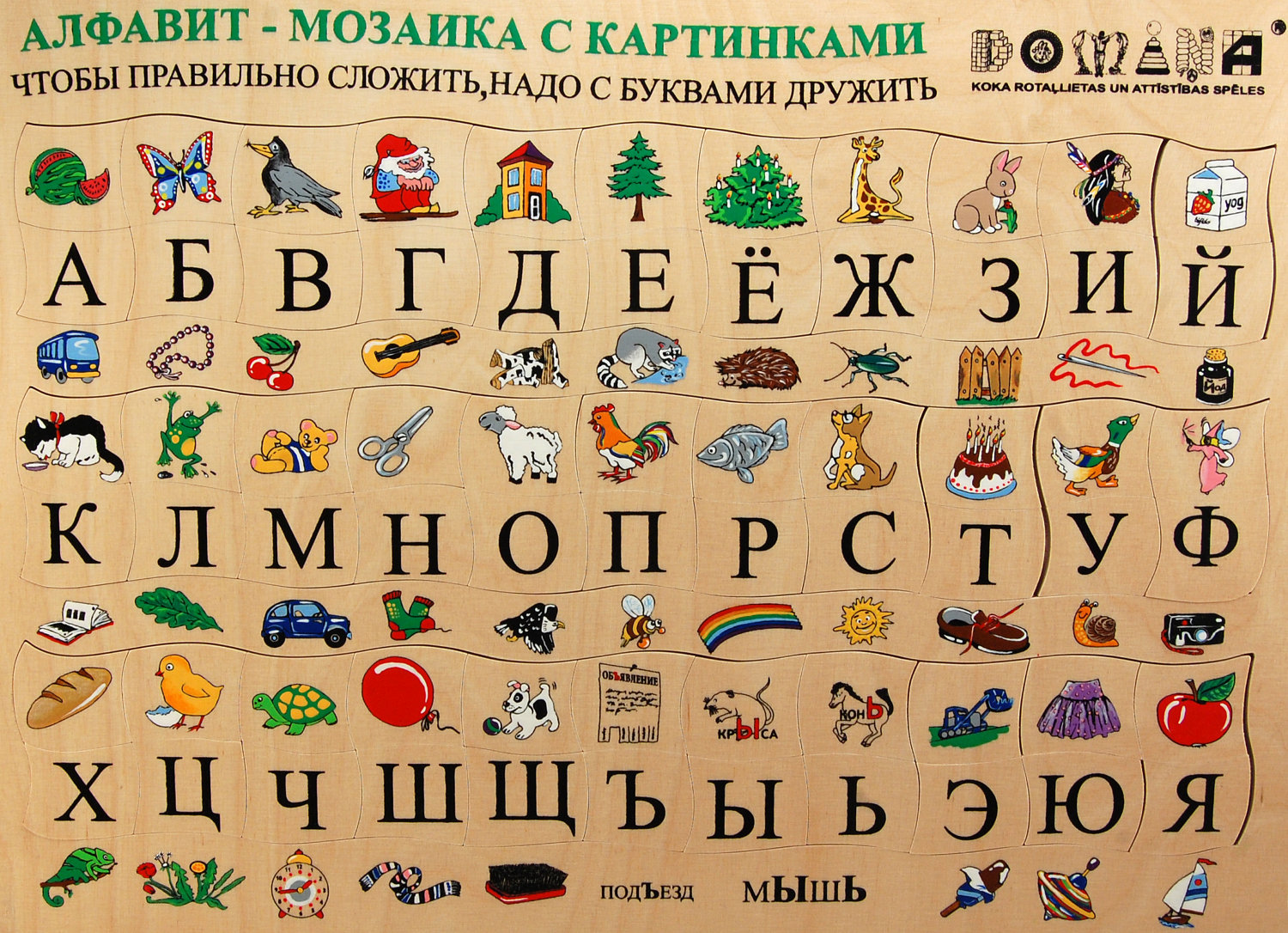
Learning Russian can be a rewarding experience, but it also comes with its challenges. One of the most common hurdles for learners is making mistakes. These mistakes can be frustrating, but they are also an essential part of the learning process.
By understanding the reasons behind common mistakes and developing strategies to avoid them, learners can improve their Russian language skills and reach their fluency goals.
Mistakes in Grammar and Syntax
One of the most common areas where learners make mistakes is in grammar and syntax. Russian grammar is different from English grammar in several ways, and these differences can be difficult to master. For example, Russian nouns have six cases, and each case has a different ending.
This can be confusing for learners who are not used to this system.
Another common mistake is using the wrong verb tense. Russian verbs have a complex system of tenses, and it can be difficult to remember which tense to use in each situation. For example, the present tense is used to describe actions that are happening now, while the past tense is used to describe actions that happened in the past.
Learners often make mistakes by using the wrong tense, which can lead to confusion.
Mistakes in Vocabulary
Another common area where learners make mistakes is in vocabulary. Russian has a vast vocabulary, and it can be difficult to learn all the words that you need to know. One of the most common mistakes is using the wrong word for a particular object or concept.
For example, the Russian word for “cat” is “кошка” (koshka), but learners often mistakenly use the word “собака” (sobaka), which means “dog.”
Another common mistake is using the wrong preposition. Russian prepositions are used to show the relationship between words in a sentence, and they can be tricky to learn. For example, the preposition “в” (v) means “in,” but learners often mistakenly use the preposition “на” (na), which means “on.”
Mistakes in Pronunciation
Pronunciation is another area where learners often make mistakes. Russian pronunciation can be difficult to master, especially for native English speakers. One of the most common mistakes is pronouncing the letter “ы” (y) incorrectly. The letter “ы” is pronounced like the “i” in the English word “sit.” Learners often mistakenly pronounce it like the “e” in the English word “set.”
Another common mistake is pronouncing the letter “щ” (shch) incorrectly. The letter “щ” is pronounced like the “sh” in the English word “ship.” Learners often mistakenly pronounce it like the “ch” in the English word “church.”
Strategies for Avoiding Mistakes
There are a number of strategies that learners can use to avoid making mistakes. One of the most important strategies is to practice regularly. The more you practice, the more familiar you will become with the Russian language, and the less likely you are to make mistakes.
Another important strategy is to use resources that can help you learn Russian. There are a number of books, websites, and apps that can provide you with grammar explanations, vocabulary lists, and pronunciation tips. These resources can be a valuable tool for learning Russian and avoiding mistakes.
Learning to read the Russian language involves understanding the Cyrillic alphabet, which is unique to Russian. However, if you are interested in expanding your linguistic horizons, you may wonder about other languages spoken around the world. One such language is spoken in the United Kingdom, a nation with a rich history and diverse culture.
To learn more about the language spoken in the UK, you can refer to this informative article: What Language Do They Speak in the UK. Continuing your journey with the Russian language, you will discover the beauty and complexity of its grammar and vocabulary.
Finally, it is important to be patient and persistent. Learning Russian takes time and effort, and there will be times when you make mistakes. Don’t get discouraged if you make a mistake. Just learn from it and move on.
Frequently Confused Words and Phrases
In addition to the common mistakes discussed above, there are a number of words and phrases that learners often confuse. Here is a list of some of the most common:
- кошка (koshka) – cat
- собака (sobaka) – dog
- в (v) – in
- на (na) – on
- ы (y) – i
- щ (shch) – sh
Resources for Further Practice
There are a number of resources available to help learners practice Russian and avoid making mistakes. Here is a list of some of the most helpful resources:
- RussianPod101: This website offers a variety of free and paid resources for learning Russian, including grammar lessons, vocabulary lists, and pronunciation tips.
- Duolingo: This app offers a gamified approach to learning Russian, with bite-sized lessons and interactive exercises.
- Memrise: This app uses spaced repetition to help learners memorize new words and phrases.
- Anki: This app is a powerful flashcard program that can be used to learn Russian vocabulary and grammar.
Interactive Elements
In addition to the resources listed above, there are a number of interactive elements that can help learners practice Russian and avoid making mistakes. Here are a few examples:
- Quizzes: Quizzes can be a fun and effective way to test your knowledge of Russian grammar and vocabulary.
- Games: Games can be a great way to practice Russian in a fun and engaging way.
- Role-playing: Role-playing can be a helpful way to practice speaking Russian in real-life situations.
Advanced Techniques

As you progress in your Russian language journey, you can delve into more advanced techniques to enhance your proficiency. These techniques involve understanding complex grammatical structures, mastering specialized vocabulary, and developing fluency in various communication scenarios.
Subjunctive Mood
The subjunctive mood in Russian is used to express hypothetical situations, wishes, or emotions that are not necessarily true. It is formed by adding specific suffixes to the verb stem, depending on the verb conjugation and the tense. Understanding and using the subjunctive mood is crucial for expressing nuanced meanings and conveying a wider range of emotions in Russian.
Passive Voice
The passive voice in Russian is used to emphasize the object of an action rather than the subject. It is formed by adding the suffixся (-сь) to the verb stem. Mastering the passive voice allows you to convey information in a more concise and objective manner, particularly in formal or technical writing.
Complex Sentence Structures
Russian grammar allows for the formation of complex sentence structures, including compound and complex sentences. These structures enable you to express complex ideas and relationships between clauses. Understanding how to construct and interpret complex sentences is essential for comprehending advanced Russian texts and engaging in sophisticated conversations.
FAQs
How long does it take to learn to read Russian?
The time it takes to learn to read Russian varies depending on factors such as your prior language learning experience, the amount of time you dedicate to studying, and your learning style. With consistent effort, you can expect to make significant progress within a few months.
What are the most common mistakes learners make when reading Russian?
Common mistakes include confusing similar-looking Cyrillic letters, mispronouncing certain sounds, and struggling with the grammatical structure of Russian sentences. Our guide provides strategies to overcome these challenges.
What resources are available for practicing reading Russian?
Numerous resources are available, including graded readers, online exercises, and authentic Russian texts. Our guide recommends specific materials and websites to enhance your reading practice.
