How to say no in russian language – Embark on a linguistic journey to unravel the intricacies of expressing negation in Russian. Discover the nuances of polite refusals, assertive rejections, and indirect communication, empowering you to navigate social situations with confidence and cultural sensitivity.
Whether you’re a seasoned traveler or a language enthusiast, this comprehensive guide will equip you with the essential phrases and strategies to decline requests respectfully and effectively in Russian.
Polite Declination
In Russian, there are several polite phrases that can be used to decline a request. These phrases typically express regret or歉意, and they may also offer an alternative solution or explanation.
Phrases for Polite Declination
- Извините, но я не могу. (Izvinite, no ya ne mogu.) – I’m sorry, but I can’t.
- Спасибо за предложение, но я должен отказаться. (Spasibo za predlozheniye, no ya dolzhen otkazatsya.) – Thank you for the offer, but I must decline.
- К сожалению, у меня нет времени. (K sozhaleniyu, u menya net vremeni.) – Unfortunately, I don’t have time.
- Я бы с удовольствием, но… (Ya by s udavol’stviyem, no…) – I would love to, but…
- Мне очень жаль, но я не могу вам помочь. (Mne ochen’ zhal’, no ya ne mogu vam pomoch’.) – I’m very sorry, but I can’t help you.
Nuances of Tone and Body Language
When saying no politely in Russian, it is important to pay attention to your tone of voice and body language. Your tone should be polite and respectful, and you should avoid sounding abrupt or dismissive. Your body language should also be respectful, and you should avoid crossing your arms or making other gestures that could be interpreted as negative.
Here are some tips for saying no politely in Russian:
- Use a polite tone of voice.
- Make eye contact with the person you are speaking to.
- Be respectful of the person’s time.
- Offer an alternative solution or explanation, if possible.
- Thank the person for their offer or request.
Assertive Refusal
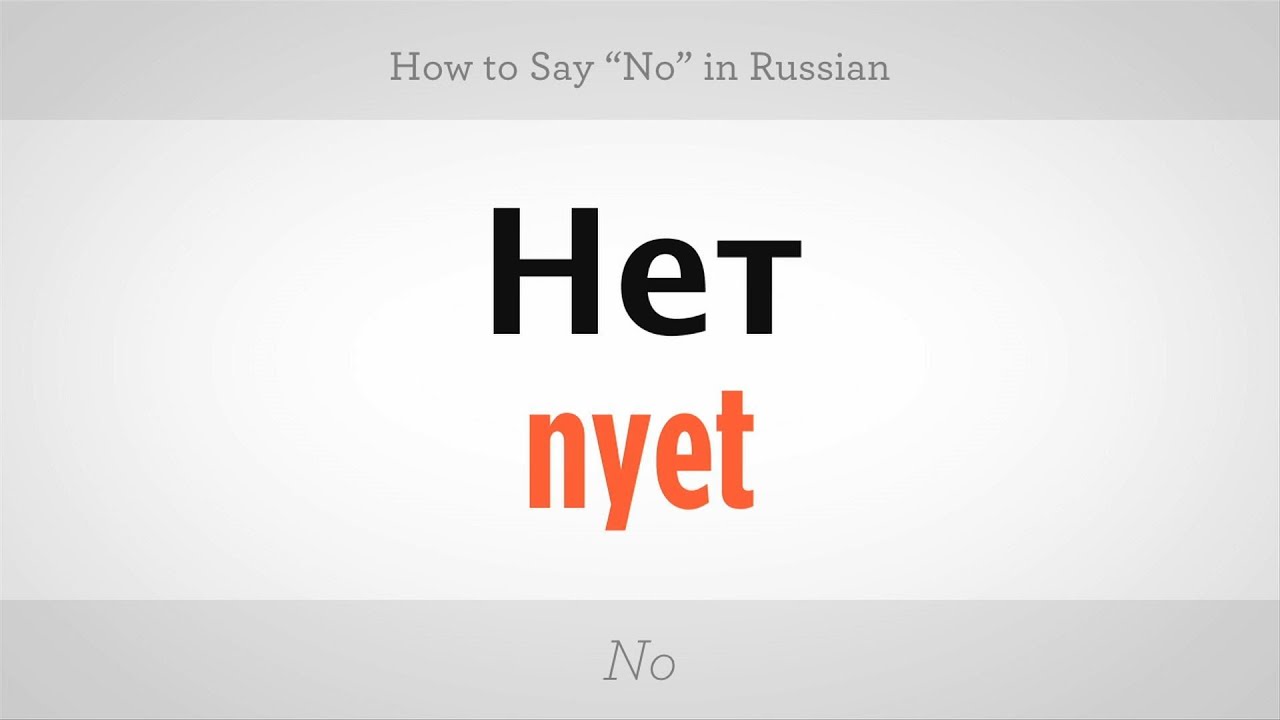
Assertive refusal involves conveying a clear and firm “no” without being impolite. This can be achieved by using direct language, maintaining eye contact, and speaking in a clear and confident tone of voice.
Phrases for Assertive Refusal
- Я не могу.(Ya ne mogu.) – I can’t.
- Мне не удобно.(Mne ne udobno.) – I’m not comfortable with that.
- Я не хочу.(Ya ne khochu.) – I don’t want to.
- Это не мое дело.(Eto ne moye delo.) – It’s not my responsibility.
- Я не заинтересован.(Ya ne zainteresovan.) – I’m not interested.
When using these phrases, it’s important to maintain a respectful tone and avoid using dismissive or condescending language.
Indirect Rejection
Indirect rejection is a communication style where the speaker avoids saying “no” directly. Instead, they use phrases that suggest a lack of interest or availability. This approach is common in Russian culture, where it is considered impolite to be confrontational or to refuse someone directly.
There are several reasons why Russians may use indirect rejection. First, it can help to preserve relationships. By avoiding a direct refusal, the speaker can avoid hurting the other person’s feelings. Second, it can help to save face. In Russian culture, it is important to maintain one’s dignity, and a direct refusal can be seen as a loss of face for both the speaker and the listener.
Third, it can help to avoid conflict. By avoiding a direct confrontation, the speaker can prevent the situation from escalating into an argument.
Phrases Used in Indirect Rejection, How to say no in russian language
- Я не уверен(I’m not sure) – This phrase can be used to express a lack of interest or availability without being directly negative.
- Я бы с удовольствием, но…(I would love to, but…) – This phrase can be used to express a lack of availability due to other commitments.
- Возможно, в другой раз(Maybe another time) – This phrase can be used to express a lack of interest in a specific activity or event.
- Я подумаю об этом(I’ll think about it) – This phrase can be used to stall for time and avoid giving a direct answer.
It is important to note that indirect rejection can be difficult to interpret, especially for non-native speakers. This is because the speaker’s tone of voice and body language can often convey more meaning than the words themselves. As a result, it is important to be sensitive to the context of the conversation and to pay attention to the speaker’s nonverbal cues.
Strategies for Responding to Indirect Rejection
If you are not sure how to respond to an indirect rejection, there are a few strategies you can use. First, you can try to clarify the speaker’s meaning by asking questions. For example, you could say, “I’m not sure what you mean.
Can you please explain?” Second, you can try to rephrase the speaker’s statement in a more direct way. For example, you could say, “So, you’re not interested in going to the party?” Finally, you can simply accept the speaker’s decision and move on.
For example, you could say, “Okay, I understand. Thanks for your time.”
By following these strategies, you can avoid miscommunication and ensure that you are able to communicate effectively with Russian speakers.
Explain how to express conditional refusals in Russian.: How To Say No In Russian Language
Conditional refusals in Russian are used to express a willingness to consider a request under certain conditions. They are typically used when the speaker is unable to fulfill the request immediately or without certain conditions being met.
To express a conditional refusal, the speaker typically uses the following structure:
Я бы + [verb] + [condition], но + [reason].
For example:
- Я бы сходил в кино, но у меня нет времени.
- (I would go to the movies, but I don’t have time.)
- Я бы помог тебе, но я не умею этого делать.
- (I would help you, but I don’t know how to do it.)
It is important to be specific about the conditions for acceptance when expressing a conditional refusal. This will help to avoid any misunderstandings or disappointment.
The following table summarizes the phrases and their usage:
| Phrase | Usage |
|---|---|
| Я бы + [verb] + [condition], но + [reason]. | To express a willingness to consider a request under certain conditions. |
Here are some examples of conditional refusals in context:
- Я бы сходил с тобой в ресторан, но у меня сегодня много работы.
- (I would go to a restaurant with you, but I have a lot of work today.)
- Я бы помог тебе переехать, но у меня нет машины.
- (I would help you move, but I don’t have a car.)
The following dialogue demonstrates the use of conditional refusals:
Аня:Привет, Саша. Ты не мог бы помочь мне с переездом в пятницу?
Саша:Я бы помог тебе, но у меня в пятницу экзамен.
Аня:Жаль. А в субботу?
Саша:В субботу я свободен. Я могу помочь тебе в любое время.
Alternative Proposal
When declining a request, it is often helpful to offer an alternative solution to show that you are willing to help, even if you cannot fulfill the initial request.
There are several ways to suggest an alternative proposal, including offering a compromise, redirecting the conversation, or referring the request to someone else.
Compromise
A compromise is a solution that meets the needs of both parties involved. To offer a compromise, use phrases like:
- “I’m sorry, but I can’t do that. However, I could offer you…”
- “I understand your request, but I’m not able to fulfill it right now. Would you be willing to accept…”
Redirection
Redirecting the conversation involves guiding the discussion back to the main topic or suggesting a different course of action. To redirect the conversation, use phrases like:
- “I’m sorry, but that’s not something I can help you with. However, I can refer you to someone who might be able to assist you.”
- “I understand your concern, but I’m not the right person to address this issue. I recommend that you contact…”
Referral
Referring the request to someone else involves passing the request on to a more appropriate person or department. To refer the request, use phrases like:
- “I’m sorry, but I don’t have the authority to make that decision. I recommend that you contact…”
- “I’m not able to help you with this matter, but I can refer you to someone who can.”
| Type of Alternative Proposal | Example Phrases |
|---|---|
| Compromise | “I’m sorry, but I can’t do that. However, I could offer you a different solution.” |
| Redirection | “I’m sorry, but that’s not something I can help you with. However, I can refer you to someone who might be able to assist you.” |
| Referral | “I’m sorry, but I don’t have the authority to make that decision. I recommend that you contact…” |
When offering an alternative proposal, it is important to maintain a positive and professional tone. Use humor or empathy to soften the impact of a decline, and be willing to negotiate to find a solution that works for both parties.
To politely decline in Russian, one can use phrases such as “нет, спасибо” (no, thank you) or “извините, но я не могу” (excuse me, but I cannot). If you need to adjust your Google Docs settings to work in Russian, you can refer to this guide: how to change language google docs.
Returning to the topic of declining in Russian, “нет” (no) can be used in more direct situations.
Expressing Regret
When saying no in Russian, it’s important to express regret or sympathy for the other person’s request. This shows that you understand their perspective and that you’re not simply dismissing them.There are several phrases you can use to convey regret or understanding:
- К сожалению, я не могу вам помочь.
- Мне жаль, но я не могу согласиться.
- Я понимаю, что это важно для вас, но я не могу.
In addition to using the right words, it’s also important to use appropriate body language and tone of voice. Make eye contact, speak slowly and clearly, and use a sympathetic tone of voice. This will help to soften the blow of your refusal.
Formal Declination
In formal Russian settings, it is crucial to convey refusals respectfully and professionally. The choice of language and demeanor should reflect the context and the relationship between the parties involved.
Phrases for Business or Official Communication
When declining a request or proposal in a business or official setting, it is important to use polite and formal language. Some common phrases include:
- “К сожалению, я не могу принять ваше предложение.” (I regret to inform you that I cannot accept your proposal.)
- “Спасибо за ваше предложение, но я вынужден отказаться.” (Thank you for your offer, but I must decline.)
- “Я не в состоянии выполнить вашу просьбу в настоящее время.” (I am unable to fulfill your request at this time.)
- “Я не уверен, что смогу выполнить эту задачу.” (I am not confident that I will be able to complete this task.)
Maintaining Respect and Professionalism
When declining a request, it is essential to maintain a respectful and professional demeanor. This includes:
- Using polite and formal language
- Avoiding confrontational or accusatory language
- Being clear and direct in your refusal
- Providing a brief explanation or reason for your refusal (if appropriate)
- Offering alternative solutions or suggestions (if possible)
By following these guidelines, you can effectively decline requests or proposals in formal Russian settings while maintaining a positive and professional relationship with the other party.
Informal Declination
In informal Russian conversations, declining a request can be done in a more casual and direct manner. Cultural norms allow for a greater degree of informality, and slang or colloquialisms are commonly used.
It’s important to note that the choice of words and tone of voice can vary depending on the social context and the relationship between the speakers.
Phrases and Slang
- “Нет, спасибо” (Net, spasibo) – No, thank you
- “Не, не пойду” (Ne, ne poydu) – No, I won’t go
- “Извини, но я не могу” (Izvini, no ya ne mogu) – Sorry, but I can’t
- “Мне неудобно” (Mne neudobno) – It’s inconvenient for me
- “Я занят” (Ya zanyat) – I’m busy
Dialogue
Friend 1:Привет, хочешь сегодня в кино сходить? (Privet, khochesh segodnya v kino skhodit?) – Hey, do you want to go to the movies today?
Friend 2:Нет, спасибо. У меня другие планы. (Net, spasibo. U menya drugie plany.) – No, thank you. I have other plans.
Non-Verbal Cues

Non-verbal cues play a crucial role in conveying a refusal in Russian. They can reinforce or contradict verbal messages, and they can convey politeness or assertiveness.
The Russian language offers various ways to express negation, including “нет” (net) and “не” (ne). In contrast, the French language has a distinct greeting, “Bienvenue” (bee-en-vuh-noo), which translates to “welcome.” To learn more about welcoming someone in French, you can explore resources like this article.
Returning to Russian, another way to decline an offer is “я не могу” (ya ne mogu), meaning “I can’t.”
Eye contactis particularly important. Maintaining eye contact while delivering a refusal can indicate sincerity and respect. However, avoiding eye contact can be seen as a sign of evasiveness or discomfort.
Body languagealso conveys important messages. Standing up straight and maintaining an open posture can indicate assertiveness, while crossing your arms or legs can convey defensiveness or reluctance.
Facial expressionscan also convey a refusal. A slight frown or a pursed mouth can indicate disapproval or reluctance, while a smile can soften the impact of a refusal.
Examples of Non-Verbal Cues
- Maintaining eye contact while delivering a refusal conveys sincerity and respect.
- Standing up straight and maintaining an open posture indicates assertiveness.
- Crossing your arms or legs can convey defensiveness or reluctance.
- A slight frown or a pursed mouth can indicate disapproval or reluctance.
- A smile can soften the impact of a refusal.
Cultural Considerations
In Russian culture, the manner in which one declines a request or expresses disagreement is heavily influenced by a complex interplay of social hierarchy, power dynamics, politeness, and non-verbal cues.
Understanding these cultural factors is crucial for navigating social interactions and avoiding misunderstandings.
Social Hierarchy and Power Dynamics
Russian society places great emphasis on social hierarchy and power dynamics. Individuals occupy different positions within this hierarchy, and their status influences how they communicate.
When saying no, Russians often consider the relative status of the person making the request. They may be more hesitant to decline a request from a superior or someone they respect.
Politeness and Indirect Communication
Politeness is highly valued in Russian culture. Russians often use indirect communication to avoid causing offense or embarrassment.
When declining a request, they may use婉转的措辞 or suggest alternative solutions rather than直接拒绝.
Non-Verbal Cues and Body Language
Non-verbal cues and body language play a significant role in conveying negative responses in Russian culture.
A raised eyebrow, a slight shake of the head, or crossed arms can all indicate disagreement or refusal without the need for verbal communication.
Table: Key Cultural Factors Influencing How Russians Say No
| Cultural Factor | Example | Explanation |
|---|---|---|
| Social Hierarchy | A subordinate may be more hesitant to decline a request from a superior. | Individuals occupy different positions within the social hierarchy, which influences their communication. |
| Power Dynamics | A person with less power may use indirect communication to avoid confrontation. | Power dynamics can shape the way no is expressed, with those in less powerful positions often using more indirect methods. |
| Politeness | Russians may use婉转的措辞 to avoid causing offense. | Politeness is highly valued in Russian culture, and it is considered rude to be direct or confrontational. |
| Indirect Communication | A Russian may suggest an alternative solution rather than directly declining. | Indirect communication is often used to avoid causing embarrassment or hurt feelings. |
| Non-Verbal Cues | A raised eyebrow or crossed arms can indicate disagreement. | Non-verbal cues and body language play a significant role in conveying negative responses in Russian culture. |
Practice Exercises

To enhance your ability to decline politely in Russian, it’s beneficial to engage in interactive exercises that provide practical application and feedback.
These exercises encompass role-playing scenarios, fill-in-the-blank activities, and pronunciation drills, designed to refine your communication skills and increase your confidence in using the various expressions for saying no.
Role-Playing Scenarios
- Create realistic situations where you have to decline an invitation, request, or offer. Practice using different polite refusal phrases in each scenario.
- Assign roles to participants and encourage them to engage in the role-play, taking turns to persuade and decline.
- Provide feedback and guidance on the effectiveness of the refusals, suggesting alternative phrases or strategies as appropriate.
Fill-in-the-Blank Exercises
- Present incomplete sentences or dialogues that require participants to fill in the blank with an appropriate refusal phrase.
- Ensure that the exercises cover a range of refusal scenarios and politeness levels.
- Provide answer keys and explanations for the correct responses, highlighting the nuances and cultural appropriateness of each phrase.
Pronunciation Drills
- Record native Russian speakers pronouncing the refusal phrases.
- Have participants listen to the recordings and repeat the phrases, paying attention to intonation, stress, and pronunciation.
- Provide feedback and guidance on pronunciation, ensuring that participants can accurately convey the intended meaning of the refusals.
Writing
Compose a dialogue between two individuals, one attempting to persuade the other to engage in an undesirable activity. The person being persuaded should employ various methods of declining in Russian, demonstrating their understanding of the cultural nuances and appropriate language for different situations.
– Analyze common mistakes made by foreigners when expressing negation in Russian, such as incorrect usage of “нет” and “не” in various contexts.
Foreigners often make mistakes when expressing negation in Russian, particularly in the incorrect usage of “нет” and “не”. These errors stem from grammatical differences between Russian and other languages and a lack of understanding of the cultural nuances associated with negation.
Incorrect Usage of “нет” and “не”
The primary mistake is using “нет” and “не” interchangeably. “Нет” is a standalone word meaning “no,” while “не” is a negation particle that precedes a verb or adjective. Using “нет” in place of “не” or vice versa can lead to confusion or even change the meaning of the sentence.
Grammatical Rules
The correct usage of “нет” and “не” depends on the grammatical structure of the sentence:
- “Нет”is used as a complete sentence to express a negative response or to deny the existence of something.
- “Не”is used to negate verbs, adjectives, and adverbs.
Cultural Nuances
In addition to grammatical rules, cultural factors also influence the use of negation in Russian. For example, using “нет” in certain situations can be considered impolite or abrupt. In such cases, “не” is preferred to convey a more polite or nuanced negation.
Additional Resources

To further enhance your understanding of expressing negation in Russian, we recommend exploring the following resources:
- Russian Language Textbooks:
- A Comprehensive Russian Grammarby Ronald F. Feldstein
- New Russian Courseby Maxim Krongauz and Anna Knyazeva
- Russian Grammar for Dummiesby Andrew Subbiondo
- Dictionaries and Grammar Guides:
- Oxford Russian Dictionaryby Oxford University Press
- Russian Grammar Handbookby Richard Robin
- Russian Language Guideby Dmitrii Kabanov
- Online Language Learning Materials:
- RussianPod101(website and podcast)
- Duolingo(language learning app)
- Babbel(language learning app)
- Russian Language Courses and Tutors:
- Russian Language Center at the University of California, Berkeley
- Russian Language School at the Middlebury Institute of International Studies
- Russian Tutors on italki
User Queries
What are some polite ways to decline a request in Russian?
Consider phrases like “Извините, но я не могу” (Excuse me, but I can’t) or “Спасибо за предложение, но я вынужден отказаться” (Thank you for the offer, but I must decline).
How can I say “no” assertively without being rude in Russian?
Use phrases like “Нет, спасибо” (No, thank you) or “Я не заинтересован” (I’m not interested) while maintaining eye contact and a clear tone of voice.
What are some indirect methods of saying “no” in Russian?
Try phrases like “Возможно, в другой раз” (Maybe another time) or “Я подумаю об этом” (I’ll think about it), which subtly convey a lack of interest or availability.
