Is Arabic a difficult language to learn? This question has puzzled language learners for decades, and the answer is not always straightforward. Arabic, with its rich history and intricate linguistic features, presents both challenges and rewards for those who embark on the journey of learning it.
This comprehensive guide will delve into the complexities of Arabic, examining its unique characteristics, discussing common challenges, and providing effective strategies to master this fascinating language.
Overview: Is Arabic A Difficult Language To Learn
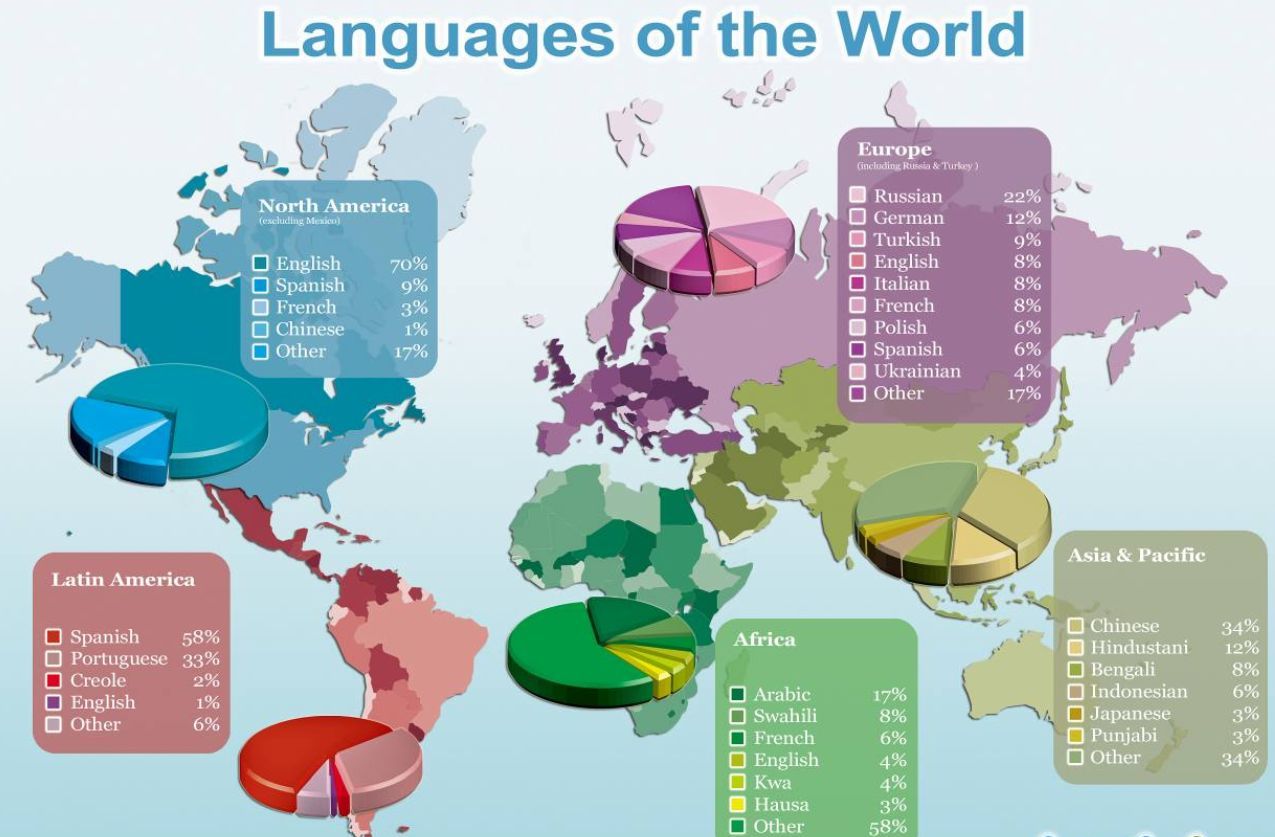
Arabic is a significant global language with a rich history and cultural impact. It is the official language of 26 countries, spoken by over 370 million people worldwide, and is the liturgical language of Islam.
Arabic has played a pivotal role in the development of science, mathematics, and philosophy, and its influence can be seen in many languages around the world, including Spanish, Portuguese, and English.
Historical and Cultural Impact
Arabic has a long and rich history, dating back to the pre-Islamic era. It was the language of the Prophet Muhammad, and the Quran, the holy book of Islam, was revealed in Arabic. This gave the language a sacred status, and it quickly became the language of scholarship and culture in the Islamic world.
Arabic was used by scholars to write on a wide range of subjects, including astronomy, mathematics, medicine, and philosophy. Many of these works were translated into Latin, and they had a major influence on the development of Western thought.
Linguistic Features
Arabic grammar stands out with its distinctive characteristics that differentiate it from other languages. Its complex syntax, unique grammatical structures, and intricate morphology pose challenges for learners. Understanding these linguistic features is crucial for comprehending the intricacies of Arabic.
One of the defining features of Arabic grammar is its tripartite root system. Arabic words are typically derived from three-consonant roots, which serve as the building blocks for a vast array of vocabulary. These roots undergo various morphological transformations, such as prefixation, suffixation, and infixation, to form different words and grammatical structures.
Arabic Syntax
Arabic syntax is renowned for its complexity and distinct word order. Unlike English, which follows a subject-verb-object structure, Arabic employs a verb-subject-object order. This unique word order requires learners to adjust their sentence construction patterns.
Furthermore, Arabic grammar heavily relies on case endings to indicate the grammatical function of nouns and adjectives. These case endings, marked by specific vowel sounds, change depending on the noun’s role in the sentence. This intricate case system adds another layer of complexity to Arabic grammar.
Differences from Other Semitic Languages
While Arabic belongs to the Semitic language family, it exhibits significant differences from other Semitic languages such as Hebrew and Aramaic. These differences stem from Arabic’s unique historical development and its prolonged isolation from other Semitic branches.
- Phonology:Arabic has a richer consonantal system compared to other Semitic languages, featuring emphatic and pharyngeal consonants that are not found in Hebrew or Aramaic.
- Morphology:Arabic’s tripartite root system and elaborate case endings distinguish it from other Semitic languages, which typically employ a bipartite root system and simpler case marking.
- Syntax:Arabic’s verb-subject-object word order and heavy reliance on case endings set it apart from other Semitic languages, which generally follow a subject-verb-object structure and use prepositions to indicate grammatical functions.
Phonology and Script
Arabic phonology and script present unique challenges for non-native speakers due to their distinct sounds and the intricate nature of the Arabic alphabet.
The Arabic language features a rich repertoire of consonants and vowels, with several sounds not found in English or other European languages. For instance, Arabic has emphatic consonants pronounced with a stronger articulation, such as the voiceless emphatic dental /tˤ/ and the voiced emphatic alveolar /dˤ/.
Additionally, Arabic vowels are often shorter and less distinct than in English, making them harder to perceive and pronounce accurately.
The Arabic Alphabet
The Arabic alphabet consists of 28 letters, each with a unique shape and sound. Unlike the Roman alphabet, Arabic is written from right to left, and the letters change their form depending on their position within a word (initial, medial, final, or isolated).
This adds to the complexity of learning to read and write in Arabic.
Furthermore, Arabic script is cursive, meaning that letters are connected to each other when writing. This can make it difficult for non-native speakers to recognize individual letters and distinguish between similar-looking characters.
Challenges for Non-Native Speakers, Is arabic a difficult language to learn
Non-native speakers often encounter difficulties with Arabic pronunciation due to the unfamiliar sounds and the complex vowel system. The emphatic consonants can be challenging to produce correctly, and the short and subtle vowels can be hard to distinguish and articulate.
Additionally, the cursive nature of the script can make it difficult to read and write fluently.
To overcome these challenges, learners need to practice listening to and speaking Arabic regularly. They should also focus on understanding the Arabic vowel system and the different forms of the letters in the alphabet. With consistent effort and practice, non-native speakers can develop proficiency in Arabic pronunciation and script.
Vocabulary and Dialects
The Arabic language boasts a vast vocabulary, estimated to encompass over 12 million words. This richness stems from its intricate root system, where words are derived from a common set of three or four consonants, known as the root. Cognates, words sharing the same root, further contribute to the extensive vocabulary, allowing for the expression of complex ideas with precision.
Regional Variations and Dialects
Arabic has undergone significant regional variations, resulting in the emergence of numerous dialects. These dialects vary in pronunciation, grammar, and vocabulary, reflecting the historical and geographical diversity of the Arabic-speaking world. Some major dialects include:
- Egyptian Arabic: Widely spoken in Egypt and Sudan, characterized by its distinct pronunciation and colloquialisms.
- Levantine Arabic: Spoken in Jordan, Lebanon, Syria, and Palestine, known for its rapid speech and emphatic intonation.
- Gulf Arabic: Prevalent in the Arabian Peninsula, featuring a slower pace and unique vocabulary influenced by neighboring languages.
- Maghrebi Arabic: Spoken in North Africa, including Morocco, Algeria, and Tunisia, characterized by its distinctive pronunciation and Berber influences.
Challenges and Strategies for Dialect Learning
Learning multiple Arabic dialects poses challenges due to the differences in pronunciation, grammar, and vocabulary. To effectively navigate these dialects, learners must develop specific skills, including:
- Pronunciation: Mastering the unique sounds and intonation patterns of each dialect.
- Grammar: Understanding the grammatical structures and rules that govern each dialect.
- Vocabulary: Acquiring the specific vocabulary and colloquialisms used in each dialect.
Immersion, language exchange, and targeted language practice are effective strategies for dialect learning. By immersing themselves in the language and culture, learners can develop fluency and proficiency in multiple dialects.
Examples of Arabic Dialects
Written:
- Standard Arabic:السلام عليكم (as-salamu alaykum) – Peace be upon you
- Egyptian Arabic:السلام عليكم يا جماعة (as-salamu alaykum ya gamaa) – Peace be upon you, everyone
- Levantine Arabic:أهلاً وسهلاً (ahlan wa sahlan) – Welcome
- Gulf Arabic:هلا وغلا (hala wa ghala) – Welcome and honor
- Maghrebi Arabic:مرحبا بيك (marhaba bik) – Welcome to you
Spoken:
- Standard Arabic:كيف حالك؟ (kayfa haluk?) – How are you?
- Egyptian Arabic:إزيك يا عم؟ (ezzayak ya am?) – How are you, sir?
- Levantine Arabic:شو أخبارك؟ (shu akhbarak?) – What’s up?
- Gulf Arabic:شلونك؟ (shloonk?) – How are you?
- Maghrebi Arabic:لاباس عليك؟ (labas 3lik?) – Are you okay?
Table of Key Dialect Differences
| Dialect | Geographical Distribution | Phonological Features | Grammatical Structures | Vocabulary |
|---|---|---|---|---|
| Egyptian Arabic | Egypt, Sudan | Distinct pronunciation, colloquialisms | Simplified grammar, reduced case endings | Extensive colloquial vocabulary |
| Levantine Arabic | Jordan, Lebanon, Syria, Palestine | Rapid speech, emphatic intonation | Use of definite article “el-“ | Influence from Turkish and French |
| Gulf Arabic | Arabian Peninsula | Slower pace, unique pronunciation | Use of “ga” as a question marker | Influence from Persian and English |
| Maghrebi Arabic | Morocco, Algeria, Tunisia | Distinctive pronunciation, Berber influences | Use of “ch” and “dj” sounds | Influence from French and Berber |
Dialogue: Dialect Communication
Character 1 (Egyptian Arabic):إزيك يا عم؟
Character 2 (Levantine Arabic):منيح يا حبيبي. شو أخبارك؟
Character 1:كويس الحمد لله. أنت بخير؟
Character 2:الحمد لله. بس مشتاق لأهلي.
Character 1:عارف شعورك. الغربة صعبة.
Character 2:الله يجمعنا يا رب.
Poem: Linguistic and Cultural Diversity
In the tapestry of language, where words entwine,
Arabic shines, a vibrant thread, so fine.
From Egypt’s streets to Syria’s ancient land,
Dialects dance, a diverse and wondrous band.
Egyptian’s charm, with its colloquial grace,
Levantine’s rhythm, a lively embrace.
Gulf Arabic’s melody, a gentle sway,
Maghrebi’s whispers, a secret they convey.
Each dialect a gem, a cultural treasure,
Reflecting the tapestry of our shared pleasure.
Language Learning Strategies

Learning Arabic as a foreign language can be an enriching and rewarding experience. Employing effective learning strategies is crucial for success. One of the most impactful approaches is immersion.
Immersion and Practice
Immersion in the target language is vital. Surround yourself with Arabic media, such as films, music, and podcasts. Engage with native speakers through conversation practice or online platforms. Active participation in language exchange programs can greatly enhance fluency. Regular practice is essential for solidifying your understanding and developing proficiency.
Overcoming Learning Challenges
Common learning challenges include difficulties with grammar, pronunciation, and vocabulary. To overcome these obstacles, focus on understanding the underlying logic of grammar rules. Practice speaking and listening regularly to improve pronunciation. Utilize flashcards, language learning apps, and spaced repetition techniques to expand your vocabulary.
Additional Tips
* Set realistic goals and track your progress to stay motivated.
- Identify your learning style and tailor your approach accordingly.
- Seek support from teachers, language partners, or online communities.
- Don’t be afraid to make mistakes; they are part of the learning process.
- Stay consistent with your practice and don’t give up.
Proficiency Levels and Assessment

Assessing language proficiency is crucial for language learners and educators alike. It helps establish learning goals, track progress, and identify areas for improvement. In the context of Arabic language learning, the American Council on the Teaching of Foreign Languages (ACTFL) has developed a set of proficiency guidelines that serve as a framework for assessing Arabic language skills.
ACTFL Proficiency Levels
The ACTFL proficiency guidelines for Arabic are divided into four levels:
- Novice: Basic understanding and production of Arabic, limited to familiar contexts and simple interactions.
- Intermediate: Expanding vocabulary and grammar, with increased fluency and accuracy in communication.
- Advanced: High level of proficiency, with the ability to express complex ideas and engage in extended conversations.
- Superior: Near-native fluency, with a deep understanding of Arabic language and culture.
Assessment Tools
Various assessment tools are used to measure Arabic language skills, including:
- ACTFL Oral Proficiency Interview (OPI): A standardized interview that assesses speaking and listening skills.
- ACTFL Writing Proficiency Test (WPT): A standardized test that assesses writing skills.
- Arabic Language Proficiency Test (ALPT): A standardized test that assesses all four language skills (speaking, listening, reading, and writing).
Factors Influencing Proficiency
Several factors influence language proficiency, including:
- Motivation: Intrinsic or extrinsic factors that drive the desire to learn Arabic.
- Learning strategies: Techniques and approaches used to facilitate language acquisition.
- Exposure to the language: Frequency and duration of interaction with Arabic through various mediums.
- Cultural immersion: Experiences that provide firsthand exposure to Arabic culture and language.
Proficiency Levels and Learning Goals
Proficiency levels can be used to set realistic learning goals and track progress. By identifying the desired level of proficiency, learners can tailor their learning strategies and resources accordingly.
Importance of Ongoing Assessment
Ongoing assessment is essential in language learning. It provides regular feedback on progress, identifies areas for improvement, and helps learners adjust their learning strategies.
The difficulty of learning Arabic is often debated, with some arguing that its complex grammar and unfamiliar alphabet pose significant challenges. However, for those seeking a comprehensive guide to changing the language on their TV from Spanish to English, this resource offers clear and concise instructions.
Returning to the topic of Arabic, while it may initially appear daunting, with consistent practice and immersion, learners can gradually overcome these perceived obstacles and achieve proficiency in this ancient and expressive language.
| Proficiency Level | Assessment Tools | Influencing Factors |
|---|---|---|
| Novice | OPI (Novice), ALPT (Novice) | Motivation, exposure, learning strategies |
| Intermediate | OPI (Intermediate), ALPT (Intermediate) | Motivation, exposure, learning strategies, cultural immersion |
| Advanced | OPI (Advanced), ALPT (Advanced) | Motivation, exposure, learning strategies, cultural immersion |
| Superior | OPI (Superior), ALPT (Superior) | Motivation, exposure, learning strategies, cultural immersion |
Resources for Further Information
- ACTFL Proficiency Guidelines
- Arabic Language Proficiency Test (ALPT)
- Middlebury Language Schools: Arabic Proficiency Testing
Importance of Proficiency-Based Assessment in Language Learning
Proficiency-based assessment focuses on measuring actual language use and communication skills, rather than just knowledge of grammar and vocabulary. This approach encourages learners to develop a deeper understanding of the language and to use it effectively in real-world situations. By aligning assessment with proficiency levels, learners can set clear goals and track their progress towards achieving them.
Recommended Mobile Apps and Software for Learning Arabic
Numerous mobile apps and software can aid in Arabic learning, catering to various levels and learning styles. These platforms offer interactive exercises, vocabulary builders, and immersive experiences.
Recommended Apps:
- Duolingo:A popular app offering bite-sized lessons, gamified exercises, and progress tracking.
- Babbel:Provides structured lessons with interactive dialogues, grammar explanations, and speech recognition.
- Drops:A vocabulary-focused app using spaced repetition and visual cues to enhance memorization.
- HelloTalk:Connects learners with native Arabic speakers for language exchange and practice.
- Memrise:Utilizes flashcards, games, and user-generated content to make learning engaging.
Recommended Software:
- Rosetta Stone:A comprehensive software with immersive lessons, interactive exercises, and personalized learning paths.
- Pimsleur:Focuses on spoken Arabic through audio-based lessons and spaced repetition.
- Anki:A powerful flashcard software that allows users to create custom decks and track progress.
– Elaborate on the specific benefits and rewards of learning Arabic.
Learning Arabic offers numerous benefits and rewards, both personal and professional. On a personal level, Arabic is a rich and expressive language that allows individuals to connect with a vast cultural heritage and a diverse global community. It provides access to a wealth of literature, art, and music, enriching one’s cultural understanding and appreciation.
Additionally, Arabic is a highly respected language, and its proficiency can enhance one’s social and intellectual status.Professionally, Arabic proficiency opens doors to a wide range of career opportunities in various fields, including business, diplomacy, education, and healthcare. It is particularly valuable in industries with a strong presence in the Middle East and North Africa, such as energy, finance, and tourism.
Moreover, Arabic is the official language of 25 countries, making it essential for communication and collaboration in these regions.
Cultural Immersion
Engaging with Arabic culture is essential for effective language learning. It provides context and meaning to the language, making it easier to understand and retain. Cultural immersion can be achieved through various channels, including media, travel, and social interactions.
Consuming Arabic media, such as movies, TV shows, and music, exposes learners to the language in a natural context. It helps them understand the nuances of pronunciation, intonation, and cultural references. Similarly, traveling to Arabic-speaking countries allows learners to experience the language firsthand and interact with native speakers.
Social Interactions
Social interactions are another valuable way to immerse oneself in Arabic culture. Joining language exchange groups, attending cultural events, and interacting with Arabic speakers online or in person provides opportunities to practice the language and gain insights into the culture.
By engaging with native speakers, learners can learn about customs, traditions, and social norms, which can enhance their overall understanding of the language.
Technology and Language Learning
Technology has revolutionized the way we learn languages, including Arabic. Language learning apps, online dictionaries, and video conferencing have made it easier than ever to access learning materials and connect with native speakers.
Language Learning Apps
Language learning apps provide structured lessons, interactive exercises, and personalized feedback. They allow learners to progress at their own pace and focus on specific areas they need to improve. Some popular Arabic language learning apps include Duolingo, Rosetta Stone, and Memrise.
Determining the difficulty of learning Arabic depends on several factors. One relevant consideration is the native language of the learner. For instance, speakers of Urdu or Farsi may find Arabic easier to grasp due to shared linguistic similarities. This connection can be explored further by examining the language landscape in Pakistan, where Urdu and English are official languages alongside numerous regional tongues.
Understanding the linguistic diversity of Pakistan what language in pakistan provides insights into the complexities of language acquisition and the potential impact on the perceived difficulty of learning Arabic.
Online Dictionaries
Online dictionaries are invaluable resources for Arabic learners. They provide quick and easy access to word definitions, pronunciations, and usage examples. Some popular online dictionaries include Google Translate, Reverso, and Lexico.
Video Conferencing
Video conferencing platforms allow learners to connect with native Arabic speakers from anywhere in the world. This provides opportunities for real-time conversations, pronunciation practice, and cultural exchange. Popular video conferencing platforms include Zoom, Skype, and Google Meet.
Advantages of Technology-Assisted Learning
Convenience
Technology-assisted learning allows learners to study anytime, anywhere.
Personalization
Apps and online resources provide personalized learning experiences tailored to individual needs.
Immersive experience
Video conferencing connects learners with native speakers, providing an immersive language learning environment.
Disadvantages of Technology-Assisted Learning
Technical issues
Technology-assisted learning can be disrupted by internet connectivity issues or technical glitches.
Lack of face-to-face interaction
While video conferencing can provide some interaction, it cannot fully replicate the benefits of in-person language learning.
Cost
Some language learning apps and online resources require paid subscriptions.
Integrating Technology into Traditional Methods
Technology can be effectively integrated into traditional Arabic language learning methods. For example, teachers can use language learning apps to supplement classroom lessons, assign online exercises for homework, and facilitate video conferencing sessions with native speakers.
Future of Arabic Language Learning
Technology is expected to continue playing a significant role in the future of Arabic language learning. Advanced technologies, such as artificial intelligence and virtual reality, may enhance learning experiences and make language acquisition even more accessible.
Arabic in the Workplace
The demand for Arabic speakers is on the rise in a wide range of industries, including business and finance, healthcare, education, government, and tourism and hospitality. This growing demand is due to the increasing globalization of the economy and the growing number of Arabic-speaking countries that are becoming major players in the world market.
Career Opportunities for Arabic Speakers
Proficient Arabic speakers have a wide range of career opportunities available to them, including:
- Translators and interpreters
- Business analysts
- Healthcare professionals
- Educators
- Government officials
- Tourism and hospitality managers
Tips for Job Seekers
Job seekers who want to showcase their Arabic language skills should:
- Highlight their proficiency on their resume and cover letter
- Obtain professional certification in Arabic language proficiency
- Join Arabic language professional organizations
- Volunteer or work in Arabic-speaking communities
- Practice their Arabic language skills regularly
Arabic in Education

Arabic plays a vital role in education, both in Arabic-speaking countries and internationally. In Arabic-speaking countries, Arabic is the primary language of instruction at all levels of education, from primary school to university. It is also the language of government, media, and business.Internationally, Arabic is increasingly being taught as a foreign language.
This is due to the growing importance of Arabic in the global economy and the increasing number of people who are interested in learning about Arabic culture.
Language Comparison
Arabic, belonging to the Semitic branch of the Afro-Asiatic language family, stands out from other widely spoken languages like English, French, and Spanish. A comparative analysis reveals both similarities and striking differences in grammar, vocabulary, and pronunciation, with implications for language learners.
Grammar
- Verb Structure:Arabic verbs are trilateral, consisting of three root consonants. They undergo various transformations to express different tenses, moods, and aspects, unlike English’s simpler verb conjugation system.
- Word Order:Arabic follows a verb-subject-object word order, contrasting with the subject-verb-object order in English. This difference requires adjustment for learners accustomed to English grammar.
- Case System:Arabic employs a case system to mark nouns for their grammatical function, while English relies primarily on word order and prepositions.
Vocabulary
Arabic’s vocabulary is vast and diverse, reflecting its rich cultural heritage. Many Arabic words have multiple meanings and are derived from a common root, which can pose challenges for learners. However, Arabic also shares some cognates with other languages, such as Spanish and French, due to historical interactions.
Pronunciation
- Consonants:Arabic has a wide range of consonants, including emphatic and pharyngeal sounds that are not found in English. Mastering these sounds is crucial for accurate pronunciation.
- Vowels:Arabic vowels are shorter and less distinct than in English, and they can be influenced by surrounding consonants.
- Stress and Intonation:Arabic stress and intonation patterns differ significantly from English, affecting the rhythm and melody of speech.
These differences in grammar, vocabulary, and pronunciation present unique challenges and opportunities for language learners. Understanding these complexities helps learners develop effective strategies and tailor their approach to the specific features of Arabic.
Future of Arabic

The future of Arabic language learning is bright. With the increasing globalization and interconnectedness of the world, there is a growing demand for Arabic speakers in various fields. The Arabic language is also experiencing a resurgence in popularity due to the increasing interest in Arab culture and the Middle East.
Impact of Globalization, Technology, and Cultural Exchange
Globalization has led to an increase in international travel and trade, which has resulted in a greater need for Arabic speakers in the business world. The internet has also made it easier for people to learn Arabic, with a wide range of online resources and courses available.
Cultural exchange programs and initiatives have also helped to promote the Arabic language and culture.
Challenges and Opportunities
Despite the growing demand for Arabic speakers, there are still some challenges facing the language. One challenge is the lack of standardized Arabic teaching methods. This can make it difficult for learners to find the right resources and support. Another challenge is the perception that Arabic is a difficult language to learn.
This perception can discourage people from studying Arabic.
Despite these challenges, there are also a number of opportunities for the Arabic language. The increasing popularity of Arab culture and the Middle East is creating a greater demand for Arabic speakers. The development of new technologies is also making it easier for people to learn Arabic.
With the right resources and support, anyone can learn Arabic.
Query Resolution
Is Arabic harder to learn than other languages?
The difficulty of learning Arabic depends on various factors, including the learner’s native language and prior language learning experience. However, Arabic’s unique grammar and unfamiliar sounds can present challenges compared to some other languages.
How long does it take to learn Arabic?
The time required to learn Arabic varies widely depending on the learner’s proficiency goals, study intensity, and individual abilities. Reaching basic proficiency may take several months to a year, while achieving advanced fluency can take years of dedicated effort.
Is it possible to learn Arabic without immersion?
While immersion is highly beneficial, it is possible to learn Arabic without living in an Arabic-speaking country. With consistent study, effective resources, and a focus on practical application, learners can make significant progress even in non-immersive environments.
