Is bulgarian a language – As we delve into the inquiry of whether Bulgarian is a language, we embark on an academic exploration that unravels the intricate tapestry of its linguistic heritage, grammatical nuances, and cultural significance. This discourse promises a profound understanding of Bulgarian’s unique place within the Slavic language family and its enduring role in shaping the identity and heritage of the Bulgarian people.
Emerging from the crossroads of Europe and Asia, Bulgarian has absorbed influences from diverse linguistic traditions, leaving an indelible mark on its vocabulary, grammar, and pronunciation. Its rich history and vibrant dialects reflect the complex cultural interactions that have shaped Bulgaria throughout the centuries, making it a fascinating subject of linguistic study.
Bulgarian Language History

The Bulgarian language is a South Slavic language spoken by over 8 million people worldwide. It is the official language of Bulgaria and is also spoken in parts of Serbia, North Macedonia, Romania, and Ukraine.
The Bulgarian language has a long and rich history, dating back to the 7th century AD. It is descended from the Proto-Slavic language, which was spoken by the Slavic peoples in Eastern Europe. The Bulgarian language was first written in the Glagolitic alphabet, which was developed by the missionaries Cyril and Methodius in the 9th century AD.
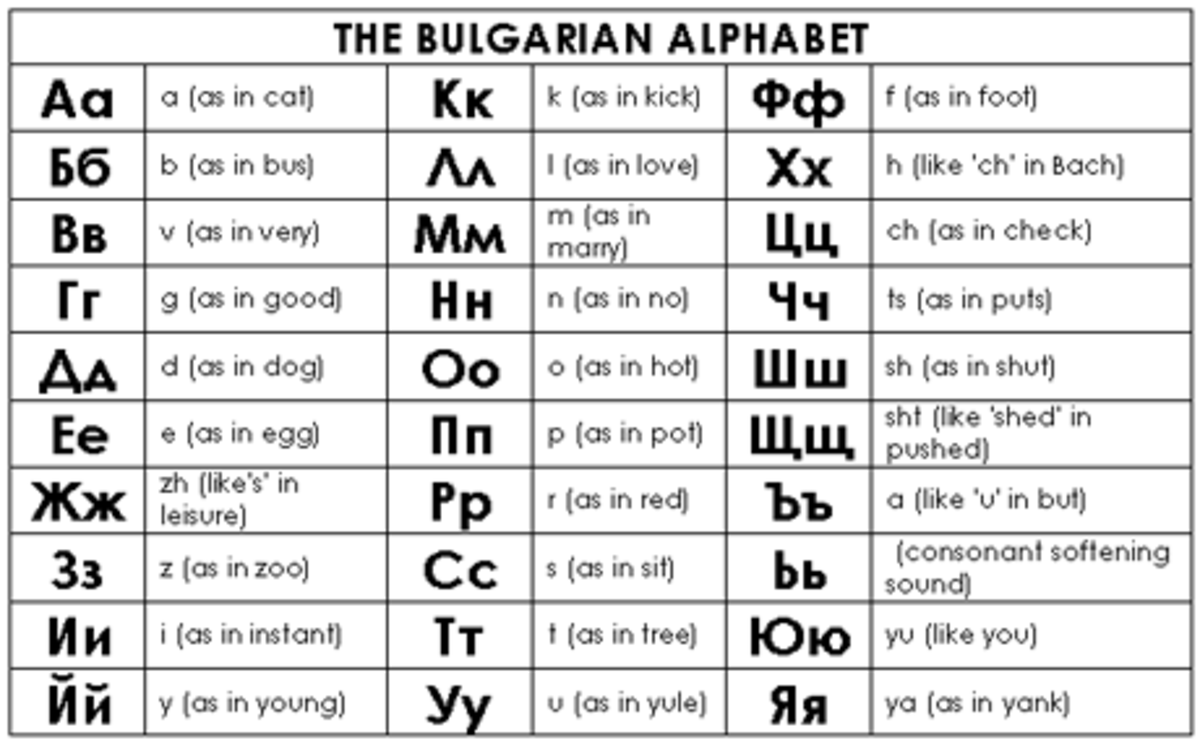
The Glagolitic alphabet was later replaced by the Cyrillic alphabet, which is still used to write Bulgarian today.
Periods in Bulgarian Language History
The history of the Bulgarian language can be divided into several periods:
- Old Bulgarian period (9th-11th centuries): This period is characterized by the use of the Glagolitic alphabet and the development of a rich literary tradition.
- Middle Bulgarian period (11th-14th centuries): This period is characterized by the use of the Cyrillic alphabet and the development of a new literary style.
- New Bulgarian period (14th-19th centuries): This period is characterized by the influence of Ottoman Turkish and the development of a new literary language.
- Modern Bulgarian period (19th century-present): This period is characterized by the development of a standardized literary language and the influence of Western European languages.
Relationship to Other Slavic Languages
The Bulgarian language is closely related to other Slavic languages, such as Russian, Serbian, and Polish. However, it also has some unique features that distinguish it from other Slavic languages. For example, Bulgarian has a definite article, which is not found in other Slavic languages.
Bulgarian also has a complex system of verbal tenses, which allows for a wide range of expressions.
Timeline of Key Events
- 7th century AD: The Bulgars arrive in the Balkans.
- 9th century AD: The Glagolitic alphabet is developed by Cyril and Methodius.
- 10th century AD: The Cyrillic alphabet is adopted by the Bulgarians.
- 14th century AD: The Ottoman Turks conquer Bulgaria.
- 19th century AD: Bulgaria gains independence from the Ottoman Empire.
- 20th century AD: Bulgaria becomes a communist state.
- 1989 AD: Bulgaria becomes a democracy.
Bulgarian Language Characteristics: Is Bulgarian A Language
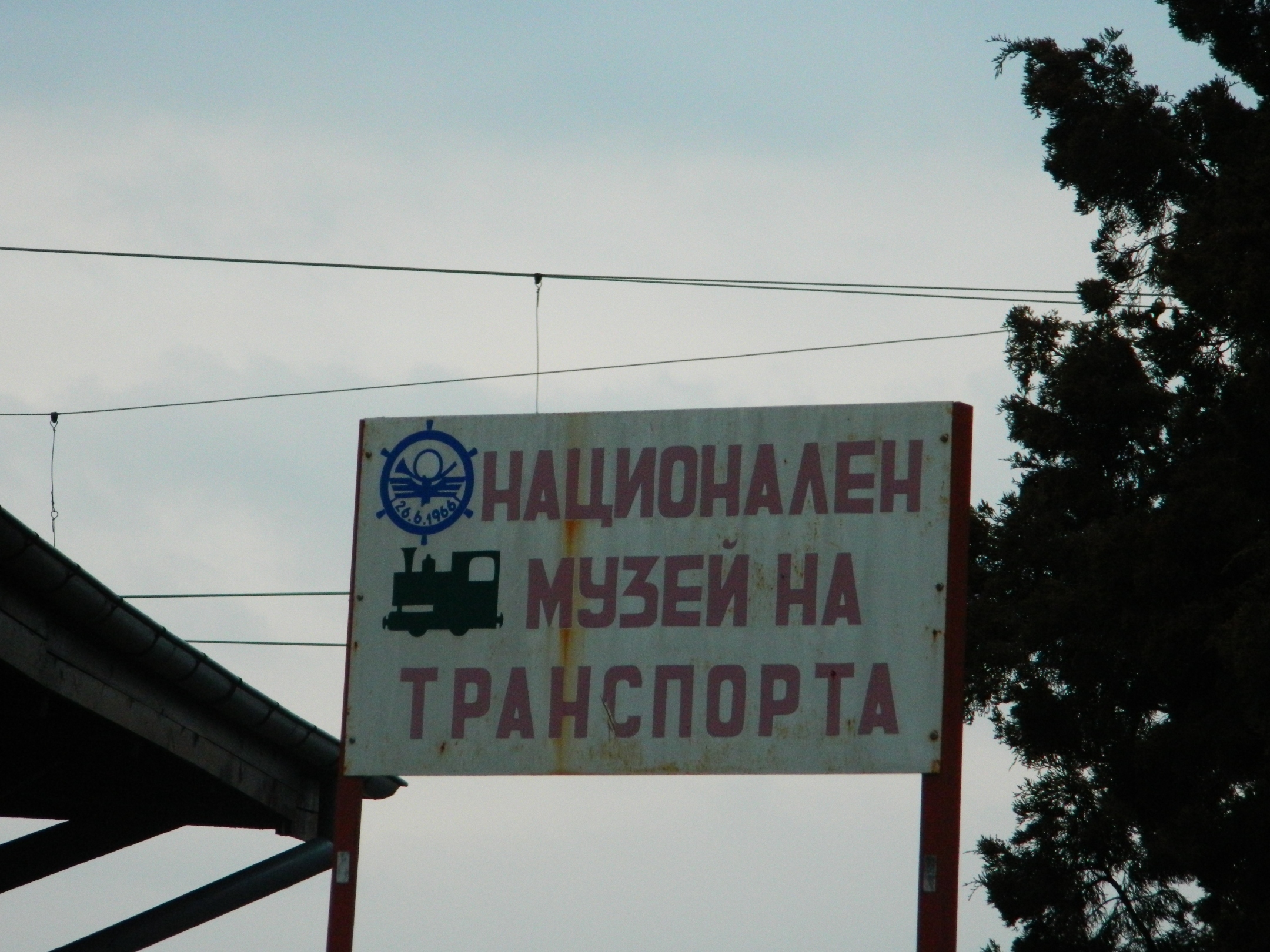
Bulgarian is a South Slavic language spoken by approximately 10 million people worldwide, primarily in Bulgaria and neighboring regions. It is a member of the Indo-European language family and has a rich and complex history.
Bulgarian possesses distinctive phonetic, grammatical, and lexical features that set it apart from other Slavic languages. It has a rich vowel system with 12 vowel phonemes, including nasal vowels, and a complex system of consonant clusters. Bulgarian grammar is characterized by the use of articles, the lack of grammatical gender, and a unique system of verb tenses and moods.
Phonological Features
- Vowel system:Bulgarian has 12 vowel phonemes, including 6 oral and 6 nasal vowels. The nasal vowels are a distinctive feature of Bulgarian and contribute to its unique sound.
- Consonant clusters:Bulgarian has a complex system of consonant clusters, which can occur at the beginning, middle, and end of words.
- Stress:Stress in Bulgarian is typically fixed on the first syllable of a word.
Grammatical Features
- Articles:Bulgarian uses definite and indefinite articles, which are placed before nouns.
- Grammatical gender:Unlike other Slavic languages, Bulgarian does not have grammatical gender.
- Verb tenses and moods:Bulgarian has a complex system of verb tenses and moods, including the present, past, future, and conditional tenses, as well as the indicative, imperative, subjunctive, and conditional moods.
Lexical Features
- Slavic roots:The majority of Bulgarian words have Slavic roots.
- Influence of other languages:Bulgarian has been influenced by a variety of languages, including Greek, Turkish, and Russian, which have contributed to its vocabulary.
- Unique words and phrases:Bulgarian has a number of unique words and phrases that are not found in other Slavic languages.
Bulgarian Passage
Here is a short passage in Bulgarian to demonstrate the language’s features:
Българският език е богат и красив език. Той е говорим от милиони хора по света и има дълга и интересна история. Българският език е член на славянското езиково семейство и е близък до други славянски езици като руски, полски и чешки.
Comparison to Other Slavic Languages
The following table compares the grammatical structures of Bulgarian and other Slavic languages:
| Language | Articles | Grammatical Gender | Verb Tenses |
|---|---|---|---|
| Bulgarian | Yes | No | Present, past, future, conditional |
| Russian | No | Yes | Present, past, future, conditional |
| Polish | No | Yes | Present, past, future, conditional |
| Czech | No | Yes | Present, past, future, conditional |
Bulgarian Verb Conjugation
The following flowchart Artikels the process of Bulgarian verb conjugation:
- Determine the verb root.
- Add the appropriate tense and mood suffix.
- Add the personal ending.
Bulgarian Idioms and Expressions
The following is a glossary of common Bulgarian idioms and expressions:
- Да си биеш главата в стената:To bang one’s head against a wall
- Да си изкараш хляба:To earn one’s bread
- Да си на седмото небе:To be on cloud nine
Bulgarian Dialects
The Bulgarian language is divided into several dialects, each with its own unique characteristics. The major dialects of Bulgarian are:
- Eastern Bulgarian
- Western Bulgarian
- Northwestern Bulgarian
- Southwestern Bulgarian
- Rhodopean Bulgarian
Eastern Bulgarian is spoken in the eastern part of the country, including the cities of Varna, Burgas, and Sliven. Western Bulgarian is spoken in the western part of the country, including the cities of Sofia, Plovdiv, and Blagoevgrad. Northwestern Bulgarian is spoken in the northwestern part of the country, including the cities of Vidin, Montana, and Vratsa.
Southwestern Bulgarian is spoken in the southwestern part of the country, including the cities of Blagoevgrad, Sandanski, and Gotse Delchev. Rhodopean Bulgarian is spoken in the Rhodope Mountains in the southern part of the country.
The different dialects of Bulgarian are similar in many ways, but there are also some important differences. Some of the most noticeable differences include:
- Pronunciation:The pronunciation of certain sounds varies from dialect to dialect. For example, the sound “e” is pronounced differently in Eastern and Western Bulgarian.
- Vocabulary:There are some differences in vocabulary between the different dialects. For example, the word for “bread” is “хляб” in Eastern Bulgarian and “хлеб” in Western Bulgarian.
- Grammar:There are some minor differences in grammar between the different dialects. For example, the use of the definite article varies from dialect to dialect.
The formation of dialects in Bulgarian is due to a number of factors, including:
- Geographical isolation:The different regions of Bulgaria have been relatively isolated from each other for centuries, which has led to the development of different dialects.
- Historical events:The history of Bulgaria has been marked by a number of events that have contributed to the formation of dialects. For example, the Ottoman conquest of Bulgaria in the 14th century led to the development of a number of Turkish loanwords in Bulgarian.
- Social factors:The different social groups in Bulgaria have also contributed to the formation of dialects. For example, the urban dialects of Bulgarian are more influenced by standard Bulgarian than the rural dialects.
Bulgarian Language Usage
Bulgarian is the official language of Bulgaria, spoken by the vast majority of its population. It is also spoken by significant communities in neighboring countries such as Serbia, Romania, and Greece, as well as in diaspora communities around the world.
Within Bulgaria, Bulgarian is the primary language of education, government, and media. It is used in all levels of schooling, from kindergarten through university, and is the language of official documents, laws, and government communications. Bulgarian is also the dominant language in the media, with the vast majority of newspapers, magazines, and television and radio broadcasts being in Bulgarian.
Bulgarian in Education
Bulgarian is a compulsory subject in all Bulgarian schools, and students are required to study it from the first grade through the twelfth grade. The curriculum includes grammar, vocabulary, literature, and composition. In addition to public schools, there are also a number of private schools that offer Bulgarian language instruction.
Bulgarian in Media
Bulgarian is the dominant language in the Bulgarian media landscape. The vast majority of newspapers, magazines, and television and radio broadcasts are in Bulgarian. There are also a number of Bulgarian-language websites and online publications.
Challenges and Opportunities for Bulgarian Language Preservation
The Bulgarian language faces a number of challenges, including the influence of other languages, such as English and Russian, and the emigration of native speakers. However, there are also a number of opportunities for Bulgarian language preservation, such as the increasing use of Bulgarian in the media and the growing interest in Bulgarian culture and history.
One of the most significant challenges facing the Bulgarian language is the influence of other languages, particularly English and Russian. English is increasingly being used in business, education, and the media, and this has led to a decline in the use of Bulgarian in these areas.
Russian has also had a significant influence on Bulgarian, particularly in the области of vocabulary and grammar.
Another challenge facing the Bulgarian language is the emigration of native speakers. In recent years, a large number of Bulgarians have emigrated to other countries, particularly to Western Europe and North America. This has led to a decline in the number of native Bulgarian speakers in Bulgaria and has made it more difficult to preserve the language.
Despite these challenges, there are also a number of opportunities for Bulgarian language preservation. One of the most important opportunities is the increasing use of Bulgarian in the media. In recent years, there has been a growing number of Bulgarian-language newspapers, magazines, and television and radio broadcasts.
This has helped to increase the visibility of the Bulgarian language and has made it more accessible to native speakers and learners alike.
Another opportunity for Bulgarian language preservation is the growing interest in Bulgarian culture and history. In recent years, there has been a growing number of people who are interested in learning about Bulgarian culture and history. This has led to an increased demand for Bulgarian language instruction and has helped to raise the profile of the language.
In order to preserve the Bulgarian language, it is important to address the challenges facing it and to capitalize on the opportunities that exist. This can be done by promoting the use of Bulgarian in education, the media, and government, and by supporting the teaching of Bulgarian to native speakers and learners alike.
Bulgarian Language and Culture
The Bulgarian language and Bulgarian culture are deeply intertwined, with the language reflecting the history, traditions, and values of the Bulgarian people. The Bulgarian language has preserved many archaic features from Proto-Slavic, making it an important source for studying the history of the Slavic languages.
The language also reflects the cultural influences of the various peoples who have inhabited the Balkan Peninsula, including the Thracians, Greeks, Romans, Slavs, and Turks.
Cultural Expressions Influenced by the Language
The Bulgarian language has influenced a wide range of cultural expressions, including literature, music, and dance. Bulgarian literature has a long and rich tradition, dating back to the Middle Ages. Some of the most famous Bulgarian writers include Ivan Vazov, Hristo Botev, and Elin Pelin.
Bulgarian music is also highly distinctive, with a strong emphasis on rhythm and melody. Some of the most popular Bulgarian folk songs include “Izlel e Delyu Haydutin” and “Kalimankou Denkou.” Bulgarian dance is also very expressive, with a variety of different styles.
Some of the most popular Bulgarian dances include the horo, the rachenitsa, and the kopanitsa.
Bulgarian Language and Technology
The Bulgarian language is used extensively in digital communication and technology, including social media, messaging apps, and online forums. This widespread use presents both challenges and opportunities for Bulgarian language processing.
Challenges
One challenge is the lack of large-scale annotated data for Bulgarian. This makes it difficult to develop accurate machine translation systems and other natural language processing tools. Additionally, the Bulgarian language has a complex morphology, which can make it challenging to develop speech recognition systems.
Opportunities
Despite these challenges, there are also significant opportunities for Bulgarian language technology. For example, natural language processing tools can be used to analyze Bulgarian text for sentiment analysis, topic modeling, and other tasks. Speech recognition systems can be used to develop voice-controlled applications and devices.
Virtual assistants can be used to provide information and assistance in Bulgarian.
Innovative Uses
There are already a number of innovative uses of Bulgarian in the tech industry. For example, the Bulgarian Academy of Sciences has developed a natural language processing toolkit that can be used for a variety of tasks, including machine translation, text classification, and named entity recognition.
The Bulgarian company Speech Technology has developed a speech recognition system that can be used to control applications and devices.
Potential
Bulgarian language technology has the potential to support economic growth and social development in Bulgaria. For example, natural language processing tools can be used to improve the quality of customer service interactions. Speech recognition systems can be used to make it easier for people to access information and services.
Virtual assistants can be used to provide assistance with a variety of tasks, such as scheduling appointments, booking tickets, and getting directions.
Promoting Adoption
There are a number of ways to promote the adoption of Bulgarian language technology in various sectors. One way is to provide funding for research and development. Another way is to create educational programs that teach people how to use Bulgarian language technology.
Finally, it is important to raise awareness of the benefits of Bulgarian language technology so that people are more likely to use it.
Bulgarian Language Learning
Learning Bulgarian as a foreign language can be an enriching experience. Several methods and resources are available to facilitate this journey. Language courses, online platforms, textbooks, and immersion programs are some of the popular options. Language schools often offer structured classes with qualified instructors, while online platforms provide flexibility and self-paced learning.
Textbooks and dictionaries provide a solid foundation for grammar and vocabulary acquisition. Immersion programs offer an immersive experience in a Bulgarian-speaking environment, accelerating language proficiency.
Challenges and Rewards
Learning Bulgarian presents both challenges and rewards. The Slavic nature of the language can pose a challenge for non-native speakers, particularly in terms of grammar and pronunciation. The Cyrillic alphabet, which is used to write Bulgarian, can also be daunting initially.
However, the rewards of learning Bulgarian are significant. It opens doors to a rich culture, literature, and history. Proficiency in Bulgarian enables communication with native speakers, fostering cultural exchange and deeper understanding of the Bulgarian way of life.
Tips and Strategies
Effective Bulgarian language acquisition requires dedication and consistent effort. Here are some tips and strategies to enhance learning:
- Immersion:Surround yourself with the language through movies, music, books, and conversations with native speakers.
- Practice Regularly:Dedicate time each day to studying and practicing Bulgarian, even for short intervals.
- Focus on Communication:Prioritize developing conversational skills by engaging in speaking and listening exercises.
- Find a Language Partner:Connect with a native Bulgarian speaker for language exchange and practice.
li> Utilize Technology:Leverage language learning apps, online dictionaries, and translation tools to supplement your learning.
– Discuss the history of Bulgarian as a diplomatic language and its evolution over time.
Bulgarian has a rich history as a diplomatic language, dating back to the First Bulgarian Empire (681-1018). During this period, Bulgarian was used as the official language of the empire and was used in diplomatic correspondence with other states.
After the fall of the First Bulgarian Empire, Bulgarian continued to be used as a diplomatic language in the Second Bulgarian Empire (1185-1396). During this period, Bulgarian was used in diplomatic correspondence with the Byzantine Empire, the Serbian Empire, and the Hungarian Kingdom.
After the fall of the Second Bulgarian Empire, Bulgarian was no longer used as a diplomatic language. However, it continued to be used as a literary language and was used in the production of religious and historical texts.
In the 19th century, Bulgarian began to be revived as a literary language. This revival was led by a group of Bulgarian intellectuals who were influenced by the European Enlightenment. These intellectuals began to produce works of literature in Bulgarian and to promote the use of Bulgarian in education and government.
In the 20th century, Bulgarian was adopted as the official language of the newly independent Bulgarian state. Bulgarian was also used as the official language of the People’s Republic of Bulgaria (1946-1990). During this period, Bulgarian was used in diplomatic correspondence with other socialist states.
After the fall of the People’s Republic of Bulgaria, Bulgarian continued to be used as the official language of the newly independent Bulgarian state. Bulgarian is also used as the official language of the European Union.
Challenges and opportunities of using Bulgarian in international communication
There are a number of challenges and opportunities associated with using Bulgarian in international communication.
One challenge is that Bulgarian is not a widely spoken language. There are only about 10 million native speakers of Bulgarian, and most of them live in Bulgaria. This means that Bulgarian is not as widely understood as other languages, such as English, French, or Spanish.
Another challenge is that Bulgarian is a relatively complex language. Bulgarian has a complex grammar and a large vocabulary. This can make it difficult for non-native speakers to learn Bulgarian.
Despite these challenges, there are also a number of opportunities associated with using Bulgarian in international communication.
One opportunity is that Bulgarian is a very expressive language. Bulgarian has a rich vocabulary and a variety of grammatical constructions. This allows for a great deal of nuance and subtlety in expression.
Another opportunity is that Bulgarian is a relatively unknown language. This can give Bulgarian speakers an advantage in international communication. Bulgarian speakers can use their knowledge of Bulgarian to communicate with people who do not speak other languages.
Specific examples of how Bulgarian has been used to resolve conflicts and promote peace, Is bulgarian a language
Bulgarian has been used to resolve conflicts and promote peace in a number of ways.
One example is the use of Bulgarian in the negotiation of the Treaty of San Stefano (1878). The Treaty of San Stefano ended the Russo-Turkish War (1877-1878) and created the Principality of Bulgaria. The treaty was negotiated in Bulgarian, and the Bulgarian delegation played a key role in the negotiations.
Another example is the use of Bulgarian in the negotiation of the Treaty of Neuilly-sur-Seine (1919). The Treaty of Neuilly-sur-Seine ended World War I and defined the borders of Bulgaria. The treaty was negotiated in Bulgarian, and the Bulgarian delegation played a key role in the negotiations.
Bulgarian has also been used to promote peace in a number of other ways. For example, Bulgarian has been used in the work of the United Nations, the Organization for Security and Co-operation in Europe, and the Council of Europe.
Key factors that contribute to the effectiveness of Bulgarian in international diplomacy
There are a number of key factors that contribute to the effectiveness of Bulgarian in international diplomacy.
One factor is the expressive nature of Bulgarian. Bulgarian has a rich vocabulary and a variety of grammatical constructions. This allows for a great deal of nuance and subtlety in expression.
Bulgarian, an Indo-European language spoken in Bulgaria, raises questions about its classification as a language. However, to broaden our linguistic horizons, it is also intriguing to explore what language is spoken in New Zealand. The answer lies in the country’s diverse linguistic landscape, including English, Maori, and New Zealand Sign Language.
Returning to our initial inquiry, the status of Bulgarian as a language remains a subject of ongoing linguistic debate.
Another factor is the relatively unknown nature of Bulgarian. This can give Bulgarian speakers an advantage in international communication. Bulgarian speakers can use their knowledge of Bulgarian to communicate with people who do not speak other languages.
Finally, Bulgarian is a language that is associated with a long history of diplomacy. Bulgarian was used as the official language of the First Bulgarian Empire and the Second Bulgarian Empire. This gives Bulgarian a certain prestige and authority in international communication.
Table summarizing the use of Bulgarian in different international organizations and conferences
| Organization | Conference | Year | Language used |
|---|---|---|---|
| United Nations | General Assembly | 1945 | Bulgarian |
| Organization for Security and Co-operation in Europe | Istanbul Summit | 1999 | Bulgarian |
| Council of Europe | Sofia Summit | 2006 | Bulgarian |
Future prospects of Bulgarian as an international language
The future prospects of Bulgarian as an international language are uncertain. Bulgarian is not a widely spoken language, and it is not as widely taught as other languages, such as English, French, or Spanish.
However, there are a number of factors that could contribute to the increased use of Bulgarian in international communication.
One factor is the growing importance of Bulgaria in the European Union. Bulgaria is a member of the European Union, and it is playing an increasingly important role in the EU’s decision-making process.
Another factor is the growing interest in Bulgarian culture. Bulgarian culture is becoming increasingly popular around the world, and this could lead to an increased interest in learning Bulgarian.
Overall, the future prospects of Bulgarian as an international language are uncertain. However, there are a number of factors that could contribute to the increased use of Bulgarian in international communication.
– Discuss the historical evolution of Bulgarian language use in the arts, tracing its development from ancient times to the present day.
Bulgarian has a rich and varied history in the arts, dating back to the Middle Ages. The earliest known Bulgarian literary works are from the 10th century, and include religious texts, chronicles, and legal documents. In the 12th and 13th centuries, Bulgarian literature flourished under the patronage of the Asen dynasty, and produced some of its most famous works, such as the “Tale of Igor’s Campaign” and the “Life of St.
Clement of Ohrid.” During the Ottoman period (1396-1878), Bulgarian literature was largely suppressed, but it experienced a revival in the 19th century, with the rise of nationalism and the establishment of a Bulgarian state. In the 20th century, Bulgarian literature continued to develop, and produced some of its most important works, such as the novels of Ivan Vazov and the poetry of Hristo Botev.
Bulgarian in Literature
Bulgarian has been used in literature for centuries, and has produced a rich and varied body of work. Bulgarian literature is known for its strong sense of national identity, its exploration of social and political issues, and its use of language that is both lyrical and evocative.
Some of the most famous Bulgarian writers include Ivan Vazov, Hristo Botev, and Pencho Slaveykov.
Bulgarian in Music
Bulgarian has also been used in music for centuries, and has produced a rich and varied body of folk music, classical music, and popular music. Bulgarian folk music is known for its complex rhythms, its use of polyphony, and its distinctive vocal style.
Bulgarian classical music has been influenced by both Western and Eastern traditions, and has produced some of Bulgaria’s most famous composers, such as Pancho Vladigerov and Lyubomir Pipkov. Bulgarian popular music is a vibrant and diverse genre, and includes everything from pop and rock to folk and electronic music.
Bulgarian in Other Art Forms
Bulgarian has also been used in other art forms, such as film, theater, and visual arts. Bulgarian film has a long and distinguished history, and has produced some of Bulgaria’s most famous directors, such as Georgi Djulgerov and Ivan Andonov.
Bulgarian theater is also a vibrant and diverse genre, and has produced some of Bulgaria’s most famous actors, such as Stefan Danailov and Mariana Dimitrova. Bulgarian visual arts are also a rich and varied genre, and include everything from painting and sculpture to photography and installation art.
Unique Features of Bulgarian
Bulgarian has a number of unique features that make it particularly well-suited for artistic expression. These features include its rich vocabulary, its complex grammar, and its melodic sound system. Bulgarian also has a strong tradition of oral storytelling, which has influenced the development of its literature and music.
Bulgarian and Other Languages
Bulgarian has been influenced by a number of other languages, including Greek, Latin, Turkish, and Russian. Bulgarian has also influenced other languages, such as Romanian and Macedonian. The interaction between Bulgarian and other languages has resulted in a rich and varied linguistic landscape in the Balkans.
Bulgarian and National Identity
Bulgarian has played an important role in promoting national identity and cultural heritage. The Bulgarian language is a symbol of Bulgarian independence and unity, and it has been used to express the Bulgarian people’s history, culture, and aspirations.
Notable Bulgarian Writers, Poets, and Musicians
- Ivan Vazov (1850-1921): Novelist, poet, and playwright. Known for his historical novels and his patriotic poetry.
- Hristo Botev (1848-1876): Poet and revolutionary. Known for his passionate patriotic poetry and his leadership of the April Uprising.
- Pencho Slaveykov (1866-1912): Poet, critic, and translator. Known for his symbolist poetry and his translations of Shakespeare.
- Pancho Vladigerov (1899-1978): Composer. Known for his orchestral works and his operas.
- Lyubomir Pipkov (1904-1988): Composer. Known for his choral works and his operas.
Bibliography
- Daskalova, Krasimira. “Bulgarian Literature.” In The Cambridge History of Slavic Literatures, edited by David Bethea. Cambridge: Cambridge University Press, 1998.
- Dimitrova, Mariana. “Bulgarian Music.” In The Garland Encyclopedia of World Music, edited by Alison Arnold. New York: Garland Publishing, 2000.
- Friedman, Victor. “Bulgarian.” In The Slavonic Languages, edited by Bernard Comrie. London: Routledge, 1993.
Bulgarian Language and the Future

In the digital age, the future of the Bulgarian language faces both challenges and opportunities. The decline of Bulgarian-language media and the influence of English pose significant threats, while the growth of Bulgarian-language online communities and the development of new Bulgarian-language technologies offer hope for the language’s survival.
Challenges Facing the Bulgarian Language
One of the biggest challenges facing the Bulgarian language is the decline of Bulgarian-language media. In recent years, many Bulgarian newspapers and magazines have closed down, and the number of Bulgarian-language television and radio stations has decreased. This has led to a decline in the use of Bulgarian in the public sphere and has made it more difficult for Bulgarians to access information in their own language.
Another challenge facing the Bulgarian language is the influence of English. English is the dominant language of the internet and global business, and it is increasingly being used in Bulgaria. This has led to a decline in the use of Bulgarian in some domains, such as academia and business.
Finally, the lack of Bulgarian-language resources online is also a challenge for the language. Many websites and online resources are only available in English, which makes it difficult for Bulgarians to access information in their own language. This can lead to a decline in the use of Bulgarian online and can make it more difficult for Bulgarians to participate in the digital economy.
Opportunities for the Bulgarian Language
Despite the challenges it faces, the Bulgarian language also has a number of opportunities in the digital age. One of the most important opportunities is the growth of Bulgarian-language online communities. In recent years, there has been a growing number of Bulgarian-language websites, forums, and social media groups.
These communities provide a space for Bulgarians to connect with each other and to share their culture and language.
Another opportunity for the Bulgarian language is the development of new Bulgarian-language technologies. In recent years, there has been a growing number of Bulgarian-language software programs, websites, and mobile apps. These technologies make it easier for Bulgarians to use their language online and to access information in their own language.
Finally, the increasing interest in Bulgarian language and culture is also an opportunity for the language. In recent years, there has been a growing interest in Bulgarian language and culture among foreigners. This interest is due in part to the popularity of Bulgarian tourism and to the increasing number of Bulgarians living abroad.
Predictions and Insights
The future of the Bulgarian language is uncertain. However, there are a number of factors that suggest that the language will continue to be spoken and used in the digital age. These factors include the role of technology in language preservation, the impact of globalization on language diversity, and the importance of language education.
Technology can play a significant role in preserving the Bulgarian language. By making it easier for Bulgarians to use their language online, technology can help to keep the language alive and well. Additionally, technology can be used to create new Bulgarian-language resources, such as dictionaries, textbooks, and online courses.
Globalization is also a factor that can help to preserve the Bulgarian language. As the world becomes increasingly interconnected, people are more likely to come into contact with different languages and cultures. This can lead to a greater appreciation for linguistic diversity and a desire to learn new languages.
Finally, language education is essential for the preservation of the Bulgarian language. By teaching Bulgarian to children and adults, we can help to ensure that the language will continue to be spoken and used for generations to come.
Call to Action
The Bulgarian language is a valuable part of Bulgarian culture and heritage. It is important to preserve and promote the language so that it can continue to be spoken and used for generations to come. There are a number of things that can be done to help preserve the Bulgarian language, including:
- Supporting Bulgarian-language media
- Using Bulgarian in the public sphere
- Creating and sharing Bulgarian-language resources online
- Teaching Bulgarian to children and adults
By taking these steps, we can help to ensure that the Bulgarian language will continue to thrive in the digital age.
Bulgarian Language and Identity
The Bulgarian language plays a crucial role in shaping Bulgarian national identity, serving as a unifying force and a symbol of cultural heritage. It has been instrumental in preserving the country’s unique cultural traditions and fostering a sense of unity among its people.
Bulgarian has played a significant role in the development of Bulgarian self-awareness. Throughout history, the language has been used to express the aspirations and struggles of the Bulgarian people, contributing to the formation of a distinct Bulgarian national identity.
Preserving Cultural Heritage
The Bulgarian language is a repository of the country’s rich cultural heritage. It contains numerous words, phrases, and idioms that reflect the unique customs and traditions of the Bulgarian people. By preserving and transmitting these linguistic elements, the language helps to ensure the continuity of Bulgarian culture and traditions.
Fostering Unity
Bulgarian is a unifying force for the Bulgarian people, both within the country and abroad. It provides a common means of communication and a shared cultural heritage that transcends regional and social divisions. The language fosters a sense of belonging and solidarity among Bulgarians, regardless of their location or background.
Examples of Bulgarian’s Contribution to Bulgarian Self-Awareness
- The Bulgarian language has been used to create a rich body of literature, including works by renowned authors such as Ivan Vazov, Hristo Botev, and Elin Pelin. These literary works have played a significant role in shaping Bulgarian national identity and promoting a sense of cultural unity.
- The Bulgarian language has also been used in music, art, and other forms of cultural expression. These artistic creations have contributed to the development of Bulgarian self-awareness and have helped to define the country’s unique cultural identity.
Bulgarian Language and Education

Bulgarian language plays a crucial role in the education system of Bulgaria and is also taught in various institutions worldwide. In Bulgaria, Bulgarian language is a mandatory subject from primary school to university level, ensuring that citizens possess proficiency in their native tongue.
The methods used to teach Bulgarian as a subject vary depending on the educational level and the specific curriculum. At the primary and secondary levels, the focus is on developing foundational literacy skills, grammar, and vocabulary. Interactive activities, storytelling, and group discussions are often employed to make learning engaging and effective.
Innovative Educational Programs and Initiatives
In recent years, innovative educational programs and initiatives have emerged to enhance Bulgarian language teaching. These include:
- Digital Language Learning Platforms:Online platforms provide interactive exercises, games, and authentic materials to supplement classroom learning.
- Immersive Language Programs:Summer camps and study abroad programs offer students opportunities to immerse themselves in Bulgarian language and culture.
- Language Exchange Programs:Partnerships with schools and organizations in Bulgaria facilitate language exchanges between Bulgarian students and native speakers.
Challenges and Opportunities
Teaching Bulgarian language in different contexts presents both challenges and opportunities. Challenges include:
- Limited Resources:In some countries, there may be a lack of qualified Bulgarian language teachers and teaching materials.
- Cultural Differences:Differences in cultural backgrounds and learning styles can impact the effectiveness of teaching methods.
- Motivation:Maintaining student motivation to learn Bulgarian can be challenging, especially in non-native contexts.
Opportunities include:
- Growing Interest:There is a growing interest in learning Bulgarian language due to increased tourism and cultural exchange.
- Technology:Technological advancements provide new tools and resources for language learning, such as online dictionaries and translation apps.
- Cultural Heritage:Bulgarian language is closely tied to the country’s rich cultural heritage, providing opportunities for students to connect with history and tradition.
Effectiveness of Teaching Methodologies
The effectiveness of different teaching methodologies depends on various factors, including the educational level, learning style, and context. Research has shown that a combination of traditional and innovative methods can yield positive results. Effective methodologies include:
- Communicative Language Teaching:Emphasizes real-world communication and interaction.
- Task-Based Learning:Focuses on completing meaningful tasks using Bulgarian language.
- Technology-Enhanced Learning:Integrates technology into the learning process to enhance engagement and interactivity.
Use of Technology
Technology plays a significant role in Bulgarian language education. Online platforms, language learning apps, and virtual reality simulations provide immersive and interactive learning experiences. Technology can:
- Personalize Learning:Adapt to individual learning styles and provide tailored feedback.
- Enhance Accessibility:Make Bulgarian language learning accessible to a wider audience, including remote learners.
- Foster Collaboration:Facilitate online collaboration and peer support among students.
Cultural Immersion and Authentic Materials
Cultural immersion and the use of authentic materials are essential for effective Bulgarian language teaching. Immersive experiences, such as visiting Bulgaria or interacting with native speakers, provide students with firsthand exposure to the language and culture. Authentic materials, such as literature, films, and music, offer valuable insights into Bulgarian society and language use.
Bulgarian, a South Slavic language spoken by over 10 million people worldwide, is closely related to Macedonian and Serbian. Understanding the nuances of language requires exploring the distinction between literal and figurative language. Literal language conveys a message directly and without embellishment, while figurative language uses metaphors, similes, and other devices to create vivid imagery and evoke emotions.
This distinction is crucial for comprehending Bulgarian literature, where authors often employ figurative language to express complex ideas and cultural traditions.
Assessment Methods
Assessment methods used to evaluate Bulgarian language proficiency include:
- Written Exams:Test grammar, vocabulary, and writing skills.
- Oral Exams:Assess speaking and listening abilities.
- Portfolio Assessments:Collect evidence of student progress over time, including writing samples, presentations, and recordings.
Improvements to assessment methods include using technology to enhance accuracy and provide immediate feedback, and developing more authentic and communicative assessment tasks.
State of Bulgarian Language Education
The state of Bulgarian language education is generally positive, with a strong emphasis on literacy and communication skills. However, there is room for improvement in areas such as:
- Teacher Training:Enhancing teacher training programs to equip educators with the latest teaching methodologies and resources.
- Curriculum Development:Updating curricula to reflect current language use and cultural trends.
- Resource Availability:Increasing access to high-quality teaching materials and resources, especially in non-native contexts.
By addressing these areas, Bulgarian language education can continue to thrive and support the preservation and development of the Bulgarian language and culture.
Bulgarian Language and the Media

The Bulgarian language plays a significant role in various media platforms, including print, broadcast, and digital media. The media has a substantial impact on the evolution and spread of the Bulgarian language, shaping public discourse and influencing the language’s usage and development.
In the print media, newspapers and magazines have been instrumental in disseminating information and shaping public opinion in Bulgaria. Notable publications like 24 Chasa, Trud, and Dnevnik have played a crucial role in shaping the Bulgarian language and its usage.
Broadcast Media
Broadcast media, particularly radio and television, have had a profound impact on the Bulgarian language. The national broadcaster, Bulgarian National Television (BNT), and private channels like Nova Television and bTV have significantly influenced the language’s pronunciation, vocabulary, and usage.
- BNT, established in 1959, has been a primary source of news and entertainment for Bulgarians. Its programs have helped standardize the Bulgarian language and promote its widespread use.
- Private channels like Nova Television and bTV, launched in the 1990s, have introduced new formats and styles of programming, influencing the language’s informality and colloquialisms.
Digital Media
The rise of digital media has further transformed the Bulgarian language. Online news portals, social media platforms, and video-sharing websites have created new avenues for language use and dissemination.
- Online news portals like Dnevnik.bg and Mediapool.bg have emerged as influential sources of information, contributing to the spread of Bulgarian language content online.
- Social media platforms like Facebook and Twitter have facilitated real-time communication and information sharing, leading to the adoption of informal language and the emergence of new slang terms.
Bulgarian Language and Translation
Translating Bulgarian into other languages and vice versa presents several challenges. The language’s unique grammatical structure, complex verb system, and extensive use of suffixes can make it difficult to convey the intended meaning accurately. To overcome these challenges, translators must possess a deep understanding of both Bulgarian and the target language, as well as a thorough grasp of cultural nuances.
Translation plays a crucial role in promoting Bulgarian culture and literature internationally. By making Bulgarian works accessible to a wider audience, translation helps bridge cultural divides and fosters understanding. Notable examples of Bulgarian translations include the works of poets such as Hristo Botev, Ivan Vazov, and Elisaveta Bagryana, which have been translated into numerous languages and have garnered international acclaim.
Challenges in Translating Bulgarian
- Complex verb system:Bulgarian verbs have a rich system of tenses, moods, and aspects, which can be challenging to translate accurately.
- Extensive use of suffixes:Bulgarian relies heavily on suffixes to convey grammatical information, which can make it difficult to determine the root meaning of words.
- Cultural nuances:Translators must be aware of the cultural context of Bulgarian texts to avoid misinterpretations.
Role of Translation in Promoting Bulgarian Culture
- Increased accessibility:Translation makes Bulgarian literature and culture accessible to a global audience.
- Cultural exchange:Translation facilitates the exchange of ideas and perspectives between Bulgaria and other cultures.
- Preservation of heritage:Translation helps preserve and disseminate Bulgarian cultural heritage for future generations.
Bulgarian Language and Linguistics
Bulgarian linguistics is the scientific study of the Bulgarian language. It is a branch of Slavic linguistics and has a long history, dating back to the 19th century. Bulgarian linguists have made significant contributions to the study of the Bulgarian language and its place within the Slavic language family.One of the most important areas of research in Bulgarian linguistics is the study of the language’s history.
Bulgarian is a South Slavic language that evolved from Common Slavic, the ancestor of all Slavic languages. Bulgarian has been influenced by a variety of languages over the centuries, including Greek, Latin, Turkish, and Russian. The study of Bulgarian language history helps us to understand how the language has changed over time and how it has been shaped by its contact with other languages.Another important area of research in Bulgarian linguistics is the study of the language’s grammar.
Bulgarian grammar is relatively complex, with a rich system of verb tenses and moods. Bulgarian linguists have made significant contributions to the study of Bulgarian grammar, and their work has helped to improve our understanding of how the language works.Bulgarian linguistics is a vibrant and growing field of study.
Bulgarian linguists are making important contributions to our understanding of the Bulgarian language and its place within the Slavic language family.
Theoretical Frameworks and Methodologies
Bulgarian linguistics draws on a variety of theoretical frameworks and methodologies. These include:
- Structuralism: Structuralism is a theoretical framework that views language as a system of interconnected elements. Structuralist linguists focus on the relationships between the different elements of language, such as sounds, words, and sentences.
- Generative grammar: Generative grammar is a theoretical framework that views language as a system of rules that generate sentences. Generative grammarians focus on the underlying rules that govern the production of sentences.
- Functionalism: Functionalism is a theoretical framework that views language as a tool for communication. Functionalist linguists focus on the ways in which language is used to achieve communicative goals.
Bulgarian linguists have also developed their own unique methodologies for studying the Bulgarian language. These methodologies include:
- Corpus linguistics: Corpus linguistics is a methodology that uses large collections of text to study language. Corpus linguists use computer software to analyze large amounts of text, which allows them to identify patterns and trends in the language.
- Experimental linguistics: Experimental linguistics is a methodology that uses experiments to study language. Experimental linguists use experiments to test hypotheses about the nature of language.
Significant Contributions
Bulgarian linguists have made significant contributions to the study of the Bulgarian language and its place within the Slavic language family. These contributions include:
- The development of a comprehensive grammar of the Bulgarian language.
- The identification of the unique features of Bulgarian grammar.
- The study of the history of the Bulgarian language.
- The development of new methodologies for studying the Bulgarian language.
The work of Bulgarian linguists has helped to improve our understanding of the Bulgarian language and its place within the Slavic language family.
FAQ Summary
Is Bulgarian a Slavic language?
Yes, Bulgarian is a Slavic language belonging to the South Slavic branch, closely related to Macedonian and Serbian.
What is the official status of Bulgarian?
Bulgarian is the official language of Bulgaria and is also recognized as a minority language in several neighboring countries.
Are there any major dialects of Bulgarian?
Yes, there are several major dialects of Bulgarian, including Eastern, Western, and Northern, each with its own distinctive features.
