Is english the universal language – As the debate over the universality of English intensifies, this discourse delves into the multifaceted nature of this phenomenon, exploring its historical evolution, global impact, and future trajectory. Through a comprehensive analysis of linguistic, cultural, and socio-economic factors, we aim to shed light on the complex dynamics that have shaped the dominance of English and its implications for global communication and cultural diversity.
History and Evolution of English as a Global Language

The emergence of English as a global language is a complex and multifaceted phenomenon that has been shaped by historical, political, economic, and cultural factors. Over the centuries, English has undergone significant changes, adapting to the needs of its ever-expanding global audience.
One of the key factors contributing to the spread of English was the British Empire. As the British Empire expanded across the globe, English was imposed as the official language of government, education, and commerce in many colonies. This resulted in the widespread dissemination of English throughout the world.
Role of Globalization
Globalization has also played a significant role in the expansion of English. With the increasing interconnectedness of the world, English has become the preferred language of international communication, business, and diplomacy. This is due to its widespread use as a second language and its dominance in areas such as science, technology, and popular culture.
Impact of Technology
Technology has been another major factor in the spread of English. The internet, social media, and other forms of digital communication have made it easier than ever for people around the world to access English-language content. This has led to a significant increase in the number of people who are learning and using English as a second language.
Role of Cultural Factors
Cultural factors have also contributed to the globalization of English. The spread of popular music, film, and television shows in English has made the language more familiar and appealing to people around the world. This has led to a growing desire to learn and use English in order to participate in global culture.
Challenges and Opportunities
The spread of English as a global language has brought both challenges and opportunities. On the one hand, it has facilitated communication and cooperation between people from different cultures. On the other hand, it has also raised concerns about the potential loss of linguistic diversity and the dominance of English in certain contexts.
Factors Influencing the Dominance of English

English has emerged as the global lingua franca due to a confluence of economic, political, and cultural factors. This dominance is reflected in the sheer number of English speakers worldwide, with estimates suggesting that over 1.5 billion people speak English as a first or second language.
Economic Factors
The economic power of English-speaking nations has played a significant role in its global reach. The United States, the United Kingdom, and other English-speaking countries have long been dominant economic forces, and their influence has extended the use of English in international trade, finance, and business.
- English is the official language of many international organizations, including the United Nations, the World Bank, and the International Monetary Fund.
- English is the primary language of instruction in many universities and research institutions worldwide, attracting students from diverse linguistic backgrounds.
Political Factors
The political influence of English-speaking countries has also contributed to its dominance. The British Empire, at its peak, spanned vast territories across the globe, and English was imposed as the official language in many of these colonies.
- Even after gaining independence, many former British colonies retained English as their official language, facilitating communication and trade with their former colonizers.
- English has become the language of diplomacy and international relations, as it is widely spoken by diplomats and government officials.
Cultural Factors
Cultural factors have also played a role in the spread of English. The rise of American popular culture, including Hollywood movies, television shows, and music, has exposed millions of people to English and made it more familiar and appealing.
- The internet, dominated by English-language content, has further accelerated the spread of English as the preferred language of communication online.
- English has become the language of global entertainment, education, and technology, making it essential for anyone who wants to participate in these fields.
English as a Lingua Franca
A lingua franca is a language that is adopted as a common language between speakers of different native languages in order to facilitate communication. English has become the world’s lingua franca due to a number of factors, including its widespread use in commerce, diplomacy, and education.
There are a number of advantages to using English as a global communication tool. First, it is a relatively easy language to learn, with a simple grammar and a large vocabulary. Second, English is the native language of a large number of people around the world, so there is a large pool of potential speakers.
Third, English is the language of the internet, so it is essential for anyone who wants to participate in the global economy.
However, there are also some disadvantages to using English as a global communication tool. First, it can be difficult for non-native speakers to master the language, especially the pronunciation. Second, the use of English as a lingua franca can lead to the loss of other languages and cultures.
Third, the dominance of English can lead to the marginalization of other languages and cultures.
Advantages of Using English as a Lingua Franca
- It is a relatively easy language to learn.
- It is the native language of a large number of people around the world.
- It is the language of the internet.
Disadvantages of Using English as a Lingua Franca
- It can be difficult for non-native speakers to master the language.
- The use of English as a lingua franca can lead to the loss of other languages and cultures.
- The dominance of English can lead to the marginalization of other languages and cultures.
English in Education

English has become an integral part of education systems worldwide. Its widespread use as a global language has led to its adoption as a medium of instruction in many countries.English plays a crucial role in education by providing access to a vast body of knowledge and information.
Students who are proficient in English can access textbooks, research papers, and online resources that are unavailable in their native languages. Additionally, English proficiency enables students to communicate effectively with teachers, peers, and professionals from diverse backgrounds.
Benefits of Teaching and Learning in English
There are numerous benefits to teaching and learning in English. These include:
- Access to a wider range of educational materials and resources
- Improved communication skills with international peers and professionals
- Greater cultural understanding and appreciation
li>Enhanced job opportunities in global markets
Challenges of Teaching and Learning in English
Despite its widespread use, there are also challenges associated with teaching and learning in English. These include:
- Language barriers for non-native speakers
- Cultural differences that can impact comprehension and communication
- Limited access to English-language resources in some regions
- The potential for linguistic imperialism and the marginalization of local languages
It is important to note that the challenges of teaching and learning in English can be mitigated through effective language policies, teacher training, and the provision of appropriate resources. By addressing these challenges, we can harness the benefits of English as a global language while promoting linguistic diversity and cultural preservation.
English in Business and Commerce
English has emerged as the dominant language in international business due to its widespread adoption as a lingua franca. Its influence on global trade and economic development is profound.
The dominance of English in business stems from its historical role as the language of major global powers, such as the British Empire and the United States. This legacy has established English as the preferred language for international communication, trade agreements, and diplomatic relations.
Impact of English on Global Trade and Economic Development
- Facilitates International Trade:English enables seamless communication and understanding among businesses from diverse linguistic backgrounds, fostering global trade and economic cooperation.
- Enhances Global Investment:English proficiency attracts foreign investors and facilitates cross-border investment, contributing to economic growth and job creation.
- Promotes Knowledge Transfer:English serves as a medium for sharing knowledge and expertise across borders, driving innovation and technological advancement.
Challenges and Opportunities of Using English as a Lingua Franca in Business
- Cultural Barriers:Language differences can lead to misunderstandings and cultural barriers, affecting business negotiations and relationships.
- Loss of Linguistic Diversity:The dominance of English may lead to the marginalization of other languages and cultures, potentially diminishing linguistic diversity.
- Opportunities for Non-Native Speakers:Proficiency in English creates opportunities for non-native speakers to participate in the global business arena.
– Discuss the use of English in the technology industry.

English has become the dominant language in the technology industry due to a combination of historical, economic, and technological factors. Historically, the United States has been a major center of technological innovation, and English is the native language of the United States.
This has led to a situation where many of the most important technology companies in the world are based in English-speaking countries.Economically, English is the language of international business, and this has made it the language of choice for many technology companies that operate globally.
In addition, the widespread adoption of English as a second language in many countries has made it easier for technology companies to reach a global audience.Technologically, English has been the dominant language of the internet since its inception. This is due to the fact that the internet was originally developed in the United States, and English was the language of the early internet pioneers.
As the internet has grown and become more global, English has remained the dominant language, due to the large number of English-speaking users.The dominance of English in the technology industry has had a significant impact on the development and accessibility of technology.
On the one hand, it has made it easier for people around the world to access and use technology. On the other hand, it has also created a situation where people who do not speak English may be at a disadvantage when it comes to using technology.
How has English influenced the design and functionality of technology?
English has had a significant influence on the design and functionality of technology. For example, many of the most common programming languages are written in English, and this has made it easier for programmers around the world to learn and use them.
In addition, many of the most popular operating systems and software applications are designed with English-speaking users in mind. This can make it difficult for people who do not speak English to use these products effectively.
How has English affected the accessibility of technology for non-native speakers?
The dominance of English in the technology industry has also affected the accessibility of technology for non-native speakers. For example, many websites and software applications are only available in English, and this can make it difficult for people who do not speak English to access and use them.
In addition, the lack of English-language support for many technology products can make it difficult for non-native speakers to troubleshoot problems or get help with using these products.
Provide specific examples of how English has impacted the development and accessibility of technology.
Here are some specific examples of how English has impacted the development and accessibility of technology:* The internet was originally developed in the United States, and English was the language of the early internet pioneers. This has led to a situation where English is the dominant language of the internet, and this can make it difficult for people who do not speak English to access and use the internet.
- Many of the most common programming languages are written in English, and this has made it easier for programmers around the world to learn and use them. However, this can also make it difficult for people who do not speak English to learn how to program.
- Many of the most popular operating systems and software applications are designed with English-speaking users in mind. This can make it difficult for people who do not speak English to use these products effectively. For example, many software applications have menus and dialog boxes that are only available in English.
English in Media and Entertainment
English has become the dominant language in global media and entertainment, shaping the production, distribution, and consumption of content worldwide. This dominance has profound implications for linguistic diversity and cultural representation in these industries.
Production and Distribution
English is the primary language used in the production of films, television shows, music, and other media content. This is due to its widespread adoption as a global language, making it accessible to audiences from diverse linguistic backgrounds. The use of English allows producers to reach a wider market, maximizing their potential for revenue and cultural influence.
While English is often regarded as the universal language, it is essential to recognize the diversity of languages spoken worldwide. For instance, in Slovakia, the official language is Slovak, a West Slavic language spoken by the majority of the population.
What language do Slovakians speak ? Slovak is a rich and expressive language with a long literary tradition, reflecting the unique cultural heritage of Slovakia. Nonetheless, English proficiency remains widespread in Slovakia, facilitating communication and global engagement.
Consumption and Globalization
English is the preferred language for consuming media content globally. Streaming services, such as Netflix and Amazon Prime Video, offer a vast majority of their content in English, making it easily accessible to viewers worldwide. This has led to the globalization of media industries, as content produced in one country can quickly reach audiences in other parts of the world.
Linguistic and Cultural Factors
The dominance of English in media and entertainment can be attributed to several linguistic and cultural factors. English is a relatively easy language to learn, with a simple grammar structure and a large vocabulary. This makes it accessible to non-native speakers and contributes to its widespread adoption as a global language.
Implications for Linguistic Diversity
The dominance of English in media and entertainment poses challenges for linguistic diversity. Non-English-speaking countries may face limited access to media content in their own languages, potentially leading to cultural homogenization. This can have a negative impact on the preservation and promotion of local languages and cultures.
Examples of English Dominance
Examples of English dominance in media and entertainment include:
- The majority of Hollywood films are produced in English.
- English is the primary language of popular music genres, such as pop, rock, and hip-hop.
- International news channels, such as CNN and BBC, broadcast primarily in English.
English in Travel and Tourism
English has become the lingua franca of international travel and tourism, making it the primary language of communication between travelers and service providers in the industry. This widespread adoption of English in the travel sector can be attributed to several factors.Firstly, the growth of international travel and the rise of global tourism have necessitated a common language that can facilitate effective communication between people from diverse linguistic backgrounds.
English, with its global reach and extensive vocabulary, emerged as the most suitable language for this purpose.Moreover, the dominance of English in international business and commerce has extended its influence to the travel industry. As many travel-related transactions, such as booking flights, accommodations, and tours, are conducted online, English has become the default language of these platforms, further solidifying its position as the lingua franca of travel.
Benefits of Using English in Travel and Tourism
The use of English as a common language in the travel industry offers several benefits. It enables seamless communication between travelers and service providers, regardless of their native languages. This facilitates smooth interactions during check-ins, inquiries, and emergencies, ensuring a positive and efficient travel experience.Additionally, English proficiency allows travelers to access a wealth of travel information and resources, such as guidebooks, maps, and online travel forums.
This empowers them to plan their trips effectively, make informed decisions, and enhance their overall travel experience.
Challenges of Using English in Travel and Tourism
Despite its widespread adoption, the use of English in the travel industry also presents certain challenges. For non-native English speakers, language barriers can hinder effective communication, leading to misunderstandings and potential safety concerns.To address these challenges, travel providers should implement measures to accommodate non-native English speakers.
This may include providing multilingual staff, offering translation services, and utilizing visual aids to enhance communication. By doing so, the travel industry can ensure that all travelers have a positive and inclusive experience, regardless of their linguistic background.
English in Diplomacy and International Relations
English has become the primary language of diplomacy and international relations. It is the official language of the United Nations, the European Union, and many other international organizations. This widespread use of English in diplomacy has several advantages.
Advantages of Using English as the Official Language of International Organizations- English is a widely spoken language, which makes it easier for diplomats from different countries to communicate with each other.
- English is a relatively neutral language, which means that it is not associated with any particular country or culture.
- English has a rich vocabulary, which makes it possible to express complex ideas in a clear and concise way.
However, there are also some disadvantages to using English as the official language of international organizations.
Disadvantages of Using English as the Official Language of International Organizations- Not everyone in the world speaks English, which can make it difficult for some diplomats to participate fully in international discussions.
- English can be a difficult language to learn, which can make it difficult for some diplomats to master the language well enough to use it effectively in diplomatic settings.
- The use of English as the official language of international organizations can give native English speakers an unfair advantage in diplomatic negotiations.
Despite these disadvantages, English is likely to remain the primary language of diplomacy and international relations for the foreseeable future. It is a widely spoken, relatively neutral language with a rich vocabulary. These advantages make it the ideal language for international communication.
Regional Variations and Dialects of English

English, as a global language, has undergone significant diversification, resulting in the emergence of numerous regional variations and dialects. These variations are influenced by a multitude of factors, including historical, geographical, social, and cultural influences. The development of these variations has had a profound impact on the way English is used and perceived around the world.
The major regional variations of English can be broadly classified into three main groups: British English, American English, and World Englishes. British English, as the original form of the language, is spoken in the United Kingdom and its former colonies, such as Australia, New Zealand, and Canada.
American English, on the other hand, is spoken in the United States and its territories, and has become the dominant form of English in the Americas. World Englishes refers to the diverse range of English varieties that have developed in various regions around the globe, influenced by local languages and cultures.
Factors Contributing to the Development of Regional Variations
The development of regional variations in English can be attributed to several key factors. Historical factors, such as colonization and migration, have played a significant role in shaping the language. For example, the spread of British English to its colonies led to the emergence of distinct dialects in these regions, influenced by local languages and cultures.
Geographical factors, such as isolation and distance, have also contributed to the development of regional variations. Dialects that have developed in remote areas, such as the Appalachian Mountains in the United States, often exhibit unique features that distinguish them from other varieties of English.
Social and cultural factors have also influenced the development of regional variations in English. Different social groups and communities often use language in distinct ways, reflecting their cultural identities and values. For example, the African American Vernacular English (AAVE) spoken in the United States has developed as a distinct dialect, influenced by the history and culture of African Americans.
Examples of Regional Variations, Is english the universal language
Regional variations in English can be observed in various aspects of the language, including pronunciation, vocabulary, grammar, and spelling. For instance, the pronunciation of the word “cot” differs between British English (/kɒt/) and American English (/kɑːt/). Similarly, the vocabulary used in different regions can vary significantly.
For example, the British term “lorry” refers to a large truck, while in American English, the term “truck” is used. In terms of grammar, there are subtle differences in the use of certain verb tenses and sentence structures across different regions.
Social and Cultural Implications
Regional variations in English have significant social and cultural implications. They can serve as markers of regional identity and cultural heritage. Different dialects can evoke feelings of belonging and connection within a particular community. However, regional variations can also lead to misunderstandings and communication barriers, especially in situations where speakers from different regions interact.
Although English is often considered the universal language, it is not the only one spoken globally. Take, for example, the renowned singer Shakira, who demonstrates the linguistic diversity of the world. As detailed in this article , Shakira speaks multiple languages, including Spanish, English, Portuguese, Arabic, and French.
Her linguistic abilities highlight the richness and variety of languages spoken around the globe, challenging the notion of a single universal language.
This can have implications for education, employment, and social integration.
Role of Technology in the Spread and Evolution of Regional Variations
Technology has played a significant role in the spread and evolution of regional variations in English. The internet and social media have facilitated communication across geographical boundaries, allowing speakers from different regions to interact and share their language. This has led to increased exposure to different dialects and has contributed to the spread of certain regional variations.
Additionally, technology has enabled the creation of online communities and forums where speakers of specific dialects can connect and share their experiences.
– Discuss the factors that could influence the future of English as a global language, including

The future of English as a global language is uncertain. Several factors could influence its continued dominance, including economic, political, technological, and cultural factors.
Economic factors
Economic factors that could influence the future of English as a global language include globalization and trade patterns. As the world becomes increasingly globalized, the need for a common language of communication increases. English is currently the most widely used language for international business and trade.
As global trade continues to grow, the demand for English-speaking workers is likely to increase, which could further solidify English’s position as a global language.
Arguments for and Against English as the Universal Language

The use of English as a global language has sparked debate, with proponents arguing for its continued dominance while opponents advocate for alternative options.
Arguments in Favor of English as the Universal Language
Proponents of English as the universal language cite several advantages:
- Ubiquity and Reach:English is the most widely spoken language globally, making it an effective means of communication across borders.
- Economic Benefits:Proficiency in English opens doors to international business opportunities, job markets, and educational institutions.
- Cultural Exchange:English facilitates the exchange of ideas, perspectives, and cultural experiences, fostering global understanding.
li> Standardization and Convenience:The widespread use of English simplifies international communication, reduces language barriers, and promotes efficiency.
Arguments Against the Dominance of English
Opponents of English as the universal language raise concerns:
- Linguistic Imperialism:The dominance of English can marginalize and suppress other languages, leading to cultural homogenization and loss of linguistic diversity.
- Unequal Access:Not everyone has equal access to English language education, creating a linguistic divide and perpetuating social inequalities.
- Cultural Bias:English as a universal language reflects the cultural values and perspectives of its native speakers, potentially biasing global communication and decision-making.
- Alternative Options:Some argue that other languages, such as Spanish or Mandarin, could serve as equally effective global languages, promoting greater linguistic diversity and inclusivity.
Ethical and Cultural Considerations: Is English The Universal Language
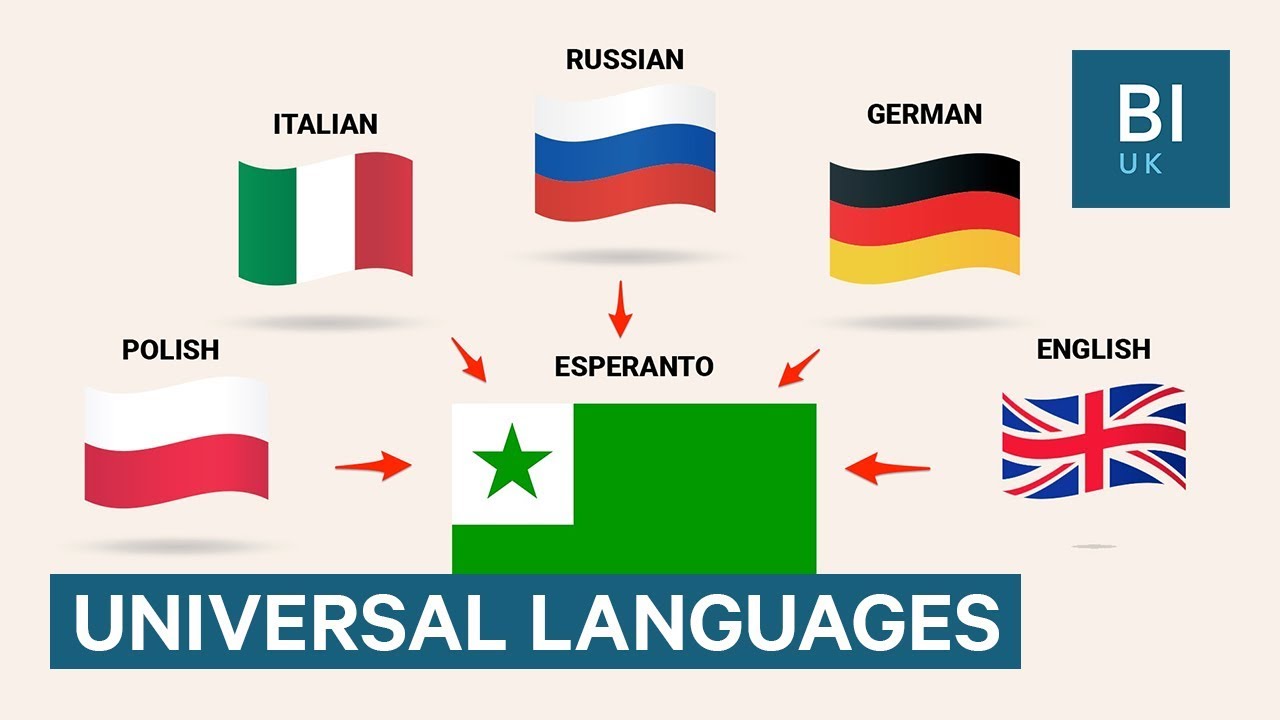
The widespread adoption of English as the global language raises significant ethical and cultural concerns. One primary concern is the potential for linguistic imperialism and cultural homogenization.
Linguistic imperialism refers to the imposition of one language over others, often through political or economic dominance. As English becomes increasingly dominant, there is a risk that other languages and cultures will be marginalized or even lost.
Impact on Indigenous Languages and Cultures
- English’s dominance can lead to the erosion of indigenous languages and cultures, as people shift towards using English in education, business, and communication.
- This loss of linguistic diversity can have profound consequences for cultural identity, traditional knowledge, and the preservation of cultural heritage.
Strategies for Linguistic Diversity and Cultural Preservation
To address these concerns, it is essential to promote linguistic diversity and cultural preservation in a globalized world. This can be achieved through:
- Supporting multilingual education and encouraging the use of indigenous languages in schools and universities.
- Promoting cultural exchange and intercultural dialogue to foster understanding and appreciation of diverse cultures.
- Recognizing and valuing the contributions of non-English speaking communities to global society.
FAQ Insights
Why is English considered a universal language?
English has gained widespread acceptance as a universal language due to historical factors such as British colonialism and globalization, as well as its adoption in international organizations, business, and popular culture.
What are the advantages of using English as a universal language?
English as a universal language facilitates global communication, promotes economic growth, and enhances access to information and knowledge.
What are the challenges associated with English as a universal language?
The dominance of English can lead to linguistic imperialism, cultural homogenization, and the marginalization of other languages and cultures.
