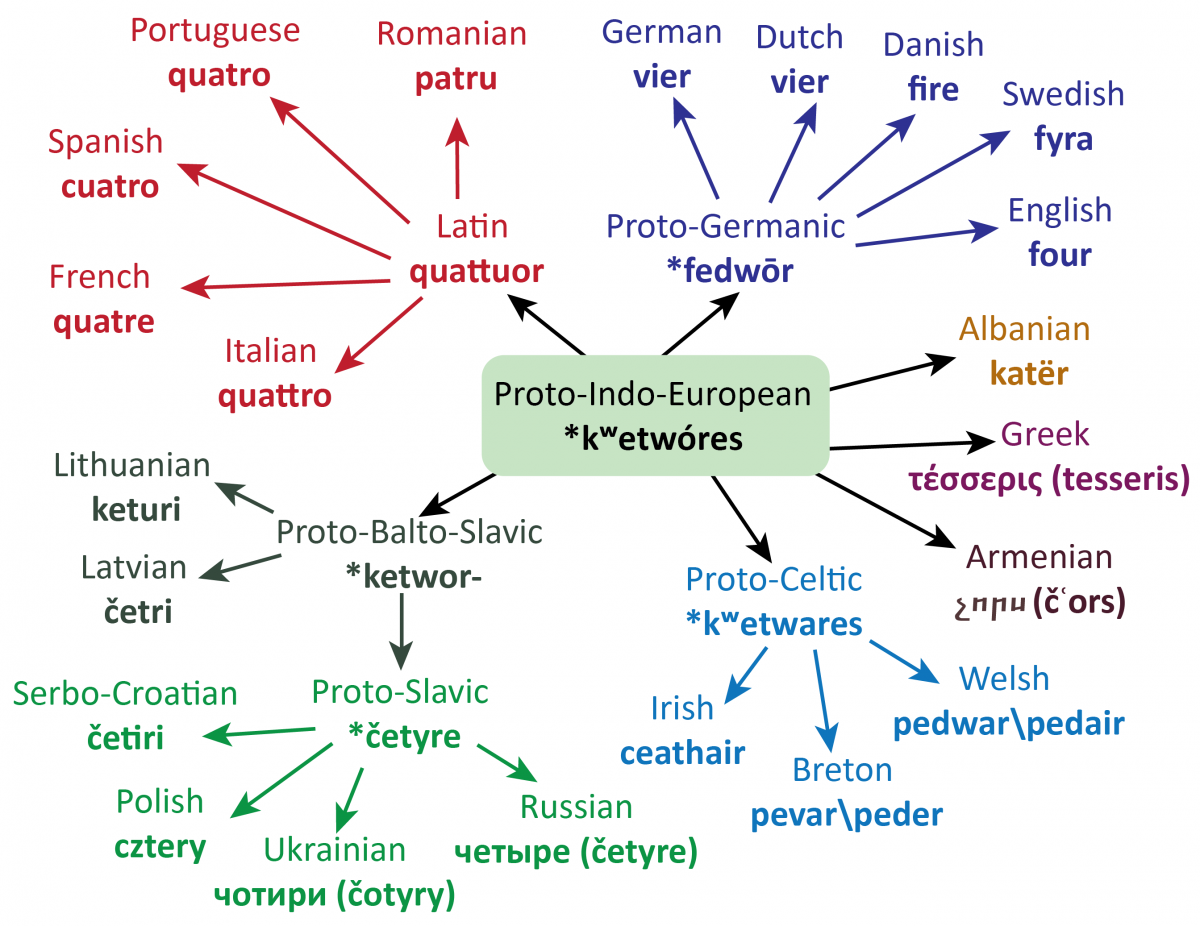
What is a proto language – What is a proto-language? A proto-language is a hypothetical ancestor of a group of related languages. It is not directly attested, but it can be reconstructed using the comparative method. Proto-languages are important for understanding the history of languages and the relationships between them.
Proto-languages are typically reconstructed using the comparative method. This method involves comparing the phonology, morphology, and syntax of related languages to identify shared features that may have been inherited from a common ancestor. The comparative method can also be used to reconstruct the sound changes that have occurred in the different languages since they diverged from the proto-language.
Definition of Proto-Language
A proto-language is a hypothetical ancestral language from which a group of related languages, known as a language family, is descended. Proto-languages are reconstructed using the comparative method, which compares the similarities and differences between languages to infer their shared ancestry.
Historical Significance of Proto-Languages
Proto-languages play a crucial role in understanding the history and evolution of languages. They provide insights into the origins and relationships of different language families, and help linguists trace the migrations and interactions of ancient populations.
Examples of Well-Known Proto-Languages
Some well-known proto-languages include:
- Proto-Indo-European
- Proto-Afro-Asiatic
- Proto-Germanic
- Proto-Slavic
Key Characteristics of Proto-Languages
Proto-languages are typically characterized by:
- High degree of regularity and simplicity in their grammar and phonology
- Lack of complex grammatical features found in their descendant languages
- Reconstruction based on the comparative method and evidence from related languages
Characteristics of Proto-Languages
Proto-languages, the hypothetical ancestors of modern languages, possess distinctive characteristics that set them apart from their descendants. These features provide valuable insights into the evolution of language and the common origins of language families.
Phonology
Proto-languages typically exhibit a consonant-heavy phonological system with a limited vowel inventory. Syllable structures tend to be simple, with few complex consonant clusters or diphthongs. As languages evolve, vowel inventories expand, and syllable structures become more complex, resulting in a wider range of phonemes.
Morphology
Proto-languages often display polysynthetic and agglutinative morphological structures. Words consist of multiple morphemes that are strung together without significant changes in their form. In contrast, modern languages tend to be more fusional and analytic, with morphemes fused together and less transparent in their meaning.
Syntax, What is a proto language
The syntax of proto-languages is typically straightforward, with simple sentence structures and a limited number of function words. Word order is often SOV (subject-object-verb) or SVO (subject-verb-object). Modern languages exhibit greater syntactic complexity, with variable word order, a wider range of function words, and more complex sentence structures.
Summary
In summary, proto-languages are characterized by consonant-heavy phonology, polysynthetic morphology, and simple syntax. Over time, languages evolve to become more vowel-rich, fusional, and syntactically complex. Understanding the characteristics of proto-languages provides a valuable window into the origins and development of human language.
Reconstruction of Proto-Languages

The reconstruction of proto-languages involves the meticulous analysis of linguistic data to infer the characteristics and vocabulary of ancestral languages. This process has been instrumental in gaining insights into the evolution of languages and the relationships between them.
Methods of Proto-Language Reconstruction
The comparative method is a cornerstone of proto-language reconstruction. By comparing cognate sets (words with similar forms and meanings) across different languages, linguists can establish sound correspondences and infer the phonological system of the proto-language.
Internal reconstruction utilizes evidence within a single language to identify features that may have been inherited from an earlier stage. This method is particularly useful for reconstructing aspects of proto-languages that are not directly attested in daughter languages.
Glottochronology, though controversial, attempts to estimate the time depth of language divergence based on the rate of vocabulary replacement. While its accuracy is limited, it can provide insights into the relative chronology of language splits.
Role of Comparative Linguistics
Comparative linguistics plays a pivotal role in proto-language reconstruction. The systematic comparison of languages allows for the identification of regular sound correspondences, which are essential for establishing the phonological system of the proto-language.
Cognate sets provide crucial evidence for reconstructing vocabulary. By identifying words that share similar forms and meanings across multiple languages, linguists can infer the existence of these words in the proto-language.
Examples of Proto-Language Reconstructions
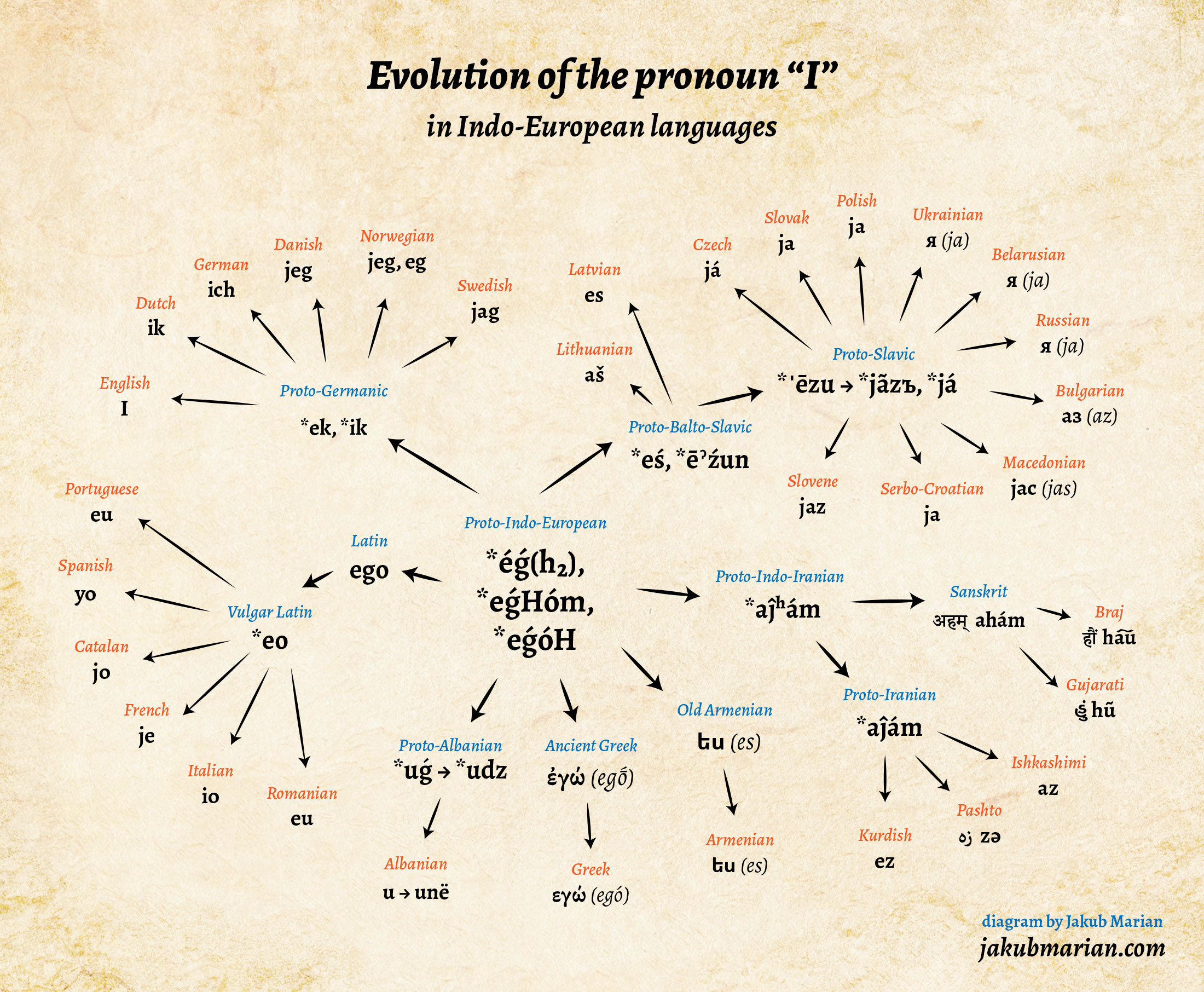
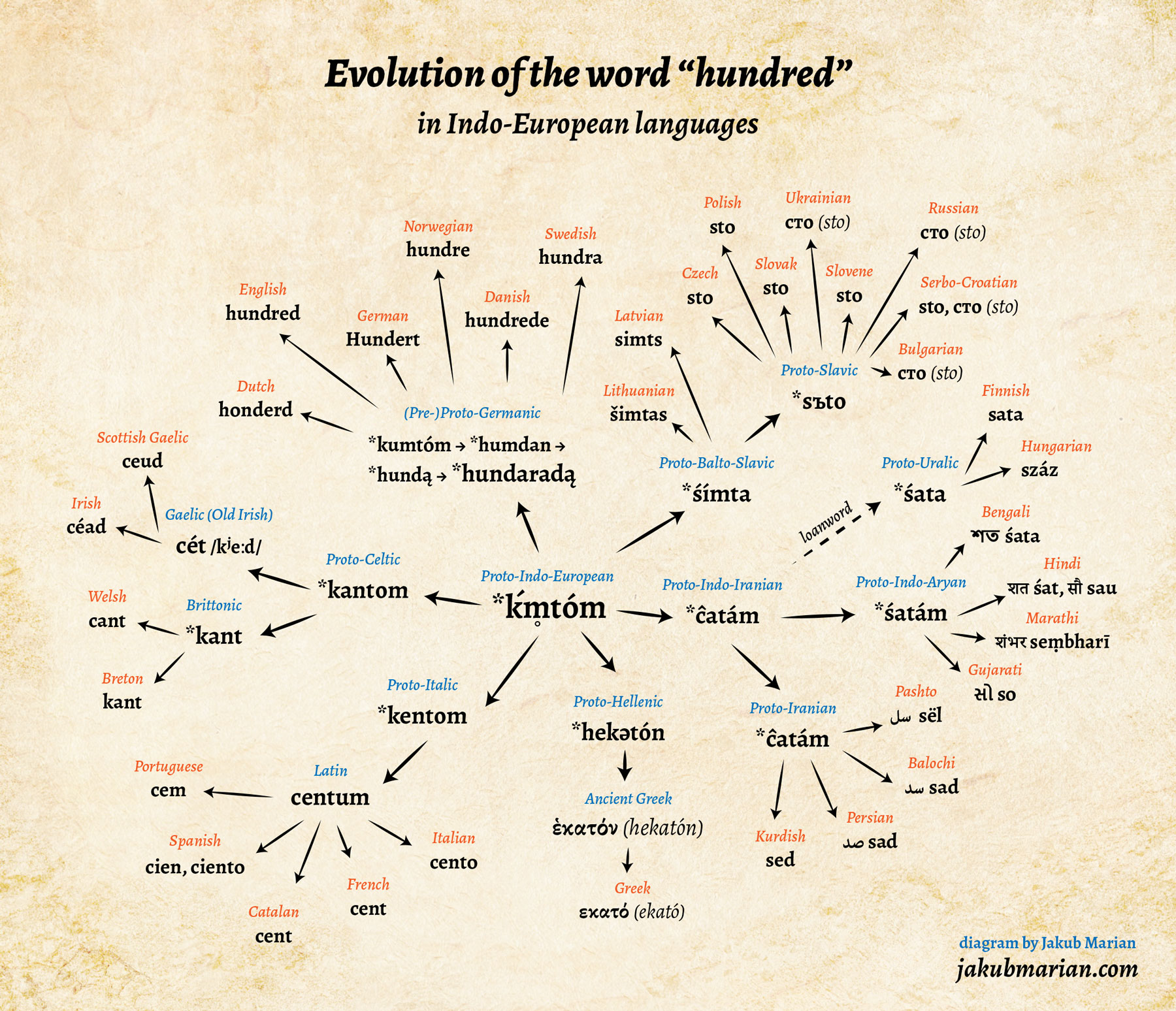
Proto-Indo-European, the ancestral language of the Indo-European language family, is one of the most well-known examples of a successfully reconstructed proto-language. Its reconstruction has shed light on the origins and evolution of languages such as English, Hindi, and Persian.
Proto-Austronesian, the proto-language of the Austronesian language family, has been reconstructed based on evidence from languages spoken across Southeast Asia, Oceania, and Madagascar. This reconstruction has provided insights into the migration patterns and cultural interactions of Austronesian-speaking peoples.
Proto-Bantu, the proto-language of the Bantu languages of Africa, has been reconstructed through the comparative analysis of over 400 Bantu languages. Its reconstruction has enabled linguists to understand the linguistic diversity and historical relationships within the Bantu language family.
Limitations and Challenges
Proto-language reconstruction is not without its limitations and challenges. The lack of written records for many proto-languages makes it difficult to directly attest their existence. Additionally, distinguishing between inherited and borrowed features can be challenging, as languages often undergo significant changes over time.
Despite these challenges, proto-language reconstruction remains a valuable tool for understanding the history and evolution of languages. By carefully analyzing linguistic data and utilizing rigorous methods, linguists can gain insights into the origins and relationships of languages, shedding light on the cultural and historical processes that have shaped human communication.
Computational Methods
In recent years, computational methods have played an increasingly significant role in proto-language reconstruction. Phylogenetic analysis, based on evolutionary models, allows for the reconstruction of language trees and the estimation of divergence times.
Bayesian inference, a statistical approach, enables the incorporation of uncertainty and the exploration of multiple possible proto-language reconstructions. These computational methods have enhanced the accuracy and efficiency of proto-language reconstruction, contributing to a deeper understanding of language evolution.
Proto-Indo-European: What Is A Proto Language
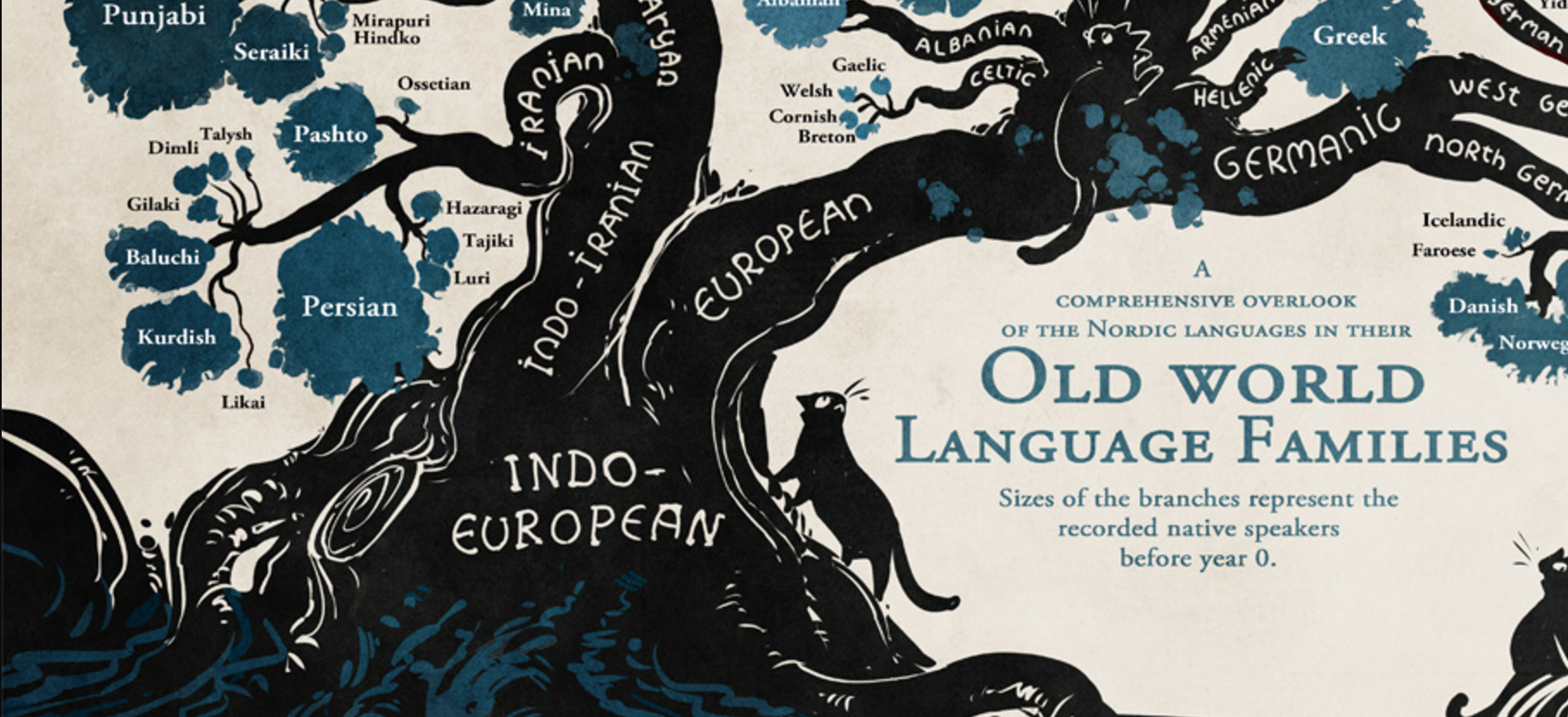
Proto-Indo-European (PIE) is a hypothetical proto-language that is the ancestor of the Indo-European language family, one of the largest language families in the world. It is estimated to have been spoken around 3500-2500 BCE in the Pontic-Caspian steppe region.
PIE is significant because it provides insights into the origins and development of the Indo-European languages, which are spoken by over half of the world’s population. The study of PIE has also contributed to our understanding of language change and the reconstruction of proto-languages in general.
Evidence Supporting the Existence of Proto-Indo-European
There is a substantial amount of evidence supporting the existence of PIE, including:
- Lexical similarities:There are striking similarities in vocabulary among the Indo-European languages, particularly in basic vocabulary related to family, body parts, and natural phenomena.
- Morphological similarities:The Indo-European languages share a number of morphological features, such as the use of prefixes and suffixes to indicate grammatical relationships.
- Phonological similarities:There are also similarities in the sound systems of the Indo-European languages, such as the use of laryngeal consonants and the presence of vowel ablaut.
Linguistic Features of Proto-Indo-European
PIE is reconstructed as having a complex grammatical system, with a rich system of declensions and conjugations. It also had a large inventory of consonants and vowels, including laryngeal consonants and vowel ablaut.
- Nouns:PIE nouns had three genders (masculine, feminine, and neuter) and eight cases (nominative, accusative, genitive, dative, ablative, instrumental, locative, and vocative).
- Verbs:PIE verbs had a complex system of tenses, moods, and voices. They also had a rich system of aspect, with both perfective and imperfective forms.
- Syntax:PIE had a relatively free word order, with the basic word order being subject-verb-object.
Proto-Semitic
Proto-Semitic is a hypothetical ancestral language of the Semitic languages, a family of languages spoken in the Middle East, North Africa, and the Horn of Africa. It is believed to have been spoken around 3000 BCE, and its descendants include Arabic, Hebrew, Aramaic, and Akkadian.Proto-Semitic is significant because it provides insights into the common ancestor of the Semitic languages and allows us to reconstruct their historical development.
It also helps us understand the relationships between the different Semitic languages and their spread across the Middle East and North Africa.
Evidence Supporting the Existence of Proto-Semitic
There is a considerable amount of evidence supporting the existence of Proto-Semitic, including:
- Cognates:Many words in the Semitic languages have similar forms and meanings, suggesting a common origin. For example, the word for “father” is abin Arabic, avin Hebrew, and abuin Akkadian.
- Regular sound correspondences:There are regular sound correspondences between the Semitic languages, which can be explained by assuming a common ancestor. For example, the Proto-Semitic consonant *pcorresponds to pin Arabic, fin Hebrew, and pin Akkadian.
- Morphological similarities:The Semitic languages share many morphological features, such as the use of prefixes and suffixes to indicate grammatical functions. This suggests that they inherited these features from a common ancestor.
Linguistic Features of Proto-Semitic
Proto-Semitic was a complex language with a rich system of consonants and vowels. It had a three-vowel system ( a, i, u) and a complex system of consonants, including voiceless stops, voiced stops, fricatives, and affricates.Proto-Semitic was also a highly inflectional language, with a complex system of prefixes and suffixes to indicate grammatical functions.
It had three genders (masculine, feminine, and neuter) and two numbers (singular and plural).
Proto-Uralic
Proto-Uralic is a hypothetical ancestral language that is believed to have been spoken by the ancestors of the Uralic peoples. It is the proto-language of the Uralic languages, a language family spoken in northern Eurasia. Proto-Uralic is thought to have been spoken around 5,000 years ago, and its descendants are still spoken by millions of people today.The evidence for the existence of Proto-Uralic comes from the similarities between the Uralic languages.
These similarities include shared vocabulary, grammar, and phonology. For example, the Uralic languages all have a system of vowel harmony, in which the vowels in a word must agree in terms of their frontness or backness. This system is thought to be a relic of Proto-Uralic.The linguistic features of Proto-Uralic are not fully known, but some of its features can be reconstructed from the evidence of its descendant languages.
For example, Proto-Uralic is thought to have had a relatively small inventory of consonants, and its vowels are thought to have been distinguished by their length. Proto-Uralic also had a system of case marking, in which nouns were marked for their grammatical function by means of suffixes.Proto-Uralic is an important proto-language because it provides insights into the history of the Uralic peoples.
By studying Proto-Uralic, linguists can learn about the origins of the Uralic languages and the cultures of the people who spoke them.
Proto-Sino-Tibetan
Proto-Sino-Tibetan is a hypothetical ancestral language from which the Sino-Tibetan languages are descended. It is one of the most widely accepted proto-languages, and its reconstruction has been instrumental in understanding the history and evolution of the Sino-Tibetan language family.The evidence supporting the existence of Proto-Sino-Tibetan is primarily based on comparative linguistics.
By comparing the phonological, morphological, and syntactic features of the Sino-Tibetan languages, linguists have been able to reconstruct a common ancestral language that shares many of these features.The linguistic features of Proto-Sino-Tibetan are characterized by a number of distinctive features, including:
- A tonal system with four or more tones.
- A system of prefixes and suffixes to indicate grammatical relationships.
- A relatively small inventory of consonants.
- A word order that is typically subject-verb-object.
Proto-Sino-Tibetan is significant because it provides a glimpse into the linguistic history of one of the world’s largest and most diverse language families. Its reconstruction has allowed linguists to trace the evolution of the Sino-Tibetan languages and to better understand the relationships between them.
| Feature | Proto-Sino-Tibetan | Proto-Indo-European | Proto-Semitic | Proto-Uralic |
|---|---|---|---|---|
| Tonal system | 4 or more tones | No tones | No tones | No tones |
| Grammatical affixes | Prefixes and suffixes | Suffixes only | Prefixes and suffixes | Suffixes only |
| Consonant inventory | Relatively small | Relatively large | Relatively small | Relatively large |
| Word order | Subject-verb-object | Verb-subject-object | Verb-subject-object | Subject-verb-object |
“Proto-Sino-Tibetan is one of the most important proto-languages in the world, and its reconstruction has had a profound impact on our understanding of the history and evolution of the Sino-Tibetan language family.”
David Bradley, Professor of Linguistics, La Trobe University
Explain the importance of Proto-Austronesian as a proto-language and its significance in linguistic research.
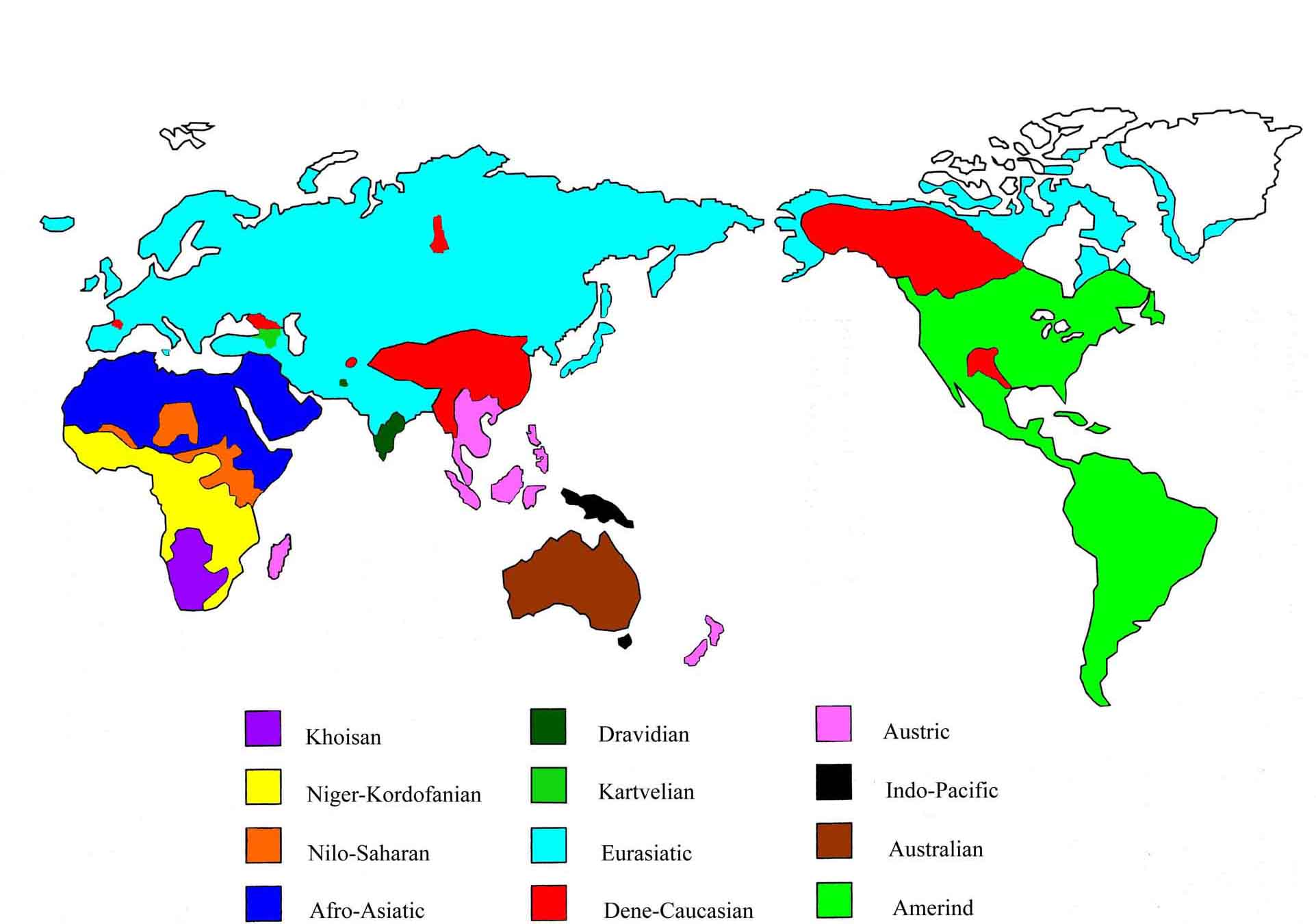
Proto-Austronesian is a pivotal proto-language in linguistic research due to its significance in tracing the origins and evolution of the Austronesian language family, one of the world’s most geographically dispersed language families. It serves as the ancestral language from which approximately 1,200 modern Austronesian languages have descended, spoken by over 386 million people across the vast expanse of the Pacific and Indian Oceans.
The reconstruction of Proto-Austronesian has enabled linguists to gain insights into the prehistory and migrations of Austronesian-speaking peoples, shedding light on the cultural and linguistic diversity of the region. It provides a framework for comparative studies, allowing researchers to identify shared linguistic features, trace language diversification, and uncover historical relationships between different Austronesian languages.
Proto-Niger-Congo
Proto-Niger-Congo is a hypothetical proto-language that is believed to be the ancestor of the Niger-Congo languages, one of the largest and most diverse language families in Africa. The Niger-Congo family includes over 1,500 languages spoken by more than 300 million people across sub-Saharan Africa.The significance of Proto-Niger-Congo lies in its role as the common ancestor of such a large and diverse group of languages.
By reconstructing Proto-Niger-Congo, linguists can gain insights into the history and evolution of the Niger-Congo languages, as well as the prehistory of the African continent.
Evidence Supporting the Existence of Proto-Niger-Congo
The existence of Proto-Niger-Congo is supported by a number of linguistic and archaeological evidence. Linguistic evidence includes the presence of regular sound correspondences between different Niger-Congo languages, as well as the presence of shared grammatical features. Archaeological evidence includes the presence of material culture that is common to different Niger-Congo-speaking peoples, such as pottery and iron tools.
Linguistic Features of Proto-Niger-Congo
Proto-Niger-Congo is reconstructed as having a complex sound system, with a large number of consonants and vowels. The language also had a complex grammatical system, with a number of different noun classes and verb tenses.One of the most distinctive features of Proto-Niger-Congo is its use of tone.
Tone is a linguistic feature that involves the use of different pitches to distinguish between different words or grammatical forms. Proto-Niger-Congo is reconstructed as having a system of two tones, high and low.
Provide specific examples of languages that belong to the Proto-Bantu family.
The Proto-Bantu family encompasses a vast number of languages spoken across Central, Eastern, and Southern Africa. Some prominent examples include:
Bantu languages of Central Africa
Swahili, Lingala, Shona, Ndebele, Kongo
Bantu languages of Eastern Africa
Gikuyu, Kamba, Luhya, Makonde, Yao
Bantu languages of Southern Africa
Zulu, Xhosa, Sotho, Tswana, Venda
Proto-languages, reconstructed hypothetical ancestors of known languages, provide insights into the evolution of language families. Despite their importance, accessing information about them can be challenging. To facilitate this, consider using online resources that offer guidance on adding language keyboards to your iPhone.
Here , you can learn how to add keyboards for various languages, enabling you to access proto-language materials and explore the linguistic diversity represented by these ancestral tongues.
Proto-Mayan

Proto-Mayan is a hypothetical proto-language that is believed to be the ancestor of the Mayan languages spoken in Mesoamerica. It is thought to have been spoken around 2000 BCE in the Guatemalan Highlands.Proto-Mayan is significant because it provides insights into the history and development of the Mayan languages.
By studying Proto-Mayan, linguists can learn about the commonalities and differences between the Mayan languages and gain a better understanding of their evolution.
Evidence for Proto-Mayan
The existence of Proto-Mayan is supported by several lines of evidence. First, there is a high degree of similarity between the Mayan languages in terms of their grammar, vocabulary, and phonology. This similarity suggests that the Mayan languages share a common ancestor.Second, there is evidence for sound changes that have occurred in the Mayan languages since Proto-Mayan.
These sound changes can be used to reconstruct the Proto-Mayan sound system.Finally, there is evidence for Proto-Mayan loanwords in other Mesoamerican languages. This suggests that Proto-Mayan was once spoken over a wider area than the Mayan languages are spoken today.
Linguistic Features of Proto-Mayan
Proto-Mayan is thought to have been a tonal language, with each syllable having a high or low tone. It is also thought to have had a relatively complex consonant system, with a number of glottalized and ejective consonants.Proto-Mayan is also thought to have had a relatively complex system of verbal morphology, with a number of different prefixes and suffixes that could be used to indicate tense, aspect, mood, and voice.
Proto-Quechua

Proto-Quechua is the reconstructed proto-language of the Quechua languages, a family of indigenous languages spoken in the Andes region of South America. It is the ancestor of all modern Quechua languages, which are spoken by over 10 million people in countries such as Peru, Bolivia, Ecuador, and Argentina.
Importance of Proto-Quechua as a Proto-Language
Proto-Quechua is an important proto-language for several reasons. First, it provides insights into the history and development of the Quechua languages. By reconstructing Proto-Quechua, linguists can trace the evolution of the Quechua languages and identify the changes that have occurred over time.
Second, Proto-Quechua can help us understand the relationships between the different Quechua languages. By comparing the features of Proto-Quechua with those of the modern Quechua languages, linguists can determine how the different languages have diverged from one another. Third, Proto-Quechua can be used to reconstruct the cultural and historical context of the Quechua people.
By studying the vocabulary and grammar of Proto-Quechua, linguists can gain insights into the beliefs, customs, and history of the Quechua people.
Evidence Supporting the Existence of Proto-Quechua
There is a great deal of evidence supporting the existence of Proto-Quechua. First, there is the comparative method. By comparing the different Quechua languages, linguists have been able to identify a number of shared features that are not found in any other languages.
These shared features provide strong evidence for the existence of a common ancestor, Proto-Quechua. Second, there is the evidence from loanwords. A number of Quechua languages have borrowed words from other languages, such as Spanish and Aymara. These loanwords provide evidence for the existence of Proto-Quechua, as they show that the Quechua languages were in contact with other languages at an early stage in their history.
Linguistic Features of Proto-Quechua
Proto-Quechua was a complex language with a rich grammar and vocabulary. Some of the key linguistic features of Proto-Quechua include:
- A complex system of verb morphology, with a large number of prefixes and suffixes that could be used to indicate tense, mood, aspect, and person.
- A rich system of noun morphology, with a number of different suffixes that could be used to indicate number, case, and possession.
- A relatively small number of basic consonants and vowels, with a number of consonant clusters that are not found in any other languages.
Significance of Proto-Quechua in Understanding the History of the Quechua Languages
Proto-Quechua is of great significance in understanding the history of the Quechua languages. By reconstructing Proto-Quechua, linguists have been able to trace the evolution of the Quechua languages and identify the changes that have occurred over time. This information has helped linguists to understand the relationships between the different Quechua languages and to develop a better understanding of the history of the Quechua people.
Challenges in Reconstructing Proto-Quechua
Reconstructing Proto-Quechua is a challenging task. One of the main challenges is the lack of written records. The Quechua languages were not written down until the arrival of the Spanish in the 16th century. This means that linguists have to rely on comparative methods and other indirect evidence to reconstruct Proto-Quechua.
Table Summarizing the Key Linguistic Features of Proto-Quechua
| Feature | Description |
|---|---|
| Consonants | p, t, k, q, ch, s, sh, h, m, n, ñ, l, r, w, y |
| Vowels | a, e, i, o, u |
| Verb morphology | Complex system of prefixes and suffixes to indicate tense, mood, aspect, and person |
| Noun morphology | Rich system of suffixes to indicate number, case, and possession |
| Syntax | Subject-object-verb word order |
Map Showing the Approximate Geographic Distribution of Proto-Quechua Speakers
[Image of a map showing the approximate geographic distribution of Proto-Quechua speakers]
Essay on the Impact of Proto-Quechua on the Development of the Quechua Languages
Proto-Quechua has had a profound impact on the development of the Quechua languages. The shared features of the Quechua languages are a testament to the influence of Proto-Quechua. Proto-Quechua has also played a role in the development of new Quechua languages.
For example, the Quechua language spoken in Ecuador is a result of the contact between Proto-Quechua and the Aymara language. Proto-Quechua is a vital part of the history of the Quechua languages and continues to play a role in their development today.
A proto language is a hypothetical ancestor of a group of related languages. For example, the Indo-European proto-language is the ancestor of all the Indo-European languages, such as English, Spanish, and Russian. In the case of Cyprus, the official languages are Greek and Turkish.
However, there are also several minority languages spoken on the island, including Armenian, Arabic, and Kurdish. These languages are all descended from a common ancestor, which is thought to have been spoken in Cyprus around 1000 BC. This proto-language is known as Cypriot, and it is closely related to the other Indo-European languages spoken in the region, such as Greek and Armenian.
Proto-Na-Dene
Proto-Na-Dene is a hypothetical proto-language proposed to be the ancestor of the Na-Dene language family, spoken by various indigenous peoples in North America. The Na-Dene family includes languages such as Navajo, Apache, Tlingit, and Athabaskan languages.The significance of Proto-Na-Dene lies in its proposed time depth and geographical spread.
It is estimated to have existed around 8,000 to 10,000 years ago, making it one of the oldest known language families in North America. Additionally, the proposed geographical spread of Proto-Na-Dene encompasses a vast area from Alaska to the Southwestern United States, suggesting a significant migration and dispersal of its speakers over time.
Evidence for Proto-Na-Dene
The existence of Proto-Na-Dene is supported by various lines of evidence, including linguistic, archaeological, and genetic data. Linguistic evidence:Comparative linguistics has identified numerous shared phonological, morphological, and lexical similarities among the Na-Dene languages, suggesting a common ancestral language. For example, many Na-Dene languages share similar sound systems, including voiceless aspirated consonants and a limited vowel inventory.
They also exhibit common morphological features, such as a complex system of prefixes and suffixes, and a tendency towards polysynthetic structures. Archaeological evidence:Archaeological findings have provided indirect support for the Proto-Na-Dene hypothesis. The distribution of archaeological sites associated with Na-Dene speakers corresponds roughly to the proposed geographical spread of Proto-Na-Dene, suggesting a long-term presence of Na-Dene peoples in these regions.
Genetic evidence:Genetic studies have also contributed to the understanding of Proto-Na-Dene. While genetic data cannot directly prove linguistic relationships, it can provide insights into population movements and migrations. Genetic studies have identified shared genetic markers among Na-Dene speakers, suggesting a common ancestry and supporting the hypothesis of a Proto-Na-Dene language.
Linguistic Features of Proto-Na-Dene
The linguistic features of Proto-Na-Dene have been reconstructed based on comparative studies of the Na-Dene languages. Phonology:Proto-Na-Dene is reconstructed as having a relatively small vowel inventory, typically consisting of five or six vowels. The consonant system is more complex, with a large number of voiceless and voiced consonants, including aspirated and ejective consonants.
Morphology:Proto-Na-Dene is characterized by a complex system of prefixes and suffixes. Prefixes are used to indicate grammatical functions such as tense, aspect, and mood, while suffixes are used to derive new words from existing roots. The language also exhibits a high degree of polysyntheticity, with words often consisting of multiple morphemes.
Syntax:The syntax of Proto-Na-Dene is relatively free, with a flexible word order. Sentences can be structured in various ways, depending on the speaker’s emphasis and communicative intent. Lexicon:The Proto-Na-Dene lexicon includes a number of words related to hunting, fishing, and other subsistence activities.
This suggests that the Proto-Na-Dene speakers were primarily hunter-gatherers.
Controversies and Debates
The Proto-Na-Dene hypothesis has been the subject of some controversy and debate. One major debate centers on the time depth of Proto-Na-Dene. Some scholars argue that the proposed time depth of 8,000 to 10,000 years is too great, and that Proto-Na-Dene may have existed more recently.Another debate concerns the geographical spread of Proto-Na-Dene.
Some scholars have proposed that Proto-Na-Dene may have originated in a more restricted area, such as the Pacific Northwest, and later spread to other regions.Despite these debates, the Proto-Na-Dene hypothesis remains a significant contribution to the understanding of the linguistic and cultural history of North America.
Further research is needed to refine the proposed time depth and geographical spread of Proto-Na-Dene, and to uncover additional evidence supporting its existence.
Current State of Research
Research on Proto-Na-Dene is ongoing, with scholars continuing to investigate the linguistic, archaeological, and genetic evidence supporting its existence. Recent advances in computational linguistics and genetic analysis have provided new tools for studying Proto-Na-Dene and other ancient languages.Areas of consensus among researchers include the shared linguistic features among the Na-Dene languages, the archaeological evidence supporting a long-term presence of Na-Dene speakers in North America, and the genetic evidence suggesting a common ancestry among Na-Dene speakers.Areas of disagreement include the exact time depth of Proto-Na-Dene, the geographical spread of its speakers, and the relationship between Proto-Na-Dene and other language families in North America.Overall, the current state of research on Proto-Na-Dene is characterized by ongoing investigation and debate, with scholars working to refine our understanding of this ancient language and its place in the linguistic and cultural history of North America.
Proto-Khoisan
Proto-Khoisan is a hypothetical ancestral language from which the Khoisan languages of southern Africa are believed to have descended. It is one of the oldest language families in the world, with an estimated age of at least 10,000 years.
The existence of Proto-Khoisan is supported by a number of linguistic similarities among the Khoisan languages. These similarities include:
- A click consonant system, which is a unique feature of the Khoisan languages.
- A complex system of noun classes, which is also found in many other African languages.
- A relatively small number of basic vowels.
The linguistic features of Proto-Khoisan suggest that it was a spoken language that was used by a group of hunter-gatherers who lived in southern Africa. The language is likely to have been very different from the Bantu languages that are spoken in most of the rest of Africa today.
Proto-Basque
Proto-Basque is the hypothetical ancestor of the Basque language, a language isolate spoken in the Basque Country, a region that straddles the border between Spain and France. The existence of Proto-Basque is inferred from the comparative study of the modern Basque dialects.Evidence supporting the existence of Proto-Basque includes the following:
- The existence of regular sound correspondences between the different Basque dialects.
- The presence of a number of shared grammatical features, such as the use of ergative-absolutive case marking.
- The existence of a number of shared lexical items.
The linguistic features of Proto-Basque are not well known, but some general characteristics can be reconstructed. For example, Proto-Basque is thought to have been a polysynthetic language, with a large number of affixes that were used to create new words.
It is also thought to have had a relatively complex system of verb morphology, with a number of different tenses and moods.
FAQ Summary
What is the difference between a proto-language and a modern language?
A proto-language is a hypothetical ancestor of a group of related languages. It is not directly attested, but it can be reconstructed using the comparative method. Modern languages are the languages that are spoken today.
How can proto-languages be used to understand the history of languages?
Proto-languages can be used to understand the history of languages by comparing the phonology, morphology, and syntax of related languages to identify shared features that may have been inherited from a common ancestor. The comparative method can also be used to reconstruct the sound changes that have occurred in the different languages since they diverged from the proto-language.
What are some examples of proto-languages?
Some examples of proto-languages include Proto-Indo-European, Proto-Afro-Asiatic, Proto-Austronesian, and Proto-Bantu.
