What is frisian language – What is the Frisian language? Embark on a captivating journey to discover the origins, evolution, and significance of this unique Germanic tongue spoken in the northern Netherlands and northwestern Germany. From its historical roots to its modern-day vitality, we delve into the fascinating world of Frisian, exploring its dialects, literature, and cultural impact.
The Frisian language, a treasure trove of linguistic and cultural heritage, has played a pivotal role in shaping the identity and history of the Frisian people. Its distinct dialects, rich literature, and enduring presence in education and media attest to its resilience and vitality.
As we delve into the intricacies of Frisian, we uncover the factors that have influenced its evolution and the challenges it faces as a minority language in the modern world.
Definition and Origin
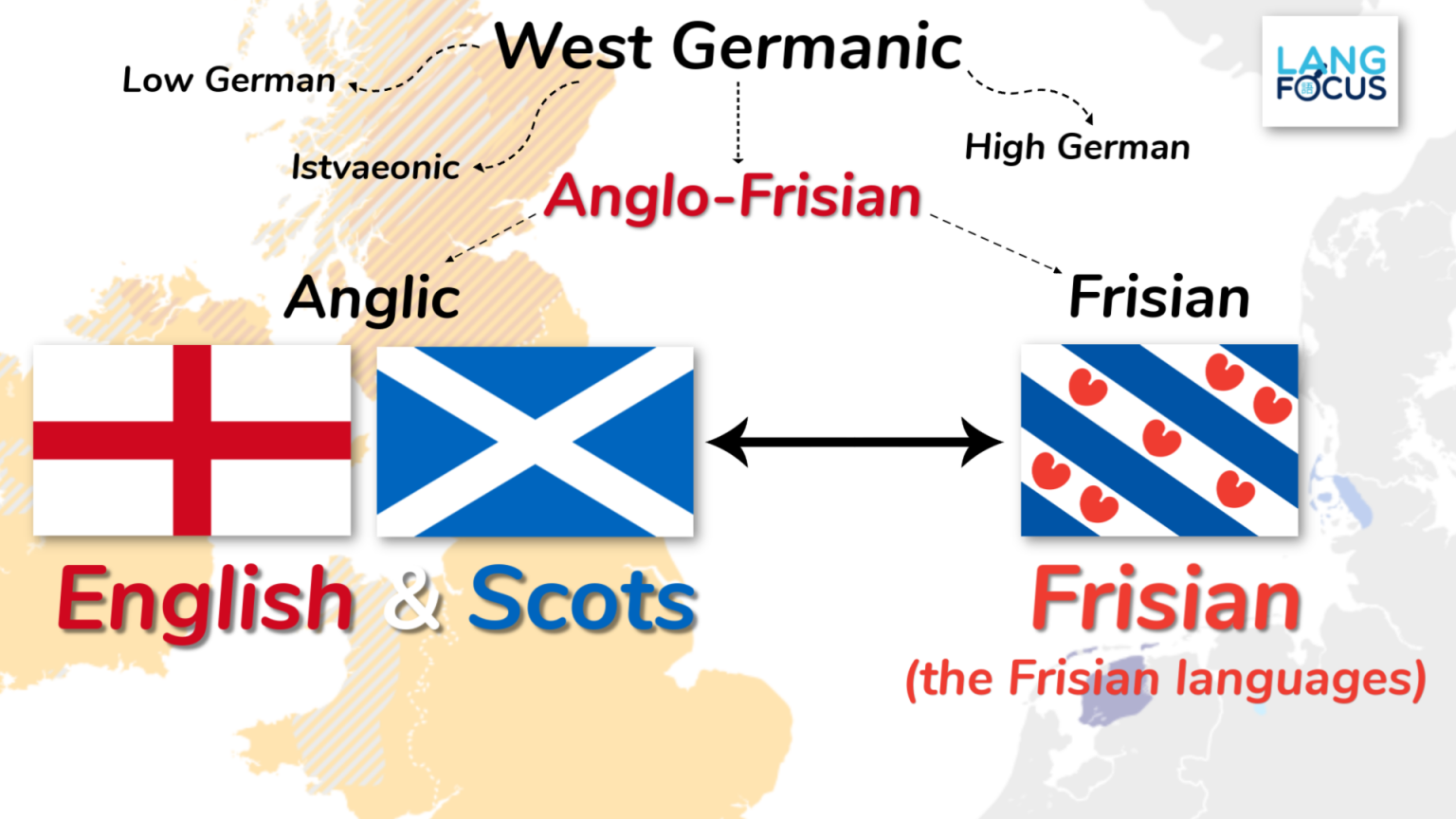
The Frisian language is a West Germanic language spoken by the Frisian people, who inhabit the coastal regions of the Netherlands and Germany. It is closely related to English, German, and Dutch, and belongs to the Ingvaeonic branch of the Germanic languages.
The origins of Frisian are not entirely clear, but it is thought to have diverged from its ancestral language, Proto-Frisian, around the 5th century AD.
Ancestral Languages
The ancestral language of Frisian is believed to be Proto-Frisian, which in turn evolved from Proto-Ingvaeonic, a hypothetical ancestral language spoken by the Ingvaeonic tribes of the North Sea coast. Proto-Frisian is thought to have been spoken around the 1st century AD, and it gradually diverged into the various Frisian dialects that exist today.
Dialects and Variations
The Frisian language exhibits a rich dialectal landscape, with several distinct dialects spoken across its geographical distribution. These dialects share a common linguistic heritage but have evolved unique features and characteristics over time.
Dialect Distribution
Frisian dialects are primarily spoken in the northern Netherlands (Friesland and Groningen) and northwestern Germany (East Frisia and North Frisia). The dialects can be broadly classified into three main groups:
- Western Frisian:Spoken in the Dutch province of Friesland, including the islands of Terschelling, Ameland, and Schiermonnikoog.
- Eastern Frisian:Spoken in the German region of East Frisia, including the islands of Borkum, Juist, and Norderney.
- Northern Frisian:Spoken in the German region of North Frisia, including the islands of Sylt, Föhr, and Amrum.
Similarities and Differences
Despite their distinct dialects, the Frisian languages share many common features. These include:
- A two-gender system (masculine and feminine)
- A complex system of noun declensions
- A rich verb morphology with multiple tenses and moods
- A vocabulary that includes many words of Germanic origin
However, there are also notable differences between the dialects. For example:
- Western Frisian:Has a more conservative pronunciation system, retaining many Old Frisian features.
- Eastern Frisian:Has undergone significant influence from Low German, resulting in a more Germanic-sounding language.
- Northern Frisian:Has a unique vowel system and has lost many of the declensional endings found in the other dialects.
Unique Features
Each Frisian dialect has its own unique features that distinguish it from the others. Some examples include:
- Western Frisian:The use of the diphthong /ai/ (pronounced as “eye”) in words like “rain” ( rein) and “stone” ( stien).
- Eastern Frisian:The use of the consonant cluster /sk/ in words like “school” ( skool) and “ship” ( skip).
- Northern Frisian:The use of the vowel /ö/ (pronounced as “er” in “fern”) in words like “house” ( hüs) and “water” ( weeter).
– Describe the sound system of the Frisian language, including its vowel and consonant inventories, syllable structure, and stress patterns.
The Frisian language exhibits a distinct sound system characterized by a rich vowel and consonant inventory, unique syllable structure, and specific stress patterns. This section delves into the intricate details of Frisian phonology, providing insights into its distinctive sound system.
Vowel Inventory
Frisian possesses a diverse vowel system, comprising both short and long vowels. The short vowel inventory includes /a/, /e/, /i/, /o/, and /u/, while the long vowel inventory consists of /aː/, /eː/, /iː/, /oː/, and /uː/. These vowels exhibit distinct acoustic qualities, contributing to the unique звучание of the Frisian language.
Consonant Inventory
The Frisian consonant inventory is equally complex, featuring a wide range of consonants, including voiceless stops (/p/, /t/, /k/), voiced stops (/b/, /d/, /g/), voiceless fricatives (/f/, /s/, /x/), voiced fricatives (/v/, /z/, /ɣ/), nasals (/m/, /n/, /ŋ/), and liquids (/l/, /r/).
Additionally, Frisian exhibits a unique set of palatal consonants (/c/, /ɟ/, /ɲ/), adding further complexity to its sound system.
Syllable Structure, What is frisian language
Frisian syllable structure follows specific patterns, influencing the overall rhythm and flow of the language. Syllables typically consist of a single vowel or diphthong, preceded by zero or more consonants and followed by zero or more consonants. Closed syllables, ending in a consonant, are common in Frisian, contributing to its distinct sound.
Stress Patterns
Stress patterns in Frisian play a crucial role in shaping the intonation and rhythm of the language. Stress is typically placed on the first syllable of a word, although exceptions exist. This consistent stress pattern provides a predictable and recognizable rhythm to Frisian speech.
Vocabulary and Lexicon: What Is Frisian Language
The Frisian language possesses a rich vocabulary, comprising a blend of native Frisian terms, loanwords from neighboring languages, and unique lexical items. This diversity reflects the language’s historical interactions with various cultures and its geographical proximity to different linguistic areas.
The native Frisian vocabulary encompasses words related to everyday life, nature, agriculture, and maritime activities. These words often exhibit cognates with other Germanic languages, particularly English, Dutch, and German, showcasing the shared linguistic heritage of these languages.
Loanwords
Frisian has incorporated numerous loanwords from neighboring languages, primarily Dutch, German, and French. These loanwords often pertain to concepts and objects introduced to Frisian speakers through cultural exchange and trade. For instance, the word “auto” (car) is borrowed from French, while “skoalle” (school) is derived from Dutch.
Unique Vocabulary
Frisian also boasts a collection of unique vocabulary items that are not found in other languages. These words often reflect specific cultural practices or environmental features of the Frisian-speaking regions. For example, the word “terp” refers to an artificial mound constructed by Frisians to protect their homes from flooding.
Literature and Arts

Frisian literature has a rich and varied history, dating back to the Middle Ages. The earliest known Frisian literary work is the Rimenhild, a heroic epic poem written in the 13th century. Other notable works from this period include the Freske Riim, a collection of religious poems, and the Thet Freske Riim, a chronicle of Frisian history.
In the 16th century, the Frisian language experienced a revival, and a number of important literary works were produced during this time. These include the Gysbert Japicx, a collection of poems by the Frisian poet Gysbert Japicx, and the Tsjerk Hiddes de Vries, a novel by the Frisian writer Tsjerk Hiddes de Vries.
In the 19th and 20th centuries, Frisian literature continued to flourish, and a number of important writers emerged during this time. These include the poets Douwe Kalma and Fedde Schurer, and the novelists Anne de Vries and Sjoerd Spanninga.
Today, Frisian literature is a vibrant and diverse field, with a wide range of genres and styles being produced. Some of the most popular contemporary Frisian writers include the poets Jan Wybenga and Trinus Riemersma, and the novelists Jellema and Baukje Wytsma.
Themes and Styles
Frisian literature is characterized by a number of recurring themes and styles. These include:
- The love of the Frisian language and culture: Many Frisian writers have expressed their love for their language and culture in their work. This is often seen in the use of Frisian words and phrases, as well as in the depiction of Frisian customs and traditions.
- The struggle for Frisian independence: Frisia has a long history of fighting for its independence from other countries, and this struggle has often been reflected in Frisian literature. Many Frisian writers have written about the importance of Frisian independence, and some have even called for the creation of an independent Frisian state.
- The beauty of the Frisian landscape: The Frisian landscape is often described in Frisian literature, and many writers have praised its beauty. The Frisian landscape is often seen as a symbol of Frisian identity, and it is often used to represent the Frisian people and their culture.
Frisian in Other Art Forms
In addition to literature, Frisian is also used in other art forms, such as music and theater. There are a number of Frisian folk songs and dances, and some Frisian musicians have even achieved international success. Frisian is also used in theater, and there are a number of Frisian theater companies that produce plays in the Frisian language.
Frisian has also been used in a number of other art forms, including painting and sculpture. There are a number of Frisian artists who have created works of art that are inspired by Frisian literature or art. These works of art often depict scenes from Frisian history or mythology, or they may simply reflect the beauty of the Frisian landscape.
Poem in Frisian
Frisian is a beautiful and expressive language, and it is perfect for writing poetry. Here is a short poem in Frisian by the poet Douwe Kalma:
De Fryske Tael
O Fryske tael, sa moai en rjucht,
Sa klear en lûd, sa sterk en bjust,
Do bist ús leave memmetael,
The Frisian language, spoken by a minority in the Netherlands and Germany, is a West Germanic language closely related to English and Dutch. To explore the nuances of language settings, consider this guide on how to change language in Minecraft , a popular sandbox video game that allows players to customize their language preferences.
Returning to the Frisian language, its unique grammar and vocabulary have preserved its distinct identity within the broader Germanic language family.
Do bist ús bloed, ús siel, ús krêft.
We binne fier op dy, ús tael,
We wolle dy behâlde altyd sa.
Wy sille dy útdrage oer de wrâld,
En sjongen dy yn iepen loft.
Song in Frisian
Here is a short song in Frisian by the singer-songwriter Jellema:
Fryslân boppe
Fryslân boppe, âld en nij,
Lân fan ús heiten, lân fan ús bern,
Wy binne hjir thús, wy hearre hjir,
En wy wolle bliuwe, foar ivich en foar altiten.
Refrein:
Fryslân boppe, âld en nij,
Lân fan ús heiten, lân fan ús bern,
Wy binne hjir thús, wy hearre hjir,
En wy wolle bliuwe, foar ivich en foar altiten.
Play in Frisian
Here is a short play in Frisian by the playwright Baukje Wytsma:
De Fryske flagge
Scene 1
[A group of Frisians are gathered in a field, waving Frisian flags.]
First Frisian: Wy binne hjir om ús Fryske flagge te fieren.
Second Frisian: De Fryske flagge is in symboal fan ús frijheid en ús selsbeskikking.
Third Frisian: Wy binne fier op ús Fryske flagge, en wy sille dy altyd behâlde.
All Frisians: Fryslân boppe!
Short Story in Frisian
Here is a short story in Frisian by the writer Anne de Vries:
De Fryske boer
De Fryske boer is in hardwurkjende man.
Hy wurket fan moarns ier oant jûns let.
Hy bouwt syn eigen iten en hâldt syn eigen bisten.
Hy is in selsstannige man.
Hy is in Fryske boer.
Painting or Sculpture Inspired by Frisian Literature or Art
Here is a painting by the artist Trinus Riemersma that is inspired by Frisian literature:
[Image of a painting depicting a scene from the Frisian epic poem Rimenhild]
The painting depicts the scene where Rimenhild, the daughter of the Frisian king, is abducted by the Danish prince Harald. The painting is full of movement and drama, and it captures the beauty and the tragedy of the story.
Cultural Significance

The Frisian language holds immense cultural significance for the Frisian people, deeply intertwined with their identity and heritage. It serves as a vital medium of cultural expression, fostering a sense of community and belonging.
Efforts to preserve and promote the Frisian language have been ongoing, with organizations and institutions dedicated to its revitalization. These efforts include language education programs, cultural events, and initiatives to support Frisian-language media and literature.
Linguistic Diversity
The Frisian language exhibits a rich linguistic diversity, with distinct dialects and variations spoken across different regions. These variations reflect the historical and cultural influences that have shaped the language over time.
Cultural Expression
Frisian finds expression in various forms of cultural expression, including literature, music, and theater. Notable Frisian writers have produced works that celebrate the language’s beauty and explore themes of identity, culture, and history. Similarly, Frisian musicians incorporate the language into their songs, preserving and transmitting cultural traditions.
Impact of Globalization and Modernization
Globalization and modernization have had a complex impact on the preservation and vitality of the Frisian language. While increased mobility and communication have led to some language shift, efforts to promote Frisian in education and media have helped to mitigate these challenges.
Education and Language Policy

Frisian language education has been an integral part of the cultural and linguistic landscape of the Netherlands and Germany. The current state of Frisian language education is characterized by a complex interplay of government policies, educational initiatives, and community efforts aimed at revitalizing and preserving the language.
Government policies in both the Netherlands and Germany have played a significant role in shaping the landscape of Frisian language education. In the Netherlands, the Frisian Language Act of 1993 established the legal framework for Frisian language education in primary and secondary schools.
The act mandates that Frisian be offered as a compulsory subject in all primary schools in the province of Friesland and as an elective subject in secondary schools.
Government Initiatives
Government initiatives have also been instrumental in promoting Frisian language education. In the Netherlands, the Frisian Language Board (Fryske Akademy) has been actively involved in developing and implementing educational programs and resources to support Frisian language learning. The board has developed a comprehensive curriculum for Frisian language education, which includes textbooks, teacher training programs, and online learning materials.
In Germany, the state of Lower Saxony has implemented a number of initiatives to promote Frisian language education. These initiatives include the establishment of Frisian language schools, the development of Frisian language textbooks, and the provision of financial support for Frisian language teachers.
Challenges and Opportunities
Despite these efforts, Frisian language education faces a number of challenges. One of the main challenges is the declining number of native Frisian speakers. This has led to a decrease in the number of students who are proficient in the language and a shortage of qualified Frisian language teachers.
Another challenge is the lack of standardized Frisian language education across the Netherlands and Germany. This has resulted in a fragmented educational landscape, with different regions offering different levels of Frisian language instruction.
Despite these challenges, there are also a number of opportunities for Frisian language revitalization. One of the most important opportunities is the growing awareness of the importance of Frisian language and culture. This has led to an increase in demand for Frisian language education and a greater willingness on the part of parents and students to learn the language.
Another opportunity is the development of new technologies and online learning resources. These resources can help to make Frisian language education more accessible and engaging for students.
The future of Frisian language education is uncertain, but there is reason to be optimistic. Government policies, educational initiatives, and community efforts are all working together to revitalize and preserve the language. With continued support, Frisian language education can continue to play a vital role in the cultural and linguistic landscape of the Netherlands and Germany.
Online Resources
The internet offers a wealth of resources for learning and using Frisian. These resources include websites, language learning apps, and online dictionaries.
One of the best ways to learn Frisian online is to use a language learning app. These apps provide structured lessons, interactive exercises, and native speaker audio. Some popular language learning apps for Frisian include Duolingo, Babbel, and Memrise.
In addition to language learning apps, there are also a number of websites that offer free Frisian lessons and resources. These websites typically include grammar lessons, vocabulary lists, and practice exercises. Some popular websites for learning Frisian include the Frisian Academy website, the University of Groningen website, and the Taalunie website.
Finally, there are also a number of online dictionaries that can be used to translate Frisian words and phrases. These dictionaries are a great way to look up unfamiliar words or to get help with pronunciation.
Tips for Using Online Resources
- Start by using a language learning app to get a basic understanding of Frisian grammar and vocabulary.
- Supplement your language learning app with lessons and resources from websites.
- Use online dictionaries to look up unfamiliar words or to get help with pronunciation.
- Practice speaking and listening to Frisian as much as possible.
- Immerse yourself in Frisian culture by watching Frisian movies and TV shows, reading Frisian books and newspapers, and listening to Frisian music.
Comparisons to Other Languages
Frisian shares a close linguistic relationship with other Germanic languages, particularly Dutch, German, and English. It exhibits similarities and differences in vocabulary, grammar, and pronunciation, reflecting its historical development and linguistic interactions.
Vocabulary
Frisian shares a significant portion of its vocabulary with Dutch and German, with many words having similar meanings and etymological roots. However, Frisian also retains a distinct set of words and phrases that are unique to the language.
Grammar
Frisian’s grammar shares similarities with both Dutch and German, exhibiting a subject-verb-object word order, the use of articles and prepositions, and a system of noun declensions and verb conjugations. However, there are notable differences in certain grammatical constructions and the use of specific grammatical forms.
Pronunciation
Frisian pronunciation differs from Dutch and German in several ways. Notably, Frisian retains a distinction between voiceless and voiced consonants that has been lost in Dutch and German. Additionally, Frisian has a unique vowel system that includes diphthongs and monophthongs that are not found in other Germanic languages.
Frisian, a minority language spoken in the Netherlands and Germany, shares some similarities with English and German. For example, the word for “water” is “wetter” in Frisian, similar to “water” in English and “Wasser” in German. Incidentally, if you’re interested in learning sign language, you can find resources online that teach you how to do an A in sign language.
Returning to Frisian, the language has a rich history and culture, with its own literature and traditions.
Historical and Linguistic Relationships
Frisian is closely related to Dutch and German, forming a branch of the West Germanic languages. It is believed to have diverged from Old Saxon, a common ancestor of Dutch, German, and English, around the 5th century AD. Frisian’s unique features and linguistic development are attributed to its geographical isolation and historical interactions with neighboring languages.
Future Prospects

The future of the Frisian language is uncertain, but there are a number of factors that could influence its vitality and usage in the next 50 years. These include demographics, education, media, and government policies.
One of the most important factors that will affect the future of the Frisian language is demographics. The number of people who speak Frisian as a first language has been declining in recent years, and this trend is expected to continue in the future.
This is due in part to the fact that Frisian is not the official language of any country, and it is not widely taught in schools. As a result, many young people are not learning Frisian as their first language.
Another factor that will affect the future of the Frisian language is education. Frisian is not a required subject in schools in the Netherlands or Germany, and it is only taught in a few schools in the United States. This means that many young people are not exposed to Frisian in the classroom, and they are less likely to learn it as a second language.
The media can also play a role in the future of the Frisian language. There are a few Frisian-language newspapers and magazines, but there is very little Frisian-language television or radio programming. This means that many people who do not speak Frisian as a first language are not exposed to it on a regular basis.
Government policies can also affect the future of the Frisian language. The Dutch government has taken some steps to support the Frisian language, but these efforts have been limited. The German government has not taken any significant steps to support the Frisian language.
There are a number of things that can be done to ensure the continued survival of the Frisian language. These include language revitalization programs, educational initiatives, and cultural promotion.
Language revitalization programs can help to increase the number of people who speak Frisian as a first language. These programs can provide instruction in Frisian, and they can also help to create opportunities for people to use Frisian in their daily lives.
Educational initiatives can help to increase the number of people who speak Frisian as a second language. These initiatives can include teaching Frisian in schools, and they can also provide opportunities for people to learn Frisian outside of the classroom.
Cultural promotion can help to increase the visibility of the Frisian language and culture. This can include supporting Frisian-language media, and it can also include promoting Frisian-language events and activities.
The future of the Frisian language is uncertain, but there are a number of things that can be done to ensure its continued survival. These include language revitalization programs, educational initiatives, and cultural promotion.
Case Studies
There are a number of case studies that provide evidence that language revitalization programs can be successful. For example, the Maori language in New Zealand has been successfully revitalized through a combination of language revitalization programs, educational initiatives, and cultural promotion.
The Frisian language in the Netherlands has also been successfully revitalized through a combination of language revitalization programs, educational initiatives, and cultural promotion. The Dutch government has taken a number of steps to support the Frisian language, including providing funding for language revitalization programs and educational initiatives.
Language Revitalization Efforts
Frisian language revitalization efforts have achieved notable successes in recent years. These initiatives aim to promote and preserve the language, fostering its use in various domains of life. Several factors have contributed to their effectiveness, including community engagement, educational programs, and supportive government policies.
Successful examples of Frisian language revitalization efforts include the Frisian Academy, established in 1938 to promote the language and culture. The academy has played a significant role in standardizing the language, developing educational materials, and organizing cultural events. Another successful initiative is the Mercator Education network, which provides Frisian-medium education from kindergarten to university level.
These programs have contributed to a significant increase in the number of Frisian speakers, particularly among younger generations.
Best practices for promoting and preserving Frisian include:
- Encouraging community engagement and participation in language revitalization initiatives.
- Developing and implementing comprehensive educational programs that teach Frisian as a medium of instruction.
- Establishing supportive government policies that promote the use of Frisian in public life.
- Creating opportunities for Frisian speakers to use the language in various social and cultural contexts.
Challenges faced in language revitalization efforts include:
- Competition from dominant languages, such as Dutch and English.
- Lack of resources and funding for language revitalization initiatives.
- Negative attitudes towards minority languages.
Strategies for overcoming these challenges include:
- Raising awareness about the importance of language preservation.
- Developing innovative educational programs that make learning Frisian accessible and engaging.
- Advocating for government policies that support the use of Frisian in public life.
Key findings and recommendations for promoting the Frisian language include:
- Continued support for educational programs that teach Frisian as a medium of instruction.
- Increased community engagement in language revitalization efforts.
- Development of resources and materials to support Frisian speakers.
- Advocacy for government policies that promote the use of Frisian in public life.
| Initiative | Factors Contributing to Success | Best Practices Employed |
|---|---|---|
| Frisian Academy | – Standardization of the language
| – Community engagement
|
| Mercator Education network | – Provision of Frisian-medium education
| – Comprehensive educational programs
|
By implementing these recommendations, we can continue to revitalize and preserve the Frisian language, ensuring its continued use and vitality for future generations.
Frisian in the Digital Age
Frisian is making its presence felt in the digital age, with an increasing number of websites, social media pages, and mobile applications dedicated to the language. This digital presence offers unique opportunities for promoting Frisian, fostering cultural identity, and engaging with speakers online.
One of the main challenges in promoting Frisian in the digital realm is the language barrier. Frisian is not widely spoken outside of its native regions, and many online platforms and resources are available only in major languages such as English, Spanish, or Mandarin.
This can make it difficult for Frisian speakers to access information and participate in online communities.
Despite these challenges, there are a number of innovative ways to engage with Frisian speakers online. Interactive language learning tools, such as Duolingo and Babbel, offer a fun and accessible way to learn Frisian. Online forums and discussion groups provide a space for Frisian speakers to connect with each other and share their experiences.
Virtual events, such as webinars and online conferences, allow Frisian speakers from around the world to come together and celebrate their shared language and culture.
Promoting Frisian in the digital age is essential for the long-term vitality of the language. By embracing new technologies and creating innovative ways to engage with speakers online, we can help to ensure that Frisian continues to thrive in the 21st century.
Recommendations for Further Promoting Frisian in the Digital Age
- Develop more online resources in Frisian, such as websites, social media pages, and mobile applications.
- Create interactive language learning tools and online courses to make it easier for people to learn Frisian.
- Host virtual events, such as webinars and online conferences, to bring Frisian speakers together from around the world.
- Encourage the use of Frisian in online communication, such as email, social media, and instant messaging.
- Support organizations that are working to promote Frisian in the digital age.
Frisian Language Advocacy
Frisian language advocacy plays a crucial role in promoting the visibility, recognition, and preservation of the Frisian language. Advocacy groups, organizations, and individuals work tirelessly to ensure the language’s survival and vitality in the face of societal pressures and language shift.
Strategies and Methods
Frisian language advocacy groups employ various strategies and methods to achieve their goals. These include:
- Public awareness campaigns: Raising awareness about the importance and value of Frisian through educational programs, media outreach, and public events.
- Lobbying and policy advocacy: Engaging with policymakers and decision-makers to advocate for policies that support Frisian language use and education.
- Language planning and revitalization initiatives: Developing and implementing language plans, establishing language immersion programs, and providing resources for language learning and use.
- Community engagement and grassroots activism: Mobilizing community members to support Frisian language initiatives, creating opportunities for language use, and fostering a sense of linguistic pride.
Impact of Advocacy Efforts
The efforts of Frisian language advocacy groups have had a significant impact on the visibility and recognition of the language. These efforts have contributed to:
- Increased awareness and appreciation of Frisian among the general public.
- Recognition of Frisian as an official language in the Netherlands and Germany.
- Increased opportunities for Frisian language education and use in various domains, such as schools, universities, and the media.
- Revitalization of Frisian communities and a renewed sense of linguistic identity among Frisian speakers.
Frisian Language and Identity

The Frisian language holds immense significance in shaping and expressing Frisian identity. Language serves as a powerful tool in defining cultural heritage, fostering a sense of belonging, and promoting community cohesion. The Frisian language, spoken by a distinct ethnic group inhabiting the coastal regions of the Netherlands and Germany, is a testament to the rich cultural tapestry of the region.
Role of Language in Shaping Identity
Language plays a crucial role in shaping individual and collective identities. It provides a shared medium of communication, allowing members of a community to connect, share experiences, and construct a collective sense of self. The Frisian language serves as a unifying force, fostering a strong sense of cultural heritage among its speakers.
Through the use of their native tongue, Frisians can trace their roots, preserve their traditions, and maintain a distinct cultural identity.
Language Use and Sense of Belonging
The use of the Frisian language contributes significantly to a sense of belonging and community. It creates a shared space where individuals can connect with others who share their linguistic heritage. Frisian-speaking communities often organize cultural events, language workshops, and other initiatives that promote the use and preservation of the language.
These activities foster a sense of camaraderie and belonging among participants, strengthening the bonds that unite the Frisian community.
Language as a Symbol of Cultural Identity
The Frisian language has become a symbol of cultural identity for Frisians. It represents their unique heritage, history, and values. The language serves as a reminder of the distinct cultural traditions and perspectives that have shaped the Frisian people over centuries.
By using and promoting their native tongue, Frisians actively assert their cultural identity and preserve their distinct heritage for future generations.
Frequently Asked Questions
What is the origin of the Frisian language?
The Frisian language is believed to have originated from a common ancestral language spoken by the Germanic tribes that inhabited the North Sea coastal region around 2000 years ago.
How many people speak Frisian?
Approximately 500,000 people speak Frisian as a first or second language, primarily in the northern Netherlands and northwestern Germany.
What are the major dialects of Frisian?
The three main dialects of Frisian are Western Frisian, spoken in the Netherlands, and Eastern and Northern Frisian, spoken in Germany.
