What is query language? In the realm of data management, a query language empowers users to communicate with databases, enabling them to retrieve, manipulate, and analyze data efficiently. Query languages are indispensable tools for data scientists, analysts, and developers, providing a structured and intuitive means to interact with vast amounts of information.
From SQL, the cornerstone of relational database management, to specialized languages tailored for XML, JSON, and NoSQL databases, the landscape of query languages is diverse and ever-evolving. Each language possesses unique capabilities and syntax, catering to specific data models and use cases.
Understanding the nuances of these languages is crucial for unlocking the full potential of data-driven applications.
Definition and Overview
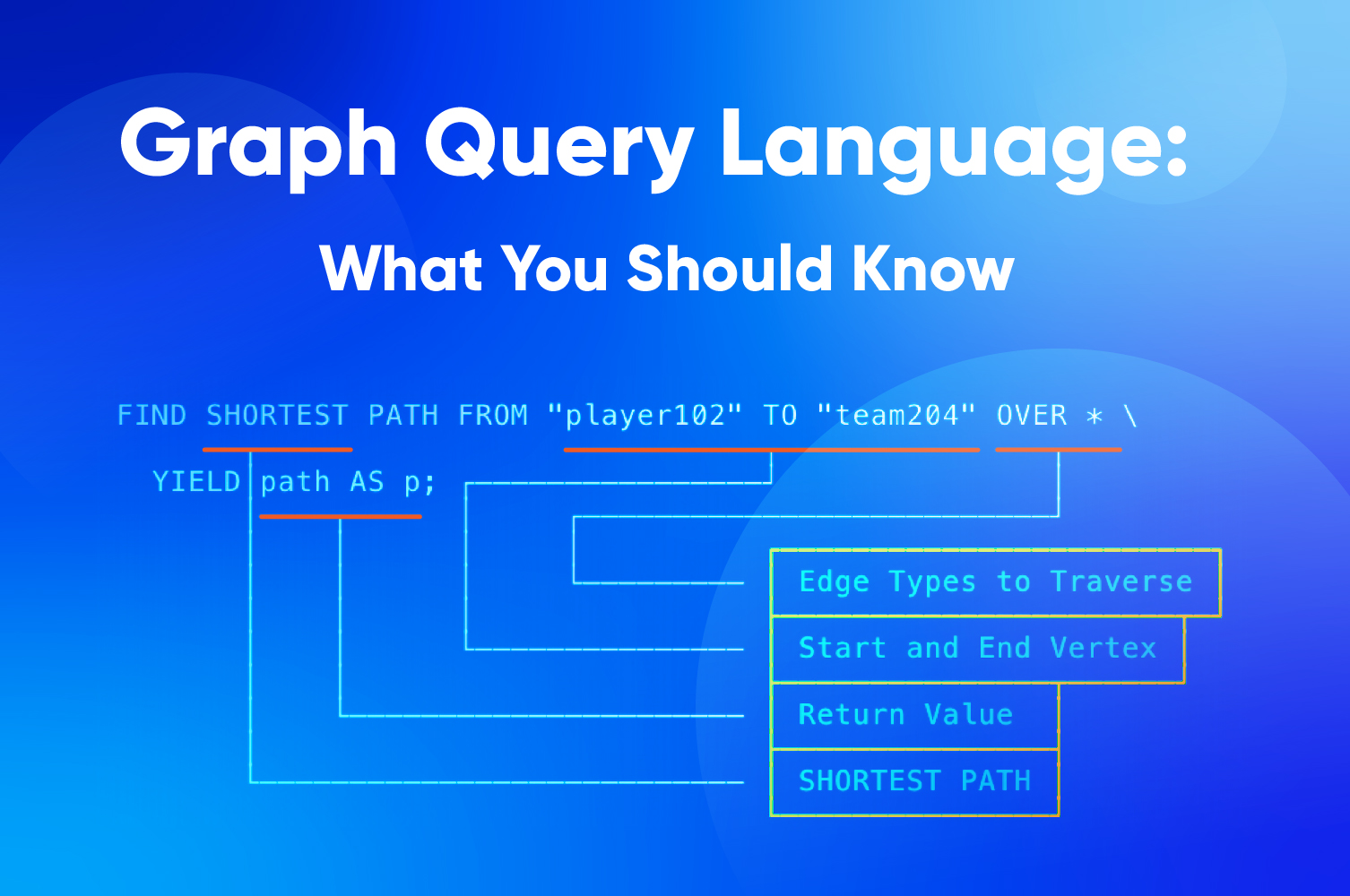
A query language is a specialized programming language designed to retrieve and manipulate data from a database. It allows users to interact with the database, retrieve specific information, and perform various operations on the stored data.
Query languages provide a structured way to communicate with the database, enabling users to access, filter, sort, and aggregate data based on specific criteria. They offer a powerful tool for data analysis, reporting, and other data-related tasks.
Types of Query Languages
There are different types of query languages, each designed for specific database models or purposes. Some common types include:
- SQL (Structured Query Language): A widely used language for relational databases, allowing users to perform data retrieval, manipulation, and definition operations.
- XQuery: A language for querying XML documents, enabling users to extract and transform data from XML-based sources.
- XPath: A language for navigating and selecting specific elements within XML documents, providing a concise way to locate and extract data.
- NoSQL Query Languages: A variety of languages designed for non-relational databases, such as MongoDB, Cassandra, and Redis, offering specialized features for handling different data models and structures.
SQL (Structured Query Language)
SQL (Structured Query Language) is a powerful and versatile language designed specifically for managing and manipulating data stored in relational database management systems (RDBMSs). It allows users to interact with databases, retrieve data, and perform various operations to maintain and update the stored information.
SQL is widely used in a diverse range of applications, including data analysis, business intelligence, and web development. Its popularity stems from its simplicity, flexibility, and ability to handle large and complex datasets efficiently.
Basics of SQL
SQL is a declarative language, meaning that it describes the desired result without specifying the exact steps to achieve it. This simplifies the process of data manipulation and makes SQL accessible to users with varying technical backgrounds.
The fundamental components of SQL include:
- Data Definition Language (DDL): Used to create, modify, and delete database structures, such as tables and columns.
- Data Manipulation Language (DML): Used to insert, update, and delete data within tables.
- Data Query Language (DQL): Used to retrieve data from tables based on specified criteria.
Examples of SQL Queries
The following are examples of common SQL queries:
Data Retrieval
SELECT- FROM table_name;
Retrieves all rows and columns from the specified table.
SELECT column1, column2 FROM table_name WHERE condition;
Retrieves specific columns from the table based on a specified condition.
Data Manipulation
INSERT INTO table_name (column1, column2) VALUES (value1, value2);
Inserts a new row into the table with the specified values.
UPDATE table_name SET column1 = value1 WHERE condition;
Updates the specified column with the given value for rows that meet the condition.
DELETE FROM table_name WHERE condition;
Deletes rows from the table that meet the specified condition.
3. XPath (XML Path Language)

XPath (XML Path Language) is a language specifically designed for navigating and extracting data from XML documents. It provides a concise and expressive syntax for traversing the hierarchical structure of an XML document and selecting specific elements or attributes based on their location or properties.XPath expressions consist of a series of steps, each of which represents a navigation operation.
The most basic step is the child axis, which selects all child elements of the current node. Other axes include the parent axis, which selects the parent of the current node, and the descendant axis, which selects all descendants of the current node.XPath expressions can also include predicates, which are used to filter the selected nodes based on their attributes or values.
Predicates are enclosed in square brackets and can use a variety of comparison operators, such as =, !=, , =.XPath is a powerful tool for extracting data from XML documents. It is widely used in a variety of applications, including data integration, web scraping, and content management.
XPath Expression Examples
Here are a few examples of XPath expressions:
- /root/child1/child2
- Selects the child2 element that is a child of the child1 element, which is in turn a child of the root element.
- //child3
- Selects all child3 elements in the document, regardless of their location.
- /root/child4[@attribute1=’value1′]
- Selects the child4 element that is a child of the root element and has an attribute1 attribute with the value ‘value1’.
- /root/child5/text()
- Selects the text content of the child5 element that is a child of the root element.
XQuery (XML Query Language): What Is Query Language

XQuery is a powerful language designed specifically for querying and transforming XML documents. It extends XPath by providing a more comprehensive set of operators and functions, enabling the retrieval and manipulation of complex XML data.
XQuery is closely related to XPath, sharing many of its features and syntax. However, XQuery offers additional capabilities, including:
- The ability to bind variables to XML elements and values.
- Support for conditional statements and loops.
- Functions for manipulating and transforming XML data.
Example XQuery Queries
Here are some examples of XQuery queries for complex data retrieval and transformation:
- Retrieve all employees with a salary greater than $50,000:“`xquery for $emp in /employees/employee where $emp/salary > 50000 return $emp “`
- Transform the XML document to create a new XML document with only the employee names and salaries:“`xquery
for $emp in /employees/employeereturn $emp/name $emp/salary
“`
Comparison of XQuery and XPath
The following table compares XQuery and XPath, highlighting their key differences and similarities:
| Feature | XQuery | XPath |
|---|---|---|
| Syntax | Extends XPath with additional operators and functions | A subset of XQuery |
| Data Model | XML | XML |
| Capabilities | Data retrieval, transformation, and manipulation | Data retrieval |
| Variables | Supported | Not supported |
| Conditional Statements | Supported | Not supported |
| Loops | Supported | Not supported |
GraphQL (Graph Query Language)
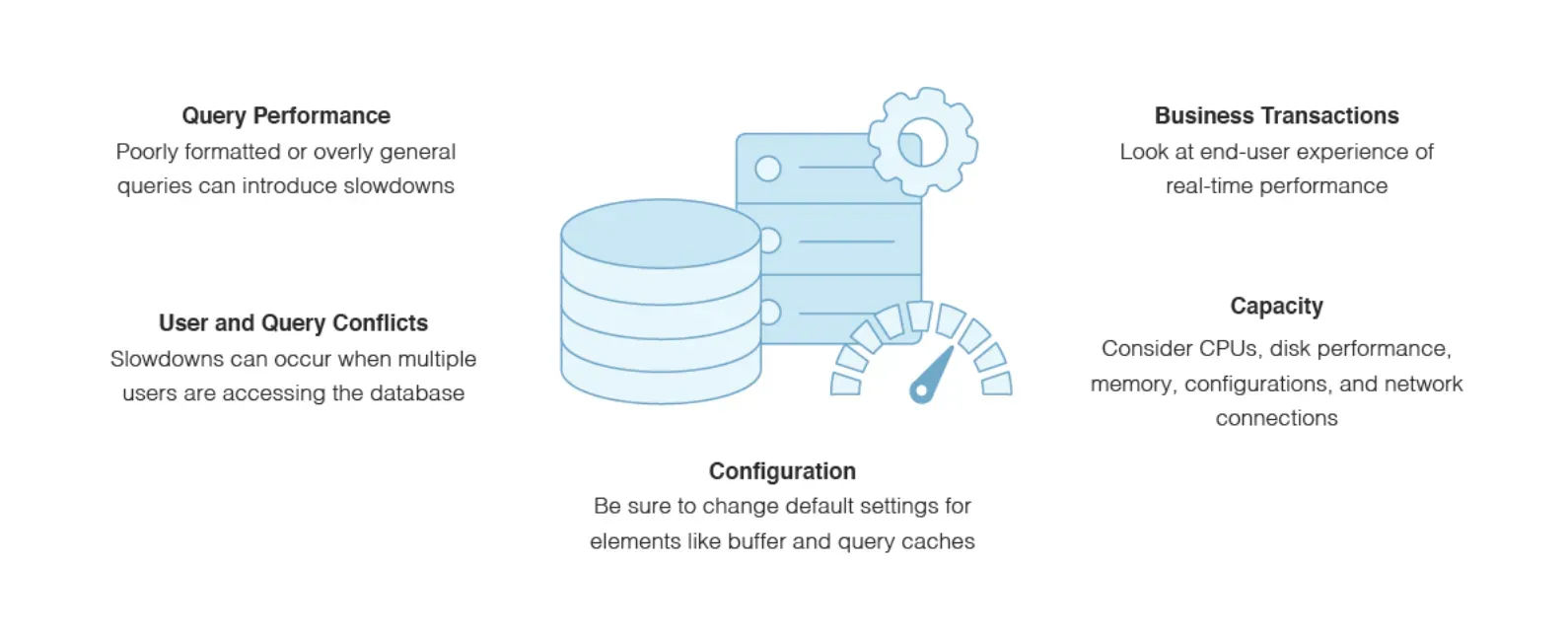
GraphQL is a query language that provides a more flexible and efficient way to fetch data from complex interconnected systems. Unlike RESTful APIs, which require multiple API calls to retrieve data from different endpoints, GraphQL allows developers to specify exactly the data they need in a single request.
Principles and Benefits of GraphQL
GraphQL follows the principles of:
Data Fetching Efficiency
GraphQL queries are declarative, allowing developers to specify the exact data they need. This eliminates the need for multiple API calls and reduces data overfetching.
Flexibility
GraphQL allows developers to create custom queries that meet specific data requirements, making it suitable for complex and evolving data structures.
Performance
GraphQL optimizes data fetching by only returning the requested data, reducing bandwidth consumption and improving response times.
Examples of GraphQL Queries
Consider a system with interconnected data about users, posts, and comments. A GraphQL query to fetch a user’s posts and comments would look like:“`graphqlquery user(id: 1) posts title body comments content “`This query fetches all posts and comments for a specific user in a single request, reducing the number of API calls required.
Unified Data Layer
GraphQL can be used to create a unified data layer for multiple data sources. By abstracting away the underlying data structure, GraphQL provides a consistent interface for accessing data from different sources, simplifying data integration and improving developer productivity.
Query language is a specific language used to interact with a database or information system. It allows users to retrieve, insert, update, and delete data. The syntax and commands of a query language are designed to be efficient and precise.
For example, if you want to change the language on your WhatsApp Android app, you can follow these steps: how to change language on whatsapp android. Query languages are essential tools for data management and analysis.
Comparison of GraphQL and RESTful APIs
| Feature | GraphQL | RESTful APIs ||—|—|—|| Data Fetching | Single request | Multiple requests || Data Selection | Fine-grained | Coarse-grained || Performance | Optimized | Can be less efficient || Flexibility | Custom queries | Fixed endpoints || Data Integration | Unified data layer | Can be challenging |
GraphQL Query vs RESTful API Equivalent
Consider the GraphQL query above. The equivalent RESTful API would require multiple API calls:
- GET /users/1 to fetch user data
- GET /posts?userId=1 to fetch user’s posts
- GET /comments?userId=1 to fetch user’s comments
GraphQL’s conciseness and flexibility make it a more efficient and developer-friendly option for data fetching.
Query Languages for NoSQL Databases
Query languages for NoSQL databases differ from SQL in several ways. First, they are typically designed to work with a specific data model, such as key-value stores, document databases, or graph databases. Second, they often provide more flexibility in terms of data structure and querying capabilities.
Finally, they are often optimized for performance on large datasets.
MongoDB
MongoDB uses a document-oriented data model, in which data is stored in JSON-like documents. MongoDB’s query language, called MQL, is designed to work with this data model. MQL provides a variety of operators and functions for querying and manipulating documents.
Cassandra
Cassandra uses a column-family data model, in which data is stored in tables that consist of rows and columns. Cassandra’s query language, called CQL, is designed to work with this data model. CQL provides a variety of operators and functions for querying and manipulating data in Cassandra.
Redis
Redis uses a key-value data model, in which data is stored in key-value pairs. Redis’s query language, called RQL, is designed to work with this data model. RQL provides a variety of operators and functions for querying and manipulating data in Redis.
Query Languages for Search Engines

Query languages are essential in search engines as they allow users to specify the information they seek. These languages enable users to define the criteria for searching, refining, and retrieving relevant results from vast databases.
Examples of Query Languages Used by Major Search Engines
- Google:Google Search Appliance (GSA) Query Language (GSAQL) is used to query the Google Search Appliance for enterprise search.
- Bing:Bing Query Language (BQL) is used to query the Bing search engine and retrieve web pages, images, videos, and other content.
- Yahoo:Yahoo Query Language (YQL) is used to query a variety of data sources, including Yahoo’s own services, and combine the results into a single response.
Query Languages for Data Analysis
Query languages are essential for data analysis, as they provide a structured and efficient way to extract and manipulate data from various sources. They enable data analysts to retrieve specific information, perform calculations, and generate reports based on their analysis.
Examples of Query Languages
Some commonly used query languages in data analysis tools include:
- SQL (Structured Query Language) in SQL Server Management Studio
- PL/SQL (Procedural Language/Structured Query Language) in Oracle SQL Developer
- MySQL in MySQL Workbench
Types of Query Languages
Query languages can be classified into two main types:
- Declarative: These languages specify the desired result without explicitly specifying the steps to achieve it (e.g., SQL, XQuery)
- Procedural: These languages require the user to specify the exact steps to be taken to retrieve the data (e.g., PL/SQL, XPath)
Advantages of Using Query Languages
- Efficient data retrieval and manipulation
- Enables complex data analysis and reporting
- Provides a structured and standardized way to access data
- Supports data integration from multiple sources
Disadvantages of Using Query Languages
- Requires technical expertise to use effectively
- Can be complex to write and debug complex queries
- May require additional training or resources for users
Key Features of Query Languages
| Feature | SQL | XQuery | XPath | GraphQL |
|---|---|---|---|---|
| Syntax | Declarative | Declarative | Procedural | Declarative |
| Data Model | Relational | XML | XML | Graph |
| Use Cases | Data retrieval and manipulation | XML data retrieval and transformation | XML data navigation and selection | API data retrieval and manipulation |
| Popularity | High | Medium | High | Growing |
Example SQL Query
The following SQL query retrieves the names of all customers from a database table:
SELECT name
FROM customers;
Query Languages for Reporting
Query languages play a crucial role in generating reports by enabling the extraction, manipulation, and presentation of data from various sources. These languages provide a structured way to retrieve and format data, making it suitable for generating reports that meet specific business requirements.
Query languages are specialized languages used to retrieve data from databases. They allow users to specify the criteria for the data they want to retrieve, such as the columns, rows, and conditions. The most common query language is SQL (Structured Query Language), which is used in a wide variety of database systems.
For example, the official language of Pakistan is Urdu, but other languages are also spoken there, including English, Punjabi, Sindhi, and Pashto. Query languages are an essential tool for data analysis and reporting, and they are used in a wide variety of applications, such as business intelligence, data mining, and web development.
Examples of Query Languages Used in Reporting Tools
Several query languages are commonly used in reporting tools such as Crystal Reports, Tableau, and Power BI. These include:
- Crystal Reports Language (CRYSTAL):A proprietary language used in Crystal Reports, designed for creating and modifying reports.
- Tableau Query Language (TQL):A proprietary language used in Tableau, optimized for data exploration and visualization.
- Power BI DAX (Data Analysis Expressions):A formula language used in Power BI, specifically designed for data analysis and modeling.
Query Languages for Data Visualization

Query languages play a crucial role in data visualization tools, enabling users to retrieve and manipulate data for visual representation.
These tools typically incorporate query languages that are optimized for data visualization tasks, providing users with an intuitive interface to explore and interact with data.
Tableau
Tableau utilizes a proprietary query language called Tableau Query Language (TQL), which allows users to connect to various data sources, perform data transformations, and create calculated fields for visualization.
Power BI
Power BI employs the Microsoft Power Query Language (M), a powerful query language designed for data preparation and transformation. M enables users to clean, shape, and combine data from multiple sources before visualizing it.
Google Data Studio, What is query language
Google Data Studio leverages the Google Visualization API Query Language (GAQL), which allows users to access data from Google Analytics, Google Ads, and other Google products for visualization purposes.
Query Languages for Data Warehousing
Query languages play a crucial role in data warehousing, providing the means to extract and analyze data for decision-making and reporting purposes. These languages allow users to interact with data warehouses, retrieve specific data sets, and perform complex queries to gain insights from the stored data.
Examples of Query Languages in Data Warehouses
Several query languages are commonly used in data warehousing environments, including:
- Teradata SQL: A proprietary query language designed specifically for Teradata data warehouses, optimized for high-performance data retrieval and analysis.
- Oracle Exadata SQL: An extension of the Oracle SQL language, designed for use with Oracle Exadata data warehouse appliances, providing enhanced performance and scalability.
- Amazon Redshift SQL: A query language based on PostgreSQL, optimized for use with Amazon Redshift data warehouses, offering fast query execution and support for large data sets.
Using Query Languages to Extract and Analyze Data
Query languages enable users to extract and analyze data from data warehouses through various operations, such as:
- Data retrieval: Query languages allow users to retrieve specific data sets from the data warehouse based on defined criteria, such as filtering, sorting, and aggregation.
- Data analysis: Query languages provide functions and operators for performing data analysis, such as calculating averages, finding trends, and identifying patterns within the data.
- Data transformation: Query languages can be used to transform data by applying operations such as joining, merging, and cleaning, to prepare the data for analysis or reporting.
Comparison of Query Languages for Data Warehousing
The following table compares the features and capabilities of different query languages used in data warehousing:
| Feature | Teradata SQL | Oracle Exadata SQL | Amazon Redshift SQL |
|---|---|---|---|
| Proprietary | Yes | Yes | No |
| Optimized for data warehousing | Yes | Yes | Yes |
| High performance | Yes | Yes | Yes |
| Scalability | Yes | Yes | Yes |
| Support for large data sets | Yes | Yes | Yes |
Best Practices for Using Query Languages in Data Warehousing
To ensure effective and efficient use of query languages in data warehousing environments, consider the following best practices:
- Optimize queries: Use appropriate indexing, query optimization techniques, and data partitioning to improve query performance.
- Use appropriate data types: Select the correct data types for columns to ensure data accuracy and efficient storage.
- Avoid unnecessary joins: Only perform joins when necessary, as they can significantly impact query performance.
- Use subqueries sparingly: Subqueries can affect performance, so use them only when necessary.
- Monitor query performance: Regularly monitor query execution times and identify any performance bottlenecks.
Query Languages for Machine Learning
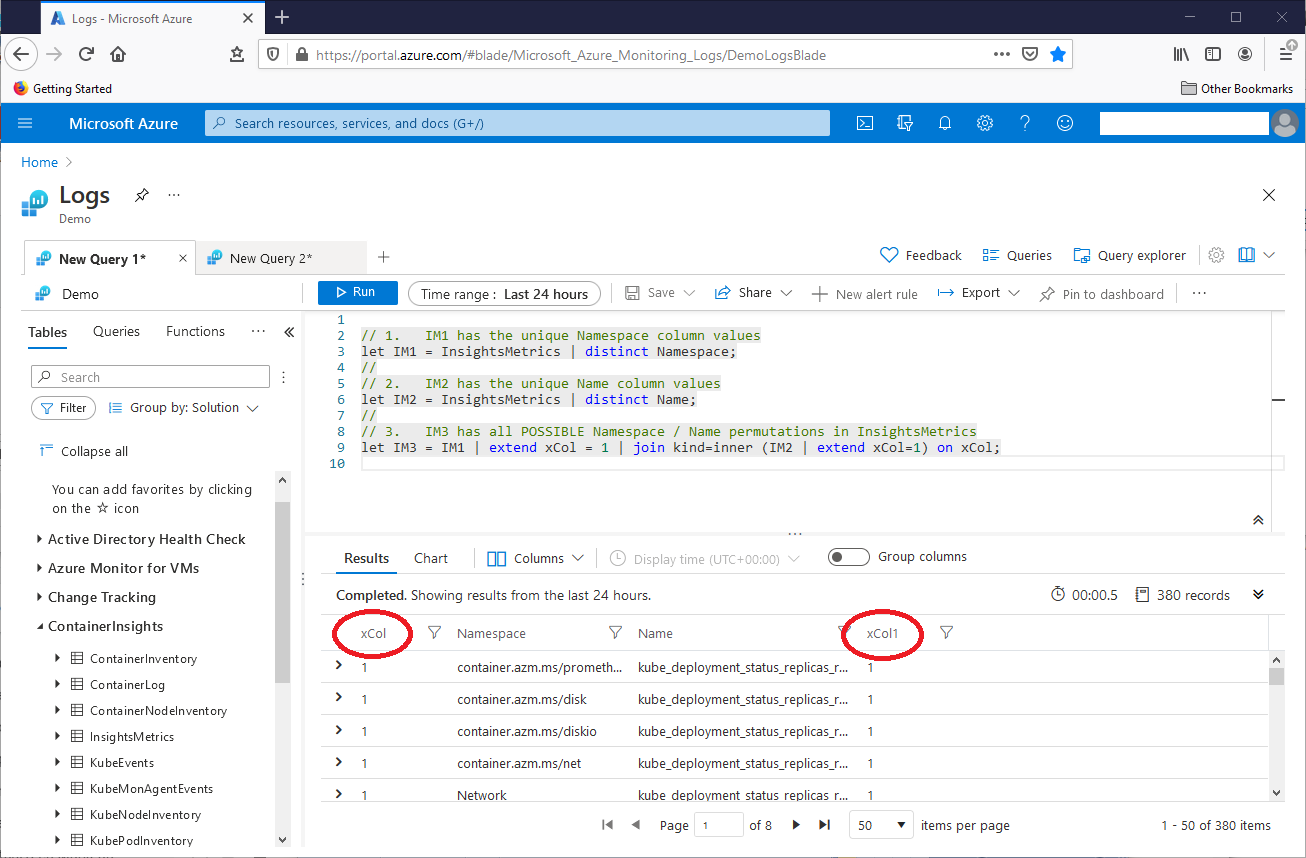
Query languages play a crucial role in machine learning, enabling data scientists and engineers to interact with and manipulate data efficiently. These languages provide a structured and declarative way to access, filter, and transform data, simplifying the development and execution of machine learning models.
Advantages of Query Languages in Machine Learning
- Simplified data access:Query languages offer a concise and intuitive syntax for querying data, making it easier to retrieve and manipulate large datasets.
- Enhanced data exploration:They allow data scientists to explore and analyze data interactively, facilitating the identification of patterns and insights.
- Improved model development:Query languages can be used to prepare data for model training, such as filtering out outliers or selecting specific features.
- Accelerated model execution:By optimizing data access and manipulation, query languages can speed up the training and execution of machine learning models.
Limitations of Query Languages in Machine Learning
- Limited expressiveness:Some query languages may not support all the operations required for complex machine learning tasks.
- Performance overhead:In certain cases, query languages can introduce performance overhead, especially when dealing with large datasets.
- Lack of integration:Some query languages may not integrate seamlessly with popular machine learning frameworks and tools.
Examples of Query Languages in Machine Learning Tools
- TensorFlow:TensorFlow Query Language (TQL) is a query language specifically designed for TensorFlow, providing a declarative way to query and manipulate data tensors.
- PyTorch:PyTorch Query Language (PQL) is a query language for PyTorch, enabling data manipulation and filtering within the PyTorch framework.
- scikit-learn:scikit-learn Query Language (SQL) is a query language for scikit-learn, providing a convenient way to access and transform data for machine learning tasks.
Types of Queries in Machine Learning
- Data retrieval:Selecting and retrieving specific data points based on criteria.
- Data filtering:Removing or selecting data points that meet certain conditions.
- Data transformation:Modifying or transforming data values based on specified operations.
- Data aggregation:Summarizing or combining data points using functions like sum, average, or count.
Table: Comparison of Query Languages in Machine Learning
| Feature | TQL | PQL | SQL |
|---|---|---|---|
| Syntax | Declarative, SQL-like | Declarative, PyTorch-specific | Declarative, scikit-learn-specific |
| Integration | Tightly integrated with TensorFlow | Tightly integrated with PyTorch | Loosely integrated with scikit-learn |
| Expressiveness | High | Medium | Low |
| Performance | Optimized for TensorFlow | Optimized for PyTorch | Not optimized for machine learning |
Code Examples
TensorFlow Query Language (TQL):“`SELECT
FROM my_tensor WHERE value > 0.5
“` PyTorch Query Language (PQL):“`df.query(“value > 0.5”)“` scikit-learn Query Language (SQL):“`df[df[‘value’] > 0.5]“`
Future Directions
The development of query languages in machine learning is expected to focus on:
- Improved expressiveness:Supporting a wider range of operations and data structures.
- Enhanced performance:Optimizing query execution for large datasets and complex machine learning tasks.
- Seamless integration:Providing seamless integration with popular machine learning frameworks and tools.
Query Languages for Natural Language Processing
Query languages play a crucial role in natural language processing (NLP), enabling users to interact with and manipulate text data. They provide a structured way to query, extract, and analyze information from text, facilitating various NLP tasks.
Several query languages are used in popular NLP tools and libraries, including spaCy, NLTK, and Gensim. These languages offer specialized syntax and functions tailored to NLP tasks, allowing users to perform complex operations on text data.
Features and Use Cases of Query Languages for NLP
The following table summarizes the features and use cases of different query languages for NLP:
| Query Language | Features | Use Cases |
|---|---|---|
| spaCy Matcher | Pattern matching, dependency parsing | Entity recognition, relationship extraction |
| NLTK RegexpTokenizer | Regular expression-based tokenization | Text preprocessing, feature extraction |
| Gensim Similarities | Cosine similarity, Jaccard similarity | Document clustering, text classification |
Code Snippet
The following code snippet demonstrates how to use spaCy’s Matcher query language to extract entities from a text:
“`pythonimport spacynlp = spacy.load(“en_core_web_sm”)matcher = nlp.create_matcher()pattern = [“POS”: “NOUN”, “OP”: “?”]matcher.add(“PERSON”, [pattern])doc = nlp(“Barack Obama was the 44th president of the United States.”)matches = matcher(doc)for match_id, start, end in matches: print(doc[start:end].text)“`
This code snippet will print the following output:
“`Barack ObamapresidentUnited States“`
Query Languages for Data Integration
Query languages play a vital role in data integration by providing a structured and efficient way to access and manipulate data from multiple sources. These languages allow users to combine data from different systems, transform it into a consistent format, and perform various operations to achieve data integration.
Examples of Query Languages in Data Integration Tools
Various data integration tools utilize query languages to facilitate data integration tasks. Some commonly used tools and their associated query languages include:
- Informatica PowerCenter:Informatica PowerCenter utilizes a proprietary query language called Informatica Query Language (IQL) for data integration tasks.
- Talend:Talend employs a Java-based query language called Talend Query Language (TQL) for data integration purposes.
- Pentaho Data Integration:Pentaho Data Integration utilizes Kettle Query Language (KQL) for data integration tasks, which is a SQL-based query language.
Advantages of Using Query Languages for Data Integration
Query languages offer several advantages for data integration:
- Structured and Efficient:Query languages provide a structured and efficient way to access and manipulate data from multiple sources.
- Data Transformation:Query languages allow users to transform data into a consistent format, making it easier to integrate data from different sources.
- Data Quality and Consistency:Query languages can be used to enforce data quality rules and ensure data consistency across different sources.
- Automation:Query languages can be used to automate data integration tasks, reducing the need for manual intervention and improving efficiency.
Disadvantages of Using Query Languages for Data Integration
Query languages also have some disadvantages:
- Complexity:Query languages can be complex, especially for users without a technical background.
- Performance:Complex queries can impact performance, especially when dealing with large datasets.
- Vendor Lock-in:Some query languages are proprietary to specific data integration tools, which can limit flexibility and interoperability.
Improving Data Quality and Consistency
Query languages can be used to improve data quality and consistency by:
- Data Validation:Query languages can be used to validate data against predefined rules and constraints.
- Data Cleansing:Query languages can be used to cleanse data by removing duplicates, correcting errors, and handling missing values.
- Data Standardization:Query languages can be used to standardize data by converting it into a consistent format.
Real-World Applications
Query languages have been successfully used for data integration in various real-world applications, including:
- Customer Data Integration:Integrating data from multiple customer touchpoints to create a comprehensive customer profile.
- Financial Data Integration:Integrating data from different financial systems to provide a consolidated view of financial performance.
- Healthcare Data Integration:Integrating data from various healthcare systems to improve patient care and research.
Comparison of Query Languages for Data Integration
| Feature | Informatica Query Language (IQL) | Talend Query Language (TQL) | Kettle Query Language (KQL) ||—|—|—|—|| Syntax | Proprietary | Java-based | SQL-based || Data Sources | Supports various data sources | Supports various data sources | Supports various data sources || Data Transformation | Extensive data transformation capabilities | Comprehensive data transformation capabilities | Limited data transformation capabilities || Data Quality | Supports data validation and cleansing | Supports data validation and cleansing | Limited data quality features || Performance | Optimized for large datasets | Optimized for complex queries | May face performance issues with large datasets || Vendor Lock-in | Proprietary to Informatica PowerCenter | Proprietary to Talend | Open source and vendor-neutral |
Code Example
The following code example demonstrates how to use a query language to integrate data from multiple sources in Informatica PowerCenter using IQL: SELECTFROM source1.table1UNION ALLSELECTFROM source2.table2WHERE source2.table2.column1 = source1.table1.column2;
Query Languages for Data Governance
Query languages play a crucial role in data governance by enabling data stewards, data analysts, and other stakeholders to access, explore, and analyze data assets in a structured and efficient manner. These languages provide the means to query data repositories, extract relevant information, and gain insights into data quality, lineage, and usage patterns.
Various tools and platforms for data governance incorporate query languages to facilitate data governance processes. Some notable examples include:
Collibra Data Governance Center
- Uses SQL as the primary query language for data discovery, data quality assessment, and lineage analysis.
- Provides a user-friendly interface for non-technical users to execute queries and generate reports.
Informatica Data Governance
- Employs a proprietary query language called IQL (Informatica Query Language) for data profiling, data validation, and metadata management.
- IQL offers a rich set of functions and operators tailored to data governance tasks, such as data type identification, data completeness checks, and data lineage tracing.
IBM InfoSphere Data Governance
- Leverages SQL and XQuery as query languages for data governance operations.
- SQL is used for querying relational data sources, while XQuery is employed for querying XML-based metadata repositories.
- Provides a comprehensive set of pre-built queries and templates for common data governance tasks.
Commonly Asked Questions
What are the different types of query languages?
Query languages can be broadly classified into two categories: declarative and procedural. Declarative languages, such as SQL and XQuery, specify what data to retrieve without dictating how the data is obtained. Procedural languages, on the other hand, provide more control over the execution process, allowing users to define the specific steps for data retrieval.
What is the difference between SQL and NoSQL query languages?
SQL (Structured Query Language) is designed for relational databases, which store data in tables with predefined schemas. NoSQL query languages, on the other hand, are tailored for non-relational databases, which offer more flexibility in data storage and retrieval.
What are the advantages of using GraphQL over RESTful APIs?
GraphQL provides several advantages over RESTful APIs, including improved performance, flexibility, and data fetching efficiency. GraphQL allows clients to specify the exact data they need, reducing the number of API calls required and minimizing data overfetching.
