What is the language in Estonia? This question delves into the fascinating world of the Estonian language, a unique and captivating member of the Finno-Ugric language family. With its rich history, diverse dialects, and vibrant cultural significance, Estonian stands as a testament to the linguistic and cultural diversity of Europe.
From its origins in ancient times to its modern-day usage, the Estonian language has played a pivotal role in shaping the identity and heritage of the Estonian people. Its intricate grammatical structure, expressive vocabulary, and distinct sound system offer a glimpse into the complexities and nuances of human communication.
Official Language of Estonia

Estonian is the official language of Estonia, as established by the Estonian Language Act of 1995. The act declares Estonian as the sole official language of the country and mandates its use in all official communication, including government documents, education, and public services.
Historical Context and Reasons for Official Designation
The official status of Estonian has its roots in the Estonian national awakening movement of the 19th century. During this period, the Estonian language became a symbol of national identity and cultural autonomy, particularly in opposition to the dominant Russian and German influences.
After Estonia gained independence in 1918, Estonian was formally adopted as the official language in the Constitution of 1920. This designation was reaffirmed in subsequent constitutions and further strengthened by the Language Act of 1995.
Significance of Estonian as a National Symbol
Estonian holds a profound significance as a national symbol. It represents the cultural heritage, traditions, and collective identity of the Estonian people. The official status of Estonian serves to preserve and promote the language as a cornerstone of Estonian society and culture.
Historical Evolution of Estonian
The Estonian language has a rich and complex history, having evolved over centuries through various influences and interactions.
Estonian belongs to the Finno-Ugric language family, a group of languages spoken in Northern Europe and parts of Asia. Within this family, Estonian is classified as a member of the Uralic branch, which also includes languages such as Finnish, Hungarian, and Sami.
Origins and Early Development
The origins of Estonian can be traced back to the Proto-Uralic language, spoken by a population that inhabited the Ural Mountains region thousands of years ago. Over time, this Proto-Uralic language diverged into different branches, including the Finno-Ugric languages.
The ancestors of the Estonian people migrated to the Baltic Sea region around 3000-2000 BC, bringing with them their Uralic language. The Estonian language gradually developed its own distinct characteristics, influenced by the geographical and cultural environment in which it was spoken.
Influence of Other Languages
Throughout its history, Estonian has been influenced by various other languages due to its geographical location and political interactions.
- German:Estonia was under German rule for centuries, which led to the adoption of many German loanwords into Estonian. These loanwords are primarily related to administrative, legal, and technical terms.
- Swedish:Estonia was also influenced by Swedish during the Swedish rule in the 17th and 18th centuries. Swedish loanwords are often found in areas such as military, maritime, and cultural vocabulary.
- Russian:After Estonia became part of the Russian Empire in the 18th century, Russian had a significant impact on Estonian. Many Russian loanwords were adopted, particularly in the areas of politics, economics, and everyday life.
Despite these influences, Estonian has retained its unique identity and structure, making it a distinct and vibrant language today.
Dialectal Variations
Estonian, like many other languages, exhibits dialectal variations across its geographical distribution. These dialects differ in phonology, morphology, and lexicon, reflecting the historical development and cultural influences within different regions of Estonia.
Geographical Distribution of Major Dialects
The major dialects of Estonian are:
- Northern Estonian: Spoken in the northern and western parts of Estonia, including the capital city of Tallinn.
- Southern Estonian: Spoken in the southern and eastern parts of Estonia, including the islands of Saaremaa and Hiiumaa.
- Eastern Estonian: Spoken in the southeastern part of Estonia, bordering Russia.
Linguistic Differences Between Dialects
Phonological Variations
The dialects differ in their pronunciation of certain sounds. For example, the Northern Estonian dialect has a distinctive diphthongization of long vowels, while the Southern Estonian dialect has a more monophthongal pronunciation.
Morphological Variations
The dialects also differ in their morphological features. For instance, the Northern Estonian dialect uses the definite article “the” more frequently than the Southern Estonian dialect, which often omits it.
Lexical Variations
There are also lexical differences between the dialects. Some words that are commonly used in one dialect may not be used in another. For example, the Northern Estonian dialect uses the word “põnn” for “child,” while the Southern Estonian dialect uses the word “laps.”
Impact of Dialects on Spoken and Written Estonian
The dialects of Estonian have a significant impact on both spoken and written Estonian. In spoken Estonian, the use of a particular dialect can indicate a speaker’s social status, region, and education level.
In written Estonian, the standard language is based on the Northern Estonian dialect, but elements of other dialects may be incorporated into literary works to reflect regional speech patterns or cultural diversity.
Examples of Dialectal Variations
Here are some examples of dialectal variations in both spoken and written Estonian:
Spoken Estonian:
- Northern Estonian: “Mina lähen poodi.” (I am going to the store.)
- Southern Estonian: “Mina lähen poodi.” (I am going to the store.)
Written Estonian:
- Northern Estonian: “Põnn läks kooli.” (The child went to school.)
- Southern Estonian: “Laps läks kooli.” (The child went to school.)
Role of Dialects in Preserving Estonian Linguistic Heritage and Cultural Diversity
The dialects of Estonian play a vital role in preserving the linguistic heritage and cultural diversity of the Estonian language. They represent the historical development of Estonian and reflect the regional variations in Estonian culture and society.
Efforts are being made to document and preserve the dialects of Estonian, ensuring that this valuable linguistic heritage is not lost.
Estonian Phonology
Estonian phonology is a unique and fascinating aspect of the language. Its sound system, including its vowel and consonant inventory, is distinct from many other languages. Understanding the rules of Estonian pronunciation and stress patterns is crucial for effective communication in the language.
Vowel Inventory
Estonian has a total of nine vowels: a, e, i, o, u, ä, ö, ü, y. Each vowel can be either short or long, resulting in a total of 18 distinct vowel sounds. The length of a vowel is crucial in Estonian, as it can change the meaning of a word.
Consonant Inventory
Estonian has a total of 20 consonants: b, d, f, g, h, j, k, l, m, n, p, r, s, š, t, v, z, ž, č, ŋ. Estonian consonants are typically voiceless, meaning they are produced without vibration of the vocal cords. Voiced consonants, such as b, d, g, are used primarily in loanwords.
Pronunciation Rules
- Vowels: Estonian vowels are pronounced as follows:
- a: as in “father”
- e: as in “bed”
- i: as in “machine”
- o: as in “more”
- u: as in “food”
- ä: as in “hat”
- ö: as in “bird”
- ü: as in “blue”
- y: as in “rude”
- Consonants: Estonian consonants are pronounced as follows:
- b: as in “boy”
- d: as in “dog”
- f: as in “fish”
- g: as in “good”
- h: as in “hat”
- j: as in “yes”
- k: as in “cat”
- l: as in “light”
- m: as in “mother”
- n: as in “nose”
- p: as in “pen”
- r: as in “run”
- s: as in “sun”
- š: as in “shoe”
- t: as in “tree”
- v: as in “violin”
- z: as in “zoo”
- ž: as in “measure”
- č: as in “church”
- ŋ: as in “sing”
Stress Patterns
Estonian stress patterns are relatively simple. In general, stress falls on the first syllable of a word. However, there are some exceptions, such as words with a long first syllable or words that end in -neor -le.
Phonological Features
Estonian phonology has several unique features, including:
- Vowel Harmony: Estonian vowels are divided into two groups: front vowels ( e, i, ä, ö, ü, y) and back vowels ( a, o, u). Vowels within a word must all be either front or back vowels.
- Consonant Gradation: Estonian consonants undergo a process called consonant gradation, where a consonant changes its form depending on its position in a word.
- Palatalization: Estonian consonants can be palatalized, meaning they are pronounced with a raised tongue position. Palatalization is indicated by a following ior j.
Estonian Grammar

Estonian grammar exhibits a complex and unique structure, with a rich system of cases, tenses, and moods. Its parts of speech include nouns, pronouns, verbs, adjectives, adverbs, prepositions, conjunctions, and interjections. The grammatical structure of Estonian is agglutinative, meaning that words are formed by adding suffixes to roots.
Estonian sentences typically follow a subject-verb-object (SVO) word order. Nouns are declined for fourteen cases, including the nominative, genitive, partitive, illative, inessive, elative, adessive, ablative, allative, translative, terminative, essive, abessive, and comitative. These cases indicate the grammatical function of the noun in the sentence.
Verbs
Estonian verbs are conjugated for tense, mood, person, and number. The present tense is used to describe actions that are happening now or habitually. The past tense is used to describe completed actions, while the future tense is used to describe actions that will happen in the future.
Estonian has two main moods: the indicative and the imperative. The indicative mood is used to state facts or ask questions, while the imperative mood is used to give commands or make requests.
Cases
Estonian cases are used to indicate the grammatical function of a noun or pronoun in a sentence. The nominative case is used for the subject of a sentence, while the genitive case is used for the object of a preposition.
The partitive case is used to indicate a part of a whole, while the illative case is used to indicate movement into a place. The inessive case is used to indicate location within a place, while the elative case is used to indicate movement out of a place.
The adessive case is used to indicate location near a place, while the ablative case is used to indicate movement away from a place. The allative case is used to indicate movement towards a place, while the translative case is used to indicate change of state.
The terminative case is used to indicate the end of an action, while the essive case is used to indicate a state of being. The abessive case is used to indicate the absence of something, while the comitative case is used to indicate accompaniment.
Example
The following sentence illustrates the use of cases in Estonian:
Mina lähen poodi.
I am going to the store.
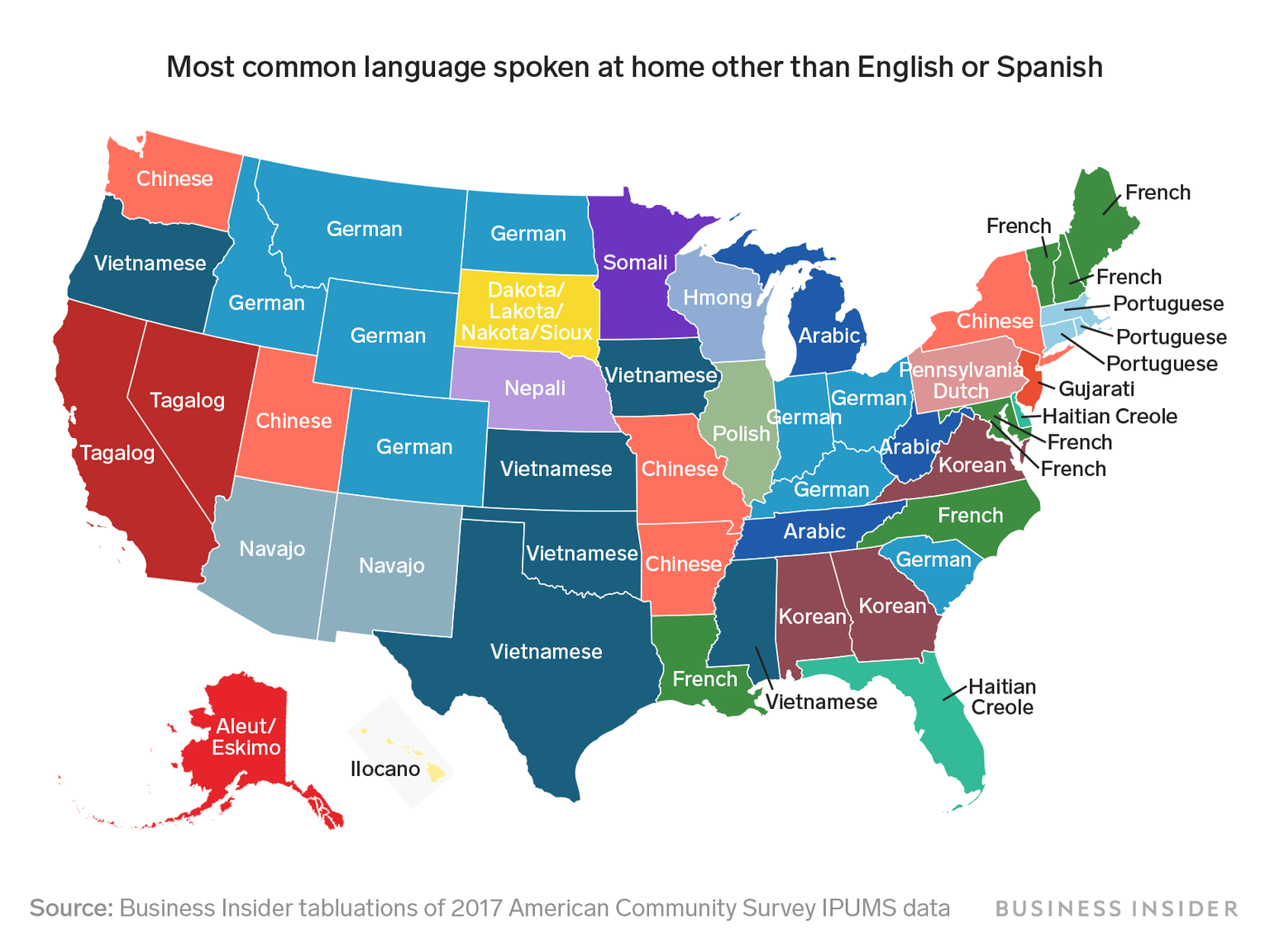
The official language of Estonia is Estonian, a Uralic language closely related to Finnish. However, like the official language of Haiti, French , Estonian also has a significant number of loanwords from other languages, such as German, Swedish, and Russian, due to its historical interactions with these cultures.
In this sentence, the noun mina(I) is in the nominative case, indicating that it is the subject of the sentence. The noun poodi(store) is in the illative case, indicating that it is the object of the verb lähen(to go).
Estonian Vocabulary
The Estonian vocabulary is rich and diverse, with an estimated 250,000 words, including nouns, verbs, adjectives, adverbs, and other parts of speech. The distribution of word frequencies follows a power law, with a small number of words accounting for a large proportion of usage, and a long tail of less frequently used words.
Estonian words have a variety of origins. The majority of words are native Estonian, but there are also significant numbers of borrowed words from other languages, including Finnish, Swedish, German, and Russian. Loanwords from English are also becoming increasingly common.
Idiomatic Expressions and Slang
Estonian is rich in idiomatic expressions and slang, which are often used in informal conversation. Idiomatic expressions typically have a figurative meaning that is not directly deducible from the literal meaning of the words. Slang is a more informal and often humorous form of language that is often used by younger people.
The frequency of idiomatic expressions and slang in Estonian varies depending on the context. They are more common in informal conversation and writing, but they can also be used in more formal settings, such as speeches or presentations.
The cultural significance of idiomatic expressions and slang is that they provide a way for Estonians to express themselves in a unique and creative way. They can also be used to convey cultural values and beliefs.
Example
The following is a short paragraph written in Estonian that includes a variety of word types and idiomatic expressions:
Mina läksin eile poodi ja ostsin leiba, piima ja juustu. Leiva hind oli kallis, aga piim oli odav. Juust oli maitsev, aga leib oli kuiv.
Estonian Literature

Estonian literature, with its rich tapestry of folklore, historical epics, and contemporary works, has played a pivotal role in shaping Estonian national identity and contributing to world literature. From the earliest oral traditions to the modern literary landscape, Estonian literature reflects the unique experiences, struggles, and aspirations of the Estonian people.The roots of Estonian literature can be traced back to ancient oral traditions, with folk songs and tales passed down through generations.
These oral narratives often depicted mythological themes, heroic battles, and everyday life in rural Estonia. The earliest written works in Estonian date back to the 16th century, including religious texts and chronicles.
Prominent Estonian Authors and Their Contributions
Throughout history, several prominent Estonian authors have left an indelible mark on the literary landscape. One of the most significant figures is Friedrich Reinhold Kreutzwald, known for his epic poem “Kalevipoeg” (1857-1861), which became a national symbol and is considered the Estonian national epic.Another notable author is Anton Hansen Tammsaare, whose novel “Truth and Justice” (1926-1933) explored the social and psychological complexities of Estonian society.
Eduard Vilde, known for his realist works, depicted the lives of ordinary Estonians and their struggles for social justice.
Themes, Styles, and Genres in Estonian Literature
Estonian literature is characterized by a diverse range of themes, styles, and genres. Historical novels, such as Jaan Kross’s “The Czar’s Madman” (1978), explore Estonia’s past and its relationship with its powerful neighbors. Nature plays a significant role in many works, with authors like Juhan Smuul and Mats Traat capturing the beauty and fragility of the Estonian landscape.Contemporary Estonian literature continues to flourish, with authors such as Sofi Oksanen and Tiit Aleksejev gaining international recognition for their works that explore themes of identity, memory, and the human condition.
Estonian Language Education System

The Estonian language education system is a comprehensive and well-developed system that ensures that all Estonian citizens have the opportunity to learn and use the Estonian language effectively.
The system is divided into three levels: primary, secondary, and tertiary. At each level, there are specific methods and approaches used to teach Estonian, and each level presents its own unique challenges and opportunities.
Primary Level
At the primary level, Estonian is taught as a compulsory subject for all students. The focus of instruction at this level is on developing students’ basic literacy skills in Estonian, including reading, writing, and speaking.
The methods used to teach Estonian at the primary level are typically interactive and engaging, and they often involve the use of games, songs, and other activities to make learning fun and enjoyable.
One of the challenges in teaching Estonian at the primary level is the fact that many students come from homes where Estonian is not the primary language spoken. This can make it difficult for students to develop fluency in Estonian, but there are a number of programs and resources available to help students overcome this challenge.
Secondary Level
At the secondary level, Estonian is taught as a compulsory subject for all students until the end of the 9th grade. After the 9th grade, students can choose to continue studying Estonian as an elective subject.
The methods used to teach Estonian at the secondary level are more advanced than those used at the primary level, and they focus on developing students’ critical thinking skills and their ability to use Estonian in a variety of contexts.
One of the challenges in teaching Estonian at the secondary level is the fact that students are at different levels of proficiency in Estonian. This can make it difficult to find materials and activities that are appropriate for all students.
Tertiary Level
At the tertiary level, Estonian is taught as a compulsory subject for all students who are majoring in Estonian language and literature. In addition, Estonian is offered as an elective subject for students in other majors.
The methods used to teach Estonian at the tertiary level are highly specialized, and they focus on developing students’ research skills and their ability to use Estonian in a professional context.
One of the challenges in teaching Estonian at the tertiary level is the fact that students come from a variety of backgrounds, and they may have different levels of proficiency in Estonian. This can make it difficult to find materials and activities that are appropriate for all students.
Effectiveness of Estonian Language Education Programs
There is a great deal of data and statistics that demonstrate the effectiveness of Estonian language education programs. For example, a study conducted by the Estonian Ministry of Education and Research found that students who participated in Estonian language immersion programs made significant gains in their Estonian language proficiency.
Another study, conducted by the University of Tartu, found that students who studied Estonian as a foreign language were able to achieve a high level of proficiency in the language.
These studies provide evidence that Estonian language education programs are effective in helping students to learn and use the Estonian language.
Estonian Language in Media
Estonian is the official language of Estonia, and it is spoken by the vast majority of the population. It is also used in a variety of media outlets, including print, broadcast, and digital. The media plays an important role in shaping and reflecting Estonian language use, and it has a significant impact on the way that Estonians communicate with each other.
Print Media
Estonian is the primary language of print media in Estonia. The majority of newspapers, magazines, and books are published in Estonian, and there is a relatively small market for foreign-language publications. Print media has been a major force in the development of the Estonian language, and it continues to play an important role in shaping Estonian language use.
Broadcast Media
Estonian is also the primary language of broadcast media in Estonia. The majority of television and radio programs are broadcast in Estonian, and there is a relatively small market for foreign-language programming. Broadcast media has played a major role in the普及of Estonian, and it continues to be an important source of information and entertainment for Estonians.
Digital Media
The internet has had a significant impact on the Estonian language. Estonian is one of the most widely used languages on the internet, and there is a large amount of Estonian-language content available online. The internet has made it possible for Estonians to communicate with each other in their own language, and it has also helped to promote Estonian culture and language around the world.
The media plays an important role in shaping and reflecting Estonian language use. Print media, broadcast media, and digital media all contribute to the development of the Estonian language, and they provide Estonians with a variety of ways to communicate with each other.
Estonian Language in Society
The Estonian language holds immense social and cultural significance in Estonia. It serves as a vital symbol of national identity, a medium of education, and a repository of cultural heritage. The attitudes towards the Estonian language vary among different segments of society, with a general consensus on its importance for preserving Estonian culture and traditions.
Role in National Identity
The Estonian language is deeply intertwined with the country’s national identity. It has played a crucial role in shaping Estonian culture, history, and worldview. The language embodies the nation’s spirit and serves as a unifying force for Estonians both within the country and abroad.
The official language of Estonia is Estonian, a Finno-Ugric language closely related to Finnish and Hungarian. Like other Finno-Ugric languages, Estonian has a rich system of vowel harmony and a complex case system. The vocabulary of Estonian has been heavily influenced by Germanic languages, especially Low German and Swedish.
In contrast to the Finno-Ugric Estonian, the official languages of El Salvador are Spanish and Nahuatl. What languages are spoken in El Salvador is a question that can be answered by looking at the country’s history and its geographical location.
Returning to the topic of Estonian, the language has also been influenced by Slavic languages, particularly Russian.
Role in Education
Estonian is the primary language of instruction in Estonia’s education system. It is essential for students to acquire proficiency in Estonian to succeed academically and participate fully in society. The language is also taught as a foreign language in many schools around the world, fostering cultural exchange and promoting understanding of Estonian culture.
Role in Cultural Heritage
The Estonian language is a repository of the country’s cultural heritage. It preserves and transmits Estonian folklore, literature, music, and traditions. The language is a living testament to the nation’s history and provides insights into the Estonian way of life.
Attitudes and Perceptions
The attitudes towards the Estonian language are generally positive among Estonians. The language is widely recognized as an important part of the nation’s cultural identity. However, there are some concerns about the influence of globalization and the potential loss of Estonian language skills, particularly among younger generations.
Factors Contributing to Vitality
Several factors contribute to the vitality and preservation of the Estonian language. These include:
- Strong national pride and a sense of cultural identity
- A supportive education system that promotes Estonian language proficiency
- Government policies that prioritize the use of Estonian in public life
- A vibrant literary and cultural scene that uses Estonian as its primary medium of expression
Challenges and Threats
Despite its vitality, the Estonian language faces some challenges and threats. These include:
- Globalization and the increasing use of English in international communication
- Language loss among younger generations, particularly in urban areas
- A relatively small population, which limits the scope for language use
Promotion and Support
Various initiatives are underway to promote and support the Estonian language. These include:
- Language immersion programs in schools and kindergartens
- Public awareness campaigns to encourage the use of Estonian in everyday life
- Support for Estonian-language media and cultural activities
- International cooperation to promote Estonian language learning abroad
Importance for the Future of Estonia
The Estonian language is essential for the future of Estonia. It is a vital part of the nation’s cultural identity, a medium of education, and a repository of cultural heritage. Preserving and promoting the Estonian language is crucial for ensuring the continuity of Estonian culture and the nation’s ability to thrive in the globalized world.
Estonian Language in the Digital Age
The Estonian language has undergone significant changes in the digital age, as it has been increasingly used in online communication, social media, and various digital platforms. This has presented both challenges and opportunities for the Estonian language, influencing its usage, vocabulary, and even its grammar and pronunciation.
Challenges of Digital Technology for Estonian
- Language Standardization:The informal nature of online communication can lead to deviations from standard Estonian, potentially fragmenting the language.
- Influence of Foreign Languages:The widespread use of English and other international languages online can lead to the adoption of foreign words and phrases into Estonian.
- Loss of Nuance:Digital communication often relies on brevity and simplicity, which can result in the loss of subtle nuances and expressions found in spoken Estonian.
Opportunities of Digital Technology for Estonian
- Increased Accessibility:The internet has made Estonian content more accessible to a wider audience, both within Estonia and internationally.
- Language Learning:Digital platforms offer new opportunities for Estonian language learning, with online courses, language exchange apps, and interactive exercises.
- Language Preservation:Digital archives and online repositories help preserve Estonian cultural heritage, including historical texts, literature, and audio-visual materials.
Role of the Internet in Promoting and Preserving Estonian
The internet has played a crucial role in promoting and preserving Estonian. Online platforms have facilitated the creation and sharing of Estonian content, connecting Estonian speakers worldwide and fostering a sense of community. Digital archives and language learning resources have also contributed to the preservation and transmission of the Estonian language to future generations.
Impact of Digital Technology on Estonian Language Usage
- Vocabulary Expansion:The digital realm has introduced new terms and concepts into Estonian, often related to technology, social media, and online culture.
- Simplified Grammar:Informal online communication has led to the simplification of some grammatical structures, such as the use of shorter sentences and contractions.
- Pronunciation Changes:The use of voice messages and video calls has influenced pronunciation, with some sounds becoming more pronounced or shortened.
Examples of Digital Technology Promoting Estonian
- Eesti Keele Instituut (EKI):The Estonian Language Institute provides online resources, including dictionaries, grammar guides, and language learning materials.
- Keeleklik:A language learning platform that offers online courses and interactive exercises specifically designed for Estonian learners.
- Estonian Wikipedia:The Estonian Wikipedia contains a vast collection of articles and information in Estonian, contributing to the preservation and dissemination of Estonian knowledge.
Use of NLP and AI in Estonian Language Enhancement
Natural language processing (NLP) and artificial intelligence (AI) techniques are being used to enhance Estonian language learning and usage. NLP algorithms can analyze large amounts of Estonian text, identify patterns, and provide insights into language usage. AI-powered language learning apps can provide personalized learning experiences and interactive exercises.
Role of the Estonian Government and Other Organizations
The Estonian government and various organizations play a significant role in promoting Estonian language use in the digital age. They support initiatives for online language learning, provide funding for digital language resources, and promote the use of Estonian in public and private sector websites and online platforms.
Key Findings and Recommendations
| Challenge | Opportunity | Best Practice |
|---|---|---|
| Language Standardization | Increased Accessibility | Develop guidelines for online language use to maintain consistency and clarity. |
| Influence of Foreign Languages | Language Learning | Promote the use of Estonian in online content and encourage the creation of Estonian-language resources. |
| Loss of Nuance | Language Preservation | Encourage the use of rich and expressive language in online communication to preserve the nuances of Estonian. |
Estonian Language Policy: What Is The Language In Estonia

The Estonian government’s language policy aims to protect and promote the Estonian language, ensuring its continued use and vitality. The policy includes measures to support Estonian language education, media, and cultural institutions.
Measures to Protect and Promote Estonian Language
* Estonian Language Act (2003):This act defines Estonian as the official language of Estonia and Artikels measures to protect and promote its use.
Estonian Language Proficiency Exam
All non-native residents must pass this exam to obtain citizenship or permanent residency.
Estonian Language Education
Estonian is the primary language of instruction in schools and universities.
Support for Estonian Media
The government provides funding and support to Estonian-language newspapers, magazines, and broadcasters.
Estonian Cultural Institutions
The government supports Estonian-language theaters, museums, and other cultural institutions.
Controversies and Debates
The Estonian language policy has been the subject of some controversy and debate. Critics argue that the policy is too restrictive and that it discriminates against non-native speakers. Supporters argue that the policy is necessary to protect the Estonian language and ensure its continued use in all spheres of society.
Estonian Language in a Global Context
Estonian, a Finno-Ugric language, holds a unique position in the global linguistic landscape. Its similarities and differences with other Finno-Ugric languages, its role in international organizations, and the challenges and opportunities it faces in a globalized world are crucial aspects to consider when examining Estonian’s global context.
Comparative Analysis with Finno-Ugric Languages, What is the language in estonia
Estonian shares a common ancestry with other Finno-Ugric languages, including Finnish, Hungarian, and Mari. This shared heritage is reflected in morphological, syntactic, and lexical similarities. For instance, Estonian, like Finnish, exhibits a rich system of vowel harmony, where vowels in a word must agree in terms of frontness or backness.
In terms of syntax, both Estonian and Hungarian employ a subject-object-verb word order.However, despite these similarities, Estonian also exhibits distinct features that set it apart from its Finno-Ugric counterparts. For example, Estonian has lost the vowel gradation found in many other Finno-Ugric languages, and its vocabulary has been heavily influenced by Germanic languages, particularly German and Swedish.
Role in International Organizations and Cultural Exchange
Estonian plays a significant role in international organizations and cultural exchange. It is an official language of the European Union and has been granted the status of a working language in UNESCO. This recognition reflects Estonia’s active participation in international affairs and its commitment to promoting its language and culture on a global stage.Estonian is also actively used in cultural events and exchange programs.
The Estonian Institute, for example, organizes various cultural initiatives, including language courses, film screenings, and exhibitions, to promote Estonian language and culture abroad.
Challenges and Opportunities in a Globalized World
Globalization has had a profound impact on Estonian language use. On the one hand, increased mobility and communication have led to a greater exposure to other languages, which can pose a threat to minority languages like Estonian. On the other hand, globalization also presents opportunities for Estonian to gain international recognition and use.To promote and preserve Estonian, the government has implemented various strategies, such as increasing the availability of Estonian language education, supporting Estonian-language media, and promoting Estonian culture abroad.
These efforts aim to ensure that Estonian remains a vibrant and viable language in the face of globalization.
Summary
Estonian’s position in the global context is shaped by its unique linguistic features, its role in international organizations and cultural exchange, and the challenges and opportunities it faces in a globalized world. Despite its minority status, Estonian continues to play a significant role in international affairs and cultural exchange, and the government’s efforts to promote and preserve the language ensure its continued vitality in the face of globalization.
FAQ Summary
What is the official language of Estonia?
Estonian
What language family does Estonian belong to?
Finno-Ugric
How many dialects of Estonian are there?
Approximately 7
What is the most widely spoken dialect of Estonian?
Northern Estonian
What is the Estonian word for “hello”?
Tere
