What is the most difficult language in the world? This intriguing question has captivated linguists, language learners, and polyglots for centuries. In this article, we embark on a journey to explore the linguistic features, historical factors, and cognitive challenges that determine the difficulty of languages.
From the intricacies of tonal languages to the complexities of grammatical structures, we delve into the linguistic labyrinth that makes certain languages notoriously challenging to master. We examine the role of cultural context, second language acquisition, and learner motivation in shaping the perceived difficulty of a language.
– Identify the linguistic features that are particularly challenging for learners, such as irregular verbs, complex noun declensions, or tonal languages.

The intricacy of languages manifests itself in a myriad of linguistic features, posing formidable challenges to learners. One such feature is irregular verbs, whose conjugation patterns deviate from the norm, making memorization and accurate usage a daunting task.
Another linguistic obstacle is complex noun declensions, prevalent in languages like Latin and Russian. These declensions involve altering noun forms based on grammatical case, number, and gender, demanding a deep understanding of the language’s grammatical structure.
Tonal languages, such as Mandarin Chinese, add another layer of complexity. In these languages, the pitch of syllables carries semantic meaning, requiring learners to master not only the pronunciation of individual sounds but also the intricate tonal patterns that distinguish words.
Historical Factors

The evolution of languages is influenced by a multitude of historical factors, including cultural interactions, geographic isolation, and significant events. These factors shape the complexity and difficulty of a language for learners.
Languages that have undergone complex historical processes often exhibit unique features that can pose challenges for learners. For instance, languages that have experienced significant borrowing from other languages may have a large vocabulary with multiple synonyms and irregular verb conjugations.
Similarly, languages that have been spoken in geographically isolated regions may have developed unique grammatical structures and sound systems that differ significantly from other languages.
Cultural Influences
Cultural influences play a significant role in shaping language difficulty. Languages that are spoken in cultures with a rich history of literature, philosophy, and art often have complex grammatical structures and a vast vocabulary. For example, classical languages such as Latin and Sanskrit have intricate grammatical systems that reflect the sophisticated intellectual traditions of the cultures that produced them.
Geographic Isolation
Geographic isolation can lead to the development of languages with unique features that can be challenging for learners. Languages spoken in remote regions may have evolved independently of other languages, resulting in distinct sound systems, grammatical structures, and vocabulary. For instance, the Basque language, spoken in the Basque Country of Spain and France, is a language isolate with no known genetic relationship to any other language.
Significant Events
Significant historical events, such as invasions, migrations, and conquests, can also influence language difficulty. Languages that have been influenced by multiple cultures may have complex grammatical structures and a large vocabulary that reflects the diverse linguistic backgrounds of their speakers.
For example, English has been heavily influenced by Latin, French, and Germanic languages, resulting in a rich vocabulary and a complex system of verb tenses.
Phonological Challenges
The phonological features of a language can significantly impact its difficulty for learners. Languages with complex sound systems, including tonal languages, languages with numerous consonants, and languages with unusual vowel systems, pose unique challenges for pronunciation and comprehension.
Tonal languages, such as Mandarin Chinese and Vietnamese, use the pitch of the voice to distinguish between different words or grammatical meanings. This can be particularly challenging for learners who are not accustomed to using pitch as a linguistic feature. For example, in Mandarin Chinese, the word “ma” can mean “mother” (high tone), “horse” (mid tone), or “to scold” (low tone), depending on the pitch used.
Languages with numerous consonants, such as Arabic and Georgian, can be difficult to pronounce for learners who are not used to producing such a wide range of sounds. For example, Arabic has 28 consonant sounds, while English has only 24. Additionally, some languages have consonant clusters that are difficult to pronounce, such as the “ts” cluster in Russian.
Languages with unusual vowel systems, such as Finnish and Hungarian, can also be challenging for learners. For example, Finnish has 8 vowel sounds, while English has only 5. Additionally, some languages have vowels that are difficult to distinguish, such as the “i” and “e” sounds in French.
Grammatical Structures
The grammatical structures of a language can significantly impact its difficulty for learners. Complex verb conjugations, case systems, and sentence structures can pose challenges for non-native speakers.
Verb Conjugations
While there is no definitive answer to which language is the most difficult in the world, some studies have suggested that languages such as Mandarin Chinese, Arabic, and Hungarian are among the most challenging for native English speakers to learn.
If you’re looking to change the language of your Disney+ account on Roku, you can follow these steps: how to change language disney plus roku. This process is relatively straightforward and can be completed in just a few minutes.
Returning to the topic of language difficulty, it’s important to note that the perceived difficulty of a language can vary depending on a number of factors, including the learner’s native language, motivation, and learning style.
Languages with intricate verb conjugation systems, such as Russian or Arabic, require learners to master numerous verb forms to express different tenses, moods, and aspects. This can be particularly challenging for speakers of languages with simpler verb systems.
Case Systems
Case systems, such as those found in Latin or German, assign different forms to nouns and pronouns depending on their grammatical role in a sentence. This can create additional complexity for learners, who must memorize the various case endings and their corresponding usage rules.
Sentence Structure
The word order and sentence structure of a language can also influence its difficulty. Languages with flexible word order, like Japanese, allow for greater freedom in sentence construction. However, languages with fixed word order, like English, require learners to adhere to specific sentence patterns.
– Explain the impact of vocabulary size on language difficulty.: What Is The Most Difficult Language In The World
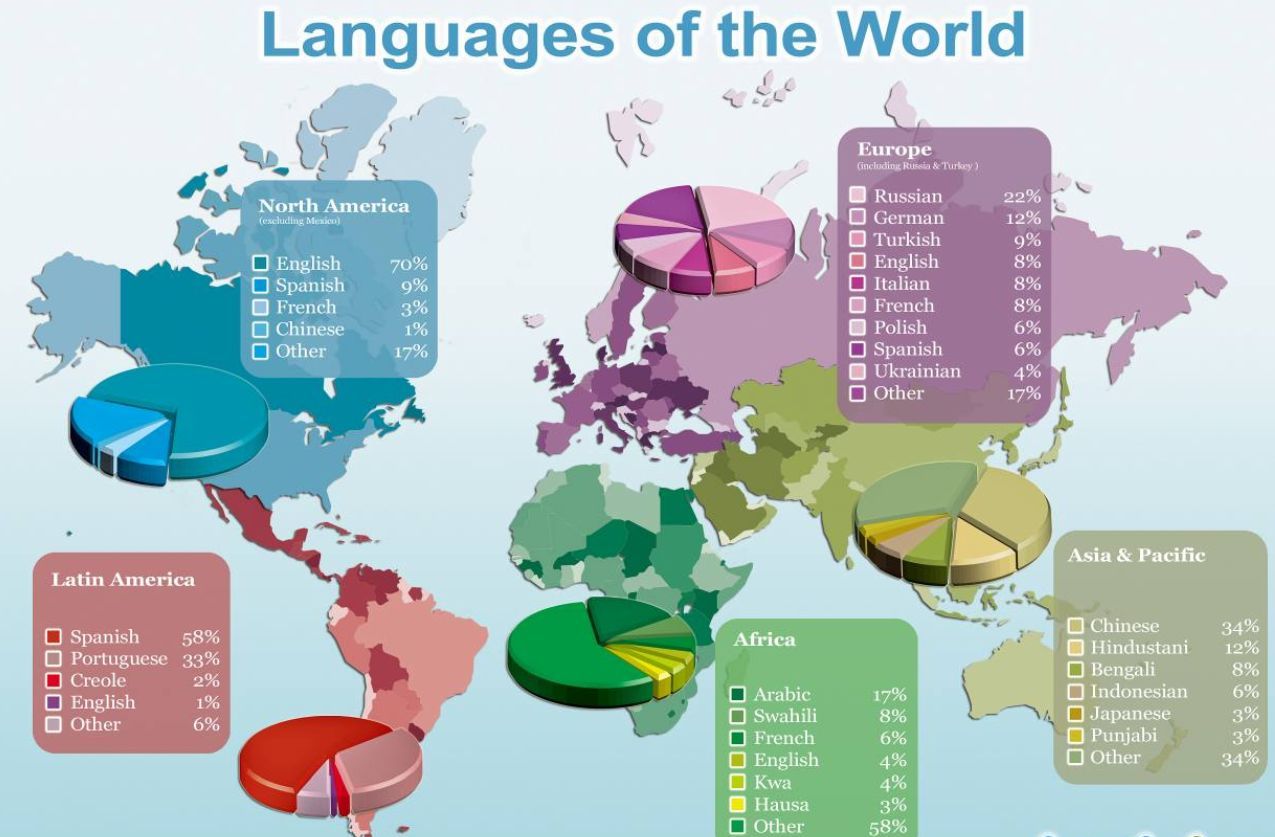
Vocabulary size significantly influences language difficulty. Languages with vast vocabularies pose greater challenges for learners due to the extensive memorization and comprehension demands.
Languages with Large Vocabularies
Some languages are renowned for their vast vocabularies. For instance, English boasts over 250,000 words, while German has around 200,000 words.
These large vocabularies can hinder comprehension, especially for non-native speakers. The sheer number of words can make it challenging to retain their meanings and apply them appropriately in different contexts.
Challenges for Learners
- Extensive Memorization:Learners must memorize a vast number of words, including their meanings, pronunciations, and usage rules.
- Contextual Understanding:Comprehending the nuances of word usage in different contexts becomes more challenging with a larger vocabulary.
- Reduced Proficiency:Learners may struggle to achieve native-like proficiency due to the difficulty in mastering such a large vocabulary.
Table: Vocabulary Sizes and Difficulty Levels
| Language | Vocabulary Size | Difficulty Level ||—|—|—|| English | 250,000+ | High || German | 200,000+ | High || Spanish | 100,000+ | Medium || French | 70,000+ | Medium || Chinese (Mandarin) | 80,000+ | Medium |
Implications for Language Teaching and Learning
The impact of vocabulary size on language difficulty has implications for teaching and learning. Educators must recognize the challenges posed by large vocabularies and incorporate strategies to support learners.
Effective language teaching methods should focus on:
- Gradual Vocabulary Introduction:Introducing new words gradually, providing ample opportunities for practice and reinforcement.
- Contextualization:Teaching words in meaningful contexts to enhance comprehension and retention.
- Vocabulary Building Activities:Engaging learners in vocabulary-building activities, such as flashcards, games, and reading exercises.
Writing Systems
Writing systems are systems of graphic marks used to represent language. They can be classified into three main types: logographic, syllabic, and alphabetic.
Logographic systems use characters to represent whole words or morphemes. Chinese is a well-known example of a logographic system. Syllabic systems use characters to represent syllables. Japanese is an example of a syllabic system. Alphabetic systems use letters to represent individual sounds.
English is an example of an alphabetic system.
Complexity of Writing Systems
The complexity of a writing system can vary depending on a number of factors, including the number of characters, the regularity of the sound-symbol relationship, and the presence of homophones and homographs.
Logographic systems are generally more complex than syllabic and alphabetic systems because they require learners to memorize a large number of characters. Syllabic systems are generally less complex than logographic systems, but they can still be challenging for learners who are not familiar with the syllable structure of the language.
Alphabetic systems are generally the least complex of the three types of writing systems. However, they can still be challenging for learners who are not familiar with the sound-symbol relationship of the language.
Impact of Writing Systems on Language Difficulty
The writing system of a language can have a significant impact on the difficulty of learning that language. Logographic systems are generally more difficult to learn than syllabic and alphabetic systems because they require learners to memorize a large number of characters.
Syllabic systems are generally less difficult to learn than logographic systems, but they can still be challenging for learners who are not familiar with the syllable structure of the language. Alphabetic systems are generally the least difficult of the three types of writing systems to learn.
Examples of Languages Using Different Writing Systems, What is the most difficult language in the world
Here are some examples of languages that use different writing systems:
- Logographic: Chinese, Japanese, Korean
- Syllabic: Japanese, Korean, Cherokee
- Alphabetic: English, Spanish, French
Historical Evolution of Writing Systems
Writing systems have evolved over time. The earliest writing systems were logographic. Over time, syllabic and alphabetic systems developed. Alphabetic systems are now the most common type of writing system in the world.
– Provide examples of how cultural context can impact language difficulty, such as the use of idioms, slang, or jargon.

Cultural context plays a significant role in shaping the difficulty of learning a new language. One of the most challenging aspects of language learning is understanding and using idioms, slang, and jargon, which are often deeply rooted in the culture of the language.
Idioms
Idioms are phrases or expressions that have a figurative meaning that cannot be understood from the literal meaning of the words. For example, in English, the idiom “kick the bucket” means “to die,” while in Spanish, the idiom “dar calabazas” means “to reject someone romantically.”
Slang
Slang is informal language that is often used by a particular group of people, such as teenagers or musicians. Slang words and phrases can change rapidly, making it difficult for learners to keep up. For example, the slang term “lit” means “excellent” or “exciting” in English.
Jargon
Jargon is specialized language that is used by a particular profession or group. Jargon can be difficult to understand for those who are not familiar with the field. For example, the medical term “myocardial infarction” means “heart attack.”
Second Language Acquisition

Learning a second language presents unique challenges that vary in difficulty depending on individual factors. This section delves into the complexities of second language acquisition, exploring the multifaceted interplay of age, motivation, and exposure to the target language.
Age
Age plays a significant role in second language acquisition. Younger learners generally exhibit greater plasticity in their brains, enabling them to absorb new linguistic structures and pronunciations more effortlessly. As individuals progress into adulthood, this neuroplasticity diminishes, potentially making it more challenging to master the intricacies of a new language.
Motivation
Motivation serves as a driving force in second language acquisition. Learners who possess intrinsic motivation, such as a genuine interest in the language or culture, tend to demonstrate greater persistence and success in their language learning journey.
Exposure
Exposure to the target language is crucial for effective second language acquisition. Immersive experiences, such as living in a country where the language is spoken, provide learners with ample opportunities to engage with native speakers, absorb linguistic patterns, and develop fluency.
Gather insights from native speakers of different languages on the perceived difficulty of their native tongue

Native speakers of different languages can provide valuable insights into the perceived difficulty of their native tongue. Their experiences and perspectives can shed light on the challenges faced by learners.
Interviews and Surveys
Interviews and surveys can be used to collect data from native speakers. These methods allow researchers to ask open-ended questions and gather qualitative data about the perceived difficulty of a language.
Analysis of Data
The data collected from interviews and surveys can be analyzed to identify common themes and patterns. This analysis can help researchers to understand the factors that make a language difficult for learners.
Report and Recommendations
The findings of the research can be summarized in a report. This report can provide recommendations for language learners on how to overcome the challenges of learning a new language.
– Analyze the different language proficiency frameworks used to assess language difficulty, including the Common European Framework of Reference for Languages (CEFR), the American Council on the Teaching of Foreign Languages (ACTFL) Proficiency Guidelines, and the Interagency Language Roundtable (ILR) Scale.
Language proficiency frameworks are systems that describe the different levels of language ability that learners can achieve. They are used to assess language difficulty, set learning goals, and measure progress. There are a number of different language proficiency frameworks in use today, including the Common European Framework of Reference for Languages (CEFR), the American Council on the Teaching of Foreign Languages (ACTFL) Proficiency Guidelines, and the Interagency Language Roundtable (ILR) Scale.
CEFR
The CEFR is a widely used language proficiency framework that was developed by the Council of Europe. It is based on a six-level scale, from A1 (beginner) to C2 (proficient). The CEFR describes the language skills that learners need to master at each level, including grammar, vocabulary, pronunciation, and fluency.
ACTFL
The ACTFL Proficiency Guidelines are a set of standards that were developed by the American Council on the Teaching of Foreign Languages. They are based on a five-level scale, from Novice to Superior. The ACTFL Proficiency Guidelines describe the language skills that learners need to master at each level, including grammar, vocabulary, pronunciation, and fluency.
ILR
The ILR Scale is a language proficiency framework that was developed by the Interagency Language Roundtable. It is based on a four-level scale, from 0 (no proficiency) to 3 (professional working proficiency). The ILR Scale describes the language skills that learners need to master at each level, including grammar, vocabulary, pronunciation, and fluency.
While the question of what is the most difficult language in the world is a matter of debate, there is no doubt that Italian is a beautiful and expressive language. As the official language of Italy, it is spoken by over 60 million people worldwide.
If you are interested in learning more about the official language of Italy, click here. Returning to the topic of the most difficult language in the world, it is important to consider factors such as grammar, vocabulary, and pronunciation when making a judgment.
Learner Motivation
Learner motivation plays a pivotal role in overcoming the challenges of learning a difficult language. It is the driving force that sustains learners’ engagement, effort, and perseverance throughout the arduous journey of language acquisition.
Motivation is influenced by various factors, including:
- Intrinsic Motivation:Internal factors such as personal interest, curiosity, and enjoyment of the learning process.
- Extrinsic Motivation:External factors such as rewards, grades, or the desire to meet societal expectations.
- Goal Orientation:Learners’ aspirations, whether they focus on mastery or performance goals.
- Self-Efficacy:Learners’ belief in their ability to succeed in learning the language.
Strategies to Foster Motivation
Teachers can foster motivation by:
- Creating a Positive Learning Environment:Establishing a supportive and inclusive classroom atmosphere where learners feel valued and respected.
- Setting Clear Goals:Helping learners establish realistic and achievable goals that provide a sense of purpose and direction.
- Providing Meaningful Activities:Engaging learners in tasks that are relevant to their interests and connect to their personal experiences.
- Offering Feedback and Recognition:Providing constructive feedback and recognizing learners’ efforts and progress, fostering a sense of accomplishment.
- Promoting Learner Autonomy:Encouraging learners to take ownership of their learning by providing opportunities for self-directed study and decision-making.
| Factor | Fostering Strategies |
|---|---|
| Intrinsic Motivation | Connect to learners’ interests, create a positive learning environment |
| Extrinsic Motivation | Provide rewards, set clear goals, offer feedback and recognition |
| Goal Orientation | Help learners set realistic goals, focus on mastery over performance |
| Self-Efficacy | Provide opportunities for success, encourage learner autonomy, offer constructive feedback |
Importance of Learner Motivation
Learner motivation is crucial for language learning success. It sustains learners’ engagement, effort, and perseverance, enabling them to overcome the challenges of learning a difficult language. By fostering motivation, teachers can create a supportive and engaging learning environment that empowers learners to achieve their language learning goals.
Language Learning Strategies
Mastering challenging languages requires strategic approaches that enhance comprehension, retention, and fluency. This section explores effective language learning strategies to overcome linguistic complexities.
Immersion is a powerful technique that surrounds learners with the target language. This includes listening to native speakers, watching movies, reading books, and engaging in conversations to absorb the language’s nuances and natural flow.
Spaced repetition utilizes flashcards or spaced retrieval systems to review vocabulary and grammar at increasing intervals. This helps strengthen memory and facilitates long-term retention.
Error analysis involves examining one’s mistakes and identifying patterns of errors. By understanding the underlying causes of errors, learners can develop targeted strategies to improve accuracy.
Technological Advancements

Technological advancements have revolutionized language learning, making it more accessible and interactive. Language learning apps, software, and online resources provide learners with personalized and immersive learning experiences that can facilitate the acquisition of even the most difficult languages.
Language Learning Apps
Language learning apps offer gamified lessons, interactive exercises, and speech recognition technology that engage learners and make the learning process enjoyable. They allow learners to practice speaking, listening, reading, and writing at their own pace and convenience.
Language Learning Software
Language learning software provides comprehensive courses with structured lessons, grammar explanations, and vocabulary exercises. They often include features such as voice recognition, translation tools, and progress tracking, which help learners monitor their progress and identify areas for improvement.
Online Resources
Online resources such as language exchange platforms, online dictionaries, and grammar guides provide learners with access to authentic language materials and opportunities to interact with native speakers. These resources can supplement traditional language learning methods and enhance the learning experience.
Frequently Asked Questions
Which language is considered the most difficult to learn?
The difficulty of a language is subjective and depends on various factors, but Mandarin Chinese, Arabic, Japanese, and Finnish are often cited as some of the most challenging languages to master.
What makes a language difficult to learn?
Factors that contribute to language difficulty include complex grammar, unfamiliar sound systems, extensive vocabulary, and cultural nuances that may differ significantly from the learner’s native language.
Can anyone learn any language?
With sufficient motivation, dedication, and exposure, it is possible for anyone to learn any language. However, some languages may require more time and effort than others.
