What is tone in language – Embarking on a linguistic expedition, we delve into the enigmatic concept of tone in language. Tone, an elusive yet potent force, shapes the meaning and impact of our words, influencing how they are received and interpreted. In this comprehensive exploration, we unravel the intricate tapestry of tone, examining its elements, functions, and applications across various contexts.
Tone, like a chameleon, adapts its guise to convey a myriad of emotions, intentions, and attitudes. It can be playful, serious, ironic, or persuasive, transforming the same words into vastly different messages. Understanding the nuances of tone is paramount for effective communication, enabling us to convey our thoughts and feelings with precision and clarity.
Definition of Tone in Language
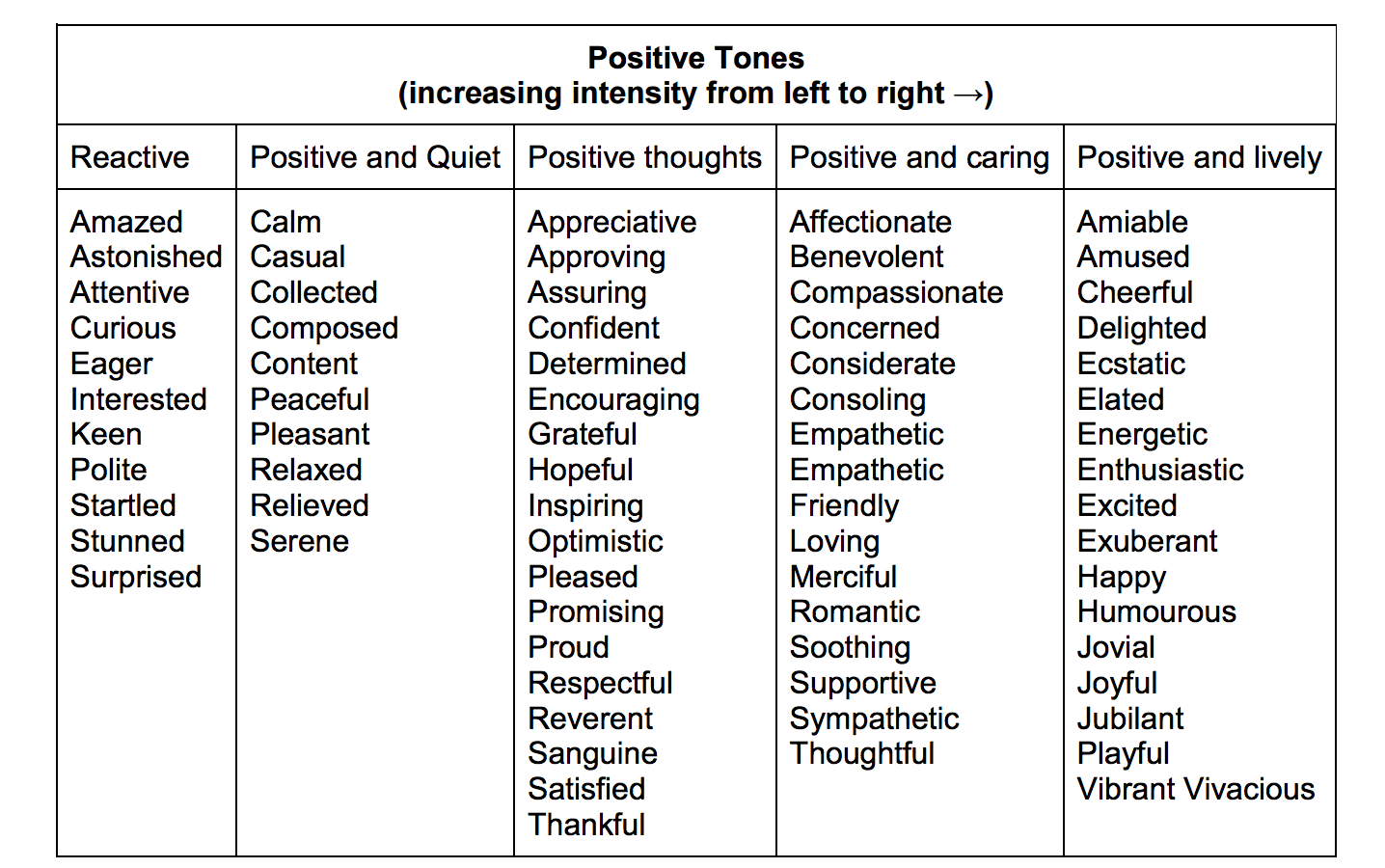
Tone in language refers to the emotional attitude or style conveyed by a speaker or writer. It is an essential aspect of communication that helps shape the meaning and impact of a message.
Tone can be conveyed through various linguistic elements, such as word choice, sentence structure, and punctuation. For example, a sentence can have a positive tone if it uses optimistic language and upbeat punctuation, such as “I am excited to announce the news!” Conversely, a sentence can have a negative tone if it uses pessimistic language and downbeat punctuation, such as “I am disappointed to inform you of the situation.”
Types of Tone
There are many different types of tone that can be used in language, including:
- Positive tone: This type of tone conveys a positive attitude or emotion, such as happiness, excitement, or optimism.
- Negative tone: This type of tone conveys a negative attitude or emotion, such as sadness, anger, or disappointment.
- Neutral tone: This type of tone does not convey any particular attitude or emotion. It is simply used to convey information.
- Formal tone: This type of tone is used in formal settings, such as business letters or academic papers. It is characterized by its use of formal language and grammar.
- Informal tone: This type of tone is used in informal settings, such as conversations with friends or family. It is characterized by its use of informal language and grammar.
Importance of Tone
Tone is an important aspect of communication because it can affect the way that a message is received and interpreted. A positive tone can make a message more persuasive, while a negative tone can make a message more confrontational. Tone can also be used to create a rapport between the speaker or writer and the audience.
It is important to be aware of the tone that you are using when communicating, and to choose the tone that is most appropriate for the situation.
Elements of Tone

Tone in language is conveyed through a combination of linguistic elements, including word choice, sentence structure, and figurative language. These elements interact to create a specific atmosphere or mood that influences the reader’s or listener’s response.
Word Choice
- Connotation:Words carry both denotative (literal) and connotative (implied) meanings. Tone can be conveyed through the selection of words with specific connotations.
- Diction:The level of formality or informality in word choice can indicate tone. Formal language suggests a serious or respectful tone, while informal language creates a more casual or conversational tone.
Sentence Structure
- Syntax:The way sentences are structured can affect tone. Complex sentences with multiple clauses can create a formal or sophisticated tone, while simple sentences with few clauses convey a more informal or direct tone.
- Length:Long sentences can slow down the pace of reading and create a more serious or contemplative tone, while short sentences can accelerate the pace and create a more lively or urgent tone.
Figurative Language
- Metaphors and Similes:These figures of speech can create vivid imagery and convey tone through their implied comparisons.
- Irony and Sarcasm:These techniques use unexpected or contradictory language to convey a tone of humor, skepticism, or criticism.
By understanding and manipulating these elements, writers and speakers can effectively convey their intended tone and influence the reader’s or listener’s response.
Types of Tone

Tone in language can be categorized into several types, each conveying a distinct attitude or emotion.
These types include:
Formal
- Used in professional and academic settings
- Objective and impersonal
- Emphasizes clarity and precision
- Example: “The research findings indicate a statistically significant relationship between X and Y.”
Informal
- Used in casual conversations and personal writing
- Conversational and personal
- May use slang or colloquialisms
- Example: “Hey, what’s up? I was thinking we could grab coffee later.”
Neutral
- Avoids expressing strong emotions or opinions
- Objective and balanced
- Suitable for presenting facts or reporting events
- Example: “The meeting will be held on Tuesday at 2:00 PM in the conference room.”
Positive
- Conveys optimism, enthusiasm, or approval
- Uses positive language and imagery
- Example: “I’m so excited to start this new project!”
Negative
- Conveys pessimism, disapproval, or criticism
- Uses negative language and imagery
- Example: “I’m really disappointed with the results of this experiment.”
Humorous
- Uses humor to entertain or make a point
- May use puns, jokes, or irony
- Example: “Why did the scarecrow win an award? Because he was outstanding in his field!”
Sarcastic
- Uses irony to convey a negative or mocking attitude
- May be difficult to detect without context
- Example: “Oh, that’s just perfect! Now my car is broken down in the middle of nowhere.”
Functions of Tone
Tone is a crucial element of language that conveys the speaker’s attitude, emotion, and intent. It influences how messages are perceived and interpreted, playing a vital role in effective communication.
Tone serves several important functions in language:
Conveying Emotion
Tone allows speakers to express their emotions and feelings through language. It can convey joy, sadness, anger, excitement, and various other emotions, enhancing the richness and depth of communication.
Influencing Interpretation
The tone of a message can significantly influence how it is interpreted by the receiver. For example, a sarcastic tone can make a statement sound ironic or dismissive, while a respectful tone can convey sincerity and credibility.
Tone in language refers to the variations in pitch, volume, and rhythm that convey emotional or pragmatic meaning. For instance, in Hawaiian , high pitch is associated with questions, while low pitch indicates statements. Tone is a crucial aspect of communication, allowing us to express subtle nuances and emotions that would otherwise be lost in the written word.
Establishing Relationships
Tone plays a key role in establishing and maintaining relationships. A warm and friendly tone can foster rapport and build trust, while a cold and distant tone can create barriers and hinder communication.
Persuading an Audience
Tone can be a powerful tool for persuasion. A persuasive tone can engage the audience, build credibility, and influence their opinions and actions.
Example: Persuading an Audience
Consider a speaker delivering a persuasive speech on the importance of climate action. By using a passionate and urgent tone, the speaker can convey their deep concern about the issue and inspire the audience to take action. This tone can create a sense of urgency and motivate the audience to support the speaker’s cause.
Identifying Tone in Text
Identifying the tone of a written text involves understanding the author’s attitude, emotions, and intentions conveyed through their language. This process requires careful analysis of various linguistic cues, including word choice, sentence structure, and figurative language.
Methods for Identifying Tone
- Contextual Analysis:Examine the surrounding text, including the purpose of the writing, the target audience, and the author’s background, to gain insights into the tone.
- Linguistic Analysis:Analyze specific language features, such as diction, syntax, and punctuation, to identify patterns and nuances that convey tone.
- Discourse Analysis:Examine the structure and organization of the text, including the use of rhetorical devices and argumentation, to understand the author’s perspective and tone.
- Machine Learning and Natural Language Processing:Utilize computational methods to analyze large amounts of text data and identify patterns associated with different tones.
Challenges and Complexities
Tone analysis can be challenging due to the subjective nature of interpretation and the influence of cultural and contextual factors. Moreover, irony, sarcasm, and other forms of indirect communication can add complexity to the analysis.
Common Pitfalls and Errors
- Over-reliance on Specific Words:Avoid assuming that certain words always convey a particular tone; consider the context and other linguistic cues.
- Ignoring Non-Verbal Cues:Remember that written text lacks non-verbal cues, such as facial expressions and body language, which can provide additional insights into tone.
- Misinterpretation of Ambiguity:Be cautious of ambiguous language that can be interpreted in multiple ways, leading to potential misinterpretations of tone.
Framework for Evaluating Accuracy and Reliability
To assess the accuracy and reliability of tone analysis methods, consider factors such as inter-rater agreement, consistency across different texts, and alignment with expert judgments.
Ethical Considerations
Tone analysis raises ethical concerns regarding bias and privacy. It is essential to ensure that analysis methods are fair, unbiased, and respectful of individuals’ privacy rights.
Tone and Context
The interpretation of tone in language is heavily influenced by the context in which it is used. Context provides crucial information that helps readers or listeners understand the intended meaning and emotions behind the words.
Context can influence tone in several ways:
Situational Context
- The situation or setting in which a message is communicated can provide clues about the tone. For example, a message sent in a formal business meeting will likely have a different tone than one sent in a casual conversation between friends.
Cultural Context
- Cultural norms and values can shape the way tone is perceived. What may be considered polite or respectful in one culture may be seen as rude or offensive in another.
Interpersonal Context
- The relationship between the sender and receiver of a message can influence the interpretation of tone. A message from a close friend may be interpreted differently than one from a stranger.
Importance of Considering Context
Considering context is essential for accurately interpreting tone. Without it, readers or listeners may misinterpret the intended message and draw incorrect conclusions.
Using Context Clues
To determine the intended tone of a message, readers or listeners can look for context clues, such as:
- Word choice: The words used in a message can indicate the tone. For example, positive words convey a positive tone, while negative words convey a negative tone.
- Sentence structure: The way sentences are structured can also provide clues about tone. For example, short, simple sentences may convey a neutral tone, while long, complex sentences may convey a more formal or academic tone.
- Nonverbal cues: In face-to-face communication, nonverbal cues such as facial expressions, body language, and tone of voice can provide additional information about the intended tone.
Tone in Different Languages
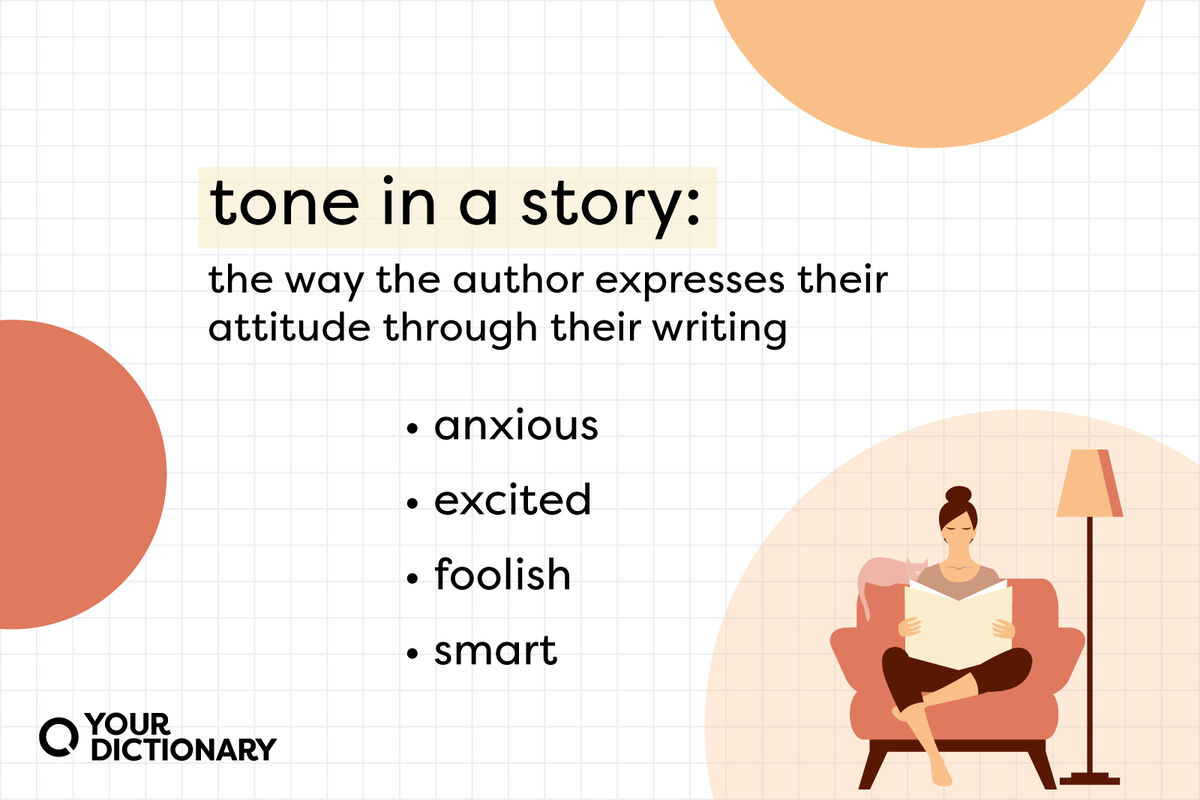
The concept of tone in language can vary across different languages. In some languages, tone is a distinctive feature of speech that can change the meaning of a word or phrase. In other languages, tone may be less significant or not used at all.
The use of tone in language is often shaped by cultural and linguistic factors. In some cultures, for example, it is considered impolite to speak in a monotone voice. In other cultures, tone may be used to convey subtle nuances of meaning.
Cultural Factors
Cultural factors can play a significant role in shaping the use of tone in language. In some cultures, for example, it is considered impolite to speak in a loud or aggressive tone. In other cultures, it may be acceptable to use a more forceful tone when expressing oneself.
- In some cultures, it is considered impolite to speak in a monotone voice.
- In other cultures, tone may be used to convey subtle nuances of meaning.
- The use of tone in language can be influenced by the social context in which the communication takes place.
Linguistic Factors
Linguistic factors can also affect the use of tone in language. In some languages, for example, tone is a distinctive feature of speech that can change the meaning of a word or phrase. In other languages, tone may be less significant or not used at all.
- In some languages, tone is a distinctive feature of speech that can change the meaning of a word or phrase.
- In other languages, tone may be less significant or not used at all.
- The use of tone in language can be influenced by the grammatical structure of the language.
Tone in Literature
Tone is a crucial element in literary works, shaping the overall meaning and impact of the text. It conveys the author’s attitude towards the subject matter, characters, and events, influencing the reader’s interpretation and emotional response.Tone can be expressed through various literary devices, including word choice, sentence structure, imagery, and figurative language.
By carefully selecting words and phrases, authors can create a specific atmosphere or mood, evoke emotions, and convey their perspective on the events being depicted.
Types of Tone in Literature
The tone in literature can vary widely, ranging from positive to negative, formal to informal, serious to humorous, and objective to subjective. Some common types of tone include:
Ironic
Expresses the opposite of what is literally stated, often conveying a sense of humor or sarcasm.
Satirical
Uses humor or exaggeration to criticize or ridicule a person, idea, or institution.
Melancholic
Evokes a feeling of sadness, loss, or regret.
Humorous
Aims to make the reader laugh or smile, often through witty remarks or playful language.
Nostalgic
Recalls past events or experiences with a sense of longing or fondness.
Didactic
Intends to teach or convey a moral lesson, often through explicit statements or parables.
Tone in Conversation

In spoken conversation, tone plays a crucial role in conveying emotions, intentions, and attitudes. It is an essential aspect of verbal communication that goes beyond the mere words spoken and adds depth and meaning to the message.
Tone is conveyed through various vocal cues, such as pitch, volume, intonation, and rhythm. By modulating these cues, speakers can express a wide range of emotions and intentions, from friendliness and warmth to anger and hostility. For example, a high-pitched, excited tone may convey enthusiasm, while a low-pitched, monotonous tone may indicate boredom or disinterest.
Intonation
Intonation refers to the variation in pitch over the course of an utterance. It can be used to emphasize certain words or phrases, create contrast, or convey emotions. For instance, a rising intonation at the end of a sentence can indicate a question or uncertainty, while a falling intonation can convey a statement or certainty.
Volume
Volume refers to the loudness or softness of speech. It can be used to convey emotions, such as anger or excitement, or to emphasize certain points. For example, a loud, forceful tone may indicate anger or urgency, while a soft, gentle tone may convey tenderness or intimacy.
Rhythm
Rhythm refers to the pattern of stressed and unstressed syllables in speech. It can be used to create emphasis, convey emotions, or establish a particular mood. For instance, a fast, staccato rhythm may convey excitement or nervousness, while a slow, deliberate rhythm may convey calmness or seriousness.
– Discuss the challenges of conveying tone in digital communication.
Digital communication presents unique challenges in conveying tone due to the absence of nonverbal cues, such as facial expressions, body language, and intonation. This can lead to misunderstandings and misinterpretations.
In digital communication, the receiver relies solely on the written or spoken words, which can be interpreted in various ways depending on the reader’s perspective and cultural background.
Differences between Verbal and Nonverbal Communication in Digital Environments
In face-to-face communication, nonverbal cues play a crucial role in conveying tone. Facial expressions, gestures, and body language provide additional context and nuance that can help the receiver understand the intended message.
However, in digital communication, these cues are absent, making it difficult to convey tone effectively. This can lead to misunderstandings and misinterpretations, as the receiver may not be able to accurately interpret the sender’s intended tone.
Tone in language refers to the manner in which a message is communicated, conveying the speaker’s attitude and emotions. Like in many cities around the world, various languages are spoken in Dubai. To explore the linguistic landscape of Dubai, you may find this article on what language does Dubai speak informative.
Returning to tone in language, it’s important to note that tone can be conveyed through vocal cues, such as pitch, volume, and intonation, as well as through written cues, such as punctuation and word choice.
Impact of Cultural and Linguistic Factors on Tone Interpretation
Cultural and linguistic factors can also impact the interpretation of tone in digital communication. Different cultures have different norms and expectations regarding the use of language, which can affect how tone is perceived.
For example, in some cultures, it is considered impolite to use direct language, while in other cultures, directness is seen as a sign of respect. This can lead to misunderstandings if the sender and receiver come from different cultural backgrounds.
Tone and Persuasion

Tone plays a pivotal role in persuasion, influencing the effectiveness of messages aimed at changing attitudes or behaviors. By carefully crafting the tone, communicators can establish a rapport with the audience, build credibility, and enhance the persuasiveness of their messages.
The tone of a persuasive message can vary widely, depending on the target audience, the purpose of the message, and the context in which it is delivered. Some common tones used in persuasion include:
- Informative:Provides facts and data to support the argument, focusing on objectivity and clarity.
- Argumentative:Presents a logical and well-reasoned argument, using evidence and examples to support the claim.
- Emotional:Appeals to the emotions of the audience, using language that evokes feelings and creates a connection.
- Humorous:Uses humor to engage the audience and make the message more memorable.
- Coercive:Uses threats or pressure to persuade the audience, often relying on fear or guilt.
The choice of tone should be strategic and aligned with the target audience and the desired outcome. For example, an informative tone may be effective in conveying complex information to a technical audience, while an emotional tone may be more persuasive in connecting with a general audience on a personal level.
Persuasive messages often employ a combination of tones to achieve their goals. For instance, a political speech may use an informative tone to present facts and statistics, an argumentative tone to build a logical case, and an emotional tone to inspire the audience to action.
Analyzing the Tone of Persuasive Messages, What is tone in language
To analyze the tone of a persuasive message, consider the following factors:
- Language:The choice of words, phrases, and sentence structure can convey a specific tone.
- Imagery:The use of metaphors, similes, and other figurative language can evoke emotions and shape the tone.
- Structure:The organization and flow of the message can contribute to the overall tone.
- Context:The setting and circumstances in which the message is delivered can influence its tone.
By carefully analyzing the tone of persuasive messages, we can gain insights into the communicator’s intentions, the target audience, and the effectiveness of the message.
Tone and Humor
Tone plays a crucial role in humor by shaping the intended comedic effect and enhancing or detracting from the overall amusement. Tone can convey irony, sarcasm, exaggeration, or playfulness, influencing how the audience interprets and responds to the humor.
Enhancing Comedic Effect
An appropriate tone can amplify the comedic impact by emphasizing the absurdity or unexpectedness of the situation. For example, a deadpan delivery of a humorous line can create a contrast between the seriousness of the tone and the absurdity of the content, enhancing the comedic effect.
Detracting from Comedic Effect
Conversely, an inappropriate tone can undermine the humor by creating confusion or misinterpretation. A serious tone for a humorous situation can make the joke seem forced or awkward, while an overly exaggerated tone can make it appear insincere or over-the-top.
Tone and Sarcasm

Sarcasm is a form of verbal irony in which a speaker or writer says something that is the opposite of what they mean. It is often used to express mockery, contempt, or amusement. Tone plays a crucial role in conveying sarcasm, as it can help to distinguish between a sarcastic statement and a sincere one.
When using sarcasm, it is important to be aware of the potential challenges and risks. One challenge is that sarcasm can be easily misunderstood, especially in written communication where tone is not always clear. This can lead to conflict or confusion if the recipient does not realize that the statement is sarcastic.
Another risk associated with sarcasm is that it can be perceived as rude or offensive. This is especially true if the sarcasm is directed at a specific person or group. It is important to use sarcasm sparingly and to be mindful of the context in which it is used.
Despite the challenges, sarcasm can be an effective way to communicate complex emotions or ideas. When used appropriately, it can add humor and wit to a conversation. However, it is important to use sarcasm with caution and to be aware of the potential risks involved.
Tone and Emotion: What Is Tone In Language
Tone in language is closely intertwined with emotion. It serves as a powerful tool for expressing and evoking emotions through words, influencing the way a message is perceived and interpreted.
How Tone Expresses and Evokes Emotions
Tone can convey a wide range of emotions, both positive and negative. For example, a cheerful tone can uplift and inspire, while a somber tone can evoke sadness or melancholy. Tone can also express emotions indirectly, such as through the use of irony or sarcasm.
Examples of Different Tones and Emotions
- Joyful:“I am thrilled to announce the arrival of our new baby!”
- Sad:“The loss of our beloved pet has left a void in our hearts.”
- Angry:“I am outraged by the injustice that has been done!”
- Humorous:“I couldn’t help but chuckle at the absurdity of the situation.”
- Sarcastic:“Oh, that’s a great idea, let’s jump off a cliff!”
Role of Context in Interpreting Tone and Emotion
Context plays a crucial role in interpreting tone and emotion. The same words can convey different emotions depending on the surrounding context. For example, the phrase “You’re kidding me” could be interpreted as playful in a friendly conversation, but as sarcastic or confrontational in a tense situation.
Use of Tone in Literature, Film, and Media
Tone is a powerful tool used in literature, film, and other forms of media to create emotional responses. Authors and filmmakers carefully craft tone through language, music, and visuals to evoke specific emotions in their audience.
General Inquiries
What is the significance of tone in language?
Tone plays a pivotal role in shaping the meaning and impact of our words, influencing how they are received and interpreted. It conveys emotions, intentions, and attitudes, enabling us to communicate effectively and forge deeper connections.
How can we identify tone in a written text?
Identifying tone in a written text requires careful analysis of word choice, sentence structure, and context. Tone can be inferred from the use of specific language, such as formal or informal vocabulary, and the presence of literary devices, such as irony or sarcasm.
What are the key elements that contribute to tone?
Tone is influenced by a combination of elements, including word choice, sentence structure, punctuation, and context. The interplay of these elements creates a unique tonal tapestry that conveys the intended message.
How does tone impact persuasion?
Tone plays a crucial role in persuasion by influencing the audience’s emotional and cognitive responses. A persuasive tone can evoke empathy, build credibility, and motivate action, while an ineffective tone can alienate the audience and undermine the intended message.
What are some best practices for conveying tone in digital communication?
To convey tone effectively in digital communication, consider using specific strategies for each platform. For example, in emails, use appropriate subject lines, tone-setting phrases, and sentence structure. In instant messages, employ emojis, GIFs, and other visual cues. In social media, utilize hashtags, @mentions, and other platform-specific features.
