What is your native language? This seemingly simple question unveils a world of linguistic and cultural richness, shaping our identities, perspectives, and interactions with the world. Join us on an enlightening journey as we delve into the profound significance of native languages, exploring their role in shaping cultures, fostering communication, and preserving our heritage.
Native languages are not merely a means of communication; they are the threads that weave the tapestry of our cultural identities. They carry the wisdom, beliefs, and values passed down through generations, connecting us to our ancestors and the land we inhabit.
By exploring the diversity of native languages, we gain a deeper understanding of the human experience and the kaleidoscope of perspectives that shape our world.
Introduction
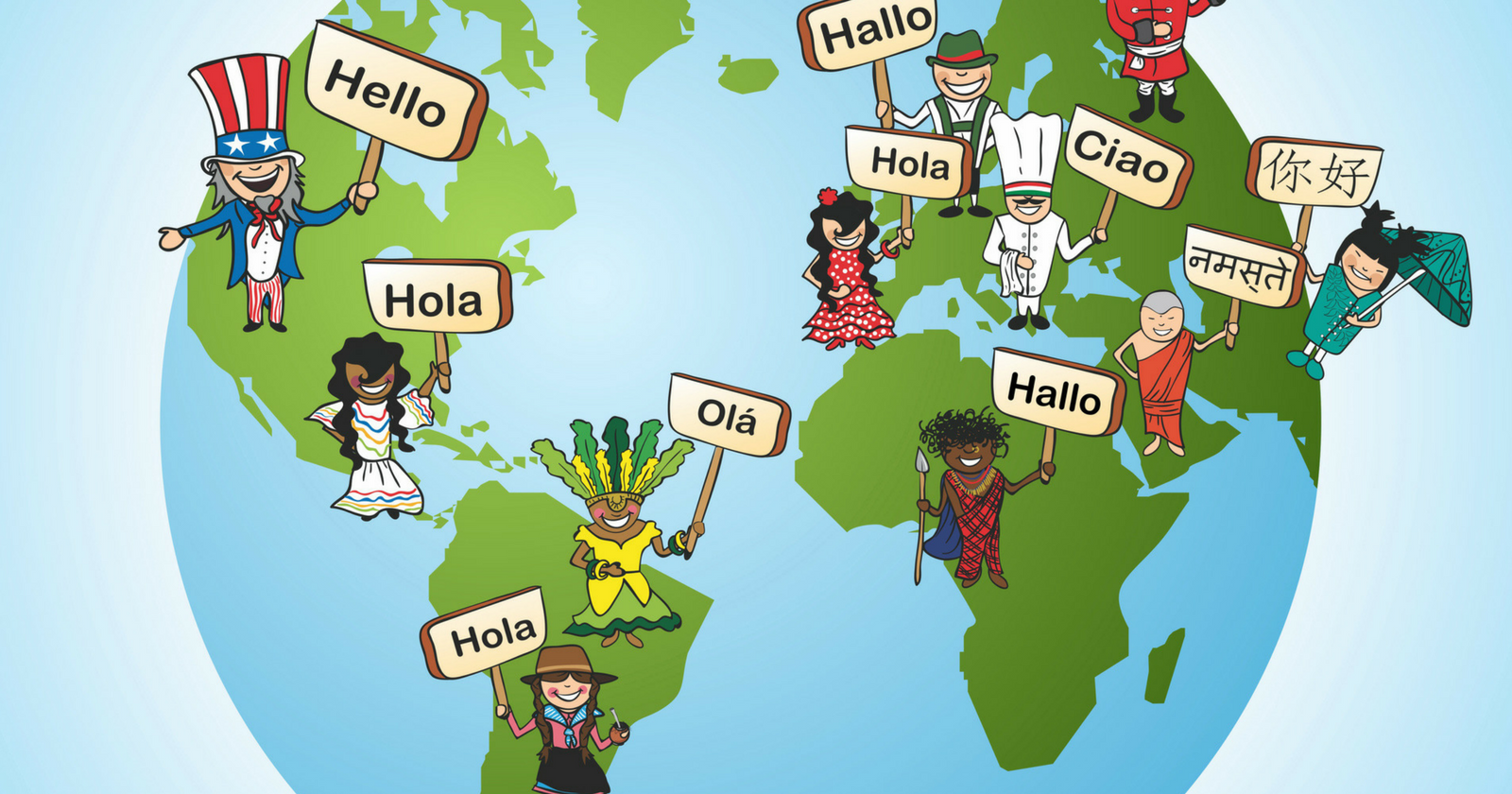
Native languages play a crucial role in shaping cultural identity, serving as a medium for transmitting cultural values, beliefs, and practices. They reflect the unique perspectives, experiences, and worldviews of distinct communities, fostering a sense of belonging and continuity.
The diversity of native languages spoken around the world is a testament to the rich linguistic heritage of humanity. From the indigenous languages of the Americas to the ancient tongues of Asia and Africa, each language carries a unique set of cultural meanings and expressions.
Cultural Impact
Native languages have profoundly shaped cultural practices, beliefs, and values. For instance, the Navajo language embodies the tribe’s deep connection to the natural world, with words for specific plants and animals reflecting their ecological knowledge. Similarly, the Inuit language reflects the Arctic environment, with terms for different types of snow and ice conditions.
Definition of Native Language

A native language is the language that a person learns first and speaks most fluently. It is the language that is spoken in the person’s home and community, and it is the language that the person uses to express their thoughts and feelings.
Native languages are typically acquired during childhood, and they are deeply ingrained in a person’s identity. They are the languages that we use to communicate with our families and friends, and they are the languages that we use to learn about the world around us.
Difference between Native Language and Second Language
A second language is a language that a person learns after their native language. It is typically learned in school or through immersion in a different culture. Second languages are often used for communication in international business, travel, or education.
There are a number of key differences between native languages and second languages. Native languages are typically acquired more easily and fluently than second languages. Native speakers also have a deeper understanding of the grammar and vocabulary of their native language than second language speakers.
Despite these differences, both native languages and second languages are important for communication and understanding. Native languages are essential for cultural identity and expression, while second languages can open up new opportunities for communication and travel.
Factors Influencing Native Language Acquisition

The acquisition of a native language is a complex process influenced by various factors, including family, community, and education. Social and environmental factors also play a significant role in shaping language development.
Family
Family is the primary environment where children are exposed to their native language. Parents and siblings serve as language models, providing input and feedback that helps children develop their linguistic skills. The frequency and quality of language interactions within the family significantly impact language acquisition.
Community
The community provides a wider context for language learning. Children interact with peers, neighbors, and other members of the community, expanding their exposure to the language and enriching their vocabulary. Community events, such as festivals and gatherings, offer opportunities for children to engage in meaningful language use.
Education
Formal education plays a crucial role in developing literacy skills and refining language proficiency. Schools provide structured instruction, introducing children to grammar, vocabulary, and written forms of the language. Teachers facilitate language learning by creating a supportive and interactive environment.
Social and Environmental Factors
Social and environmental factors also influence language development. Children who grow up in multilingual environments may acquire multiple native languages. Exposure to different dialects and accents can shape their pronunciation and vocabulary. Socioeconomic status can impact access to language-rich resources, such as books and educational opportunities.
Cognitive and Linguistic Benefits of Native Language

Proficiency in one’s native language offers numerous cognitive advantages. These include enhanced literacy skills, improved problem-solving abilities, and heightened critical thinking capabilities.
Literacy
Native language proficiency is foundational for literacy development. Children who are exposed to their native language from a young age acquire a solid understanding of its grammatical structure, vocabulary, and pronunciation. This strong linguistic foundation enables them to develop proficient reading and writing skills.
Problem-Solving
Native language also plays a vital role in problem-solving. It provides the mental framework for understanding and analyzing complex problems. Individuals who are proficient in their native language can effectively communicate their thoughts and ideas, allowing them to collaborate and solve problems more efficiently.
Critical Thinking
Native language fosters critical thinking skills. It enables individuals to evaluate information, draw inferences, and make sound judgments. By engaging with their native language, individuals develop the ability to think critically about issues and form informed opinions.
Social and Cultural Importance of Native Language
Native languages hold immense social and cultural significance, shaping individuals’ identities, fostering community bonds, and preserving cultural heritage. They serve as vehicles for transmitting cultural values, beliefs, and traditions, ensuring their continuity across generations.
Native languages play a crucial role in preserving cultural diversity, safeguarding the unique perspectives and experiences of different communities. They embody the collective wisdom and knowledge accumulated over centuries, offering insights into diverse worldviews and ways of life.
Role in Identity Formation
- Native languages are integral to individuals’ sense of identity, providing a deep connection to their cultural heritage.
- They shape perceptions of the world, influencing values, beliefs, and ways of thinking.
- Speaking and understanding one’s native language fosters a sense of belonging and rootedness within a community.
Preservation of Cultural Heritage
- Native languages contain a wealth of cultural knowledge, including oral histories, traditional songs, and stories.
- Preserving these languages ensures the safeguarding of intangible cultural heritage that might otherwise be lost.
li>Documenting and revitalizing native languages contributes to the preservation of cultural diversity and linguistic richness.
Promotion of Cultural Diversity
- Native languages represent the unique voices and perspectives of different cultures.
- Encouraging their use and recognition fosters cultural understanding and appreciation.
- Promoting native languages contributes to a more inclusive and equitable society that values linguistic and cultural diversity.
Challenges in Maintaining Native Languages
Native languages face numerous challenges in the face of globalization and cultural assimilation. One significant factor is the dominance of global languages such as English, which are often used in education, media, and business, leading to a decline in the use of native languages.
Cultural assimilation, particularly in urban areas, can also result in a shift towards the dominant culture and language, further marginalizing native languages.
Impact of Technology and Media, What is your native language
Technology and media can both pose challenges and provide opportunities for native language preservation. While the internet and social media can facilitate communication and language learning, they can also contribute to the spread of dominant languages and the decline of native languages.
The availability of content in dominant languages can lead to a shift in language preferences, especially among younger generations.
Role of Education and Community Involvement
Education plays a crucial role in revitalizing native languages. Language immersion programs in schools and universities can provide opportunities for learners to acquire and develop proficiency in their native languages. Community involvement is also essential, as it can foster a sense of pride and ownership in the native language and encourage its use in everyday life.
Case Study: The Navajo Language
The Navajo language, spoken by the Navajo people in the southwestern United States, provides a successful example of language revitalization efforts. Through the establishment of language immersion schools and community-based programs, the Navajo language has experienced a resurgence in recent years.
Efforts to Preserve Native Languages
The preservation of native languages is crucial for the preservation of cultural diversity and linguistic heritage. Several initiatives have been undertaken to support and revitalize endangered languages.
One significant effort is the establishment of language revitalization programs. These programs aim to revive the use of native languages through community-based initiatives, such as language immersion schools, language learning apps, and cultural workshops. For example, the Maori language revitalization program in New Zealand has successfully increased the number of Maori speakers and promoted the use of the language in education and media.
Government Support
Governments play a vital role in supporting native language preservation. They can provide funding for language revitalization programs, establish language policies that promote the use of native languages in education and public life, and recognize the rights of indigenous language speakers.
Community Involvement
Community involvement is essential for the success of native language preservation efforts. Local communities can establish language nests, where young children are immersed in the native language, and organize language learning events and cultural gatherings that promote the use of the language.
Technology and Education
Technology can be leveraged to support native language preservation. Language learning apps and online resources can make it easier for people to learn and practice native languages. Education systems can incorporate native language instruction into their curricula, ensuring that future generations have the opportunity to learn and use their native languages.
The Role of Technology in Native Language Education

Technology has emerged as a transformative tool with the potential to revolutionize native language education. This section explores the benefits, challenges, and ethical implications of incorporating technology into native language learning and preservation efforts.
Benefits of Technology in Native Language Education
Technology offers numerous benefits for native language education, including:
- Increased access to resources:Online resources and digital archives provide learners with access to a vast collection of materials, including texts, audio recordings, and videos, which can supplement traditional classroom learning.
- Convenience and flexibility:Language apps and online platforms make learning more convenient and flexible, allowing learners to study at their own pace and on their own time.
- Interactive and engaging experiences:Interactive tools, such as virtual reality and augmented reality, can create immersive and engaging learning experiences that enhance language acquisition.
Challenges of Technology in Native Language Education
Despite its benefits, technology also presents certain challenges in native language education:
- Quality of resources:Finding high-quality and culturally appropriate resources online can be challenging, and learners may need guidance in navigating the vast amount of information available.
- Cost:Developing and implementing technology-based language education programs can be expensive, especially for under-resourced communities.
- Technical limitations:Access to reliable internet and devices may be limited in some areas, hindering the use of technology in language education.
Ethical Implications of Technology in Native Language Education
The use of technology in native language education raises ethical concerns, including:
- Data privacy:Language apps and online platforms collect data on users, including their language proficiency and learning patterns. It is important to ensure that this data is used responsibly and not for harmful purposes.
- Cultural appropriation:Technology can facilitate the sharing of cultural knowledge and practices, but it is crucial to respect the rights of Indigenous communities and ensure that their languages and cultures are not exploited.
Future Directions for Technology-Enhanced Native Language Education
As technology continues to evolve, new opportunities and challenges will emerge in the field of native language education. Future research and development should focus on:
- Developing more comprehensive and culturally appropriate online resources.
- Creating interactive and engaging language learning experiences that leverage emerging technologies.
- Addressing the ethical implications of technology use and promoting responsible data practices.
Conclusion
Technology has the potential to revolutionize native language education by providing increased access to resources, making learning more convenient and engaging, and fostering cross-cultural exchange. However, it is crucial to address the challenges and ethical implications associated with technology use to ensure that native languages and cultures are preserved and respected.
– Speculate on the future of native languages in a globalized world.: What Is Your Native Language

In an increasingly globalized world, the future of native languages is a subject of ongoing debate and concern. Some experts predict a decline in the use of native languages, while others believe that they will continue to thrive and adapt to the changing linguistic landscape.
Several factors will likely influence the future of native languages, including technology, cultural exchange, and language policies. Technology can play a significant role in supporting and revitalizing native languages by providing new platforms for communication, education, and cultural expression. Cultural exchange can also promote the preservation and transmission of native languages by fostering intercultural understanding and appreciation.
Language Policies
Language policies can have a significant impact on the vitality of native languages. Policies that support and promote the use of native languages in education, media, and government can help to ensure their continued use and transmission. Conversely, policies that marginalize or suppress native languages can contribute to their decline.
Challenges and Opportunities
Native languages face a number of challenges in the 21st century, including globalization, language shift, and cultural assimilation. However, there are also opportunities for the revitalization and preservation of native languages. These opportunities include the use of technology, the promotion of cultural exchange, and the implementation of supportive language policies.
– Provide specific examples of successful bilingual or multilingual education programs in different countries or contexts.
Bilingual or multilingual education programs have been implemented in various countries and contexts, demonstrating positive outcomes for students. One notable example is the Basque Country in Spain, where the Basque language is taught alongside Spanish in schools. This program has contributed to the revitalization of the Basque language and has improved students’ academic performance in both languages.
Another successful example is the Two-Way Immersion program in the United States, where students are taught in both English and a target language (e.g., Spanish, Mandarin). This program has shown to enhance students’ language proficiency, academic achievement, and cross-cultural understanding.
– Provide specific examples of how native language influences cultural perspectives, values, and worldview.

Native language plays a profound role in shaping the cultural perspectives, values, and worldview of individuals. It provides a unique lens through which individuals perceive and interpret the world around them.
Influence on Cultural Perspectives
Native language influences cultural perspectives by providing a set of cognitive categories and frameworks that shape how individuals organize and make sense of their experiences. For example, the Hopi language has no word for “time,” which reflects the Hopi worldview that time is not linear but rather a cyclical process.
Influence on Values
Native language also influences values by conveying cultural norms and expectations. For example, the Japanese language has a strong emphasis on politeness and respect, which is reflected in the way Japanese people interact with each other.
Influence on Worldview
Finally, native language influences worldview by providing a set of beliefs and assumptions about the nature of reality. For example, the Navajo language has a concept of “hozhó,” which means “beauty, harmony, and balance.” This concept is central to the Navajo worldview and guides their way of life.
– Analyze the role of native language in effective communication.
Native language plays a crucial role in effective communication, shaping our thoughts, emotions, and interactions with others. It serves as a lens through which we perceive and interpret the world, influencing our ability to convey ideas clearly and accurately.
Native language provides a shared linguistic code that enables individuals to communicate efficiently within a specific cultural context. It facilitates the exchange of ideas, thoughts, and emotions, fostering mutual understanding and connection. Moreover, native language is deeply intertwined with our cognitive processes, influencing the way we organize information, make inferences, and solve problems.
Challenges in Cross-cultural Communication
However, communicating across linguistic and cultural boundaries presents challenges that can hinder effective communication. Language barriers, cultural differences, and non-verbal cues can create misunderstandings and misinterpretations.
- Language Barriers:Differences in vocabulary, grammar, and pronunciation can make it difficult for individuals to convey their messages effectively.
- Cultural Differences:Cultural norms, values, and beliefs can influence the way individuals communicate, leading to misunderstandings and misinterpretations.
- Non-verbal Cues:Non-verbal cues, such as gestures, facial expressions, and body language, can vary significantly across cultures, potentially leading to miscommunication.
Native Language and Literature

Native languages play a crucial role in the creation and preservation of literature, embodying the unique cultural heritage and perspectives of their speakers. They serve as vessels for expressing profound emotions, transmitting cultural knowledge, and shaping collective identities.
My native language is English, which is spoken by over 1.5 billion people worldwide. I have always been fascinated by how other languages are expressed, especially those that use sign language. Sign language is a fascinating way to communicate, and it is a valuable skill for anyone who wants to learn more about other cultures.
There are many resources available online that can teach you how to do sign language, including this article. Learning sign language can be a rewarding experience, and it is a great way to connect with people from all over the world.
Unique Literary Traditions and Expressions
Each native language possesses its distinct literary traditions and expressions, reflecting the specific cultural experiences and worldviews of its speakers. These traditions manifest in diverse genres, including oral storytelling, poetry, prose, and drama, each imbued with unique stylistic elements and narrative structures.
Role of Oral Storytelling and Written Texts
Oral storytelling has long been a vital means of transmitting native literature, preserving cultural narratives and traditions across generations. Through spoken word, elders and storytellers convey historical events, myths, legends, and cultural values, ensuring their continuity and evolution.
Written texts, whether in traditional scripts or modern formats, have also played a significant role in preserving and disseminating native literature. They provide a tangible record of cultural knowledge, allowing for wider distribution and access to literary works.
Influence of Colonization and Globalization
Colonization and globalization have had a profound impact on native literary traditions. While some have been suppressed or marginalized, others have adapted and evolved in response to these external influences, incorporating new elements while retaining their core cultural identity.
My native language is English, but I am also fluent in Spanish. I am curious about sign language and whether there is a specific Spanish sign language. Is there Spanish sign language ? I would like to learn more about it and how it compares to other sign languages.
Additionally, I am interested in exploring the different dialects and variations of Spanish sign language.
Example of a Native Language Short Story or Poem
[Insert short story or poem that incorporates elements of your native language and literary traditions]
Comparison of Literary Traditions
| Language A | Language B |
|---|---|
| Unique Genre: Oral Epic Poetry | Unique Genre: Mythological Prose Narratives |
| Stylistic Feature: Alliteration and Rhyme | Stylistic Feature: Symbolism and Metaphor |
| Narrative Structure: Linear and Chronological | Narrative Structure: Non-Linear and Episodic |
Significant Quote from Native Literature
“The land is our mother, and we are her children. We must protect her, as she protects us.”
From an Indigenous American oral tradition
Resources for Further Exploration
- Book: “Native American Literature: An Anthology” by Kenneth Lincoln
- Website: Native American Authors (https://nativeauthors.com/)
- Film: “Smoke Signals” (1998), directed by Chris Eyre
Native Language and Globalization
Globalization has a significant impact on native languages. Increased cultural exchange and language contact present both challenges and opportunities.Globalization leads to increased mobility and migration, resulting in language contact and the spread of dominant languages. This can lead to language shift, where native languages are replaced by more widely spoken languages.
Globalization also promotes the spread of English as a global lingua franca, which can further marginalize native languages.However, globalization also presents opportunities for native language revitalization. Increased awareness of cultural diversity and the importance of language preservation has led to efforts to document, revitalize, and promote native languages.
Additionally, globalization has made it easier for native language speakers to connect with each other and share resources, which can help to strengthen native language communities.
Challenges of Globalization for Native Languages
- Language shift due to increased mobility and migration
- Marginalization of native languages due to the spread of dominant languages
- Loss of cultural identity and heritage
Opportunities of Globalization for Native Languages
- Increased awareness of cultural diversity and language preservation
- Efforts to document, revitalize, and promote native languages
- Easier connectivity among native language speakers
Native Language and Translation
Translating native languages presents unique complexities due to the inherent cultural and linguistic nuances embedded within them. This poses challenges in accurately conveying the intended meaning and preserving the authenticity of the original text.
One major challenge lies in capturing the cultural context and idioms specific to a native language. These expressions often carry deep-rooted meanings and associations that may not be easily understood or translated directly into another language. Translators must possess a deep understanding of both the source and target languages to effectively navigate these cultural nuances.
Ethical Considerations
Ethical considerations also arise in the translation of native languages. Translators must be mindful of the potential impact of their work on the source culture and community. Respect for cultural identity and the preservation of indigenous knowledge are paramount. It is crucial to obtain informed consent from native speakers and involve them in the translation process to ensure accuracy and cultural sensitivity.
Question Bank
What exactly is a native language?
A native language is the first language a person learns from birth or early childhood, typically spoken within their family and community.
Why is preserving native languages important?
Preserving native languages helps maintain cultural diversity, protect traditional knowledge, and foster a sense of identity and belonging.
What are some challenges facing native languages?
Globalization, language shift, and lack of resources can pose challenges to the survival and vitality of native languages.
How can we support the revitalization of native languages?
Efforts to revitalize native languages include language immersion programs, community initiatives, and the use of technology to promote language learning.
