What language do Belgium people speak? Belgium is a fascinating country with a rich linguistic tapestry. The country is home to three official languages: Dutch, French, and German. Each of these languages has its own unique history and cultural significance, and they play a vital role in shaping Belgian identity.
In this article, we will explore the linguistic diversity of Belgium, examining the historical, social, and political factors that have shaped the country’s language landscape. We will also discuss the challenges and opportunities facing Belgium’s multilingual population in the 21st century.
Introduction: What Language Do Belgium People Speak
Belgium is a multilingual country with three official languages: Dutch, French, and German. The linguistic diversity of Belgium reflects its complex history and geographic location at the crossroads of Europe.
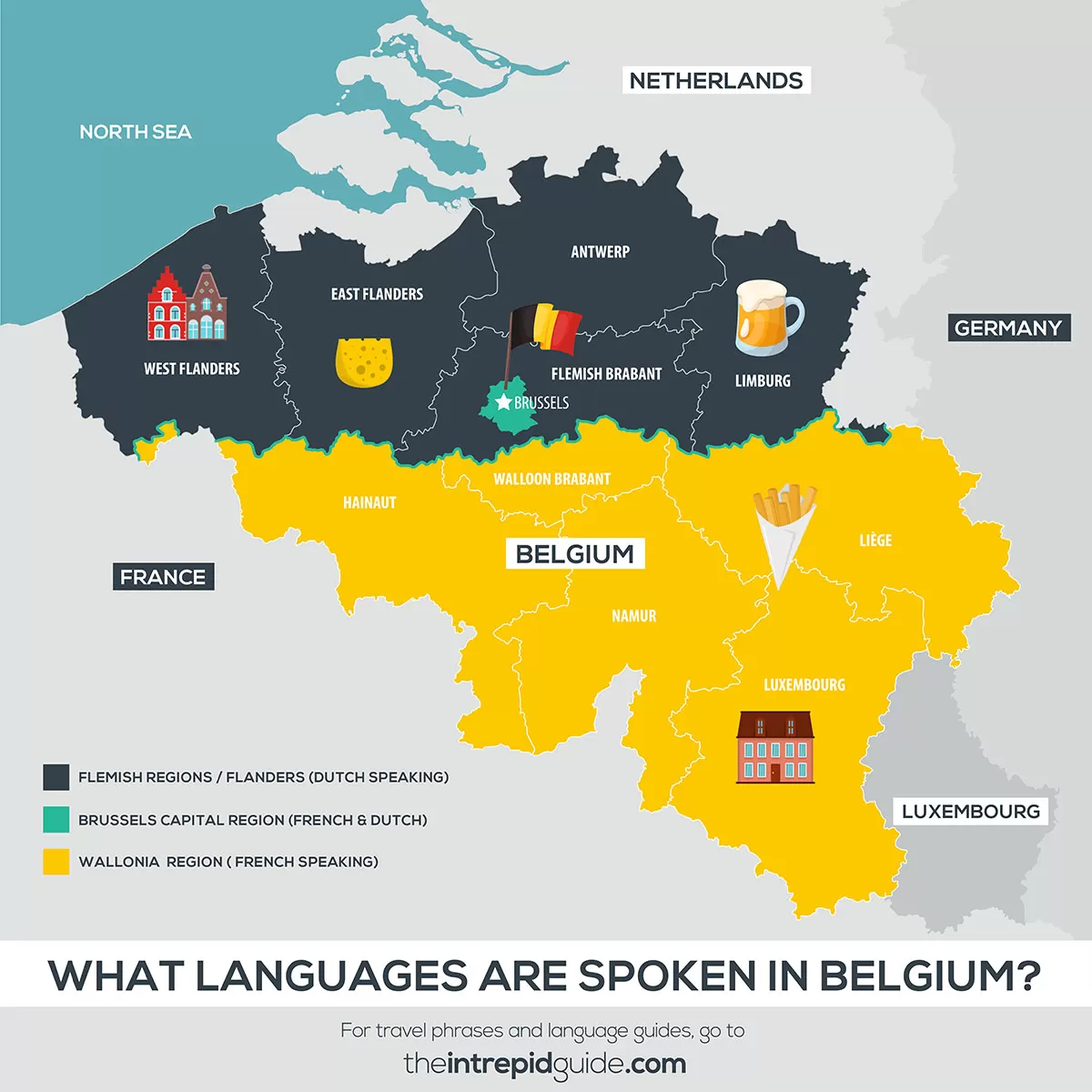
The three main language communities in Belgium are the Flemish Community, the French Community, and the German Community. The Flemish Community is the largest, accounting for about 60% of the population and inhabiting the northern part of the country. The French Community is the second largest, accounting for about 40% of the population and concentrated in the southern part of the country.
The German Community is the smallest, accounting for less than 1% of the population and located in the eastern part of the country.
| Language Community | Geographic Distribution |
|---|---|
| Flemish Community | Northern Belgium |
| French Community | Southern Belgium |
| German Community | Eastern Belgium |
Official Languages
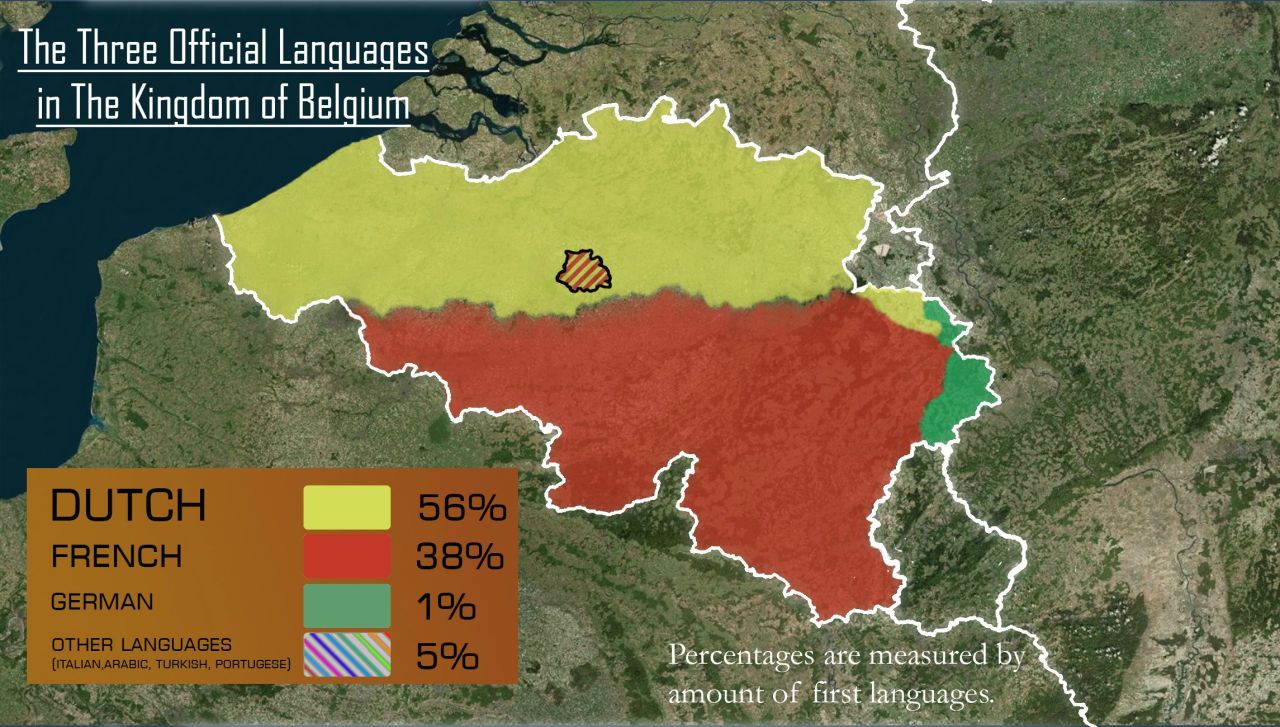
Belgium has three official languages: Dutch, French, and German. Each language is spoken in a specific region of the country, reflecting the historical and cultural diversity of Belgium.
Geographical Distribution
Dutch is the most widely spoken language in Belgium, with approximately 60% of the population speaking it as their native language. It is primarily spoken in the northern region of Flanders, which includes the cities of Antwerp, Ghent, and Bruges.
French is spoken by about 40% of the population and is the dominant language in the southern region of Wallonia. Major cities in Wallonia include Brussels, Charleroi, and Liège.
German is the least spoken official language in Belgium, with only about 1% of the population speaking it as their native language. It is primarily spoken in the eastern part of the country, in the German-speaking Community, which includes the towns of Eupen and Sankt Vith.
Regional Languages
In addition to the official languages, Belgium has several regional languages that are spoken by significant portions of the population. These languages include Walloon, Picard, and Luxembourgish, each with its own historical and cultural significance.
Walloon
Walloon is a Romance language spoken in the southern part of Belgium, primarily in the Wallonia region. It is closely related to French and shares many similarities in vocabulary and grammar. Walloon has a rich literary tradition dating back to the Middle Ages, and it is still spoken by a significant number of people in Wallonia today.
Picard
Picard is another Romance language spoken in southern Belgium, primarily in the province of Hainaut. It is closely related to French and Walloon, but it has its own distinct features. Picard was once spoken more widely in Belgium, but its use has declined in recent decades.
Luxembourgish
Luxembourgish is a Germanic language spoken in the eastern part of Belgium, primarily in the province of Luxembourg. It is closely related to German and shares many similarities in vocabulary and grammar. Luxembourgish is the official language of Luxembourg, and it is also spoken by a significant number of people in Belgium.
Language Policy

Belgium has a complex language policy due to its linguistic diversity and historical background. The country has three official languages: Dutch, French, and German. Dutch is spoken in the north of the country, French in the south, and German in the east.The use of language in education, government, and media is regulated by law.
In education, children are taught in their mother tongue until the age of 12, after which they must learn a second official language. In government, all official documents must be published in all three official languages. In the media, radio and television broadcasts must be made in the language of the region in which they are broadcast.There are a number of challenges and controversies surrounding language policy in Belgium.
One challenge is the fact that the country is divided into two main language communities: the Dutch-speaking Flemish community and the French-speaking Walloon community. This division has led to tensions between the two communities, and there have been a number of disputes over language rights.Another challenge is the fact that the Brussels-Capital Region is officially bilingual, meaning that both Dutch and French are official languages.
This has led to a number of problems, including the fact that it is difficult to find bilingual staff for government and public services.Despite these challenges, Belgium’s language policy has been relatively successful in maintaining linguistic diversity and promoting social cohesion.
The country’s three official languages are all widely spoken and understood, and there is a high level of tolerance for linguistic diversity.
Education
In education, the language of instruction is determined by the language community in which the school is located. In the Flemish Community, the language of instruction is Dutch. In the French Community, the language of instruction is French. In the German-speaking Community, the language of instruction is German.There are a number of exceptions to this rule.
For example, in the Brussels-Capital Region, parents can choose to send their children to schools that use either Dutch or French as the language of instruction. In addition, there are a number of international schools in Belgium that offer instruction in English or other languages.
Government
In government, all official documents must be published in all three official languages. This includes laws, regulations, and government reports. In addition, all government employees must be able to speak at least one of the official languages.There are a number of exceptions to this rule.
For example, in the Brussels-Capital Region, all government employees must be able to speak both Dutch and French. In addition, there are a number of government agencies that have a specific language requirement. For example, the Ministry of Foreign Affairs requires all employees to be able to speak at least two of the official languages.
Belgium is a multilingual country with three official languages: Dutch, French, and German. However, there are also several regional languages spoken, such as Walloon and Flemish. For those interested in learning how to sign their name in American Sign Language, there are many resources available online, such as this guide.
While Belgium has a diverse linguistic landscape, it is important to note that the official languages of the country are Dutch, French, and German.
Media
In the media, radio and television broadcasts must be made in the language of the region in which they are broadcast. This includes both public and private broadcasters. In addition, all printed media must be published in one of the official languages.There are a number of exceptions to this rule.
For example, there are a number of foreign-language broadcasters that are available in Belgium. In addition, there are a number of newspapers and magazines that are published in languages other than the official languages.
Language Acquisition
Language acquisition in Belgium is influenced by various factors, including education, immigration, and social interactions. The country’s education system plays a significant role in promoting multilingualism, with French, Dutch, and German being taught as official languages in different regions.
Education
The Belgian education system is designed to foster language proficiency in multiple languages. Students in French-speaking regions are required to learn Dutch as a second language, while those in Dutch-speaking regions must learn French. Additionally, German is taught as a third language in both regions.
This educational approach aims to equip students with the linguistic skills necessary to navigate the country’s diverse linguistic landscape.
Immigration
Immigration has also shaped language acquisition patterns in Belgium. The arrival of immigrants from various countries has introduced new languages into the linguistic mix. For instance, significant immigrant communities from Morocco, Turkey, and Italy have contributed to the presence of Arabic, Turkish, and Italian languages in Belgium.
Social Interactions
Social interactions also influence language acquisition in Belgium. The country’s multilingual environment encourages individuals to engage with speakers of different languages, fostering language learning and proficiency. For example, in Brussels, the capital of Belgium, it is common for people to switch between French and Dutch in daily conversations, promoting bilingualism among residents.
Language Use in Society
Language plays a vital role in Belgian society, reflecting the country’s linguistic diversity and influencing social interactions, cohesion, and identity.
Workplace
In the workplace, language usage is influenced by factors such as the company’s location, industry, and size. In Brussels and other French-speaking areas, French is the primary language of business, while Dutch dominates in Flanders. In multilingual companies, employees may use both languages or switch between them depending on the context.
Public Spaces
Public spaces, such as government offices, hospitals, and universities, are subject to language regulations. In bilingual areas, services are typically provided in both French and Dutch. However, in some municipalities, only one official language may be used.
Home
Language use at home reflects the family’s linguistic background and preferences. In bilingual families, children may be exposed to both languages from an early age, leading to bilingualism. However, in some cases, one language may be dominant, particularly in regions where there is a strong linguistic majority.
Impact on Social Cohesion and Identity
Language usage in Belgium has a significant impact on social cohesion and identity. Shared language can foster a sense of belonging and unity, while language barriers can create divisions. In recent years, there have been debates about the role of language in national identity and the preservation of linguistic diversity.
Language and Culture

In Belgium, language and culture are intertwined. The country’s linguistic diversity reflects its complex history and cultural heritage. Language use varies across different regions and communities, shaping Belgian identity and national unity.
Language and Belgian Cultural Values
Language plays a crucial role in expressing and transmitting Belgian cultural values. French, Dutch, and German are the official languages, each associated with distinct cultural traditions. French is the language of diplomacy, the arts, and high culture, while Dutch is the language of commerce and everyday life.
German is spoken in the eastern part of the country, reflecting the region’s historical ties to Germany.
Language Variation and Regional Identity
Language use varies significantly across Belgium’s regions. In Flanders, Dutch is the dominant language, while in Wallonia, French is the primary language. The Brussels-Capital Region is officially bilingual, with both French and Dutch being used in public life. These linguistic divisions reflect the historical and cultural differences between the regions, contributing to a sense of regional identity.
Language and National Unity
Despite its linguistic diversity, Belgium has a strong sense of national unity. The country’s multilingualism is seen as a source of pride and a reflection of its rich cultural heritage. However, language can also be a source of tension and conflict, particularly in the Brussels-Capital Region, where linguistic boundaries are often contested.
Challenges and Opportunities of Multilingualism
Belgium’s multilingual population faces both challenges and opportunities. On the one hand, multilingualism can promote cultural diversity and understanding. On the other hand, it can also lead to linguistic inequality and social division. The government has implemented policies to promote linguistic equality and foster a sense of national unity.
| Country | Number of Official Languages |
|---|---|
| Belgium | 3 |
| Switzerland | 4 |
| Finland | 2 |
| Luxembourg | 3 |
| Austria | 1 |
“Language is the soul of a nation. It is the expression of its culture, its history, and its values.”- Maurice Maeterlinck, Belgian playwright and poet
A Belgian’s Multilingual Experience
In the heart of Brussels, a young woman named Marie navigates the city’s linguistic labyrinth. As a native Dutch speaker from Flanders, she is fluent in French, the language of her Walloon colleagues. At the local market, she switches effortlessly between French and Arabic, the language of the vendor.
Marie’s multilingualism is a reflection of Belgium’s diverse linguistic landscape, a tapestry woven with the threads of its rich history and vibrant cultural heritage.
– Trace the historical evolution of the languages spoken in Belgium, from their origins to the present day.
Belgium has a rich linguistic history, with its territory having been influenced by various cultures and empires throughout history. The earliest known languages spoken in the region were Celtic languages, spoken by the indigenous tribes that inhabited the area before the Roman conquest.
The Roman conquest in the 1st century BC brought Latin to the region, which became the dominant language of administration and culture. However, the Celtic languages continued to be spoken in rural areas, and gradually evolved into the modern Celtic languages of Breton, Cornish, Irish, Manx, Scottish Gaelic, and Welsh.
In the 5th century AD, Germanic tribes began to settle in the region, bringing with them their own languages. The most influential of these was Frankish, which evolved into the modern Dutch language. Dutch became the dominant language in the northern part of Belgium, while French became the dominant language in the southern part.
The political and cultural division between the north and south of Belgium has continued to shape the linguistic landscape of the country. Today, Dutch is the official language of the Flemish Region in the north, while French is the official language of the Walloon Region in the south.
German is also an official language in the German-speaking Community in the east of the country.
In addition to the official languages, there are a number of minority languages spoken in Belgium, including Luxembourgish, Yiddish, and various dialects of Romani. These languages are spoken by small but vibrant communities throughout the country.
Language and Identity

In Belgium, language plays a crucial role in shaping individual and collective identities. The country’s linguistic diversity reflects its complex history and cultural influences. The relationship between language, ethnicity, and national identity is intertwined and has been a source of both unity and division throughout Belgian history.
Language and Individual Identity
Language is a fundamental aspect of personal identity. It influences how individuals perceive themselves and their place in the world. In Belgium, the language one speaks often reflects their cultural heritage, social background, and personal experiences. For example, French-speaking Belgians may identify strongly with the Francophone culture, while Flemish-speaking Belgians may have a stronger connection to the Dutch-speaking community.
Language and Collective Identity
Language also plays a significant role in shaping collective identities. In Belgium, the three official languages (French, Dutch, and German) are associated with distinct cultural and linguistic communities. These communities have their own traditions, values, and perspectives on Belgian society.
Language serves as a symbol of these collective identities and helps to foster a sense of belonging and solidarity among members of each community.
Language and National Identity
The relationship between language and national identity in Belgium is complex. While French has traditionally been the language of the Belgian state, the recognition of Dutch and German as official languages has contributed to a more inclusive national identity that embraces the country’s linguistic diversity.
However, tensions between the different language communities have occasionally challenged this sense of national unity.
Language and Social Cohesion
Language can also impact social cohesion within Belgium. While the country has a long history of multilingualism, there have been periods of linguistic conflict and discrimination. Efforts to promote linguistic equality and respect for all language communities have been essential in fostering social harmony and preventing divisions based on language.
Language and Education
Language plays a significant role in the Belgian education system, reflecting the country’s linguistic diversity. The historical and legal context of language education in Belgium is complex, with different language communities and educational policies evolving over time.
The three official languages of Belgium (Dutch, French, and German) are used as the languages of instruction in different regions of the country. The Flemish Community uses Dutch, the French Community uses French, and the German-speaking Community uses German. Additionally, there are recognized regional languages such as Luxembourgish and Yiddish.
Language Policies in Education
Belgium’s language policies in education aim to protect the rights of different language communities and promote multilingualism. The Education Act of 1981 established the principle of territoriality, which assigns each municipality to a specific language region. This determines the language of instruction in schools within that municipality.
However, there are exceptions to the principle of territoriality. For example, in municipalities with a significant minority language population, schools may offer immersion programs in that minority language. Additionally, students have the right to attend schools outside their language region, provided they meet certain language proficiency requirements.
Challenges and Opportunities, What language do belgium people speak
Teaching and learning in a multilingual environment presents both challenges and opportunities. One challenge is ensuring that all students have sufficient proficiency in the language of instruction. This may require additional language support services, such as immersion programs or language classes.
Another challenge is teacher training. Teachers need to be proficient in the language of instruction and have the skills to teach effectively in a multilingual classroom. This may involve specialized training in language teaching methodologies and intercultural education.
However, multilingualism can also provide opportunities for students. Learning multiple languages can enhance cognitive skills, improve academic performance, and foster cultural understanding.
Language Diversity in Belgian Schools
Belgian schools have implemented various strategies to address language diversity. Immersion programs allow students to learn in a minority language by attending schools outside their language region. Language support services, such as language classes and tutoring, are provided to students who need additional support.
Intercultural education initiatives aim to promote understanding and respect for different cultures and languages. These initiatives may include cultural exchange programs, language learning projects, and anti-discrimination campaigns.
Impact on Educational Equity and Social Cohesion
Language can have a significant impact on educational equity and social cohesion in Belgium. Students who are not proficient in the language of instruction may face barriers to academic success. Additionally, language differences can lead to social divisions and discrimination.
To address these issues, it is important to ensure that all students have equal access to quality language education. This includes providing adequate language support services and promoting inclusive education policies.
Recommendations
To improve language education and support multilingual learners in the Belgian education system, several recommendations can be made:
- Increase funding for language support services, such as immersion programs and language classes.
- Provide specialized training for teachers in language teaching methodologies and intercultural education.
- Develop curricula that reflect the linguistic diversity of Belgium and promote multilingualism.
- Implement assessment practices that are fair and equitable for all students, regardless of their language background.
- Promote inclusive education policies that value and respect all languages and cultures.
Language and Media

Language plays a crucial role in the Belgian media landscape, reflecting the country’s multilingual character. The media serves as a platform for the expression and dissemination of ideas and information in different languages, shaping public discourse and fostering cultural diversity.
The representation of different languages in the media is a complex issue, influenced by factors such as language policy, media ownership, and audience preferences. Public broadcasters in Belgium are legally required to provide content in both French and Dutch, while private broadcasters have more flexibility in their language choices.
Regional Language Media
In addition to the national media, there are numerous regional and local media outlets that cater to specific linguistic communities. These outlets play a vital role in preserving and promoting regional languages and cultures, providing a platform for local news and perspectives.
Impact on Public Discourse
The diversity of languages in the Belgian media has a significant impact on public discourse. Different language communities often have distinct perspectives on social, political, and cultural issues, and the media plays a role in shaping and reflecting these perspectives.
In Belgium, the official languages are Dutch, French, and German. If you are interested in learning sign language, there are many resources available online and in local communities. For example, you can find a directory of sign language classes and workshops at where can i learn sign language.
Additionally, there are many online resources that offer free sign language lessons and tutorials.
The representation of different languages in the media can also influence the perception of minority groups and their participation in society. Equal representation of languages can foster inclusivity and encourage dialogue, while underrepresentation can marginalize certain communities and hinder their access to information.
Language and Technology
Technology has had a profound impact on language use in Belgium. Social media, language apps, and translation tools have made it easier than ever for people to communicate with each other, regardless of their linguistic background.
Social media platforms such as Facebook, Twitter, and Instagram have created new opportunities for people to connect with others who share their interests, regardless of their location. This has led to the emergence of online communities where people can interact in their native language, even if they live in a country where it is not widely spoken.
Language apps such as Duolingo and Babbel have made it easier for people to learn new languages. These apps provide interactive lessons and exercises that can help learners to improve their vocabulary, grammar, and pronunciation. This has made it possible for people to learn new languages for both personal and professional reasons.
Translation tools such as Google Translate and DeepL have made it easier for people to communicate with each other in different languages. These tools can be used to translate text, speech, and even images. This has made it possible for people to break down language barriers and communicate with each other more easily.
Technology has also played a role in preserving and revitalizing minority languages in Belgium. For example, the Flemish government has launched a number of initiatives to promote the use of Dutch in Flanders. These initiatives include the creation of a Dutch language fund, the establishment of a Dutch language academy, and the development of Dutch language learning resources.
However, there are also some potential drawbacks to the use of technology in language learning. One concern is that technology could lead to a decline in the use of traditional methods of language learning, such as classroom instruction. Another concern is that technology could lead to a loss of linguistic diversity, as people increasingly rely on a small number of dominant languages.
Despite these concerns, technology is likely to continue to play an important role in language use in Belgium. As technology continues to develop, we can expect to see new and innovative ways to use technology to learn, communicate, and preserve languages.
Ethical Implications
The use of technology to track and analyze language use raises a number of ethical concerns. One concern is that this data could be used to discriminate against certain groups of people. For example, data on language use could be used to identify and target people who speak a minority language.
Another concern is that this data could be used to manipulate people’s behavior. For example, data on language use could be used to target people with personalized advertising or propaganda.
It is important to develop ethical guidelines for the use of technology to track and analyze language use. These guidelines should ensure that this data is used in a responsible and ethical manner.
Future Trends
It is difficult to predict the future of the relationship between technology and language use in Belgium. However, there are a number of trends that suggest that technology will continue to play an important role in language learning, communication, and preservation.
One trend is the increasing use of artificial intelligence (AI) in language-related tasks. AI is already being used to power language translation tools, chatbots, and other language-learning apps. As AI continues to develop, we can expect to see even more innovative and effective ways to use technology to learn, communicate, and preserve languages.
Another trend is the increasing use of mobile devices for language learning and communication. More and more people are using their smartphones and tablets to learn new languages, communicate with others, and access language-related resources. This trend is likely to continue as mobile devices become more powerful and affordable.
Finally, there is a growing trend towards multilingualism in Belgium. More and more people are speaking multiple languages, both at home and at work. This trend is likely to continue as Belgium becomes increasingly globalized.
Future of Languages in Belgium
The future of languages in Belgium is uncertain. Globalization, immigration, and technological advancements are all having a major impact on language use and attitudes. There is a need for strong language policies and planning in Belgium to ensure the preservation and revitalization of all languages.
The European Union has a significant impact on language policy and planning in Belgium. The EU’s goal is to promote multilingualism and cultural diversity. The EU has funded a number of projects to support language learning and use in Belgium.
Education and media play a major role in shaping language use and attitudes. The Belgian government provides funding for language education in all four language regions. The media also plays a role in promoting language use and diversity.
Language technology has the potential to play a major role in supporting language learning and preservation. Language technology can be used to create language learning materials, translate texts, and provide access to language resources.
Language Policy and Planning
The Belgian government has implemented a number of language-related policies and initiatives. These include:
- The Language Law of 1932, which establishes Dutch and French as the official languages of Belgium.
- The Language Law of 1963, which divides Belgium into four language regions: Dutch, French, German, and bilingual.
- The Language Law of 2002, which introduces new measures to promote language learning and use.
These laws have helped to protect and promote the use of all languages in Belgium. However, there are still some challenges to language preservation and revitalization.
Challenges and Opportunities, What language do belgium people speak
There are a number of challenges to language preservation and revitalization in Belgium. These include:
- Globalization, which is leading to the increased use of English as a lingua franca.
- Immigration, which is bringing new languages to Belgium.
- Technological advancements, which are changing the way people communicate.
However, there are also a number of opportunities for language preservation and revitalization. These include:
- The EU’s support for multilingualism and cultural diversity.
- The Belgian government’s commitment to language education and media.
- The development of language technology.
Recommendations
In order to ensure the future of languages in Belgium, it is important to:
- Continue to support language education and media.
- Invest in language technology.
- Promote multilingualism and cultural diversity.
By taking these steps, Belgium can ensure that all languages continue to play a vital role in the country’s culture and society.
Top FAQs
What are the three official languages of Belgium?
Dutch, French, and German
What is the most widely spoken language in Belgium?
Dutch
What is the linguistic divide in Belgium?
The country is divided into three language regions: Dutch-speaking Flanders, French-speaking Wallonia, and the bilingual Brussels-Capital Region.
What are the challenges of multilingualism in Belgium?
The challenges include ensuring equal access to education, healthcare, and other public services in all three languages; promoting social cohesion and integration among the different language communities; and resolving linguistic disputes.
