What language do Japanese people speak? The answer to this question unveils a fascinating journey into the intricate world of the Japanese language, its historical evolution, and its profound impact on Japanese culture and society. This exploration delves into the diverse dialects, grammatical structure, writing systems, and phonetic complexities that define this unique language, offering a comprehensive understanding of its significance in shaping Japanese identity and global communication.
From ancient origins to modern-day usage, the Japanese language has undergone remarkable transformations, influenced by a blend of native developments and foreign interactions. Its dialects, spoken in different regions of Japan, reflect the country’s rich cultural diversity, while its writing systems, a harmonious combination of hiragana, katakana, and kanji, present a captivating blend of simplicity and complexity.
Historical Evolution of Japanese Language

The Japanese language has a rich and complex history, with influences from various languages and cultures. Its development can be divided into several distinct periods, each with its own unique characteristics.
Proto-Japanese
The earliest known form of Japanese, Proto-Japanese, is believed to have emerged around the 7th century BCE. It was likely a language spoken by the Yayoi people, who migrated to Japan from the Korean Peninsula.
Old Japanese
Old Japanese, the next stage in the development of the Japanese language, emerged around the 5th century CE. It was during this period that the Japanese writing system, known as kanji, was introduced from China.
Middle Japanese
Middle Japanese, which emerged around the 12th century CE, saw significant changes in grammar and pronunciation. It was during this period that the Japanese language began to take on its modern form.
Modern Japanese
Modern Japanese, which emerged around the 17th century CE, is the language spoken in Japan today. It has continued to evolve over the centuries, with the addition of new words and phrases from other languages, such as English.
Dialects of Japanese
The Japanese language exhibits significant regional variation, resulting in the formation of numerous dialects. These dialects are primarily spoken in specific geographic areas and possess unique features that distinguish them from the standard Japanese language. The development of dialects in Japan has been influenced by various sociocultural factors, including historical migrations, geographical isolation, and cultural exchange.
Major Dialects
The major dialects of Japanese can be broadly classified into three main groups:
- Eastern Dialects:Spoken in the eastern part of Japan, including the Tokyo metropolitan area. Characterized by the use of “desu” as the polite form of the verb “to be” and the absence of the “u” sound at the end of words.
- Western Dialects:Spoken in the western part of Japan, including the Kansai region. Known for the use of “da” as the polite form of “to be” and the presence of the “u” sound at the end of words.
- Kyushu Dialects:Spoken in the southern island of Kyushu. Characterized by unique vocabulary and grammar, such as the use of “to” as the polite form of “to be” and the frequent use of the “n” sound at the end of words.
Sociocultural Factors
The development of dialects in Japan has been influenced by several sociocultural factors:
- Historical Migrations:The migration of people from different regions of Japan throughout history has contributed to the spread and diversification of dialects.
- Geographical Isolation:The mountainous terrain and limited transportation in Japan have led to the isolation of certain communities, allowing for the preservation of distinct dialects.
- Cultural Exchange:Contact with other cultures, such as China and Korea, has influenced the development of dialects in Japan, particularly in terms of vocabulary and grammar.
Grammatical Structure of Japanese
/GettyImages-56561736-56a5424b3df78cf772875b1d.jpg "Japan wikipedia flag wiki")
Japanese grammar differs from many other languages in its word order, sentence structure, and parts of speech. Understanding these fundamental differences is crucial for effective communication in Japanese.
Word Order
Japanese follows a subject-object-verb (SOV) word order. The subject comes first, followed by the object, and finally the verb. This is in contrast to English, which uses a subject-verb-object (SVO) word order.
For example, the sentence “The cat eats fish” in English would be “Neko wa sakana o taberu” in Japanese.
Sentence Structure
Japanese sentences are typically composed of a subject, a verb, and an object. However, other elements, such as adverbs, adjectives, and particles, can also be included.
Particles are essential grammatical markers in Japanese. They are used to indicate the grammatical function of words within a sentence.
Parts of Speech
Japanese has a limited number of parts of speech compared to English. The main parts of speech include nouns, verbs, adjectives, adverbs, and particles.
Japanese nouns are not marked for gender or number. Verbs are conjugated to indicate tense, aspect, and mood.
Vocabulary of Japanese

The Japanese vocabulary is vast and diverse, reflecting the long and rich history of the language. It is estimated to contain over 200,000 words, including native words, loanwords, and onomatopoeia.
Native Japanese words are those that have been used in the language for centuries. They typically have a single meaning and are often associated with traditional Japanese culture and concepts. For example, the word “sakura” means “cherry blossom” and is a symbol of spring in Japan.
Loanwords are words that have been borrowed from other languages, primarily Chinese and English. They are often used to express new concepts or ideas that did not exist in Japanese before. For example, the word “computer” is a loanword from English.
Onomatopoeia are words that imitate the sounds of things. They are often used to create a more vivid or descriptive image in the reader’s mind. For example, the word “zawa-zawa” means “the sound of rustling leaves”.
Common Japanese Words and Phrases
Here are some common Japanese words and phrases:
- こんにちは (konnichiwa) – hello
- ありがとうございます (arigatōgozaimasu) – thank you
- さようなら (sayōnara) – goodbye
- はい (hai) – yes
- いいえ (iie) – no
- すみません (sumimasen) – excuse me
- ごめんなさい (gomennasai) – I’m sorry
- お元気ですか (ogenki desu ka) – how are you?
- 私は元気です (watashi wa genki desu) – I’m fine
Writing Systems of Japanese
The Japanese language employs three distinct writing systems: hiragana, katakana, and kanji. Each system serves specific functions and has evolved historically to meet the diverse needs of Japanese communication.
Hiragana
Hiragana is a phonetic syllabary primarily used to write native Japanese words and grammatical particles. Its rounded, cursive characters represent the sounds of the Japanese language, making it accessible for expressing words that lack corresponding kanji.
Katakana
Katakana, also a phonetic syllabary, is employed to transcribe foreign words, onomatopoeia, and to emphasize certain words or phrases. Its angular, blocky characters are easily distinguishable from hiragana and kanji.
Kanji
Kanji are Chinese characters adopted into the Japanese writing system. They represent both phonetic sounds and semantic meanings, often carrying multiple readings and conveying complex concepts. Kanji are widely used in Japanese to write words of Chinese origin, proper names, and abstract ideas.
Historical Development
The Japanese writing systems have undergone significant evolution over time. Kanji were introduced to Japan from China in the 5th century CE, initially used by the ruling elite for official documents and religious texts.
During the Heian period (794-1185 CE), two new syllabaries, hiragana and katakana, developed from simplified forms of kanji. Hiragana became popular among women and the lower classes, while katakana was used by scholars and Buddhist monks.
In modern Japanese, the use of kanji has gradually increased, while hiragana and katakana have retained their specific functions. This shift towards more kanji usage reflects the influence of Chinese culture and the growing complexity of Japanese vocabulary.
| System | Function | Usage |
|---|---|---|
| Hiragana | Native Japanese words, grammatical particles | Everyday writing, personal letters |
| Katakana | Foreign words, onomatopoeia, emphasis | Transcribing foreign names, technical terms |
| Kanji | Chinese-derived words, concepts, names | Formal writing, newspapers, academic texts |
Examples:
- Hiragana: こんにちは (konnichiwa, hello)
- Katakana: パソコン (pasokon, personal computer)
- Kanji: 日本 (nihon, Japan)
Challenges and Complexities
Learning the Japanese writing systems can be challenging due to the sheer number of characters and the complexities of their usage. Hiragana and katakana each have 46 basic characters, while kanji can number in the thousands.
Moreover, the multiple readings and meanings of kanji can create ambiguity and require careful context analysis. This complexity has led to the development of specialized dictionaries and language learning tools to aid learners.
Role of Technology
Technology has played a significant role in facilitating the learning and use of Japanese writing systems. Digital dictionaries, language learning apps, and online resources provide convenient access to character information, pronunciation guides, and practice exercises.
Furthermore, optical character recognition (OCR) technology enables the conversion of printed or handwritten Japanese text into digital format, streamlining the input and processing of Japanese language data.
Cultural and Societal Significance
The Japanese writing systems hold deep cultural and societal significance. Kanji, in particular, represent the historical and cultural ties between Japan and China. The ability to read and write kanji is highly valued in Japanese society, symbolizing education, literacy, and cultural refinement.
Phonetics of Japanese
The Japanese sound system consists of five vowels and 21 consonants. The vowels are /a/, /i/, /u/, /e/, and /o/. The consonants are /p/, /b/, /t/, /d/, /k/, /g/, /m/, /n/, /ŋ/, /f/, /v/, /s/, /z/, /ʃ/, /ʒ/, /h/, /ɾ/, /l/, /j/, and /w/.Japanese pronunciation is generally straightforward, with a few exceptions.
For example, the consonants /p/, /b/, /t/, and /d/ are pronounced with a slight puff of air, and the consonants /ʃ/ and /ʒ/ are pronounced with the tongue slightly retracted.Japanese has a pitch accent system, which means that the pitch of a word can change its meaning.
For example, the word “hashi” can mean either “bridge” or “chopsticks” depending on the pitch of the second syllable.The sound system of Japanese is similar to that of other East Asian languages, such as Korean and Chinese. However, there are some important differences.
For example, Japanese has a much smaller inventory of consonants than Korean or Chinese, and Japanese vowels are generally shorter and less diphthongized than Korean or Chinese vowels.
Explain the role of the Japanese language in the country’s history and development.

The Japanese language has played a pivotal role in the history and development of Japan. It has been the language of government, education, literature, and commerce for centuries, and it has helped to shape Japanese culture and identity.
The Japanese language is first recorded in the 8th century AD, in the form of the Kojiki and Nihon Shoki, two chronicles that tell the story of Japan’s origins. These texts were written in a form of Old Japanese that is very different from the Japanese spoken today, but they provide valuable insights into the early history of the language.
Over the centuries, the Japanese language has undergone a number of changes. It has borrowed words from other languages, such as Chinese and Korean, and it has developed new grammatical structures. The language has also been influenced by the country’s political and social history, and it reflects the changes that have taken place in Japanese society.
Today, the Japanese language is spoken by over 125 million people in Japan and around the world. It is the official language of Japan, and it is used in all aspects of Japanese life. The language is also taught in schools and universities around the world, and it is becoming increasingly popular as a foreign language.
The role of the Japanese language in Japanese history
The Japanese language has played a vital role in the history of Japan. It has been used to record the country’s history, to tell its stories, and to express its culture. The language has also been used to promote political and social change.
In the 19th century, the Japanese language was used to promote the Meiji Restoration, which was a period of rapid modernization and industrialization. The language was also used to promote the country’s expansionist policies in the early 20th century.
After World War II, the Japanese language was used to promote the country’s economic recovery. The language was also used to promote the country’s new constitution, which was based on democratic principles.
Today, the Japanese language is still used to promote the country’s interests. The language is used in diplomacy, in international trade, and in cultural exchange.
The role of the Japanese language in Japanese development
The Japanese language has also played a vital role in the development of Japan. The language has been used to develop new technologies, to promote economic growth, and to improve the quality of life for Japanese people.
In the 20th century, the Japanese language was used to develop new technologies, such as the transistor and the computer. The language was also used to promote economic growth, and Japan became one of the world’s leading economic powers.
Today, the Japanese language is still used to promote economic growth and to improve the quality of life for Japanese people. The language is used in research and development, in education, and in healthcare.
Japanese people primarily speak Japanese, the official language of Japan. Interestingly, just like in Africa, where over 1,500 languages are spoken ( what language do people from africa speak ), there are also regional dialects within Japan, such as Kansai-ben and Tohoku-ben.
Despite these variations, standard Japanese remains the lingua franca, facilitating communication across the country.
The Japanese language is a vital part of Japanese history and development. It has played a role in shaping the country’s culture, its politics, and its economy. The language is still used today to promote the country’s interests and to improve the quality of life for Japanese people.
Japanese Language Learning
/Japanese-Meal-56a540f35f9b58b7d0dbeb2b.jpg "Wallpapers3d wallpaperswa")
Learning Japanese as a foreign language can be a rewarding and challenging experience. With its unique grammar, writing system, and cultural context, Japanese offers a fascinating window into a different way of thinking and communicating.
There are many resources available for learning Japanese, including textbooks, online courses, and language exchange programs. The best approach will vary depending on your learning style and goals. However, there are some general tips that can help you succeed:
Tips for Learning Japanese
- Set realistic goals.Don’t try to learn too much too quickly. Start with the basics and gradually build your skills.
- Be consistent.The key to success is to practice regularly. Even if you can only study for a few minutes each day, it will make a big difference in the long run.
- Find a good teacher or tutor.A qualified teacher can help you with grammar, pronunciation, and cultural context.
- Immerse yourself in the language.The best way to learn a language is to surround yourself with it. Watch Japanese movies and TV shows, listen to Japanese music, and read Japanese books and newspapers.
- Don’t be afraid to make mistakes.Everyone makes mistakes when learning a new language. The important thing is to learn from them and keep practicing.
Challenges of Learning Japanese
While Japanese is a fascinating language to learn, there are also some challenges to be aware of:
- The grammar is very different from English.Japanese grammar is based on a subject-object-verb word order, and there are many grammatical particles that can be difficult to master.
- The writing system is complex.Japanese has three writing systems: hiragana, katakana, and kanji. Hiragana and katakana are phonetic systems, but kanji are ideograms that can represent whole words or concepts.
- The culture is very different from Western culture.This can lead to misunderstandings and communication problems.
Rewards of Learning Japanese
Despite the challenges, learning Japanese can be a very rewarding experience. Here are just a few of the benefits:
- It opens up a new world of culture and literature.Japan has a rich history and culture, and learning Japanese allows you to access its vast literary tradition.
- It can help you in your career.Japanese is a major language in business and diplomacy, and knowing Japanese can give you a competitive edge in the job market.
- It’s a great way to meet new people.Learning Japanese can help you connect with people from all over the world.
Japanese Language in Media and Popular Culture

The Japanese language plays a vital role in shaping the country’s media and popular culture, which have gained global recognition and influence.
The official language of Japan is Japanese, a member of the Japonic language family. However, the language spoken in Africa is a diverse array of languages, with over 2,000 languages spoken across the continent. To learn more about the languages spoken in Africa, please refer to this article: What is the Language Spoken in Africa?
. While Japanese is spoken in Japan, the languages spoken in Africa are a rich and diverse tapestry, reflecting the continent’s long and complex history.
Anime, manga, and video games are some of the most prominent examples of Japanese popular culture that have captivated audiences worldwide. These forms of entertainment often feature dialogue and text in Japanese, which has contributed to the spread of the language and its cultural nuances.
Japanese Language in Anime and Manga
Anime and manga are animated and illustrated works that have gained immense popularity both within Japan and internationally. These mediums often feature characters speaking in Japanese, which has helped to familiarize global audiences with the language and its unique expressions.
Japanese Language in Video Games
Japanese video games are renowned for their innovative gameplay and engaging storylines. Many of these games feature Japanese voice acting and text, which has exposed players worldwide to the language and its distinctive sound system.
Japanese Language in Music and Fashion
Japanese music and fashion have also gained significant popularity globally. Japanese pop music, known as J-Pop, often incorporates Japanese lyrics, which has contributed to the spread of the language among music enthusiasts.
Japanese fashion, characterized by its unique aesthetics and innovative designs, has also played a role in promoting the Japanese language. Fashion magazines and websites often feature Japanese text and terminology, which has helped to familiarize global audiences with the language.
Impact of Japanese Language on Global Culture
The popularity of Japanese media and popular culture has had a profound impact on global culture. Japanese words and phrases, such as “kawaii” (cute), “otaku” (a person with obsessive interests), and “sushi” (a type of Japanese dish), have become widely recognized and used worldwide.
The spread of the Japanese language through media and popular culture has also contributed to the growth of Japanese tourism and cultural exchange. Visitors to Japan are often eager to learn basic Japanese phrases and immerse themselves in the country’s unique linguistic landscape.
Challenges and Opportunities for Preserving and Promoting the Japanese Language
While the Japanese language has gained global recognition through media and popular culture, it also faces challenges in preserving its vitality and uniqueness in the face of globalization.
One challenge is the influence of English, which is widely used in international communication and media. Another challenge is the declining birth rate in Japan, which may lead to a decrease in the number of native Japanese speakers in the future.
Despite these challenges, there are also opportunities for preserving and promoting the Japanese language. The government of Japan has implemented various initiatives to support the teaching and learning of Japanese as a foreign language. Additionally, Japanese language schools and cultural exchange programs continue to play a crucial role in promoting the language and its cultural significance.
Japanese Language in Business and Technology
Japanese plays a significant role in international business and trade. Japan is one of the world’s leading economic powers, and its companies have a global presence. As a result, Japanese is essential for communicating with Japanese businesses and understanding the Japanese market.The Japanese language is also widely used in technology and innovation.
Japan is a leader in many fields of technology, such as robotics, electronics, and automobiles. As a result, Japanese is essential for accessing technical information and communicating with Japanese engineers and scientists.
Japanese Companies and Products
Some of the most well-known Japanese companies include Toyota, Honda, Sony, and Nintendo. These companies have become global leaders in their respective industries, and their products are used by people all over the world. The success of these companies is due in part to their ability to communicate effectively with customers and partners in different countries.
– Provide a comprehensive overview of the Japanese language education system, including curriculum, teaching methods, and assessment practices.
The Japanese language education system is designed to provide students with a comprehensive understanding of the Japanese language, its grammar, vocabulary, and writing systems. The curriculum is typically divided into four levels: beginner, intermediate, advanced, and proficiency. Beginner courses focus on introducing students to the basics of Japanese, including the alphabet, basic grammar, and common vocabulary.
Intermediate courses build on these foundations and introduce more complex grammar and vocabulary. Advanced courses focus on developing students’ proficiency in reading, writing, and speaking Japanese. Proficiency courses are designed for students who have already achieved a high level of proficiency in Japanese and wish to further their studies.
Teaching methods in Japanese language education vary depending on the level of the course. Beginner courses typically use a communicative approach, which focuses on developing students’ ability to communicate in Japanese in real-world situations. Intermediate and advanced courses typically use a more traditional grammar-translation approach, which focuses on teaching students the grammar and vocabulary of Japanese.
Proficiency courses typically use a combination of communicative and grammar-translation approaches.
Assessment practices in Japanese language education also vary depending on the level of the course. Beginner courses typically assess students’ progress through quizzes, tests, and oral presentations. Intermediate and advanced courses typically assess students’ progress through midterms, finals, and research papers.
Proficiency courses typically assess students’ progress through a combination of written and oral exams.
Japanese Language in Research and Scholarship
Japanese is widely used in academic research and scholarship, particularly in fields related to Japanese studies, linguistics, and Asian studies. Researchers from various disciplines, including history, literature, sociology, and anthropology, utilize Japanese language resources to conduct in-depth analyses of Japanese culture, society, and history.
Japanese language research encompasses a diverse range of topics, including:
- Historical linguistics: Examining the evolution of the Japanese language over time, including its origins, sound changes, and grammatical developments.
- Sociolinguistics: Investigating the relationship between language and society in Japan, including regional dialects, social stratification, and language use in different contexts.
- Discourse analysis: Analyzing the structure and meaning of Japanese discourse, including conversation, narrative, and academic writing.
- Language pedagogy: Exploring effective methods for teaching and learning Japanese as a foreign language.
- Computational linguistics: Developing computational tools and techniques for processing and analyzing Japanese language data.
Researchers in these fields utilize a variety of resources to support their work, including:
- Japanese language corpora: Large collections of digitized Japanese texts that facilitate linguistic analysis and corpus-based research.
- Japanese dictionaries and grammars: Essential tools for understanding the meaning and structure of Japanese language.
- Japanese language databases: Collections of specialized information on Japanese language, including historical texts, dialectal variations, and language use patterns.
- Japanese language research journals: Publications that disseminate the latest research findings in Japanese linguistics and related fields.
Japanese language researchers can access support and resources from various organizations, including:
- The Association for Japanese Linguistics (AJL): A professional organization dedicated to promoting the study of Japanese language and linguistics.
- The Japanese Language Education and Research Center (J-LER): A center at the University of Hawaii at Manoa that provides resources and support for Japanese language research and teaching.
- The National Institute for Japanese Language and Linguistics (NINJAL): A research institute in Tokyo that conducts research on Japanese language and provides resources for researchers.
Japanese Language and Cultural Exchange
The Japanese language plays a vital role in promoting cultural exchange and understanding. By learning Japanese, individuals can immerse themselves in the country’s rich culture and gain a deeper appreciation for its traditions, customs, and values.
Importance of Language Immersion and Cultural Experiences
Language immersion is essential for effective Japanese language learning. It allows learners to interact with native speakers, experience the language in its natural context, and develop fluency in both spoken and written communication. Cultural experiences, such as visiting Japan, attending cultural events, or engaging with Japanese media, provide valuable insights into the Japanese way of life and enhance the learning process.
Cultural Exchange Programs and Initiatives
Numerous cultural exchange programs and initiatives facilitate the exchange of ideas, knowledge, and cultural practices between Japan and other countries. These programs provide opportunities for language learners to immerse themselves in Japanese culture, interact with locals, and develop a deeper understanding of the country.
Intercultural Communication and Understanding
Japanese language learning enhances intercultural communication and understanding. By gaining proficiency in the language, individuals can bridge cultural gaps, break down stereotypes, and build meaningful relationships with Japanese speakers. It fosters empathy, tolerance, and a broader perspective on the world.
Benefits of Cultural Exchange Programs
Cultural exchange programs offer numerous benefits for language learners and cultural enthusiasts. They provide:
- Enhanced language proficiency
- Deepened cultural understanding
- Expanded global perspectives
- Increased confidence in intercultural interactions
- Opportunities for personal growth and development
Tips for Effective Cultural Exchange Experiences
To make the most of cultural exchange experiences when learning Japanese, consider the following tips:
- Embrace the culture with an open mind.
- Be respectful of Japanese customs and traditions.
- Seek opportunities to interact with native speakers.
- Attend cultural events and festivals.
- Explore Japanese media, such as movies, TV shows, and music.
Key Benefits of Japanese Language Learning for Cultural Exchange
| Benefit | Description ||—|—|| Enhanced language proficiency | Improved communication skills and fluency in Japanese || Deepened cultural understanding | Insights into Japanese history, traditions, and values || Expanded global perspectives | Broadened worldview and appreciation for diversity || Increased confidence in intercultural interactions | Ability to navigate cultural differences effectively || Opportunities for personal growth and development | Self-discovery and increased cultural awareness |
Recommended Resources for Cultural Exchange Programs
- Japan Exchange and Teaching (JET) Program
- The Japan Foundation
- International Christian University (ICU) Global Village Program
- Tokyo International Exchange Center (TIEC)
- Japan Society for the Promotion of Science (JSPS)
Expert Quote, What language do japanese people speak
“Japanese language learning is a gateway to understanding the rich and vibrant culture of Japan. By immersing oneself in the language, one can unlock a world of traditions, customs, and values that have shaped the country’s unique identity.”Dr. Akiko Takenaka, Professor of Japanese Studies
Incorporating Cultural Exchange into Japanese Language Classrooms
Japanese language classrooms can incorporate cultural exchange by:
- Inviting guest speakers from Japan to share their experiences.
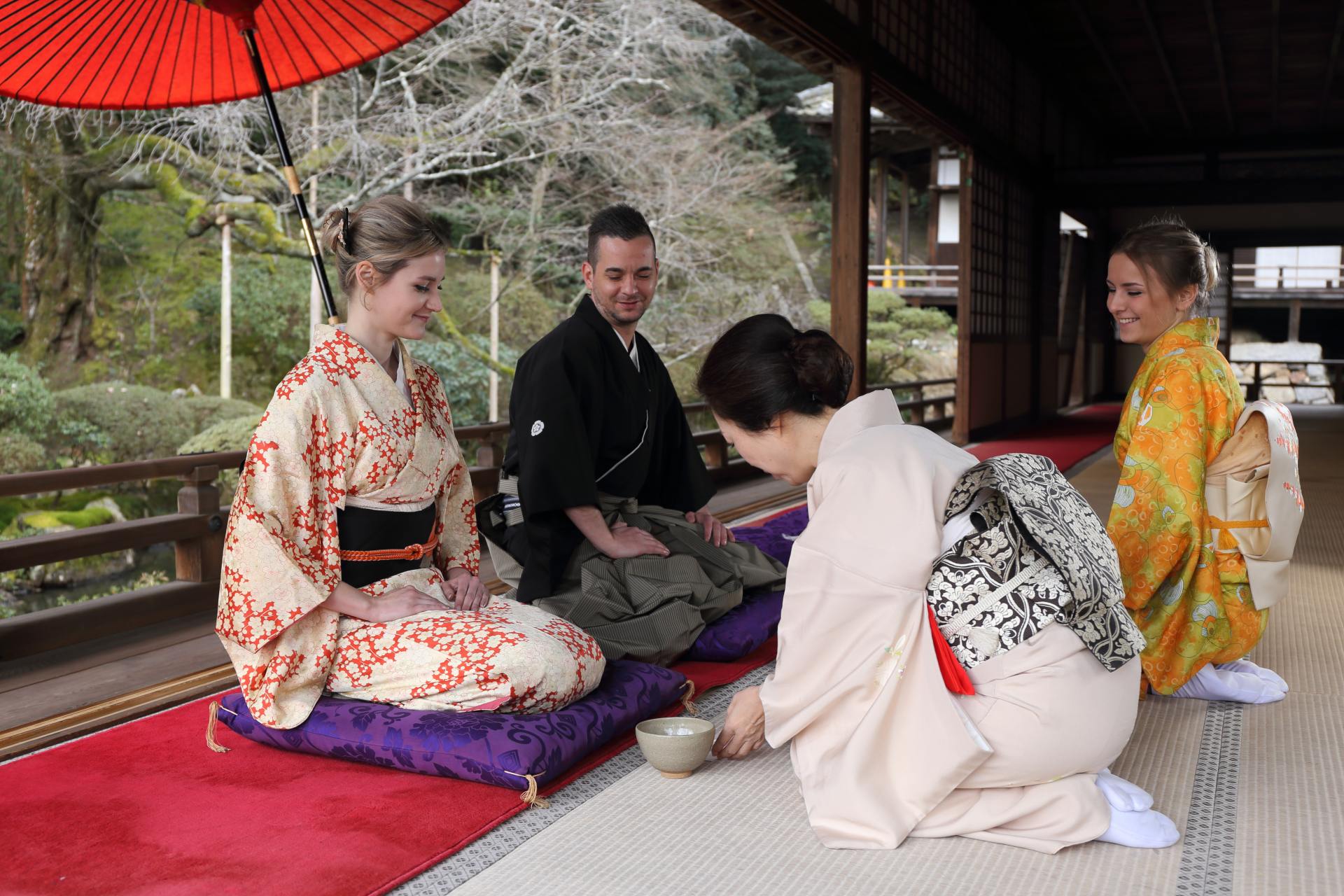
- Organizing cultural events, such as tea ceremonies or calligraphy workshops.
- Using authentic Japanese materials, such as newspapers, magazines, and videos.
- Encouraging students to engage with Japanese media and online communities.
- Providing opportunities for students to interact with Japanese language partners.
– Provide examples of successful Japanese language learning programs that incorporate technology.
In recent years, there has been a growing number of successful Japanese language learning programs that incorporate technology. These programs offer a variety of features that can help learners improve their skills, including interactive exercises, personalized feedback, and access to native speakers.
One example of a successful Japanese language learning program that incorporates technology is the Duolingo app. Duolingo is a free app that offers bite-sized lessons on a variety of topics, including grammar, vocabulary, and pronunciation. The app uses gamification to keep learners motivated, and it provides personalized feedback to help them improve their skills.
Another example of a successful Japanese language learning program that incorporates technology is the Genki app. Genki is a paid app that offers a comprehensive Japanese language course. The app includes video lessons, interactive exercises, and quizzes. Genki also provides access to a community of native speakers who can help learners with their questions.
Benefits of using technology in Japanese language learning
- Technology can help learners improve their skills in a variety of areas, including grammar, vocabulary, pronunciation, and listening comprehension.
- Technology can provide personalized feedback to help learners identify and correct their mistakes.
- Technology can make learning Japanese more convenient and accessible.
- Technology can help learners connect with native speakers and other learners.
Japanese Language and the Future

The future of the Japanese language is a topic of great interest and speculation. There are a number of factors that will influence the development and use of Japanese in the coming years, including globalization, technological advancements, and demographic changes.
Globalization
Globalization is one of the most important factors that will shape the future of the Japanese language. As the world becomes increasingly interconnected, there is a growing need for people to be able to communicate with each other across linguistic and cultural barriers.
This has led to a rise in the demand for language learning, including Japanese.
The growth of the global economy has also led to an increase in the number of Japanese companies operating overseas. This has created a need for Japanese language skills in the international business community.
Technological Advancements
Technological advancements are also having a major impact on the future of the Japanese language. The development of new technologies, such as machine translation and artificial intelligence, is making it easier for people to communicate with each other in different languages.
These technologies are also making it easier for people to learn Japanese. There are now a number of online resources and language learning apps that can help people to learn Japanese at their own pace.
Demographic Changes
Demographic changes are another factor that will influence the future of the Japanese language. The Japanese population is aging, and the number of native Japanese speakers is declining. This is due to a number of factors, including the low birth rate and the increasing number of people living longer.
The decline in the number of native Japanese speakers could have a significant impact on the future of the language. However, there are a number of factors that could mitigate this decline, such as the growing popularity of Japanese language learning and the increasing use of Japanese in international business.
Predictions and Insights
It is difficult to make precise predictions about the future of the Japanese language. However, there are a number of factors that suggest that the language will continue to be important in the years to come.
One factor is the growing popularity of Japanese culture. Japanese anime, manga, and video games are becoming increasingly popular around the world. This is leading to a greater interest in the Japanese language and culture.
Another factor is the increasing economic power of Japan. Japan is one of the world’s largest economies, and its businesses are playing an increasingly important role in the global economy. This is creating a need for Japanese language skills in the international business community.
Overall, the future of the Japanese language is bright. The language is facing a number of challenges, but there are also a number of factors that suggest that it will continue to be important in the years to come.
Commonly Asked Questions: What Language Do Japanese People Speak
What is the official language of Japan?
Japanese
How many people speak Japanese?
Approximately 128 million
Is Japanese a difficult language to learn?
The difficulty of learning Japanese varies depending on one’s native language and language learning experience. However, its unique writing systems and complex grammar can pose challenges for non-native speakers.
What are the three writing systems used in Japanese?
Hiragana, katakana, and kanji
