What language in ireland – The Irish language, an integral part of Ireland’s cultural tapestry, has undergone a fascinating evolution marked by periods of decline and revival. This article delves into the intricate history of the Irish language, its official status and legal recognition, regional distribution, and educational significance.
We explore its cultural significance, role in media and literature, and the efforts of organizations dedicated to its promotion. By examining challenges and opportunities, we aim to shed light on the future prospects of the Irish language and the strategies employed to ensure its sustainability.
Irish Language History
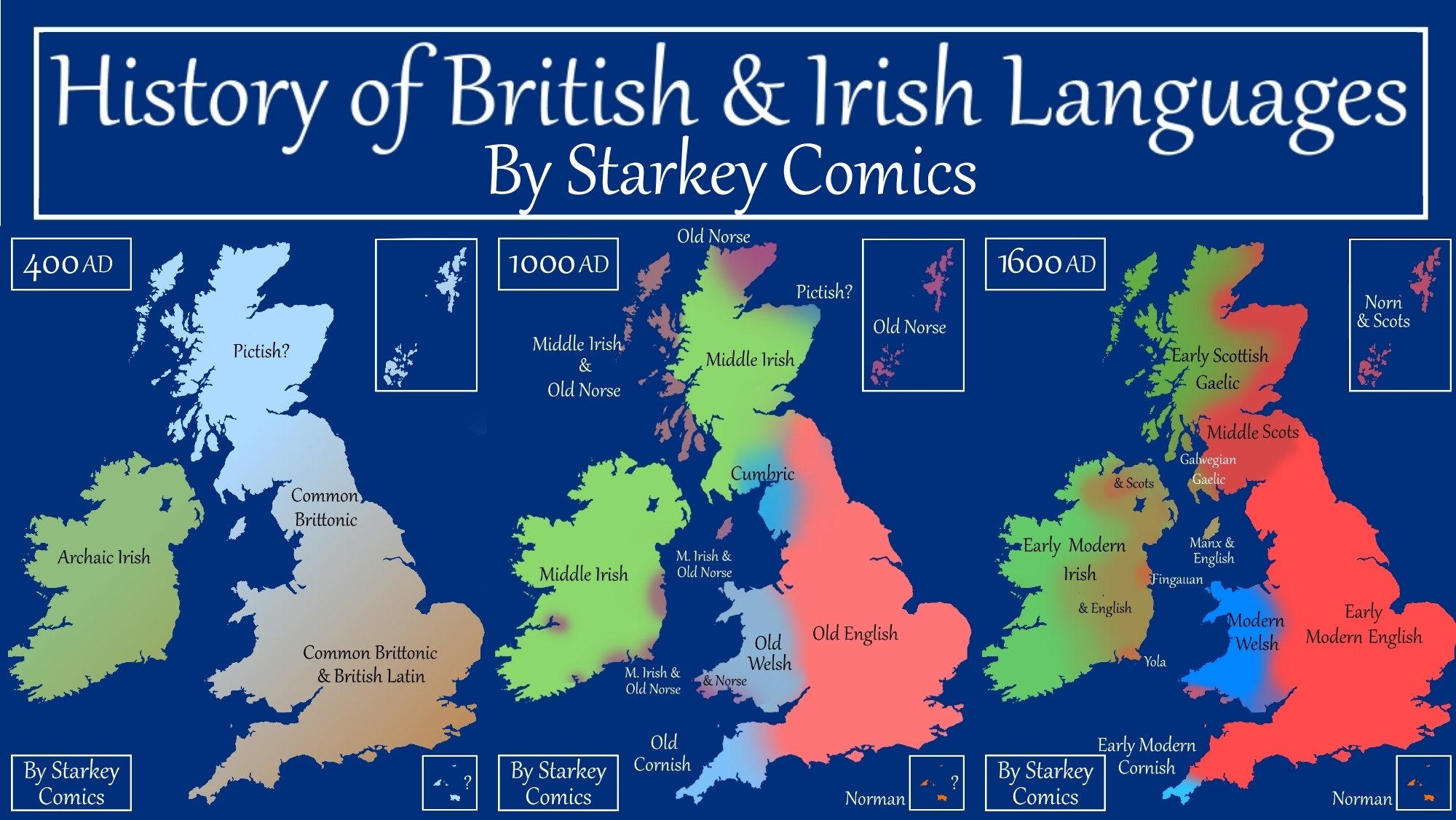
The Irish language, known as Gaeilge, has a rich and intricate history in Ireland. Its origins can be traced back to the arrival of Celtic tribes in Ireland around the 4th century BC, who brought with them a language known as Primitive Irish.
Over the centuries, Primitive Irish evolved into Old Irish, Middle Irish, and finally Modern Irish, the form of the language spoken today.
Periods of Decline and Revival
The Irish language has experienced periods of both decline and revival throughout its history. During the 17th and 18th centuries, the English government actively suppressed the use of Irish, leading to a decline in its usage. However, the 19th century saw a revival of interest in the Irish language, led by cultural and political organizations such as the Gaelic League.
This revival led to the establishment of Irish-language schools and the publication of Irish-language literature, helping to revitalize the language.
Official Status and Legal Recognition
The Irish language holds a unique and protected status in Ireland. Its official recognition is enshrined in the Irish constitution and supported by various laws, regulations, and policies.
Constitutional Provisions
Article 8 of the Irish Constitution declares Irish as the national and first official language of Ireland. It also mandates the state to “endeavor to restore the Irish language as the common spoken language of the people.” This constitutional provision provides a strong legal basis for the promotion and protection of the Irish language.
Legal Recognition
The Official Languages Act (2003) further solidifies the legal recognition of Irish. It designates Irish as an official language for all purposes of the state, including government administration, education, and the judiciary. This act ensures that Irish has equal status with English in all official matters.
Government Policies
The government has implemented various policies to support the revitalization and promotion of the Irish language. These include:
- The 20-Year Strategy for the Irish Language (2010-2030): This comprehensive plan Artikels specific targets and measures to increase the number of Irish speakers and promote its use in all aspects of Irish life.
- The Irish Language Broadcasting Fund: This fund provides financial support to Irish-language media outlets, ensuring the availability of Irish-language content on radio and television.
- The Gaeltacht Act (2012): This act provides special protections for the Irish-speaking regions of Ireland, known as Gaeltachtaí, and aims to maintain and strengthen the use of Irish in these areas.
Irish Language Commissioner
The Irish Language Commissioner is an independent statutory body established to promote and protect the Irish language. The Commissioner monitors the implementation of language policies, investigates complaints, and provides advice to the government on matters related to the Irish language.
Regional Distribution and Usage

The Irish language has a complex and varied regional distribution in Ireland. The most significant concentration of Irish speakers is found in the western Gaeltacht, a region that includes parts of counties Donegal, Mayo, Galway, and Kerry. In these areas, Irish is still spoken as a community language, and a significant proportion of the population is fluent in the language.
Outside of the Gaeltacht, there are also significant numbers of Irish speakers in other parts of the country. These include the cities of Dublin, Cork, and Galway, as well as many rural areas. In these areas, Irish is typically spoken as a second language, and the number of fluent speakers is much lower than in the Gaeltacht.
Regional Distribution of Irish Language Speakers
The following table summarizes the regional distribution of Irish language speakers in Ireland:
| Region | Number of Native Speakers | Number of Non-Native Speakers |
|---|---|---|
| Gaeltacht | 80,000 | 20,000 |
| Outside Gaeltacht | 20,000 | 100,000 |
As the table shows, the vast majority of Irish speakers live outside of the Gaeltacht. However, the Gaeltacht remains the most important stronghold of the language, and it is here that the Irish language is most likely to survive and thrive.
The following map illustrates the regional distribution of Irish language speakers in Ireland:
[Map of Ireland showing the regional distribution of Irish language speakers]
The map shows that the Gaeltacht is located in the western part of the country, and that there are also significant numbers of Irish speakers in the cities of Dublin, Cork, and Galway.
The following pie chart illustrates the distribution of Irish language speakers by county:
[Pie chart showing the distribution of Irish language speakers by county]
The pie chart shows that the counties with the highest proportion of Irish speakers are Donegal, Mayo, Galway, and Kerry. These counties are all located in the Gaeltacht.
In conclusion, the Irish language has a complex and varied regional distribution in Ireland. The most significant concentration of Irish speakers is found in the western Gaeltacht, but there are also significant numbers of Irish speakers in other parts of the country.
Educational System and Language Learning
The Irish language plays a significant role in the Irish educational system, with the goal of promoting its acquisition and revitalization. Compulsory Irish language learning is implemented from primary to secondary school, ensuring that students gain proficiency in the language.
Compulsory Language Learning
Compulsory Irish language learning in schools has been a cornerstone of language revitalization efforts. Students are required to study Irish from the early grades, building a foundation in the language’s grammar, vocabulary, and pronunciation. This mandatory curriculum ensures that all students have the opportunity to develop a level of proficiency in Irish.
Immersion Programs
Immersion programs are another key component of Irish language learning in the educational system. These programs provide students with the opportunity to fully immerse themselves in the Irish language, both inside and outside the classroom. Students participate in activities such as Irish-language clubs, cultural events, and exchange programs, allowing them to develop fluency and confidence in using the language in real-life situations.
Irish-Medium Schools
Irish-medium schools, known as Gaelscoileanna, offer an alternative to traditional English-medium schools. These schools conduct all instruction through the Irish language, providing students with a fully immersive learning environment. Gaelscoileanna have been instrumental in promoting Irish language acquisition and fostering a strong sense of Irish cultural identity among students.
Effectiveness of Measures
The effectiveness of these measures in promoting Irish language acquisition is evident in the increasing number of students achieving proficiency in the language. Statistics from the Central Statistics Office of Ireland show that the percentage of students who can speak Irish has risen steadily over the past decade.
This indicates that the educational system is successfully contributing to the revitalization of the Irish language.
Successful Language Revitalization Efforts
Successful language revitalization efforts in other countries provide valuable lessons for Ireland. The Maori language in New Zealand, for example, has experienced a significant revival through initiatives such as immersion schools, language revitalization programs, and the incorporation of Maori language into the national curriculum.
These efforts have led to a substantial increase in Maori language proficiency and a renewed sense of cultural pride among the Maori community.
Impact of Globalization and Technology
Globalization and technology have both presented challenges and opportunities for Irish language learning. On the one hand, increased exposure to English-language media and global communication can lead to a decline in the use of Irish. On the other hand, technology can also be harnessed to promote Irish language learning through online resources, language-learning apps, and social media platforms.
Challenges and Opportunities
The future of Irish language learning in the educational system faces both challenges and opportunities. Challenges include the need to increase the number of Irish-medium schools, improve the quality of Irish language teaching, and address the influence of globalization and technology.
Opportunities lie in leveraging technology to promote language learning, fostering collaboration between schools and communities, and raising awareness of the importance of Irish language preservation.
Cultural Significance and Identity: What Language In Ireland
The Irish language holds immense cultural significance in Ireland, serving as a vital thread connecting the nation to its rich heritage and identity. It is deeply intertwined with Irish folklore, literature, and music, embodying the collective memory and cultural spirit of the people.
Irish Heritage and Folklore
The Irish language has been the medium through which countless tales, legends, and myths have been passed down through generations. These oral traditions have shaped the cultural fabric of Ireland, providing insights into the beliefs, values, and imagination of its people.
Many of these stories, such as the epic tales of the Táin Bó Cúailngeand the Lebor Gabála Érenn, are deeply embedded in Irish history and continue to resonate with the Irish psyche.
Irish Literature and Poetry, What language in ireland
The Irish language has been the cradle of a rich literary tradition, spanning centuries and encompassing a wide range of genres. From the early medieval epics to the modern works of contemporary authors, Irish literature has celebrated the beauty of the language and explored the complexities of the Irish experience.
Notable literary figures such as William Butler Yeats, Samuel Beckett, and James Joyce have contributed to the global recognition and appreciation of Irish literature.
Irish Music and Song
Music and song have always played a central role in Irish culture, and the Irish language has been an integral part of this musical expression. Traditional Irish music, with its distinctive rhythms and melodies, often incorporates Gaelic lyrics that evoke the beauty of the countryside, the hardships of life, and the enduring spirit of the Irish people.
Contemporary Irish musicians continue to draw inspiration from the Irish language, creating new works that blend traditional and modern elements.
Media and Literature in Irish

The Irish-language media landscape encompasses a range of platforms and content that play a vital role in promoting and preserving the Irish language. From newspapers and magazines to television programs and online content, Irish-language media provides a vital platform for the expression and dissemination of Irish culture and identity.
Newspapers and magazines in Irish have a long and rich history, with publications such as An tUltach and Iris Oifigiúil dating back to the 19th century. These publications provide news, commentary, and analysis in Irish, and have played a significant role in shaping Irish-language discourse and identity.
Television and Online Content
In recent years, Irish-language television programming has expanded significantly, with channels such as TG4 and RTÉ Raidió na Gaeltachta offering a wide range of news, entertainment, and cultural programs in Irish. These programs have helped to increase the visibility and accessibility of the Irish language, and have played a key role in promoting its use among younger generations.
Online content in Irish has also grown rapidly in recent years, with websites, blogs, and social media platforms providing a wealth of information and resources in the language. These platforms have helped to connect Irish-language speakers around the world and have provided a valuable platform for the sharing of Irish culture and language.
Challenges and Opportunities
Despite the progress made in recent years, Irish-language media still faces a number of challenges. These include the limited reach of Irish-language television and radio programming, the dominance of English-language media in Ireland, and the challenges of producing high-quality content in a minority language.
However, there are also a number of opportunities for Irish-language media in the digital age. The growth of online content and the increasing availability of Irish-language resources online provide new opportunities for the promotion and preservation of the Irish language.
Comparison to Other Minority Languages
The Irish-language media landscape is comparable to that of other minority languages in Europe. In many cases, minority language media faces similar challenges, such as limited funding, competition from dominant languages, and the need to produce high-quality content in a minority language.
However, the Irish-language media landscape also has some unique features. For example, the Irish government has provided significant support for Irish-language media, and there is a strong tradition of Irish-language media production in Ireland.
Irish Language Organizations and Advocacy
Numerous organizations are dedicated to the promotion and revitalization of the Irish language. These organizations play a crucial role in preserving the language, expanding its usage, and raising awareness about its significance.
One of the most prominent organizations is Conradh na Gaeilge, founded in 1893. It is the largest Irish language organization in the world, with over 20,000 members. Conradh na Gaeilge promotes the use of Irish in all aspects of life, including education, media, and public administration.
Another important organization is Gael-Taca, established in 1980. Gael-Taca provides support to Irish language speakers in Gaeltacht areas (Irish-speaking regions) and urban centers. It offers language classes, organizes cultural events, and advocates for the rights of Irish language speakers.
Government Initiatives
The Irish government has also implemented various initiatives to support the Irish language. These include:
- The Official Languages Act 2003, which recognizes Irish as an official language of the Republic of Ireland and sets out measures to promote its use in public life.
- The Irish Language Plan 2018-2022, which Artikels a series of actions to increase the use of Irish in education, the workplace, and the media.
- The Foras na Gaeilge, a statutory body established in 2003 to support the development and promotion of the Irish language.
These organizations and initiatives have made significant contributions to the revitalization of the Irish language. They have helped to increase the number of Irish speakers, promote the use of Irish in different domains, and raise awareness about the importance of preserving the language.
Economic and Social Benefits
Irish language proficiency offers a range of economic and social advantages, contributing to the economic growth, social cohesion, and cultural preservation of Ireland and its communities.
Employment opportunities arise in various sectors, including tourism, education, and cultural industries, catering to the growing demand for Irish language speakers in these fields. Cultural tourism, in particular, has experienced significant growth, attracting visitors interested in Ireland’s rich cultural heritage and language.
Economic Benefits
- Increased tourism revenue: Irish language proficiency enhances the visitor experience, attracting tourists seeking authentic cultural immersion and fostering economic growth in tourism-dependent regions.
- Job creation: Proficiency in Irish opens up employment opportunities in various sectors, including tourism, education, and cultural institutions, contributing to job creation and economic development.
- Economic growth: The promotion and revitalization of the Irish language stimulate economic growth by supporting local businesses, cultural initiatives, and language-related industries.
Social Benefits
- Improved community cohesion: Irish language proficiency fosters a sense of community and belonging, strengthening social bonds and promoting inclusivity.
- Cultural preservation: The preservation and promotion of the Irish language contribute to the safeguarding of Ireland’s cultural heritage, ensuring its continuity for future generations.
- Educational attainment: Irish language education has been linked to improved academic performance in other subjects, enhancing overall educational outcomes and cognitive development.
Case Studies
The Gaeltacht regions of Ireland provide compelling examples of the economic and social benefits of Irish language proficiency. These areas have experienced increased tourism revenue, job creation, and a revitalization of cultural traditions due to the promotion and use of the Irish language.
Factors Contributing to Benefits
- Government support: Government initiatives, such as language policies, funding, and educational programs, play a crucial role in promoting Irish language proficiency and its associated benefits.
- Educational programs: Irish language education at all levels, from primary to tertiary, ensures the availability of proficient speakers and fosters a positive attitude towards the language.
- Cultural initiatives: Cultural initiatives, such as festivals, events, and media programs, promote the use and appreciation of the Irish language, contributing to its revitalization and economic viability.
Long-Term Impacts
Irish language proficiency has the potential to create long-term economic and social impacts. It supports the development of a skilled workforce, enhances cultural tourism, and strengthens community cohesion. By preserving and promoting the Irish language, Ireland can ensure its cultural vitality, economic competitiveness, and social inclusiveness for generations to come.
Challenges and Opportunities
The Irish language faces several challenges in the 21st century, including the dominance of English in everyday life, a decline in native speakers, and a lack of opportunities for its use outside of formal education.
One of the most significant threats to the survival of the Irish language is its limited use in everyday life. English has become the dominant language in Ireland, and most people use it as their primary language for communication, education, and business.
This has led to a decline in the number of native Irish speakers, and many people who learn Irish as a second language do not have the opportunity to use it regularly.
Another challenge facing the Irish language is the lack of opportunities for its use outside of formal education. While there are some Irish-language media outlets and cultural events, these are often limited in scope and reach. This makes it difficult for people to use Irish in everyday life, and it can discourage people from learning the language.
Despite these challenges, there are also opportunities for the continued growth and vitality of the Irish language. One opportunity is the growing interest in Irish culture and heritage. In recent years, there has been a resurgence of interest in Irish music, dance, and literature.
This has led to an increased demand for Irish language classes and resources.
Another opportunity for the Irish language is the support of the Irish government. The government has implemented a number of policies to promote the use of Irish, including the establishment of Irish-language schools and the provision of funding for Irish-language media and cultural events.
These challenges and opportunities will continue to shape the future of the Irish language. While there are some threats to its survival, there are also opportunities for its continued growth and vitality. The future of the Irish language will depend on the efforts of its speakers and supporters to promote its use and ensure its continued relevance in the 21st century.
Government Support
The Irish government has implemented a number of policies to promote the use of Irish, including:
- The establishment of Irish-language schools
- The provision of funding for Irish-language media and cultural events
- The creation of an Irish-language television channel
- The promotion of Irish in the workplace
These policies have helped to increase the visibility of the Irish language and to provide opportunities for people to use it in everyday life.
Community Initiatives
In addition to government support, there are also a number of community initiatives that are working to promote the use of Irish. These initiatives include:
- Irish-language playgroups
- Irish-language summer camps
- Irish-language cultural events
These initiatives are helping to create a more supportive environment for the Irish language and to encourage people to use it in everyday life.
Comparison to Other Minority Languages
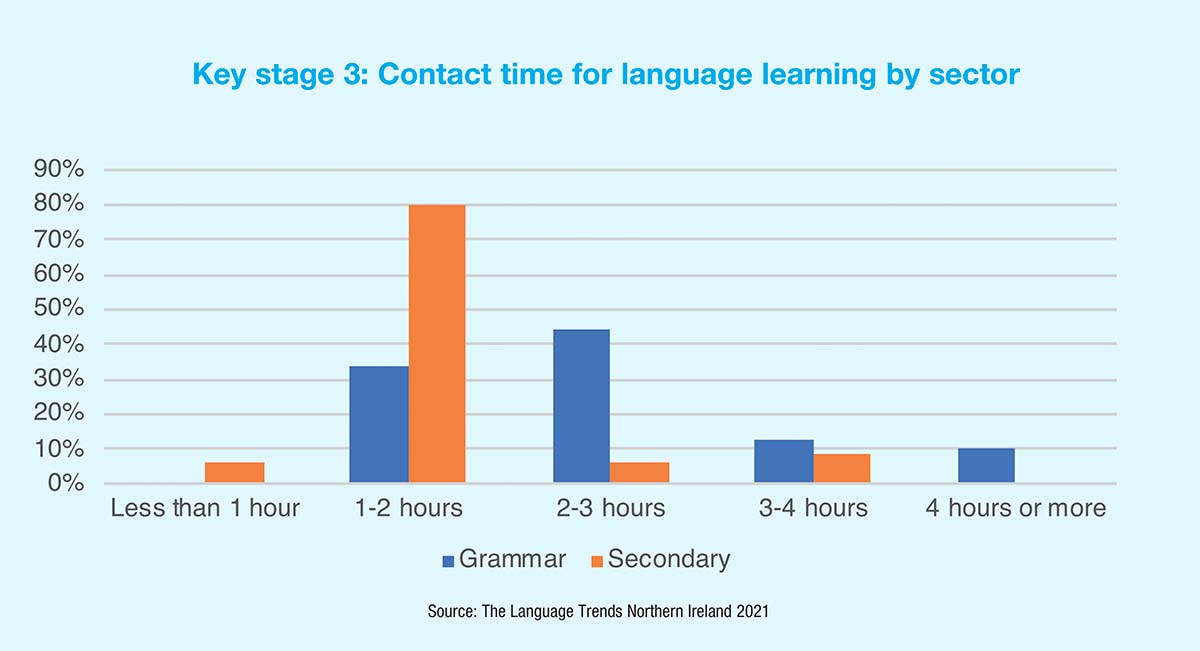
The Irish language shares similarities and differences with other minority languages in Europe and globally in terms of language policies, support mechanisms, and revitalization strategies.
One similarity is the recognition of the importance of preserving and promoting minority languages as part of cultural heritage and diversity. Many countries have adopted policies and legislation to protect and support minority languages, such as the European Charter for Regional or Minority Languages.
Language Policies
- Language policies vary in their scope and effectiveness. Some countries, such as Ireland, have comprehensive policies that include funding for language education, support for media and cultural activities, and recognition of the language in official contexts.
- Other countries may have more limited policies that focus on specific aspects of language support, such as education or cultural preservation.
Support Mechanisms
- Support mechanisms for minority languages include funding for language programs, teacher training, and the development of language resources.
- Community-based organizations and initiatives also play a vital role in supporting minority languages through language classes, cultural events, and advocacy campaigns.
Revitalization Strategies
- Revitalization strategies for minority languages often involve a combination of language planning, education, and community engagement.
- Language planning involves the development of policies and programs to support the language, while education focuses on increasing the number of speakers through immersion programs, language classes, and teacher training.
- Community engagement is essential for creating a supportive environment for language use and revitalization.
Language Revitalization Strategies
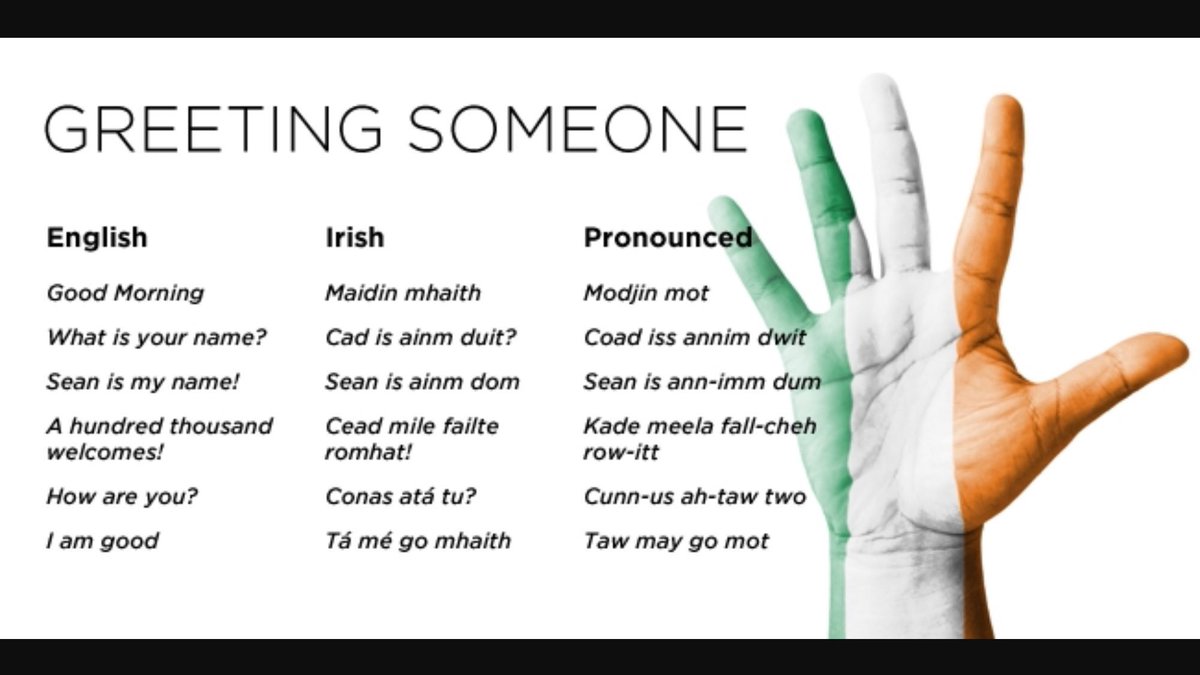
Language revitalization strategies are a set of measures designed to revive and maintain a language that is facing decline. In Ireland, several successful language revitalization strategies have been implemented to promote the use of the Irish language.
One of the most significant strategies has been the establishment of Gaeltacht Language Plans. These plans provide funding and support for Irish-language initiatives in areas where Irish is the primary spoken language. The plans have helped to increase the use of Irish in these areas and have contributed to a rise in the number of Irish speakers.
Another successful strategy has been the establishment of Irish Language Immersion Schools. These schools provide students with the opportunity to learn Irish in an immersive environment. Immersion schools have been shown to be effective in improving students’ fluency in Irish and have also led to improved academic outcomes.
The Irish language media has also played a significant role in the revitalization of the language. Government and private funding has supported the development of Irish-language media outlets, which have increased exposure to the language and helped to raise awareness of Irish culture.
Challenges and Successes
Despite the successes of these strategies, there are still challenges to the revitalization of the Irish language. One of the biggest challenges is the lack of funding for Irish-language initiatives. This has limited the scope and effectiveness of many programs.
Another challenge is the lack of qualified Irish language teachers. This has made it difficult to expand Irish language education in schools and other settings.
Despite these challenges, there have been significant successes in the revitalization of the Irish language. The number of Irish speakers has increased in recent years, and there is a growing awareness of the importance of the language.
Potential Areas for Further Research
There are several areas where further research is needed to support the revitalization of the Irish language. This research could focus on developing more effective language teaching methods, creating more Irish-language educational resources, and developing more Irish-language media outlets.
By addressing these challenges and continuing to invest in language revitalization strategies, Ireland can continue to make progress in the revitalization of the Irish language.
– Predict the future prospects of the Irish language in Ireland in terms of
The future prospects of the Irish language in Ireland are difficult to predict with certainty. However, there are a number of factors that could influence its sustainability and continued development.
One of the most important factors is the number of speakers of the language. In recent years, there has been a decline in the number of native Irish speakers. However, there has also been an increase in the number of people learning Irish as a second language.
In Ireland, the official languages are Irish and English. While Irish is the first official language, English is the most widely spoken. However, there are many other languages spoken in Ireland, including Polish, Romanian, and Russian. For instance, to ask “how are you” in Russian, one would say “kak dyLAH.” You can explore more about the Russian language here.
The presence of these languages reflects the diverse cultural heritage of Ireland.
This suggests that there is still a strong interest in the language and that it could continue to be used in the future.
Another factor that will influence the future of Irish is its geographic distribution. Currently, the language is spoken in a number of different regions of Ireland, but it is most commonly used in the west of the country. It is possible that the language will continue to be used in these areas, but it is also possible that it will spread to other parts of the country.
Finally, the future of Irish will also be influenced by the way it is used in different domains. Currently, the language is used in a number of different domains, including education, media, and government. It is possible that the language will continue to be used in these domains, but it is also possible that it will be used in new domains in the future.
– Government policies
Government policies can have a significant impact on the sustainability of a language. In Ireland, the government has taken a number of steps to support the Irish language. These steps include providing funding for Irish-language education, broadcasting, and other cultural activities.
The official languages of Ireland are Irish and English, with Irish being the primary language in the Gaeltacht regions. In other parts of the world, the language of the Pope, who is the head of the Catholic Church, may also be of interest.
To learn more about the languages spoken by the Pope, please refer to this informative article: what language does pope speak. Returning to the topic of languages in Ireland, it is important to note that Irish is a Celtic language with a rich history and culture.
The government has also made Irish a compulsory subject in schools.
These policies have helped to increase the number of people who speak Irish and to promote the use of the language in different domains. However, there is still more that the government could do to support the Irish language. For example, the government could provide more funding for Irish-language education and broadcasting.
The government could also make Irish a more visible language in public life.
– Educational initiatives
Educational initiatives can also play a role in the sustainability of a language. In Ireland, there are a number of educational initiatives that are aimed at promoting the Irish language. These initiatives include Irish-language schools, immersion programs, and online courses.
These initiatives have helped to increase the number of people who speak Irish and to improve the quality of Irish-language education. However, there is still more that could be done to improve Irish-language education. For example, the government could provide more funding for Irish-language schools and immersion programs.
The government could also make Irish a more central part of the school curriculum.
– Community involvement
Community involvement is also essential for the sustainability of a language. In Ireland, there are a number of community groups that are dedicated to promoting the Irish language. These groups organize Irish-language events, classes, and workshops. They also advocate for the Irish language and work to raise awareness of its importance.
These groups have played a vital role in the revitalization of the Irish language. However, there is still more that community groups can do to support the language. For example, these groups could organize more Irish-language events and classes. They could also work to promote the use of Irish in the media and in public life.
– Technological advancements
Technological advancements can also play a role in the sustainability of a language. In recent years, there have been a number of technological advancements that have made it easier to learn and use Irish. These advancements include the development of Irish-language software, apps, and websites.
They also include the increasing availability of Irish-language content online.
These advancements have made it easier for people to learn Irish and to use the language in their everyday lives. However, there is still more that could be done to harness the power of technology to support the Irish language.
For example, more Irish-language software, apps, and websites could be developed. The government could also provide more funding for the development of Irish-language technology.
Visual Representations
Visual representations, such as infographics and charts, provide a compelling way to present data and trends related to the Irish language in Ireland. These visuals can make complex information more accessible and easier to understand.
Infographics can effectively illustrate the historical evolution of the Irish language, its current usage, and its regional distribution. Charts can display statistics on the number of Irish speakers, the percentage of the population that speaks Irish, and the trends in Irish language education.
Infographics on Historical Evolution
An infographic on the historical evolution of the Irish language could show the following:
- The number of Irish speakers over time
- The percentage of the population that speaks Irish over time
- The geographic distribution of Irish speakers over time
Charts on Current Usage
Charts on the current usage of the Irish language could show the following:
- The number of Irish speakers by age group
- The number of Irish speakers by region
- The percentage of the population that speaks Irish on a daily basis
Maps on Regional Distribution
Maps on the regional distribution of the Irish language could show the following:
- The areas where Irish is the majority language
- The areas where Irish is a minority language
- The areas where Irish is not spoken
These visual representations can provide a valuable overview of the Irish language in Ireland, and they can help to raise awareness of the importance of preserving and promoting this unique language.
FAQ Insights
What is the official status of the Irish language in Ireland?
The Irish language holds the status of an official language alongside English under the Irish Constitution.
What are the main challenges facing the Irish language?
The Irish language faces challenges such as the dominance of English in many domains, a decline in native speakers, and the need for increased educational and media support.
What are some successful strategies for revitalizing the Irish language?
Successful strategies include immersion programs in schools, the establishment of Gaeltacht language planning areas, and the promotion of Irish-language media and literature.
