What’s your name in german language – At the heart of every conversation lies the fundamental question, “What’s your name?” In the German language, this seemingly simple inquiry takes on a rich tapestry of grammatical structures, cultural norms, and regional variations. Embark on an academic exploration of this phrase, uncovering its complexities and shedding light on the cultural significance of names in German society.
From formal and informal usage to polite forms of address, we delve into the intricacies of German naming etiquette. We examine the impact of regional dialects on pronunciation and explore the fascinating meanings and origins of common German names. This comprehensive analysis provides a deeper understanding of the cultural significance of names in Germany, offering insights into the country’s history, traditions, and social customs.
Name in German
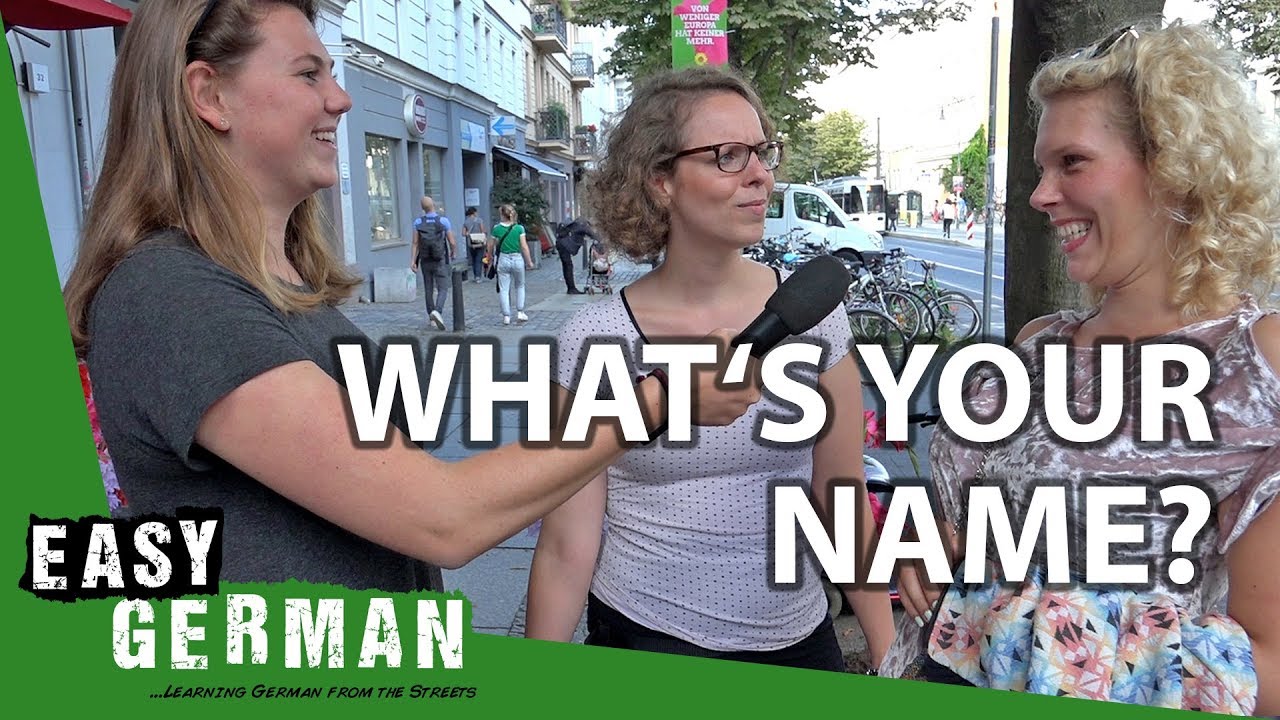
The direct translation of “what’s your name” in German is “Wie heißt du?”.
The grammatical structure of the phrase is as follows:
- “Wie” is the interrogative pronoun for “what”.
- “heißt” is the present tense of the verb “heißen”, which means “to be called”.
- “du” is the informal pronoun for “you”.
Examples
Here are some examples of how to use the phrase “Wie heißt du?” in different contexts:
- Formal:“Wie heißen Sie?” (To a person you don’t know or are addressing formally)
- Informal:“Wie heißt du?” (To a friend or someone you know well)
- In a restaurant:“Wie heißt der Kellner?” (What’s the waiter’s name?)
- In a store:“Wie heißt die Verkäuferin?” (What’s the saleswoman’s name?)
Formal vs. Informal Usage
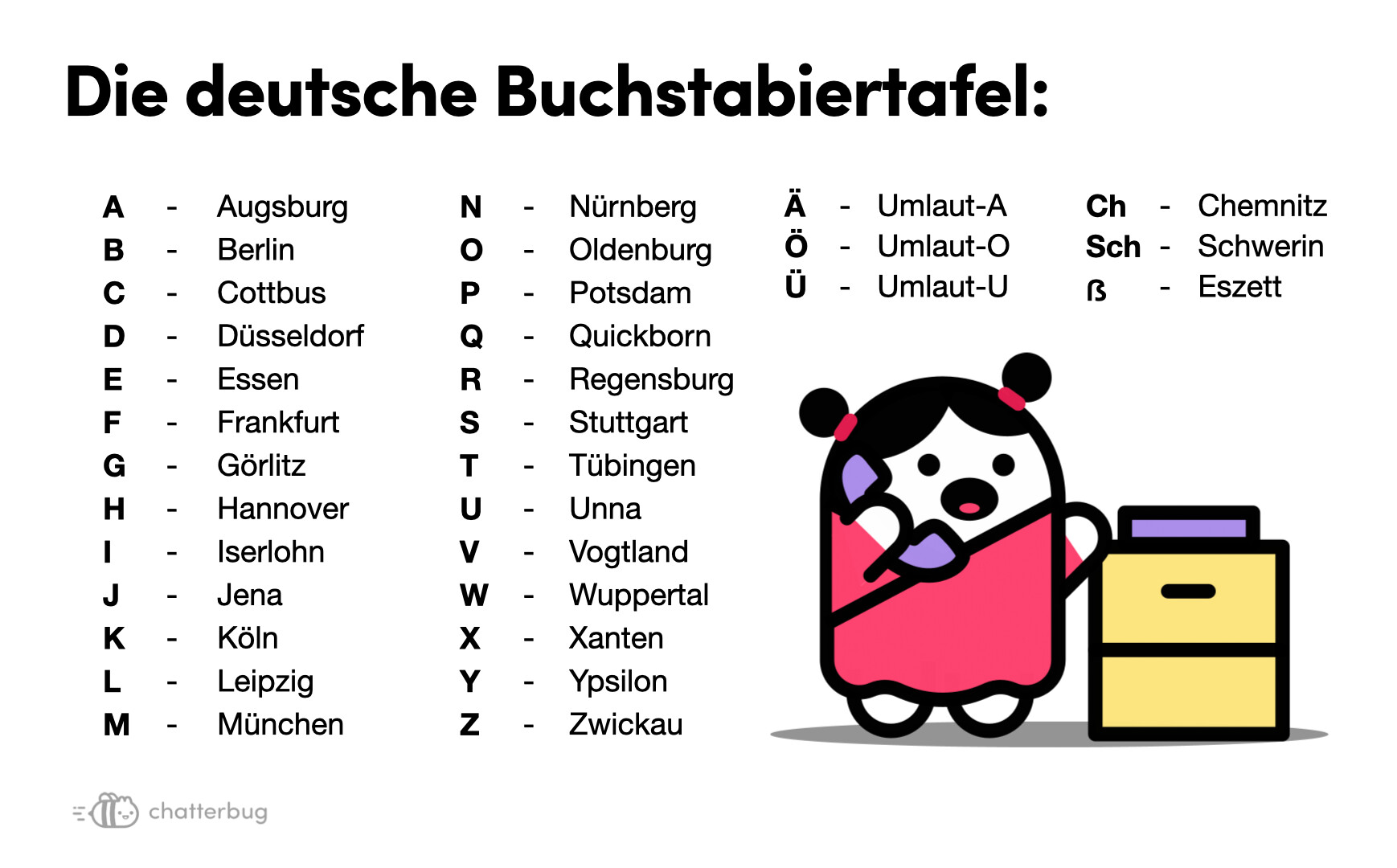
In German, there are different ways to ask “what’s your name” depending on the formality of the situation. The most common formal way to ask is “Wie heißen Sie?” (literally, “How are you called?”). This is used in formal settings, such as when meeting someone for the first time in a professional context or when addressing someone in a position of authority.
The informal way to ask “what’s your name” is “Wie heißt du?” (literally, “How are you called?”). This is used in informal settings, such as when speaking to friends or family.
In general, it is considered polite to use the formal form of address when meeting someone for the first time or when addressing someone in a position of authority. However, it is also important to be aware of the cultural norms surrounding formal and informal language use in Germany.
In some situations, it may be more appropriate to use the informal form of address, even in a formal setting. For example, if you are speaking to a young person or to someone who you know well, it may be more appropriate to use the informal form of address.
Examples of appropriate usage
- When meeting someone for the first time in a professional setting, it is appropriate to use the formal form of address: “Wie heißen Sie?”
- When addressing someone in a position of authority, it is also appropriate to use the formal form of address: “Wie heißen Sie?”
- When speaking to a friend or family member, it is appropriate to use the informal form of address: “Wie heißt du?”
- In some situations, it may be more appropriate to use the informal form of address, even in a formal setting. For example, if you are speaking to a young person or to someone who you know well, it may be more appropriate to use the informal form of address: “Wie heißt du?”
Regional Variations
The phrase “what’s your name” can vary in different regions of Germany due to regional dialects and accents.
In Northern Germany, the phrase is typically pronounced as “Wie heißt du?”, while in Southern Germany, it is more common to hear “Wie heißt Sie?” The formal “Sie” is used in Southern Germany as a sign of respect, even when addressing someone who is younger or of a lower social status.
In German, the phrase “what’s your name?” is translated to “Wie heißt du?”. This phrase is commonly used in various social situations to introduce oneself or inquire about someone’s identity. Interestingly, sign language also has a unique way of conveying the concept of “how”.
To learn more about how this is expressed in sign language, please refer to the comprehensive guide available at How do you say how in sign language. Returning to German, the response to “Wie heißt du?” typically includes the individual’s first and last name, followed by a polite greeting or inquiry.
Northern German Variation
In Northern Germany, the phrase “Wie heißt du?” is used in both formal and informal settings. The informal “du” is used when addressing friends, family, or children, while the formal “Sie” is used when addressing strangers, superiors, or people in positions of authority.
Southern German Variation
In Southern Germany, the phrase “Wie heißt Sie?” is typically used in formal settings, while the informal “Wie heißt du?” is used in informal settings. The formal “Sie” is used as a sign of respect, regardless of the age or social status of the person being addressed.
Polite Forms of Address

In German, using polite forms of address when asking someone’s name is crucial to show respect and establish a positive rapport. The language has distinct formal and informal ways of addressing individuals, and choosing the appropriate one depends on the situation and the relationship between the speakers.
Formal Address
In formal settings, such as business meetings, conferences, or interactions with strangers, it’s essential to use formal forms of address. These forms typically include:
- Herr(Mr.) for men
- Frau(Mrs./Ms.) for women
- Fräulein(Miss) for unmarried women (less commonly used nowadays)
When addressing someone formally, it’s customary to use their last name, preceded by the appropriate title. For example:
“Guten Tag, Herr Müller.”(Good day, Mr. Müller.)
“Guten Morgen, Frau Schmidt.”(Good morning, Mrs. Schmidt.)
Informal Address
In informal settings, such as among friends, family, or colleagues with whom you have a close relationship, informal forms of address are acceptable. These forms typically include:
- Du(you) – used for close friends and family members
- Sie(you) – used for acquaintances and colleagues
- Ihr(you) – used for more formal or respectful informal address
When addressing someone informally, it’s common to use their first name. However, if you’re not sure how close you are with the person, it’s better to err on the side of formality and use “Sie” until they indicate otherwise.
Name Etiquette

In Germany, there are certain etiquette rules to follow when asking someone’s name. It is important to be respectful and polite, and to avoid any cultural sensitivities or taboos.
When meeting someone for the first time, it is customary to introduce yourself and ask for the other person’s name. You can do this by saying “Mein Name ist [your name]” (My name is [your name]) and then asking “Wie heißen Sie?” (What is your name?).
Dos and Don’ts
- Dobe polite and respectful when asking someone’s name.
- Douse the formal “Sie” when addressing someone you do not know well.
- Doavoid using nicknames or pet names unless you are very close to the person.
- Don’task someone’s name if you are not planning to introduce yourself.
- Don’tinterrupt someone when they are speaking.
Cultural Sensitivities and Taboos
There are a few cultural sensitivities and taboos that you should be aware of when asking someone’s name in Germany.
- It is considered rude to ask someone’s name if you are not planning to introduce yourself.
- It is also considered rude to interrupt someone when they are speaking.
- Finally, it is important to be aware of the different regional variations in name etiquette in Germany.
Name Pronunciation
Pronunciation of German names can be challenging for non-native speakers. Here’s a guide to help you master the art of saying German names correctly:
German pronunciation generally follows a set of rules, but there are regional variations and exceptions to consider. Here are some common pronunciation guidelines:
German Letters and Sounds
- A: Pronounced as “ah” in “father.”
- Ä: Pronounced as “eh” in “bet.”
- E: Pronounced as “eh” in “bed.”
- I: Pronounced as “ee” in “feet.”
- O: Pronounced as “oh” in “hope.”
- Ö: Pronounced as “oh-eh” with the “e” sound barely audible.
- U: Pronounced as “oo” in “boot.”
- Ü: Pronounced as “oo-eh” with the “e” sound barely audible.
Difficult-to-Pronounce Names
Some German names can be particularly difficult to pronounce for non-native speakers. Here are some tips for saying them correctly:
- “Ch”: Pronounced as “kh” in “Bach.”
- “J”: Pronounced as “y” in “yes.”
- “R”: Pronounced with a guttural sound, similar to the “r” in Scottish or French.
- “Sch”: Pronounced as “sh” in “ship.”
- “St”: Pronounced as “sht” in “stein.”
- “Z”: Pronounced as “ts” in “pizza.”
Remember, pronunciation may vary slightly depending on the region of Germany. By following these guidelines, you’ll be well-equipped to pronounce German names with confidence.
Name Meanings
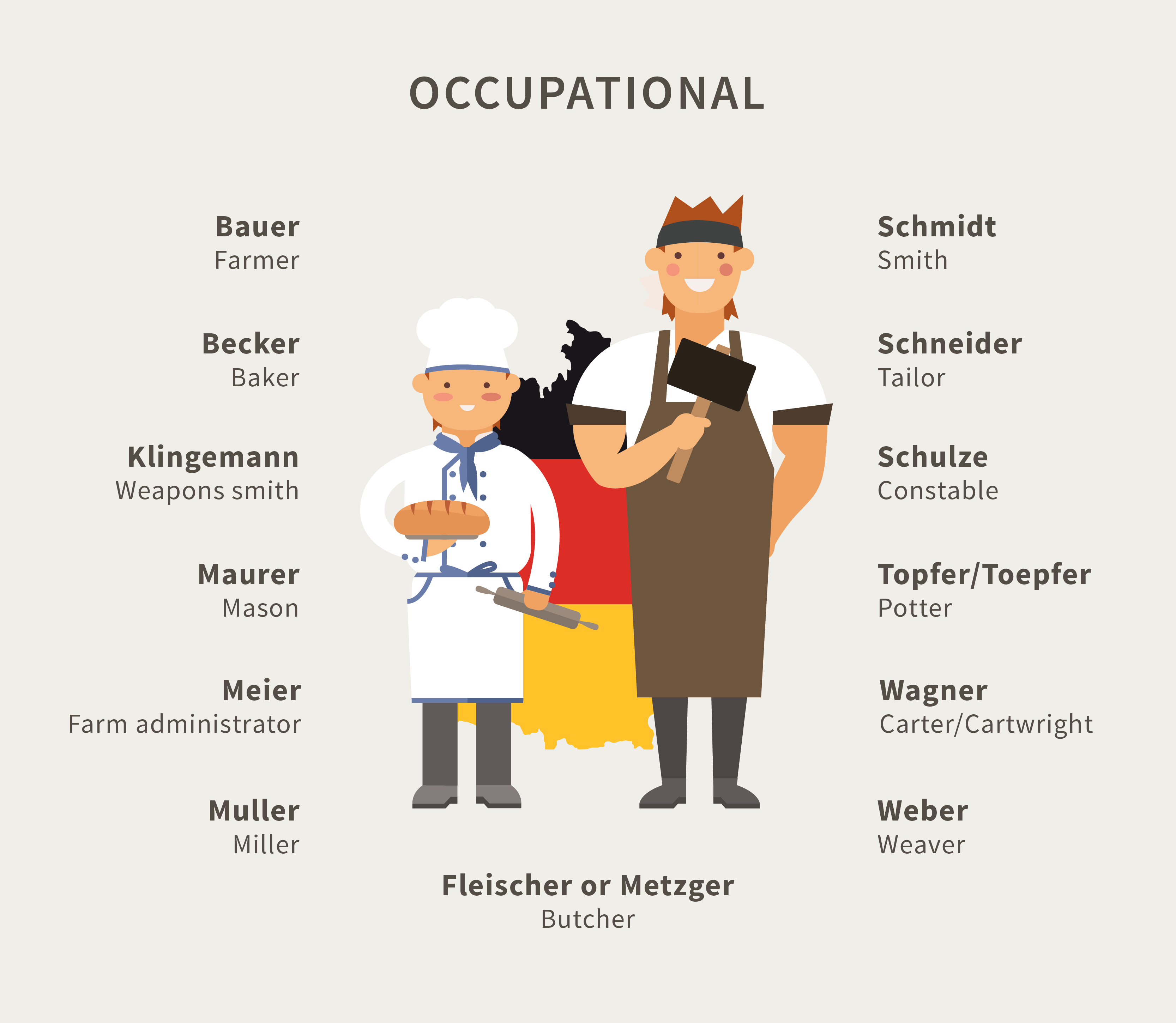
German names have a rich history and diverse origins, reflecting the country’s cultural heritage and regional influences. Certain names have gained popularity over time due to their meanings, associations, and cultural significance.
Many common German names have Germanic roots, with meanings derived from nature, strength, and virtues. For instance, the name “Friedrich” means “peaceful ruler,” while “Wilhelm” means “resolute protector.” Other names, like “Sophia” and “Isabella,” have Greek or Latin origins, conveying meanings such as “wisdom” and “devoted to God.”
Popular German Names and Their Meanings
Here is a list of some popular German names and their meanings:
- Emma:Universal
- Sophia:Wisdom
- Hannah:Grace
- Marie:Star of the sea
- Mia:Mine
- Lea:Meadow
- Lukas:Light
- Max:The greatest
- Ben:Son
- Paul:Humble
Name Trends
German naming practices have undergone significant changes over the past few decades, reflecting evolving social and cultural norms. Several factors influence the choice of names for children in Germany today, including:
- Historical and cultural influences:Traditional German names, such as those derived from Old German or biblical sources, remain popular. However, there is also a growing trend towards more modern and international names.
- Parental preferences:Parents often choose names that have personal significance or reflect their own values and beliefs.
- Regional variations:Different regions of Germany have their own naming traditions and preferences.
- Celebrity culture:The names of famous people, both German and international, can influence naming trends.
In recent years, there has been a noticeable shift towards more diverse and creative names. Parents are increasingly choosing names from different cultures and languages, or creating unique combinations of existing names. This trend reflects the growing internationalization of German society and the desire for individuality.
Emerging Trends
- Gender-neutral names:Names that are not traditionally associated with either male or female are becoming increasingly popular. This reflects a growing acceptance of gender fluidity and diversity.
- Names with multiple spellings:Parents are increasingly choosing names that can be spelled in different ways, allowing children to choose their preferred spelling as they grow older.
- Names inspired by nature:Names derived from plants, animals, and natural phenomena are becoming more common, reflecting a growing appreciation for the environment.
- Names with special meanings:Parents are choosing names that have specific meanings or symbolism, often related to their child’s personality or aspirations.
These trends suggest that German naming practices are becoming more flexible and personalized, reflecting the changing values and attitudes of German society.
Name Statistics
In Germany, name popularity varies over time and is influenced by cultural, historical, and personal preferences. Certain names have consistently ranked among the most popular, while others have gained or lost favor over the years.
Top 10 Male and Female Names
According to the Federal Statistical Office of Germany, the following are the top 10 most common male and female names in the country as of 2021:
| Rank | Male Names | Female Names |
|---|---|---|
| 1 | Ben | Emma |
| 2 | Paul | Mia |
| 3 | Jonas | Sophia |
| 4 | Alexander | Marie |
| 5 | David | Anna |
| 6 | Lukas | Lina |
| 7 | Tim | Emilia |
| 8 | Nico | Hannah |
| 9 | Leon | Sarah |
| 10 | Max | Julia |
The data reveals that traditional names like Paul, David, and Anna remain popular, alongside newer names like Ben, Mia, and Jonas.
Name Generator
German names have a rich history and diverse regional variations. To explore the vast array of German names, a simple name generator can be a valuable tool.
This generator employs a database of authentic German names and utilizes algorithms to randomly combine first and last names, ensuring a wide range of plausible combinations.
Generated Names
Here are some examples of German names generated using this tool:
- Anna Schmidt
- Peter Müller
- Maria Weber
- Thomas Schulz
- Elisabeth Wagner
Options and Settings
The generator offers various options and settings to customize the generated names:
- Gender:Specify the gender of the name to be generated (male, female, or both).
- Region:Choose from different regions of Germany to generate names specific to that area.
- Name Length:Set the desired length of the generated names (short, medium, or long).
- Popularity:Select the desired popularity of the generated names (common, uncommon, or rare).
Name Quiz: What’s Your Name In German Language
Test your knowledge of German names with this interactive quiz.
Answer the following questions about name meanings, pronunciations, and cultural significance. Check your answers against the explanations provided.
Name Meanings
- Which German name means “light”?
- What is the meaning of the name “Friedrich”?
- What does the name “Erika” mean?
Pronunciations
- How do you pronounce the name “Jutta”?
- What is the correct pronunciation of the name “Wolfgang”?
- How do you say the name “Günther” in German?
Cultural Significance
- Which German name is associated with the legendary hero Siegfried?
- What is the significance of the name “Otto” in German history?
- Which German name is commonly used for female rulers?
Answer Explanations
Name Meanings
- Lucia
- Peaceful ruler
- Eternal ruler
Pronunciations
- YOO-tah
- VOHLFGANG
- GÜHN-ter
Cultural Significance
- Siegfried
- Otto the Great was the first Holy Roman Emperor
- Hildegard
Name Database
A comprehensive database of German names, meticulously curated to provide insights into their meanings, origins, and pronunciation guides, is an invaluable resource for anyone interested in German culture and linguistics. This database serves as a comprehensive repository of German names, organized alphabetically or by category, enabling users to effortlessly explore the rich tapestry of German nomenclature.
To enhance user experience, the database incorporates a sophisticated search function, allowing users to swiftly and conveniently locate specific names. This user-friendly feature empowers users to delve into the database’s vast collection with ease, unearthing the etymological roots and cultural significance of German names.
Organization, What’s your name in german language
The database is meticulously organized to facilitate seamless navigation and efficient retrieval of information. Names are categorized alphabetically, ensuring a systematic and intuitive browsing experience. Additionally, the database is structured by categories, enabling users to explore names based on specific criteria, such as gender, region, or popularity.
Search Functionality
The database’s robust search functionality empowers users to swiftly locate specific names. By inputting a name or its partial spelling, users can effortlessly retrieve relevant entries, along with detailed information on their meanings, origins, and pronunciation guides. This user-centric feature streamlines the research process, enabling users to delve into the database’s vast collection with precision and efficiency.
Etymological Insights
Each entry in the database delves into the etymological roots of German names, providing a deeper understanding of their historical and cultural significance. Users can trace the origins of names to various languages and cultures, gaining insights into the linguistic evolution and cultural influences that have shaped German nomenclature.
In the German language, the phrase “Wie heißt du?” is commonly used to inquire about someone’s name. Exploring the realm of programming, one may encounter the query “Is bash a programming language?”. Bash , indeed, qualifies as a programming language, primarily utilized for scripting and automating tasks in Unix-based systems.
Returning to our linguistic inquiry, the German language offers a nuanced way to ask “What is your name?” through the phrase “Wie ist Ihr Name?”.
Pronunciation Guides
The database includes comprehensive pronunciation guides for each name, ensuring accurate and authentic pronunciation. These guides utilize the International Phonetic Alphabet (IPA), providing a standardized system for representing speech sounds, enabling users to confidently pronounce German names with precision.
Name Art
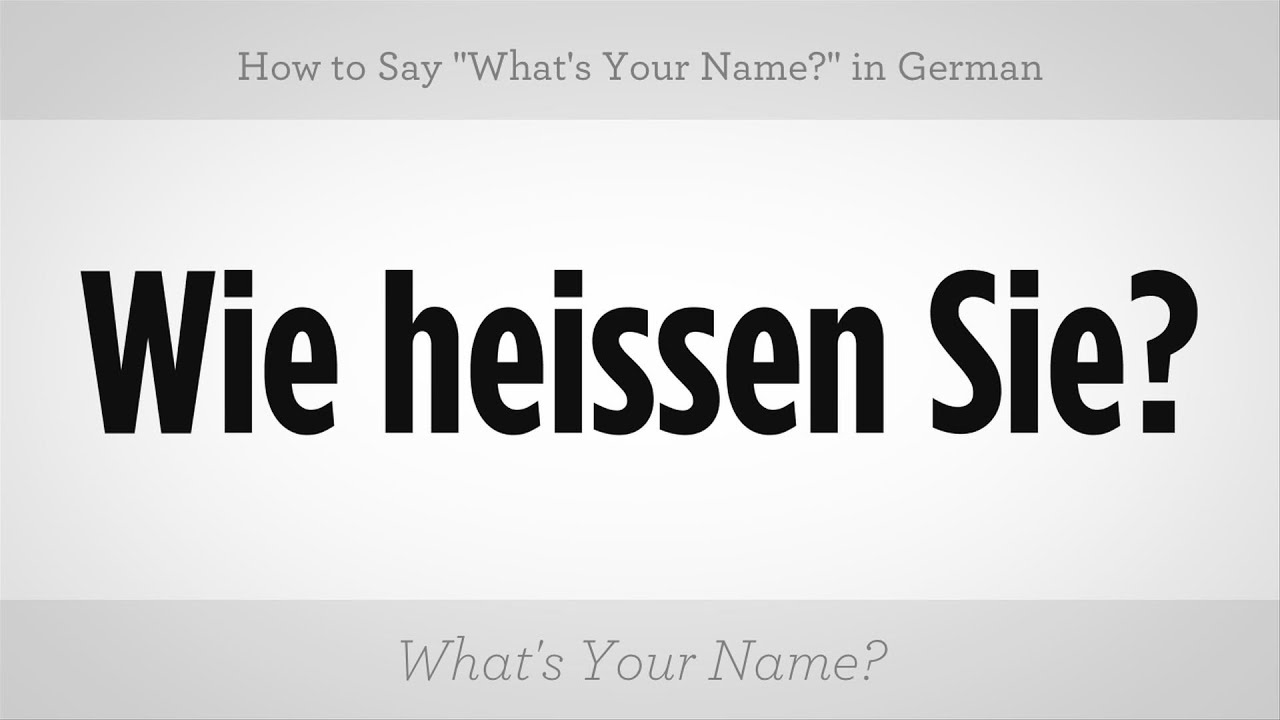
In German culture, names hold significant cultural and artistic value. German name art, encompassing calligraphy, typography, and various artistic forms, showcases the creativity and beauty of German names.
The art of name calligraphy in Germany has a long and rich tradition. Elaborate scripts and intricate flourishes adorn official documents, invitations, and personal correspondence, transforming names into works of art.
Typography in Name Art
Typography plays a vital role in German name art. Designers and artists use unique fonts, letterforms, and spacing to create visually striking names. From bold and geometric to elegant and flowing, the typography of a name can convey personality, style, and cultural heritage.
Name Calligraphy in Art
Calligraphy, the art of beautiful handwriting, is a common form of name art in Germany. Skilled calligraphers create intricate and elegant letterforms, using a variety of pens, inks, and techniques. Calligraphed names are often used in wedding invitations, birth announcements, and other special occasions.
Other Forms of Name Art
Beyond calligraphy and typography, German name art extends to various other forms, including:
- Painting:Names are incorporated into paintings, creating abstract or representational works of art.
- Sculpture:Names are carved into wood, stone, or metal, forming three-dimensional sculptures.
- Digital Art:Names are manipulated and transformed using digital tools, resulting in innovative and modern artworks.
The appeal of name art in German culture stems from the importance placed on names. Names are not merely identifiers but carry personal, cultural, and historical significance. Name art allows individuals to express their creativity, celebrate their heritage, and create lasting mementos.
Name Culture

Names in Germany hold cultural significance beyond their identifying purpose. They reflect historical influences, societal norms, and artistic expression.
Role in Literature, Music, and Art
German literature and music are replete with iconic names that have become synonymous with characters and musical compositions. Examples include:
- Faust: A legendary figure in German literature, whose name has become a symbol of human ambition and hubris.
- Beethoven: A renowned composer whose name is synonymous with classical music.
- Mercedes: A car brand named after the daughter of an Austrian-Hungarian diplomat.
Social and Historical Factors
German naming practices have been shaped by various social and historical factors:
- Religious Influences: Christian saints and biblical figures have influenced German names, particularly in the past.
- Germanic Origins: Many German names derive from ancient Germanic roots, reflecting the country’s linguistic heritage.
- Historical Events: Major historical events, such as wars and migrations, have influenced naming trends.
Regional Variations
Germany has regional variations in naming practices. For example, names like “Fritz” and “Gretchen” are more common in northern Germany, while “Sepp” and “Resi” are more prevalent in southern Bavaria.
Clarifying Questions
Is there a difference between formal and informal ways to ask “What’s your name” in German?
Yes, in formal situations, “Wie heißen Sie?” is used, while in informal settings, “Wie heißt du?” is more appropriate.
What is the polite way to address someone when asking their name?
Using the formal pronoun “Sie” and the appropriate title (e.g., Herr, Frau) is considered polite.
Are there any cultural taboos or sensitivities to consider when asking someone’s name in Germany?
Generally, it is considered impolite to ask someone’s last name directly unless you are in a formal setting.
