What language do switzerland people speak – The Swiss linguistic landscape is a fascinating tapestry of languages, each with its unique history, cultural significance, and geographical distribution. From the majestic peaks of the Alps to the vibrant shores of Lake Geneva, the people of Switzerland converse in a symphony of tongues, reflecting the country’s rich cultural heritage and its position as a crossroads of Europe.
This comprehensive guide delves into the linguistic diversity of Switzerland, exploring the official languages, their historical evolution, regional distribution, and the role they play in shaping Swiss society and identity. We will also examine the challenges and opportunities facing Swiss languages in the 21st century, considering the impact of globalization, migration, and technological advancements.
Official Languages of Switzerland: What Language Do Switzerland People Speak
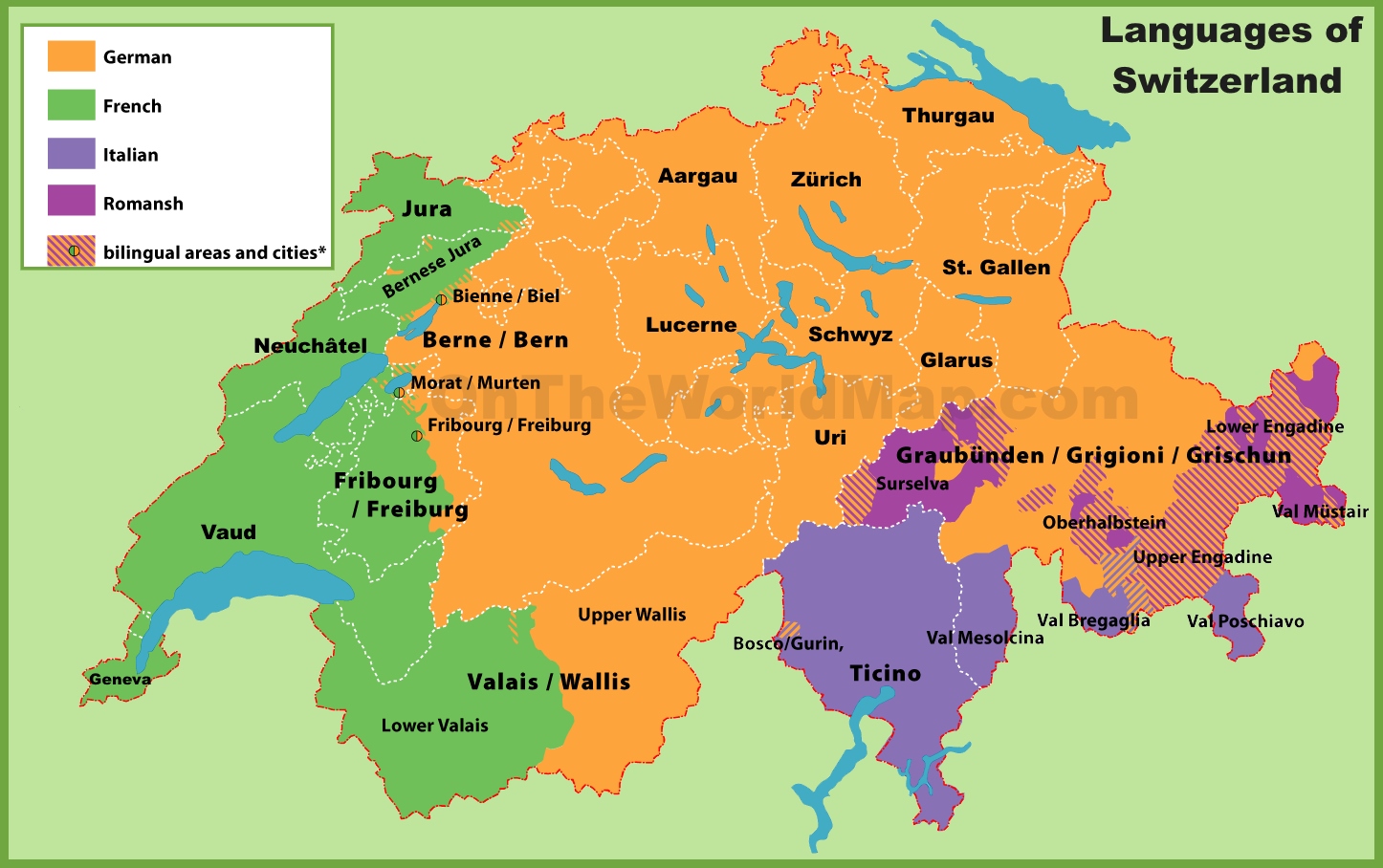
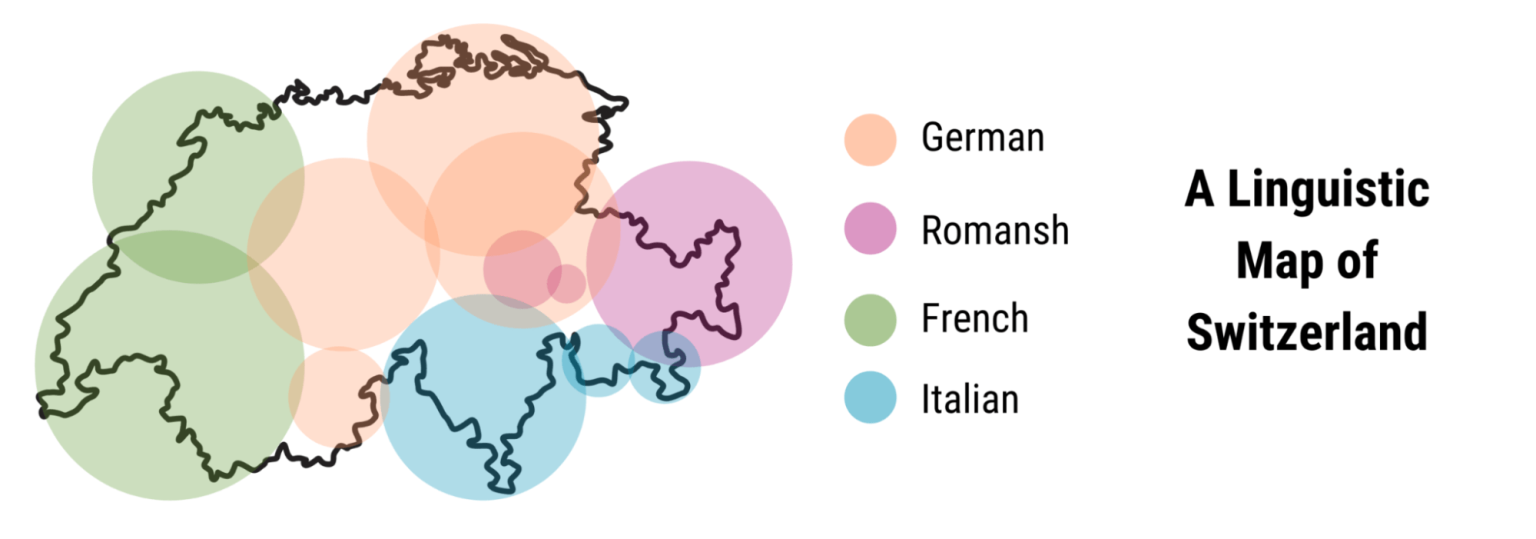
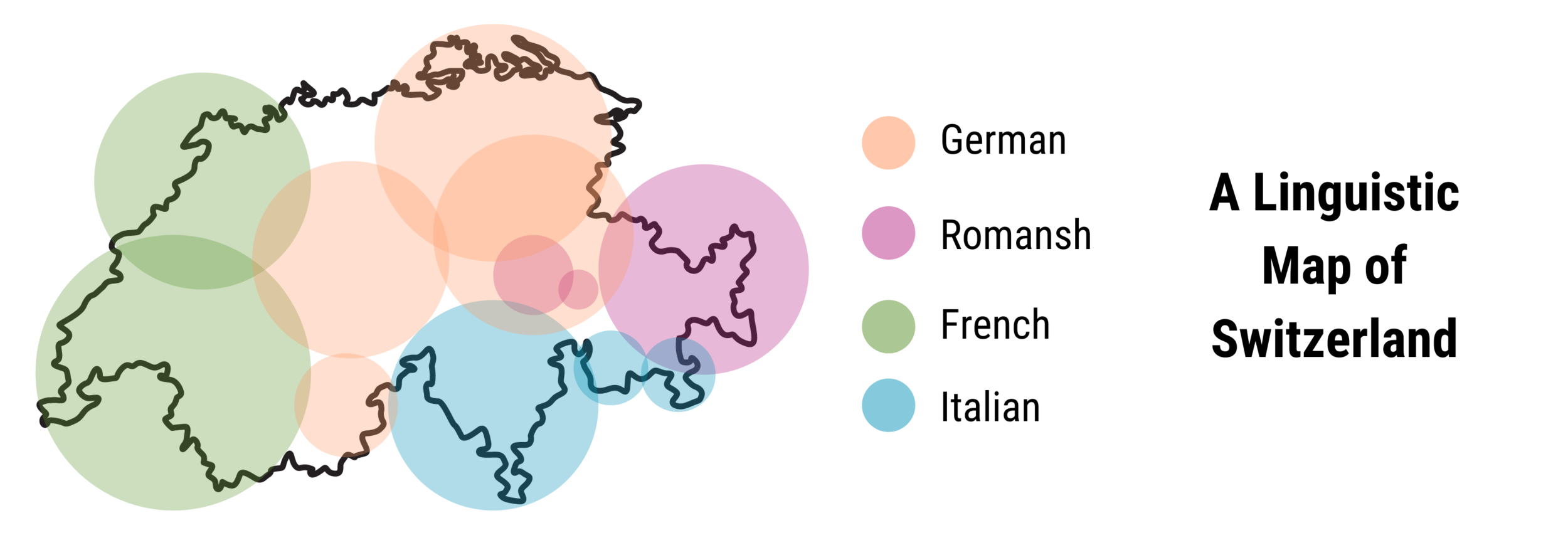
Switzerland has four official languages: German, French, Italian, and Romansh. The choice of official languages reflects the country’s historical and cultural diversity, as well as its geographical position at the crossroads of Europe.German is the most widely spoken language in Switzerland, with about 63% of the population speaking it as their first language.
German is spoken primarily in the northern and eastern parts of the country, as well as in the central Swiss Plateau.French is the second most spoken language in Switzerland, with about 23% of the population speaking it as their first language.
French is spoken primarily in the western part of the country, including the cantons of Geneva, Vaud, and Neuchâtel.Italian is the third most spoken language in Switzerland, with about 8% of the population speaking it as their first language. Italian is spoken primarily in the southern part of the country, including the canton of Ticino and the southern valleys of Graubünden.Romansh is the fourth official language of Switzerland, with about 1% of the population speaking it as their first language.
Romansh is a Romance language that is spoken primarily in the canton of Graubünden in southeastern Switzerland.
Regional Language Distribution

Switzerland exhibits a diverse linguistic landscape, with multiple languages spoken across its regions. This distribution is influenced by historical, migratory, and tourism-related factors.
Historical Influences
Switzerland’s linguistic diversity stems from its complex history. The country’s four national languages (German, French, Italian, and Romansh) correspond to the territories that were gradually incorporated into the Swiss Confederation from the 13th century onward.
- German is the most widely spoken language, covering the northern and central regions, reflecting the influence of the Holy Roman Empire and Germanic tribes.
- French is spoken in the west, along the border with France, reflecting the region’s historical ties to Burgundy and France.
- Italian is spoken in the south, in the canton of Ticino, due to its proximity to Italy and historical ties to the Duchy of Milan.
- Romansh is spoken in the southeastern canton of Graubünden, a remnant of the ancient Raetian language spoken by the pre-Roman inhabitants of the Alps.
Migration and Tourism
Migration and tourism have also played a role in shaping Switzerland’s linguistic landscape. The influx of immigrants from neighboring countries has introduced new languages to certain regions:
- Albanian is spoken by a significant population in the German-speaking canton of Zurich, reflecting the migration of Albanian workers in the 1960s and 1970s.
- Portuguese is spoken in many cities, particularly Geneva, due to the presence of a large Portuguese community.
- English is widely understood and used in tourism and business, reflecting Switzerland’s status as a popular tourist destination and international financial center.
Implications for Social Cohesion and Cultural Identity
The regional distribution of languages in Switzerland has implications for social cohesion and cultural identity. The four national languages are recognized as official languages, and their use is promoted in education and public life.
In Switzerland, the most commonly spoken languages are German, French, Italian, and Romansh. German is spoken by around 63% of the population, French by about 23%, Italian by about 8%, and Romansh by about 1%. In comparison, the primary language spoken in Peru is Spanish, which is the official language and is spoken by the vast majority of the population.
What language do Peruvians speak ? As in Switzerland, there are also several other languages spoken in Peru, including Quechua, Aymara, and other indigenous languages, which are spoken by a significant portion of the population.
However, the linguistic diversity can also lead to challenges in communication and integration. For example, non-native speakers may face barriers in accessing services or participating fully in society.
Despite these challenges, Switzerland’s linguistic diversity is also a source of cultural richness and a reflection of the country’s unique history and geography.
– Describe the history and evolution of French in Switzerland.
French has been spoken in Switzerland for centuries, and its history in the country is closely intertwined with the political and cultural development of the nation. The origins of French in Switzerland can be traced back to the Roman Empire, when the region was part of the province of Gallia Belgica.
After the fall of the Roman Empire, the area was gradually settled by Germanic tribes, but French continued to be spoken in the western part of the country, which became known as Romandie.
In the Middle Ages, French became the language of the Burgundian court and was used in official documents and literature. After the Burgundian Wars, the region was divided between France and the Holy Roman Empire. The French-speaking part of Switzerland became part of the Swiss Confederacy in 1481, and French became one of the official languages of the country.
The Reformation, What language do switzerland people speak
The Reformation had a significant impact on the development of French in Switzerland. The Protestant Reformation began in Switzerland in the early 16th century, and the Protestant cantons adopted French as their official language. This led to the spread of French into new areas of the country, and it also helped to standardize the language.
German in Switzerland
German is one of the four official languages of Switzerland, spoken by the majority of the population. It is a West Germanic language that originated in the High German dialect spoken in the Holy Roman Empire during the Middle Ages.
German in Switzerland has a long and complex history, dating back to the Alemannic migrations of the 5th and 6th centuries AD. The Alemanni settled in the area that is now Switzerland, and their language, Alemannic German, became the dominant language in the region.
Dialects of German in Switzerland
Over time, Alemannic German evolved into a number of different dialects, each with its own unique features. The dialects of German spoken in Switzerland can be divided into two main groups: Swiss German and Standard German.
- Swiss Germanis the most widely spoken dialect of German in Switzerland. It is spoken by about 60% of the population, primarily in the central and eastern parts of the country.
- Standard Germanis the official language of Switzerland and is used in government, education, and business. It is spoken by about 40% of the population, primarily in the western and northern parts of the country.
The dialects of Swiss German are very diverse, and there can be significant differences between the dialects spoken in different parts of the country. Some of the most common dialects of Swiss German include:
- Zurich German
- Bernese German
- Lucerne German
- Basel German
- St. Gallen German
Standard German is the same dialect of German that is spoken in Germany, Austria, and Liechtenstein. It is used in all official documents and is the language of instruction in schools. However, many Swiss people also speak Swiss German in everyday life.
Italian in Switzerland
Italian is one of the four official languages of Switzerland, along with German, French, and Romansh. It is spoken by approximately 830,000 people, or about 10.5% of the Swiss population. The vast majority of Italian speakers live in the southern canton of Ticino, which borders Italy.
Smaller Italian-speaking communities are also found in the cantons of Graubünden, Valais, and Zurich.
The presence of Italian in Switzerland dates back to the Middle Ages, when the region was part of the Duchy of Milan. Italian influence continued to grow during the Renaissance, when many Italian artists and architects worked in Switzerland. In the 19th century, Ticino became a canton of Switzerland, and Italian was officially recognized as one of the country’s four national languages.
Italian has had a significant influence on Swiss culture, particularly in the southern regions. Italian cuisine, architecture, and music are all popular in Switzerland. Many Swiss people also speak Italian as a second language, and it is often used in business and tourism.
Dialects of Italian Spoken in Switzerland
There are several different dialects of Italian spoken in Switzerland. The most common dialect is Lombard, which is spoken in Ticino. Other dialects include Piemontese, spoken in the canton of Graubünden, and Veneto, spoken in the canton of Valais.
The following table compares the Italian dialects spoken in Switzerland with their counterparts in Italy:
| Dialect | Spoken in Switzerland | Spoken in Italy ||—|—|—|| Lombard | Ticino | Lombardy || Piemontese | Graubünden | Piedmont || Veneto | Valais | Veneto |
Distribution of Italian Speakers in Switzerland
The map below shows the distribution of Italian speakers in Switzerland.
[Image of a map showing the distribution of Italian speakers in Switzerland]
Challenges Faced by Italian Speakers in Switzerland
Italian speakers in Switzerland face a number of challenges, including:
- Discrimination: Italian speakers are sometimes discriminated against in Switzerland, particularly in the job market.
- Language loss: Italian is a minority language in Switzerland, and there is a risk that it could be lost in the future.
- Lack of resources: There is a lack of Italian-language resources in Switzerland, such as schools, libraries, and media outlets.
There are a number of measures that have been taken to support Italian speakers in Switzerland, including:
- The Swiss government has implemented a number of policies to promote the use of Italian in Switzerland, such as requiring that all official documents be translated into Italian.
- There are a number of Italian-language schools and cultural organizations in Switzerland.
- The media in Switzerland provides some programming in Italian.
Romansh in Switzerland

Romansh is a minority language spoken in Switzerland, primarily in the canton of Graubünden. It is a unique and endangered language with a fascinating history and a strong cultural identity.Romansh is a Romance language, meaning it evolved from Latin. It is closely related to other Romance languages such as Italian, French, and Spanish, but it has its own distinct characteristics and vocabulary.
Romansh is divided into five main dialects: Surselvan, Sutsilvan, Surmiran, Puter, and Vallader. These dialects are mutually intelligible, but they have some differences in pronunciation, grammar, and vocabulary.Romansh has a long and rich history in Switzerland. It is believed to have been spoken in the region since the Roman era, and it was once the dominant language of Graubünden.
However, over the centuries, Romansh has been gradually replaced by German and Italian. Today, only about 0.5% of the Swiss population speaks Romansh as their primary language.
Efforts to Preserve and Promote Romansh
In recent years, there have been growing efforts to preserve and promote Romansh. The Swiss government has taken steps to support the language, including funding for education, media, and cultural programs. There are also a number of non-profit organizations that are working to keep Romansh alive.One of the most important efforts to preserve Romansh is the promotion of its use in education.
Romansh is taught as a second language in schools in Graubünden, and there are also a number of immersion programs available. The goal of these programs is to ensure that future generations of Swiss people will be able to speak and understand Romansh.Another important effort to promote Romansh is the support of its use in the media.
There are a number of Romansh-language newspapers, magazines, and radio stations. These outlets provide a valuable way for Romansh speakers to stay connected with their language and culture.Despite these efforts, Romansh remains an endangered language. The number of speakers is declining, and the language is facing increasing pressure from German and Italian.
However, the efforts to preserve and promote Romansh are having a positive impact, and there is hope that the language will continue to be spoken for many years to come.
Language Education in Switzerland
Switzerland has a rich linguistic landscape, with four official languages and a multilingual education system. The country’s education system has evolved over centuries to accommodate its linguistic diversity, with the aim of fostering cultural understanding, social cohesion, and linguistic diversity.
Historical Evolution of Language Education in Switzerland
The multilingual education system in Switzerland has its roots in the country’s history. Switzerland was formed in 1291 as a confederation of three cantons (states) that spoke different languages: German, French, and Italian. Over time, the confederation expanded to include additional cantons, each with its own language.
This linguistic diversity posed challenges for communication and administration, leading to the development of a multilingual education system.In the 19th century, Switzerland adopted a federal constitution that established German, French, and Italian as the official languages of the country. The constitution also guaranteed the rights of linguistic minorities, including the right to education in their native language.
This led to the establishment of a multilingual education system that provided instruction in all three official languages.
Current Challenges in Language Education in Switzerland
Despite its long history of multilingual education, Switzerland continues to face challenges in this area. One challenge is the increasing globalization and migration, which has led to a more diverse population with different language needs. Another challenge is the need to maintain linguistic diversity while also promoting integration and social cohesion.
The Role of Language Learning in Fostering Cultural Understanding and Social Cohesion
Language learning plays a vital role in fostering cultural understanding and social cohesion in Switzerland. By learning different languages, Swiss citizens can better understand the cultures and perspectives of their fellow citizens. This can help to break down barriers between different linguistic groups and promote a sense of unity and belonging.There are numerous examples of how language learning has been used to foster cultural understanding and social cohesion in Switzerland.
For example, the Swiss government has launched several initiatives to promote the learning of minority languages, such as Romansh. These initiatives have helped to revitalize these languages and promote a sense of cultural pride among their speakers.
Effectiveness of Language Policies in Promoting Linguistic Diversity and Integration
The effectiveness of language policies in promoting linguistic diversity and integration in Switzerland is a complex issue. Some argue that the country’s multilingual education system has been successful in maintaining linguistic diversity and promoting integration. Others argue that the system has not been effective enough in promoting integration and that more needs to be done to support minority languages.There is evidence to support both sides of this argument.
On the one hand, Switzerland has a high level of linguistic diversity, with all four official languages being widely spoken. On the other hand, there is some evidence that minority languages are declining in use, particularly among younger generations.
Impact of Globalization and Migration on Language Education in Switzerland
Globalization and migration have had a significant impact on language education in Switzerland. Globalization has led to an increased demand for English as a global language. This has led to some concerns that English could become the dominant language in Switzerland, at the expense of the country’s other official languages.Migration has also had an impact on language education in Switzerland.
The influx of immigrants from different language backgrounds has led to a more diverse student population. This has posed challenges for schools, which must now provide instruction in a wider range of languages.
Policy Brief on Language Education in Switzerland
Key Findings* Switzerland has a long history of multilingual education, with the aim of fostering cultural understanding, social cohesion, and linguistic diversity.
- The country’s multilingual education system has evolved over time to accommodate its linguistic diversity.
- Switzerland faces challenges in language education, including the need to maintain linguistic diversity while also promoting integration and social cohesion.
- Language learning plays a vital role in fostering cultural understanding and social cohesion in Switzerland.
- The effectiveness of language policies in promoting linguistic diversity and integration is a complex issue, with evidence to support both sides of the argument.
- Globalization and migration have had a significant impact on language education in Switzerland.
Recommendations* Switzerland should continue to support its multilingual education system and promote the learning of minority languages.
- The country should also develop policies to promote integration and social cohesion, including measures to support immigrants in learning the official languages of Switzerland.
- Switzerland should continue to monitor the impact of globalization and migration on language education and make adjustments as necessary.
Language and Identity in Switzerland
In Switzerland, language plays a pivotal role in shaping national identity. The country’s linguistic diversity has contributed to a unique cultural landscape where different languages are closely intertwined with traditions, values, and self-perception.
The relationship between language and identity in Switzerland is complex and multifaceted. On the one hand, language serves as a marker of cultural and linguistic heritage. The preservation and promotion of the country’s four official languages – German, French, Italian, and Romansh – are considered essential for maintaining Switzerland’s cultural diversity.
Language and Cultural Traditions
Language is deeply embedded in Swiss cultural traditions. Each language region has its own distinct customs, festivals, and folklore. For example, the German-speaking cantons celebrate Fasnacht, a carnival-like festival, while the French-speaking cantons have their own traditions such as the Fête de la Musique.
These cultural practices help to reinforce the sense of belonging and identity within each linguistic community.
Language and Values
Language also shapes Swiss values. The Swiss emphasis on consensus, compromise, and neutrality is reflected in the country’s multilingualism. The ability to communicate in multiple languages fosters understanding and cooperation among different linguistic groups.
Language and Self-Perception
Finally, language plays a significant role in shaping how Swiss people perceive themselves. The Swiss are proud of their linguistic diversity and see it as a symbol of their unique identity. The ability to speak multiple languages is highly valued and considered a sign of education and cosmopolitanism.
Language Policy and Planning

Switzerland has a long history of multilingualism, with four official languages: German, French, Italian, and Romansh. The government plays a significant role in language policy and planning, promoting multilingualism and protecting minority languages. The country’s language policy is guided by the Federal Constitution, which guarantees the equality of the four national languages and requires the government to take measures to protect and promote them.
One of the main challenges of language policy in Switzerland is promoting multilingualism while also protecting minority languages. The government has implemented a number of measures to achieve this, including:
- Requiring all federal employees to be proficient in at least two of the four national languages.
- Providing financial support for minority language education.
- Encouraging the use of minority languages in the media and public life.
These measures have been successful in promoting multilingualism and protecting minority languages in Switzerland. However, there are still some challenges, such as the decline of Romansh and the increasing influence of English.
Globalization and migration have also had an impact on language policy and planning in Switzerland. The increasing number of immigrants has led to a greater demand for language education and services in non-national languages. The government has responded to this by providing additional funding for language education and by developing new policies to promote the integration of immigrants into Swiss society.
The government’s language policies have been effective in promoting social cohesion and national unity. Switzerland is a diverse country, but its multilingualism has helped to create a sense of shared identity among its citizens. The government’s policies have also helped to protect minority languages and cultures, which are an important part of Switzerland’s heritage.
Recommendations for Improving the Government’s Language Policy and Planning in Switzerland
There are a number of ways that the government could improve its language policy and planning in Switzerland. These include:
- Increasing funding for language education, particularly for minority languages.
- Developing more effective policies to promote the use of minority languages in the media and public life.
- Encouraging greater cooperation between the federal government and the cantons on language policy issues.
By implementing these measures, the government can continue to promote multilingualism and protect minority languages in Switzerland.
Language and Tourism
Tourism plays a significant role in shaping language use in Switzerland, a country known for its linguistic diversity. The hospitality industry, catering to visitors from diverse linguistic backgrounds, has had a profound impact on language use in tourist areas, leading to the adoption of English as a lingua franca and influencing the language choices of local businesses and residents.
Impact of Tourism on Language Use
The influx of tourists from various linguistic backgrounds has necessitated the adoption of English as a common language of communication in tourist areas. Hotels, restaurants, and other hospitality establishments employ multilingual staff to cater to the needs of international visitors.
This has led to increased exposure to English among local residents, particularly in regions with high tourist traffic.
Switzerland is a multilingual country, with German, French, Italian, and Romansh being the official languages. However, if you’re looking to change the language on Netflix, you can find a guide on how to change language on Netflix. The process is relatively simple and can be done in a few steps.
Once you’ve changed the language, you’ll be able to enjoy your favorite shows and movies in your preferred language.
Challenges and Opportunities
The linguistic diversity of Switzerland’s tourism industry presents both challenges and opportunities. While English serves as a bridge language, it can also lead to the marginalization of local languages. The challenge lies in finding a balance between catering to the needs of tourists and preserving the linguistic heritage of Switzerland.
On the other hand, the tourism industry offers opportunities for language learning and cultural exchange. Tourists often interact with locals, providing opportunities for both parties to practice foreign languages and gain insights into different cultures.
Recommendations for Inclusivity
To promote linguistic diversity and inclusivity in the tourism industry, several recommendations can be made:
- Encourage multilingualism among hospitality staff and provide language training opportunities.
- Offer multilingual signage and materials to cater to visitors from diverse linguistic backgrounds.
- Promote the use of local languages in tourist areas to preserve linguistic heritage and foster cultural exchange.
- Educate tourists about the linguistic diversity of Switzerland and encourage them to respect and appreciate local languages.
Language and Business
In the globalized business world, language plays a crucial role in international trade and communication. Switzerland, a multilingual country, presents unique opportunities and challenges for businesses operating in a diverse linguistic environment.
Switzerland’s multilingualism offers advantages for international businesses seeking to expand their reach. The country’s central location in Europe and its status as a global financial hub attract companies from around the world. The ability to communicate with clients, partners, and employees in multiple languages facilitates smoother business operations and cross-cultural understanding.
Advantages of Operating in a Multilingual Environment
- Increased market reach: Targeting multiple language groups expands a business’s potential customer base and market share.
- Improved communication: Clear and effective communication with diverse stakeholders builds trust and enhances business relationships.
- Cultural sensitivity: Understanding and respecting different linguistic and cultural norms fosters positive interactions and avoids misunderstandings.
li>Competitive advantage: Businesses that embrace multilingualism demonstrate a commitment to diversity and inclusivity, gaining a competitive edge in the global marketplace.
Challenges of Operating in a Multilingual Environment
Despite the advantages, operating in a multilingual environment also presents challenges:
- Translation costs: Translating documents, marketing materials, and website content into multiple languages can be expensive.
- Communication barriers: Language differences can lead to misunderstandings, delays, and miscommunications, especially in complex business transactions.
- Cultural nuances: Subtle cultural differences can impact business practices, requiring careful navigation and adaptation.
- Staffing and recruitment: Finding multilingual staff with the necessary skills and experience can be challenging.
To overcome these challenges, businesses in Switzerland often implement language policies and strategies. These may include:
- Establishing official languages for internal communication and documentation.
- Providing language training and support for employees.
- Partnering with translation and localization services.
- Adopting technology that supports multilingual communication.
By addressing the challenges and leveraging the advantages of multilingualism, businesses in Switzerland can unlock the full potential of international trade and cooperation.
Language and Technology

Technology has had a significant impact on language use in Switzerland. Social media, machine translation, and other digital tools have changed the way people communicate, both within and across language boundaries.
Social Media
Social media has made it easier for people to connect with others from all over the world, regardless of language. This has led to an increase in the use of multilingual content on social media, as people share posts and updates in their native languages and interact with others who speak different languages.
Machine Translation
Machine translation has also had a major impact on language use in Switzerland. Machine translation tools, such as Google Translate, have made it possible for people to communicate with each other in real time, even if they do not speak the same language.
This has broken down language barriers and made it easier for people to do business, travel, and socialize across borders.
Other Digital Tools
Other digital tools, such as language learning apps and online dictionaries, have also made it easier for people to learn and use new languages. This has led to an increase in multilingualism in Switzerland, as people are more likely to learn a new language if they have access to the tools and resources they need to do so.
Language and the Future
The future of languages in Switzerland is a complex and uncertain topic. However, there are a number of factors that could potentially lead to changes in language use, distribution, and policy.One factor is globalization. As the world becomes increasingly interconnected, people are more likely to come into contact with different languages.
This can lead to the spread of new languages and the decline of others. In Switzerland, for example, English is becoming increasingly common, especially in the business world. This could lead to a decline in the use of French, German, and Italian.Another factor is migration.
When people move to a new country, they often bring their own language with them. This can lead to the emergence of new language communities and the diversification of the linguistic landscape. In Switzerland, for example, there are now large communities of Turkish, Portuguese, and Albanian speakers.
This has led to the creation of new schools and other institutions that cater to these communities.Technological advancements are also likely to have a significant impact on the future of languages in Switzerland. The internet and social media are making it easier for people to communicate with each other across borders.
This can lead to the spread of new languages and the decline of others. In Switzerland, for example, the use of English is increasing on the internet and social media. This could lead to a decline in the use of French, German, and Italian in these contexts.
It is difficult to predict exactly how these factors will affect the future of languages in Switzerland. However, it is clear that the linguistic landscape of the country is changing. It is likely that this change will continue in the years to come.
General Inquiries
What are the official languages of Switzerland?
German, French, Italian, and Romansh are the four official languages of Switzerland.
Which language is most widely spoken in Switzerland?
German is the most widely spoken language in Switzerland, with around 63% of the population speaking it as their main language.
Is English widely spoken in Switzerland?
English is not an official language of Switzerland, but it is widely understood and spoken, particularly in the tourism and business sectors.
