What is the Roman language? It is a question that has intrigued scholars for centuries, and the answer lies in the depths of history. As we delve into the origins and evolution of Roman, we embark on a journey that spans empires, influences cultures, and shapes the very fabric of our linguistic landscape.
Roman, the language of the ancient Roman Empire, holds a pivotal place in the development of Western civilization. It is the progenitor of the Romance languages, including Spanish, French, Italian, and Portuguese, spoken by hundreds of millions worldwide. But beyond its linguistic legacy, Roman offers a fascinating glimpse into the cultural, political, and intellectual world of ancient Rome.
Origin and History
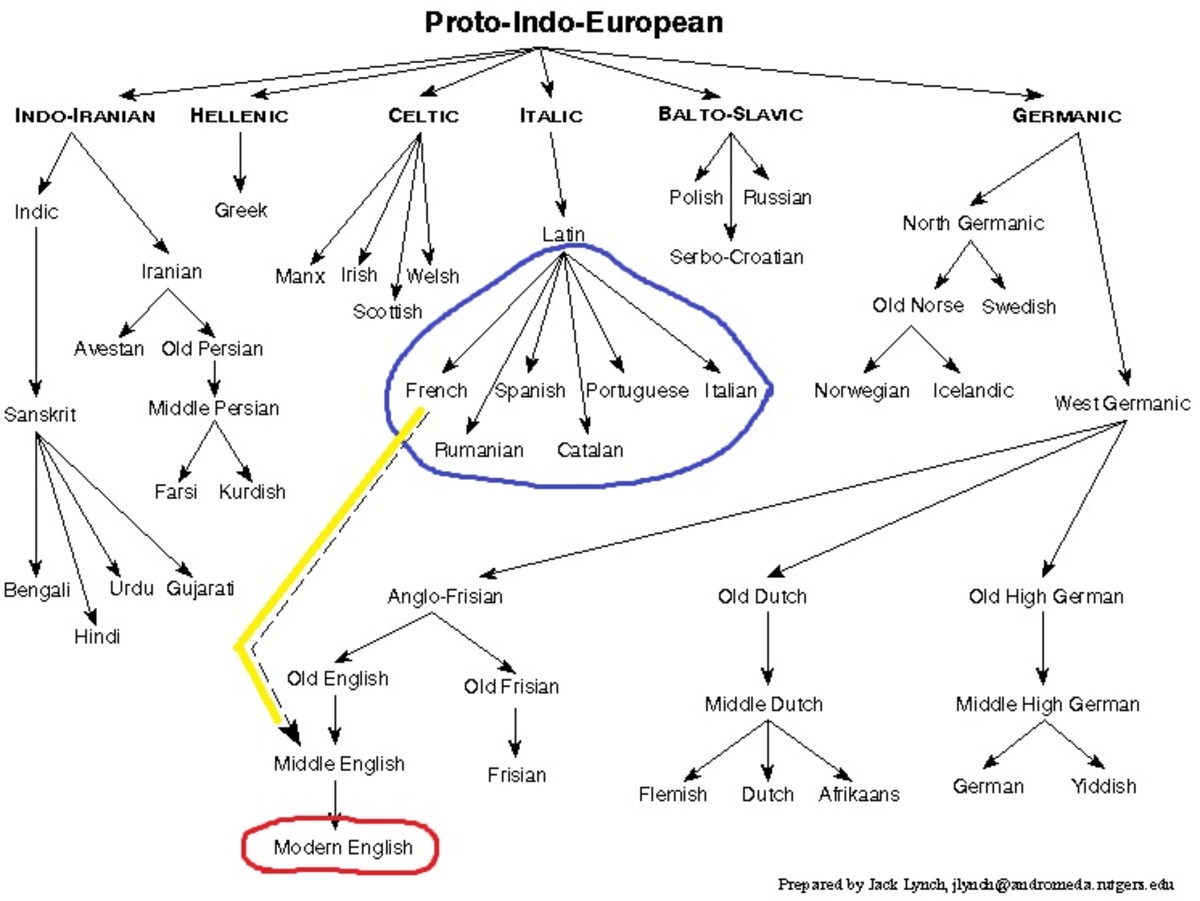
The Roman language, Latin, originated in the Italic peninsula during the 8th century BC. It was spoken by the Latins, a group of Indo-European peoples who inhabited the region around the Tiber River. Over time, Latin became the dominant language of the Roman Republic and later the Roman Empire, spreading throughout much of Europe, North Africa, and the Middle East.
Development of Latin
As the Roman Empire expanded, Latin came into contact with a variety of other languages, including Greek and Etruscan. Greek had a particularly strong influence on Latin, providing many loanwords and influencing its grammar and syntax. Etruscan, the language of a pre-Roman civilization in Italy, also contributed some words to Latin.
During the Middle Ages, Latin continued to be used as the language of scholarship, religion, and law throughout Europe. However, it gradually began to evolve into a number of different Romance languages, including Italian, Spanish, French, and Portuguese.
Linguistic Features
Roman, an extinct Italic language, exhibits a unique set of grammatical and syntactic characteristics that distinguish it from other Indo-European languages. Its grammar and syntax reflect the historical evolution of the language and provide insights into the development of Romance languages.
Roman grammar is characterized by a highly inflected nominal and verbal system, with a rich case system and a variety of verb tenses and moods. The nominal system includes three genders (masculine, feminine, and neuter) and two numbers (singular and plural).
Nouns and adjectives are declined according to their case and number, allowing for complex syntactic constructions.
Verbal System
The verbal system of Roman is equally complex, with a wide range of tenses, moods, and voices. The indicative mood is used to express factual statements, while the subjunctive mood is used to express hypothetical or uncertain situations. The passive voice is used to indicate that the subject of a sentence is the recipient of an action.
Syntax
Roman syntax is characterized by a relatively free word order, with the verb typically appearing at the end of a sentence. However, word order can be used to emphasize certain elements of a sentence or to create specific syntactic effects.
Unique Characteristics
- Synthetic Language:Roman is a synthetic language, meaning that words are often modified by adding suffixes or prefixes rather than using separate words. This allows for a great deal of flexibility in word formation.
- Rich Case System:Roman has a rich case system, with seven different cases used to indicate the grammatical function of nouns and adjectives.
- Supine Forms:Roman verbs have supine forms, which are non-finite verb forms used to express purpose or result.
- Free Word Order:Roman has a relatively free word order, with the verb typically appearing at the end of a sentence.
Literature and Poetry
Roman literature holds a prominent position in Western civilization, contributing significantly to its cultural and intellectual development. Roman authors produced a diverse range of literary genres, including epic poems, plays, and historical accounts, which showcased their linguistic prowess and profound insights into human nature and society.
Epic Poems
Epic poems played a pivotal role in Roman literature, narrating the legendary origins and history of the Roman people. Among the most renowned epic poems are:
- The Aeneidby Virgil, which recounts the journey of the Trojan hero Aeneas to Italy, where he founds the city of Rome.
- The Metamorphosesby Ovid, a collection of mythological tales that explores themes of transformation, love, and loss.
Plays
Roman playwrights adapted Greek dramatic forms, creating their own distinctive style of theatrical entertainment. Notable Roman playwrights include:
- Plautus, a master of comedy, known for his witty and farcical plays.
- Terence, another prominent comedic playwright, whose plays often explored social and moral themes.
- Seneca the Younger, a tragic playwright whose works explored philosophical and psychological themes.
Historical Accounts
Roman historians recorded the events and personalities of their time, providing valuable insights into the rise and fall of the Roman Empire. Some of the most famous Roman historians include:
- Livy, whose extensive history of Rome, known as “Ab Urbe Condita,” chronicled the city’s history from its legendary founding to the time of Augustus.
- Tacitus, a historian known for his analytical and often critical approach to Roman history.
- Suetonius, a biographer who wrote detailed accounts of the lives of the Roman emperors.
Impact of Roman Literature
Roman literature had a profound impact on Western civilization, shaping the development of European literature and thought. Its epic poems, plays, and historical accounts became models for later writers, influencing literary genres, themes, and styles. The works of Roman authors continue to be studied and appreciated for their literary merit, historical significance, and philosophical insights.
Dialects and Variants
The Roman Empire encompassed a vast geographical area, and as such, the Latin language spoken throughout the empire exhibited a degree of variation. These variations gave rise to different dialects of Roman, each with its own unique characteristics.
The most significant dialectal division was between the Western and Eastern Roman Empire. The Western dialects, spoken in the regions of Italy, Gaul, Spain, and North Africa, were collectively known as Vulgar Latin. Vulgar Latin formed the basis for the Romance languages that emerged in these regions after the fall of the Western Roman Empire, including Italian, French, Spanish, Portuguese, and Romanian.
The Eastern dialects, spoken in the regions of Greece, Asia Minor, and the Balkans, were collectively known as Eastern Roman or Byzantine Greek. Byzantine Greek continued to be used as the official language of the Eastern Roman Empire until its fall in 1453, and it remains the liturgical language of the Eastern Orthodox Church to this day.
Vulgar Latin
Vulgar Latin was the spoken language of the common people of the Western Roman Empire. It differed from Classical Latin, the literary and official language of the empire, in several respects. Vulgar Latin had a simpler grammar and pronunciation than Classical Latin, and it incorporated many loanwords from other languages, particularly Greek.
Eastern Roman or Byzantine Greek
Eastern Roman or Byzantine Greek was the spoken language of the Eastern Roman Empire. It was a continuation of Classical Greek, but it had undergone some changes in pronunciation and grammar. Byzantine Greek was also influenced by other languages, particularly Latin and Turkish.
The Roman language, also known as Latin, is an ancient Italic language that was spoken in the Roman Empire. It is the ancestor of the Romance languages, which include French, Spanish, Italian, and Portuguese. While Latin is no longer a spoken language, it is still used in the Catholic Church and in academic settings.
Many people consider Latin to be one of the hardest languages to learn, as it has a complex grammar and a large vocabulary. For those who are interested in learning more about the hardest languages to learn, there are many resources available online, including this article.
Other Dialects
In addition to the Western and Eastern dialects, there were also a number of other dialects of Roman spoken throughout the empire. These dialects included:
- African Romance: Spoken in North Africa, African Romance was heavily influenced by the Berber languages of the region.
- Dalmatian: Spoken in the region of Dalmatia (modern-day Croatia), Dalmatian was a Romance language that was influenced by Slavic languages.
- Mozarabic: Spoken in the Iberian Peninsula, Mozarabic was a Romance language that was influenced by Arabic.
Influence on Romance Languages
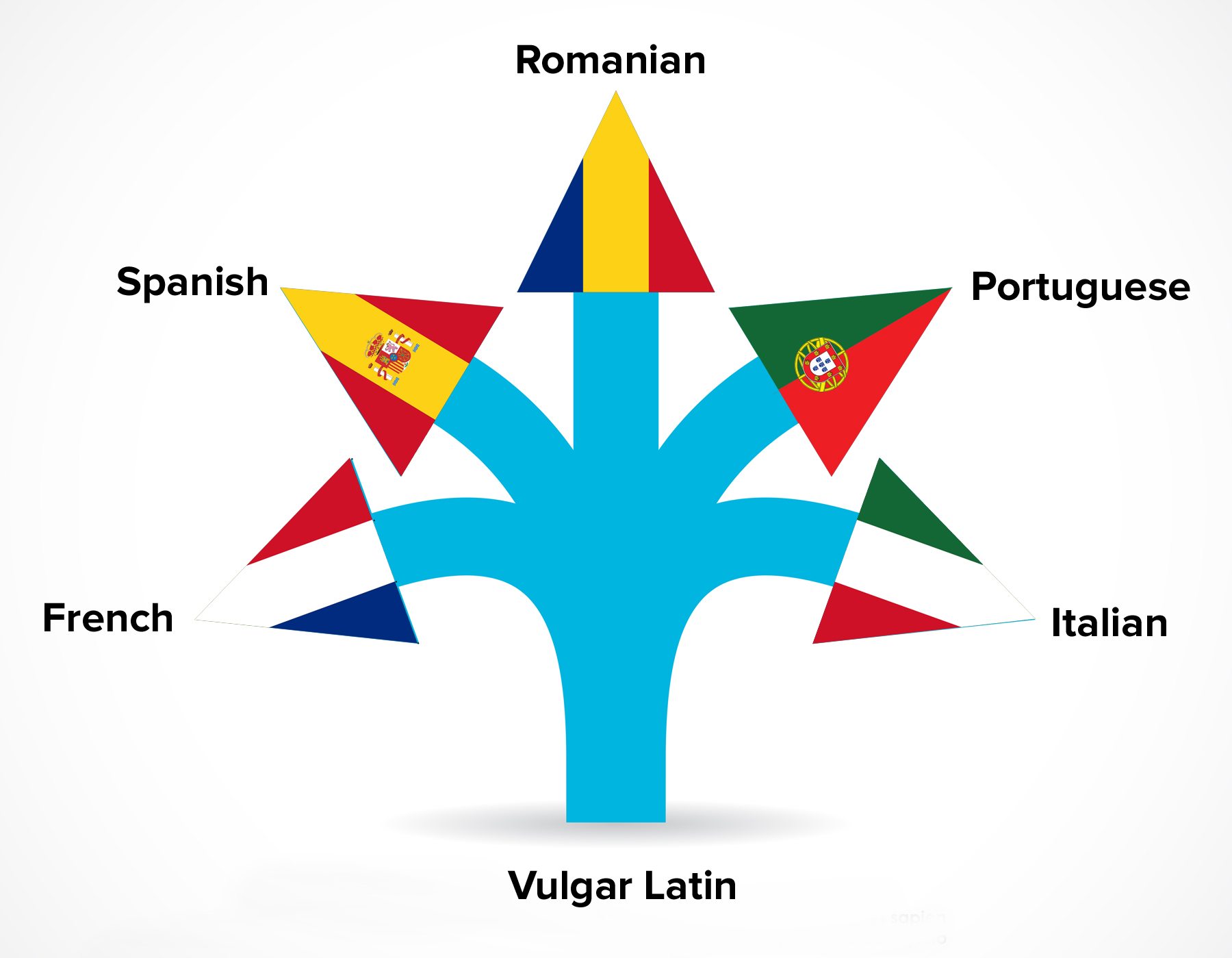
The Roman language, also known as Latin, has profoundly influenced the development of Romance languages. As the official language of the Roman Empire, Latin spread throughout Europe, and its influence is still evident in the vocabulary, grammar, and syntax of modern Romance languages such as Spanish, French, and Italian.
Vocabulary
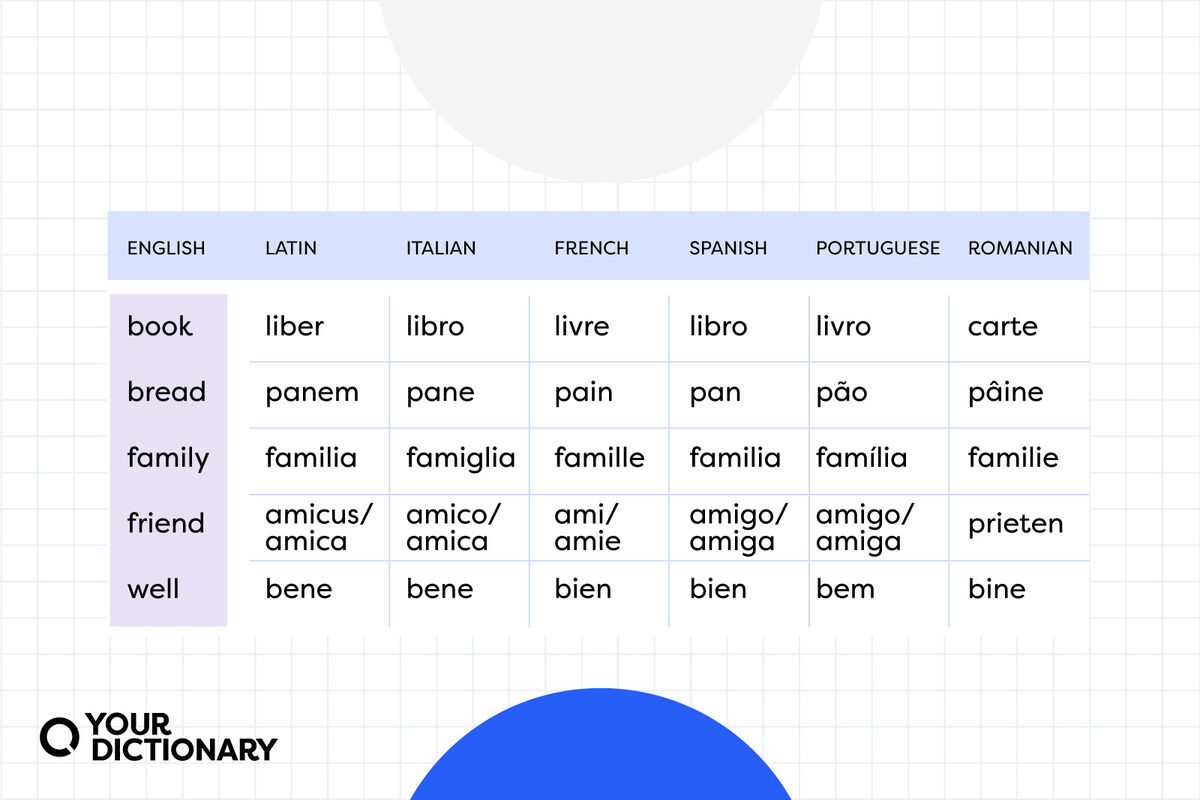
Latin has contributed a vast number of words to Romance languages. Many basic vocabulary words, such as “casa” (house), “panis” (bread), and “aqua” (water), are derived from Latin. In addition, Latin has also provided Romance languages with a rich vocabulary of technical, scientific, and legal terms.
Grammar
The grammar of Romance languages is also heavily influenced by Latin. For example, the use of noun declensions, verb conjugations, and the subjunctive mood can be traced back to Latin. However, Romance languages have also simplified some aspects of Latin grammar, such as the loss of the neuter gender and the reduction of verb tenses.
Syntax
The syntax of Romance languages also shows the influence of Latin. For example, the use of prepositions to indicate the relationship between words and the use of the infinitive as a noun are both features that can be traced back to Latin.
Similarities and Differences between Latin and Modern Romance Languages
While Romance languages share many similarities with Latin, there are also some important differences. For example, Romance languages have lost the case system that was present in Latin, and they have developed a more complex system of articles. In addition, Romance languages have undergone a number of sound changes that have led to the development of distinct pronunciations.
Latin Loanwords in English and Other Non-Romance Languages
The influence of Latin is not limited to Romance languages. Many English words are derived from Latin, such as “computer,” “education,” and “hospital.” Latin loanwords are also found in other non-Romance languages, such as German, Russian, and Japanese.
Use in Government and Law
Roman was the official language of the Roman Empire, used in administration, law, and governance.The Roman government employed Roman for all official documents, including laws, decrees, and treaties. Legal proceedings were conducted in Roman, with lawyers and judges using the language to present cases and render verdicts.
Official records, such as censuses, tax assessments, and military records, were also written in Roman.
Administration
Roman was the language of imperial administration, used by officials to communicate with each other and with provincial authorities. Governors and magistrates issued edicts and proclamations in Roman, which were then distributed throughout the empire.
Legal System
Roman law was highly developed and influential, and it was written in Roman. The Twelve Tables, one of the earliest and most important legal codes in Western history, were written in Roman. Legal scholars and jurists used Roman to interpret and apply the law, and it remained the language of the Roman legal system for centuries.
Cultural Significance
The Roman language played a pivotal role in Roman society, serving as a vital tool for communication, expression, and the transmission of cultural values. It reflected the beliefs, traditions, and aspirations of the Roman people, shaping their worldview and identity.
Language and Roman Values
- Patriotism and Civic Pride:The Roman language instilled a sense of patriotism and civic pride among its speakers. Terms such as “res publica” (public affairs) and “virtus” (virtue) conveyed the importance of duty, honor, and service to the state.
- Military Prowess:The Roman military’s success was reflected in its language. Words like “legio” (legion) and “gladius” (sword) symbolized the strength and discipline of the Roman army.
- Religious Beliefs:The Roman language played a crucial role in religious practices. Prayers, rituals, and sacred texts were written in Latin, connecting the Romans to their gods and shaping their spiritual beliefs.
Education and Literacy

Education in Roman society was highly valued and widely accessible. Roman education system was divided into three stages: elementary, secondary, and higher education. Elementary education, which typically began at age 7, focused on reading, writing, and arithmetic. Secondary education, which began at age 12, provided a more advanced curriculum that included grammar, rhetoric, and philosophy.
Higher education, which was typically reserved for the elite, focused on specialized fields such as law, medicine, and engineering.Roman education was primarily conducted in Latin, which was the official language of the Roman Empire. Latin was not only the language of instruction but also the language of government, law, and literature.
As a result, fluency in Latin was essential for social and economic advancement in Roman society. Roman educators placed a strong emphasis on rhetoric and public speaking, which were considered essential skills for success in politics and law.
Role of Roman in Teaching and Learning
Roman played a central role in teaching and learning in Roman society. It was the language of instruction in all levels of education, from elementary to higher education. Latin textbooks and grammars were widely used to teach students the language and its grammar.
Roman educators also used Latin to teach other subjects such as history, geography, and philosophy. The study of Latin literature was considered an essential part of a Roman education. Students read and analyzed works by authors such as Virgil, Cicero, and Horace to develop their literary skills and learn about Roman culture and history.
– Discuss the use of Roman in religious texts and rituals, including its significance and evolution over time.

Roman, the language of ancient Rome, played a central role in the religious life of the Romans. It was used in religious texts, rituals, and ceremonies, and its use evolved over time to reflect the changing religious beliefs and practices of the Roman people.
In the early days of Roman religion, Latin was used for religious purposes. Latin was the language of the priests and augurs, and it was used in prayers, hymns, and other religious texts. As the Roman Empire expanded, Latin came into contact with other languages and cultures, and it began to absorb new words and phrases.
This process of linguistic change was reflected in the use of Latin in religious texts, which began to incorporate elements from other languages and cultures.
Roman Mythology, What is the roman language
Roman mythology was closely intertwined with Roman religion. The Roman gods and goddesses were often depicted in human form, and they were believed to have a direct impact on the lives of the Romans. Roman mythology was used to explain the origins of the world, the nature of the gods, and the relationship between humans and the divine.
The Roman gods and goddesses were often invoked in religious rituals and ceremonies. The Romans believed that the gods could be appeased through prayers, sacrifices, and other forms of worship. Roman mythology also provided a framework for understanding the Roman world.
The Romans believed that the gods had a plan for the world, and that human beings were meant to play a role in that plan.
Art and Architecture
Roman inscriptions were a prominent feature of Roman art and architecture, serving as a means of communication, decoration, and commemoration. They were found on a wide range of structures, from monumental buildings to humble dwellings, and played a significant role in shaping the public perception of Roman history and culture.
One of the most common uses of Roman inscriptions was to convey messages and decorate public spaces. Inscriptions were often used to announce important events, such as victories in battle or the construction of new buildings. They were also used to commemorate individuals, such as emperors, generals, and other notable figures.
These inscriptions often included detailed accounts of the person’s life and achievements, providing valuable insights into Roman society and history.
Stylistic and Linguistic Features
Roman inscriptions were characterized by a number of distinctive stylistic and linguistic features. One of the most notable features was the use of abbreviations, which were used to save space and create a more concise and impactful message. For example, the abbreviation “SPQR” (Senatus Populusque Romanus) was commonly used to refer to the Roman Senate and people.
Another characteristic of Roman inscriptions was the use of symbols and motifs. These symbols often had a specific meaning or significance, and were used to convey a message without the need for words. For example, the fasces, a bundle of rods bound together with an axe, was a symbol of authority and power, and was often used in inscriptions to represent the Roman government.
Historical and Cultural Significance
Roman inscriptions have played a significant role in shaping our understanding of ancient Rome. They provide a wealth of information about Roman history, culture, and society, and have been used to inform our understanding of everything from the political structure of the Roman Empire to the daily lives of ordinary Romans.
In addition to their historical value, Roman inscriptions are also important cultural artifacts. They are a testament to the skill and artistry of Roman craftsmen, and provide a glimpse into the values and beliefs of Roman society. Roman inscriptions continue to be studied and admired today, and are a valuable resource for anyone interested in learning more about the Roman world.
Comparisons to Other Languages

Roman shares similarities with other ancient languages, particularly Greek and Sanskrit, due to their shared Indo-European origins. However, it also possesses unique characteristics that distinguish it from these languages.
In terms of grammar, Roman exhibits a relatively complex system of declensions and conjugations, similar to Greek and Sanskrit. Nouns and adjectives are declined in several cases, including nominative, accusative, genitive, and dative, while verbs are conjugated according to tense, mood, and person.
Vocabulary
Roman vocabulary shares numerous cognates with Greek and Sanskrit, reflecting their common Indo-European heritage. However, Roman also borrowed extensively from other languages, including Etruscan, Celtic, and Semitic languages. This resulted in a diverse and rich vocabulary that encompasses a wide range of concepts and ideas.
Usage
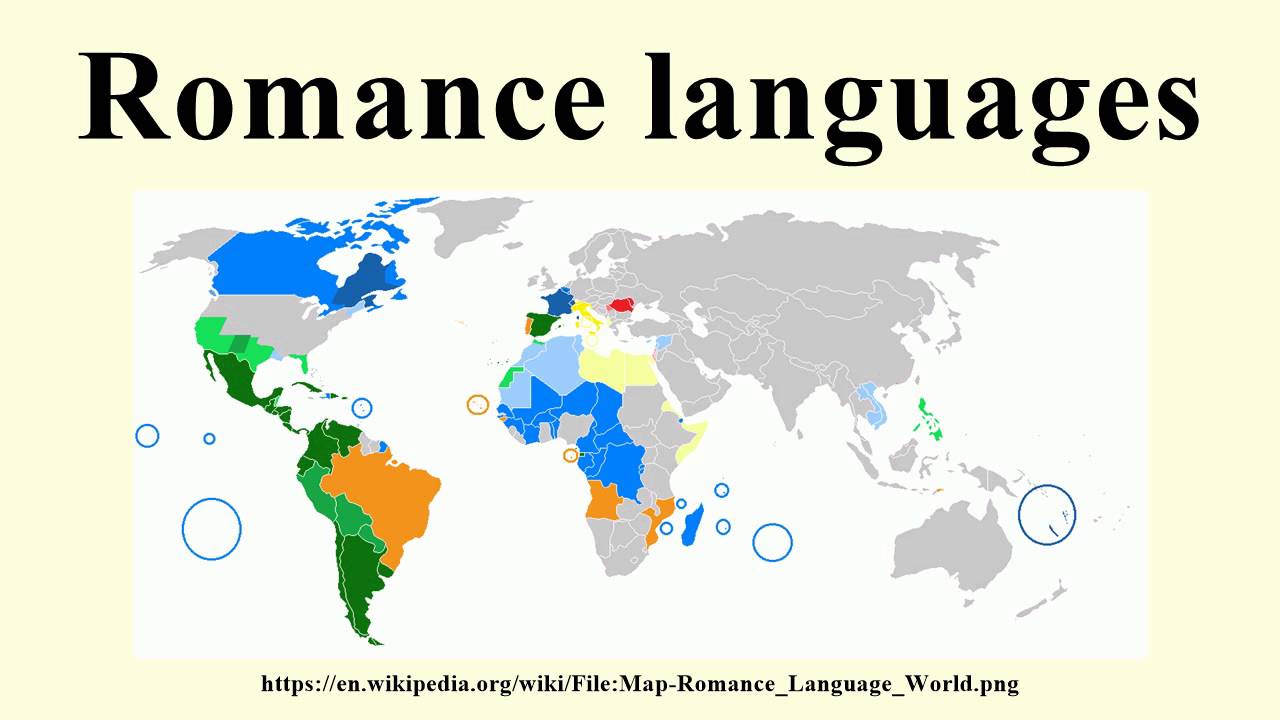
In terms of usage, Roman served as the official language of the Roman Empire and was used in a variety of contexts, including government, law, literature, and religious rituals. It was also widely spoken throughout the empire and influenced the development of many modern European languages, including French, Spanish, Italian, and Romanian.
Decline and Fall
The decline of Roman can be attributed to a combination of internal and external factors. Internally, the empire faced political instability, economic decline, and social unrest. Externally, it was threatened by barbarian invasions and the rise of Christianity.
Political Instability
The Roman Empire was plagued by a series of weak and incompetent emperors. This led to a breakdown of law and order and a decline in the military’s effectiveness. The empire was also divided into two halves, the Western Roman Empire and the Eastern Roman Empire, which further weakened its political stability.
Economic Decline
The Roman Empire’s economy was heavily dependent on slave labor. However, as the empire expanded, it became increasingly difficult to acquire new slaves. This led to a decline in agricultural production and a rise in inflation. The empire also faced competition from other trading powers, such as the Persians and the Chinese.
Social Unrest
The Roman Empire was also plagued by social unrest. The gap between the rich and the poor grew wider, and the middle class declined. This led to a rise in crime and violence. The empire also faced religious persecution, as Christians were often targeted by the government.
Transition from Roman to the Romance Languages
As the Roman Empire declined, the Latin language began to evolve into the Romance languages. This was due to a number of factors, including the influence of barbarian languages, the spread of Christianity, and the rise of new political and cultural centers.
The Romance languages are a group of languages that are spoken in Europe and the Americas. They include French, Spanish, Portuguese, Italian, and Romanian. The Romance languages share a common ancestor, Latin, and they have many similarities in their grammar and vocabulary.
Legacy and Impact
Roman culture has had a profound and lasting impact on Western civilization. Its influence can be seen in many aspects of our lives, from our laws and government to our art and architecture.
The Roman language, Latin, continues to be used in education, law, and literature today. It is the official language of the Vatican City and is used in many religious ceremonies. Latin is also the basis for many modern Romance languages, such as Spanish, French, Italian, and Portuguese.
Key Contributions of Roman Culture to Western Civilization
| Area | Contributions |
|---|---|
| Law | The Roman legal system is the foundation of many modern legal systems. Roman law introduced the concepts of due process, equal protection under the law, and the presumption of innocence. |
| Government | The Roman Republic developed a system of government that included a senate, a popular assembly, and a system of checks and balances. This system served as a model for many modern governments. |
| Art and Architecture | Roman art and architecture are some of the most famous and influential in the world. The Romans developed new techniques in architecture, such as the use of concrete and the arch. They also created some of the most famous works of art in history, such as the Colosseum and the Pantheon. |
| Literature | Roman literature is some of the most important and influential in the Western world. Roman authors such as Virgil, Ovid, and Cicero wrote works that have been studied and admired for centuries. |
The Enduring Influence of Roman Law on Modern Legal Systems
Roman law has had a profound influence on the development of modern legal systems. The Roman legal system was based on the idea of natural law, which is the idea that there are certain universal principles of justice that apply to all people.
These principles were incorporated into Roman law and have since been adopted by many other legal systems.
One of the most important contributions of Roman law to modern legal systems is the concept of due process. Due process requires that the government follow certain procedures when it takes action against an individual. These procedures are designed to protect the individual’s rights and ensure that they are treated fairly.
Another important contribution of Roman law is the concept of equal protection under the law. Equal protection requires that the government treat all people equally, regardless of their race, religion, or other characteristics. This principle is enshrined in the constitutions of many countries and is considered to be a fundamental right.
A Poem Reflecting the Legacy of Roman Culture in the Present Day
In marble halls and ancient stones,
The legacy of Rome still lives on.
In laws and languages, it’s known,
A testament to a culture long gone.
The Colosseum, a mighty sight,
Where gladiators fought with all their might.
The Pantheon, a dome so grand,
A marvel of engineering, still planned.
In art and literature, Rome’s influence is clear,
From Michelangelo’s David to Shakespeare’s Lear.
The legacy of Rome, a timeless thread,
Woven into the fabric of our world, it’s spread.
So let us remember Rome’s great name,
The Roman language, also known as Latin, is an ancient language that originated in the Italian peninsula. It was the official language of the Roman Empire and is the ancestor of many modern Romance languages. If you’re interested in learning how to change the language on your iPhone, you can find instructions here.
The Roman language has a rich history and has had a profound influence on Western culture. It is still studied today by scholars and linguists.
And honor the culture that’s still the same.
Modern Scholarship: What Is The Roman Language
Roman scholarship is a thriving field, with a wide range of scholars working on a variety of topics. The methods and techniques used to study the language include traditional philological analysis, as well as newer approaches such as corpus linguistics and computational philology.
There are a number of major scholarly journals and conferences dedicated to Roman studies, including the Classical Journal, the American Journal of Philology, and the International Conference on Latin Linguistics.
In recent years, there have been a number of significant advancements in digital tools and resources for Roman scholarship. These include the Thesaurus Linguae Latinae, a massive online database of Latin texts, and the Pelagios Project, which provides a platform for sharing and collaborating on research data related to the ancient world.
Major Scholarly Societies and Organizations
- American Philological Association
- Classical Association of the Middle West and South
- Classical Association of the Pacific Northwest
- International Federation of the Societies of Classical Studies
- Society for Classical Studies
Recommended Resources for Further Reading
- Adams, J. N. (2013). The Latin language: A historical and comparative survey. Cambridge University Press.
- Baldi, P. (2002). The foundations of Latin. Mouton de Gruyter.
- Coleman, R. G. (2007). The Oxford handbook of Latin linguistics. Oxford University Press.
- Gignac, F. T. (2011). A history of the Latin language: From its origins to its modern forms. John Benjamins Publishing Company.
- Harris, W. V. (2008). The phonology of Latin. Oxford University Press.
– Discuss the potential future of Roman as a subject of study and research.
Roman, as a classical language with a rich history and extensive literature, holds immense potential for future study and research. Its significance extends beyond the realm of philology and into interdisciplinary domains, offering valuable insights into the ancient world and contemporary issues.
One promising avenue for Roman research lies in the application of digital humanities and computational linguistics. By leveraging advanced computational techniques, scholars can analyze vast corpora of Roman texts, uncover patterns, and gain deeper insights into the language’s structure, evolution, and usage.
This approach can shed light on the development of Roman literature, the transmission of knowledge, and the social and cultural contexts in which the language was employed.
Cognitive Linguistics and Psycholinguistics
Roman can also contribute to our understanding of cognitive processes and language acquisition. By studying how Roman speakers processed and produced language, researchers can gain insights into the cognitive mechanisms underlying language comprehension, production, and memory. This line of inquiry can inform our understanding of human cognition and the neural basis of language.
Sociolinguistics and Language Variation
Roman provides a rich source of data for sociolinguistic research. By examining the variation in Roman usage across different social groups, regions, and time periods, scholars can gain insights into the social and cultural factors that shape language use. This research can shed light on issues such as language contact, language change, and the relationship between language and identity.
General Inquiries
What is the origin of the Roman language?
Roman evolved from Latin, the language spoken in ancient Rome. Latin, in turn, originated from Proto-Italic, a branch of the Indo-European language family.
How did Roman spread throughout the Roman Empire?
As the Roman Empire expanded, Latin was imposed on conquered territories, becoming the official language of administration, law, and education. This led to the gradual adoption of Latin by the local populations.
What are the key characteristics of Roman?
Roman is characterized by its complex grammar, including a system of cases, declensions, and conjugations. It also has a rich vocabulary, influenced by Greek and Etruscan.
How did Roman influence the development of Romance languages?
Roman served as the foundation for the Romance languages, which evolved from its spoken dialects. These languages share many similarities in grammar, vocabulary, and pronunciation.
