How to change a keyboard language – In the digital age, the ability to seamlessly switch between keyboard languages is essential for effective communication and productivity. This guide delves into the intricacies of changing keyboard language, empowering users to navigate the diverse linguistic landscapes of the digital world with ease.
Mastering the art of keyboard language switching opens up a world of possibilities, enabling users to communicate in multiple languages, access global content, and enhance their overall typing experience. This comprehensive guide will provide step-by-step instructions, troubleshooting tips, and best practices for changing keyboard language across various operating systems and platforms.
Introduction
Changing keyboard language settings is crucial for seamless communication and efficient work in a globalized world. It allows users to type in their native language, access multilingual content, and collaborate effectively with individuals from diverse linguistic backgrounds.Different reasons necessitate changing keyboard language settings.
For instance, international travelers may need to type in local languages to navigate transportation systems, communicate with locals, or access local information. Professionals working with clients or colleagues from other countries may need to switch languages for seamless communication and collaboration.
To change a keyboard language, navigate to the language settings on your device or computer. Select the desired language from the available options. If you encounter a language not recognized by your keyboard, consider using an online translator or researching the language’s script.
For instance, the phrase “Namaste” is commonly used in India and is derived from Sanskrit. What language is namaste and how to type it on a keyboard are questions that may arise when encountering this term. By understanding the language’s origin and script, you can adjust your keyboard settings accordingly.
Additionally, multilingual individuals may prefer to type in their native language for personal communication or cultural expression.
Methods for Changing Keyboard Language
Changing the keyboard language allows users to type in different languages without having to switch physical keyboards. Here are the step-by-step instructions for changing the keyboard language in various operating systems:
Windows
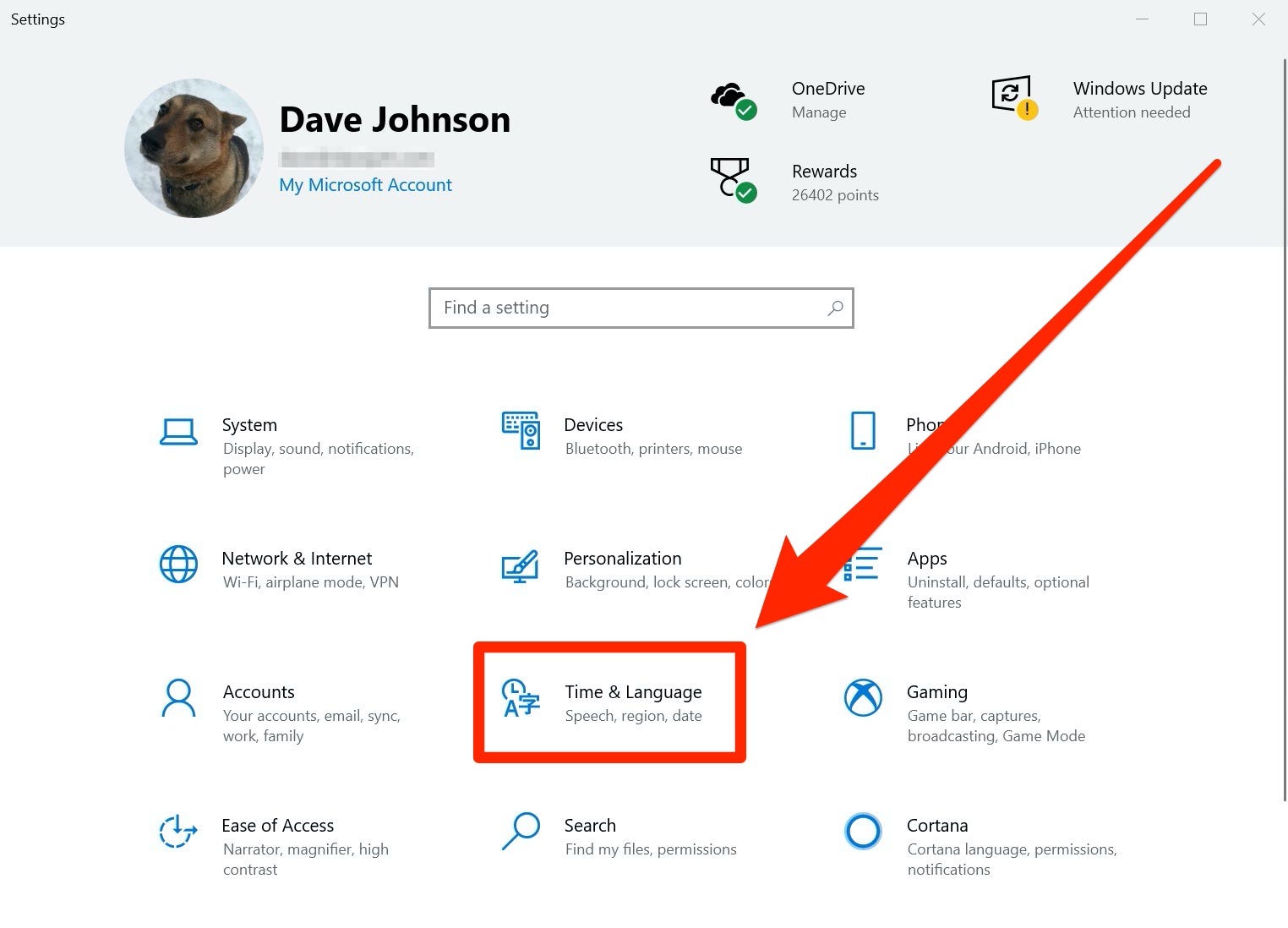
- Click on the “Start” button and select “Settings.”
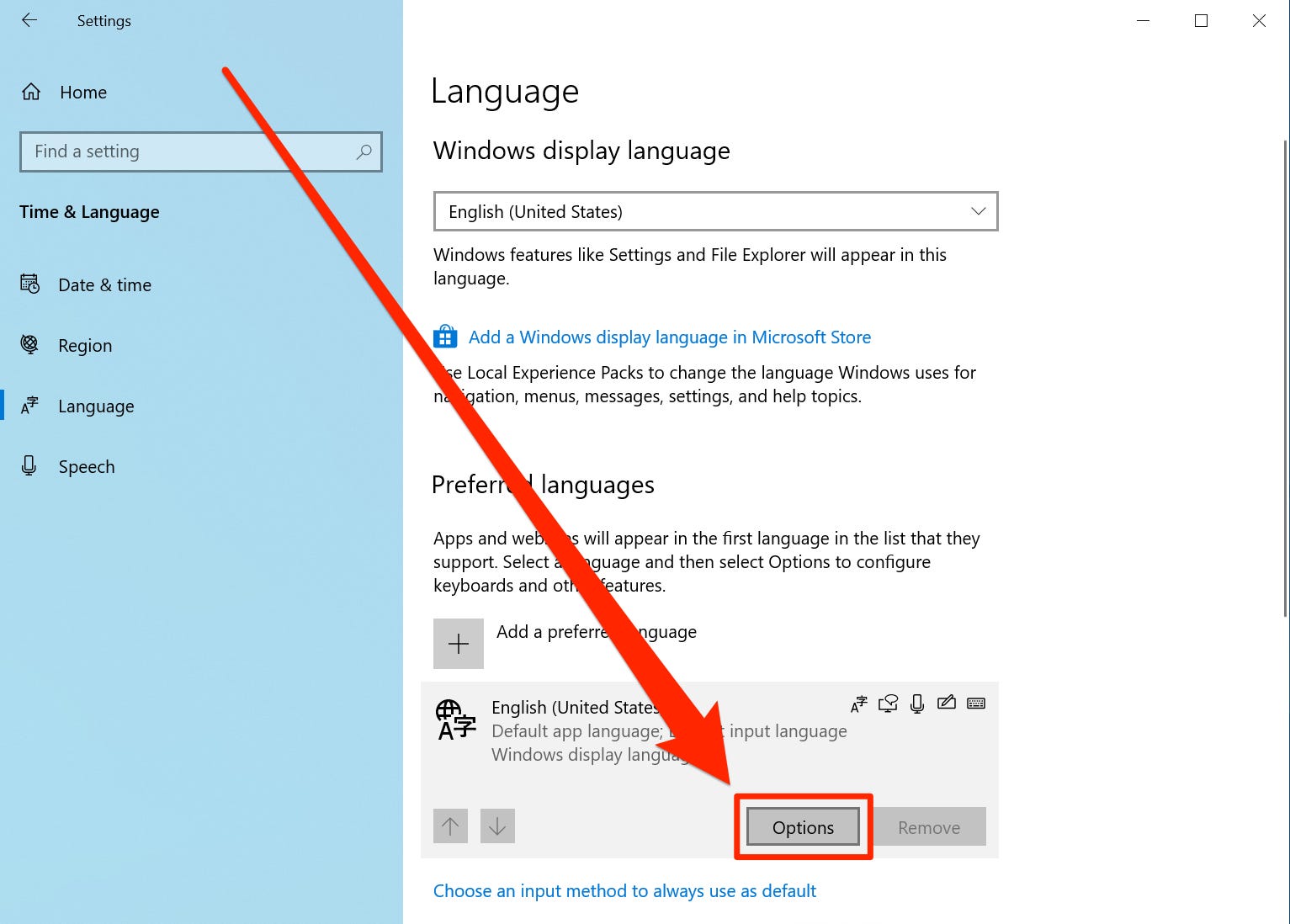
- Go to “Time & Language” and then “Language.”
- Under “Preferred languages,” click on “Add a language.”
- Select the language you want to add and click on “Add.”
- To change the keyboard language, click on the “Language bar” icon in the taskbar and select the desired language.
macOS
- Click on the “Apple” menu and select “System Preferences.”
- Go to “Keyboard” and then “Input Sources.”
- Click on the “+” button to add a new language.
- Select the language you want to add and click on “Add.”
- To change the keyboard language, click on the “Input menu” icon in the menu bar and select the desired language.
iOS
- Go to “Settings” and then “General.”
- Tap on “Keyboard” and then “Keyboards.”
- Tap on “Add New Keyboard” and select the language you want to add.
- To change the keyboard language, tap on the “Globe” icon on the keyboard and select the desired language.
Android
- Go to “Settings” and then “Language & Input.”
- Tap on “Virtual keyboard” and then “Manage keyboards.”
- Tap on the “+” button to add a new language.
- Select the language you want to add and tap on “Add.”
- To change the keyboard language, tap on the “Language” icon on the keyboard and select the desired language.
| Operating System | Key Combinations | Settings |
|---|---|---|
| Windows | Alt + Shift | Language bar icon in the taskbar |
| macOS | Command + Space | Input menu icon in the menu bar |
| iOS | Globe icon on the keyboard | Settings > General > Keyboard > Keyboards |
| Android | Language icon on the keyboard | Settings > Language & Input > Virtual keyboard > Manage keyboards |
Adding Multiple Keyboard Languages

Expanding the range of keyboard languages on a device offers enhanced versatility and convenience, enabling seamless communication and content creation across multiple languages.
Benefits of Multiple Keyboard Languages
- Global Communication:Effortlessly engage with individuals from diverse linguistic backgrounds, fostering effective and inclusive communication.
- Content Creation:Create multilingual documents, presentations, and social media posts, reaching a broader audience and enhancing the accessibility of information.
- Educational Value:Supports language learning by providing immediate access to different alphabets and character sets, facilitating immersion and practice.
Switching Between Keyboard Languages

Switching between keyboard languages can be done through various methods, enabling users to type in different languages quickly and efficiently. These methods include using keyboard shortcuts or utilizing the language bar.
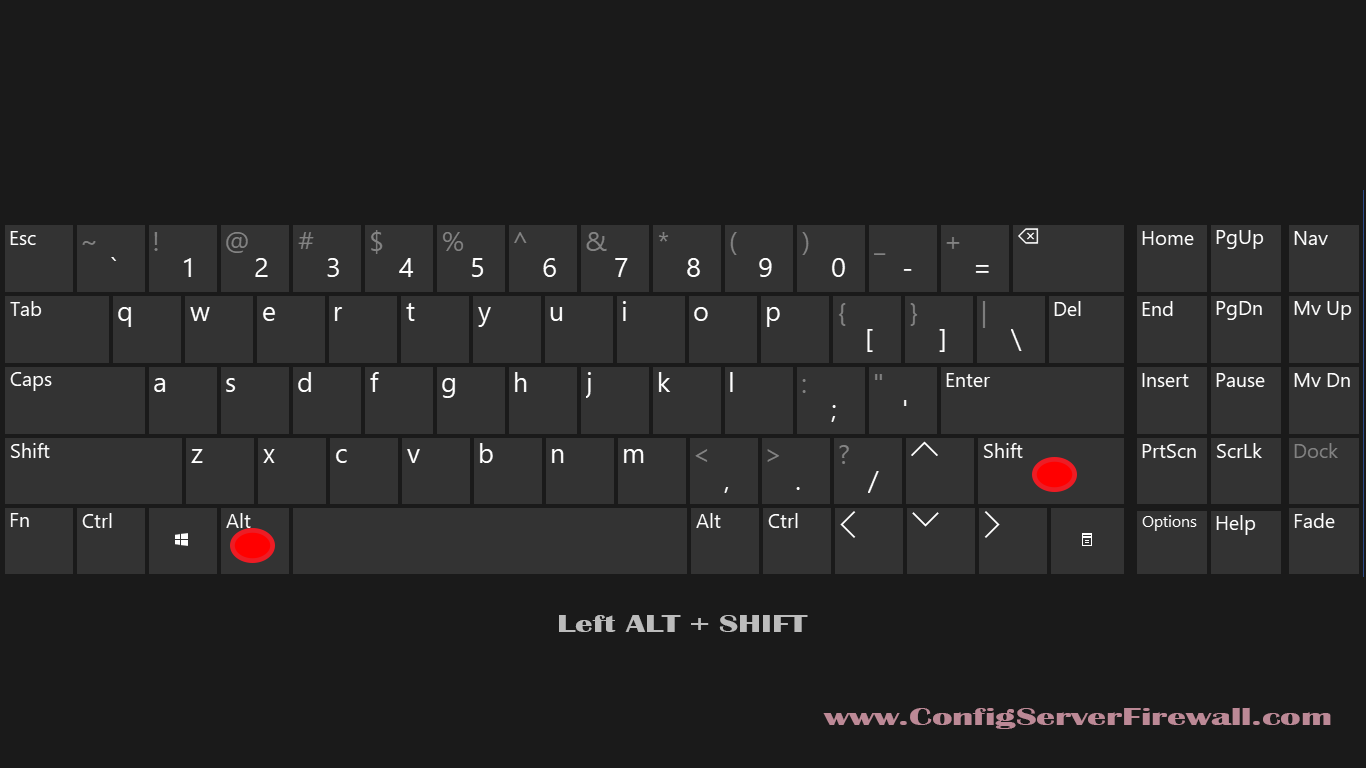
Keyboard shortcuts provide a convenient way to switch between languages. In Windows, pressing the “Alt” + “Shift” keys simultaneously is a common shortcut for changing the keyboard language. Alternatively, the “Windows” + “Space” shortcut can also be used to cycle through the available languages.
The language bar, if enabled, offers a graphical interface for switching languages. It is typically located in the taskbar and displays a drop-down menu with a list of available languages. Users can select the desired language from the menu to change the keyboard layout.
Tips for Quickly and Easily Changing Keyboard Language
- Memorize the keyboard shortcuts for switching languages. This enables quick and seamless language changes without having to navigate through menus.
- Enable the language bar for easy access to the language menu. This provides a visual representation of the available languages and allows for quick selection.
- Consider using a third-party language switcher software. These programs often offer additional features and customization options for managing keyboard languages.
Keyboard Language Settings

Keyboard language settings are an important part of customizing your computer experience. They allow you to choose the language that you want to use for typing, and to customize the way that your keyboard works. Different operating systems offer different keyboard language settings, and it is important to know how to change these settings to suit your needs.
Customizing Keyboard Language Settings
Most operating systems allow you to customize your keyboard language settings. This includes choosing the input method, which is the way that you enter text into your computer. You can also customize the autocorrect settings, which can help to correct your spelling and grammar as you type.
To customize your keyboard language settings, open the Control Panel or System Preferences on your computer, and then navigate to the Language and Region or Keyboard settings.
Changing Keyboard Language Settings on Windows
- Open the Control Panel.
- Click on the “Clock, Language, and Region” icon.
- Click on the “Change keyboards or other input methods” link.
- In the “Text Services and Input Languages” dialog box, click on the “Add” button.
- Select the language that you want to add from the list of available languages.
- Click on the “OK” button.
- The new language will now be added to the list of available keyboard languages.
- To switch between keyboard languages, press the “Alt” + “Shift” keys.
Keyboard Language Settings in Different Operating Systems
| Operating System | Keyboard Language Settings |
|---|---|
| Windows | Input method, autocorrect, keyboard layout |
| macOS | Input source, keyboard layout, character viewer |
| Linux | Input method, keyboard layout, compose key |
Tips for Choosing the Right Keyboard Language Settings
- Consider the language that you use most often.
- Choose an input method that is easy for you to use.
- Customize the autocorrect settings to suit your needs.
- Experiment with different keyboard layouts to find one that is comfortable for you.
Troubleshooting Keyboard Language Issues

Identifying and resolving keyboard language issues is crucial for ensuring efficient and accurate text input. Common problems include missing languages, incorrect input, and language switching difficulties.
If you’re traveling to Prague and want to type in Czech, you’ll need to know how to change your keyboard language. First, open the Settings app on your device. Then, tap on “General” and then “Keyboard.” Under “Keyboards,” tap on “Add New Keyboard.” Scroll down and select “Czech.” Once you’ve added the Czech keyboard, you can switch between languages by tapping on the globe icon in the bottom-left corner of the keyboard.
For more information on the language spoken in Prague , visit our blog post.
To address these issues, follow these steps:
Identifying Missing Languages
- Check if the desired language is installed in your operating system’s language settings.
- If not, download and install the language pack from the official website or software repository.
Resolving Incorrect Input
- Ensure that the correct keyboard layout is selected for the desired language.
- Check if any keyboard shortcuts or macros are interfering with input.
- If necessary, reset the keyboard settings to default.
Addressing Language Switching Difficulties
- Verify that the keyboard shortcut for language switching is correctly configured.
- If multiple languages are installed, check if the desired language is enabled in the language bar.
- Consider using a third-party keyboard manager for more advanced language switching options.
Keyboard Language for Specific Applications
Different applications may require different keyboard languages for optimal functionality. Changing the keyboard language for specific applications allows users to seamlessly switch between languages based on the task at hand.
Benefits of Using Different Keyboard Languages for Different Applications
- Enhanced Productivity:Using the appropriate keyboard language for each application streamlines workflows, reducing the time spent switching between languages.
- Improved Accuracy:Utilizing the correct keyboard layout minimizes typing errors and ensures accurate input in languages with unique characters or keyboard shortcuts.
- Cultural Sensitivity:When communicating in different languages, using the corresponding keyboard language demonstrates cultural awareness and respect.
Custom Keyboard Layouts
Custom keyboard layouts allow users to personalize their typing experience by creating customized key mappings. This can enhance productivity, improve ergonomics, and accommodate specific language or symbol requirements.
Creating a custom keyboard layout involves using specialized software or online tools. These tools typically provide a visual representation of the keyboard, allowing users to drag and drop keys to their desired locations. Additionally, users can create macros or shortcuts to automate repetitive tasks.
Benefits of Custom Keyboard Layouts
- Increased Productivity:Custom layouts can optimize key placement for frequently used characters, reducing hand movement and increasing typing speed.
- Improved Ergonomics:By customizing the layout, users can minimize strain and discomfort by positioning keys in a more natural and comfortable manner.
- Language and Symbol Support:Custom layouts can accommodate specific language characters or symbols that may not be available on standard keyboards.
Step-by-Step Guide to Creating a Custom Keyboard Layout
- Choose a Layout Creation Tool:Select a software or online tool that allows for custom keyboard layout creation.
- Import a Base Layout:Start with an existing keyboard layout as a base and modify it as needed.
- Customize Key Mappings:Drag and drop keys to their desired locations, or use the tool’s interface to remap keys.
- Create Macros or Shortcuts:Define macros or shortcuts to automate repetitive tasks or insert frequently used text.
- Export and Install the Layout:Once the layout is complete, export it to a file and install it on the target system.
Examples of Custom Keyboard Layouts
- Dvorak Layout:An alternative layout designed to improve typing efficiency and reduce fatigue.
- Colemak Layout:Similar to Dvorak, Colemak is another alternative layout that aims to optimize key placement.
- Programmer’s Layout:A layout specifically designed for programmers, with keys for symbols and commands commonly used in coding.
Limitations and Challenges of Custom Keyboard Layouts, How to change a keyboard language
- Learning Curve:Adapting to a custom layout can require a period of adjustment and practice.
- Compatibility Issues:Custom layouts may not be compatible with all operating systems or applications.
- Limited Availability:Custom layouts may not be available for all devices or platforms.
Resources for Further Learning
Explain how to use these tools to improve keyboard language functionality
Third-party keyboard language tools offer a range of features and benefits that can significantly enhance the user experience. These tools can be used to improve typing speed and accuracy, access multiple languages, and customize the keyboard layout to suit individual preferences.For instance, SwiftKey’s predictive text and autocorrect features can help users type faster and with fewer errors.
Gboard’s gesture typing and voice input capabilities provide convenient and intuitive input methods, especially for mobile devices. Fleksy’s customizable keyboard layout allows users to create a personalized typing experience that is tailored to their specific needs.
Tips for Effective Keyboard Language Management: How To Change A Keyboard Language
Effectively managing multiple keyboard languages enhances productivity and communication. Here are some tips to optimize language management:
Establish clear naming conventions for each language, enabling quick identification and selection. Utilize keyboard shortcuts for swift language switching, saving time and effort.
Customizing Keyboard Settings
Tailor keyboard settings to suit specific preferences. Adjust the input method for each language, ensuring optimal typing experience. Configure autocorrect and predictive text features to minimize errors and enhance efficiency.
Troubleshooting Language Management Issues
Common language management issues can be easily resolved. Verify that the desired language is enabled in the system settings. Ensure that the correct keyboard layout is selected for each language, avoiding unexpected character inputs.
Accessibility Considerations

Keyboard language settings play a crucial role in ensuring accessibility for users with disabilities, such as those with visual impairments, dyslexia, or cognitive difficulties.
Accessibility features like screen readers and text-to-speech software rely on accurate keyboard language settings to provide users with the correct pronunciation and formatting of text. For example, if a user with dyslexia has their keyboard language set to English but is reading a document in Spanish, the screen reader may not be able to pronounce the Spanish words correctly, making it difficult for the user to understand the content.
Features for Accessibility
- On-screen keyboard:Provides a visual representation of the keyboard on the screen, making it easier for users with mobility impairments to type.
- Sticky keys:Allows users to press and hold modifier keys (e.g., Shift, Ctrl) without having to hold them down continuously.
- Text-to-speech:Converts text on the screen into spoken audio, enabling users with visual impairments to access written content.
- Language detection:Automatically detects the language of the text being entered, making it easier for users to switch between languages without having to manually change the keyboard language setting.
By implementing these accessibility features, keyboard language settings can significantly improve the user experience for individuals with disabilities, allowing them to access and interact with digital content more effectively.
Cross-Platform Considerations
Changing keyboard language across different platforms can present unique challenges. When switching from Windows to macOS, for example, users may encounter differences in keyboard shortcuts and language settings. Similarly, moving from Android to iOS requires adjusting to different language input methods and keyboard layouts.
To ensure consistent keyboard language settings across multiple devices, consider the following tips:
Syncing Language Settings
- Use cloud-based services or device manufacturers’ tools to sync language settings across devices.
- This ensures that your preferred keyboard language is automatically applied when you log into your account or connect your devices.
Cross-Platform Language Input Methods
- Utilize third-party input method editors (IMEs) that support multiple languages and work across different platforms.
- These IMEs provide a consistent keyboard experience, regardless of the operating system or device being used.
Keyboard Language Profiles
- Create separate keyboard language profiles for different devices or use cases.
- This allows you to quickly switch between language settings without having to manually reconfigure them each time.
Future Trends in Keyboard Language Technology
The future of keyboard language technology is promising, with emerging technologies and trends that may impact keyboard language functionality in the future. These advancements have the potential to revolutionize the way we interact with our devices, making it easier and more efficient to communicate in multiple languages.
One of the most significant trends is the development of new input methods. Traditional keyboards may be replaced by more intuitive and natural input methods, such as gesture-based or voice-based input. These methods could make it easier to input text, especially for users who are not familiar with traditional keyboard layouts.
Another important trend is the development of language recognition features. These features can automatically detect the language of the text being entered and adjust the keyboard layout accordingly. This can be especially useful for users who frequently switch between multiple languages.
Specific Examples of Emerging Technologies and Features
- Gesture-based input:This technology allows users to input text by making gestures on a touch screen or other input device. This can be faster and more intuitive than traditional keyboard input.
- Voice-based input:This technology allows users to input text by speaking into a microphone. This can be especially useful for users who are not familiar with traditional keyboard layouts or who have difficulty typing.
- Language recognition features:These features can automatically detect the language of the text being entered and adjust the keyboard layout accordingly. This can be especially useful for users who frequently switch between multiple languages.
- Adaptive keyboards:These keyboards can learn the user’s typing patterns and adjust the layout accordingly. This can make typing faster and more accurate.
- Customizable keyboards:These keyboards allow users to create their own custom layouts. This can be useful for users who have specific needs or preferences.
These are just a few examples of the emerging technologies and trends that may impact keyboard language functionality in the future. As these technologies continue to develop, we can expect to see even more innovative and user-friendly ways to input text in multiple languages.
Potential Benefits and Challenges of Emerging Technologies and Features
The emerging technologies and features discussed above have the potential to significantly improve keyboard language functionality. These technologies can make it easier and more efficient to input text in multiple languages, which can benefit users in a variety of ways.
- Increased productivity:New input methods and language recognition features can help users input text faster and more accurately, which can lead to increased productivity.
- Improved communication:These technologies can make it easier for users to communicate with people who speak different languages, which can lead to improved communication and understanding.
- Greater accessibility:New input methods and language recognition features can make it easier for users with disabilities to input text, which can lead to greater accessibility and inclusion.
However, there are also some potential challenges associated with these emerging technologies and features. These challenges include:
- Privacy concerns:Some of these technologies, such as voice-based input, may raise privacy concerns. Users may be concerned about their voice recordings being stored or used without their consent.
- Security concerns:Some of these technologies, such as gesture-based input, may be vulnerable to security attacks. Attackers could potentially use these technologies to steal sensitive information.
- Cost:Some of these technologies, such as adaptive keyboards, may be expensive to develop and implement. This could limit their availability to users.
It is important to weigh the potential benefits and challenges of these emerging technologies and features carefully before implementing them. By doing so, we can ensure that these technologies are used in a way that benefits users and protects their privacy and security.
Recommendations for How Keyboard Language Technology Can Be Improved in the Future
There are a number of ways to improve keyboard language technology in the future. These include:
- Continued research and development:Continued research and development is essential to the advancement of keyboard language technology. This research should focus on developing new input methods, language recognition features, and other technologies that can improve the user experience.
- Improved privacy and security:Privacy and security should be a top priority when developing new keyboard language technologies. Users should be confident that their privacy and security are protected when using these technologies.
- Reduced cost:The cost of keyboard language technologies should be reduced so that they are accessible to a wider range of users.
- Increased accessibility:Keyboard language technologies should be made more accessible to users with disabilities. This can be done by developing new input methods and language recognition features that are designed for users with specific needs.
By following these recommendations, we can help to ensure that keyboard language technology continues to improve in the future. These improvements will make it easier and more efficient for users to input text in multiple languages, which will benefit users in a variety of ways.
Questions Often Asked
How do I change the keyboard language on Windows?
Go to “Settings” > “Time & Language” > “Language & Region”. Click on “Add a language”, select the desired language, and click on “Add”. Then, click on the language you want to use and click on “Set as default”.
How do I change the keyboard language on macOS?
Go to “System Preferences” > “Keyboard”. Click on the “Input Sources” tab, click on the “+” button and select the desired language. Drag the language to the top of the list to make it the default.
How do I add multiple keyboard languages to my device?
Follow the steps above to add each language individually. Once added, you can switch between them using keyboard shortcuts or the language bar.
How do I troubleshoot keyboard language issues?
If you encounter any issues, consult the documentation for your operating system or try restarting your device. You can also check the language settings to ensure they are configured correctly.
