What language is Romanian? This intriguing question takes us on a captivating linguistic journey that explores the rich history, unique characteristics, and global reach of the Romanian language. From its ancient roots in Latin to its modern-day vitality, Romanian has played a pivotal role in shaping Romanian culture and identity.
As we delve into the intricacies of Romanian, we will uncover its fascinating evolution, its relationship to other Romance languages, and the diverse dialects that have emerged over time. We will also examine the role of Romanian in education, media, technology, and international relations, highlighting its significance in various spheres of life.
Historical Origins of Romanian
Romanian is a Romance language spoken by over 24 million people primarily in Romania and Moldova. It is a member of the Eastern Romance group of languages, which also includes Italian, French, Spanish, Portuguese, Catalan, and Occitan. Romanian is the only Romance language that is spoken in Eastern Europe, and it has a unique history and development that sets it apart from the other Romance languages.
The historical roots of Romanian can be traced back to the Roman Empire. In the 1st century AD, the Romans conquered the territory that is now Romania, and they established the province of Dacia. The Roman legions brought with them their language, Latin, which became the official language of Dacia.
Over time, Latin began to be spoken by the local population, and it gradually evolved into Romanian.
The development of Romanian can be divided into several stages:
- Vulgar Latin (1st-6th centuries AD):This was the spoken form of Latin that was brought to Dacia by the Roman legions. It was a simplified form of Latin, and it contained many words and phrases that were not found in the classical Latin of literature.
- Proto-Romanian (6th-10th centuries AD):This was the period when Romanian began to diverge from the other Romance languages. It was during this time that Romanian lost its case system and developed a new system of articles. Romanian also began to borrow words from the Slavic languages that were spoken in the region.
- Old Romanian (10th-16th centuries AD):This was the period when Romanian began to take on its modern form. It was during this time that Romanian developed its characteristic vowel system and its system of definite and indefinite articles. Romanian also began to borrow words from the Hungarian and Turkish languages.
- Modern Romanian (16th century AD-present):This is the period when Romanian has reached its modern form. It was during this time that Romanian developed its standard literary language and its modern grammar. Romanian has also continued to borrow words from other languages, including French, German, and English.
The historical events that have taken place in Romania have had a significant impact on the evolution of the Romanian language. The Roman conquest of Dacia brought Latin to the region, and it laid the foundation for the development of Romanian.
The Slavic invasions of the 6th and 7th centuries AD brought new words and phrases into Romanian, and they helped to shape the language’s unique character. The Hungarian and Turkish conquests of the 10th and 11th centuries AD brought further new words into Romanian, and they helped to shape the language’s grammar and syntax.
The Romanian language is a rich and diverse language that has a long and complex history. It is a living language that is constantly evolving, and it is a testament to the resilience and creativity of the Romanian people.
Linguistic Classification of Romanian
Romanian is a Romance language, belonging to the Indo-European language family. It is classified within the Eastern Romance subfamily, along with other languages such as Moldovan, Aromanian, and Megleno-Romanian.
Romance languages are descended from Vulgar Latin, the spoken form of Latin that was used by the common people of the Roman Empire. Over time, Vulgar Latin evolved into different languages in different parts of the empire, giving rise to the Romance languages we know today.
Unique Features of Romanian
Romanian has a number of unique features that distinguish it from other Romance languages. These include:
- The preservation of a three-gender system (masculine, feminine, and neuter), which is a feature that is not found in other Romance languages.
- The use of the definite article after the noun, rather than before it, as is the case in most other Romance languages.
- The presence of a number of Slavic loanwords, due to the influence of neighboring Slavic languages.
Geographical Distribution of Romanian
Romanian is a Romance language spoken primarily in Romania and Moldova, with significant communities in other parts of Europe, North America, and Australia. It is the official language of Romania and Moldova and is spoken by over 24 million people worldwide.The spread of Romanian is largely attributed to historical factors.
Romanian, a Romance language, is spoken by over 24 million people primarily in Romania and Moldova. Its origins can be traced back to the Latin spoken by Roman soldiers who settled in the region during the Roman Empire. Like many other languages, Romanian has been influenced by various other languages throughout history, including Slavic, Hungarian, and Turkish.
To better understand the diversity of languages spoken around the world, it is helpful to explore the concept of “African languages,” a term used to describe the diverse range of languages spoken on the African continent. What is an African language provides insights into the complexities and richness of linguistic diversity in Africa.
Returning to Romanian, it continues to evolve and adapt, reflecting the dynamic nature of language and its ability to shape and be shaped by the cultures that use it.
The Romanian language evolved from Latin, the language of the Roman Empire, which was spoken in the region of Dacia (present-day Romania) from the 1st to the 3rd century AD. After the collapse of the Roman Empire, Dacia was invaded by various nomadic tribes, including the Slavs and the Magyars.
The Romanian language gradually evolved from Latin under the influence of these other languages.
Geographical Distribution
Today, Romanian is spoken in the following regions:
- Romania:Romanian is the official language of Romania and is spoken by the vast majority of the population.
- Moldova:Romanian is the official language of Moldova and is spoken by the majority of the population.
- Other European countries:Significant Romanian-speaking communities exist in Ukraine, Hungary, Serbia, and Bulgaria.
- North America:There are large Romanian-speaking communities in the United States and Canada.
- Australia:There is a significant Romanian-speaking community in Australia.
The geographical distribution of Romanian speakers is a result of historical factors, including the expansion of the Roman Empire, the migrations of various nomadic tribes, and the political and economic changes that have occurred in the region over the centuries.
Dialects of Romanian
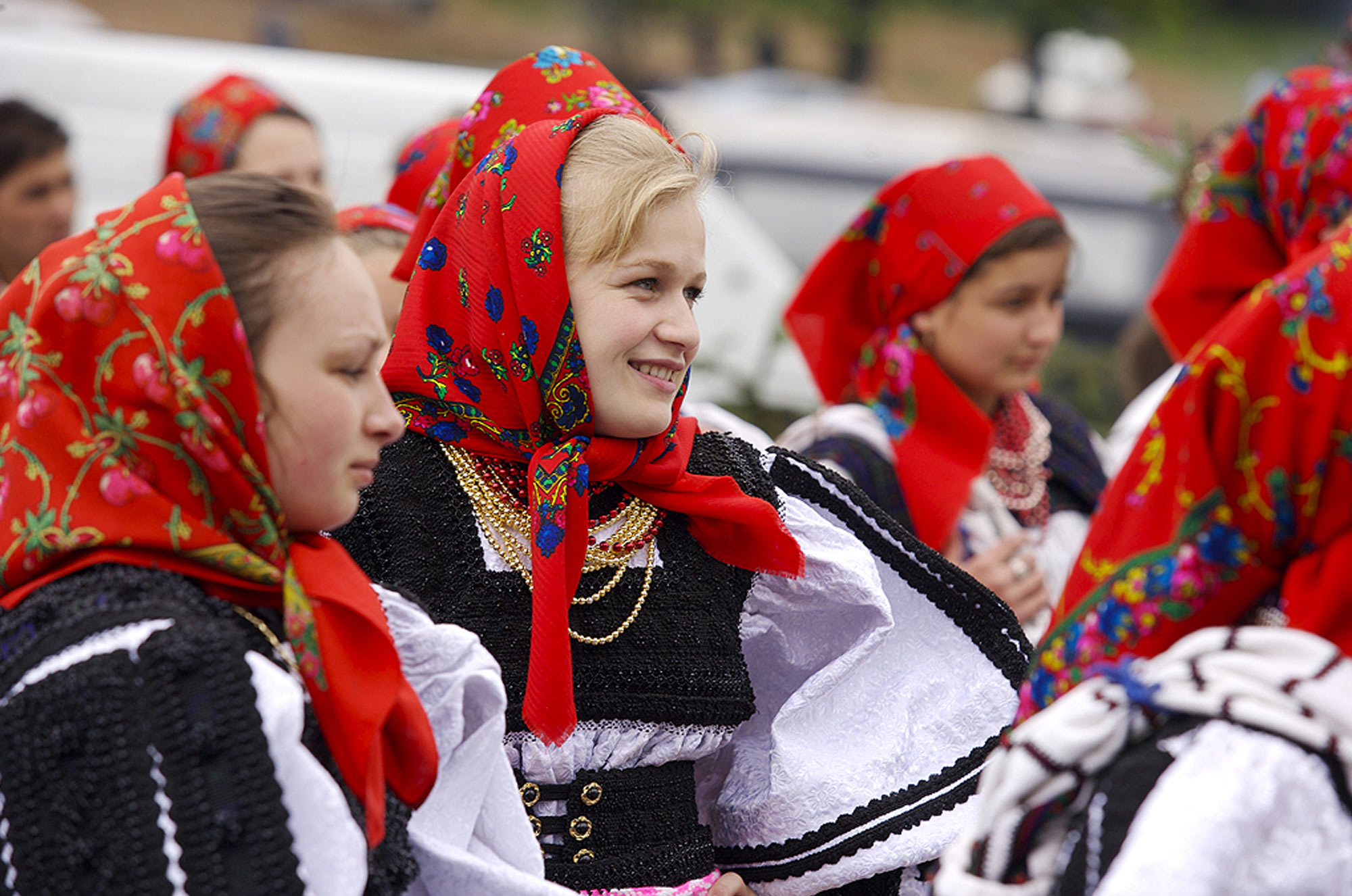
Romanian has a rich dialectal landscape, with several major dialects spoken in different regions of the country. These dialects exhibit distinct linguistic features that set them apart from one another, reflecting the historical and cultural diversity of Romania.
The major dialects of Romanian are:
- Daco-Romanian: Spoken in most of Romania, including Transylvania, Wallachia, and Moldova.
- Aromanian: Spoken in the Pindus Mountains of Greece and Albania.
- Megleno-Romanian: Spoken in a small area of Greece and North Macedonia.
- Istro-Romanian: Spoken in a small area of Croatia.
These dialects are further divided into sub-dialects, each with its own unique characteristics. The geographical distribution of the dialects is influenced by historical factors, such as migrations, invasions, and political boundaries.
Linguistic Differences between Dialects
The dialects of Romanian differ in terms of pronunciation, grammar, and vocabulary.
Pronunciation
The most noticeable difference between the dialects is in pronunciation. For example, the Daco-Romanian dialect pronounces the letter “ă” as a schwa, while the Aromanian dialect pronounces it as an “a”.
Grammar
There are also some grammatical differences between the dialects. For example, the Daco-Romanian dialect uses the definite article “the” before nouns, while the Aromanian dialect does not.
Vocabulary
The dialects also have different vocabularies. For example, the Daco-Romanian dialect uses the word “casă” for “house”, while the Aromanian dialect uses the word “kashti”.
Historical and Social Factors
The development of the dialects of Romanian has been influenced by a number of historical and social factors, including:
- The Roman conquest of Dacia in the 1st century AD.
- The migration of Romanians from the Balkans to the Carpathian Basin in the 13th century.
- The division of Romania into three principalities in the 14th century.
- The unification of Romania in 1859.
- The communist era in Romania from 1947 to 1989.
These factors have all contributed to the development of the distinct dialects of Romanian.
Current Status of Dialects
Today, the dialects of Romanian are still spoken in different parts of the country. However, the standard Romanian language, which is based on the Daco-Romanian dialect, is the official language of Romania and is used in education, government, and the media.
The dialects of Romanian are an important part of the country’s cultural heritage. They are a reminder of the rich history and diversity of Romania.
Efforts to Preserve and Promote Dialects
There are a number of efforts underway to preserve and promote the dialects of Romanian. These efforts include:
- The establishment of dialectal dictionaries and grammars.
- The creation of websites and online resources dedicated to the dialects.
- The organization of conferences and workshops on the dialects.
- The inclusion of the dialects in school curricula.
These efforts are helping to ensure that the dialects of Romanian continue to be spoken and used in the future.
| Dialect | Geographical Distribution | Key Linguistic Features |
|---|---|---|
| Daco-Romanian | Most of Romania, including Transylvania, Wallachia, and Moldova | Pronounces the letter “ă” as a schwa, uses the definite article “the” before nouns |
| Aromanian | Pindus Mountains of Greece and Albania | Pronounces the letter “ă” as an “a”, does not use the definite article “the” before nouns |
| Megleno-Romanian | Small area of Greece and North Macedonia | Has a unique vocabulary and grammar, is closely related to Aromanian |
| Istro-Romanian | Small area of Croatia | Has a unique vocabulary and grammar, is closely related to Daco-Romanian |

Romanian Literature
Romanian literature, a rich and diverse body of work, has played a significant role in shaping Romanian culture and identity. Its origins can be traced back to the Middle Ages, with the earliest known Romanian texts dating from the 16th century.
Over the centuries, Romanian literature has undergone numerous transformations, reflecting the social, political, and cultural changes that have occurred in the region.The early period of Romanian literature was marked by religious and historical writings, including chronicles and translations of religious texts.
The 18th and 19th centuries witnessed the emergence of a national literature, with writers such as Ion Heliade-Rădulescu and Mihail Kogălniceanu advocating for the use of the Romanian language in literature and the promotion of Romanian national identity.
Major Authors and Literary Movements
Throughout its history, Romanian literature has been shaped by a number of major authors and literary movements. Some of the most notable include:
- Mihai Eminescu: Considered Romania’s national poet, Eminescu’s Romantic poetry explored themes of love, nature, and the Romanian national identity.
- Ion Creangă: A renowned storyteller, Creangă’s fairy tales and short stories are beloved for their humor and vivid depictions of Romanian peasant life.
- Liviu Rebreanu: A prominent 20th-century novelist, Rebreanu’s works explored social and political issues in Romania, including the peasantry and the rise of fascism.
- Eugen Ionesco: A leading figure in the Theater of the Absurd, Ionesco’s plays examined the themes of alienation, existentialism, and the absurdity of modern life.
Influence on Romanian Culture, What language is romanian
Romanian literature has had a profound influence on Romanian culture, shaping the national identity, promoting social and political change, and inspiring artistic expression. The works of Romanian writers have been translated into numerous languages, introducing Romanian culture to a global audience.The study of Romanian literature is essential for understanding the history, culture, and identity of Romania.
It provides insights into the Romanian people’s experiences, aspirations, and struggles, and serves as a valuable resource for exploring the complexities of Romanian society.
Romanian Media
The Romanian media landscape is diverse and dynamic, with a mix of traditional and digital outlets. Newspapers, magazines, and television channels play a significant role in shaping public opinion and national identity.
Newspapers
Romania has a long tradition of print media, with newspapers dating back to the 19th century. Major newspapers include:
- Adevarul
- Romania Libera
- Ziarul Financiar
Ownership of newspapers is concentrated in the hands of a few media conglomerates, with political affiliations varying from center-left to center-right.
Magazines
Romanian magazines cover a wide range of topics, from news and politics to fashion and lifestyle. Notable magazines include:
- Saptamana Financiara
- Business Magazin
- Elle Romania
Magazine ownership is also concentrated, with many publications owned by the same conglomerates that control newspapers.
Television
Television is the most popular medium in Romania, with several national and regional channels. Major channels include:
- TVR (public broadcaster)
- Pro TV
- Antena 1
Television ownership is more diverse than newspapers and magazines, with some channels owned by foreign companies and others by domestic media groups.
Role of the Media in Shaping Romanian Society
The Romanian media plays a crucial role in shaping public opinion and political discourse. Newspapers and television channels often set the agenda for political debates and influence the way citizens perceive issues.
The media also plays a role in promoting cultural values and shaping national identity. Romanian media outlets often feature content that celebrates Romanian history, culture, and traditions.
Impact of the Internet on Romanian Media Consumption
The internet has had a significant impact on Romanian media consumption. Online news and social media have become increasingly popular, especially among younger generations.
The rise of the internet has also created challenges for traditional media outlets. Newspapers and magazines have faced declining circulation, while television channels have faced competition from streaming services.
Romanian, a Romance language spoken by over 24 million people primarily in Romania and Moldova, exhibits a rich history and distinct linguistic features. Notably, Romanian employs a unique alphabet that incorporates both Latin and Cyrillic characters. Furthermore, its grammar and vocabulary share similarities with other Romance languages such as Italian, French, and Spanish.
However, unlike most other Romance languages, Romanian also exhibits influences from Slavic languages due to its geographical proximity and historical interactions. This blend of influences contributes to the unique character of Romanian, making it a fascinating subject for linguistic study.
To delve deeper into the intricacies of language markup, markup languages provide a structured approach to organizing and presenting text, enabling the creation of web pages and other digital content.
However, the internet has also created opportunities for new media outlets to emerge. Independent online newspapers and magazines have gained popularity, offering alternative perspectives on news and current events.
Romanian Education
The Romanian education system is a comprehensive and structured framework designed to provide quality education to students from early childhood to higher education. The system comprises various levels, including preschool, primary, secondary, and tertiary education, each with its distinct curriculum and assessment methods.The Romanian language plays a pivotal role in the education system, serving as the primary medium of instruction throughout all levels.
This emphasis on the Romanian language underscores its significance for cultural preservation, fostering national identity, and promoting economic development.
Challenges Facing Romanian Education
Despite the system’s strengths, Romanian education faces several challenges that hinder its effectiveness and accessibility. These challenges include:
- Inadequate funding: Limited financial resources pose significant constraints on the education system, impacting infrastructure, teacher salaries, and access to educational materials.
- Teacher shortages: The education system grapples with a shortage of qualified teachers, particularly in rural areas and specialized subjects, affecting the quality of instruction and student outcomes.
- Disparities in educational opportunities: Unequal distribution of resources and opportunities between urban and rural areas leads to disparities in educational attainment and access to quality education.
Opportunities for Improving Romanian Education
Recognizing these challenges, there are numerous opportunities to improve Romanian education and enhance its impact on society:
- Investments in early childhood education: Prioritizing investments in early childhood education can lay a strong foundation for future learning and development, fostering cognitive and social skills.
- Teacher training and professional development: Providing comprehensive teacher training and professional development programs can enhance teacher skills and knowledge, leading to improved teaching practices and student outcomes.
- Innovative teaching methods: Embracing innovative teaching methods, such as technology-enhanced learning and project-based learning, can make education more engaging, interactive, and relevant to students’ lives.
Case Studies and Examples
The challenges and opportunities facing Romanian education are evident in various case studies and examples:
- A study by the Romanian Ministry of Education revealed that inadequate funding has resulted in overcrowded classrooms, limited access to technology, and insufficient teacher salaries, affecting the quality of education.
- A report by the European Commission highlighted the teacher shortage in rural areas, with many schools operating with understaffed teaching positions, leading to increased workload for teachers and reduced instructional time for students.
- The successful implementation of early childhood education programs in disadvantaged communities has demonstrated the positive impact of early intervention on children’s cognitive and social development, improving their readiness for primary school.
Recommendations for Policymakers and Educators
To address the challenges and capitalize on the opportunities facing Romanian education, policymakers and educators can implement the following recommendations:
- Increase funding for education to improve infrastructure, enhance teacher salaries, and provide access to essential resources.
- Invest in teacher training and professional development programs to enhance teacher skills and knowledge, leading to improved teaching practices and student outcomes.
- Promote innovative teaching methods and technology integration to make education more engaging, interactive, and relevant to students’ lives.
- Address disparities in educational opportunities between urban and rural areas to ensure equal access to quality education for all students.
By implementing these recommendations, Romanian education can overcome its challenges, enhance its quality, and contribute to the development of a knowledgeable, skilled, and competitive workforce that drives economic growth and social progress.
Romanian Culture

Romanian culture is a unique blend of influences from Eastern Europe, the Balkans, and the West. It is a vibrant and diverse culture with a rich history and tradition. Romanian culture is expressed in a variety of ways, including folklore, traditions, customs, language, literature, music, dance, and art.
Folklore and Traditions
Romanian folklore is rich and varied, with a long history dating back to the Middle Ages. Romanian folklore includes a variety of tales, legends, and myths, as well as traditional songs, dances, and customs. Many of these traditions are still practiced today, especially in rural areas.
Language
The Romanian language is a Romance language, closely related to Italian, French, and Spanish. However, Romanian has also been influenced by Slavic languages, particularly Bulgarian and Serbian. The Romanian language has a unique vocabulary and grammar, which has been shaped by its history and geography.
Literature
Romanian literature has a long and distinguished history, dating back to the Middle Ages. Romanian literature includes a variety of genres, including poetry, prose, and drama. Some of the most famous Romanian writers include Mihai Eminescu, Ion Creangă, and Liviu Rebreanu.
Music and Dance
Romanian music and dance are an important part of Romanian culture. Romanian music is characterized by its use of traditional instruments, such as the fiddle, the pan flute, and the cimbalom. Romanian dance is also very popular, with a variety of traditional dances, such as the hora and the sârba.
Art
Romanian art is a diverse and vibrant expression of Romanian culture. Romanian art includes a variety of genres, including painting, sculpture, and architecture. Some of the most famous Romanian artists include Nicolae Grigorescu, Constantin Brâncuși, and Victor Brauner.
National Identity
Romanian culture has played an important role in fostering national identity. Romanian culture has been used to unite the Romanian people and to create a sense of national pride. Romanian culture was particularly important during the Romanian Revolution of 1989, when it helped to inspire the Romanian people to overthrow the communist regime.
Challenges and Opportunities
Romanian culture faces a number of challenges in the modern world. Globalization and the influence of Western culture are having a significant impact on Romanian culture. However, Romanian culture is also facing a number of opportunities. The Romanian government is investing in cultural heritage and promoting Romanian culture abroad.
Romanian culture is also being increasingly recognized and appreciated by the international community.
Comparison to Other Eastern European Cultures
Romanian culture is similar to other Eastern European cultures in many ways. However, there are also some important differences. Romanian culture is more influenced by Western culture than many other Eastern European cultures. Romanian culture is also more diverse, due to its history and geography.
| Characteristic | Romanian Culture | Other Eastern European Cultures |
|---|---|---|
| Influence of Western culture | More influenced | Less influenced |
| Diversity | More diverse | Less diverse |
| Folklore | Rich and varied | Also rich and varied |
| Language | Romance language | Slavic languages |
| Literature | Long and distinguished history | Also long and distinguished histories |
| Music and dance | Important part of culture | Also important parts of culture |
| Art | Diverse and vibrant | Also diverse and vibrant |
| National identity | Important role | Also important roles |
| Challenges and opportunities | Globalization and Western influence | Also globalization and Western influence |
Short Story
The old woman sat by the fire, her gnarled hands clasped together. She was telling a story to her grandchildren, a story about the old days, when the world was a different place. The children listened intently, their eyes wide with wonder.
“Once upon a time,” the old woman began, “there was a young man named Ion. Ion was a shepherd, and he lived in a small village in the mountains. One day, Ion was tending his sheep when he saw a beautiful woman.
The woman was dressed in white, and she had long, flowing hair. Ion was immediately smitten with her beauty.”
The old woman paused, and the children leaned forward, eager to hear what happened next.
“Ion approached the woman, and he asked her her name. The woman told him that her name was Maria, and that she was a fairy. Ion was overjoyed. He had never met a fairy before, and he was immediately in love with her.”
The old woman smiled. “Ion and Maria fell in love, and they were married soon after. They lived happily ever after, and they had many children.”
The children sighed with contentment. They loved the old woman’s stories, and they always asked her to tell them more.
The old woman stood up and stretched. “It’s getting late,” she said. “It’s time for you to go to bed.”
The children reluctantly got up and said goodnight to their grandmother. As they walked out of the room, they could hear her humming a soft tune. It was a Romanian folk song, and it was a beautiful reminder of their rich and vibrant culture.
Romanian Language and Technology
Romanian, a Romance language spoken by over 24 million people worldwide, has made significant strides in the realm of technology. From software and websites to social media, Romanian is increasingly being used to connect people and facilitate communication in the digital sphere.
Use of Romanian in Software and Websites
Romanian is supported by various software programs, including operating systems, productivity suites, and specialized applications. Microsoft Windows, for instance, offers a Romanian language pack, allowing users to navigate the interface and access applications in their native language. Similarly, popular productivity suites such as Microsoft Office and LibreOffice provide Romanian language options, enabling users to create and edit documents, spreadsheets, and presentations in Romanian.
Romanian Language and Business: What Language Is Romanian

The Romanian language holds significance in the realm of international business, serving as a vital tool for communication and economic exchange. With over 25 million native speakers primarily residing in Romania and Moldova, Romanian presents opportunities for businesses seeking to tap into these markets.
Additionally, the Romanian diaspora, estimated at around 4 million individuals, provides a potential customer base in various countries worldwide.
Utilizing Romanian in business communication offers several advantages. It fosters cultural sensitivity, demonstrating respect for the local language and customs. This can facilitate rapport-building, trust, and enhanced business relationships. Furthermore, using Romanian allows for precise and nuanced communication, minimizing the risk of misunderstandings that may arise from relying solely on translations.
Challenges and Opportunities
Despite its benefits, using Romanian in business communication also presents certain challenges. The language has a complex grammar and vocabulary, which may require additional effort for non-native speakers to master. Moreover, Romania has a diverse linguistic landscape, with regional dialects and variations that may differ from the standard Romanian used in formal settings.
Navigating these linguistic nuances can be crucial for effective communication.
However, these challenges also present opportunities for businesses. By investing in language training and cultural awareness programs, companies can overcome these barriers and gain a competitive edge in the Romanian market. Additionally, embracing the linguistic diversity of Romania can provide access to a broader customer base and foster stronger connections with local communities.
Tips for Effective Communication
To ensure effective communication in Romanian in a business context, consider the following tips:
- Learn basic Romanian phrases:Familiarize yourself with essential greetings, introductions, and business-related vocabulary.
- Be respectful of cultural norms:Understand the importance of formal language and appropriate communication styles in Romanian business culture.
- Use clear and concise language:Avoid using slang or idioms that may not be easily understood by non-native speakers.
- Consider using a translator or interpreter:For complex or highly technical discussions, professional translation or interpretation services can ensure accurate and effective communication.
- Practice active listening:Pay attention to both verbal and non-verbal cues to ensure understanding and build rapport.
Romanian Language and Tourism
The Romanian language plays a vital role in promoting tourism in Romania, providing a unique and authentic experience for visitors. By utilizing the Romanian language in tourism marketing, Romania can effectively showcase its rich cultural heritage, natural beauty, and diverse traditions.
Challenges and Opportunities
While using Romanian in tourism marketing offers immense potential, it also presents certain challenges. The most significant challenge is the limited reach of the Romanian language internationally, as it is spoken primarily within Romania and neighboring countries. To overcome this, Romania can invest in translation and localization efforts to make tourism information accessible to a wider audience.Despite these challenges, the opportunities presented by using Romanian in tourism marketing are substantial.
By embracing the Romanian language, Romania can differentiate itself from other tourist destinations and create a more immersive and engaging experience for visitors. Additionally, utilizing Romanian in tourism marketing can help preserve and promote the country’s linguistic heritage.
Successful Campaigns
Several successful tourism campaigns have effectively utilized the Romanian language to attract visitors. One notable example is the “Discover Romania” campaign, which used Romanian language and imagery to showcase the country’s natural and cultural attractions. This campaign successfully increased tourism from neighboring countries and beyond.Another successful campaign was the “Romania, Land of Legends” campaign, which focused on promoting Romania’s rich folklore and traditions through Romanian language storytelling and cultural events.
This campaign effectively engaged international visitors and generated positive feedback from tourists.By leveraging the Romanian language in tourism marketing, Romania can effectively promote its unique cultural heritage, natural beauty, and diverse traditions, ultimately enhancing the visitor experience and driving tourism growth.
Romanian Language and Diplomacy
Romanian language plays a crucial role in international diplomacy, facilitating communication and fostering diplomatic relations between Romania and other nations. It serves as a bridge for cultural exchange and enables the effective exchange of ideas and perspectives. The use of Romanian in diplomatic negotiations offers unique challenges and opportunities.
Challenges of Using Romanian in Diplomatic Negotiations
One challenge is the limited number of Romanian speakers outside Romania, which can restrict the accessibility and reach of diplomatic communications. Additionally, the nuances and subtleties of the Romanian language can be difficult to convey in diplomatic contexts, where precision and clarity are paramount.
Opportunities of Using Romanian in Diplomatic Negotiations
Despite these challenges, the use of Romanian in diplomatic negotiations presents significant opportunities. It allows Romanian diplomats to communicate directly with their counterparts, fostering a sense of trust and rapport. Furthermore, the use of Romanian can serve as a strategic tool, providing a unique advantage in negotiations where other parties may not be familiar with the language.
Successful Diplomatic Initiatives Utilizing Romanian
There have been notable diplomatic initiatives that have successfully utilized the Romanian language. For example, in the negotiations leading to the Treaty of Trianon in 1920, Romanian diplomats played a key role in representing the interests of Romania. The use of Romanian in these negotiations allowed for direct communication and ensured that Romania’s perspective was fully understood.
Explore the historical significance of Romanian language in international diplomacy
Romania’s diplomatic relations can be traced back to the 14th century, with the establishment of the Romanian principalities of Wallachia and Moldavia. During this time, Romanian was used as the official language of these principalities, and it played a significant role in international diplomacy.
In the 19th century, Romania gained independence and became a member of the United Nations. Since then, Romanian has been used as an official language of the UN, and it has been used in numerous international diplomatic negotiations.
Key diplomatic events where Romanian played a significant role:
- The Treaty of Paris (1856): This treaty ended the Crimean War and established the borders of Romania. It was written in Romanian, French, and Russian, and it is considered to be one of the most important diplomatic documents in Romanian history.
- The Treaty of Berlin (1878): This treaty recognized Romania’s independence and established its borders. It was written in Romanian, French, German, and Russian, and it is considered to be another important diplomatic document in Romanian history.
- The Treaty of Trianon (1920): This treaty established the borders of Hungary and Romania after World War I. It was written in Romanian, French, and Hungarian, and it is considered to be another important diplomatic document in Romanian history.
FAQ Resource
Is Romanian a Slavic language?
No, Romanian is not a Slavic language. It is a Romance language, descended from Latin.
What is the official language of Romania?
Romanian is the official language of Romania.
How many people speak Romanian?
Romanian is spoken by approximately 24 million people worldwide.
