What language is spoken in Somalia? The answer to this question takes us on a fascinating journey through the history, culture, and identity of this vibrant nation. From the bustling streets of Mogadishu to the nomadic communities of the interior, the Somali language has played a pivotal role in shaping the lives of its people.
Somali is the official language of Somalia, a country located in the Horn of Africa. It is spoken by the vast majority of the population and serves as a unifying force across the country’s diverse regions. The Somali language is a member of the Cushitic branch of the Afro-Asiatic language family and is closely related to other Cushitic languages such as Oromo and Afar.
What Language is Spoken in Somalia?
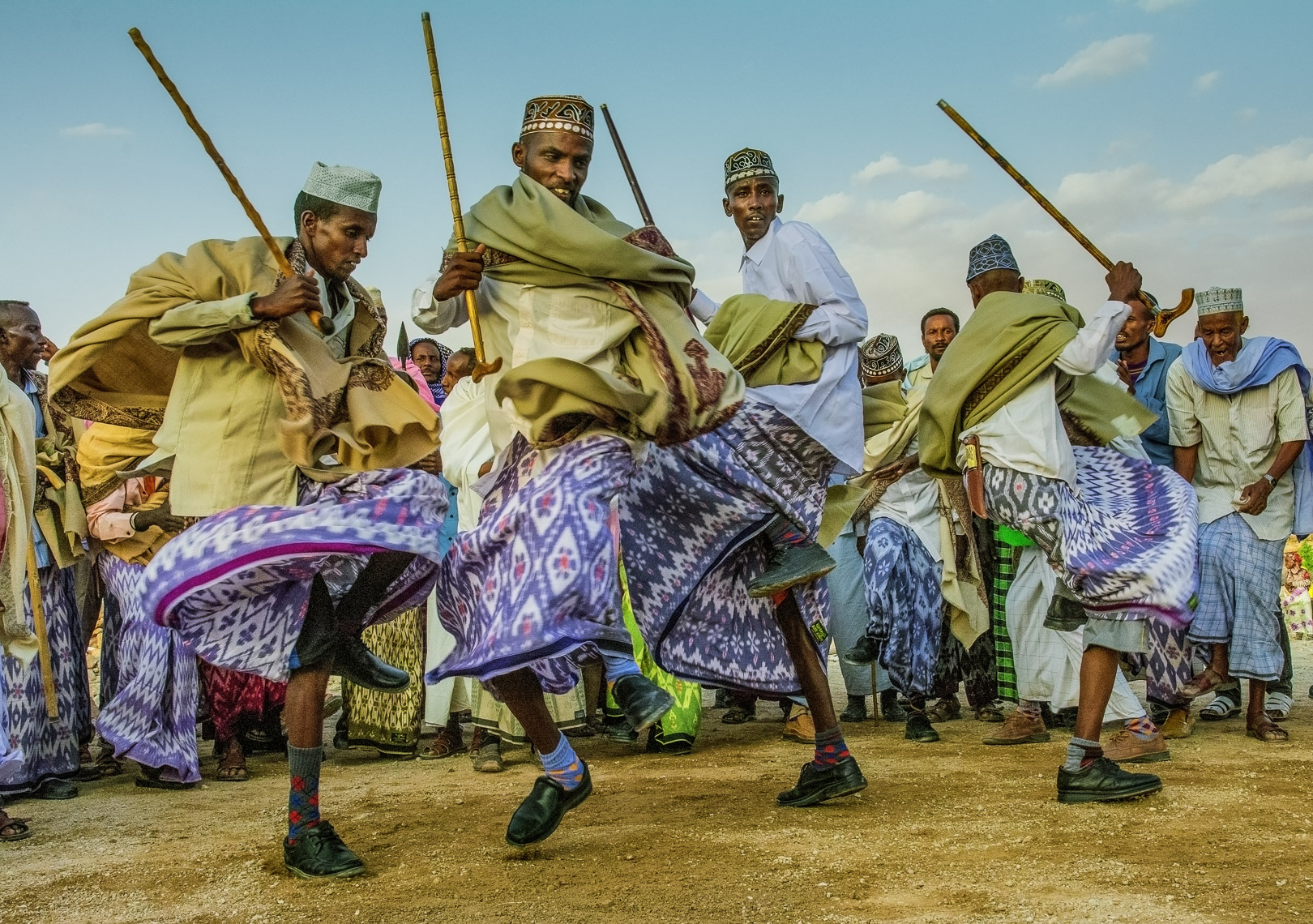
Somalia, a nation situated in the Horn of Africa, is renowned for its rich cultural heritage and diverse linguistic landscape. The primary language spoken in Somalia is Somali, a Cushitic language belonging to the Afro-Asiatic language family.
Somalia’s strategic location at the crossroads of the Indian Ocean and the Red Sea has significantly influenced its linguistic diversity. Over the centuries, Somalia has experienced periods of colonization by various empires, including the Portuguese, Omani, and Italians, leaving behind a legacy of additional languages spoken in the country.
Somali Language
The Somali language, spoken by the majority of the population, is a tonal language with a rich vocabulary and complex grammar. It is divided into three main dialects: Northern Somali, Central Somali, and Southern Somali. Northern Somali is the most widely spoken dialect, serving as the standard for written Somali.
Somali plays a pivotal role in Somali culture and society. It is the language of literature, poetry, music, and traditional storytelling. The Somali language serves as a unifying force, fostering a sense of national identity and cultural continuity.
Efforts are underway to promote and preserve the Somali language. The Somali Language Academy, established in 1972, is dedicated to standardizing the Somali language, developing new terminology, and promoting its use in education and official settings.
Other Languages Spoken in Somalia
Besides Somali, several other languages are spoken in Somalia, reflecting the country’s diverse history and cultural influences.
- Arabic:Arabic, the official language of neighboring countries such as Saudi Arabia and Yemen, is widely used in Somalia due to historical and religious ties. It is commonly used in religious contexts, education, and trade.
- Italian:Italian, the language of Somalia’s former colonial power, is still spoken by some older generations and in certain urban areas. It is primarily used in business, education, and cultural exchanges.
- English:English, the global language of communication, is increasingly gaining prominence in Somalia. It is taught in schools and universities and used in international business and diplomacy.
Language Policy and Education
Somalia’s language policy aims to promote the use of Somali as the primary language of education and official communication. However, Arabic and English are also recognized as official languages in certain contexts.
Promoting multilingualism in Somalia presents challenges and opportunities. While preserving the Somali language is crucial for cultural identity, embracing other languages can enhance access to global education and economic opportunities.
Successful language education programs in Somalia include bilingual education initiatives that combine Somali and English instruction, ensuring students develop proficiency in both languages.
Official Language
Somali is the official language of Somalia, spoken by the vast majority of the population. It is a Cushitic language, belonging to the Afro-Asiatic language family. Somali is closely related to other Cushitic languages such as Oromo and Afar, and more distantly to Semitic languages such as Arabic and Hebrew.
The Somali language has a long and rich history, dating back to at least the 1st century AD. It is believed to have originated in the Horn of Africa, and spread throughout the region over time. Somali was first written down in the 13th century using the Arabic script, and a standardized orthography was developed in the 1970s.
The official languages of Somalia are Somali and Arabic. Somali is a Cushitic language spoken by the Somali people, who inhabit the Horn of Africa. It is the primary language of instruction in schools and is used in government and business.
While learning about the languages of Somalia, you may also be curious about other languages spoken worldwide. For instance, have you ever wondered how to ask “how are you” in Hindi? To find out, you can refer to resources like this guide that provides a comprehensive explanation of the Hindi language and its usage.
Origins of the Somali Language
The origins of the Somali language are not entirely clear, but it is believed to have developed from a Proto-Cushitic language that was spoken in the Horn of Africa around 5,000 years ago. Proto-Cushitic was likely a tonal language, and Somali retains some of these tonal features, although they are less prominent than in other Cushitic languages.
Somali is closely related to the other Cushitic languages, particularly Oromo and Afar. These languages share many similarities in grammar and vocabulary, and they are thought to have diverged from a common ancestor around 2,000 years ago.
Other Languages Spoken in Somalia
In addition to Somali, several other languages are spoken in Somalia, including Arabic, English, and Italian. These languages have been influenced by historical, political, and economic factors.
Arabic
Arabic is the official language of Somalia and is widely spoken throughout the country. It is the language of the Quran and is used in religious and cultural contexts. Arabic is also used in education, government, and media.
English
English is the second official language of Somalia and is used in government, education, and business. It is also the language of instruction in many universities and schools. English is increasingly popular among young Somalis and is seen as a language of opportunity.
Italian
Italian is a legacy of Somalia’s colonial past. It is still spoken by some older Somalis and is used in some government and business contexts. Italian is also taught in some schools as a foreign language.
Dialects of Somali
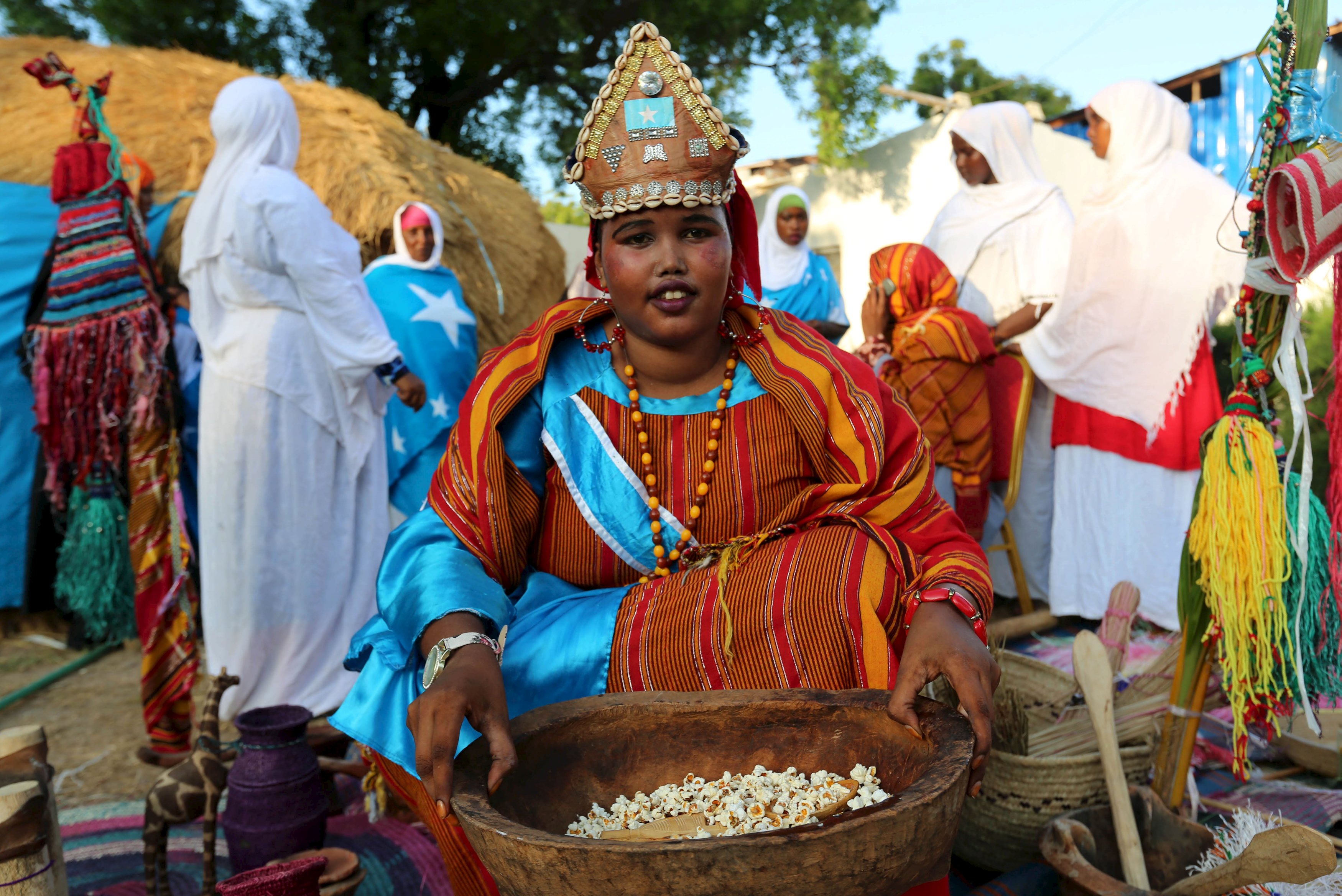
Somali is a Cushitic language spoken by the Somali people in the Horn of Africa. It has several dialects, each with its own unique characteristics and geographical distribution.
The three main dialects of Somali are Northern Somali, Central Somali, and Southern Somali.
Northern Somali
Northern Somali is spoken in the northern part of Somalia, including the regions of Awdal, Woqooyi Galbeed, Togdheer, and Sanaag. It is also spoken in the eastern part of Ethiopia, in the Somali Region.
Northern Somali is characterized by its use of the /ɖ/ sound, which is not found in the other dialects. It also has a more complex vowel system than the other dialects.
Central Somali
Central Somali is spoken in the central part of Somalia, including the regions of Mudug, Galgaduud, and Hiraan. It is also spoken in the southern part of Ethiopia, in the Somali Region.
Central Somali is characterized by its use of the /ɗ/ sound, which is not found in the other dialects. It also has a simpler vowel system than the other dialects.
Southern Somali
Southern Somali is spoken in the southern part of Somalia, including the regions of Gedo, Lower Juba, and Middle Juba. It is also spoken in the northern part of Kenya, in the North Eastern Province.
Southern Somali is characterized by its use of the /r/ sound, which is not found in the other dialects. It also has a more complex consonant system than the other dialects.
Language Family: What Language Is Spoken In Somalia
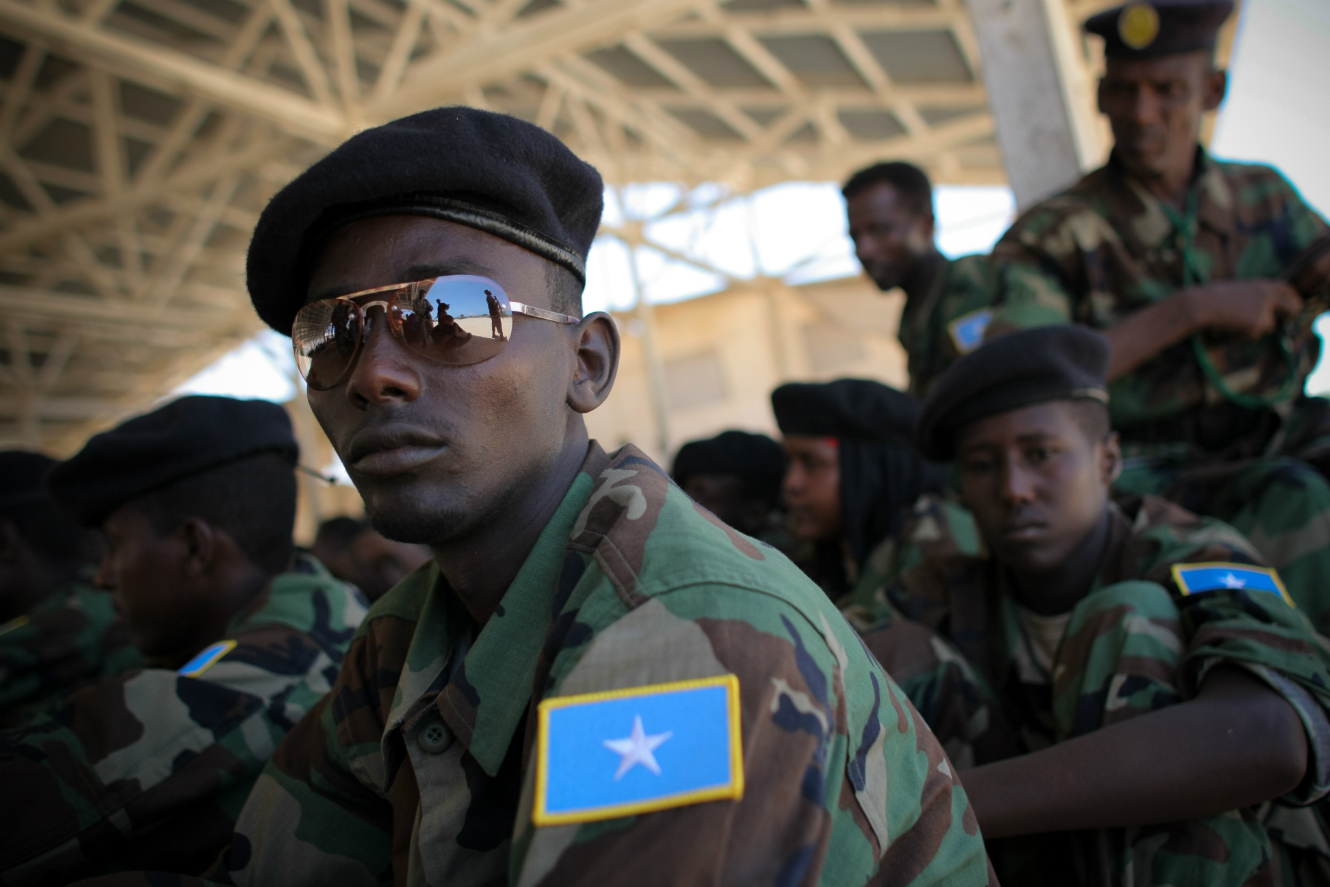
Somali belongs to the Cushitic branch of the Afro-Asiatic language family. This family also includes other languages spoken in the Horn of Africa, such as Oromo, Afar, and Beja. Cushitic languages are characterized by a number of features that distinguish them from other Afro-Asiatic languages, including a complex system of verb morphology and a relatively small inventory of consonants.
Similarities and Differences
Somali shares a number of similarities with other Cushitic languages, including a similar grammatical structure and a shared vocabulary. However, there are also some important differences between Somali and other Cushitic languages. For example, Somali has a more complex system of verb morphology than most other Cushitic languages, and it has a larger inventory of consonants.
Additionally, Somali has been influenced by a number of other languages, including Arabic and Swahili, which has resulted in the adoption of a number of loanwords.
Written System
Somali is written using the Latin alphabet, which was adopted in the early 20th century.
The development of the Somali writing system was a collaborative effort involving scholars, linguists, and the Somali Language Commission. The commission was established in 1972 with the goal of standardizing the Somali language and developing a written system.
Somali Alphabet
- A, B, C, D, E, F, G, H, I, J, K, L, M, N, O, P, Q, R, S, T, U, V, W, X, Y, Z
The Somali alphabet is used in a variety of written texts, including books, newspapers, magazines, and official documents.
Language Policy

The Somali government’s language policy promotes the use of Somali as the official language of the country while also recognizing other languages spoken within its borders. The government encourages the use of Somali in education, government, and media to preserve and promote the national identity and cultural heritage.
Challenges in promoting the Somali language include the prevalence of other languages, such as Arabic and English, in certain sectors, as well as the need to develop standardized educational materials and resources in Somali. Opportunities for promoting the language lie in the growing awareness of its importance, the establishment of Somali language academies, and the use of technology to create and disseminate Somali content.
Importance of Preserving and Promoting the Somali Language
The preservation and promotion of the Somali language are crucial for several reasons. It serves as a unifying force for the Somali people, fostering a sense of national identity and cultural heritage. Somali is a rich and expressive language that embodies the unique history, traditions, and worldview of the Somali people.
Promoting its use ensures its vitality and transmission to future generations.
Challenges in preserving and promoting the Somali language include the influence of other languages, limited resources for language development, and the need to address language standardization and modernization. Opportunities lie in the growing recognition of the language’s importance, the efforts of Somali language organizations, and the potential of technology to support language learning and dissemination.
Key Points of the Government’s Language Policy
| Aspect | Policy |
|---|---|
| Official Language | Somali |
| Recognition of Other Languages | Arabic, English, and other indigenous languages |
| Education | Somali as the primary medium of instruction |
| Government | Somali as the official language of government communication |
| Media | Encouragement of Somali-language media content |
Initiatives to Promote the Somali Language
- Establishment of Somali language academies and institutions
- Development of standardized educational materials and resources in Somali
- Translation of important works into Somali
- Use of technology to create and disseminate Somali content
- Promotion of Somali language learning in schools and universities
Language Education
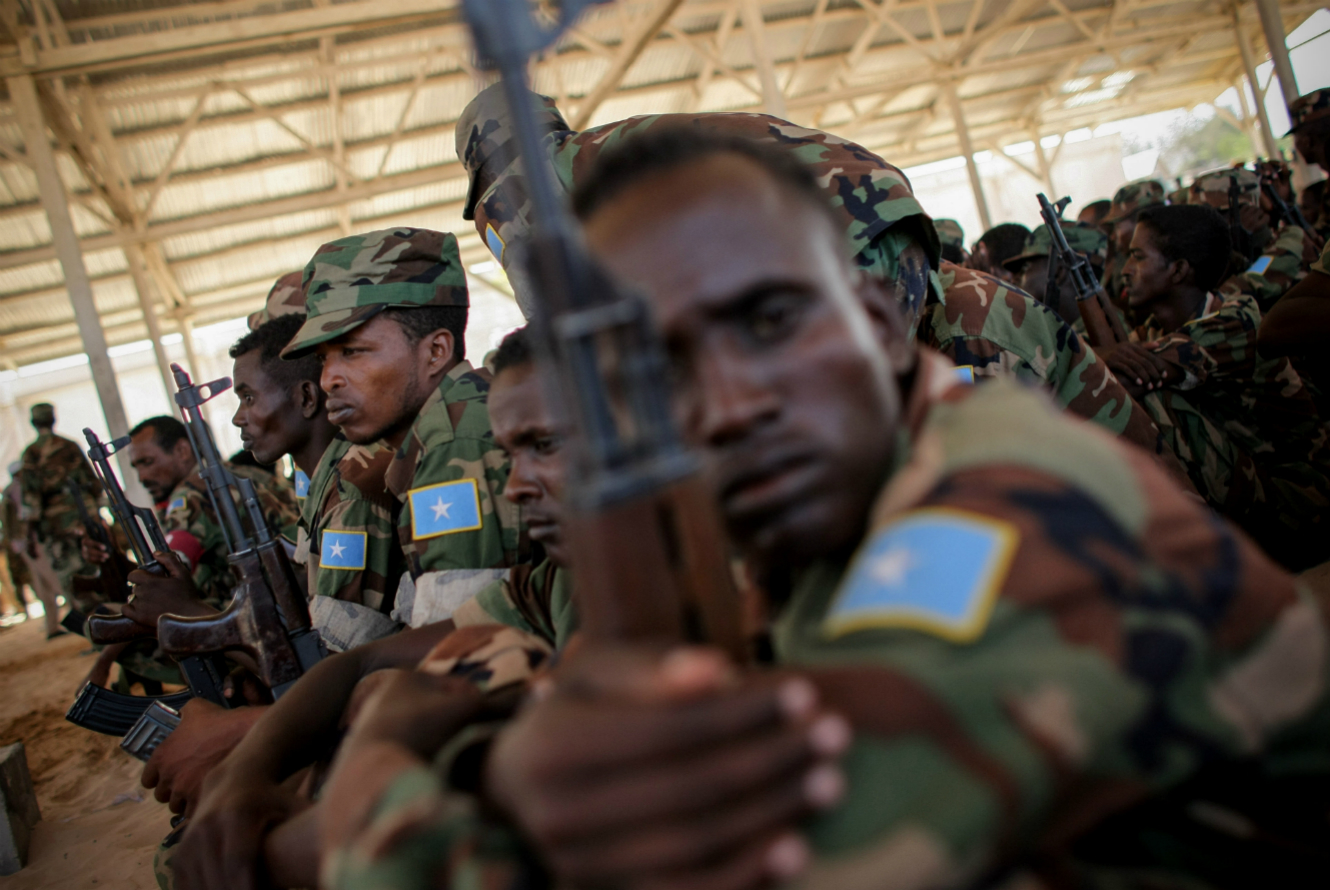
Somali language education is crucial for preserving the Somali cultural heritage and fostering national identity. The Somali government and educational institutions have implemented policies and initiatives to promote Somali language proficiency among students.
The Somali government has made Somali the official language of instruction in primary and secondary schools. However, the implementation of this policy faces challenges due to a shortage of qualified Somali language teachers and a lack of standardized textbooks and teaching materials.
Importance of Language Preservation and Challenges in Teaching Somali
Preserving the Somali language is essential for maintaining cultural identity, promoting social cohesion, and facilitating economic development. However, teaching Somali as a second or foreign language poses unique challenges:
- Complex grammar and phonology
- Limited availability of teaching resources
- Lack of standardized teaching methods
Addressing these challenges requires developing innovative teaching methodologies, creating culturally relevant materials, and providing professional development opportunities for Somali language teachers.
Recommendations for Improving Somali Language Education
To enhance the quality and accessibility of Somali language education, several measures can be taken:
- Increase the number of qualified Somali language teachers
- Develop standardized textbooks and teaching materials
- Incorporate technology and innovative teaching methods
- Foster community engagement and partnerships
By implementing these recommendations, Somali language education can be strengthened, ensuring the preservation and promotion of the Somali language for future generations.
Explain the role of Somali in print media.

Somali plays a vital role in print media in Somalia and the Somali diaspora. It is the primary language used in newspapers, magazines, and other printed publications, serving as a medium for news, information, and cultural expression.
Somali print media has a long and rich history, with the first Somali-language newspaper, Xiddigta Oktoobar, established in 1943. Since then, numerous Somali print outlets have emerged, catering to diverse audiences and playing a significant role in shaping Somali language usage.
Major Somali Print Media Outlets
Here is a table listing some of the major Somali print media outlets, their target audience, and their impact on Somali language usage:
| Outlet | Target Audience | Impact on Somali Language Usage |
|---|---|---|
| Xog-Ogaal | General public | Promotes standard Somali and provides a platform for diverse voices |
| Waagacusub | Intellectuals and activists | Engages in critical analysis and debates, contributing to the development of Somali political and social discourse |
| Horseed Media | Somali diaspora | Connects the Somali diaspora with their homeland and promotes Somali language and culture |
| Dawan | Literary and cultural enthusiasts | Publishes Somali poetry, short stories, and essays, contributing to the preservation and development of Somali literature |
Examples of Influential Somali Print Media
Specific examples of articles or publications that have influenced the use of Somali in print include:
- The publication of the Somali-language novel Daalloby Nuruddin Farah in 1970, which marked a significant milestone in the development of modern Somali literature.
- The establishment of the Somali Academy of Sciences and Arts in 1972, which played a crucial role in standardizing the Somali language and promoting its use in education and official communication.
- The publication of the Somali-English dictionary by Mohamed Diriye Abdullahi in 1973, which provided a valuable resource for Somali language learners and researchers.
Language in Literature
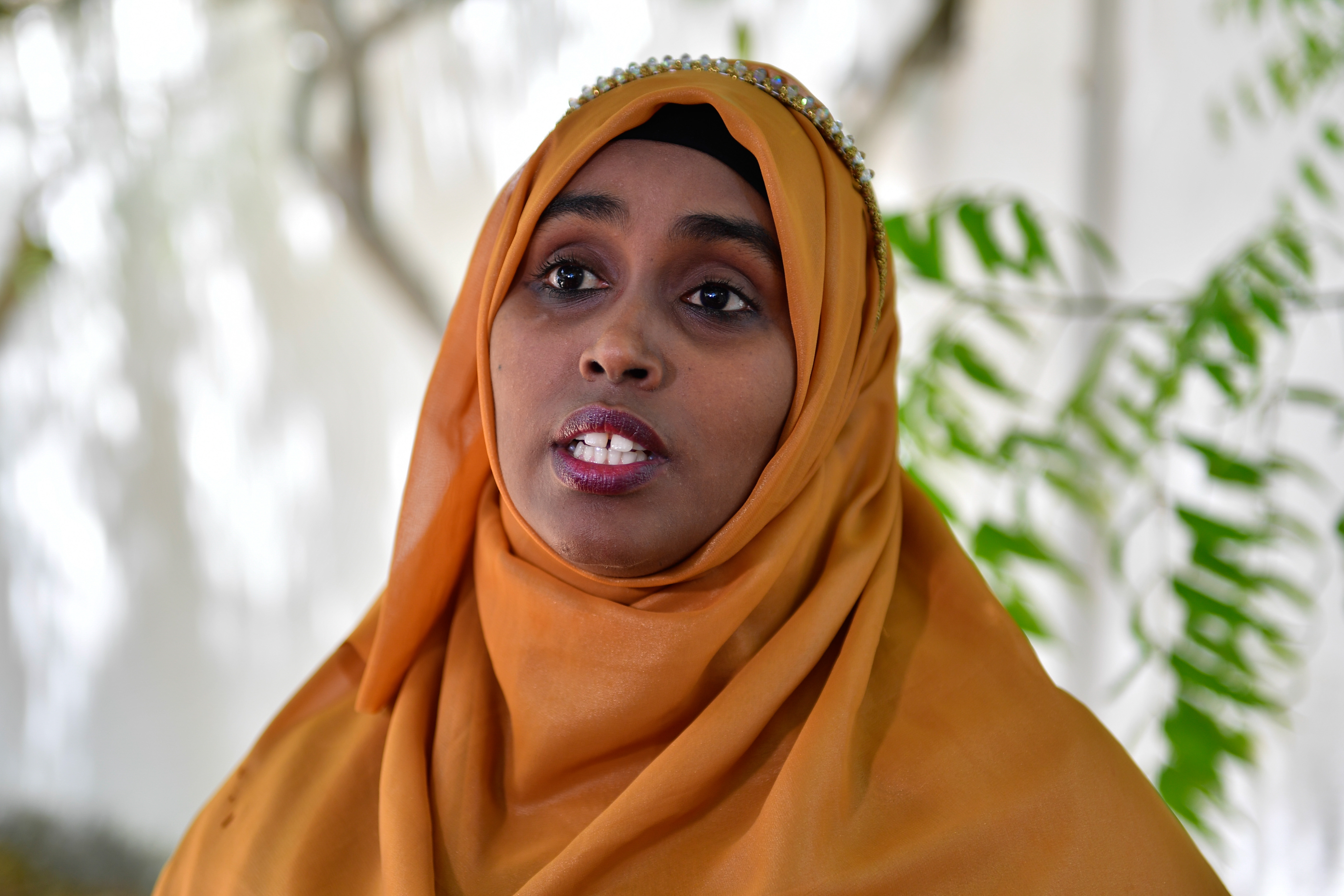
Somali literature has a rich tradition that spans centuries, encompassing poetry, prose, and drama. This literary heritage has played a significant role in shaping Somali cultural identity, fostering a deep appreciation for the language and its expressive power.
Poetry
Somali poetry is renowned for its intricate rhyme schemes, vivid imagery, and profound themes. Traditional Somali poems often explore topics such as love, loss, heroism, and the beauty of the natural world. Notable Somali poets include Mohammed Abdulle Hassan, Said Sheikh Samatar, and Nuruddin Farah.
Prose
Somali prose literature includes novels, short stories, and essays. These works often delve into social, political, and historical issues, providing valuable insights into Somali society and culture. Prominent Somali prose writers include Nuruddin Farah, Abdillahi Suldaan Timacadde, and Farah Mohamed Jama Awl.
Somali, a member of the Cushitic branch of the Afro-Asiatic language family, is the official language of Somalia. It is spoken by the majority of the population, as well as in neighboring countries like Ethiopia and Kenya. Sign language, on the other hand, is a visual language that uses gestures, facial expressions, and body movements to communicate.
There are many different types of sign language , each with its own unique grammar and vocabulary. In Somalia, Somali Sign Language is the most widely used form of sign language.
Drama
Somali drama has a vibrant history, with plays performed in both traditional and modern settings. These plays often address contemporary issues and explore the complexities of Somali society. Notable Somali playwrights include Ahmed Farah Ali Idaajaa, Abdi Qays Abdulle, and Said Salah Ahmed.
Language and Culture

The Somali language is inextricably linked to Somali culture, serving as a vital medium for transmitting cultural values and traditions across generations.
Somali is deeply embedded in the fabric of Somali society, reflecting its nomadic heritage, strong oral tradition, and rich cultural practices. The language embodies the collective experiences, beliefs, and aspirations of the Somali people.
Role of Language in Transmitting Cultural Values
Somali plays a crucial role in preserving and transmitting cultural values through its vocabulary, idioms, and proverbs. These linguistic elements encapsulate the wisdom and teachings of Somali elders, conveying lessons about morality, ethics, and proper conduct within the community.
For example, the Somali proverb ” Geel aan lahayn ma garaaco” (A person who does not own a camel does not understand its value) teaches the importance of empathy and understanding the perspectives of others.
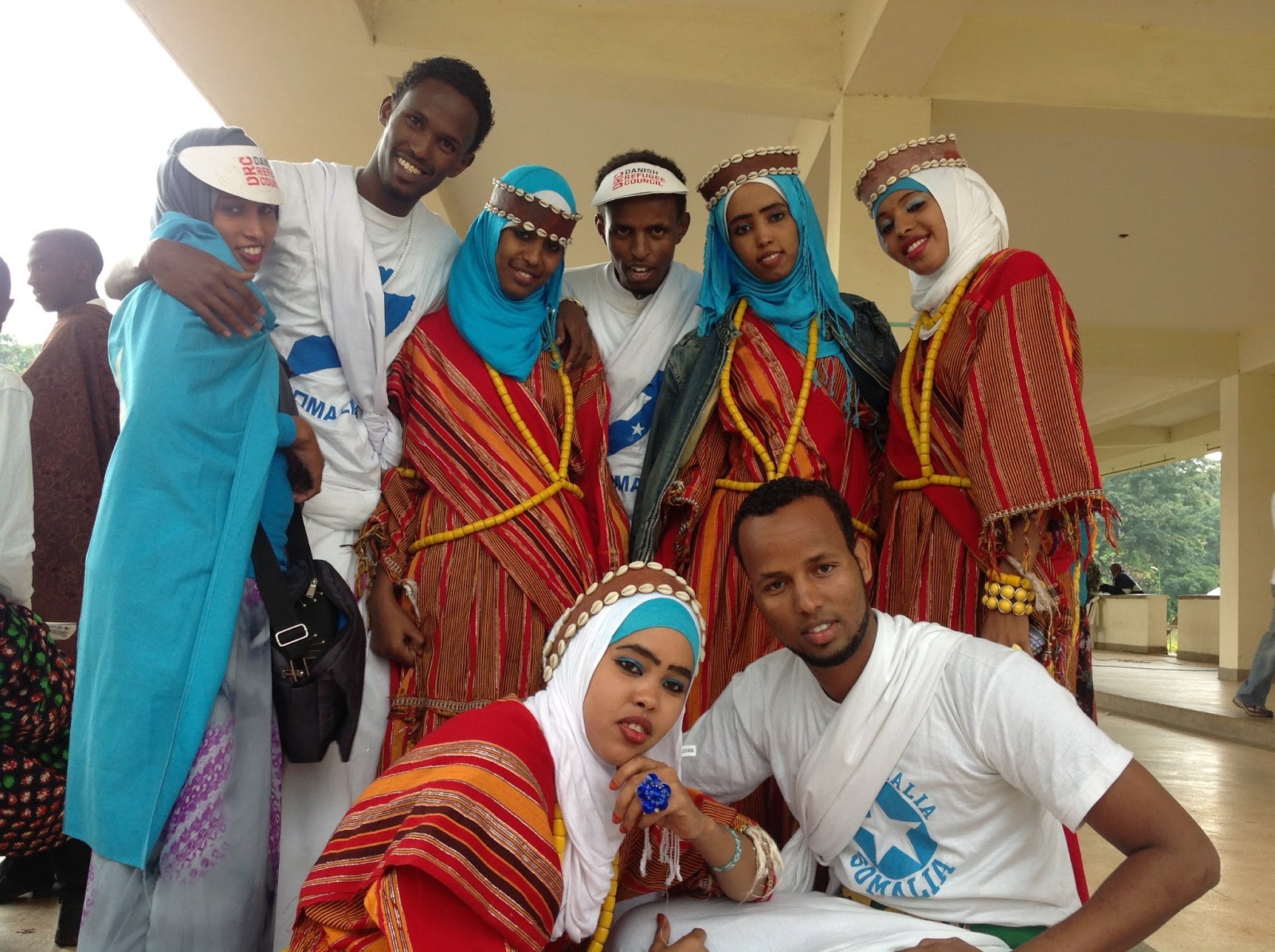
Explain the importance of the Somali language in shaping national identity and unity.
.JPG "Somalia somali ethnicity")
The Somali language plays a crucial role in shaping the national identity and unity of the Somali people. It serves as a unifying force that transcends clan and regional divisions, fostering a sense of shared heritage and belonging.
Somali is the mother tongue of the vast majority of Somalis, both within Somalia and in the Somali diaspora. It is the language of communication, education, government, and media, connecting people from all walks of life.
Language and Development
Language plays a crucial role in promoting social and economic development. It serves as a medium of communication, facilitates knowledge transfer, and empowers individuals to participate actively in society. In Somalia, the Somali language has been instrumental in driving progress in various sectors.
Education and Literacy:The Somali language is the primary medium of instruction in schools, enabling students to acquire knowledge and skills in their native tongue. This fosters better comprehension, engagement, and overall educational outcomes. Literacy in Somali empowers individuals to access information, participate in civic discourse, and contribute to the development of their communities.
Language and Globalization
Globalization has had a significant impact on the Somali language. On the one hand, it has led to increased exposure to other languages and cultures, which has resulted in the adoption of new words and phrases into Somali. On the other hand, globalization has also posed challenges to the preservation of the Somali language, as people increasingly communicate in global languages such as English and Arabic.
Challenges in Preserving the Somali Language
One of the biggest challenges to preserving the Somali language is the fact that it is not widely spoken outside of Somalia. This means that there are fewer opportunities for people to use the language on a regular basis. Additionally, the Somali language is not taught in many schools outside of Somalia, which further limits its exposure to new generations.
Opportunities for Preserving the Somali Language
Despite the challenges, there are also a number of opportunities for preserving the Somali language. One opportunity is the increasing use of technology to promote the language. There are now a number of websites and apps that allow people to learn Somali and connect with other Somali speakers.
Additionally, the Somali government is working to promote the use of the language in schools and the media.
Role of Technology
Technology can play a vital role in both promoting and preserving the Somali language. On the one hand, technology can be used to create new resources for learning the language, such as online courses and dictionaries. On the other hand, technology can also be used to connect Somali speakers with each other, regardless of their location.
Efforts to Revitalize and Promote the Somali Language
There are a number of efforts underway to revitalize and promote the Somali language. These efforts include the development of new teaching materials, the creation of Somali-language media, and the promotion of the language in schools and the workplace.
Recommendations for Further Actions
There are a number of things that can be done to ensure the preservation and vitality of the Somali language in the face of globalization. These include:
- Increasing the use of Somali in schools and the media
- Developing new teaching materials and resources
- Promoting the use of Somali in the workplace
- Encouraging Somali speakers to use the language with their children
Language and the Future
The Somali language faces several challenges in the future, including the impact of globalization, the influence of other languages, and the need for continued language development. However, there are also opportunities to ensure the continued vitality of Somali, such as through education, media, and cultural preservation.
Challenges
One of the biggest challenges facing the Somali language is the impact of globalization. As the world becomes increasingly interconnected, people are more likely to come into contact with other languages, and this can lead to the decline of minority languages like Somali.
Additionally, the influence of other languages, such as English and Arabic, can also lead to the loss of Somali speakers.Another challenge facing the Somali language is the need for continued language development. In order to keep up with the changing world, languages need to be able to adapt and change.
This includes developing new words and phrases to describe new concepts and ideas. However, the Somali language has not been able to keep up with this pace of change, and this has led to a decline in its use in certain domains, such as education and business.
Opportunities
Despite the challenges, there are also opportunities to ensure the continued vitality of the Somali language. One of the most important opportunities is through education. By teaching Somali in schools, we can help to ensure that future generations of Somalis are able to speak and understand the language.
Additionally, the media can play a role in promoting the Somali language by using it in broadcasts and publications.Another opportunity for the Somali language is through cultural preservation. By preserving Somali culture and traditions, we can help to ensure that the language remains an important part of Somali identity.
This can be done through initiatives such as cultural festivals, language workshops, and the creation of Somali-language materials.
Conclusion, What language is spoken in somalia
The Somali language faces a number of challenges in the future, but there are also opportunities to ensure its continued vitality. By addressing these challenges and seizing these opportunities, we can help to ensure that the Somali language remains a vibrant and important part of Somali culture and identity.
Questions and Answers
What is the official language of Somalia?
Somali
What language family does Somali belong to?
Cushitic branch of the Afro-Asiatic language family
What are some of the challenges facing the Somali language?
Globalization, migration, and the influence of other languages
