In the tapestry of North Africa, Tunisia stands as a vibrant hub where languages intertwine, each thread adding its unique hue to the nation’s cultural fabric. This exploration delves into the question of what language is spoken in Tunisia, uncovering a rich linguistic landscape shaped by history, geography, and cultural influences.
Arabic, the official language of Tunisia, has deep roots in the country’s past and present. Its dialects, spoken across the nation, reflect regional variations and the influence of neighboring countries. Berber dialects, spoken by a significant portion of the population, hold cultural and historical significance, adding to the linguistic diversity of Tunisia.
Tunisia’s Official Language
The official language spoken in Tunisia is Modern Standard Arabic (MSA). MSA is a standardized variety of Arabic that is used in formal settings, such as government, education, and media.
MSA has a long history in Tunisia, dating back to the Arab conquest of North Africa in the 7th century. Over time, MSA became the language of administration and culture in Tunisia, and it remains the official language of the country today.
Dialectal Variation
In addition to MSA, there are also a number of Tunisian Arabic dialects spoken in the country. These dialects are used in everyday conversation and vary from region to region.
The most widely spoken Tunisian Arabic dialect is Tunisian Arabic, which is spoken by the majority of the population. Other dialects include Sfaxian Arabic, spoken in the city of Sfax, and Jerbian Arabic, spoken on the island of Djerba.
Regional Language Variations
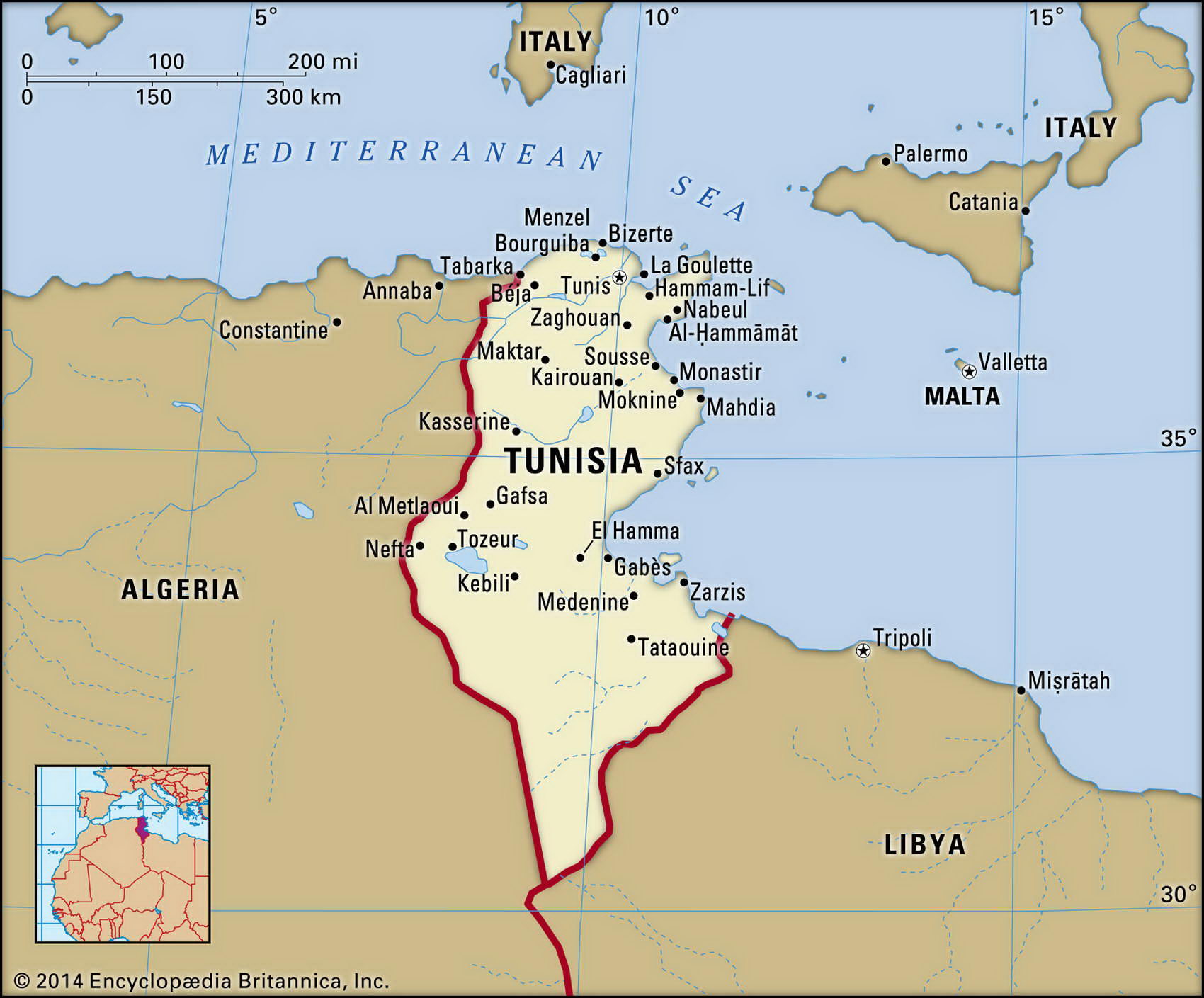
Tunisia exhibits regional variations in its spoken dialects, influenced by historical, geographical, and cultural factors.
Northern Dialects
The northern dialects, primarily spoken in Tunis and its surrounding areas, are characterized by a distinctive pronunciation, including the use of the emphatic “q” sound. They also exhibit influences from French and Italian due to the region’s colonial past.
Southern Dialects
The southern dialects, spoken in the southern regions of Tunisia, are influenced by Berber and Arabic Bedouin dialects. They feature a more guttural pronunciation and distinct vocabulary, reflecting the region’s historical connections with nomadic tribes.
Central Dialects
The central dialects, spoken in the central regions of Tunisia, blend elements from both northern and southern dialects. They are characterized by a moderate pronunciation and a mix of vocabulary from various regions.
Eastern Dialects
The eastern dialects, spoken in the eastern coastal regions of Tunisia, are influenced by the neighboring dialects of Libya and Algeria. They exhibit unique pronunciation features and a vocabulary influenced by the region’s trade and cultural exchanges.
Arabic Dialects in Tunisia
Tunisia, located in North Africa, has a rich linguistic landscape that includes various Arabic dialects. These dialects are spoken by the majority of the population and play a significant role in everyday communication, cultural expression, and social identity.
The Arabic dialects spoken in Tunisia are part of the Maghrebi Arabic dialect continuum, which encompasses dialects spoken in Morocco, Algeria, and Libya. These dialects share certain common features, such as the use of the definite article “el-” and the absence of the emphatic consonants “qaf” and “jim.”
Regional Variations
Within Tunisia, there are several regional variations of Arabic dialects. The most widely spoken dialect is Tunisian Arabic, which is spoken in the capital city of Tunis and the surrounding areas. Other dialects include Sfaxian Arabic, spoken in the city of Sfax, and Djerban Arabic, spoken on the island of Djerba.
These regional dialects exhibit differences in pronunciation, vocabulary, and grammar. For example, Tunisian Arabic is characterized by the use of the voiceless uvular fricative “kh” instead of the voiced velar fricative “ghain” in Standard Arabic.
Similarities with Other Arabic Dialects
Despite their regional variations, the Arabic dialects spoken in Tunisia share certain similarities with other Arabic dialects, particularly those spoken in the Maghreb region. These similarities include the use of the second-person singular pronoun “ntuma” and the feminine plural suffix “-at.”
Additionally, Tunisian Arabic has been influenced by Berber, French, and Italian, resulting in the adoption of loanwords and certain grammatical features.
Berber Dialects in Tunisia
Tunisia is home to a diverse array of Berber dialects, spoken by a significant portion of the population. These dialects hold profound historical and cultural significance, contributing to the rich linguistic tapestry of the country.
Berber dialects in Tunisia are primarily spoken in rural areas, particularly in the mountainous regions of the north and south. The most widely spoken Berber dialect is Tamazight, which is spoken by approximately 2 million people in Tunisia. Other Berber dialects include Chenoua, spoken in the northwest, and Nafusi, spoken in the southwest.
Geographical Distribution of Berber Dialects
The geographical distribution of Berber dialects in Tunisia reflects the historical settlement patterns of Berber communities. Tamazight is spoken in the mountainous regions of the north, including the Kroumirie and Aurès mountains. Chenoua is spoken in the northwest, along the Mediterranean coast.
Nafusi is spoken in the southwest, near the border with Algeria.
Sociolinguistic Factors Influencing the Use of Berber Dialects
The use of Berber dialects in Tunisia is influenced by a complex interplay of sociolinguistic factors. Urbanization, education, and media have played a significant role in shaping the linguistic landscape. In urban areas, Arabic has become the dominant language, while Berber dialects are often confined to the private sphere.
Education has also contributed to the decline of Berber dialects. The Tunisian education system primarily uses Arabic as the medium of instruction, which has led to a decrease in the number of Berber speakers among younger generations.
Role of Berber Dialects in Preserving Tunisian Cultural Heritage
Berber dialects play a crucial role in preserving Tunisian cultural heritage. They embody the traditions, beliefs, and values of Berber communities. Through oral storytelling, poetry, and music, Berber dialects transmit cultural knowledge and identity from one generation to the next.
The preservation of Berber dialects is essential for safeguarding the linguistic and cultural diversity of Tunisia. It ensures that future generations have access to the rich heritage of their ancestors.
French Influence on Tunisian Language

French colonization significantly impacted the Tunisian language, leaving a lasting legacy of French loanwords, grammatical structures, and expressions.
French Loanwords and Expressions
Tunisian Arabic has absorbed numerous French loanwords, ranging from everyday vocabulary to technical terms. These words are often used alongside their Arabic counterparts, reflecting the language’s bilingual nature. Examples include “l’hôpital” (hospital), “la voiture” (car), and “le téléphone” (telephone).
Changes in Grammar and Syntax
French influence has also influenced Tunisian grammar and syntax. The language has adopted French grammatical structures, such as the use of the definite article before nouns and the placement of adjectives after nouns. Additionally, certain Tunisian features have been lost, such as the use of the dual number and the emphatic particle “ya.”
French in Education and Media
French played a significant role in Tunisian education and media during the colonial period and beyond. It was the language of instruction in higher education and was widely used in newspapers, magazines, and broadcasting. This exposure further reinforced French influence on the Tunisian language.
Attitudes towards French Influence
Tunisian speakers have varying attitudes towards French influence on their language. Some view it as a positive development, citing the enrichment of vocabulary and the facilitation of communication with French-speaking countries. Others express concern about the potential loss of traditional Tunisian features and the erosion of cultural identity.
Tunisian Arabic passage with French loanwords:”L’hôpital est situé fi l’avenue principale. La voiture est garée devant le téléphone.”(The hospital is located on the main avenue. The car is parked in front of the telephone.)
English Proficiency in Tunisia
Tunisia has a moderate level of English proficiency, with an estimated 30% of the population being able to speak and understand English to varying degrees.
The spread of English in Tunisia is attributed to several factors, including:
Educational System
- English is taught as a foreign language in schools and universities, with a focus on reading and writing skills.
- The number of English language schools and courses has increased significantly in recent years.
Tourism
- Tunisia’s tourism industry attracts a large number of English-speaking visitors, which has contributed to the demand for English language services.
- Hotels, restaurants, and tourist attractions often employ staff who can speak English.
Business and International Relations
- English is the lingua franca of international business and diplomacy, and Tunisia’s growing international connections have increased the need for English proficiency.
- Many multinational companies operating in Tunisia require their employees to have English language skills.
Media and Technology
- English-language media, such as movies, TV shows, and music, are widely available in Tunisia.
- The internet has made it easier for Tunisians to access English language content and communicate with English speakers.
Provide an overview of the language education system in Tunisia.
The language education system in Tunisia is designed to provide students with a strong foundation in both Arabic and French, the two official languages of the country. Arabic is the language of instruction in most schools, while French is introduced as a second language in the early grades.
In addition to these two languages, English is also taught as a foreign language in many schools.
Teaching of Arabic
Arabic is the native language of the vast majority of Tunisians, and it is the language of instruction in most schools. The teaching of Arabic in Tunisia is based on the Modern Standard Arabic (MSA), which is the official written and spoken language of the Arab world.
However, in practice, most Tunisians speak a dialect of Arabic known as Tunisian Arabic, which is distinct from MSA in terms of pronunciation, grammar, and vocabulary.
Teaching of French
French is the second official language of Tunisia, and it is widely used in government, business, and education. The teaching of French in Tunisia begins in the early grades of primary school, and it continues throughout secondary school. Students are taught to read, write, and speak French, and they are also exposed to French culture and history.
Teaching of English
English is taught as a foreign language in many schools in Tunisia. The teaching of English is typically introduced in the middle grades of primary school, and it continues throughout secondary school. Students are taught to read, write, and speak English, and they are also exposed to English culture and history.
Challenges and opportunities in language education in Tunisia, What language is spoken in tunisia
The language education system in Tunisia faces a number of challenges, including:
- The need to improve the quality of language teaching
- The need to increase the number of qualified language teachers
- The need to develop more effective language teaching materials
Despite these challenges, the language education system in Tunisia also presents a number of opportunities, including:
- The potential to improve the country’s economic competitiveness
- The potential to increase cultural understanding and exchange
- The potential to promote social inclusion
Recommendations for improving language education in Tunisia
In order to improve the language education system in Tunisia, a number of recommendations can be made, including:
- Investing in the training of language teachers
- Developing more effective language teaching materials
- Promoting the use of technology in language teaching
- Encouraging the use of authentic materials in language teaching
- Creating more opportunities for students to use the languages they are learning outside of the classroom
By implementing these recommendations, Tunisia can improve the quality of language education in the country and reap the many benefits that language learning has to offer.
Language Policy in Tunisia
Tunisia’s language policy aims to balance the preservation and promotion of the Tunisian language with the need for international communication. Arabic is the official language, but French is widely used in government, business, and education.
The Tunisian government has taken steps to preserve and promote the Tunisian language. These efforts include:
Establishment of the Academy of the Tunisian Language
- Established in 1994, the Academy is responsible for developing and implementing language policies, promoting the use of Tunisian Arabic, and conducting research on the language.
- The Academy has published a dictionary of Tunisian Arabic and is working on developing a grammar and spelling guide.
Promotion of Tunisian Language in Education
- Tunisian Arabic is taught as a compulsory subject in primary and secondary schools.
- The government has also established a number of schools that teach exclusively in Tunisian Arabic.
Support for Tunisian Language Media
- The government provides financial support to Tunisian-language newspapers, magazines, and television and radio stations.
- These media outlets play an important role in promoting the use of Tunisian Arabic and raising awareness of its importance.
– Analyze the role of language in shaping Tunisian identity, considering both historical and contemporary factors.
Language plays a pivotal role in shaping Tunisian identity, reflecting both historical influences and contemporary dynamics. Historically, Arabic has been the dominant language, serving as a symbol of national unity and cultural heritage. French, introduced during the colonial era, has also left a significant imprint, particularly in urban areas and among the educated elite.
In contemporary Tunisia, Arabic remains the official language, used in government, education, and the media. However, French continues to be widely spoken, especially in business, academia, and international relations. Berber dialects, spoken by a significant minority of Tunisians, are also recognized as part of the national linguistic heritage.
Cultural and Social Significance of Different Languages
The use of different languages in Tunisia carries distinct cultural and social meanings. Arabic is associated with traditional values, religious practices, and national identity. French is often seen as the language of modernity, education, and economic opportunity. Berber dialects are linked to specific regional and ethnic identities.
Language use can also reflect social status and group affiliation. For example, the use of formal Arabic in certain contexts conveys respect and authority, while the use of informal Arabic or Berber dialects may indicate familiarity or a sense of belonging to a particular community.
Language Use and Language Attitudes
Language use and language attitudes in Tunisia are influenced by a complex interplay of factors, including education, urbanization, and globalization. While Arabic remains the dominant language, there is a growing trend towards multilingualism, particularly among younger generations.
Attitudes towards different languages also vary. Arabic is generally held in high regard as the national language, while French may be perceived as a language of privilege or elitism. Berber dialects have faced some historical marginalization, but efforts are being made to promote their preservation and revitalization.
Language in Cultural Expression
Language is a powerful medium for cultural expression in Tunisia. Arabic literature has a rich history, with notable figures such as Ibn Khaldun and Mahmoud Messadi. French has also influenced Tunisian literature, particularly during the colonial era.
Music is another important form of cultural expression in Tunisia. Traditional Arabic music, influenced by Andalusian and Berber traditions, is widely popular. French music has also had an impact, particularly in urban areas.
Language and the Media in Tunisia
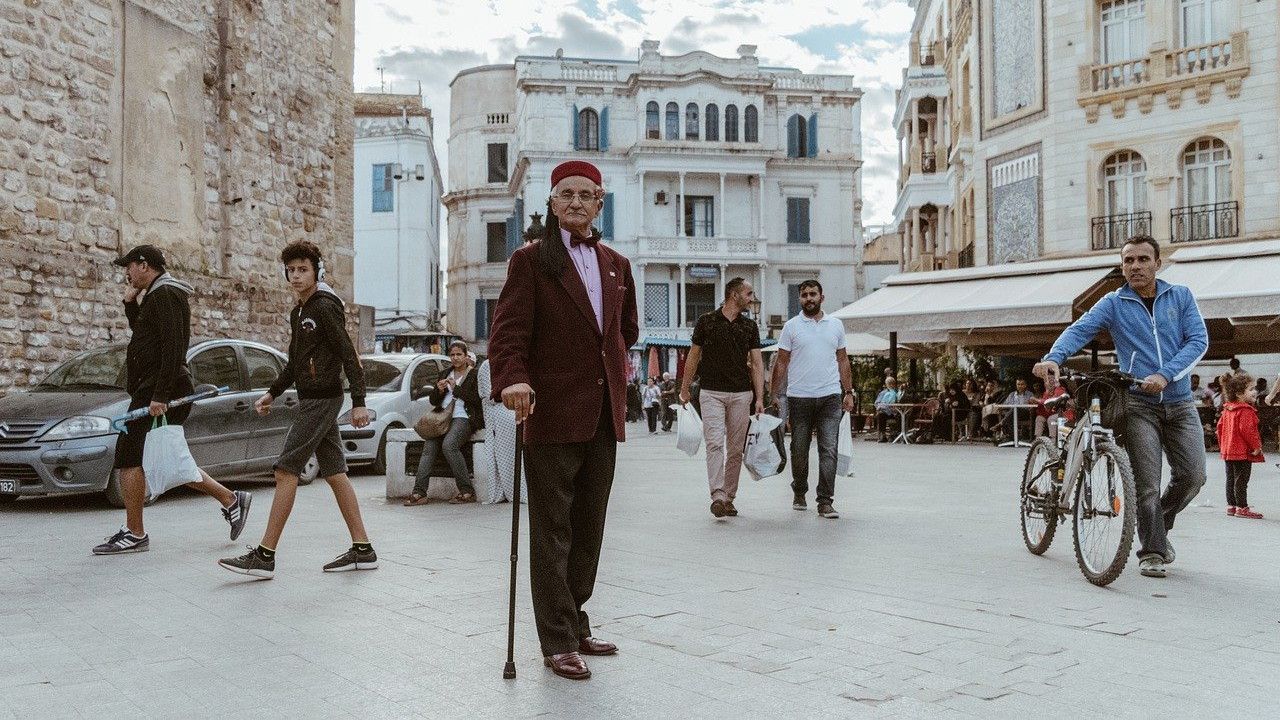
The media landscape in Tunisia is diverse, with a range of outlets using both Arabic and French. This reflects the country’s bilingualism, with Arabic as the official language and French widely used in government, education, and business.
Tunisian media has a significant impact on language use and attitudes. The use of both Arabic and French in the media helps to promote and preserve the country’s linguistic diversity. However, it can also lead to confusion and misunderstandings, particularly among non-native speakers.
The Role of Media in Promoting or Preserving the Tunisian Dialect
The media plays a vital role in promoting and preserving the Tunisian dialect. By using the dialect in news broadcasts, television shows, and films, the media helps to normalize its use and make it more accessible to a wider audience.
For example, the popular television series “Choufli Hal” features characters who speak in the Tunisian dialect. This has helped to make the dialect more popular and acceptable, particularly among young people.
The Influence of Social Media on Language Use in Tunisia
Social media is also having a significant impact on language use in Tunisia. The use of Arabic and French on social media platforms is helping to break down the barriers between the two languages and create a more inclusive linguistic environment.
For example, the use of Arabic hashtags on Twitter has helped to make Arabic content more accessible to non-native speakers. This has led to a greater awareness and appreciation of the Tunisian dialect.
Language and Tourism in Tunisia
Language plays a vital role in the tourism industry, enabling communication between tourists and locals, facilitating the exchange of information, and enhancing the overall tourism experience. Tunisia, with its rich linguistic landscape, presents both opportunities and challenges in terms of language accessibility for tourists.One of the key challenges for tourists in Tunisia is the language barrier.
The official language of Tunisia is Arabic, and while many Tunisians speak French as a second language, English proficiency is relatively low. This can make it difficult for tourists who do not speak Arabic or French to communicate effectively with locals, access information, or navigate the country.
Role of English as a Lingua Franca in Tunisian Tourism
Despite the challenges, English has emerged as a lingua franca in Tunisian tourism. Many tourist-oriented businesses, such as hotels, restaurants, and tour operators, have English-speaking staff or provide English-language materials. This has made it easier for tourists from around the world to visit Tunisia and enjoy its many attractions.
Common Languages Spoken by Tourists in Tunisia and Associated Challenges
- Arabic:Spoken by the majority of the population, but can be a challenge for non-Arabic speakers.
- French:Widely spoken as a second language, but proficiency varies among individuals.
- English:Increasingly used in the tourism industry, but still limited in wider communication.
- German:Spoken by a significant number of tourists, especially during the summer months.
- Italian:Spoken by a growing number of tourists, particularly from neighboring Italy.
Recommendations for Improving Language Accessibility for Tourists in Tunisia
- Increase English language training:Focus on improving the English proficiency of tourism professionals and service providers.
- Provide multilingual signage:Display important information, such as street signs, menus, and tourist brochures, in multiple languages.
- Develop language learning apps:Create mobile applications that provide tourists with basic Arabic or French phrases and essential travel information.
- Promote cultural exchange:Encourage interaction between tourists and locals to foster language learning and cultural understanding.
Language and the Economy in Tunisia

Language plays a crucial role in Tunisia’s economic development. Proficiency in various languages, particularly Arabic, French, and English, is essential for job opportunities and economic growth.
Importance of Language Skills for Job Opportunities
- Arabic:The official language of Tunisia, Arabic is essential for communication in government, education, and business.
- French:A legacy of French colonialism, French is widely used in commerce, tourism, and international relations.
- English:Increasingly important in global business, English opens up opportunities in international trade and investment.
Specific Examples of Language Skills Contributing to Economic Growth
- Tourism:Tunisia’s tourism industry relies heavily on language skills, with French and English being essential for communication with international visitors.
- Outsourcing:Tunisia has emerged as a hub for outsourcing services, with language skills enabling Tunisian professionals to serve clients worldwide.
- Foreign Direct Investment:Language proficiency attracts foreign investors who seek skilled workers who can communicate effectively.
Challenges in Language and Economic Development
- Limited English Proficiency:Despite its importance, English proficiency remains relatively low in Tunisia.
- Regional Dialect Variations:Arabic dialects vary significantly across Tunisia, which can create communication barriers.
- Lack of Specialized Language Training:Tunisia’s education system does not adequately provide specialized language training for business and technical fields.
Solutions to Address Challenges
- Improve English Education:Enhance English language instruction in schools and universities.
- Promote Dialect Awareness:Raise awareness of dialect variations and encourage understanding across regions.
- Offer Specialized Language Training:Develop targeted language training programs for specific industries and professions.
– Explain the impact of technology on language use in Tunisia, focusing on both formal and informal contexts.
Technology has had a significant impact on language use in Tunisia, both in formal and informal contexts. In formal contexts, technology has made it easier for people to communicate with each other, regardless of their location. For example, email, instant messaging, and social media have made it possible for people to stay in touch with friends and family who live far away.
Technology has also made it easier for people to access information and to learn new things. For example, online encyclopedias and language learning apps have made it possible for people to learn about a wide range of topics, including different languages.
In informal contexts, technology has also had a significant impact on language use. For example, social media has made it possible for people to share their thoughts and ideas with a wider audience. This has led to the emergence of new words and phrases, as well as new ways of expressing oneself.
In Tunisia, the official language is Arabic. However, French is also widely spoken, and many Tunisians speak Italian as a second or third language. If you’re interested in learning Italian, you may find this article helpful. It provides insights into the difficulty of learning Italian and offers tips for making the process easier.
Returning to the topic of Tunisia, the prevalence of Italian in the country can be attributed to its historical ties with Italy, particularly during the colonial period.
Technology has also made it easier for people to connect with others who share their interests, regardless of their location. For example, online forums and social media groups have made it possible for people to connect with others who share their interests in specific languages or cultures.
Rise of digital communication and its influence on language
The rise of digital communication has had a significant impact on language use in Tunisia. This is due to the fact that digital communication has made it possible for people to communicate with each other in new and innovative ways.
For example, social media has made it possible for people to share their thoughts and ideas with a wider audience than ever before. This has led to the emergence of new words and phrases, as well as new ways of expressing oneself.
Digital communication has also made it easier for people to connect with others who share their interests, regardless of their location. For example, online forums and social media groups have made it possible for people to connect with others who share their interests in specific languages or cultures.
This has led to the emergence of new online communities, which have their own unique language and culture.
Role of technology in language preservation and revitalization efforts
Technology can play a significant role in language preservation and revitalization efforts. For example, technology can be used to create online dictionaries and language learning apps. These resources can help people to learn and preserve their native languages. Technology can also be used to create online communities, where people can connect with others who share their interest in a particular language.
This can help to create a sense of community and belonging, which can be important for language preservation and revitalization efforts.
One example of how technology has been used to help preserve and revitalize a language is the case of the Berber language in Tunisia. The Berber language is a minority language that is spoken by a small number of people in Tunisia.
However, thanks to the efforts of language activists, the Berber language is now being taught in schools and universities in Tunisia. Additionally, there are a number of online resources available that can help people to learn the Berber language.
Specific examples of how technology has affected language use in Tunisia
There are a number of specific examples of how technology has affected language use in Tunisia. For example, social media has led to the emergence of new words and phrases, such as “selfie” and “hashtag”. Additionally, social media has made it easier for people to connect with others who share their interests, regardless of their location.
This has led to the emergence of new online communities, which have their own unique language and culture.
Another example of how technology has affected language use in Tunisia is the development of language-learning apps. These apps make it easy for people to learn new languages, including the Berber language. Language-learning apps can be used on smartphones, tablets, and computers, which makes them accessible to a wide range of people.
Potential implications of these changes for the future of language use in Tunisia
The changes that technology has brought to language use in Tunisia are likely to continue in the future. This is due to the fact that technology is constantly evolving, and new technologies are constantly being developed. These new technologies are likely to have a significant impact on language use in Tunisia, both in formal and informal contexts.
One potential implication of these changes is that the Tunisian language may become more diverse in the future. This is due to the fact that technology is making it easier for people to connect with others who share their interests, regardless of their location.
This could lead to the emergence of new online communities, which have their own unique language and culture.
Another potential implication of these changes is that the Tunisian language may become more standardized in the future. This is due to the fact that technology is making it easier for people to access information and to learn new things.
This could lead to the development of new language standards, which could be used in schools and universities.
Language and Education in Tunisia

Language plays a pivotal role in education in Tunisia. The country’s complex linguistic landscape, characterized by the use of Arabic, French, and Berber dialects, has a significant impact on educational policies and practices.
Use of Arabic, French, and Other Languages in Schools and Universities
Arabic is the official language of Tunisia and the primary medium of instruction in schools. However, French is also widely used, particularly in higher education and certain academic fields. This reflects Tunisia’s historical ties to France and the influence of the French language on the country’s education system.In addition to Arabic and French, other languages such as English, Italian, and German are also taught in schools and universities.
This reflects Tunisia’s efforts to promote multilingualism and prepare students for global communication.
Arabic is the official language of Tunisia, but French is also widely spoken, especially in business and government. Tunisia is part of the African continent, and like many other African countries, it is home to a diverse range of languages.
To learn more about the languages spoken in Africa, visit this article. Returning to the topic of Tunisia, Berber languages are also spoken by a significant minority of the population.
Language Policy in Education
The Tunisian government has implemented various language policies to promote the use of Arabic while recognizing the importance of French and other languages. These policies include:
- Establishing Arabic as the sole medium of instruction in primary education.
- Allowing French as a second language of instruction in secondary and higher education.
- Encouraging the use of English and other foreign languages in specific fields.
These policies aim to balance the preservation of Arabic as the national language with the need for multilingualism in a globalized world.
Language and Culture in Tunisia
In Tunisia, language and culture are inextricably intertwined. The Arabic language, the official language of Tunisia, is deeply rooted in the country’s history, traditions, and cultural identity.
The Tunisian Arabic dialect, known as Darija, is a vibrant and expressive language that reflects the cultural values and traditions of the Tunisian people. Darija is used in everyday conversation, literature, music, and media, and it plays a crucial role in shaping Tunisian identity.
Cultural Values and Traditions Expressed Through Language
Darija is a rich and nuanced language that expresses the cultural values and traditions of Tunisia. The language is characterized by its use of proverbs, idioms, and metaphors, which reflect the wisdom and experiences of the Tunisian people.
For example, the proverb ” El klem el tayeb, el melh el tayeb” (Good words are like good salt) emphasizes the importance of using kind and respectful language in social interactions.
Darija also reflects the Tunisian people’s love of storytelling and oral tradition. Many Tunisian folk tales and legends are passed down through generations through oral storytelling, and these stories often contain valuable lessons about life and culture.
Query Resolution: What Language Is Spoken In Tunisia
What is the official language of Tunisia?
Arabic
What are the main regional dialects spoken in Tunisia?
Tunisian Arabic, Djerbi, Sfaxian
What Berber dialects are spoken in Tunisia?
Tamazight, Chenoua, Nafusi
What is the role of French in Tunisia?
French is a widely spoken second language, used in education, media, and business
