What is the language in africa – The linguistic landscape of Africa is a vibrant and diverse tapestry, reflecting the continent’s rich cultural heritage and complex history. With over 2,000 languages spoken across the continent, Africa boasts one of the most linguistically diverse regions in the world.
This intricate mosaic of languages encompasses a wide range of language families, each with its own unique characteristics and geographic distribution.
The Bantu languages, the largest language family in Africa, are spoken by over 350 million people across sub-Saharan Africa. Other major language families include the Afro-Asiatic languages, spoken in North Africa and the Horn of Africa; the Nilo-Saharan languages, found in East and Central Africa; and the Khoisan languages, spoken in southern Africa.
These language families, along with numerous smaller families and isolates, contribute to the remarkable linguistic diversity that defines the African continent.
Overview of Languages in Africa

Africa is a continent of remarkable linguistic diversity, with an estimated 2,000 to 3,000 languages spoken across its vast expanse. These languages belong to various language families, each with its unique characteristics and geographic distribution.
The major language families in Africa include:
| Language Family | Estimated Number of Speakers | Geographic Distribution |
|---|---|---|
| Niger-Congo | 700 million | Central, Southern, and Western Africa |
| Afro-Asiatic | 370 million | Northern and Eastern Africa |
| Nilo-Saharan | 150 million | Central, Eastern, and Northeastern Africa |
| Khoisan | 300,000 | Southern Africa |
Classification of African Languages
African languages are diverse and can be classified into several major families based on shared linguistic features. The following table summarizes the major language families in Africa:
| Language Family | Number of Languages | Geographic Distribution | Common Characteristics |
|---|---|---|---|
| Niger-Congo | 1,500+ | Sub-Saharan Africa | Tonal languages, noun class systems, verb-subject-object word order |
| Afro-Asiatic | 300+ | North Africa, Horn of Africa, Southwest Asia | Consonant-rich languages, tripartite root system, verb-subject-object word order |
| Nilo-Saharan | 150+ | Central and Eastern Africa | Tonal languages, complex verb systems, noun class systems |
| Khoe-Kwadi | 20+ | Southern Africa | Click consonants, noun class systems, verb-subject-object word order |
| Austronesian | 10+ | Madagascar | Austronesian vocabulary, verb-subject-object word order, lack of noun class systems |
Phonological Features
The phonological features of African languages vary widely across families. Niger-Congo languages are typically tonal, with each syllable having a specific pitch that can affect the meaning of a word. Afro-Asiatic languages have a rich consonant inventory, with many languages having ejective, implosive, and pharyngeal consonants.
Nilo-Saharan languages often have complex vowel systems, with many languages having more than 10 distinct vowels.
Grammatical Features
The grammatical features of African languages also vary across families. Niger-Congo languages typically have noun class systems, which group nouns into different classes based on their semantic or syntactic properties. Afro-Asiatic languages have a tripartite root system, where words are formed by combining three consonants with a specific vowel pattern.
Nilo-Saharan languages often have complex verb systems, with many languages having multiple verb forms to express different aspects of tense, mood, and aspect.
Lexical Features
The lexical features of African languages also vary across families. Niger-Congo languages share a common core vocabulary that includes words for basic concepts such as body parts, animals, and plants. Afro-Asiatic languages share a common vocabulary that includes words for agricultural terms, religious concepts, and trade items.
Nilo-Saharan languages share a common vocabulary that includes words for environmental features, such as rivers, mountains, and animals.
Sociolinguistic Factors
The sociolinguistic factors that affect African languages include the number of speakers, the geographic distribution of the language, and the political and economic status of the speakers. Some African languages are spoken by millions of people and are used as official languages in several countries.
Other African languages are spoken by only a few hundred people and are in danger of extinction. The political and economic status of the speakers of a language can also affect its vitality. Languages spoken by marginalized or oppressed groups are often less likely to be used in education or government, and they may be more likely to decline in use.
Map of Language Families in Africa
The following map shows the distribution of the major language families in Africa:
[Image of a map of Africa showing the distribution of the major language families]
History of Language Classification in Africa
The history of language classification in Africa is a complex one. The first attempts to classify African languages were made by European missionaries and colonial administrators in the 19th century. These early classifications were based on superficial similarities between languages, and they often grouped together languages that were not actually related.
In the 20th century, linguists began to develop more scientific methods for classifying African languages. These methods were based on shared linguistic features, such as phonology, grammar, and vocabulary. As a result of these efforts, we now have a much better understanding of the diversity of African languages and their relationships to each other.
Implications of Language Classification for Language Policy and Development in Africa
The classification of African languages has important implications for language policy and development in Africa. Language policy refers to the decisions that governments make about which languages to use in education, government, and the media. Language development refers to the efforts that are made to promote the use of a language and to ensure that it has the resources it needs to thrive.
The classification of African languages can help governments to make informed decisions about which languages to support and how to allocate resources for language development.
Historical Development of African Languages
The evolution of African languages is a complex and fascinating story that spans thousands of years. The continent’s linguistic landscape has been shaped by a multitude of factors, including migration, trade, and colonization.
Migrations and Language Spread
The earliest known languages in Africa were spoken by hunter-gatherer populations who migrated to the continent from Eurasia around 50,000 years ago. As these populations spread throughout Africa, they brought their languages with them, and these languages eventually diversified into the many different families that exist today.
One of the most significant migrations in African history was the Bantu expansion, which began around 3,000 years ago. The Bantu-speaking peoples migrated from West Africa to Central and Southern Africa, bringing their languages with them. Today, Bantu languages are spoken by over 300 million people in Africa.
Trade and Language Contact
Trade has also played a major role in the development of African languages. For centuries, traders from North Africa, the Middle East, and Europe have traveled to Africa to trade goods. This trade has led to the exchange of ideas and languages, and many African languages have borrowed words from other languages.
For example, the Swahili language, which is spoken in East Africa, has borrowed words from Arabic, Persian, and Portuguese. The Hausa language, which is spoken in West Africa, has borrowed words from Arabic and Berber.
Colonization and Language Change
The colonization of Africa by European powers in the 19th and 20th centuries had a profound impact on African languages. European colonizers often imposed their own languages on the people they colonized, and this led to the decline of many African languages.
However, in recent years, there has been a growing movement to revitalize African languages. Many African countries have adopted policies to promote the use of African languages in education and government. As a result, many African languages are now experiencing a resurgence.
Sociolinguistic Significance of African Languages
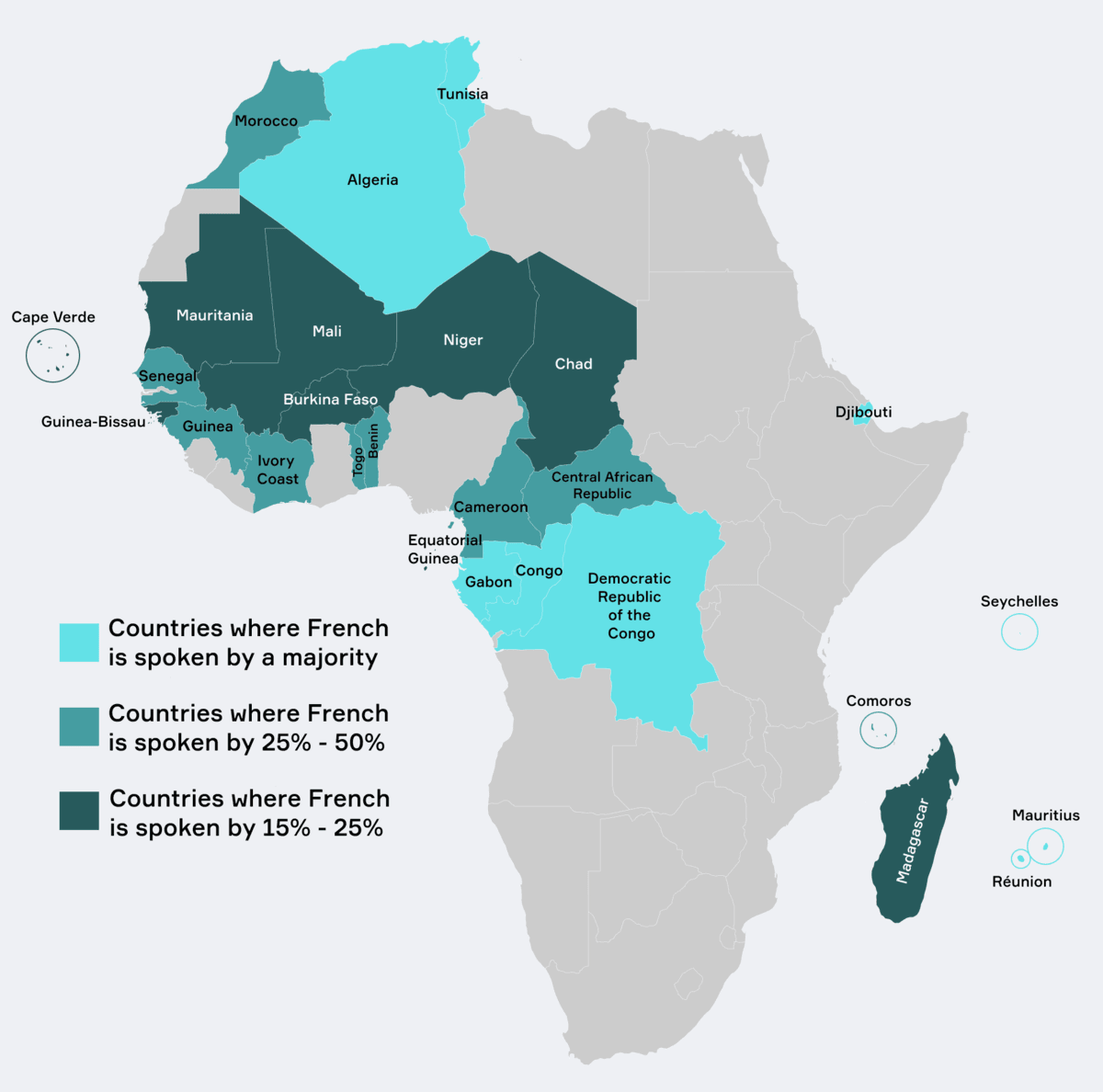
African languages play a vital role in the cultures and societies of the continent. They are the primary means of communication within communities, expressing cultural values, traditions, and beliefs. African languages are also essential for maintaining cultural heritage and identity.
Use of African Languages in Education, Media, and Government
In many African countries, African languages are used in education, media, and government. This helps to promote literacy and cultural preservation. For example, in South Africa, 11 official languages are recognized, including indigenous African languages such as Zulu, Xhosa, and Afrikaans.
These languages are used in schools, universities, and government institutions, fostering inclusivity and preserving cultural diversity.In media, African languages are increasingly used in radio and television broadcasting, reaching a wider audience and promoting cultural awareness. This has contributed to the growth of African film and music industries, showcasing the richness and diversity of African cultures.
Language Policy and Planning in Africa

Language policy and planning in Africa encompass a wide range of efforts aimed at promoting, preserving, and developing African languages. These efforts vary across different African countries, reflecting the diverse linguistic and sociopolitical contexts in the continent.
Overview of Language Policies in Africa
Many African countries have adopted language policies that aim to promote the use of African languages in various domains, including education, government, and media. Some countries have adopted official language policies that recognize multiple African languages as official languages alongside European languages inherited from colonial rule.
For example, South Africa has 11 official languages, including several African languages such as Zulu, Xhosa, and Afrikaans.
Other countries have adopted policies that promote the use of African languages in specific domains, such as education. For example, Tanzania has adopted a policy of using Kiswahili as the medium of instruction in primary education. These policies aim to enhance the status and visibility of African languages and to promote their use in domains where they have traditionally been marginalized.
Challenges and Opportunities in Promoting African Languages
Promoting and preserving African languages faces several challenges, including the legacy of colonialism, globalization, and the dominance of European languages in many domains. Colonial powers often suppressed African languages and imposed their own languages as the official languages of their colonies.
This has led to a situation where many African languages are still marginalized and lack the resources and support needed to thrive.
Globalization has also posed challenges to the preservation of African languages. The spread of global media and technology often leads to the dominance of a few major languages, such as English, French, and Spanish. This can lead to the erosion of local languages, especially among younger generations.
Despite these challenges, there are also opportunities for promoting and preserving African languages. The growing awareness of the importance of linguistic diversity and the rights of linguistic minorities has led to increased support for African languages. Many African governments are now investing in language development programs and promoting the use of African languages in education and other domains.
Furthermore, the development of new technologies, such as language learning apps and online dictionaries, is making it easier for people to learn and use African languages. These technologies can help to revitalize African languages and make them more accessible to a wider audience.
Endangered Languages in Africa

Numerous African languages are endangered due to various factors. Their geographic distribution varies across the continent.
Language endangerment occurs when a language is at risk of disappearing or becoming extinct. Several factors contribute to language endangerment, including:
- Dominance of major languages (e.g., English, French, Arabic)
- Globalization and cultural assimilation
- Lack of education and literacy in minority languages
- Migration and urbanization
- Political and economic marginalization
Preservation efforts aim to revitalize and protect endangered languages. These efforts include:
- Language documentation and research
- Education and literacy programs
- Community engagement and language revitalization initiatives
- Government support and language policies
Indigenous Languages in Africa
Indigenous languages in Africa are the languages spoken by the original inhabitants of the continent before the arrival of colonizers. They represent a significant part of Africa’s cultural heritage and linguistic diversity.
The importance of indigenous languages in Africa extends beyond their cultural significance. They play a crucial role in preserving traditional knowledge, customs, and beliefs. They facilitate intergenerational transmission of cultural values and practices, ensuring the continuity of African heritage.
Classification of Indigenous Languages
Indigenous languages in Africa belong to various language families, including Niger-Congo, Afro-Asiatic, Nilo-Saharan, and Khoisan. Each family encompasses numerous branches and subgroups, reflecting the linguistic diversity of the continent.
The Niger-Congo family is the largest and most widespread, accounting for over 1,500 languages spoken in West, Central, East, and Southern Africa. It includes prominent languages such as Swahili, Yoruba, and Zulu.
Africa is a continent with a rich linguistic heritage, with over 2,000 languages spoken. These languages belong to various families, including Afro-Asiatic, Niger-Congo, and Khoisan. While the languages of Africa are diverse, they share some common features, such as the use of tone and complex verb systems.
The languages of ancient Rome, on the other hand, were Indo-European languages, related to languages such as English, French, and Spanish. What language was spoken in ancient Rome is a fascinating topic that sheds light on the history and culture of one of the world’s most influential civilizations.
The study of African languages and ancient Roman languages can provide valuable insights into the diversity and evolution of human language.
The Afro-Asiatic family is found primarily in North Africa and the Horn of Africa. It includes languages like Arabic, Berber, and Somali.
The Nilo-Saharan family is spoken in parts of East, Central, and Southern Africa. It includes languages like Dinka, Nuer, and Luo.
The Khoisan family is a unique group of languages spoken in Southern Africa. It is characterized by the use of click consonants.
The continent of Africa is home to a vast array of languages, reflecting its rich cultural and linguistic diversity. From the Bantu languages spoken in sub-Saharan Africa to the Afro-Asiatic languages found in North Africa, the linguistic landscape of Africa is incredibly complex.
In contrast, Thailand, located in Southeast Asia, has a much more limited linguistic diversity. The official language of Thailand is Thai, a Tai-Kadai language spoken by the majority of the population. However, there are also several minority languages spoken in Thailand, including Lao, Khmer, and various Hmong-Mien languages.
For a more in-depth look at the languages spoken in Thailand , click on the link provided. Returning to the topic of African languages, it is important to note that the linguistic diversity of Africa has been shaped by a long history of migrations, conquests, and cultural interactions, resulting in a vibrant and ever-evolving linguistic tapestry.
Endangered Indigenous Languages
Many indigenous languages in Africa are facing the threat of extinction due to factors such as globalization, urbanization, and the dominance of major languages. Language loss can result in the loss of cultural knowledge and diversity.
Efforts are being made to revitalize and preserve endangered indigenous languages. These efforts include language documentation, education, and community-based initiatives.
Conclusion, What is the language in africa
Indigenous languages in Africa are an integral part of the continent’s cultural heritage and linguistic diversity. Their preservation is crucial for maintaining cultural identity, transmitting traditional knowledge, and promoting linguistic equality.
Pidgins and Creoles in Africa
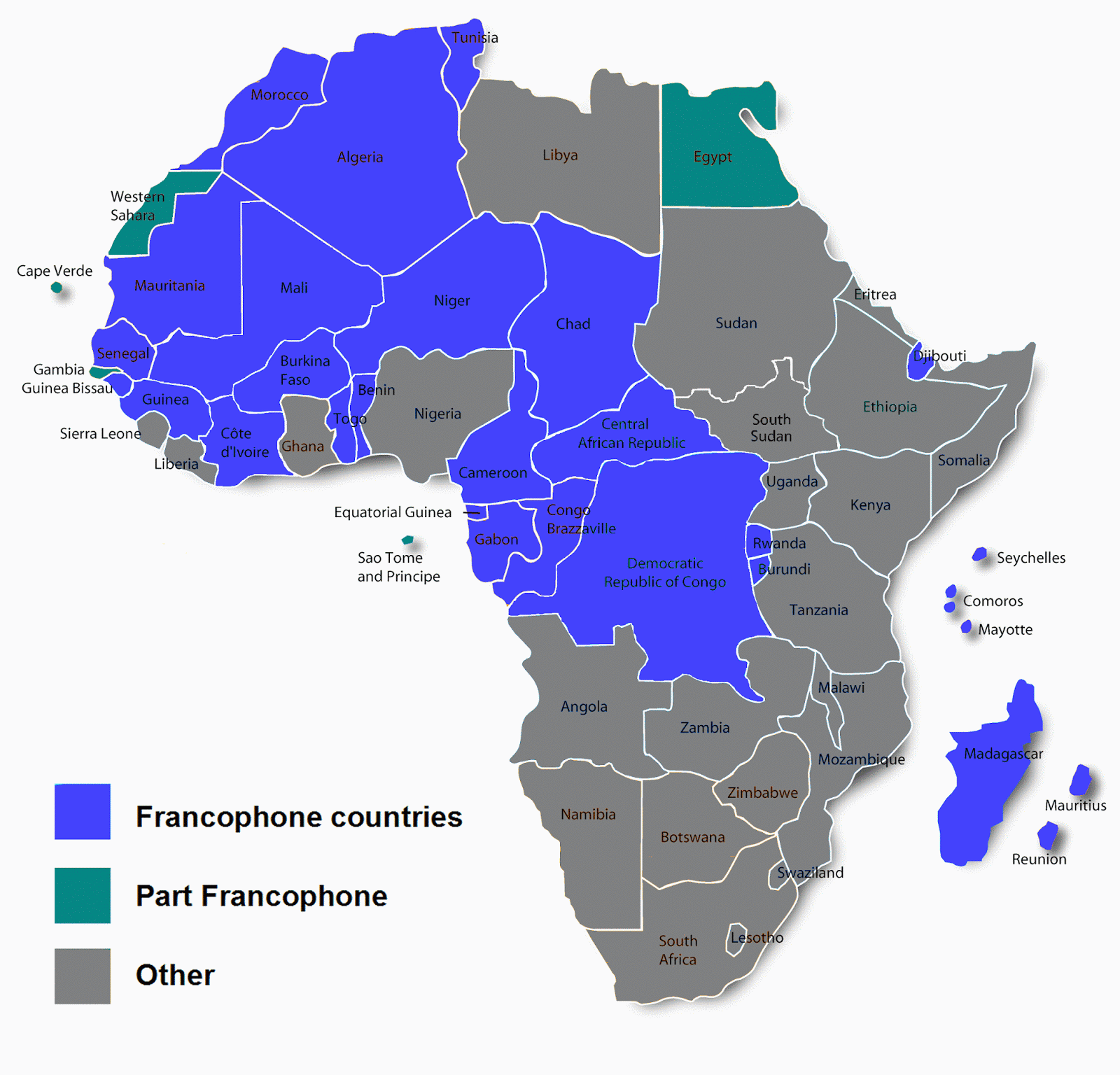
Pidgins and creoles are simplified languages that develop in situations of contact between two or more languages. They are often used as a means of communication between people who do not share a common language. Pidgins are typically used for limited purposes, such as trade or communication between people from different ethnic groups.
Creoles, on the other hand, are more fully developed languages that are used for a wider range of purposes, including education, government, and literature.
There are many pidgins and creoles spoken in Africa. Some of the most well-known include:
- Swahili
- Hausa
- Yoruba
- Igbo
- Wolof
These languages play an important role in communication and cultural exchange in Africa. They are used in a variety of settings, including:
- Trade
- Education
- Government
- Literature
Pidgins and creoles are often seen as symbols of African identity and culture. They are a reminder of the continent’s rich history of trade and cultural exchange.
Language and Identity in Africa: What Is The Language In Africa
In African societies, language is deeply intertwined with identity, serving as a vital marker of cultural practices, beliefs, and values. Each language embodies a unique worldview and reflects the collective experiences and aspirations of its speakers.
For example, the Bantu languages of Central and Southern Africa often incorporate tonal variations that convey subtle nuances of meaning and emotion. These tonal systems reflect the rich musical traditions and expressive communication styles of Bantu-speaking communities.
Language and Cultural Practices
Language plays a crucial role in shaping cultural practices and rituals. In many African societies, specific languages are associated with particular ceremonies, songs, and dances. For instance, the Yoruba language of Nigeria has a vast repertoire of sacred chants and incantations used in traditional religious ceremonies.
Language and Beliefs
Language also influences beliefs and values. The Maasai language of Kenya, for example, has a rich vocabulary related to cattle herding, reflecting the central role of livestock in Maasai culture. The concept of “enkai,” the Maasai god, is deeply embedded in their language and shapes their spiritual beliefs.
Language and Social Movements
Language has been a powerful tool for social and political movements in Africa. During the anti-colonial struggles, African leaders used indigenous languages to mobilize support and articulate their demands for independence. For instance, Kwame Nkrumah’s speeches in Twi, his native Ghanaian language, resonated deeply with the masses and helped galvanize the pan-African movement.
Challenges and Opportunities
In the face of globalization, African languages face both challenges and opportunities. The spread of English and French as official languages in many African countries has led to concerns about the decline of indigenous languages. However, there are also efforts to revitalize and promote African languages through education, cultural initiatives, and technology.
– Discuss the challenges and opportunities in using African languages in education, including the impact on student learning, teacher training, and curriculum development.

The use of African languages in education has been a topic of debate and research for several decades. While there are potential benefits to using African languages in education, there are also challenges that need to be considered. One of the main challenges is the lack of resources, such as textbooks and teaching materials, in African languages.
This can make it difficult for teachers to effectively teach in these languages and for students to learn.
Another challenge is the lack of teacher training in African languages. Many teachers have not been trained to teach in these languages, and they may not be fluent in them. This can make it difficult for them to create effective lesson plans and to communicate with students.
Curriculum Development
The development of curricula in African languages is also a challenge. Curricula need to be adapted to the specific needs of each language and culture. This can be a time-consuming and expensive process.
Impact on Student Learning
Despite the challenges, there are also potential benefits to using African languages in education. Studies have shown that students who are taught in their mother tongue learn better and are more engaged in their learning. They are also more likely to develop a positive attitude towards their own language and culture.
Teacher Training
In order to address the challenges of using African languages in education, it is important to invest in teacher training. Teachers need to be trained in how to teach in these languages and how to develop effective lesson plans. They also need to be fluent in the languages they are teaching.
Curriculum Development
It is also important to develop curricula in African languages. These curricula need to be adapted to the specific needs of each language and culture. They should also be aligned with the national curriculum.
Language and Technology in Africa
The advent of technology has had a profound impact on African languages. From language documentation and revitalization to communication and teaching, technology is playing a crucial role in the preservation and development of African languages.
Use of Technology for Language Documentation and Revitalization
Technology has provided powerful tools for documenting and revitalizing African languages. Digital audio and video recordings, for example, have enabled researchers to preserve endangered languages and create language archives. Language revitalization projects have also benefited from technology, with apps and software being developed to teach and promote African languages to younger generations.
Technology in Language Teaching and Learning
Technology has revolutionized language teaching and learning in Africa. Interactive language learning apps, online courses, and video conferencing tools have made it easier for learners to access and engage with African languages. Technology has also facilitated the development of tailored language learning materials that cater to the specific needs of African language learners.
Ethical Considerations
While technology offers immense opportunities for language preservation and development, it also raises ethical considerations. The use of technology for language documentation and revitalization must be done with the consent and involvement of language communities. It is also important to ensure that technology does not lead to the dominance of certain languages over others or the marginalization of minority languages.
Case Studies
Several successful technology-based language initiatives have been implemented in Africa. The African Language Technology Initiative (ALTI) is a notable example, providing resources and support for the development of African language technologies. Another project, the Endangered Languages Project, has created a digital archive of endangered African languages, ensuring their preservation for future generations.
Language and Globalization in Africa
Globalization, the process of increasing interconnectedness and interdependence between countries and peoples, has had a profound impact on African languages. On the one hand, globalization has presented challenges to the preservation and promotion of African languages. On the other hand, it has also created opportunities for these languages to reach a wider audience and play a more significant role in the global arena.
One of the main challenges posed by globalization is the spread of dominant languages, such as English, French, and Arabic, at the expense of African languages. These dominant languages are often used in education, business, and government, which can lead to a decline in the use of African languages in these domains.
Additionally, the media, which is increasingly globalized, often favors dominant languages, which can further marginalize African languages.
However, globalization has also created opportunities for African languages. The internet, for example, has made it possible for African languages to reach a wider audience than ever before. There are now many websites, blogs, and social media groups dedicated to African languages.
Additionally, the rise of African diaspora communities around the world has led to a renewed interest in African languages among these communities.
Technology’s Role
Technology plays a complex role in both promoting and threatening African languages. On the one hand, technology can be used to create and distribute content in African languages, which can help to revitalize these languages and reach a wider audience.
On the other hand, technology can also be used to spread dominant languages, which can further marginalize African languages.
One of the most important challenges facing African languages is the lack of resources. Many African languages do not have written scripts, and there is a shortage of materials in these languages. This makes it difficult to use these languages in education and other domains.
However, technology can help to address this challenge by providing tools for creating and distributing content in African languages.
Language Revitalization
Language revitalization efforts are essential to preserving and promoting African languages. These efforts can include initiatives to develop written scripts, create educational materials, and promote the use of African languages in the media. There are many successful examples of language revitalization efforts in Africa.
For example, the Somali language has been successfully revitalized in recent years, thanks to the efforts of Somali diaspora communities around the world.
African languages are a valuable resource for cultural and economic development. These languages embody the unique cultural heritage of Africa, and they can be used to promote economic development by creating opportunities for communication and cooperation between African countries.
Globalization’s Impact on Language Policies
Globalization has had a significant impact on language policies in African countries. Many African countries have adopted policies that promote the use of African languages in education and other domains. However, these policies have often been difficult to implement, due to the lack of resources and the dominance of European languages in many African countries.
Despite the challenges, there is a growing recognition of the importance of African languages in education. Research has shown that students who are taught in their mother tongue perform better academically than students who are taught in a foreign language.
Additionally, the use of African languages in education can help to promote cultural identity and pride.
Challenges and Opportunities in the Global Media Landscape
African languages face a number of challenges in the global media landscape. One challenge is the dominance of European languages in the media. Another challenge is the lack of funding for African-language media. However, there are also a number of opportunities for African languages in the global media landscape.
The internet has made it possible for African-language media to reach a wider audience than ever before. Additionally, there is a growing demand for African-language content from African diaspora communities around the world.
Future Prospects for African Languages
The future of African languages is a topic of great interest and speculation, given the complex interplay of globalization, urbanization, and technological advancements. While some languages face challenges, others are experiencing revitalization efforts, highlighting the diverse trajectories of African languages.
Challenges
- Globalization:The spread of global languages, such as English and French, can lead to the marginalization of local languages, particularly in urban areas.
- Urbanization:The movement of people to urban centers can result in language shift, as individuals adopt the dominant language of the city.
- Educational policies:In some cases, educational systems may prioritize global languages over local languages, limiting the opportunities for students to learn and use their native tongues.
Opportunities
- Language preservation initiatives:Governments, organizations, and communities are implementing programs to document, revitalize, and promote African languages.
- Education reforms:Some countries are recognizing the importance of mother tongue education and are incorporating African languages into their curricula.
- Community engagement:Grassroots movements are promoting the use of African languages in everyday life, such as through community gatherings and cultural events.
Role of Technology
Technology can both promote and endanger African languages. On the one hand, digital tools can facilitate language learning, documentation, and revitalization efforts. On the other hand, the dominance of global languages on the internet and social media can pose challenges for less-resourced languages.
Importance of Language Diversity
The loss of African languages would have significant consequences for individual communities and the global linguistic landscape. Languages are repositories of cultural knowledge, identity, and history. Their preservation is essential for maintaining cultural diversity and fostering a sense of belonging.
Recommendations
- Support language preservation initiatives and advocate for the inclusion of African languages in education systems.
- Promote community engagement and encourage the use of African languages in everyday life.
- Invest in technology solutions that support African language learning and revitalization.
- Recognize the importance of language diversity and work to protect endangered languages.
Questions Often Asked
How many languages are spoken in Africa?
Over 2,000 languages are spoken in Africa, making it one of the most linguistically diverse regions in the world.
What is the most widely spoken language family in Africa?
The Bantu language family is the most widely spoken language family in Africa, with over 350 million speakers.
What are the major challenges facing African languages?
African languages face challenges such as language endangerment, globalization, and the influence of dominant languages.
