What language do they speak in Qatar? The answer to this question reveals a rich linguistic landscape shaped by a blend of Arabic heritage, international influences, and modern advancements. This comprehensive guide delves into the fascinating world of languages spoken in Qatar, exploring their historical roots, cultural significance, and the impact of globalization on their evolution.
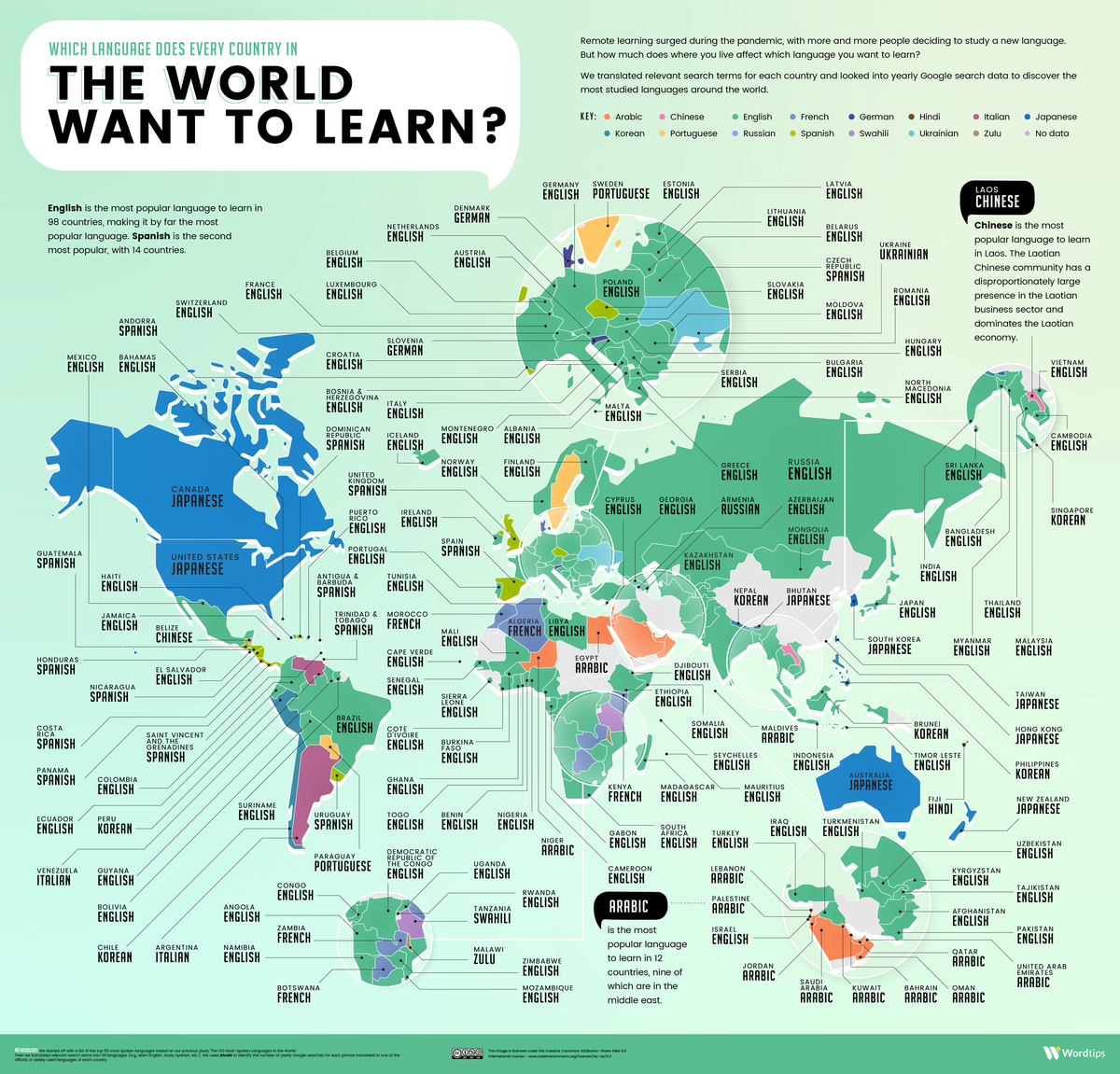
Arabic, the official language of Qatar, holds a central place in Qatari society, embodying the nation’s cultural identity and serving as a bridge to its rich literary and artistic traditions. English, a global lingua franca, plays a prominent role in business, education, and international communication, reflecting Qatar’s cosmopolitan nature.
Other languages, such as Urdu, Hindi, and Tagalog, are spoken by significant expatriate communities, adding to the country’s linguistic diversity.
Official Language
The official language of Qatar is Arabic. Modern Standard Arabic (MSA) is the formal written and spoken language used in official government communications, education, and media. Qatari Arabic, a dialect of Gulf Arabic, is the native language of the majority of Qatari citizens and is widely spoken in everyday life.
Arabic has a rich historical and cultural significance in Qatar. It is the language of the Quran, the holy book of Islam, and has been spoken in the region for centuries. Arabic literature, poetry, and music have played a significant role in shaping Qatari culture and identity.
Number of Speakers
According to the 2010 census, approximately 91% of the population of Qatar speaks Arabic as their native language. This includes both Qatari citizens and expatriates from other Arabic-speaking countries.
Government Efforts
The Qatari government has made significant efforts to preserve and promote the Arabic language. Arabic is the language of instruction in all public schools, and the government provides financial support for Arabic language programs and initiatives.
Challenges
Despite these efforts, the Arabic language faces challenges in maintaining its vitality in a globalized world. The increasing use of English in international business and communication, as well as the influence of other languages spoken by expatriates in Qatar, poses a threat to the dominance of Arabic.
Other Commonly Spoken Languages

In addition to Arabic, several other languages are commonly spoken in Qatar due to the country’s diverse population and its role as a global business hub.
The official language of Qatar is Arabic, however, English is widely spoken and used in business and government. In Switzerland, the official languages are German, French, Italian, and Romansh. The official language in Switzerland varies depending on the region, with German being the most commonly spoken language.
The prevalence of these languages is primarily attributed to immigration, trade, and the presence of expatriate communities.
English
- Widely used in business, education, and government
- Official language of many international organizations headquartered in Qatar
- Spoken by approximately 85% of the population
Urdu
- Spoken by Pakistani expatriates, who constitute a significant portion of Qatar’s workforce
- Used in community gatherings, religious events, and cultural festivals
- Spoken by approximately 15% of the population
Hindi
- Spoken by Indian expatriates, who form a large part of Qatar’s labor force
- Used in social interactions, religious ceremonies, and cultural events
- Spoken by approximately 10% of the population
Tagalog
- Spoken by Filipino expatriates, who are employed in various sectors in Qatar
- Used in community events, religious gatherings, and social interactions
- Spoken by approximately 5% of the population
French
- Used in education, particularly in international schools and universities
- Spoken by French expatriates and business professionals
- Spoken by approximately 3% of the population
Dialect Variations

The official language of Qatar, Arabic, exhibits regional variations in pronunciation, vocabulary, and grammar. These variations are influenced by geographical factors, such as proximity to neighboring countries, and cultural factors, such as tribal affiliations and historical migrations.
Dialectal Distribution
The main dialects spoken in Qatar are:
- Gulf Arabic: Spoken in the eastern and central regions of Qatar, including Doha, Al Khor, and Al Wakrah.
- Najdi Arabic: Spoken in the western regions of Qatar, including Dukhan and Umm Bab.
- Bahrani Arabic: Spoken in the northern regions of Qatar, including Al Ruwais and Al Zubarah.
Dialectal Differences
The following table provides a comparison of the three main dialects in terms of pronunciation, vocabulary, and grammar:
| Feature | Gulf Arabic | Najdi Arabic | Bahrani Arabic |
|---|---|---|---|
| Pronunciation | /q/ pronounced as [g] | /q/ pronounced as [q] | /q/ pronounced as [k] |
| Vocabulary | yalla (let’s go) | ma’a as-salama (goodbye) | shinu (what) |
| Grammar | Use of the present tense to express the future | Use of the past tense to express the future | Use of the subjunctive mood to express the future |
Dialectal Recordings
The following audio recordings demonstrate the variations in pronunciation between the three main dialects:
Foreign Language Influence

The language spoken in Qatar has been influenced by various foreign languages throughout its history. These influences have left their mark on the local dialect, shaping its vocabulary, grammar, and pronunciation.
Arabic Influence, What language do they speak in qatar
Arabic, the official language of Qatar, has had the most significant influence on the local dialect. The majority of the vocabulary used in Qatari is derived from Arabic, and the grammar and syntax of the language are largely based on Arabic grammar.
However, the Qatari dialect has also been influenced by other languages, such as Persian, Urdu, and English.
Persian Influence
During the Safavid period (1501-1736), Qatar came under Persian rule. This led to the introduction of many Persian words and phrases into the local dialect. These words are often related to government, administration, and culture. For example, the word “emir” (أمير), meaning “prince” or “ruler”, is derived from the Persian word “amir” (امیر).
Urdu Influence
During the 18th and 19th centuries, Qatar was part of the British Empire. This led to the introduction of many Urdu words and phrases into the local dialect. These words are often related to trade, commerce, and everyday life. For example, the word “bazaar” (بازار), meaning “marketplace”, is derived from the Urdu word “bazaar” (بازار).
English Influence
In the 20th century, Qatar became a major oil producer. This led to a influx of foreign workers from around the world, including many English speakers. As a result, many English words and phrases have been adopted into the local dialect.
These words are often related to technology, business, and international affairs. For example, the word “computer” (كمبيوتر) is derived from the English word “computer”.
Impact of Foreign Language Influence
The influence of foreign languages on the Qatari dialect has had a significant impact on the development of the language. It has led to the adoption of new words and phrases, the modification of grammar and syntax, and the emergence of new pronunciation patterns.
The official language of Qatar is Arabic, with Modern Standard Arabic used in formal settings and Qatari Arabic used in everyday conversation. The Qatari dialect is influenced by other languages in the region, including Persian, Urdu, and Hindi. Like other languages, the development of Arabic can be traced back to the theories of how language created.
These theories suggest that language evolved from non-linguistic communication systems, such as gestures and vocalizations, over thousands of years.
These changes have made the Qatari dialect a unique and dynamic language that reflects the country’s rich history and cultural diversity.
Attitudes of Qataris towards Foreign Language Influence
Qataris generally have a positive attitude towards foreign language influence on their language. They recognize that the adoption of new words and phrases from other languages has enriched their own language and made it more expressive. However, there is also a growing concern among some Qataris that the excessive use of foreign words and phrases could lead to the loss of the traditional Qatari dialect.
Language Policy and Education
Qatar’s language policy aims to preserve and promote the official language, Arabic, while recognizing the importance of English as a global language. The government has implemented various measures to achieve this balance.
Education plays a crucial role in fostering language proficiency in Qatar. Arabic is the medium of instruction in public schools, with English taught as a mandatory subject from primary school onward. The government also supports Arabic language programs and initiatives in schools, such as the National Arabic Language Development Program.
Language Learning Programs and Initiatives
- Qatar Foundation’s Education City hosts universities that offer Arabic language courses for non-native speakers.
- The Ministry of Education has established language centers that provide Arabic language training to adults.
- Private language schools offer Arabic and English language classes for both children and adults.
These initiatives aim to promote language proficiency among Qatar’s diverse population, fostering a multilingual society that can effectively engage in both local and global communication.
Provide a breakdown of the percentage of the population that speaks multiple languages.
Multilingualism is widespread in Qatar, with a significant portion of the population speaking multiple languages. According to a study conducted by the Qatar Statistics Authority, approximately 85% of the population is multilingual, with Arabic and English being the most commonly spoken languages.
The high prevalence of multilingualism in Qatar can be attributed to several factors, including the country’s diverse population, its role as a regional hub for business and trade, and the government’s emphasis on education and language learning.
Prevalence of Multilingualism in Qatar Compared to Other Countries in the Region
Qatar has a higher prevalence of multilingualism compared to other countries in the region. According to a study by the Arab Barometer, 65% of Qataris speak three or more languages, compared to 42% of Saudis and 37% of Emiratis.
| Country | Percentage of Population Speaking Three or More Languages |
|---|---|
| Qatar | 65% |
| Saudi Arabia | 42% |
| United Arab Emirates | 37% |
Language and Culture

Language and culture are inextricably linked in Qatar, as they are in most societies. The language of a people reflects their values, traditions, and beliefs, and it plays a vital role in shaping their culture. In Qatar, the Arabic language is the official language and is spoken by the vast majority of the population.
However, due to the country’s history as a major trading hub, English is also widely spoken, and many other languages are represented among the expatriate community.
The Arabic language is a rich and expressive language that has a long and distinguished history. It is the language of the Quran, the holy book of Islam, and it is spoken by over 300 million people worldwide. The Arabic language has had a profound impact on Qatari culture, and it is used in all aspects of life, from government and business to education and religion.
Cultural Practices and Rituals Tied to Language
There are many cultural practices and rituals in Qatar that are tied to the Arabic language. For example, the traditional greeting of “As-salamu alaykum” (“Peace be upon you”) is a common way to greet someone in Qatar. This greeting is not only a way to say hello, but it is also a way to show respect and to wish someone well.
Another example of a cultural practice tied to the Arabic language is the use of poetry. Poetry is a highly respected art form in Qatar, and it is often used to express one’s feelings, thoughts, and experiences.
Table: Key Aspects of the Relationship Between Language and Culture in Qatar
| Aspect | Description |
|---|---|
| Language reflects values, traditions, and beliefs | The Arabic language reflects the values, traditions, and beliefs of Qatari society. For example, the importance of hospitality is reflected in the language’s many words and phrases related to welcoming guests. |
| Language shapes culture | The Arabic language has shaped Qatari culture in many ways. For example, the language’s emphasis on poetry has led to the development of a rich tradition of oral storytelling. |
| Language is used in all aspects of life | The Arabic language is used in all aspects of life in Qatar, from government and business to education and religion. |
Essay: How Language Has Influenced the Development of Qatari Culture
The Arabic language has had a profound influence on the development of Qatari culture. The language’s rich vocabulary and expressive grammar have allowed Qataris to develop a complex and sophisticated culture. The language’s emphasis on poetry has led to the development of a rich tradition of oral storytelling.
The language’s use in all aspects of life has helped to create a strong sense of community among Qataris.
In conclusion, the relationship between language and culture in Qatar is a complex and multifaceted one. The Arabic language is a vital part of Qatari culture, and it plays a key role in shaping the values, traditions, and beliefs of the Qatari people.
Resources for Further Research
Language and Technology
Technology has significantly impacted language use in Qatar. Social media, mobile communication, and the internet have all played a role in shaping how people communicate and interact with language.
Social media platforms such as Twitter, Facebook, and Instagram have given rise to new forms of language use. Users often employ informal language, abbreviations, and emojis to convey their messages. This has led to the emergence of a new hybrid language that blends formal and informal styles.
Mobile Communication
Mobile communication has also influenced language use in Qatar. The use of smartphones and messaging apps like WhatsApp has made it easier for people to communicate with each other in real-time. This has led to the development of new communication norms, such as the use of voice notes and short, informal messages.
The Internet
The internet has also had a profound impact on language use in Qatar. The availability of online resources and the ability to access information from around the world has exposed Qataris to a wider range of linguistic influences. This has led to the adoption of new words and phrases into the Qatari dialect.
Overall, technology has had a significant impact on language use in Qatar. It has led to the emergence of new language forms, influenced communication norms, and exposed Qataris to a wider range of linguistic influences.
Language and Business

Language plays a crucial role in business and commerce in Qatar, a country with a diverse and multilingual population. Effective communication is essential for building relationships, negotiating contracts, and conducting business transactions.
Businesses operating in Qatar face challenges and opportunities in a multilingual environment. The ability to communicate effectively across language barriers is crucial for success.
Strategies for Effective Communication
Businesses in Qatar employ various strategies to communicate effectively across language barriers:
- Language training:Businesses invest in language training programs for their employees to improve their proficiency in Arabic and English, the two official languages of Qatar.
- Hiring multilingual staff:Businesses hire multilingual staff who can communicate with clients and colleagues from different linguistic backgrounds.
- Translation and interpretation services:Businesses use translation and interpretation services to bridge language gaps in meetings, presentations, and written communication.
- Use of technology:Businesses leverage technology, such as language translation apps and video conferencing with real-time translation, to facilitate communication across language barriers.
Language and Tourism: What Language Do They Speak In Qatar
In the vibrant and welcoming landscape of Qatar, language plays a pivotal role in fostering a memorable and enriching tourist experience. The ability to communicate effectively with locals, navigate through cultural nuances, and access information seamlessly enhances the overall visitor experience.
Language Accessibility Initiatives
Recognizing the importance of language in tourism, Qatar has implemented several initiatives to improve language accessibility for tourists. These include:
- Multi-lingual Signage:Prominent tourist destinations, public spaces, and transportation hubs feature signage in multiple languages, including Arabic, English, French, and Spanish.
- Language Interpretation Services:Trained interpreters are available at major attractions and cultural sites to assist tourists with language barriers.
- Language Learning Apps:The Qatar Tourism Authority (QTA) has developed mobile applications that provide tourists with basic phrases and essential travel information in multiple languages.
Language-Enhanced Visitor Experience
Effective language communication enriches the visitor experience in Qatar in numerous ways:
- Cultural Immersion:Interacting with locals in their native language fosters a deeper understanding of Qatari culture and traditions.
- Improved Communication:Clear communication allows tourists to ask questions, navigate directions, and engage in meaningful conversations.
- Enhanced Safety:Being able to communicate effectively in case of emergencies ensures tourists’ safety and well-being.
Language and the Media
The media plays a significant role in shaping language use in Qatar. Newspapers, television, and radio influence language trends and norms, promoting or preserving the official language. Social media also impacts language use, encouraging informal language and slang.
Influence of Different Media Types
Newspapers:Preserves formal language and promotes standard Arabic through news articles and editorials. Television:Influences informal language and colloquialisms through entertainment programs and talk shows. Radio:Promotes regional dialects and music by broadcasting regional music and news in local dialects. Social Media:Encourages informal language and slang, with the use of colloquial Arabic, emojis, and abbreviations in online conversations.
Language and the Arts
In Qatar, language plays a pivotal role in the expression of cultural identity and creativity through various art forms.
Literature, poetry, and music are prominent mediums where language showcases its power in shaping cultural narratives and artistic expressions.
Qatari Literature
Qatari literature has a rich history, with renowned authors like Jassim Bin Muhammad and Mohammed Abdul Rahman Al-Thani. Their works explore themes of national identity, social change, and the complexities of Qatari society.
Qatari Poetry
Poetry holds a special place in Qatari culture, with traditional forms like the Nabatiand qasidahstill widely practiced. Contemporary poets like Ali Al-Marri and Fatima Al-Nuaimi use language to convey emotions, cultural heritage, and social commentary.
Qatari Music
Music in Qatar is a vibrant blend of traditional and modern influences. Traditional genres like al-ardahand al-samricelebrate Qatari heritage, while contemporary musicians like Fahad Al-Kubaisi and Dana Al Fardan fuse traditional melodies with global sounds.
13. Future Trends
The future of language use in Qatar is likely to be shaped by a complex interplay of globalization, technology, and social change. Here are some potential future trends:
Increased Use of English
English is already widely used in Qatar as a lingua franca for international business and academia. This trend is likely to continue as Qatar becomes increasingly integrated into the global economy. English may also become the medium of instruction in higher education, as it is already in some universities.
Rise of Bilingualism
As Qatar becomes more diverse, there is a growing need for bilingualism. Arabic and English are likely to become the most common languages spoken in Qatar, with many people speaking both languages fluently. This will improve communication between different cultural groups and facilitate integration.
Development of New Dialects
As Qatar’s population grows and becomes more diverse, new dialects of Arabic are likely to emerge. These dialects will blend elements of Arabic with other languages, such as English, Urdu, and Hindi. This will create a unique Qatari dialect that reflects the country’s multicultural heritage.
Influence of Social Media
Social media is already having a significant impact on language use in Qatar. Informal language and slang are becoming more common, and hashtags and emojis are being used to express emotions and ideas. This trend is likely to continue as social media becomes an increasingly important part of people’s lives.
Technological Advancements
Technology is also shaping language use in Qatar. Language translation apps and voice assistants are making it easier to communicate across language barriers. This is likely to lead to increased communication between people from different linguistic backgrounds.
Query Resolution
What is the official language of Qatar?
Arabic
What other languages are commonly spoken in Qatar?
English, Urdu, Hindi, Tagalog
What is the role of English in Qatar?
English is widely used in business, education, and international communication.
How does the Qatari government promote the Arabic language?
Through education, media, and cultural initiatives.
What are the challenges facing the preservation of Arabic in Qatar?
Globalization, the influence of English, and the presence of expatriate communities.
