What language do nepalese speak – Delving into the captivating realm of linguistics, we embark on an exploration of the Nepali language, the vibrant and diverse tongue spoken by the people of Nepal. From its historical roots to its contemporary usage, this comprehensive overview unveils the intricate tapestry of Nepali, shedding light on its significance as a national identity and its role in shaping Nepalese culture and society.
Language spoken in Nepal

Nepal, a diverse country nestled in the Himalayas, boasts a rich linguistic landscape. The country’s official language, Nepali, is widely spoken and serves as the medium of communication in government, education, and the media.
Beyond Nepali, Nepal is home to a multitude of regional languages, each reflecting the cultural and ethnic diversity of the nation.
Official Language: Nepali
Nepali, also known as Khas Kura, is the official language of Nepal and is spoken by approximately 45% of the population. It belongs to the Indo-Aryan branch of the Indo-European language family and is closely related to Hindi and other North Indian languages.
Nepali has a rich literary tradition, with a vast body of poetry, prose, and drama. It is also the language of instruction in schools and universities throughout the country.
Regional Languages
Nepal is home to over 120 regional languages, each spoken by specific ethnic groups and communities. These languages belong to various language families, including Indo-Aryan, Tibeto-Burman, and Austroasiatic.
Some of the major regional languages spoken in Nepal include:
- Maithili
- Bhojpuri
- Tharu
- Tamang
- Newari
- Magar
These languages play a vital role in the cultural and social life of the communities that speak them. They are used in everyday communication, religious ceremonies, and traditional practices.
Nepali language overview
The Nepali language, also known as Gorkhali, is the official language of Nepal and is spoken by approximately 16 million people worldwide. It belongs to the Indo-Aryan branch of the Indo-European language family.The Nepali language has a rich history, with its roots in Sanskrit.
It is believed to have evolved from the Khas language, which was spoken by the Khas people of western Nepal. Over time, the Nepali language has been influenced by various other languages, including Tibetan, Persian, and English.The Nepali language is characterized by its use of a Devanagari script, which is also used to write Hindi and Sanskrit.
Nepali has a relatively simple grammar, with a subject-verb-object word order. The language is also known for its use of honorifics, which are used to show respect to elders and superiors.
Nepali alphabet, What language do nepalese speak
The Nepali alphabet consists of 36 consonants and 12 vowels. The consonants are divided into five groups, based on their place of articulation. The vowels are divided into two groups, based on their length.The Nepali alphabet is written from left to right, and there are no spaces between words.
Words are separated by a small vertical line called a virāma.
The primary language spoken in Nepal is Nepali, an Indo-Aryan language. However, due to Nepal’s proximity to Colombia, there are also significant communities that speak Spanish. To explore the linguistic diversity of Colombia, refer to this comprehensive article: what language do colombia speak.
Returning to the topic of Nepal, the country’s multilingual landscape includes over 120 languages, reflecting its rich cultural heritage.
Nepali grammar
Nepali grammar is relatively simple, with a subject-verb-object word order. The language has two tenses, present and past, and two aspects, perfective and imperfective.Nepali verbs are conjugated according to person, number, and tense. There are also a number of irregular verbs.Nepali nouns are declined according to case, number, and gender.
There are three cases in Nepali: nominative, accusative, and genitive.Nepali adjectives are also declined according to case, number, and gender.
Nepali vocabulary
The Nepali vocabulary is a mix of words from Sanskrit, Tibetan, Persian, and English. The language also has a number of loanwords from other languages, such as Hindi, Urdu, and Bengali.The Nepali vocabulary is constantly evolving, with new words being added all the time.
This is due in part to the influence of mass media and technology.
Nepali language distribution
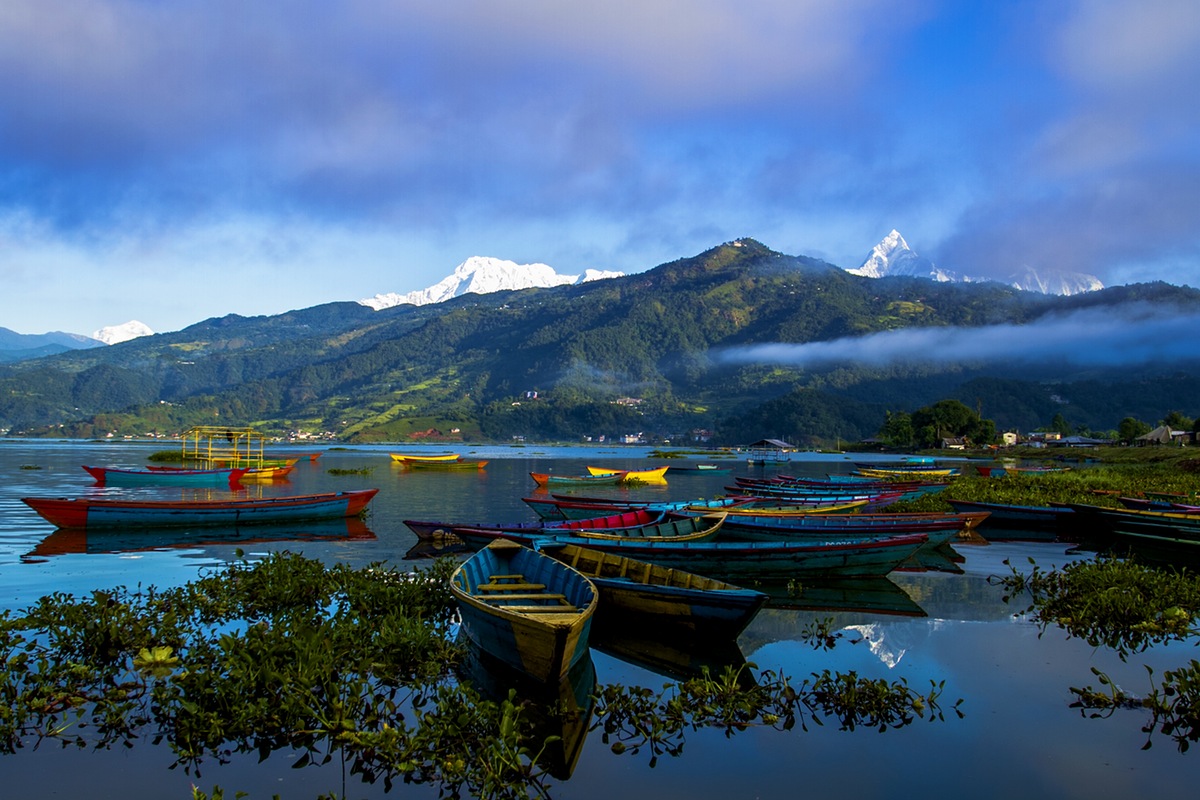
Nepali is the official language of Nepal and is spoken by the majority of the population. It is also spoken in parts of India, Bhutan, and Myanmar.
Geographical distribution of Nepali speakers
The geographical distribution of Nepali speakers is as follows:
- Nepal: Nepali is the official language of Nepal and is spoken by the majority of the population.
- India: Nepali is spoken in the Indian states of Sikkim, Darjeeling, and Kalimpong.
- Bhutan: Nepali is spoken in the southern part of Bhutan.
- Myanmar: Nepali is spoken in the northern part of Myanmar.
Number of Nepali speakers worldwide
The number of Nepali speakers worldwide is estimated to be around 17 million.
Nepali language dialects
Nepali, the official and most widely spoken language in Nepal, exhibits significant dialectal variation across different regions of the country. These dialects differ in terms of pronunciation, vocabulary, and grammar, reflecting the diverse cultural and geographical landscape of Nepal.
Eastern Dialects
- Newari: Spoken in the Kathmandu Valley, Newari is a distinct dialect with its own unique vocabulary and grammar. It is heavily influenced by Sanskrit and Tibetan languages.
- Pahari: Spoken in the eastern hills of Nepal, Pahari is characterized by its use of retroflex consonants and distinct vowel sounds.
Western Dialects
- Tharu: Spoken by the Tharu people in the western plains of Nepal, Tharu is a tonal language with a unique vocabulary and grammar.
- Awadhi: Spoken in the western Tarai region, Awadhi is closely related to Hindi and shares many similarities in vocabulary and grammar.
Other Dialects
- Magar: Spoken by the Magar people in the central and western hills of Nepal, Magar is characterized by its use of nasalized vowels and distinct consonant clusters.
- Gurung: Spoken by the Gurung people in the central and western hills of Nepal, Gurung is known for its use of aspirated consonants and complex verb morphology.
Nepali language literature
Nepali literature is a rich and diverse body of work that spans centuries and encompasses a wide range of genres, including poetry, fiction, drama, and non-fiction. The history of Nepali literature can be divided into several distinct periods, each with its own unique characteristics and influences.
The earliest period of Nepali literature, known as the Bhakta period (13th-15th centuries), was dominated by religious themes and devotional poetry. Notable authors from this period include Jayadeva and Janakavi, whose works focused on the themes of love, devotion, and spirituality.
Medieval Period
The medieval period (16th-18th centuries) saw the rise of a more secular and courtly literature. Poets such as Bhanubhakta Acharya and Lekhnath Paudyal wrote works that celebrated the beauty of the Nepali landscape, the love of God, and the human condition.
During this period, Nepali literature also began to be influenced by Western literary trends, such as Romanticism and Realism.
Modern Period
The modern period (19th-20th centuries) was a time of great change and upheaval in Nepali society. The country was unified under the rule of the Shah dynasty, and there was a growing sense of national identity. Nepali literature reflected these changes, with authors such as Laxmi Prasad Devkota and Parijat exploring themes of social justice, political freedom, and the search for a national identity.
Contemporary Period
The contemporary period (21st century) has seen the continued growth and diversification of Nepali literature. Nepali authors are now writing in a wide range of genres and styles, and their work is being translated into an increasing number of languages.
Some of the most notable contemporary Nepali authors include Manjushree Thapa, Samrat Upadhyay, and Prajwal Parajuli.
Nepali language education

Nepali language plays a pivotal role in the education system of Nepal, serving as the primary medium of instruction and a crucial subject in the curriculum.
Challenges and opportunities
Teaching Nepali in Nepal presents both challenges and opportunities. At the primary level, ensuring proficiency in reading, writing, and speaking Nepali is paramount. However, limited resources, large class sizes, and variations in students’ linguistic backgrounds pose challenges.
In secondary education, the focus shifts to developing critical thinking skills and expanding vocabulary. However, the availability of qualified teachers and relevant teaching materials remains a concern.
At the higher education level, Nepali is taught as a major subject, emphasizing research and literary analysis. Opportunities exist for students to specialize in Nepali language and literature, fostering a deeper understanding of the language and its cultural significance.
Best practices and innovations
Effective Nepali language education incorporates best practices such as:
- Interactive teaching methods
- Use of authentic materials
- Technology integration
Innovative approaches include:
- Project-based learning
- Peer-to-peer teaching
- Gamification
Impact of technology
Technology has significantly impacted Nepali language education:
- Digital textbooks and resources
- Online learning platforms
- Language learning apps
These advancements enhance accessibility, facilitate personalized learning, and promote language immersion.
Future of Nepali language education
The future of Nepali language education in Nepal lies in embracing innovative approaches, integrating technology, and addressing the challenges of resource availability and teacher training.
By investing in quality education, Nepal can ensure the preservation and advancement of the Nepali language, empowering future generations to navigate the complexities of the modern world while preserving their cultural heritage.
Nepali language media
Nepali language media plays a vital role in Nepali society, providing information, entertainment, and a platform for cultural expression. The history of Nepali language media dates back to the early 19th century, with the publication of the first Nepali-language newspaper, Gorkhapatra, in 1816.
Major Nepali language newspapers and magazines
Today, there are numerous Nepali language newspapers and magazines, including:
- Gorkhapatra(daily newspaper)
- Kantipur(daily newspaper)
- Annapurna Post(daily newspaper)
- Himal Khabarpatrika(weekly news magazine)
- Madhyanha(weekly news magazine)
Role of Nepali language media in society
Nepali language media plays a crucial role in Nepali society by:
- Providing information and news to the public
- Promoting Nepali language and culture
- Providing a platform for public discourse
- Holding the government accountable
Challenges and opportunities facing Nepali language media
Nepali language media faces a number of challenges, including:
- Competition from international media outlets
- Limited access to technology and resources
- Government censorship
However, Nepali language media also has a number of opportunities, including:
- A growing Nepali-speaking population
- Increased access to the internet and mobile devices
- Government support for Nepali language media
Impact of Nepali language media on Nepali culture and society
Nepali language media has had a significant impact on Nepali culture and society. It has helped to:
- Promote Nepali language and culture
- Raise awareness of social and political issues
- Create a sense of national identity
Nepali language in popular culture: What Language Do Nepalese Speak
The Nepali language has played a significant role in shaping Nepali culture and identity, serving as a medium of expression in various forms of popular culture, including music, movies, and television. It has not only influenced the development of Nepali popular culture but also reflected the cultural values, traditions, and aspirations of the Nepali people.
Music
Nepali music is deeply rooted in the country’s rich cultural heritage, and the Nepali language plays a crucial role in conveying the emotions, stories, and experiences of Nepali musicians and audiences. Nepali folk songs, such as “Resham Firiri” and “Chari Maryo,” have been passed down through generations and continue to be cherished for their beautiful melodies and poignant lyrics.
Modern Nepali music has also embraced the Nepali language, with popular genres like pop, rock, and hip-hop incorporating Nepali lyrics to connect with Nepali audiences. Artists like Bipul Chettri, Nima Rumba, and Yama Buddha have gained international recognition for their Nepali-language songs that celebrate Nepali culture and identity.
Movies
The Nepali film industry, known as “Kollywood,” has produced a vast number of films in the Nepali language, showcasing the diversity and richness of Nepali culture. Nepali movies often explore themes of love, family, tradition, and social issues, and the Nepali language allows filmmakers to convey these themes in a way that resonates with Nepali audiences.
Some of the most iconic Nepali movies, such as “Kusume Rumal” and “Lahure,” have become cultural touchstones, and their Nepali-language dialogue and songs have left an enduring impact on Nepali popular culture.
Television
Nepali television has also played a significant role in promoting the Nepali language and culture. Popular Nepali television shows, such as “Meri Bassai” and “Tito Satya,” have reached a wide audience and helped to shape Nepali cultural norms and values.
The use of the Nepali language in these shows has allowed Nepali viewers to connect with their culture and identity, and has also helped to spread the Nepali language to a wider audience.
Nepali language in the digital age
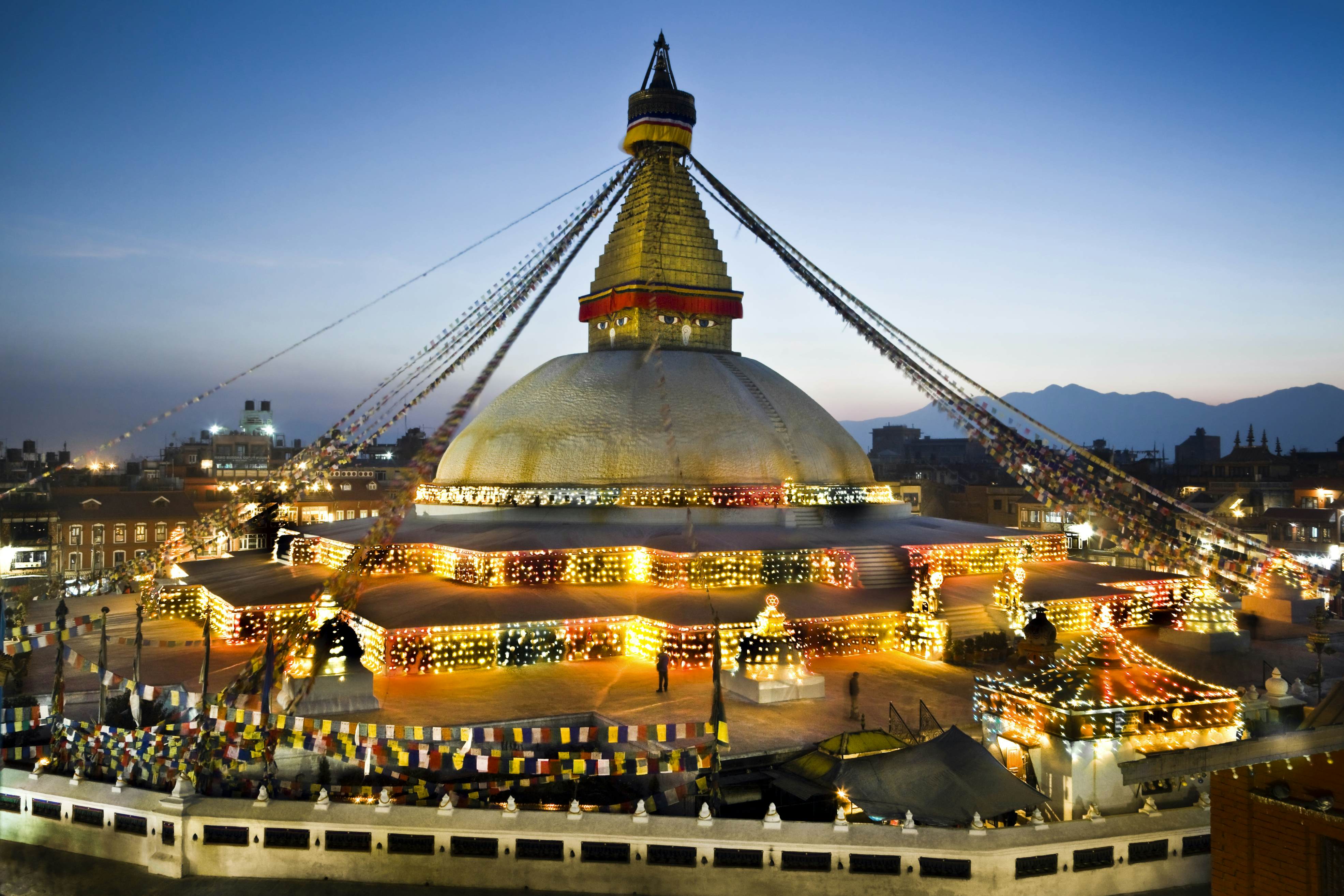
The advent of the digital age has had a profound impact on the Nepali language. With the increasing popularity of social media and online communication, Nepali is now being used more than ever before in the digital realm.
Social media and online communication
Nepali is now one of the most popular languages on social media, with millions of users posting in Nepali every day. This has helped to create a sense of community among Nepali speakers around the world and has also helped to promote the language to a wider audience.In addition to social media, Nepali is also being used increasingly in online communication, such as email and instant messaging.
This is due in part to the growing number of Nepali speakers who are using the internet, as well as the availability of Nepali-language software and tools.
Challenges and opportunities
While the digital age has created many opportunities for the Nepali language, it has also presented some challenges. One challenge is the lack of Nepali-language content online. This can make it difficult for Nepali speakers to find information and resources in their own language.Another challenge is the spread of misinformation and hate speech online.
This can be a problem for any language, but it is particularly concerning for Nepali, which is a minority language.Despite these challenges, the digital age also presents many opportunities for the Nepali language. One opportunity is the potential for Nepali to become a more global language.
With the increasing number of Nepali speakers around the world, Nepali has the potential to become a major language of communication and commerce.Another opportunity is the potential for Nepali to be used in new and innovative ways. For example, Nepali could be used to develop new educational resources, or to create new forms of art and entertainment.The digital age is a time of great change for the Nepali language.
While there are some challenges, there are also many opportunities. It is up to Nepali speakers to seize these opportunities and to ensure that the Nepali language continues to thrive in the digital age.
Nepali Language Learning Resources
Learning Nepali can be a rewarding experience, opening doors to cultural immersion, career opportunities, and personal growth. To assist language learners, we present a structured list of Nepali language learning resources categorized by proficiency level.
Nepali, the official language of Nepal, is spoken by the majority of the population. It is an Indo-Aryan language closely related to Hindi and other languages of the region. Like many other countries with diverse linguistic landscapes, Nepal has a rich tapestry of languages spoken by various ethnic groups.
However, moving beyond the borders of Nepal, we find a fascinating parallel in the Hawaiian Islands. What is the native language of Hawaii ? The answer is Hawaiian, an Austronesian language spoken by the indigenous people of the islands. Just as Nepali is a symbol of Nepal’s cultural heritage, Hawaiian holds a similar significance for the people of Hawaii.
Beginner Resources
- Rosetta Stone:A comprehensive language learning software with interactive lessons, speech recognition, and cultural insights.
- Duolingo:A gamified language learning app that offers bite-sized lessons, vocabulary exercises, and progress tracking.
- Pimsleur:An audio-based language learning method that emphasizes spaced repetition and conversational practice.
Intermediate Resources
- Mango Languages:An online language learning platform that provides interactive lessons, cultural insights, and native speaker audio.
- LingQ:A language learning platform that combines reading, listening, and spaced repetition to improve vocabulary and comprehension.
- NepaliPod101:A podcast-based language learning resource that offers daily lessons, grammar explanations, and cultural insights.
Advanced Resources
- Nepali Literature:Reading Nepali literature, such as novels, poems, and short stories, can enhance vocabulary, grammar, and cultural understanding.
- Nepali Movies and TV Shows:Watching Nepali media can expose learners to authentic language usage, improve listening comprehension, and provide cultural insights.
- Immersion Programs:Spending time in Nepal and interacting with native speakers can significantly accelerate language learning.
Nepali language as a national identity
The Nepali language holds immense significance as a symbol of national unity and a vital force in preserving Nepali culture. As the official language of Nepal, it serves as a common thread that binds the diverse ethnic groups and communities within the nation.
Role of Nepali in Preserving Nepali Culture
Nepali language plays a pivotal role in safeguarding and transmitting Nepali cultural heritage. It is the medium through which traditional tales, folklore, and legends are passed down from generation to generation. Nepali literature, music, and art are deeply rooted in the language, reflecting the rich cultural tapestry of the nation.
By preserving the Nepali language, we preserve the essence of Nepali culture.
Importance of Nepali as a National Language
The adoption of Nepali as the national language of Nepal was a defining moment in the country’s history. It symbolized the unification of the nation under a shared linguistic identity. Nepali has since become an integral part of Nepali society, used in all official communications, education, and media.
It fosters a sense of belonging and national pride among Nepali citizens.
Challenges of Preserving Nepali in a Globalized World
In an increasingly globalized world, the preservation of Nepali language faces certain challenges. The influence of English and other international languages in education, media, and business poses a risk to the dominance of Nepali. It is crucial to implement measures to promote and revitalize Nepali, ensuring its continued vitality.
Promoting National Unity and Identity through Nepali Language
The Nepali language can be a powerful tool in promoting national unity and identity. By encouraging its use in all spheres of life, we strengthen the bonds that unite Nepali people. The government, educational institutions, and media have a vital role to play in fostering a positive attitude towards Nepali and showcasing its beauty and significance.
Nepali language in a global context

The Nepali language has gained international recognition and is used in various global contexts. Its significance extends beyond national boundaries, reflecting Nepal’s growing presence in the international arena.Nepali is recognized as an official language of the South Asian Association for Regional Cooperation (SAARC), a regional intergovernmental organization comprising eight member states.
Within SAARC, Nepali is used for official communication, documentation, and discussions. This recognition has contributed to the promotion and dissemination of Nepali on a regional level.Furthermore, Nepali is gaining prominence in the field of diplomacy. The Nepali Embassy in various countries utilizes Nepali for official communication, cultural exchange, and diplomatic negotiations.
Through these diplomatic channels, Nepali is introduced to foreign officials, fostering cultural understanding and strengthening diplomatic ties.
Challenges and opportunities
Despite its growing recognition, Nepali faces certain challenges in a globalized world. The dominance of English as the lingua franca in international communication poses a challenge for Nepali to gain wider acceptance. Moreover, the limited availability of Nepali language resources, such as textbooks, dictionaries, and online materials, can hinder its accessibility for non-native speakers.However, globalization also presents opportunities for Nepali.
The increasing interconnectedness of the world has led to a growing interest in diverse cultures and languages. This provides a platform for Nepali to showcase its richness and uniqueness on a global stage.
Examples of Nepali in international settings
There are several notable examples of Nepali being used in international settings. The United Nations has incorporated Nepali into its official language services, enabling Nepali-speaking delegates to participate in UN meetings and conferences. Additionally, Nepali is taught as a foreign language in various universities worldwide, catering to students interested in Nepali culture, linguistics, and South Asian studies.
Impact of globalization
Globalization has had a significant impact on the use of Nepali. The increased mobility of people and ideas has led to the spread of Nepali beyond its traditional borders. Nepali diaspora communities around the world have played a crucial role in preserving and promoting the language.
Strategies for promoting Nepali on a global scale
To further promote the use of Nepali on a global scale, several strategies can be implemented. Encouraging the translation of Nepali literature into other languages can introduce Nepali to a wider audience. Additionally, supporting the development of Nepali language learning resources and online platforms can enhance its accessibility for non-native speakers.By embracing these strategies, we can contribute to the preservation and promotion of Nepali as a vibrant and globally recognized language.
Nepali language in the future
The future of the Nepali language is difficult to predict, but there are a number of factors that may influence its development.
One factor is the increasing use of English in Nepal. English is the language of instruction in many schools and universities, and it is also the language of business and government. This means that Nepali is increasingly being used in informal settings, such as at home and with friends.
Another factor that may influence the development of Nepali is the growing number of Nepalis living abroad. There are now over 2 million Nepalis living in other countries, and they are playing an important role in spreading the Nepali language and culture.
Despite these challenges, Nepali is still a vibrant and growing language. It is the official language of Nepal, and it is spoken by over 20 million people worldwide. Nepali is also a rich and expressive language, with a long and distinguished literary tradition.
Factors that may influence the development of Nepali
- The increasing use of English in Nepal
- The growing number of Nepalis living abroad
- The efforts of the government of Nepal to promote Nepali
- The development of new technologies that make it easier to learn and use Nepali
FAQ Corner
What is the official language of Nepal?
Nepali is the official language of Nepal.
How many people speak Nepali?
Approximately 17 million people worldwide speak Nepali.
What is the history of the Nepali language?
Nepali evolved from Sanskrit and Prakrit languages over several centuries.
