In the tapestry of languages that grace our planet, what language do Panamanians speak stands as a vibrant thread, reflecting the nation’s rich history, cultural diversity, and geographical location. As we delve into this topic, we will explore the linguistic landscape of Panama, examining the prevalence of Spanish, the influence of English, and the significance of indigenous languages.
The Spanish language, a legacy of Panama’s colonial past, is the official language and the primary means of communication for the vast majority of Panamanians. However, the linguistic tapestry of Panama is not solely woven with Spanish threads. English, with its global reach and economic importance, also plays a significant role, particularly in business, tourism, and international relations.
Language Prevalence in Panama
/more-spanish-proverbs-3079512_final-00d85cc91b9c468bb575dad6aa4692d0.png "What Language Do Panamanians Speak: A Comprehensive Overview")
Spanish is the official and dominant language of Panama, spoken by the vast majority of the population. According to the 2010 census, 93.6% of Panamanians speak Spanish as their primary language. This percentage is consistent across all regions of the country, with slightly higher rates in urban areas.
English Proficiency
English is also widely spoken in Panama, particularly in urban areas and among younger generations. Approximately 14% of Panamanians report speaking English as a second language, with proficiency varying widely. English is commonly used in business, tourism, and education, and its prevalence is increasing due to Panama’s close ties to the United States.
Other Languages
Indigenous languages are spoken by a small minority of the population, primarily in rural areas. The most common indigenous languages include Ngäbere, Buglere, and Guna. Chinese, Arabic, and French are also spoken by small immigrant communities.
Historical Influences
The prevalence of Spanish in Panama is a legacy of Spanish colonialism, which lasted from the 16th to the 19th centuries. English gained prominence in the 20th century due to Panama’s close relationship with the United States, particularly after the construction of the Panama Canal.
Cultural Significance
Language plays a crucial role in Panamanian culture and identity. Spanish is the language of government, education, and media, and it is a symbol of national unity. English is often seen as a language of opportunity and modernity, while indigenous languages represent cultural heritage and diversity.
Spanish Dialects in Panama
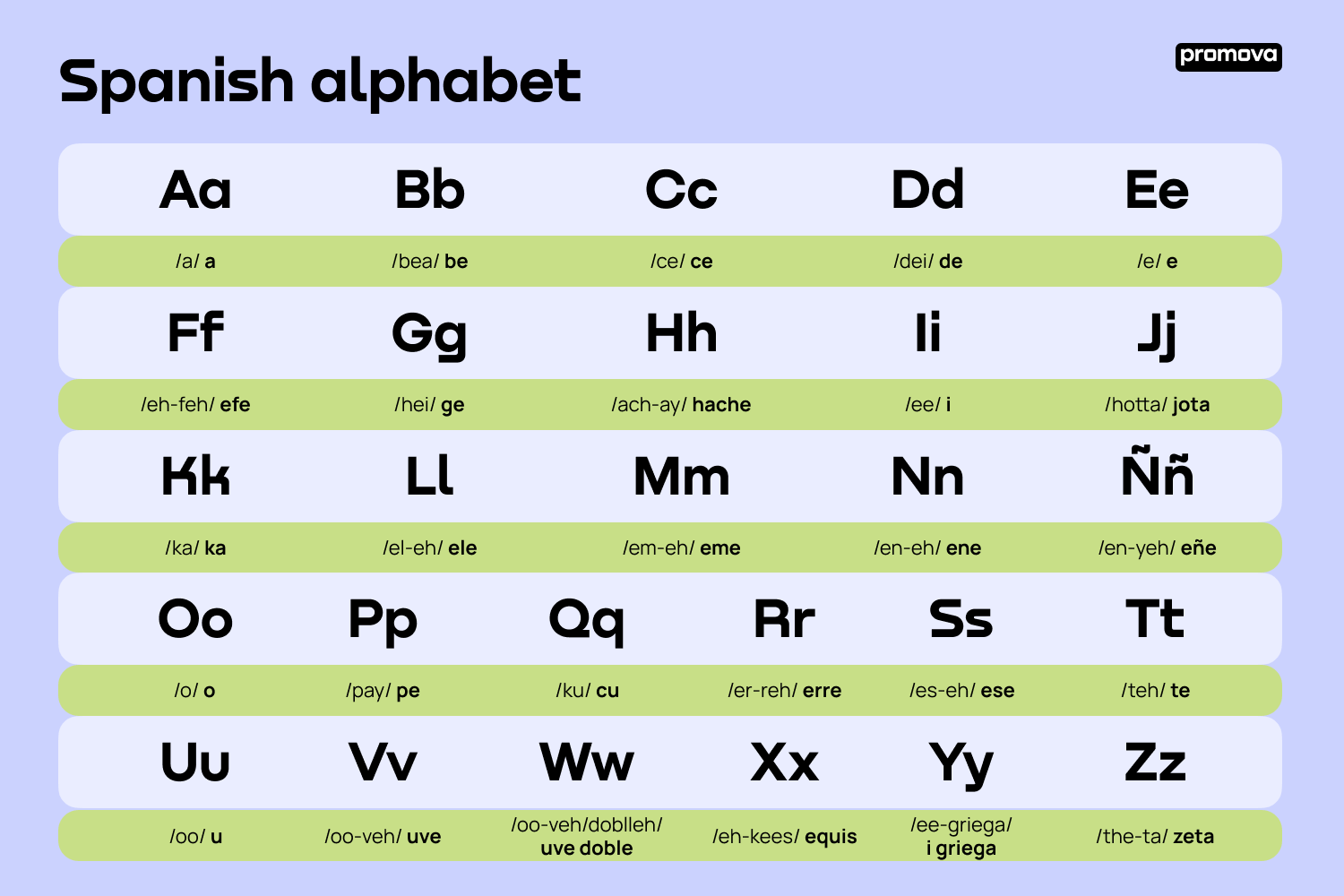
Panama is a country with a rich linguistic heritage, and Spanish is the official language spoken by the majority of the population. However, there are several distinct dialects of Spanish spoken in Panama, each with its own unique characteristics.
Dialectal Variation
The dialects of Spanish spoken in Panama can be broadly classified into two main groups: the highland dialects and the lowland dialects.
The highland dialectsare spoken in the mountainous central and western regions of Panama, and they are characterized by a number of distinctive features, including the use of the “voseo” (the use of the pronoun “vos” instead of “tú” for the second person singular), the retention of the final “s” in words like “nosotros” and “vosotros”, and the use of a number of unique vocabulary items.
The lowland dialectsare spoken in the coastal regions of Panama, and they are characterized by a number of features that distinguish them from the highland dialects, including the use of the “tú” pronoun for the second person singular, the loss of the final “s” in words like “nosotros” and “vosotros”, and the use of a different set of vocabulary items.
Geographical Distribution
The highland dialects are spoken in the provinces of Chiriquí, Veraguas, Coclé, and Herrera, while the lowland dialects are spoken in the provinces of Panamá, Colón, Darién, and San Blas.
The dialectal division between the highlands and the lowlands is largely due to the mountainous terrain of Panama, which has historically limited communication between the two regions.
Cultural Significance
The different dialects of Spanish spoken in Panama are an important part of the country’s cultural heritage. They reflect the country’s diverse history and geography, and they play a vital role in the everyday lives of Panamanians.
The highland dialects, in particular, are associated with the traditional culture of Panama, and they are often used in traditional music, dance, and storytelling.
Historical Factors
The development of the different dialects of Spanish spoken in Panama has been influenced by a number of historical factors, including the country’s colonial history, its geographical isolation, and its immigration patterns.
The highland dialects, for example, are thought to have been influenced by the Spanish spoken by the early Spanish settlers who arrived in Panama in the 16th century. The lowland dialects, on the other hand, are thought to have been influenced by the Spanish spoken by the African slaves who were brought to Panama during the colonial period.
Examples of Usage
The different dialects of Spanish spoken in Panama are used in a variety of contexts, including literature, media, and education.
The highland dialects are often used in traditional literature, such as poetry and short stories, while the lowland dialects are more commonly used in popular literature, such as novels and magazines.
In the media, the highland dialects are often used in radio and television programs that are aimed at rural audiences, while the lowland dialects are more commonly used in programs that are aimed at urban audiences.
In education, the highland dialects are often used in schools in the rural areas of Panama, while the lowland dialects are more commonly used in schools in the urban areas.
Table of Key Features
The following table summarizes the key features of the different dialects of Spanish spoken in Panama:
| Dialect | Pronunciation | Vocabulary | Grammar |
|---|---|---|---|
| Highland | Retention of final “s” in words like “nosotros” and “vosotros” | Use of the “voseo” (the use of the pronoun “vos” instead of “tú” for the second person singular) | Use of a number of unique vocabulary items |
| Lowland | Loss of final “s” in words like “nosotros” and “vosotros” | Use of the “tú” pronoun for the second person singular | Use of a different set of vocabulary items |
Linguistic Diversity
The linguistic diversity of Panama is a reflection of the country’s rich history and culture. The different dialects of Spanish spoken in Panama are an important part of the country’s cultural heritage, and they play a vital role in the everyday lives of Panamanians.
Indigenous Languages of Panama
Panama is a culturally diverse country, with a rich linguistic heritage that includes several indigenous languages. These languages are spoken by various indigenous communities, each with its own unique history, traditions, and cultural practices.
There are currently seven recognized indigenous languages in Panama: Ngäbe, Buglere, Kuna, Emberá, Wounaan, Naso Tjer Di, and Bri Bri. These languages belong to different language families and are spoken in different regions of the country.
Ngäbe and Buglere
Ngäbe and Buglere are two closely related languages spoken by the Ngäbe and Buglere people, respectively. They are spoken in the western provinces of Bocas del Toro, Chiriquí, and Veraguas. Ngäbe is the most widely spoken indigenous language in Panama, with over 200,000 speakers.
Kuna
Kuna is spoken by the Kuna people, who live in the comarca of Guna Yala on the Caribbean coast. Kuna is a tonal language, and it has a unique writing system that was developed in the 20th century.
Emberá and Wounaan
Emberá and Wounaan are two languages spoken by the Emberá and Wounaan people, respectively. They are spoken in the eastern provinces of Darién and Panamá. Emberá is spoken by around 30,000 people, while Wounaan is spoken by around 10,000 people.
Panamanians predominantly speak Spanish, which is the official language of the country. However, Panama’s proximity to Colombia and the Caribbean has influenced the development of various regional dialects and accents. Exploring the nuances of language diversity in Panama can provide insights into the country’s cultural heritage.
Furthermore, considering the global fascination with languages perceived as romantic, such as French or Italian ( what is the most romantic language ), it is interesting to note that Spanish also holds a special place in the hearts of many Panamanians, who appreciate its expressive nature and rich literary tradition.
Naso Tjer Di and Bri Bri
Naso Tjer Di and Bri Bri are two languages spoken by the Naso and Bri Bri people, respectively. They are spoken in the Bocas del Toro province on the Caribbean coast. Naso Tjer Di is spoken by around 4,000 people, while Bri Bri is spoken by around 2,000 people.
Efforts to Preserve and Revitalize Indigenous Languages
There are several efforts underway to preserve and revitalize indigenous languages in Panama. The government has established a National Institute of Indigenous Languages (INALI) to promote the use and teaching of indigenous languages in schools and communities. Additionally, there are several non-governmental organizations that are working to document and revitalize indigenous languages.
The preservation and revitalization of indigenous languages is important for several reasons. First, indigenous languages are a valuable part of Panama’s cultural heritage. They represent the unique perspectives and experiences of the indigenous communities that have lived in Panama for centuries.
Second, indigenous languages are essential for the cultural identity of indigenous communities. They provide a sense of belonging and connection to the community and its traditions. Third, indigenous languages are important for the education of indigenous children. They help children to learn about their culture and history, and they can also improve their academic performance in other subjects.
Language Education in Panama
Panama’s educational system places a strong emphasis on language education, recognizing its importance for economic and social development. Spanish, the official language of Panama, is the primary medium of instruction throughout the education system.
Role of English in Education
English is also widely taught as a second language in Panama. Its inclusion in the curriculum reflects the country’s growing international connections and the importance of English as a global language of business and communication.
Indigenous Languages in Education
Panama’s indigenous languages, spoken by various ethnic groups, are also incorporated into the education system to some extent. Bilingual education programs aim to preserve and revitalize these languages while promoting Spanish literacy among indigenous communities.
Challenges and Opportunities
Language education in Panama faces challenges, including the need for improved teacher training, increased access to resources, and the development of effective methodologies for teaching indigenous languages.
However, there are also opportunities for language education in Panama. The country’s diverse linguistic landscape provides a rich context for language learning, and the government’s commitment to multilingual education creates a supportive environment for language education initiatives.
Language Education Programs
Panama has implemented various language education programs to promote language proficiency and foster cultural understanding. These programs include:
- The National English Language Program, which provides English language instruction to students and teachers.
- The Bilingual Education Program, which supports the teaching of indigenous languages alongside Spanish in indigenous communities.
Impact of Language Education
Language education in Panama has a significant impact on the country’s economic and social development. It enhances communication skills, expands employment opportunities, and promotes cultural diversity.
Recommendations for Improvement
To improve language education in Panama, several recommendations can be considered:
- Invest in teacher training and professional development to enhance language teaching skills.
- Increase access to language learning resources, such as textbooks, dictionaries, and online materials.
- Develop innovative methodologies for teaching indigenous languages that are culturally appropriate and effective.
- Promote language exchange programs and international collaborations to foster language proficiency and cross-cultural understanding.
Language and Culture in Panama
Language plays a vital role in shaping and reflecting the culture of Panama. It serves as a medium for transmitting cultural values, traditions, and identity. The Spanish language, the official language of Panama, has undergone unique adaptations and influences, mirroring the country’s diverse history and cultural heritage.
Language and Identity
Panamanians take pride in their unique dialect of Spanish, known as Panamanian Spanish. It is characterized by distinctive pronunciations, vocabulary, and grammatical structures that reflect the country’s cultural heritage and connection to other Spanish-speaking regions. Panamanian Spanish serves as a symbol of national identity and unity, fostering a sense of belonging among its citizens.
Language and Traditions
Language is intricately linked to traditional practices and beliefs in Panama. Traditional songs, dances, and storytelling are often passed down through generations orally, preserving cultural knowledge and customs. Indigenous languages also play a significant role in preserving the cultural heritage of Panama’s diverse indigenous communities.
Language and Cultural Preservation
The preservation of Panamanian Spanish and indigenous languages is crucial for safeguarding the country’s cultural heritage. Government initiatives and educational programs aim to promote the use and teaching of these languages, ensuring their continued existence and the transmission of cultural values to future generations.
Language and Communication in Panama

Panamanians communicate with each other in a variety of ways, both verbal and nonverbal. Spanish is the official language of Panama, and it is spoken by the vast majority of the population. However, there are also a number of indigenous languages spoken in Panama, as well as English, which is widely used in business and tourism.
The way that Panamanians communicate with each other depends on the context. In formal settings, such as business meetings or official ceremonies, Panamanians use formal language and address each other with respect. In informal settings, such as among friends or family, Panamanians use informal language and are more relaxed in their communication.
Nonverbal communication also plays an important role in Panamanian culture. Panamanians often use gestures, facial expressions, and body language to convey meaning. For example, a Panamanian may nod their head to indicate agreement or shake their head to indicate disagreement.
They may also use their hands to gesture while speaking, or they may touch the person they are speaking to to emphasize a point.
Cultural norms also shape communication patterns in Panama. For example, it is considered impolite to interrupt someone who is speaking. It is also considered impolite to speak loudly or to use profanity. Panamanians value politeness and respect, and they strive to communicate in a way that is respectful of others.
Use of Formal and Informal Language
Panamanians use formal language in a variety of contexts, including business meetings, official ceremonies, and when speaking to people in positions of authority. Formal language is characterized by its use of polite and respectful language, as well as its avoidance of slang and profanity.
Panamanians use informal language in a variety of contexts, including when speaking to friends and family, when socializing, and when engaging in casual conversation. Informal language is characterized by its use of slang, profanity, and colloquialisms.
The choice of whether to use formal or informal language depends on the context of the situation. In general, it is considered more polite to use formal language in situations where respect is required, such as when speaking to someone in a position of authority or when engaging in a formal discussion.
Informal language is more appropriate in casual settings, such as when speaking to friends and family.
Language and the Media in Panama
The media in Panama plays a significant role in shaping language use and attitudes in the country. Spanish is the official language of Panama and is used in most media outlets, including print, broadcast, and online. However, English is also widely used, particularly in the business and tourism sectors.
In addition, several indigenous languages are spoken in Panama, and these languages are also represented in some media content.
Use of Spanish, English, and Indigenous Languages in Media Content
Spanish is the dominant language used in the Panamanian media. The majority of newspapers, magazines, and television and radio broadcasts are in Spanish. However, English is also used in some media outlets, particularly those that target international audiences. For example, The Panama Star is an English-language newspaper that is widely read by both Panamanians and foreigners.
In addition, many Panamanian websites are available in both Spanish and English.
Indigenous languages are also used in some media content in Panama. For example, the Ngäbe-Buglé language is used in some radio broadcasts and television programs. In addition, there are several indigenous-language newspapers and magazines published in Panama.
Impact of Media on Language Use and Attitudes in Panama
The media has a significant impact on language use and attitudes in Panama. The widespread use of Spanish in the media has helped to solidify Spanish as the dominant language in the country. However, the use of English in some media outlets has also helped to increase the visibility of English in Panama.
In addition, the use of indigenous languages in some media content has helped to promote the preservation of these languages.
The media can also influence attitudes towards different languages. For example, the use of Spanish in the media has helped to create a sense of national unity among Panamanians. However, the use of English in some media outlets has also led to some resentment among those who feel that English is a threat to the Spanish language.
Language and Technology in Panama
Technology has significantly impacted language use in Panama, shaping communication patterns and influencing the use of Spanish and English in digital spaces.
Digital Communication in Spanish and English
In digital communication, Spanish remains the dominant language, but English has gained prominence. Panamanians often use a mix of Spanish and English in online conversations, particularly in social media and messaging apps.
Role of Social Media and Messaging Apps
Social media platforms and messaging apps have become important channels for language interaction. These platforms provide spaces for Panamanians to connect with others, share ideas, and engage in conversations, often using informal language and slang.
– Analyze the importance of language in Panama’s tourism industry.
The tourism industry in Panama heavily relies on language as a crucial element for the success of the sector. Panama’s geographical location as a bridge between North and South America, coupled with its rich cultural heritage and diverse natural attractions, makes language proficiency a vital factor in attracting and serving tourists effectively.
Language plays a pivotal role in facilitating communication between tourists and service providers, ensuring a smooth and enjoyable travel experience. It enables tourists to navigate the country, interact with locals, and access essential information about attractions, transportation, and accommodations. Moreover, language proficiency allows tourists to immerse themselves in the local culture, appreciate its nuances, and connect with the Panamanian people on a deeper level.
Challenges and Opportunities
The tourism industry in Panama faces both challenges and opportunities in promoting the country as a multilingual destination. One of the challenges lies in the diversity of languages spoken by tourists visiting Panama. With tourists coming from various countries around the globe, providing multilingual services and communication materials can be a daunting task.
However, this challenge also presents an opportunity for Panama to differentiate itself as a welcoming and inclusive destination. By embracing multilingualism, Panama can cater to a wider range of tourists, enhance their experiences, and build a reputation as a destination that values diversity and cultural exchange.
Language and Business in Panama
In Panama, language plays a crucial role in business communication, as it shapes interactions, negotiations, and transactions. The country’s official language is Spanish, with English widely used in commerce and international relations. Proficiency in both languages is highly advantageous for business professionals.
Importance of Spanish and English Proficiency
Spanish is the primary language of business in Panama, used in most official documents, contracts, and business correspondence. However, English is also widely spoken and understood, particularly in the tourism, banking, and multinational sectors. Fluency in both languages allows businesspeople to communicate effectively with a wider range of clients and partners.
Cultural and Linguistic Factors in Business Negotiations
Panamanian business culture is influenced by both Spanish and indigenous traditions, which shape communication styles and negotiation practices. Personal relationships and trust are highly valued, and building rapport is essential before engaging in business discussions. Additionally, the use of indirect language and non-verbal cues is common, requiring careful attention to cultural nuances.
Impact of Language Barriers on Business Transactions, What language do panamanians speak
Language barriers can hinder business transactions and lead to misunderstandings or misinterpretations. For example, contracts written solely in Spanish may not be fully understood by English-speaking clients, leading to potential legal disputes. Similarly, presentations or negotiations conducted in English may not be fully comprehended by Spanish-speaking participants, resulting in missed opportunities or misunderstandings.
Impact of Globalization on Language Use in Business
Globalization has increased the need for multilingualism in the Panamanian business community. As Panama becomes a hub for international trade and investment, businesses are increasingly seeking professionals who can communicate effectively in multiple languages. This has led to a growing demand for language training and certification programs.
Recommendations for Effective Cross-Cultural Communication
To facilitate effective cross-cultural communication in business settings, the following recommendations are crucial:
- Learn basic Spanish phrases and cultural etiquette.
- Use interpreters or translation services when necessary.
- Be patient and respectful of different communication styles.
- Pay attention to non-verbal cues and body language.
- Seek cultural training or guidance from local experts.
Language and Migration in Panama: What Language Do Panamanians Speak
Panama, a melting pot of cultures, has witnessed significant migration throughout its history, shaping the linguistic landscape of the country. This influx of immigrants has introduced a diverse array of languages and dialects, enriching the linguistic tapestry of Panama.
The impact of migration on language use in Panama is multifaceted. Immigrants often bring their native languages, which can coexist alongside Spanish, the official language of Panama. This linguistic diversity creates a vibrant and dynamic linguistic environment.
Languages Spoken by Immigrant Communities
The languages spoken by immigrant communities in Panama reflect the diverse origins of these populations. Some of the most common languages include:
- Chinese (Cantonese, Mandarin)
- English
- Arabic
- French
- Italian
- Portuguese
- Indigenous languages (e.g., Ngäbe, Guna)
Challenges and Opportunities in Integrating Immigrants through Language
Integrating immigrants into Panamanian society through language presents both challenges and opportunities. Immigrants may face barriers in accessing education, healthcare, and employment due to language differences. However, language learning can also facilitate their integration and foster social cohesion.
The government plays a crucial role in shaping language use among immigrants. Policies that promote language learning and provide access to language services can support immigrant integration. These policies can include:
- Language classes for immigrants
- Translation and interpretation services
- Multilingual signage and materials
Specific Examples of Migration’s Influence on Language Use
Migration has had a profound impact on language use in Panama. Some notable examples include:
- The presence of a significant Chinese community has led to the widespread use of Chinese characters and phrases in Panamanian Spanish.
- The influx of English-speaking immigrants has increased the use of English in business and tourism.
- The migration of indigenous peoples to urban areas has brought indigenous languages into contact with Spanish, resulting in language mixing and the creation of new linguistic forms.
Potential for Language Learning to Promote Social Cohesion
Language learning can play a vital role in promoting social cohesion and reducing prejudice. By acquiring the local language, immigrants can better connect with Panamanian society and participate in civic life.
Language policies that support both immigrant integration and the preservation of Panamanian linguistic heritage are essential for maintaining a diverse and inclusive linguistic landscape in Panama.
Recommendations for Promoting Language Equity and Access
To promote language equity and access to language services for immigrants in Panama, several strategies can be implemented:
- Increase funding for language classes and translation services.
- Develop multilingual resources and materials.
- Train public sector employees in providing services in multiple languages.
- Encourage the use of indigenous languages in education and media.
Language and Social Change in Panama
Language plays a crucial role in shaping social and political change in Panama. It is a tool for communication, expression, and mobilization, enabling individuals and groups to articulate their concerns, challenge the status quo, and advocate for social justice.
The official language of Panama is Spanish, which is spoken by the majority of the population. However, there are also a number of indigenous languages spoken in Panama, such as Ngäbe, Buglere, and Kuna. The question of what language Jesus spoke is a matter of debate among scholars, but it is generally believed that he spoke Aramaic, the common language of Judea in the first century AD.
This is supported by the fact that the Gospels were originally written in Greek, but contain many Aramaic words and phrases. Returning to the topic of Panama, the Spanish language was brought to Panama by Spanish colonists in the 16th century, and it has been the official language of the country ever since.
Use of Language to Promote Social Justice and Equality
Language has been used in Panama to promote social justice and equality. Indigenous languages, such as Ngäbere and Guna, have been revitalized and incorporated into education and public discourse, recognizing the cultural and linguistic diversity of the country. Additionally, Spanish has been used to raise awareness about issues of discrimination, poverty, and human rights, empowering marginalized communities to voice their concerns and demand change.
Challenges and Opportunities in Using Language to Address Social Issues
Using language to address social issues in Panama presents both challenges and opportunities. One challenge is the persistence of linguistic inequality, with Spanish remaining the dominant language and indigenous languages facing marginalization. This can limit the ability of indigenous communities to fully participate in society and access essential services.
However, there are also opportunities for using language as a tool for empowerment. Language education programs and initiatives that promote multilingualism can help break down linguistic barriers and foster greater social inclusion.
Future of Language in Panama
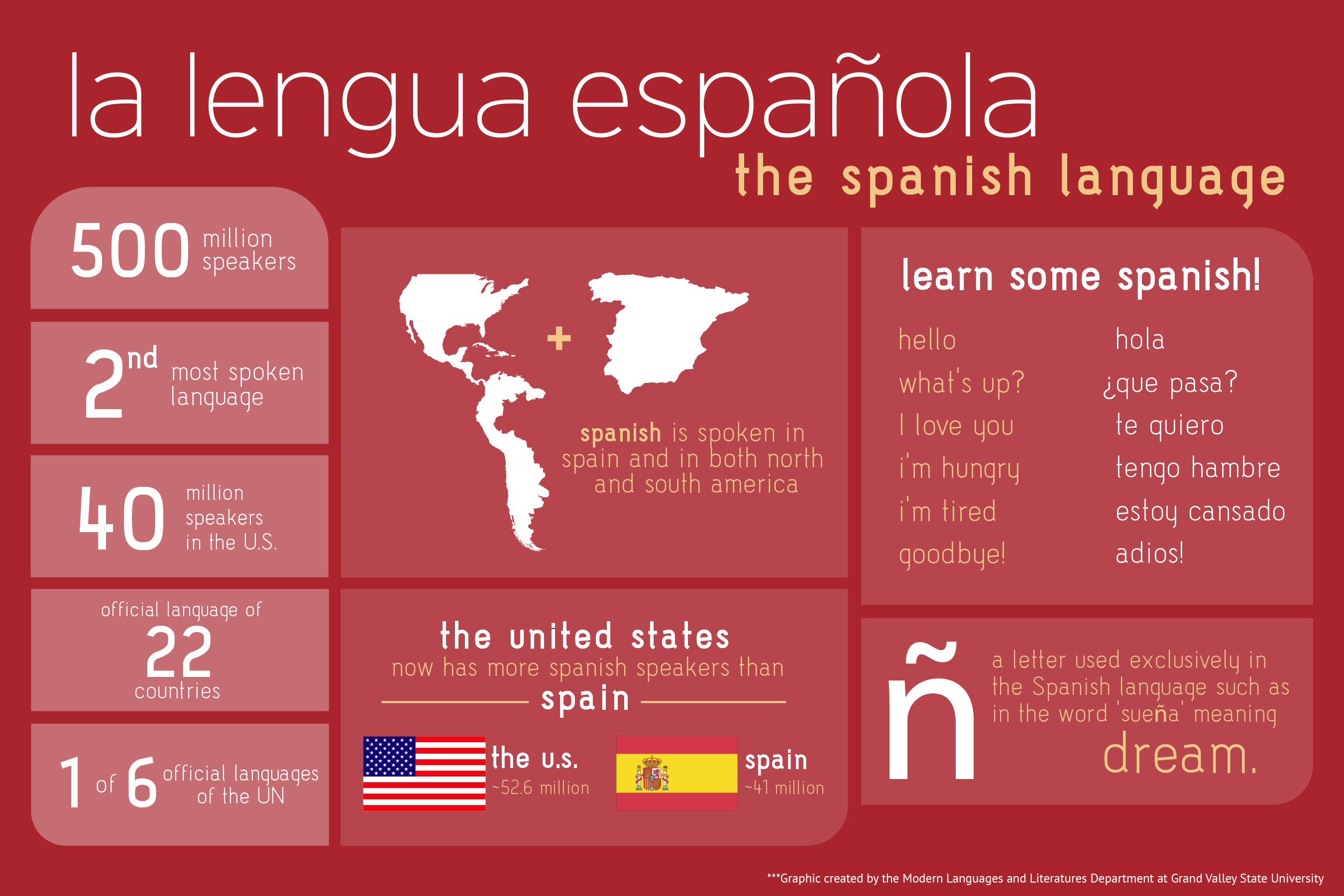
The future of language use in Panama is uncertain, but several factors are likely to have a significant impact. These include globalization, technology, and social change.Globalization is increasing the interconnectedness of the world, which is leading to increased contact between people from different language backgrounds.
This is likely to lead to a greater use of English as a lingua franca, as it is the most widely spoken language in the world. However, it is also likely to lead to a greater awareness of and appreciation for other languages, including Spanish and the indigenous languages of Panama.Technology is also having a major impact on language use.
The internet has made it possible for people to communicate with each other from all over the world, regardless of their language. This is leading to a greater exposure to different languages and cultures, which is likely to have a positive impact on language diversity.
However, it is also leading to a greater use of English as the language of the internet, which could lead to a decline in the use of other languages.Social change is also having a major impact on language use. The increasing mobility of people is leading to a greater mixing of languages and cultures.
This is likely to lead to the emergence of new languages and dialects, as well as a greater use of code-switching and language borrowing.The government of Panama has a role to play in shaping the future of language in the country.
The government can implement language policies that promote the use of Spanish and the indigenous languages of Panama. The government can also support the development of new language learning resources and programs.The future of language in Panama is uncertain, but it is likely to be shaped by a number of factors, including globalization, technology, and social change.
The government of Panama has a role to play in shaping the future of language in the country, and it is important that the government takes steps to promote the use of Spanish and the indigenous languages of Panama.
Questions and Answers
What is the most common language spoken in Panama?
Spanish is the official language and the primary means of communication for the vast majority of Panamanians.
Is English widely spoken in Panama?
Yes, English is widely spoken in Panama, particularly in business, tourism, and international relations.
What indigenous languages are spoken in Panama?
There are several indigenous languages spoken in Panama, including Ngäbe, Buglere, Guna, and Emberá.
