What is china official language – What is China’s official language? The answer to this question delves into the intricacies of China’s vast linguistic landscape, where Mandarin stands as the dominant language, yet numerous dialects and minority languages coexist, each carrying a unique cultural heritage.
From the bustling streets of Beijing to the tranquil countryside of Yunnan, the official language of China, known as Putonghua or Mandarin, plays a pivotal role in communication, education, and national identity. Its widespread adoption and standardization have shaped China’s linguistic landscape, while the preservation of minority languages remains a testament to the country’s cultural diversity.
Official Language of China
The official language of China is Standard Mandarin, also known as Putonghua. It is a standardized form of the Mandarin dialect, which is spoken by the majority of the population in northern and southwestern China. Standard Mandarin is used in education, government, and the media, and is the lingua franca for communication between people from different regions of China.
The historical significance of the Chinese language dates back to the Shang Dynasty (c. 1600-1046 BCE), when the Chinese writing system was developed. The written language has undergone significant changes over time, but the basic structure and characters have remained largely the same.
The Chinese language has played a vital role in the development of Chinese culture and civilization, and has been a major influence on the languages of other East Asian countries.
Historical Significance
The Chinese language has a long and rich history, dating back to the Shang Dynasty (c. 1600-1046 BCE). During this time, the Chinese writing system was developed, and the Chinese language began to be used for record-keeping and communication. Over time, the Chinese language underwent significant changes, but the basic structure and characters have remained largely the same.
The Chinese language has played a vital role in the development of Chinese culture and civilization. It has been used to record history, literature, philosophy, and science. The Chinese language has also been a major influence on the languages of other East Asian countries, such as Japanese, Korean, and Vietnamese.
Dialects and Variations

The official language of China, known as Mandarin, is not a monolithic entity but rather a collection of dialects and regional variations. These dialects differ in pronunciation, grammar, and vocabulary, reflecting the country’s vast geographic expanse and rich cultural diversity.
Historical and Cultural Factors
The development of Chinese dialects can be attributed to several historical and cultural factors. Firstly, China’s vast size and mountainous terrain have hindered communication and transportation, leading to the isolation of different regions. Secondly, the country’s long history of political fragmentation and dynastic rule has allowed for the emergence of distinct regional cultures and linguistic traditions.
Finally, the influence of foreign languages, particularly from neighboring countries and trade routes, has contributed to the diversification of Chinese dialects.
Sociolinguistic Implications
Dialect diversity in China has significant sociolinguistic implications. It can affect language standardization, education, and social mobility. While Mandarin is the official language of instruction in schools and the medium of communication in government and media, many people continue to speak their native dialects in everyday life.
This can lead to challenges in education, particularly for students from non-Mandarin-speaking backgrounds. Additionally, dialect differences can influence social mobility, as speakers of certain dialects may face discrimination or prejudice in certain contexts.
Major Dialects
The major dialects of Mandarin include:
- Northern Mandarin: Spoken in Beijing and surrounding areas, it is the basis for Standard Mandarin.
- Northeastern Mandarin: Spoken in the northeast, it is characterized by a distinctive tone system.
- Northwestern Mandarin: Spoken in the northwest, it exhibits strong influences from Mongolian and Turkic languages.
- Southwestern Mandarin: Spoken in the southwest, it is known for its complex tone system and use of retroflex consonants.
- Wu: Spoken in the lower Yangtze River region, it is not mutually intelligible with other Mandarin dialects.
- Cantonese: Spoken in Guangdong province and Hong Kong, it is the most widely spoken non-Mandarin dialect in China.
Mandarin as the Standard Dialect
Mandarin, a variety of the Chinese language, is considered the standard dialect due to its widespread adoption and official recognition. This section explores the factors that contributed to its prominence, the process of its standardization, and the benefits and challenges associated with having a standard dialect.
Factors Contributing to Mandarin’s Adoption
Several factors contributed to Mandarin’s widespread adoption as the standard dialect. These include:
- Historical Significance:Mandarin was the language of the imperial court during the Ming and Qing dynasties, giving it a long-standing association with power and prestige.
- Geographical Distribution:Mandarin is spoken by a vast majority of the Chinese population, particularly in the northern and southwestern regions.
- Political Unification:After the establishment of the People’s Republic of China in 1949, the government actively promoted Mandarin as a means of unifying the country linguistically.
- Educational System:Mandarin is the primary language of instruction in schools and universities throughout China, further contributing to its widespread adoption.
Process of Standardization
The process of standardizing Mandarin involved several key steps:
- Selection of a Base Dialect:The Beijing dialect was chosen as the basis for the standard Mandarin pronunciation, grammar, and vocabulary.
- Codification of Rules:Linguists and language experts established a set of rules and guidelines for the standardized language, including pronunciation, grammar, and vocabulary.
- Promotion and Implementation:The government played a crucial role in promoting and implementing the standardized Mandarin through education, media, and official communication.
Benefits of a Standard Dialect
Having a standard dialect for a language offers several benefits, including:
- Communication:A standard dialect facilitates communication between speakers from different regions who may have different native dialects.
- Education:Standardization enables the development of a common educational system and curriculum, making it easier for students to learn and communicate.
- National Unity:A shared language can foster a sense of national identity and unity among speakers.
- International Communication:A standard dialect is often used in international communication and diplomacy, representing the language and culture of a country.
Challenges of Implementing a Standard Dialect
Implementing a standard dialect also presents certain challenges:
- Dialectal Variation:Despite standardization, regional dialects continue to exist and may vary significantly from the standard dialect.
- Language Acquisition:Learning a standard dialect may require effort and time for speakers of other dialects, especially in areas where the local dialect is dominant.
- Cultural Preservation:Standardization may lead to the loss of linguistic diversity and the erosion of local dialects.
Examples of Mandarin as the Standard Dialect
Mandarin is used as the standard dialect in various contexts, including:
- Education:Mandarin is the primary language of instruction in schools and universities in China.
- Media:News broadcasts, television shows, and films are predominantly in Mandarin.
- Official Communication:Government documents, laws, and official announcements are written and spoken in Mandarin.
- International Relations:Chinese diplomats and representatives use Mandarin as the language of communication in international forums.
Language Policy and Education

The Chinese government’s language policy plays a crucial role in shaping the official language and its usage within the country. This policy, along with educational initiatives, has a significant impact on promoting and standardizing the official language, Mandarin.
Role of Education in Language Promotion
Education is a powerful tool in promoting and standardizing the official language. Through mandatory education programs, the Chinese government ensures that all citizens receive instruction in Mandarin from an early age. This exposure to Mandarin helps foster proficiency and familiarity with the official language, contributing to its widespread adoption.
Additionally, the government invests heavily in language education, providing resources and support for Mandarin instruction in schools and universities. This investment helps improve the quality of Mandarin teaching, ensuring that students develop strong foundational skills in the language.
Role in Government and Media
The official language plays a crucial role in facilitating government communication and administration. It is the language used in official documents, laws, regulations, and government announcements. This ensures clarity and consistency in communication, enabling effective governance and public understanding of government policies and decisions.
In the media, the official language is widely used in both print and electronic platforms. Newspapers, magazines, television broadcasts, and online news sources primarily use the official language to disseminate information to the public. This ensures that the majority of the population can access and understand the news and current affairs, fostering informed public discourse and civic engagement.
Government Communication
The official language is the primary medium of communication for government bodies, including the legislative, executive, and judicial branches. It is used in parliamentary debates, official speeches, and public announcements by government officials. This ensures that all citizens can understand the proceedings of the government and hold their representatives accountable.
Media and Public Discourse
The official language is the dominant language in the media landscape, facilitating the dissemination of information and ideas to the public. Newspapers, magazines, and television channels use the official language to reach a wider audience and engage in public discourse.
This promotes informed discussions and enables citizens to participate in shaping public opinion and policy.
Cultural and Literary Significance

The official language of China, known as Standard Mandarin or Putonghua, holds immense cultural and literary significance. It is the language of literature, art, and philosophy, shaping the nation’s cultural identity.Throughout history, the Chinese language has served as a medium for renowned works of literature, poetry, and drama.
The “Four Great Classical Novels” of Chinese literature, including “Romance of the Three Kingdoms” and “Journey to the West,” are written in Classical Chinese, which is the historical form of the language. These works have profoundly influenced Chinese culture, shaping its values, beliefs, and traditions.
Poetry
Chinese poetry has a rich and diverse history, with notable poets such as Li Bai and Du Fu. Their works, written in Classical Chinese, showcase the language’s beauty and expressiveness. The use of rhyme, rhythm, and imagery in these poems has left an enduring mark on Chinese culture.
Philosophy
Chinese philosophy, with its emphasis on Confucianism, Taoism, and Buddhism, has also been deeply influenced by the language. The writings of Confucius, Laozi, and Zhuangzi, among others, have shaped Chinese thought and values. The language’s ability to convey complex philosophical concepts has contributed to the development of a rich and nuanced philosophical tradition.
Arts
The Chinese language is also closely intertwined with traditional arts such as calligraphy and painting. The art of calligraphy, which involves the expressive writing of Chinese characters, is highly valued in Chinese culture. It is seen as a form of artistic expression and a means of cultivating one’s mind and character.In summary, the official language of China holds immense cultural and literary significance.
It is the language of classic literature, poetry, philosophy, and arts, shaping the nation’s cultural identity and contributing to its rich heritage.
Globalization and International Impact
Globalization has profoundly impacted the international presence of the official language, propelling it to new heights of influence and significance. This impact is multifaceted, with the language playing an increasingly prominent role in international organizations, diplomacy, and global communication.
One of the most notable effects of globalization has been the increased use of the official language in international organizations. For instance, it is an official language of the United Nations, where it is used in various documents, meetings, and conferences.
Additionally, it is widely used in regional organizations such as the Shanghai Cooperation Organization and the Association of Southeast Asian Nations, reflecting the growing economic and political clout of the language’s native region.
Factors Contributing to International Influence
- Economic power: The economic rise of the language’s native countries has made the language more important for international trade and investment.
- Political influence: The growing political influence of the language’s native countries has increased the demand for the language in international diplomacy and negotiations.
- Cultural appeal: The language’s rich cultural heritage, including its literature, philosophy, and art, has attracted a global audience.
- Education and technology: Increased access to education and technology has facilitated the spread of the language worldwide.
The international influence of the official language is also evident in its use in diplomacy. It is commonly used in bilateral and multilateral negotiations, as well as in international treaties and agreements. For example, it is one of the official languages used in the negotiations between the United States and China on trade and climate change.
Challenges and Opportunities
While globalization has brought about significant opportunities for the official language, it has also presented certain challenges. One challenge is the potential for the language to become marginalized in certain contexts due to the dominance of English as a global lingua franca.
Another challenge is the need to adapt the language to the rapidly changing globalized world, including the emergence of new technologies and communication channels.
Despite these challenges, the official language is well-positioned to capitalize on the opportunities presented by globalization. Its growing international presence and influence provide a solid foundation for further expansion in the globalized world. By embracing innovation and adapting to the changing needs of the global community, the language can continue to play a vital role in international communication, diplomacy, and cultural exchange.
Mandarin is the official language of China, spoken by the majority of the population. However, Cambodia, a neighboring country to China, has its own official language. To learn more about the language spoken in Cambodia, refer to this informative article: What language do Cambodia speak.
Returning to the topic of China’s official language, Mandarin’s widespread use and rich history make it an integral part of Chinese culture and identity.
Minority Languages and Language Rights
China is a linguistically diverse country with over 200 spoken languages. Minority languages, spoken by non-Han Chinese ethnic groups, constitute a significant part of this linguistic diversity. These languages vary greatly in terms of number of speakers, geographic distribution, and vitality.
The government of China recognizes the importance of protecting and preserving minority languages. In 1984, the Law on Regional National Autonomy was enacted, which guarantees the right of ethnic minorities to use and develop their own languages.
Government Policies and Initiatives
The Chinese government has implemented a number of policies and initiatives to protect and preserve minority languages. These include:
- Language education: Minority languages are taught in schools in areas where they are spoken. The government also provides funding for the development of teaching materials and teacher training.
- Media representation: Minority languages are used in广播电台, 电视台, and newspapers. The government also supports the production of films and other media in minority languages.
- Cultural heritage preservation: The government supports the preservation of minority languages through the protection of cultural heritage sites, such as temples and monasteries. It also supports the development of museums and other institutions dedicated to the preservation of minority languages.
Effectiveness of Policies and Initiatives, What is china official language
The Chinese government’s policies and initiatives have had some success in protecting and preserving minority languages. However, there are still a number of challenges that need to be addressed.
One challenge is the lack of resources for minority language education. Many schools in minority areas do not have the resources to provide adequate instruction in minority languages. This is due to a number of factors, including a lack of qualified teachers and a lack of teaching materials.
Another challenge is the influence of the Han Chinese language. The Han Chinese language is the dominant language in China, and it is often used in education, media, and government. This can lead to the marginalization of minority languages.
Recommendations for Further Actions
There are a number of actions that can be taken to strengthen the protection and preservation of minority languages in China. These include:
- Increasing funding for minority language education
- Developing more teaching materials and training more teachers in minority languages
- Increasing the use of minority languages in media and government
- Supporting the development of museums and other institutions dedicated to the preservation of minority languages
Language Learning and Teaching
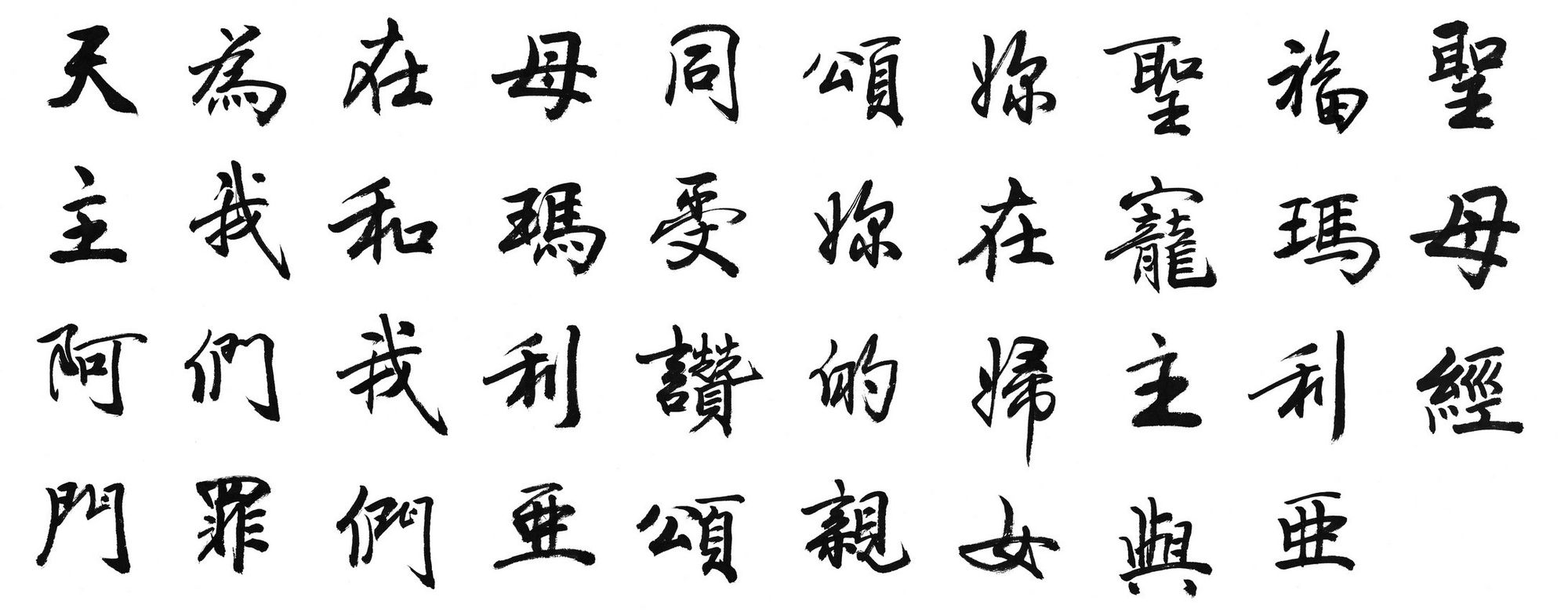
Learning the official language of China, Mandarin, offers numerous resources and methods. These include language schools, online courses, and mobile apps that provide structured lessons and interactive exercises.
Learning Mandarin as a foreign language presents both challenges and benefits. Challenges include the tonal nature of the language, the vast number of characters, and the different grammar structures compared to many Western languages. However, benefits include the growing global importance of Mandarin, the rich cultural heritage it represents, and the intellectual stimulation it provides.
Mandarin is the official language of China, with over 800 million native speakers. However, there are also many other languages spoken in China, including Cantonese, Wu, and Min. In contrast, Haiti has two official languages: French and Haitian Creole. What language do Haitian people speak ?
The majority of the population speaks Haitian Creole, while French is the language of government and education. Additionally, there are several other languages spoken in Haiti, including Spanish and English.
Resources for Language Learning
- Language Schools: Traditional classrooms offer face-to-face instruction, structured curricula, and opportunities for conversation practice.
- Online Courses: Platforms like Coursera, edX, and Duolingo offer self-paced courses with interactive lessons, videos, and quizzes.
- Mobile Apps: Apps like HelloChinese, Pleco, and Hanzi Study provide bite-sized lessons, vocabulary lists, and character recognition tools.
Challenges and Benefits of Learning Mandarin
- Challenges:
- Tonal Nature:Mandarin has four tones, which can significantly change the meaning of a word if not pronounced correctly.
- Vast Number of Characters:Mandarin has thousands of characters, which can be challenging to memorize and recognize.
- Different Grammar:Mandarin grammar differs from many Western languages, requiring learners to adjust their sentence structure and word order.
- Benefits:
- Global Importance:Mandarin is the most spoken language in the world, making it valuable for business, travel, and communication.
- Cultural Heritage:Mandarin is the language of a rich and ancient culture, providing access to Chinese literature, philosophy, and art.
- Intellectual Stimulation:Learning Mandarin challenges the brain, improves memory, and enhances cognitive abilities.
– Analyze the role of technology and globalization in shaping the future of the official language.: What Is China Official Language
Technology and globalization are significant forces that have the potential to profoundly shape the future of the official language in China. The widespread adoption of the internet and social media has created new avenues for communication and information sharing, breaking down geographical barriers and fostering global connectivity.
This has led to increased exposure to different languages and cultures, potentially influencing the evolution of the official language.
Globalization has also led to increased economic and political interdependence, necessitating effective communication across borders. The official language, as the lingua franca of China, plays a crucial role in facilitating international trade, diplomacy, and cultural exchange. The need for effective communication in a globalized world may further strengthen the position of the official language and encourage its adoption by non-native speakers.
Design an infographic illustrating the historical evolution of the official language in China. Include a timeline and key events.
The history of the official language in China is a long and complex one, dating back to the earliest days of Chinese civilization. Over the centuries, the official language has evolved through a series of changes, reflecting the political, social, and cultural changes that have taken place in China.
One of the most significant changes in the history of the official language occurred in the early 20th century, when the government of the Republic of China adopted Mandarin as the national language. This decision was made in an effort to promote national unity and to create a common language for communication between the different regions of China.
Since the adoption of Mandarin as the official language, there have been a number of other changes in the way that the language is used. For example, the government has promoted the use of simplified Chinese characters, which are easier to learn and to write than traditional Chinese characters.
Timeline of Key Events
- c. 1500 BCE:The earliest known written Chinese characters appear on oracle bones.
- c. 1000 BCE:The Zhou dynasty establishes a standardized written language based on the characters used in the Shang dynasty.
- 221 BCE:The Qin dynasty unifies China and establishes a standardized written language based on the characters used in the Qin state.
- 206 BCE:The Han dynasty establishes a standardized written language based on the characters used in the Qin dynasty.
- 589 CE:The Sui dynasty establishes a standardized written language based on the characters used in the Han dynasty.
- 907 CE:The Tang dynasty establishes a standardized written language based on the characters used in the Sui dynasty.
- 1279 CE:The Yuan dynasty establishes a standardized written language based on the characters used in the Tang dynasty.
- 1368 CE:The Ming dynasty establishes a standardized written language based on the characters used in the Yuan dynasty.
- 1644 CE:The Qing dynasty establishes a standardized written language based on the characters used in the Ming dynasty.
- 1912 CE:The Republic of China establishes a standardized written language based on the characters used in the Qing dynasty.
- 1949 CE:The People’s Republic of China establishes a standardized written language based on the characters used in the Republic of China.
- 1956 CE:The government of the People’s Republic of China promotes the use of simplified Chinese characters.
- 1978 CE:The government of the People’s Republic of China begins to promote the use of Mandarin as the national language.
- 2000 CE:The government of the People’s Republic of China establishes a standardized written language based on the characters used in the simplified Chinese character set.
Famous Authors and Poets of the Official Language

The official language of China has a rich literary tradition spanning centuries, producing numerous renowned authors and poets who have significantly contributed to its development. Their works have not only shaped the language but also left an enduring mark on Chinese culture and beyond.
Classical Period
The classical period of Chinese literature, from the 6th century BCE to the 3rd century CE, saw the emergence of influential figures such as:
- Confucius: A philosopher and educator whose teachings form the basis of Confucianism. His writings, including the Analects, have had a profound impact on Chinese thought and language.
- Laozi: The founder of Taoism. His book, the Tao Te Ching, is one of the most influential works in Chinese philosophy and literature.
- Qu Yuan: A poet known for his patriotic and romantic verses. His most famous work, “Li Sao,” is considered a masterpiece of Chinese poetry.
Medieval Period
During the medieval period (3rd to 10th centuries CE), notable authors included:
- Li Bai: Known as the “Poet Immortal,” Li Bai is renowned for his romantic and imaginative poems that celebrated nature and the joys of life.
- Du Fu: A poet who witnessed the turmoil of the Tang dynasty. His poems depict the hardships of war and the suffering of the people.
- Bai Juyi: A poet and government official who wrote about everyday life and social issues. His poems were widely popular and accessible to all levels of society.
Modern Period
The modern period (19th to 21st centuries) witnessed the rise of new literary movements and authors, including:
- Lu Xun: A writer and critic who played a significant role in the May Fourth Movement. His works explored the social and political issues of his time.
- Mao Zedong: The founder of the People’s Republic of China. His writings, including the “Little Red Book,” have had a major impact on Chinese politics and society.
- Mo Yan: A Nobel Prize-winning author whose works depict the lives of ordinary people in rural China.
These authors and poets have enriched the official language of China with their diverse works, contributing to its literary heritage and shaping its evolution over time.
Key Features of Official Language Grammar
The official language of China, also known as Mandarin, has a unique grammatical structure that distinguishes it from other languages. Here are the key features of its grammar:
Sentence Structure
Chinese sentences typically follow a subject-verb-object (SVO) word order. However, the subject can be omitted if it is clear from the context.
- Example: 我吃飯 (wǒ chī fàn) – I eat rice
Parts of Speech
Chinese has the following parts of speech:
- Nouns: Nouns refer to people, places, things, or ideas. Example: 人 (rén) – person
- Verbs: Verbs describe actions or states of being. Example: 吃 (chī) – to eat
- Adjectives: Adjectives describe nouns. Example: 大 (dà) – big
- Adverbs: Adverbs modify verbs, adjectives, or other adverbs. Example: 很 (hěn) – very
- Prepositions: Prepositions show the relationship between a noun or pronoun and another word in the sentence. Example: 在 (zài) – in
Verb Tenses
Chinese verbs do not have tense in the same way as English verbs. Instead, they use aspect markers to indicate the time or duration of an action.
- Present tense: 了 (le) – indicates a completed action
- Past tense: 过 (guò) – indicates an action that happened in the past
- Future tense: 要 (yào) – indicates an action that will happen in the future
Commonly Asked Questions
What is the official language of China?
Mandarin, also known as Putonghua, is the official language of China.
Why is Mandarin the official language of China?
Mandarin was chosen as the official language due to its widespread use and intelligibility across different regions of China.
Are there any other languages spoken in China?
Yes, there are numerous dialects and minority languages spoken in China, each with its own unique cultural significance.
What is the status of minority languages in China?
The Chinese government recognizes the importance of minority languages and has implemented policies to protect and preserve them.
