What is the relationship between thinking and language? This intriguing question has captivated philosophers, linguists, and cognitive scientists for centuries. The intricate interplay between our thoughts and the words we use to express them forms the foundation of human communication and cognition.
Throughout this discussion, we will delve into the multifaceted nature of this relationship, exploring how thinking and language influence each other, shape our understanding of the world, and facilitate social interactions.
Definition and Nature of the Relationship
Thinking and language are two fundamental human cognitive abilities that are closely interconnected and mutually influential. Language provides the means to express and communicate thoughts, while thinking shapes the structure and content of language. This reciprocal relationship is evident in various aspects of human cognition, including concept formation, problem-solving, and social interaction.
Connection between Thinking and Language
Thinking and language are intertwined processes that support each other. Language allows us to represent and manipulate thoughts, making them more accessible and communicable. Conversely, thinking provides the cognitive framework that gives language its meaning and purpose. The connection between thinking and language is bidirectional, with each process influencing the other.
Examples of Interdependence
The interdependence of thinking and language is evident in everyday activities. For instance, when we solve a problem, we use language to articulate the problem, generate possible solutions, and evaluate their feasibility. Similarly, when we learn a new concept, we use language to define and describe it, which helps us to integrate it into our existing knowledge structures.
Cognitive Processes and Language
Language plays a pivotal role in facilitating cognitive processes, influencing how we reason, solve problems, and make decisions. It serves as a tool for organizing and shaping our thoughts, providing a structure for mental representations and enabling the manipulation of complex ideas.
One of the key ways language facilitates cognitive processes is through categorization and concept formation. By assigning labels to objects, events, and concepts, language helps us to organize and retrieve information more efficiently. This categorization process allows us to group similar items together, facilitating reasoning and problem-solving.
For instance, classifying animals into categories such as “mammals,” “birds,” and “reptiles” enables us to make inferences about their characteristics and behaviors based on our knowledge of the category to which they belong.
Language also plays a crucial role in problem-solving and decision-making. By verbalizing problems and solutions, we can externalize our thoughts and analyze them more objectively. Language provides a means to explore different perspectives, evaluate alternatives, and make informed choices. The ability to communicate our ideas and seek input from others further enhances our problem-solving capabilities.
The Role of Language in Shaping and Organizing Thought
The close relationship between language and thought has led to the development of various theories that explore how language shapes and organizes our cognitive processes. One prominent theory is the Sapir-Whorf hypothesis, which suggests that the structure of a language influences the way its speakers perceive and conceptualize the world.
According to this theory, the categories and distinctions encoded in a language shape the way individuals think about and interact with their environment.
Another influential theory is the cognitive linguistics approach, which emphasizes the role of conceptual metaphors in shaping our understanding of the world. Conceptual metaphors are mappings between different domains of experience, allowing us to understand abstract concepts in terms of more concrete ones.
For example, the metaphor “love is a journey” suggests that relationships progress through stages, just like a journey.
Cognitive Underpinnings of Language Use
The cognitive underpinnings of language use involve a complex interplay of neural and cognitive processes. Language comprehension, for instance, relies on various brain regions, including Broca’s area and Wernicke’s area. These areas are responsible for processing speech sounds, understanding grammar, and retrieving meaning from words.
Language production, on the other hand, involves the coordinated activity of multiple brain regions, including the frontal lobe and the temporal lobe. These regions work together to plan and execute speech, ensuring the correct pronunciation of words and the formation of grammatically correct sentences.
The intricate relationship between thinking and language has been a subject of ongoing inquiry. Language, a system of symbols, enables us to express our thoughts and ideas. Conversely, it is also a tool that shapes our cognition. The language we speak influences our perception of the world and the way we categorize information.
For instance, the language spoken in Lithuania, Lithuanian , has been shown to influence the way Lithuanians perceive time and space. This relationship between language and thought highlights the profound impact language has on our cognitive processes and underscores the need for further exploration in this field.
The cognitive underpinnings of language use also include working memory, which plays a crucial role in temporarily storing and manipulating information. Working memory allows us to hold information in mind while performing other cognitive tasks, such as reasoning and problem-solving.
– Discuss the role of language in the development of thought and cognition.
Language is not simply a tool for communication; it also plays a crucial role in the development of thought and cognition. The relationship between language and cognition is bidirectional, with language influencing thought processes and cognitive abilities, and cognitive development shaping language acquisition and use.
One of the most important ways that language influences cognition is by providing a framework for organizing and representing knowledge. Language provides us with concepts and categories that we use to make sense of the world around us. For example, the concept of “dog” allows us to group together all four-legged, barking animals that share certain characteristics.
This concept helps us to organize our knowledge about dogs and to make inferences about their behavior.
Cross-Cultural Perspectives
The relationship between thinking and language is shaped by cultural factors, leading to variations across different societies. Understanding these cross-cultural differences is crucial for comprehending cultural diversity and fostering effective communication.
Impact of Cultural Factors on Language Use
Cultural norms, values, and beliefs influence language use. For example, in collectivist cultures, individuals tend to use more inclusive language that emphasizes group harmony, while in individualistic cultures, language often reflects personal experiences and perspectives.
Impact of Cultural Factors on Cognitive Processes
Culture also affects cognitive processes. Studies have shown that individuals from different cultural backgrounds may differ in their attention, memory, and problem-solving strategies. These variations are attributed to cultural influences on the way information is processed and organized.
Implications for Understanding Cultural Diversity, What is the relationship between thinking and language
Recognizing cross-cultural differences in the relationship between thinking and language is essential for effective intercultural communication. It enables individuals to adapt their communication style to the cultural context, avoid misunderstandings, and foster mutual understanding.
Language and Social Interaction
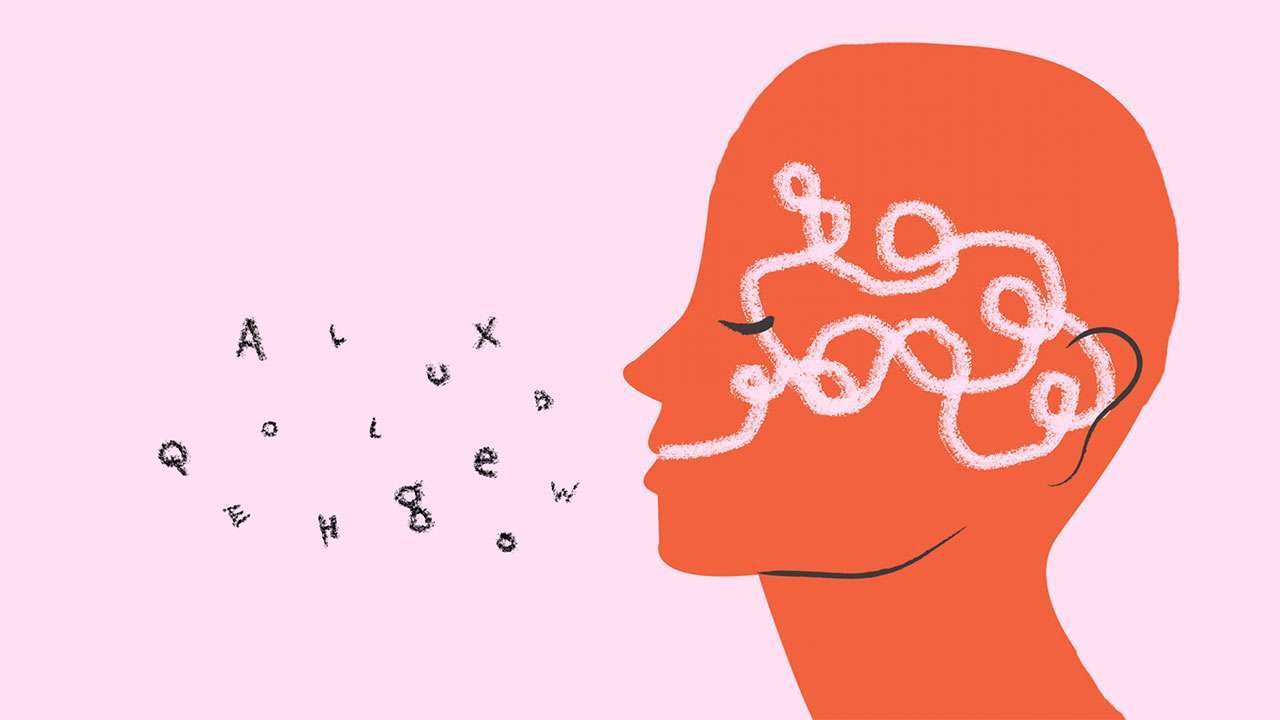
Language plays a pivotal role in social interaction and communication, serving as a medium through which individuals exchange ideas, negotiate meaning, and build consensus. It influences social relationships and group dynamics, shaping how people perceive and interact with each other.
Types of Language Use in Social Interaction
Linguists have identified various types of language use in social interaction, each with a distinct purpose and impact:
- Informative:Conveys factual information, such as “The meeting is scheduled for 3:00 PM.”
- Expressive:Expresses emotions or attitudes, such as “I’m so excited to see you!”
- Directive:Attempts to influence the behavior of others, such as “Please close the door.”
- Interpersonal:Builds and maintains relationships, such as “How are you doing today?”
Language and Negotiation of Meaning
One crucial aspect of language in social interaction is its role in negotiating meaning and building consensus. When individuals engage in conversations, they often have different perspectives and interpretations of the same topic. Language provides a means to bridge these differences and reach a shared understanding.
For example, consider a negotiation between two parties over a contract. Each party may initially have their own set of demands and expectations. Through dialogue and language, they negotiate and compromise, adjusting their positions to find a mutually acceptable agreement.
Cultural and Contextual Factors
The use of language in social interaction is heavily influenced by cultural and contextual factors. Different cultures have their own unique norms and conventions for language use, including specific words, phrases, and gestures.
For instance, in some cultures, it is considered polite to use indirect language and avoid direct confrontations, while in others, directness and assertiveness are valued. Understanding these cultural differences is crucial for effective communication and social interaction.
Non-Verbal Communication
Non-verbal communication, such as gestures, facial expressions, and body language, also plays a significant role in social interaction. It can complement or contradict verbal language, conveying emotions, attitudes, and intentions.
For example, a smile can indicate friendliness or approval, while crossed arms can suggest defensiveness or disagreement. Non-verbal cues can provide additional context and nuance to verbal communication, enhancing understanding and fostering social connections.
Language and Emotion
Language plays a crucial role in the expression, regulation, and development of emotions. It provides a medium for individuals to communicate their feelings, influence the emotions of others, and shape their own emotional experiences.
Connection Between Language and Emotional Expression
Language offers a rich vocabulary of emotional terms that allow individuals to label, describe, and convey their feelings. Words like “joy,” “sadness,” and “anger” serve as linguistic tools for expressing emotional states. Through language, people can share their emotions with others, fostering social connection and empathy.
Influence of Language on Emotions
Language can significantly influence emotions. The words we use to describe our experiences can shape our perception and intensity of those emotions. For instance, using positive or negative language when recounting an event can alter our emotional response to it.
Emotional Development and Socialization
Language plays a vital role in the development of emotional competence. Children learn to identify, label, and regulate their emotions through interactions with caregivers and peers. Language provides a framework for understanding and expressing feelings, promoting emotional literacy and social adaptation.
Cultural and Linguistic Diversity
Cultural and linguistic diversity influences emotional expression. Different cultures have varying norms and expectations regarding the display of emotions, which are reflected in their languages. For example, some cultures encourage the open expression of emotions, while others value emotional restraint.
Therapeutic Use of Language
Language is a powerful tool in therapeutic settings. Therapists use language to facilitate emotional healing by helping clients identify, process, and express their emotions. Through verbal interventions, such as active listening and guided imagery, therapists create a safe space for clients to explore their emotional experiences.
Ethical Implications
While language can be a force for emotional well-being, it can also be used to manipulate or control emotions. The ethical use of language requires respecting individuals’ emotional boundaries and avoiding the use of harmful or coercive language.
Language and Consciousness
Language and consciousness are intricately intertwined, with language serving as a crucial tool for self-awareness, the construction of reality, and the shaping of our perception of the world. Through language, we express our thoughts, feelings, and experiences, and in doing so, we gain a deeper understanding of ourselves and our place in the world.
The Role of Language in Self-Awareness
Language plays a vital role in the development of self-awareness. It allows us to reflect on our own thoughts, feelings, and actions, and to form a coherent narrative of our personal experiences. By labeling and categorizing our experiences through language, we can make sense of them and gain a deeper understanding of who we are.
Language and the Construction of Reality
Language is not merely a tool for expressing our thoughts; it also shapes the way we perceive and interact with the world around us. The words we use to describe our experiences influence our interpretation of those experiences and can even alter our behavior.
For example, studies have shown that people who use more positive language tend to have a more optimistic outlook on life.
The relationship between thinking and language is complex and multifaceted, with research suggesting that language influences the way we perceive and conceptualize the world around us. In Britain, a diverse range of languages are spoken, including English, Welsh, Scottish Gaelic, Irish, and Cornish.
What languages are spoken in Britain ? This linguistic diversity reflects the rich cultural and historical tapestry of the region, and it serves as a reminder of the profound connection between language and the human experience.
Language and Perception
Language influences our perception of the world in a number of ways. The words we use to describe objects and events can affect our memory for those objects and events, and can even influence our decision-making. For example, studies have shown that people who are exposed to negative language are more likely to perceive the world as a dangerous place.
Language and Memory: What Is The Relationship Between Thinking And Language
Language plays a crucial role in the encoding, storage, and retrieval of memories. It provides a framework for organizing and structuring our experiences, helping us to make sense of the world around us. Language also allows us to communicate our memories with others, which can help us to process and remember them more effectively.
There are several ways in which language can influence memory. First, language can help us to encode memories more effectively. When we label an experience with a word or phrase, it becomes easier for us to remember it later. For example, if we see a picture of a dog, we are more likely to remember it if we label it as “dog” than if we simply think about it as a “furry animal.” Second, language can help us to store memories more efficiently.
When we organize our memories into categories and hierarchies, it becomes easier for us to access them later. For example, if we organize our memories of a vacation by day, we are more likely to be able to remember what we did on a particular day than if we simply try to remember everything in chronological order.
Finally, language can help us to retrieve memories more easily. When we try to remember something, we often use language to cue our memory. For example, if we are trying to remember the name of a movie, we might think about the actors who starred in it or the plot of the movie.
This can help us to access the memory more quickly and easily.
Examples of How Language Shapes Our Recollection of Past Events
- The misinformation effect:When people are given misleading information after an event, they are more likely to remember the misleading information as being true.
- The source amnesia effect:When people are presented with information from multiple sources, they are more likely to attribute the information to the wrong source.
- The framing effect:The way that information is presented can influence how people remember it. For example, people are more likely to remember information that is presented in a positive frame than information that is presented in a negative frame.
Language and Learning
Language plays a pivotal role in learning and education. It serves as a medium through which knowledge and skills are acquired, communicated, and evaluated. Language facilitates the development of cognitive processes such as comprehension, reasoning, and problem-solving.
Language is essential for the acquisition of knowledge. It provides the concepts and vocabulary necessary to represent and understand the world around us. Through language, we can access information from books, lectures, and other sources. Language also enables us to communicate our ideas and understanding to others, facilitating collaboration and knowledge sharing.
Impact on Teaching and Learning
Language has a significant impact on the teaching and learning process. Teachers use language to convey information, explain concepts, and guide students’ understanding. Students use language to ask questions, participate in discussions, and demonstrate their learning. The effectiveness of teaching and learning depends on the clarity and appropriateness of the language used.
- Comprehension:Language helps students understand the content being taught. Clear and concise language ensures that students can grasp the concepts and ideas presented.
- Engagement:Language can engage students and make learning more enjoyable. Using vivid language, storytelling, and humor can capture students’ attention and motivate them to participate.
- Assessment:Language is used to assess students’ learning. Through assignments, tests, and presentations, students demonstrate their understanding of the material using language.
– Discuss the impact of technology on the relationship between thinking and language, including the ways in which digital media and communication technologies have altered cognitive processes and language use.
Technology has profoundly influenced the relationship between thinking and language. Digital media and communication technologies have altered cognitive processes and language use in numerous ways.
One of the most significant impacts of technology on language is the way it has changed the way we communicate. Social media, instant messaging, and other forms of digital communication have made it possible to communicate with people from all over the world in real time.
This has led to the development of new language forms and conventions, such as the use of emojis and abbreviations.
Technology has also changed the way we access information. The internet has made it possible to access a vast amount of information on any topic imaginable. This has led to changes in the way we think about the world and the way we learn.
For example, people are now more likely to use search engines to find information than to read books or watch television.
The impact of technology on language and cognition is still being studied, but it is clear that technology is having a profound impact on the way we think and communicate.
Positive Effects of Technology on Language and Cognition
- Increased access to information: Technology has made it possible to access a vast amount of information on any topic imaginable. This has led to changes in the way we think about the world and the way we learn.
- Improved communication: Social media, instant messaging, and other forms of digital communication have made it possible to communicate with people from all over the world in real time. This has led to the development of new language forms and conventions, such as the use of emojis and abbreviations.
- Enhanced creativity: Technology can be used to create new forms of art and entertainment. This can help to stimulate creativity and imagination.
Negative Effects of Technology on Language and Cognition
- Reduced attention span: The constant bombardment of information from technology can lead to a reduced attention span. This can make it difficult to focus on tasks that require sustained attention.
- Increased risk of addiction: Technology can be addictive, and excessive use can lead to problems with relationships, work, and school. It can also lead to mental health problems, such as anxiety and depression.
- Social isolation: Technology can lead to social isolation, as people spend more time interacting with their devices than with other people.
Philosophical Perspectives
The relationship between thinking and language has been a subject of philosophical inquiry for centuries. Philosophers have proposed various perspectives on the nature of this connection, with some arguing for a close relationship and others emphasizing the distinctness of thought and language.
One of the earliest philosophers to explore this relationship was Plato, who believed that language is a reflection of the forms or ideas that exist in the mind. He argued that the words we use represent the universal concepts that we apprehend through our intellect.
Aristotle, on the other hand, saw language as a tool for expressing our thoughts and communicating with others. He believed that language is not simply a reflection of reality but an active force that shapes our understanding of the world.
In the modern era, philosophers such as Descartes, Kant, and Wittgenstein have continued to debate the relationship between thinking and language. Descartes famously argued that the mind is distinct from the body and that language is a tool for expressing our mental states.
Kant, in contrast, believed that language is essential for organizing and structuring our thoughts. He argued that the categories of our understanding, such as space, time, and causality, are imposed on the world through language.
Wittgenstein, in his later work, argued that the meaning of words is determined by their use in language games. He believed that there is no such thing as a private language and that all language is social.
These philosophical perspectives have important implications for our understanding of the mind and human nature. They raise questions about the nature of consciousness, the role of language in thought, and the relationship between language and reality.
Implications for Artificial Intelligence
The philosophical perspectives on the relationship between thinking and language have implications for the development of artificial intelligence (AI) and natural language processing (NLP) systems. If language is essential for thought, then it follows that AI systems will need to be able to understand and use language in order to think and reason.
However, the nature of the relationship between thinking and language is still a matter of debate. Some researchers believe that AI systems will need to be able to develop their own language in order to truly think and reason. Others believe that AI systems can be designed to understand and use human language without developing their own language.
The development of AI systems that can understand and use language is a challenging task, but it is one that is essential for the development of truly intelligent AI systems.
Linguistic Relativity
The concept of linguistic relativity, also known as the Sapir-Whorf hypothesis, suggests that the language we speak influences the way we think and perceive the world. This hypothesis has been a topic of debate among linguists and anthropologists for decades.
According to the strong version of the Sapir-Whorf hypothesis, language determines our thoughts and perceptions, while the weak version claims that language only influences our thoughts and perceptions.
Evidence for Linguistic Relativity
- Studies have shown that speakers of different languages categorize colors differently. For example, English speakers categorize colors into 11 basic categories, while speakers of the Himba language of Namibia categorize colors into only five basic categories.
- Another study found that speakers of Mandarin Chinese, which has a grammatical category for “classifiers,” are better at classifying objects than speakers of English, which does not have a grammatical category for classifiers.
Counterarguments to Linguistic Relativity
- One counterargument to the Sapir-Whorf hypothesis is that it is difficult to find evidence that language determines thought. For example, studies have shown that speakers of different languages can learn to think in the same way, even if their languages have different structures.
- Another counterargument is that the Sapir-Whorf hypothesis is based on a narrow view of language. Language is not just a system of words; it is also a system of cultural values and beliefs. It is possible that the differences in thought and perception between speakers of different languages are due to cultural differences, not linguistic differences.
Language and Artificial Intelligence
The relationship between language and artificial intelligence (AI) is complex and multifaceted. On the one hand, language is essential for the development of AI systems. It provides a way for humans to communicate with AI systems and to specify the tasks that they should perform.
On the other hand, AI systems are increasingly being used to process and generate language, which raises a number of challenges and opportunities.
Role of Language in Developing AI Systems
Language plays a vital role in the development of AI systems. It is used to:
- Specify the tasks that AI systems should perform.
- Train AI systems on data.
- Evaluate the performance of AI systems.
In order to develop AI systems that are capable of understanding and responding to human language, it is essential to have a deep understanding of the relationship between language and AI.
Challenges and Opportunities in Using Language to Communicate with and Control AI
There are a number of challenges and opportunities in using language to communicate with and control AI. One of the biggest challenges is the fact that language is inherently ambiguous. This means that it can be difficult for AI systems to understand the intent of a user’s request.
Another challenge is the fact that language is constantly evolving. This means that AI systems need to be able to adapt to new words and phrases in order to remain effective.
Despite these challenges, there are also a number of opportunities in using language to communicate with and control AI. One of the biggest opportunities is the fact that language is a powerful tool for expressing complex ideas. This means that AI systems can be used to perform a wide range of tasks that would be difficult or impossible to do without language.
Language and Health

Language plays a pivotal role in shaping our health and well-being. It influences how we perceive, understand, and communicate about health-related issues. Moreover, language barriers can significantly impact patient care, health outcomes, and access to healthcare services.
Language in Healthcare Settings
- Language is crucial in healthcare settings, where clear and effective communication is essential for accurate diagnosis, treatment, and patient education.
- Language barriers can lead to miscommunication, misunderstandings, and poor health outcomes, especially for patients who do not speak the dominant language of the healthcare system.
- Healthcare providers need to be aware of the linguistic diversity of their patients and take appropriate measures to ensure effective communication, such as using interpreters or providing translated materials.
Cultural Beliefs and Practices Related to Health
Language shapes cultural beliefs and practices related to health. Different cultures have their own unique ways of conceptualizing illness, health, and treatment. For example, some cultures may emphasize the role of spirituality in healing, while others may focus on biomedical approaches.
Health Promotion and Education Campaigns
Language is a powerful tool for promoting health and educating the public about health-related issues. Health promotion campaigns need to use language that is clear, accessible, and tailored to the target audience. For example, campaigns aimed at low-literacy populations may need to use simpler language and visuals.
Ethical Implications of Language Use in Healthcare
There are important ethical implications related to language use in healthcare. Healthcare providers have a responsibility to ensure that patients understand their health conditions, treatment options, and consent to procedures. This requires using language that is respectful, non-judgmental, and easy to understand.
Language and Health Equity
Language can be a barrier to health equity. Patients who do not speak the dominant language of the healthcare system may face discrimination, reduced access to care, and poorer health outcomes. It is essential to address language barriers and promote health equity by providing language assistance services and training healthcare providers in cultural competency.
Natural Language Processing (NLP) in Healthcare
NLP and other AI techniques have the potential to improve language-related aspects of healthcare. For example, NLP can be used to analyze patient data, identify language barriers, and develop personalized health education materials. NLP can also assist in translating medical documents and providing real-time language interpretation during patient encounters.
– Utilize research articles, books, and conference proceedings to identify emerging research directions in the study of the relationship between thinking and language.
Recent research has identified several emerging research directions in the study of the relationship between thinking and language. These directions include:
- The role of language in the development of thought and cognition
- The impact of technology on the relationship between thinking and language
- The relationship between language and artificial intelligence
- The relationship between language and health
These emerging research directions have the potential to significantly advance our understanding of the human mind and communication.
The role of language in the development of thought and cognition
Research in this area investigates how language shapes the development of thought and cognition. For example, studies have shown that children who are exposed to a rich language environment have better cognitive skills than children who are not. This research has implications for understanding the role of language in education and for developing interventions to help children with language disorders.
The impact of technology on the relationship between thinking and language
The advent of digital media and communication technologies has had a profound impact on the way we think and communicate. For example, research has shown that people who spend a lot of time using social media have different cognitive skills than people who do not.
This research has implications for understanding the impact of technology on our minds and for developing strategies to mitigate the negative effects of technology use.
The relationship between language and artificial intelligence
The development of artificial intelligence (AI) has raised new questions about the relationship between language and thought. For example, can AI systems understand and produce language in the same way that humans do? This research has implications for understanding the nature of human intelligence and for developing AI systems that can communicate effectively with humans.
The relationship between language and health
Research in this area investigates the relationship between language and health. For example, studies have shown that people who have difficulty understanding or producing language are more likely to have mental health problems. This research has implications for understanding the role of language in mental health and for developing interventions to help people with language disorders.
FAQ Summary
What are the key milestones in the developmental relationship between thinking and language?
During infancy, children develop pre-linguistic communication skills, such as gestures and vocalizations. As they acquire language, they begin to use words to represent objects and actions. By the age of 2-3, children typically engage in symbolic play, demonstrating an understanding of the relationship between language and imagination.
How does language influence cognitive development?
Language provides a framework for organizing and categorizing our thoughts. It enhances our ability to reason, solve problems, and make decisions. Language also plays a crucial role in the development of higher-order thinking skills, such as critical thinking, creativity, and metacognition.
What is the role of language in social interaction?
Language is essential for communication and social interaction. It allows us to share information, negotiate meaning, build relationships, and participate in group dynamics. Language also shapes our cultural values, norms, and beliefs.
