How do you say no in german language – Navigating the nuances of saying no in German can be a challenge, but with the right phrases and cultural understanding, you can decline requests and invitations politely and respectfully. This comprehensive guide will provide you with a range of German phrases, formal and informal, to express your refusal in various situations.
From formal business settings to casual social interactions, we’ll explore the cultural significance of saying no in German-speaking countries and offer practical tips for maintaining a polite and assertive tone. Whether you’re declining an invitation, rejecting a request, or setting boundaries, this guide has you covered.
German Phrases for Politely Declining
Declining an invitation or request in German can be done politely and respectfully using various phrases. These phrases vary in formality and tone, depending on the situation and the relationship between the speaker and the person they are addressing.
Formal Phrases
| Phrase | Formality Level | Tone |
|---|---|---|
| Es tut mir leid, aber ich kann leider nicht. | Formal | Polite and regretful |
| Vielen Dank für die Einladung, aber ich muss leider absagen. | Formal | Polite and appreciative |
| Ich bedauere, aber ich bin an diesem Tag verhindert. | Formal | Polite and apologetic |
Examples:
“Es tut mir leid, aber ich kann leider nicht an der Party teilnehmen.”
When communicating in German, it’s important to understand how to decline politely. The phrase “Nein, danke” (No, thank you) is a common way to express refusal. Similarly, in Hong Kong, where Cantonese is the predominant language, the phrase “M̄ hōu yihh” (no, thank you) is used to convey a polite rejection.
Understanding these nuances of language allows for effective communication in both German and Cantonese-speaking environments.
“Vielen Dank für die Einladung, aber ich muss leider absagen, da ich bereits andere Pläne habe.”
“Ich bedauere, aber ich bin an diesem Tag verhindert und kann daher nicht am Treffen teilnehmen.”
Informal Phrases
| Phrase | Formality Level | Tone |
|---|---|---|
| Nein, danke. | Informal | Polite and direct |
| Das passt mir leider nicht. | Informal | Polite and apologetic |
| Ich habe leider keine Zeit. | Informal | Polite and regretful |
Examples:
“Nein, danke, ich habe keine Lust auf Kaffee.”
“Das passt mir leider nicht, ich habe schon andere Pläne.”
“Ich habe leider keine Zeit, um dir zu helfen.”
Semi-Formal Phrases
| Phrase | Formality Level | Tone |
|---|---|---|
| Ich würde gerne, aber ich kann leider nicht. | Semi-formal | Polite and regretful |
| Ich bin Ihnen sehr dankbar für die Einladung, aber ich muss leider ablehnen. | Semi-formal | Polite and appreciative |
| Es ist mir leider nicht möglich, an diesem Tag dabei zu sein. | Semi-formal | Polite and apologetic |
Examples:
“Ich würde gerne an der Veranstaltung teilnehmen, aber ich kann leider nicht.”
“Ich bin Ihnen sehr dankbar für die Einladung, aber ich muss leider ablehnen, da ich an diesem Tag bereits verplant bin.”
“Es ist mir leider nicht möglich, an diesem Tag dabei zu sein, da ich andere Verpflichtungen habe.”
Formal Ways to Say No
In formal settings, it’s crucial to decline requests or invitations politely and respectfully. Here are some appropriate phrases:
Declining Requests
| Situation | Appropriate Phrase | Example |
|---|---|---|
| Declining a request | “I regret to inform you that I am unable to accommodate your request.” | “I regret to inform you that I am unable to accommodate your request for a meeting on Friday.” |
| Declining an invitation | “Thank you for the invitation. Unfortunately, I will not be able to attend.” | “Thank you for the invitation to the business event. Unfortunately, I will not be able to attend due to prior commitments.” |
| Rescheduling a meeting | “I am unavailable on the proposed date. Would it be possible to reschedule?” | “I am unavailable on Friday. Would it be possible to reschedule the meeting to next Tuesday?” |
| Offering an alternative | “I am unable to assist with your request directly, but I can recommend an alternative solution.” | “I am unable to provide the data you requested, but I can recommend contacting our data analyst for assistance.” |
Maintaining a Professional Tone
- Use polite and respectful language.
- Be clear and concise in your response.
- Offer an alternative solution or reschedule, if possible.
- Avoid using negative or confrontational language.
- Maintain a professional and courteous tone throughout your communication.
Sample Email Declining an Invitation
Subject: Regretfully Declining Invitation to Business Event
Dear [Recipient Name],
Thank you for the invitation to attend the business event on [Date]. I appreciate the opportunity to participate, but I regret to inform you that I will not be able to attend due to a prior commitment.
I wish you and the event organizers all the best for a successful event. I hope to have the opportunity to attend a future event.
Sincerely,
[Your Name]
– Provide a range of informal phrases, including those used in various contexts (e.g., declining invitations, rejecting requests, or expressing disagreement).
Informal phrases for saying no in German are commonly used in casual conversations, among friends and family members, or in less formal settings. These phrases are characterized by their relaxed and often colloquial nature, and they can vary depending on the context and the relationship between the speakers.
Here is a range of informal phrases that can be used in various contexts:
Declining invitations
- Ich kann leider nicht. (I’m sorry, I can’t.)
- Das passt mir leider nicht. (That doesn’t work for me, unfortunately.)
- Ich habe leider schon etwas vor. (I already have something planned, unfortunately.)
Rejecting requests
- Das kann ich leider nicht machen. (I can’t do that, unfortunately.)
- Das ist mir leider nicht möglich. (That’s not possible for me, unfortunately.)
- Ich habe leider keine Zeit dafür. (I don’t have time for that, unfortunately.)
Expressing disagreement
- Ich stimme dir da nicht zu. (I don’t agree with you there.)
- Ich sehe das anders. (I see it differently.)
- Das ist nicht meine Meinung. (That’s not my opinion.)
Cultural Context of Saying No
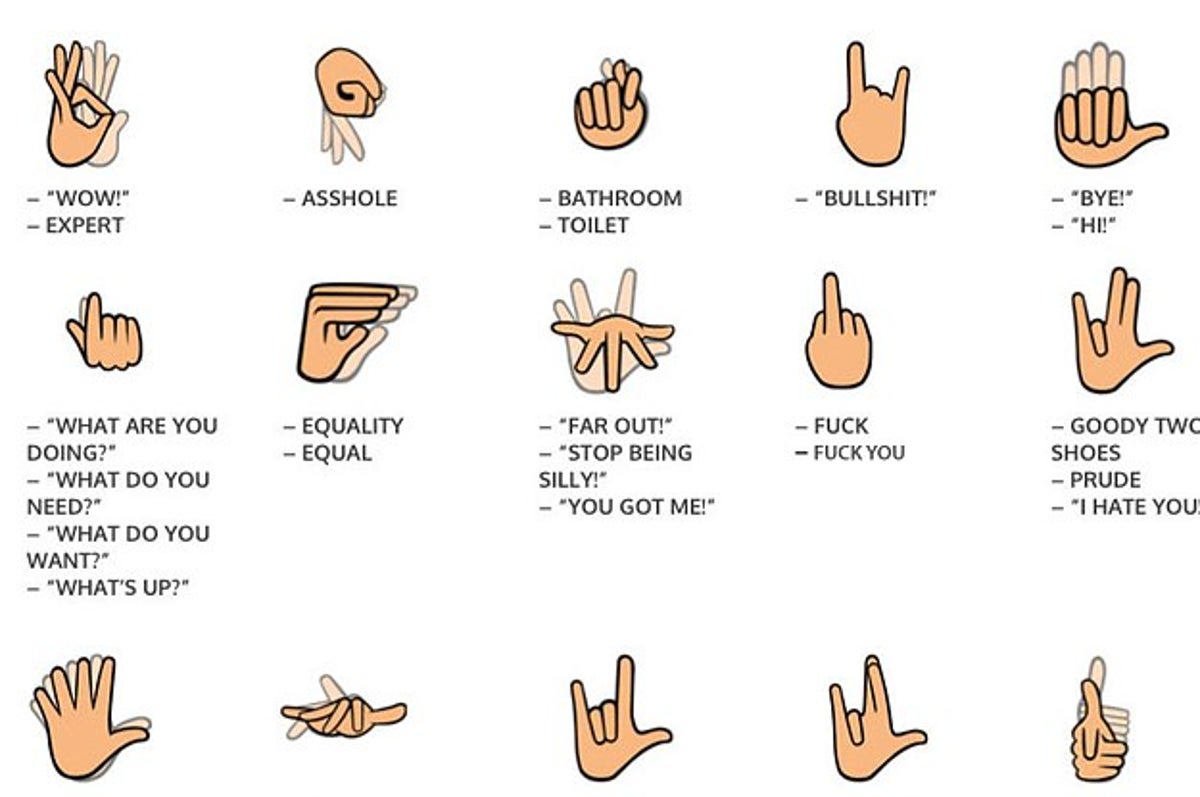
In German-speaking countries, saying no directly can be perceived as rude or confrontational. Cultural norms dictate that individuals prioritize politeness and harmony in social interactions. As a result, Germans often resort to indirect or婉曲 expressions when declining requests or expressing disagreement.
The choice of phrases and tone used to say no is influenced by several factors, including the social context, the relationship between the speaker and the recipient, and the level of formality required.
Indirect Phrases
Indirect phrases allow individuals to decline requests without appearing dismissive or impolite. Some common indirect phrases include:
- “Ich werde sehen, was ich tun kann.” (I’ll see what I can do.)
- “Das ist leider nicht möglich.” (That’s unfortunately not possible.)
- “Ich bin gerade etwas beschäftigt.” (I’m a bit busy right now.)
Polite Declinations
When declining requests more formally, individuals may use polite phrases such as:
- “Vielen Dank für Ihr Angebot, aber ich muss leider ablehnen.” (Thank you for your offer, but I must decline.)
- “Ich bedauere, aber ich kann Ihrer Bitte nicht nachkommen.” (I regret that I cannot fulfill your request.)
- “Ich bin Ihnen sehr dankbar für Ihre Einladung, aber ich kann sie leider nicht annehmen.” (I am very grateful for your invitation, but I cannot accept it.)
Non-Verbal Cues for Saying No

Body language and facial expressions play a crucial role in conveying a negative response in German culture. Germans tend to be direct and assertive in their communication, but they also value politeness and respect. Therefore, it is important to use non-verbal cues that indicate a polite refusal.
- Head shaking:A gentle side-to-side head shake is a common way to indicate a polite refusal in German culture. Avoid exaggerated or abrupt headshakes, as these can be interpreted as rude.
- Eye contact:Maintaining eye contact while saying no shows that you are confident and respectful. However, avoid staring directly at the person, as this can be seen as aggressive.
- Facial expressions:A neutral or slightly apologetic facial expression can help soften the impact of saying no. Avoid smiling or laughing, as this can be interpreted as insincerity.
- Body posture:Standing or sitting up straight with your shoulders relaxed indicates that you are confident and assertive in your refusal. Avoid crossing your arms or legs, as this can be seen as defensive or dismissive.
Saying No to Specific Requests
Declining specific requests in German requires a polite yet assertive approach. The choice of phrase depends on the formality of the situation and the nature of the request.
To decline an offer or request in German, one can use the phrase “Nein, danke” (No, thank you). Switzerland, a country with a rich linguistic tapestry, presents a diverse range of spoken languages. As discussed in the informative article ” What Language Do Swiss People Speak “, German remains a prominent language in Switzerland, alongside French, Italian, and Romansh.
Invitations
- Polite: Vielen Dank für die Einladung, aber ich muss leider absagen.(Thank you for the invitation, but I have to decline.)
- Direct: Es tut mir leid, aber ich kann Ihre Einladung nicht annehmen.(I’m sorry, but I cannot accept your invitation.)
Favors
- Polite: Ich würde Ihnen gerne helfen, aber ich bin derzeit leider zu beschäftigt.(I would like to help you, but I’m unfortunately too busy right now.)
- Direct: Es tut mir leid, aber ich kann Ihnen dabei nicht helfen.(I’m sorry, but I cannot help you with that.)
Offers
- Polite: Vielen Dank für Ihr Angebot, aber ich muss es leider ablehnen.(Thank you for your offer, but I have to decline.)
- Direct: Ich bin nicht interessiert.(I’m not interested.)
Saying No Assertively

Assertive communication involves expressing your thoughts and feelings directly and respectfully. When saying no assertively, it’s crucial to be clear, firm, and polite.
Here are some tips for saying no assertively:
- Use “I” statements.This helps you take ownership of your feelings and needs. For example, instead of saying “You’re always asking me for favors,” you could say “I feel overwhelmed when I’m asked for too many favors.”
- Be specific about what you’re declining.Don’t just say “no.” Instead, explain what you’re not able to do or what you’re not comfortable with. For example, instead of saying “I can’t help you,” you could say “I’m not able to help you with that particular task.”
- Set clear boundaries.Let the other person know what you’re willing to do and what you’re not. For example, you could say “I’m happy to help you with small tasks, but I’m not able to take on large projects.”
- Be firm but polite.Stand your ground, but do so in a respectful way. For example, instead of saying “No way,” you could say “I appreciate your offer, but I’m not able to accept.”
- Offer an alternative.If possible, offer an alternative solution to show that you’re willing to be helpful. For example, instead of saying “I can’t help you,” you could say “I’m not able to help you with that particular task, but I can recommend someone who might be able to help.”
Saying No to Unreasonable Requests
Saying no to unreasonable requests is a crucial skill for maintaining healthy boundaries and preserving our well-being. It can be challenging, especially when we want to avoid causing offense or disappointing others. However, it’s essential to remember that we have the right to decline requests that make us uncomfortable or that we simply cannot fulfill.
Strategies for Declining Unreasonable Requests
Here are some strategies for declining unreasonable requests without causing offense:
- Express empathy:Acknowledge the person’s request and show that you understand their situation. For example, you could say, “I understand that you’re in a difficult situation, but…”
- Set boundaries:Clearly state that you’re not comfortable with the request. For example, you could say, “I’m sorry, but I’m not comfortable doing that.”
- Offer alternatives:If possible, offer an alternative solution that meets the person’s needs without compromising your own. For example, you could say, “I can’t do that, but I can suggest…”
- Use “I” statements:Focus on your own feelings and needs. For example, you could say, “I’m not able to help with that.”
| Strategy | Example Phrase |
|---|---|
| Express empathy | “I understand your situation, but…” |
| Set boundaries | “I’m sorry, but I’m not comfortable with that.” |
| Offer alternatives | “I can’t do that, but I can suggest…” |
| Use “I” statements | “I’m not able to help with that.” |
Common Types of Unreasonable Requests, How do you say no in german language
Here are some common types of unreasonable requests:
- Requests that violate your values or ethics:For example, someone asking you to do something that is illegal or immoral.
- Requests that are too demanding or time-consuming:For example, someone asking you to work overtime for an extended period without compensation.
- Requests that are manipulative or guilt-inducing:For example, someone trying to make you feel bad if you don’t do what they want.
How to Decline Specific Requests
Here are some examples of how to decline specific unreasonable requests:
- “I’m sorry, but I can’t lend you money.”(In response to a request for a loan)
- “I’m not comfortable giving you my personal information.”(In response to a request for personal information)
- “I’m not able to work overtime this week.”(In response to a request to work overtime)
Real-Life Scenario
Imagine a colleague asks you to cover their shift at work on short notice, even though you have other commitments. How would you decline this request without causing offense?
You could say something like:
“I understand that you’re in a bind, but I’m not able to cover your shift this time. I have other commitments that I can’t reschedule on short notice.”
Importance of Self-Care and Setting Boundaries
Saying no to unreasonable requests is essential for self-care and setting boundaries. When we say yes to too many things, we can become overwhelmed, stressed, and resentful. It’s important to prioritize our own needs and well-being, and to set boundaries that protect our time and energy.
Potential Consequences of Saying No
While it’s important to say no to unreasonable requests, it’s also important to be aware of the potential consequences. In some cases, saying no may damage relationships or lead to negative outcomes. It’s important to weigh the potential consequences before making a decision.
Additional Resources
Saying No to Persistent Requests
/GettyImages-601687312-58b5a2443df78cdcd880153e.jpg "German holidays happy")
When dealing with persistent individuals who continue to ask for something after you have said no, it is important to remain polite but firm in your refusal. Here are some techniques and phrases that can help:
Be direct and clear.Let the person know that you are not interested in what they are asking for. Use phrases like “I’m not interested” or “I’m not comfortable with that.”
Set boundaries.Let the person know that you are not willing to discuss the matter further. Say something like “I’ve already said no, and I’m not going to change my mind” or “I’m not going to discuss this any further.”
Offer an alternative.If possible, offer an alternative that you are willing to do. This shows that you are not being completely dismissive, but that you are not willing to do what they are asking for. For example, you could say “I’m not able to help you with that, but I can recommend someone who might be able to” or “I’m not able to give you a ride, but I can help you find a bus that goes to where you need to go.”
Use humor.Sometimes, a little humor can help to diffuse the situation. For example, you could say “I’m not able to help you with that, but I can tell you a joke” or “I’m not able to give you a ride, but I can give you a piggyback ride.”
Walk away.If all else fails, you can simply walk away from the situation. This shows that you are not interested in continuing the conversation.
Saying No Indirectly: How Do You Say No In German Language

In German culture, it’s considered impolite to directly say “no” without providing a reason or offering an alternative. Instead, indirect phrases or hints are often used to convey a negative response while maintaining a positive tone.
Subtle ways to decline requests or invitations without directly saying “no” include:
- Expressing gratitude and appreciation:“Vielen Dank für das Angebot, aber…” (Thank you for the offer, but…)
- Offering an alternative:“Ich habe leider schon andere Pläne, aber vielleicht könnten wir uns ein anderes Mal treffen.” (I unfortunately have other plans, but maybe we could meet another time.)
- Explaining a prior commitment:“Ich bin an dem Tag leider schon verplant.” (I’m already booked on that day.)
- Using a hypothetical situation:“Wenn ich könnte, würde ich gerne kommen, aber…” (If I could, I would love to come, but…)
- Suggesting a compromise:“Ich kann zwar nicht an dem Tag, aber vielleicht können wir uns an einem anderen Termin treffen.” (I can’t make it on that day, but maybe we can meet on another date.)
Saying No with Humor

Using humor can be an effective way to lighten the mood and make declining requests less awkward. It can help to diffuse tension and make the other person more receptive to your response.
Here are some examples of witty or humorous phrases that can be used to politely say no:
- “I’m sorry, but I’m all booked up. I’m like a popular restaurant on a Friday night.”
- “I’d love to help, but I’m currently juggling more balls than a circus clown.”
- “I’m not sure I’m the best person for the job. I’m more of a ‘yes, and…’ person than a ‘no’ person.”
- “I’m afraid I’m going to have to decline. I’m on a strict diet of saying no to things I don’t want to do.”
- “I’m sorry, but I’m not available. I’m busy chasing rainbows and unicorns.”
– Elaborate on situations where saying no to cultural customs or traditions may be necessary, considering factors such as personal values, safety, and comfort level.
Navigating cultural differences requires sensitivity and an understanding of local customs and traditions. However, there may be instances where declining participation in certain activities or events is necessary for personal reasons. These situations can arise due to factors such as personal values, safety concerns, or discomfort with certain practices.
Personal Values
When cultural customs or traditions conflict with deeply held personal values, it may be necessary to politely decline participation. For example, individuals may choose to abstain from consuming certain foods due to religious beliefs or dietary restrictions.
Safety Concerns
Safety should always be a primary consideration when participating in cultural activities. If an activity involves potential risks or hazards, it is important to politely decline and prioritize personal well-being.
Comfort Level
Respecting personal comfort levels is essential. Individuals may feel uncomfortable participating in activities that go against their personal boundaries or make them feel unsafe or vulnerable. Politely declining participation in such situations is acceptable and should be done respectfully.
Saying No to Discrimination or Harassment
Discrimination and harassment are serious issues that can have a profound impact on individuals and society as a whole. In German-speaking countries, it is important to be aware of the prevalence of these behaviors and to know how to respond appropriately.
There are a number of phrases and strategies that can be used to report or address inappropriate behavior. It is important to be direct and assertive when speaking out against discrimination or harassment. Some helpful phrases include:
- “Ich fühle mich durch Ihr Verhalten diskriminiert.”
- “Ich möchte, dass Sie aufhören, mich zu belästigen.”
- “Ich werde dieses Verhalten nicht tolerieren.”
It is also important to document any incidents of discrimination or harassment. This can be done by keeping a journal, taking screenshots of emails or text messages, or recording conversations. This documentation can be used to support your claims if you decide to file a formal complaint.
There are a number of consequences that can result from not addressing discrimination or harassment. These consequences can include:
- Emotional distress
- Lost productivity
- Physical harm
- Legal liability
It is important to create a culture of respect and inclusion in order to prevent discrimination and harassment. This can be done by:
- Educating people about the issue
- Creating policies and procedures to address discrimination and harassment
- Encouraging people to speak out against inappropriate behavior
- Supporting victims of discrimination and harassment
There are a number of resources available to victims of discrimination or harassment. These resources include:
- The German Anti-Discrimination Agency
- The German Federal Ministry for Family Affairs, Senior Citizens, Women and Youth
- The German Trade Union Confederation
If you are experiencing discrimination or harassment, it is important to seek help. There are a number of resources available to you, and you do not have to suffer in silence.
Examples of Scenarios and How to Respond Appropriately
Here are some examples of scenarios where you might need to say no to discrimination or harassment, and how to respond appropriately:
- Scenario:You are at work and a colleague makes a racist joke. Response:“I find your joke offensive. Please do not make jokes like that around me.”
- Scenario:You are on a date and your date makes a sexist comment. Response:“I am not comfortable with the way you are talking to me. Please stop.”
- Scenario:You are walking down the street and a stranger makes a homophobic slur. Response:“Your words are hateful and hurtful. I will not tolerate this behavior.”
It is important to remember that you have the right to say no to discrimination or harassment. You do not have to tolerate inappropriate behavior, and you should not be afraid to speak out against it.
Saying No in Different German Dialects
The German language exhibits a rich tapestry of dialects, each possessing unique nuances and variations. This diversity extends to the ways in which speakers express negation. While the standard German phrase “nein” remains universally recognized, numerous regional dialects employ distinct expressions to convey the same sentiment.
In the Bavarian dialect, for instance, “na” or “nö” are commonly used as informal ways to say no. In the Swabian dialect, “nei” or “nö” are prevalent, while in the Saxon dialect, “nee” or “nä” are frequently employed. These dialectal variations reflect the cultural and linguistic diversity that characterizes the German-speaking world.
Common Phrases in Specific Regions
- Bavarian: “na,” “nö”
- Swabian: “nei,” “nö”
- Saxon: “nee,” “nä”
- Austrian: “nein,” “na”
- Swiss German: “nei,” “nö”
Essential Questionnaire
What are some common German phrases for politely declining?
Danke, aber ich muss leider ablehnen. (Thank you, but I have to decline.)
Es tut mir leid, aber ich kann Ihnen dabei nicht helfen. (I’m sorry, but I can’t help you with that.)
Ich bin leider verhindert. (I’m unfortunately unavailable.)
How can I say no in a formal setting in German?
Sehr geehrte/r [Name], vielen Dank für Ihre Einladung. Ich muss Ihre Einladung jedoch leider ablehnen, da ich an diesem Tag bereits andere Verpflichtungen habe. (Dear [Name], thank you for your invitation. However, I must regretfully decline your invitation as I have other commitments on that day.)
What are some informal ways to say no in German?
Nein, danke. (No, thank you.)
Ich habe keine Zeit. (I don’t have time.)
Das ist mir zu viel. (That’s too much for me.)
