Is sign language easy to learn? The answer to this question is not a simple yes or no. Learning sign language, like any new language, requires dedication, practice, and a willingness to immerse oneself in a different way of communicating.
However, with the right approach and support, learning sign language can be a rewarding and transformative experience.
Sign language is a visual language that uses handshapes, facial expressions, and body movements to convey meaning. It is a rich and expressive language that can be used to communicate everything from everyday conversation to complex ideas. Sign language is used by deaf and hard of hearing people all over the world, and it is also used by hearing people who want to communicate with deaf and hard of hearing individuals.
Definition and Overview

Sign language is a complete and natural language that uses visual-gestural communication to express thoughts and ideas. It is a visual language that uses handshapes, facial expressions, and body language to convey meaning. Sign languages are not universal; different countries and regions have their own unique sign languages, just as they have their own spoken languages.
The origins of sign language can be traced back to ancient times, with evidence of its use in various cultures around the world. However, it was not until the 18th century that sign language began to be formally recognized and developed as a means of education for deaf individuals.
Types of Sign Language
There are two main types of sign languages: national sign languages and international sign languages. National sign languages are used within a specific country or region, while international sign languages are used for communication between deaf people from different countries.
The most widely used international sign language is International Sign (IS), which is based on the sign languages of various countries around the world.
Benefits and Challenges of Learning Sign Language
Learning sign language offers numerous benefits, including improved communication with deaf individuals, increased cultural awareness, and cognitive benefits such as enhanced memory and spatial reasoning. However, there are also challenges associated with learning sign language, such as the need for consistent practice and the potential for cultural differences in sign language usage.
Accessibility and Prevalence
Sign language is essential for the deaf and hard of hearing community, as it provides them with a means of communication that is both accessible and effective. Without sign language, many deaf and hard of hearing individuals would be unable to fully participate in society.
Prevalence of Sign Language Users
The prevalence of sign language users varies widely around the world. In some countries, such as the United States, sign language is used by a significant portion of the deaf and hard of hearing population. In other countries, however, sign language is less widely used.
Sign language, with its visual-spatial nature, offers a unique approach to communication. Unlike spoken languages, which rely heavily on abstract concepts, sign language employs concrete symbols that directly represent objects, actions, and ideas. This concrete language approach, as discussed in what is concrete language , provides a tangible connection between the concept and its representation, making it easier for learners to grasp and retain.
According to the World Federation of the Deaf, there are an estimated 70 million deaf people worldwide, and of those, approximately 80% use sign language as their primary means of communication.
Identify different types of sign language, such as American Sign Language (ASL), British Sign Language (BSL), and Chinese Sign Language (CSL).

Sign language is a visual language that uses gestures, facial expressions, and body movements to communicate. There are many different sign languages around the world, each with its own unique grammar, vocabulary, and cultural context.
Some of the most well-known sign languages include:
- American Sign Language (ASL)
- British Sign Language (BSL)
- Chinese Sign Language (CSL)
- French Sign Language (LSF)
- German Sign Language (DGS)
- Japanese Sign Language (JSL)
Structure and Grammar
Sign language possesses a unique structure and grammar distinct from spoken languages. It utilizes visual-spatial elements, including handshapes, movements, facial expressions, and body posture, to convey meaning.
Signs are the fundamental units of sign language. They are formed by combining handshapes, which represent specific letters or concepts, with movements that indicate tense, aspect, or other grammatical features. For example, in American Sign Language (ASL), the sign for “dog” is formed by holding the dominant hand in a “C” shape near the chin and moving it forward and down.
The movement conveys the action of a dog’s head and body.
Combining Signs
Signs can be combined to form complex utterances that convey complete thoughts and ideas. The order of signs, as well as the use of space and movement, plays a crucial role in sign language grammar. For instance, in ASL, the sentence “I love you” is expressed by signing “I” followed by “LOVE” and then “YOU.” The spatial arrangement of the signs indicates the subject (“I”), the verb (“LOVE”), and the object (“YOU”).
Non-Manual Features
In addition to signs, sign language incorporates non-manual features such as facial expressions, body posture, and eye gaze. These features provide additional information and context to the signed message. For example, a raised eyebrow may indicate a question, while a furrowed brow can convey anger or frustration.
– Compare the pros and cons of each learning method, including cost, time commitment, and effectiveness.
The effectiveness of a sign language learning method depends on various factors, including the individual learner’s needs, preferences, and learning style. Here is a comparison of the pros and cons of different learning methods:
In-person classesoffer structured learning, immediate feedback, and opportunities for practice with a qualified instructor and other students. However, they can be more expensive and time-consuming than other methods.
Online coursesprovide flexibility and convenience, allowing learners to study at their own pace and on their own schedule. However, they may lack the interactive and hands-on elements of in-person classes.
Self-study materials, such as books, DVDs, and online resources, are cost-effective and self-paced, but they may not provide the same level of support and feedback as other methods.
Challenges and Obstacles
Learning sign language presents various challenges and obstacles that learners may encounter. These include:
- Lack of Exposure:Sign language is often not widely used in mainstream society, leading to limited exposure for those interested in learning it.
- Language Barriers:Different sign languages exist, and each has its unique grammar, vocabulary, and syntax. This can create barriers for learners who may be familiar with one sign language but not others.
Overcoming Challenges
To overcome these challenges, learners can consider the following suggestions:
- Immersion:Actively engage in environments where sign language is used, such as attending deaf community events or joining sign language clubs.
- Technology:Utilize online resources, apps, and video platforms to access sign language lessons and connect with native signers.
- Formal Education:Enroll in sign language classes offered by educational institutions or community centers to receive structured instruction and practice.
Benefits and Advantages

Learning sign language offers numerous benefits, including enhanced communication, cultural understanding, and expanded social and educational opportunities.
Improved Communication
Sign language empowers individuals to communicate effectively with the deaf and hard of hearing community, breaking down communication barriers and fostering inclusivity.
Cultural Understanding
Immersion in sign language provides a window into the vibrant deaf culture, fostering appreciation for its unique perspectives, values, and traditions.
Social Opportunities
Learning sign language opens doors to social connections with the deaf community, enriching personal networks and promoting a sense of belonging.
Educational Advancement
Sign language proficiency enhances educational experiences for deaf and hard of hearing students, enabling them to fully participate in classroom discussions and access educational materials.
Comparison to Spoken Language: Is Sign Language Easy To Learn
Sign language and spoken language are two distinct modes of communication, each with its own unique advantages and limitations. While sign language is more visually expressive and can be used in noisy environments, spoken language is more widely used and can convey more complex information.
Communication Effectiveness
Sign language is a highly effective means of communication, particularly in noisy environments or when verbal communication is not possible. It allows for clear and precise communication of ideas, emotions, and information through the use of gestures, facial expressions, and body language.
Spoken language, on the other hand, is more widely used and can convey more complex information. It allows for the expression of a wider range of ideas and concepts, including abstract and nuanced thoughts. However, spoken language can be difficult to understand in noisy environments or for individuals with hearing impairments.
Expressive Capabilities
Sign language has unique expressive capabilities that allow for the communication of emotions, intentions, and cultural nuances. Gestures and facial expressions can convey subtle meanings and emotions that may be difficult to express through spoken language.
Spoken language, on the other hand, has a wider range of expressive capabilities, including intonation, prosody, and vocal variety. This allows for the communication of complex ideas, abstract concepts, and emotional nuances.
Advantages and Limitations
Sign language offers several advantages, including its accessibility for deaf individuals and its effectiveness in noisy environments. It is also a highly expressive language that can convey emotions and cultural nuances.
However, sign language also has some limitations. It requires specialized knowledge and training to understand and use, and it can be difficult to understand in unfamiliar contexts.
Spoken language is more widely used and can convey more complex information. However, it can be difficult to understand in noisy environments and requires auditory processing.
Context and Culture
The effectiveness of sign language and spoken language can be influenced by context and culture. Sign language is often more effective in close-knit communities where it is the primary mode of communication. Spoken language, on the other hand, is more effective in larger, more diverse communities where it is the lingua franca.
Combining Sign Language and Spoken Language
In some situations, it can be beneficial to use both sign language and spoken language in combination. This can enhance communication by providing multiple channels for information transmission and reducing the risk of misunderstandings.
For example, in a classroom setting, a teacher may use sign language to convey visual information while also speaking to provide auditory information. This can help students with different learning styles and needs to access the material.
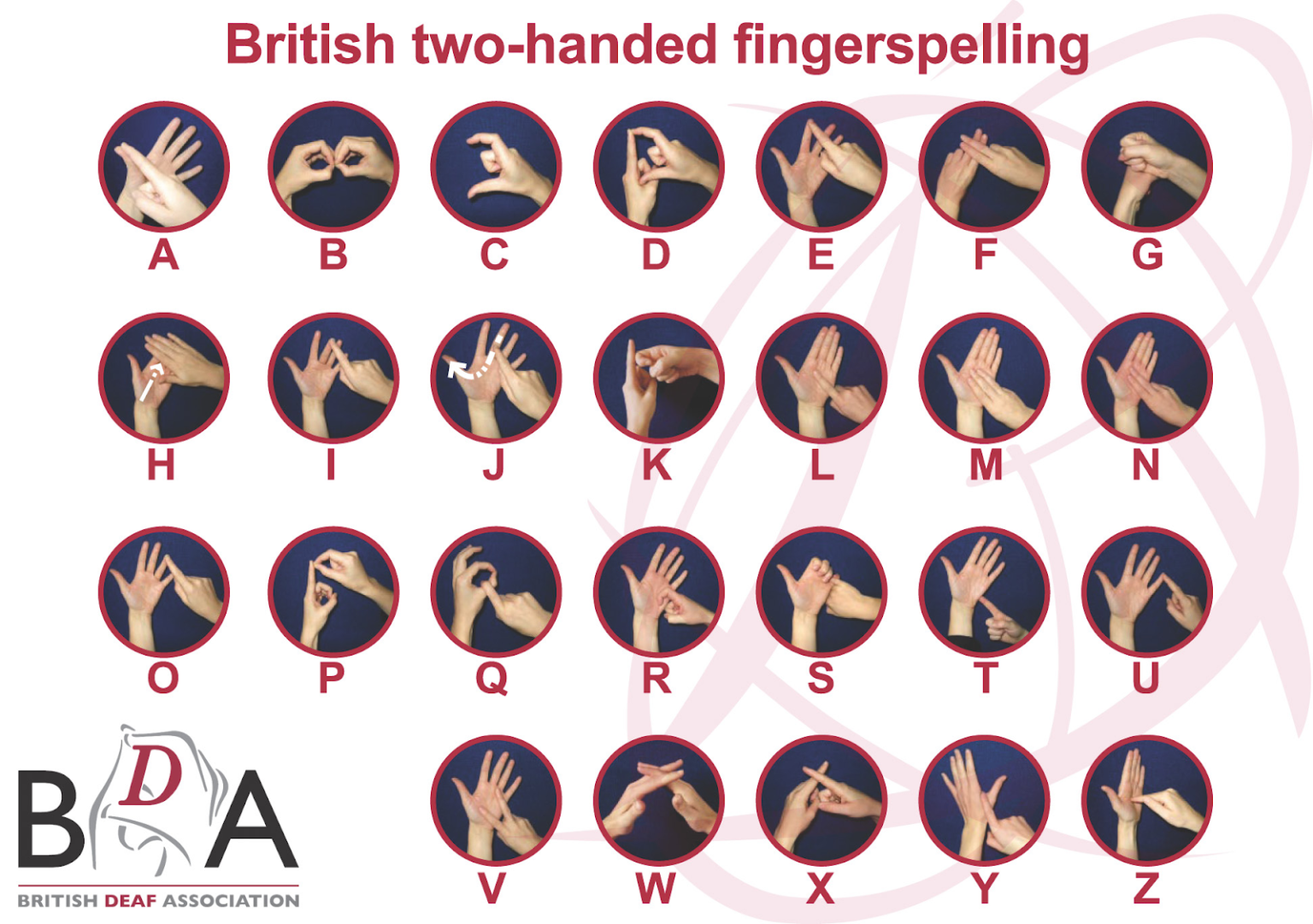
Sign language is a fascinating language that can be both challenging and rewarding to learn. While the basics of sign language can be relatively easy to grasp, mastering the nuances of the language takes time and practice. One of the most important aspects of sign language is the use of handshapes to represent letters and words.
For example, to sign the letter “B,” you would place your thumb and forefinger together to form a “V” shape and then move your hand up and down. To learn more about how to sign the letter “B” and other signs, you can visit this helpful resource: How to Do B in Sign Language.
With consistent practice and dedication, you can improve your sign language skills and communicate effectively with others who use this beautiful language.
Cultural and Social Impact
Sign language holds immense cultural and social significance within the deaf community. It serves as a vital means of communication, facilitating interactions, fostering a sense of identity, and creating a shared cultural experience among deaf individuals.
Sign language empowers deaf people to connect with each other on a profound level. It allows them to express themselves freely, share their experiences, and engage in meaningful conversations. Through sign language, deaf individuals can participate fully in social activities, such as storytelling, jokes, and discussions, fostering a sense of belonging and community.
Sense of Identity
Sign language is deeply intertwined with the identity of deaf individuals. It is a unique and distinct language that allows them to express their cultural heritage and perspectives. By using sign language, deaf people can connect with their shared experiences, history, and values, strengthening their sense of community and pride.
Technology and Accessibility
Advancements in technology have significantly enhanced accessibility to sign language learning and communication. These tools empower sign language users to connect, learn, and participate more effectively in various aspects of life.
Assistive devices, such as video relay services (VRS), provide real-time interpretation between sign language users and hearing individuals. VRS allows users to communicate via video call with a certified interpreter, who then relays the conversation to the hearing party and vice versa.
Software for Sign Language Learning
Educational software and applications have revolutionized sign language learning. Interactive platforms offer lessons, tutorials, and interactive exercises that make the learning process more engaging and accessible. These tools often incorporate multimedia elements, such as videos, animations, and games, to enhance comprehension and retention.
Social Media and Online Communities
Social media and online communities have fostered a vibrant and supportive environment for sign language users. Platforms like Facebook groups and YouTube channels connect individuals, provide a space for sharing experiences, and facilitate the exchange of resources. These communities promote inclusivity and create a sense of belonging among sign language users.
Career Opportunities

Sign language proficiency opens doors to a range of career opportunities in various industries, including education, healthcare, social services, legal, and entertainment. Skilled sign language interpreters are in high demand, with competitive salary ranges depending on the industry and experience.
Average Salary Range for Sign Language Interpreters
The average salary range for sign language interpreters varies across industries, as indicated in the following table:
| Industry | Average Salary Range |
|---|---|
| Education | $40,000
|
| Healthcare | $45,000
|
| Social Services | $35,000
|
| Legal | $50,000
|
| Entertainment | $25,000
|
Job Responsibilities
Sign language interpreters play a vital role in facilitating communication between individuals who use sign language and those who do not. Their responsibilities include:
- Interpreting spoken language into sign language and vice versa
- Providing accurate and clear communication in various settings
- Maintaining confidentiality and ethical standards
- Understanding and respecting the cultural and linguistic nuances of the deaf community
Educational and Certification Requirements
To become a sign language interpreter, individuals typically need a bachelor’s degree in sign language interpreting or a related field. Additional certifications, such as the Registry of Interpreters for the Deaf (RID) certification, are highly recommended and may enhance job prospects.
Resources for Individuals Interested in Sign Language Interpretation
- Registry of Interpreters for the Deaf (RID): https://www.rid.org/
- National Association of the Deaf (NAD): https://www.nad.org/
- Gallaudet University: https://www.gallaudet.edu/
Resources and Support
Learning and practicing sign language requires access to appropriate resources and support systems. Fortunately, there are numerous online and offline resources available to assist individuals in their language acquisition journey.
Online dictionaries and tutorials provide convenient and accessible platforms for learners to explore sign language vocabulary and grammar. Support groups and forums connect individuals with other sign language users, offering opportunities for practice,交流, and support.
Organizations Promoting Sign Language Awareness and Advocacy
Organizations dedicated to promoting sign language awareness and advocacy play a crucial role in advancing the rights and accessibility of deaf and hard of hearing individuals. These organizations engage in various activities, including:
- Providing educational resources and training programs to promote sign language proficiency
- Advocating for legislation and policies that support the use of sign language in education, employment, and public services
- Raising awareness about the deaf and hard of hearing community and their communication needs
Personal Experiences and Perspectives
Learning sign language can be a deeply personal and rewarding experience, with unique challenges and rewards. To gain a deeper understanding of this, let’s explore the personal stories and perspectives of sign language learners and users.
These experiences can be categorized into various aspects, such as:
- Reasons for learning sign language
- Challenges and obstacles faced
- Benefits and rewards of learning sign language
- Impact on personal growth and development
These stories and experiences provide valuable insights into the transformative power of sign language, its impact on individuals and communities, and the importance of fostering inclusivity and accessibility.
Reasons for Learning Sign Language, Is sign language easy to learn
Individuals embark on the journey of learning sign language for a myriad of reasons. Some are motivated by a desire to communicate with deaf or hard of hearing loved ones, while others are drawn to the linguistic and cultural aspects of sign language.
There are also those who learn sign language for professional reasons, such as educators, healthcare providers, and social workers. Regardless of their motivations, sign language learners share a common goal: to bridge the communication gap and foster inclusivity.
Challenges and Obstacles Faced
The path to sign language fluency is not without its challenges. Learners may encounter obstacles such as the complexity of sign language grammar, the need for consistent practice, and the limited availability of resources in some areas.
Additionally, societal attitudes and misconceptions about sign language can create barriers to learning. However, with perseverance and support, these challenges can be overcome.
Benefits and Rewards of Learning Sign Language
The benefits of learning sign language extend far beyond communication. Sign language learners often report increased empathy, cultural awareness, and a sense of accomplishment.
Learning sign language has also been shown to improve cognitive function, memory, and spatial reasoning skills. It can open doors to new social circles, employment opportunities, and a deeper understanding of the world.
Impact on Personal Growth and Development
Learning sign language can be a transformative experience that fosters personal growth and development. It challenges learners to step outside of their comfort zones, embrace diversity, and develop a greater appreciation for the human experience.
Through sign language, individuals gain a new perspective on communication, language, and the power of inclusivity. It empowers them to connect with a wider range of people and make a positive impact on their communities.
Written Reflections and Essays
In addition to the personal stories and experiences, this section will include written reflections and essays from sign language learners and users. These pieces will explore their personal perspectives, insights, and the impact of sign language on their lives.
These written accounts will provide a deeper understanding of the transformative power of sign language and its ability to bridge communication gaps, foster inclusivity, and enrich personal growth.
– 14. Conclusion and Call to Action
Learning sign language offers numerous benefits and opens up opportunities to connect with the deaf community. It empowers individuals to communicate effectively, fosters inclusivity, and enriches cultural understanding.
We encourage readers to consider embracing the journey of learning sign language. By doing so, you not only gain a valuable skill but also become an advocate for the deaf community.
Ways to Get Involved
Here are tangible ways you can get involved and support the deaf community:
- Join a sign language class to acquire proficiency in communication.
- Volunteer your time to deaf organizations, offering assistance and support.
- Attend deaf cultural events and gatherings to demonstrate your solidarity and appreciation.
- Advocate for accessibility and equal opportunities for the deaf community in various settings.
By taking these steps, you can make a meaningful difference in the lives of deaf individuals and foster a more inclusive society.
Essential Questionnaire
How long does it take to learn sign language?
The time it takes to learn sign language varies depending on the individual and the level of proficiency they want to achieve. However, with consistent practice, most people can learn the basics of sign language in a few months.
Is sign language difficult to learn?
Learning sign language requires dedication and practice, but it is not inherently difficult. With the right approach and support, anyone can learn sign language.
What are the benefits of learning sign language?
Learning sign language has many benefits, including improved communication with deaf and hard of hearing people, increased cultural awareness, and enhanced cognitive skills.
