How do you say that in sign language? This question opens up a world of communication and expression, bridging the gap between the hearing and deaf communities. In this comprehensive guide, we delve into the fascinating realm of sign language, exploring its history, grammar, and cultural significance.
From the basics of translating words and phrases to the nuances of sentence structure and body language, we uncover the secrets of effective sign language communication. Join us on this journey as we empower you to connect with the deaf community and enrich your understanding of this vibrant and expressive language.
Sign Language Basics
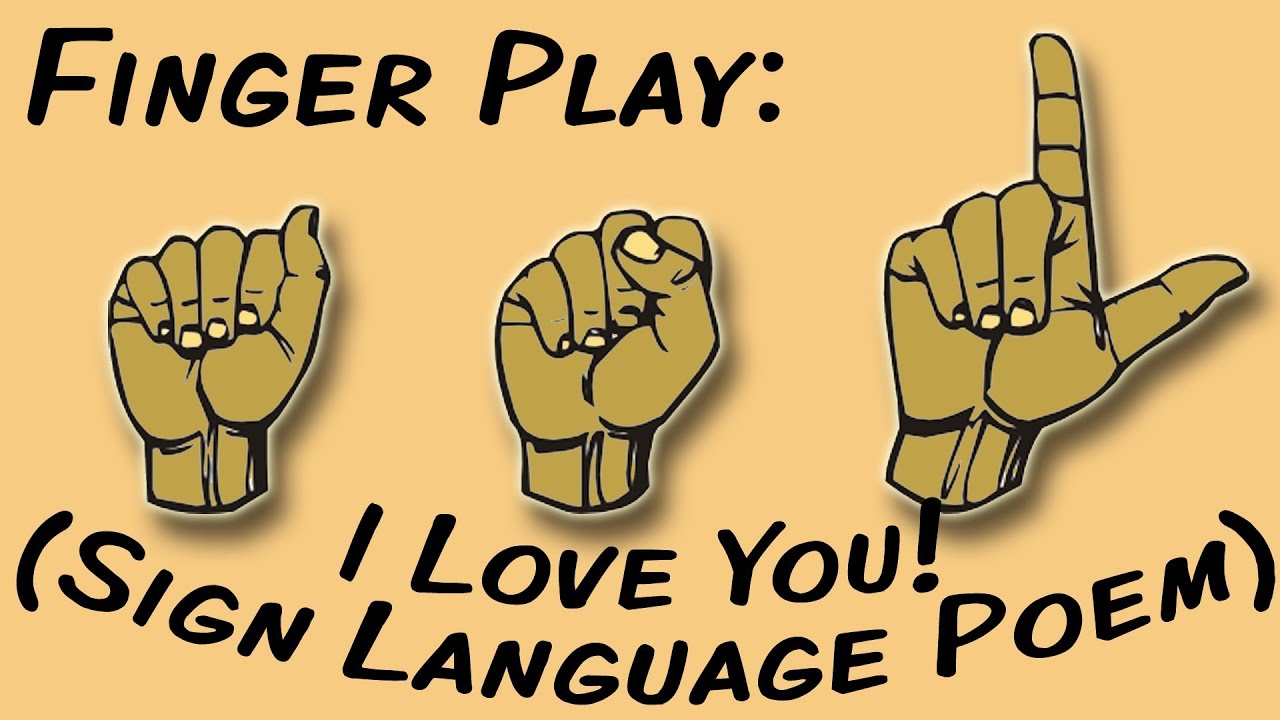
Sign language is a vital form of communication for individuals with hearing impairments. It enables them to express themselves, interact with others, and participate fully in society. Sign languages are visual languages that use gestures, hand movements, and facial expressions to convey meaning.
Types of Sign Language
There are various types of sign language, each with its unique characteristics. Some common types include:
- American Sign Language (ASL):Used primarily in the United States and Canada.
- British Sign Language (BSL):Used in the United Kingdom.
- International Sign Language (ISL):Used as a lingua franca for communication between deaf people from different countries.
History of Sign Language
The development of sign language can be traced back to ancient times. However, the first documented use of a formalized sign language was in the 16th century in Spain. In the 18th century, French educator Charles-Michel de l’Épée established the first school for the deaf, where he developed a system of sign language known as French Sign Language (LSF).
Translating Words and Phrases
Translating words and phrases into sign language requires understanding the vocabulary, grammar, and cultural nuances of the language. Sign language is a visual language that uses gestures, facial expressions, and body movements to convey meaning. It is essential to learn the correct signs for words and phrases to ensure effective communication.
Demonstrating Translation
To translate common words and phrases, it is crucial to understand the signs associated with them. For example, the sign for “hello” involves waving the hand in front of the face, while the sign for “thank you” involves touching the chin with the fingertips.
Phrases can be translated by combining individual signs. For instance, the phrase “How are you?” can be signed by combining the signs for “how,” “are,” and “you.”
Conveying Emotions and Tone
In addition to signs, facial expressions and body language play a significant role in conveying emotions and tone in sign language. A smile or frown can indicate happiness or sadness, while a raised eyebrow can express surprise. The speed and intensity of signs can also convey different emotions.
For example, signing quickly with a strong emphasis can indicate excitement, while signing slowly with a gentle touch can indicate empathy.
Importance of Context and Cultural Variations
Context is essential in sign language, as the same sign can have different meanings depending on the situation. For instance, the sign for “eat” can also mean “drink” or “smoke” based on the context. Cultural variations also exist in sign language, as different regions and communities may have their own unique signs for certain words and phrases.
Writing Sign Language
Sign language can be written using symbols or abbreviations. The SignWriting system uses symbols to represent handshapes, movements, and facial expressions. Another method is Signed English, which uses abbreviations of English words and phrases to create signs.
Sentence Structure and Grammar
Sign language grammar follows a set of rules that govern the order and structure of words and phrases to convey meaning. These rules include the use of classifiers, pronouns, and verb morphology, as well as the use of space, direction, and movement.
Classifiers
Classifiers are handshapes that represent specific types of objects or concepts. For example, a fist may represent a person, while an open hand may represent a book. Classifiers are used to indicate the type of object being referred to and can also be used to indicate its size, shape, and other characteristics.
Pronouns
Pronouns are used to refer to people or things without using their names. In sign language, pronouns are typically indicated by pointing to the person or thing being referred to or by using a specific handshape. For example, the pronoun “I” is typically indicated by pointing to oneself, while the pronoun “you” is indicated by pointing to the person being addressed.
Verb Morphology
Verbs in sign language are often modified by adding prefixes or suffixes to the base sign. These prefixes and suffixes can change the meaning of the verb, such as indicating the tense, aspect, or mood. For example, the prefix “re-” can be added to a verb to indicate that the action is being repeated, while the suffix “-ing” can be added to a verb to indicate that the action is ongoing.
Space, Direction, and Movement
Space, direction, and movement are all used to convey meaning in sign language. For example, the location of a sign in space can indicate the location of the object or person being referred to. The direction of a sign can indicate the direction of movement or the direction of a person’s gaze.
Movement can be used to indicate the speed or intensity of an action.
Sentence Construction
Sentences in sign language are typically constructed in a subject-verb-object order. However, the order of the words can be changed to emphasize a particular word or phrase. For example, the sentence “The cat sat on the mat” can be signed in the order “cat sat mat on” to emphasize the location of the cat.
Different Types of Sentences
There are three main types of sentences in sign language: declarative sentences, interrogative sentences, and imperative sentences.
- Declarative sentencesstate a fact or opinion. For example, the sentence “The cat is black” is a declarative sentence.
- Interrogative sentencesask a question. For example, the sentence “What is the cat’s name?” is an interrogative sentence.
- Imperative sentencesgive a command or request. For example, the sentence “Sit down” is an imperative sentence.
Example
The following paragraph is a short paragraph in sign language that incorporates the grammar rules and concepts discussed above:
THE CAT SAT ON THE MAT. THE CAT IS BLACK. THE CAT’S NAME IS KITTY.
– Include exercises to practice initiating and maintaining conversations in sign language.
Initiating and maintaining conversations in sign language requires practice and confidence. The following exercises can help you develop these skills:
- Introduce yourself:Practice introducing yourself to new people, stating your name, where you’re from, and your interests.
- Ask questions:Ask simple questions to get to know someone, such as their name, age, occupation, or hobbies.
- Share information:Share information about yourself, such as your work, family, or travel experiences.
- Use conversation starters:Use common conversation starters to initiate conversations, such as the weather, current events, or a shared experience.
- Maintain eye contact:Eye contact is essential for effective communication in sign language. Practice maintaining eye contact while signing.
- Use facial expressions and gestures:Facial expressions and gestures convey emotions and intentions in sign language. Practice using them to add depth to your conversations.
Regional Variations
Sign language, like spoken languages, exhibits regional variations around the world. These variations arise due to factors such as geographical isolation, cultural influences, and historical developments.
Regional variations can impact communication, as signs and grammar may differ across regions. For instance, the sign for “hello” in American Sign Language (ASL) involves waving the hand back and forth, while in British Sign Language (BSL), it is a fist with the thumb extended and shaken.
Grammatical Differences
Regional variations extend beyond individual signs to include grammatical differences. For example, in ASL, adjectives typically precede nouns, while in BSL, they follow nouns. Additionally, the use of space and body orientation can vary across regions, affecting the meaning and flow of communication.
Historical Influences
Historical factors have also contributed to regional variations. For instance, the development of ASL was influenced by French Sign Language, while BSL evolved from a combination of French and British influences. These historical connections have resulted in similarities and differences between the two languages.
Cultural Impact
Cultural factors also play a role in regional variations. For example, the signing community in the United States is predominantly deaf, while in some other countries, it includes both deaf and hearing individuals. This difference in demographics can shape the development and usage of sign language.
Technology and Sign Language: How Do You Say That In Sign Language
Technology has played a significant role in enhancing sign language learning and communication, providing innovative ways to connect with others and access resources.
Sign language is a fascinating and expressive form of communication that allows individuals to convey messages without relying on spoken words. While sign languages vary across different cultures and regions, they all share a common goal of facilitating communication between individuals who are deaf or hard of hearing.
In Madagascar, the official language is Malagasy, which is spoken by the majority of the population. However, there are also several other languages spoken in Madagascar, including French, English, and Chinese. For those interested in learning more about the language of Madagascar, this article provides a comprehensive overview of the topic.
One notable development is the use of video conferencing platforms, which have enabled sign language users to communicate with each other remotely, breaking down geographical barriers. These platforms allow for real-time interactions, facial expressions, and body language, providing a more natural and inclusive communication experience.
Sign Language Apps
Sign language apps have emerged as a valuable tool for learning and practicing sign language. These apps offer interactive lessons, dictionaries, and video demonstrations, making it convenient and accessible for individuals to acquire sign language skills. They provide a structured and engaging way to improve vocabulary, grammar, and fluency.
Assistive Devices
Assistive devices, such as closed captioning and sign language interpreters, have also played a crucial role in supporting sign language users. Closed captioning provides text transcripts of spoken words, making it easier for deaf and hard of hearing individuals to follow conversations.
Sign language interpreters facilitate communication between sign language users and non-signers, ensuring accessibility in various settings, including educational institutions, healthcare facilities, and workplaces.
While technology offers numerous benefits, it also presents challenges. One challenge is the digital divide, where some individuals may not have access to the necessary devices or internet connectivity to fully utilize these technologies. Additionally, ensuring the accuracy and cultural appropriateness of sign language content in technological applications remains an ongoing concern.
Sign Language and Culture
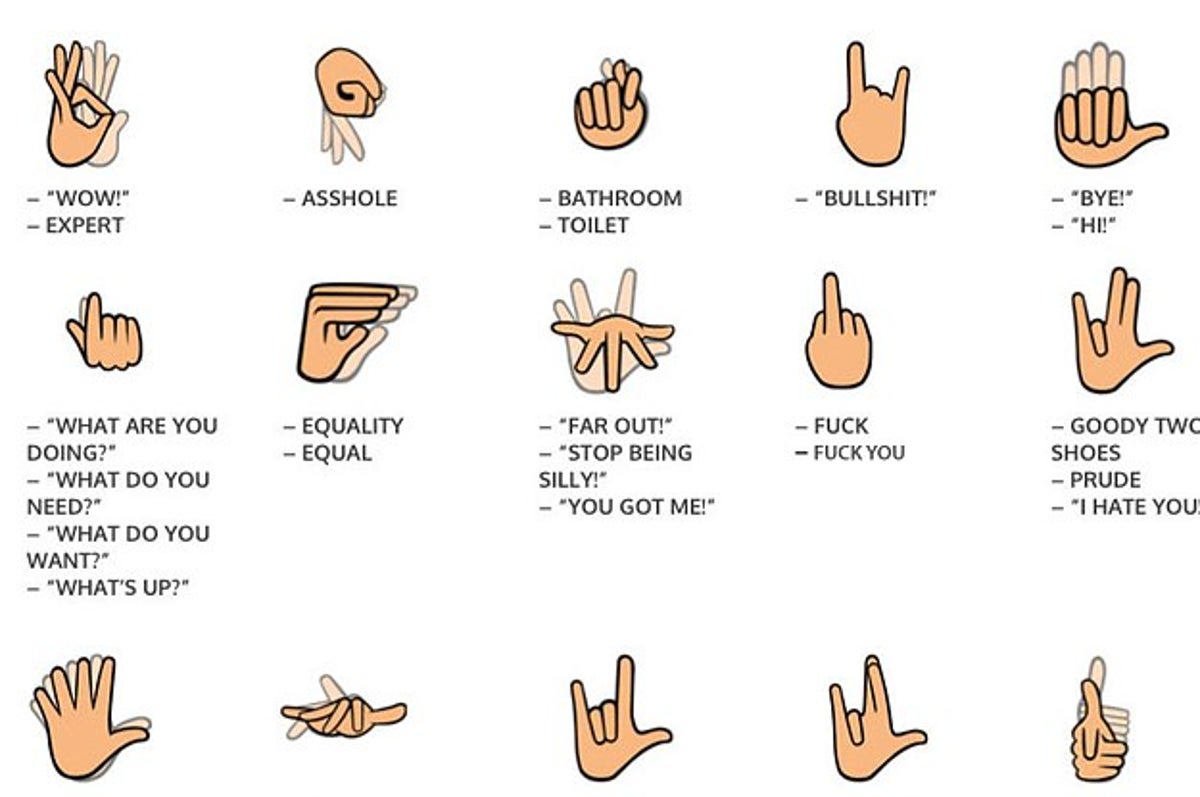
Sign language holds immense cultural significance within deaf communities. It serves as a means of communication, expression, and cultural identity.
Preserving and promoting sign language as a cultural heritage is crucial for several reasons. It fosters a sense of belonging and shared identity among deaf individuals, connecting them to their history and traditions. Furthermore, sign language contributes to the linguistic and cultural diversity of society.
Sign Language in Art and Literature
Sign language has found its way into various forms of artistic and literary expression. In visual arts, deaf artists have used sign language as a subject or inspiration for their work, capturing the beauty and expressiveness of the language. In literature, sign language has been incorporated into poems, stories, and plays, showcasing its literary potential and providing a voice to deaf characters.
Learning Resources
Acquiring sign language proficiency necessitates access to diverse learning resources. These encompass textbooks, online platforms, and structured courses, each possessing unique advantages and drawbacks.
How do you say “beautiful language” in sign language? If you ask a linguist what is the most beautiful language , they might answer that beauty is subjective and varies depending on personal preferences and cultural background. However, there are certain qualities that many people find appealing in a language, such as its euphony, richness of vocabulary, and expressive power.
How do you say that in sign language?
Books
Textbooks provide a comprehensive foundation in sign language, covering fundamental concepts, vocabulary, and grammar. They often include exercises and practice materials to reinforce learning. However, textbooks may lack the interactive element present in other learning methods.
Websites
Numerous websites offer online sign language lessons, ranging from beginner to advanced levels. These platforms often feature interactive exercises, videos, and quizzes, making learning more engaging. However, the quality and accuracy of online resources can vary.
Online Courses
Online courses provide a structured and guided approach to learning sign language. They typically offer video lectures, interactive exercises, and opportunities for feedback from qualified instructors. However, online courses may require a significant time commitment and can be more expensive than other learning methods.
Finding Qualified Sign Language Instructors and Classes
To ensure the quality of your sign language learning experience, it is crucial to find qualified instructors and classes. Consider the following factors when making your selection:
- Credentials:Look for instructors with recognized certifications from reputable organizations, such as the Registry of Interpreters for the Deaf (RID).
- Experience:Choose instructors with a proven track record of teaching sign language effectively.
- Class Size:Smaller class sizes allow for more personalized attention and feedback.
- Location and Schedule:Consider the convenience of the class location and schedule to ensure you can attend regularly.
Importance of Accessibility in Sign Language Learning Materials
Accessibility is paramount in sign language learning materials to ensure inclusivity and equity for all learners. This includes:
- Visual Clarity:Videos and images should be clear and well-lit, with appropriate contrast for easy viewing.
- Closed Captions:Videos should have closed captions or transcripts to accommodate deaf and hard of hearing learners.
- Text Equivalents:Textual equivalents should be provided for all visual content, including diagrams and charts.
- Multiple Learning Formats:Materials should be available in various formats, such as print, video, and online, to cater to diverse learning styles.
– Sign Language in Education

Incorporating sign language into educational settings holds immense significance for both deaf and hearing students, fostering inclusivity and enhancing communication and learning experiences. This section delves into the importance of sign language in education, its benefits, successful implementation examples, challenges, and recommendations for ensuring its successful integration.
Sign language serves as a vital tool for deaf students, providing them with equal access to education and empowering them to fully participate in academic and social activities. It enables them to express themselves, engage in discussions, and comprehend lessons effectively, bridging communication barriers and promoting their academic success.
Benefits for Hearing Students
For hearing students, exposure to sign language enriches their linguistic and cognitive abilities. It enhances their communication skills, fosters empathy and understanding towards the deaf community, and promotes inclusivity within the classroom. Additionally, sign language improves spatial reasoning, memory, and attention span, providing cognitive benefits that extend beyond language acquisition.
Successful Implementation Examples
Numerous schools and universities have successfully implemented sign language programs, demonstrating its effectiveness in educational settings. Gallaudet University, a renowned institution for deaf and hard of hearing students, serves as a prime example. Their comprehensive sign language-based curriculum ensures equal access to higher education for deaf students.
Another successful implementation can be found in the Rochester Institute of Technology’s National Technical Institute for the Deaf (NTID). NTID provides a supportive and accessible environment for deaf and hard of hearing students, offering a wide range of academic programs and support services, including sign language interpretation and instruction.
Challenges and Barriers
Despite its numerous benefits, implementing sign language in education faces certain challenges. One significant barrier is the lack of qualified sign language teachers, particularly in mainstream schools. Additionally, misconceptions and biases surrounding sign language can hinder its acceptance and integration into educational settings.
Another challenge lies in the variability of sign languages across regions and communities. This diversity can pose communication difficulties between deaf individuals from different backgrounds, necessitating the development of standardized sign language systems for educational purposes.
Recommendations for Overcoming Challenges
To overcome these challenges and ensure the successful integration of sign language into education, several recommendations can be made:
- Invest in training and certification programs for sign language teachers to increase the pool of qualified educators.
- Promote awareness and understanding of sign language among educators, administrators, and parents to dispel misconceptions and foster acceptance.
- Develop standardized sign language systems for educational purposes, ensuring consistency and clarity in communication.
- Provide ongoing support and resources to sign language teachers, including professional development opportunities and access to specialized materials.
- Encourage collaboration between deaf and hearing communities to foster a mutually supportive and inclusive learning environment.
Role of Technology
Technology plays a crucial role in supporting sign language education. Video conferencing tools enable remote sign language instruction, expanding access to education for deaf students in remote areas. Additionally, assistive listening devices and captioning services enhance comprehension for both deaf and hearing students.
Educational software and mobile applications provide interactive and engaging ways to learn sign language, making it more accessible and enjoyable for students of all ages.
Ethical Considerations and Best Practices
Using sign language in educational contexts requires careful consideration of ethical and best practices. It is essential to respect the cultural and linguistic diversity of the deaf community and to ensure that sign language is used as a legitimate and valued mode of communication.
Educators should strive to create inclusive and accessible learning environments where all students feel respected and empowered to participate fully. This includes providing appropriate accommodations, such as sign language interpreters, assistive listening devices, and visual aids, to ensure equal access to education for deaf and hard of hearing students.
Benefits of Sign Language in the Workplace

Sign language offers numerous advantages in the workplace, fostering inclusivity, effective communication, and collaboration between deaf and hearing employees. It creates a more equitable and accessible work environment, empowering deaf individuals to fully participate and contribute to their teams.
Improved Communication and Collaboration
Sign language enables direct and seamless communication between deaf and hearing colleagues, breaking down communication barriers. It allows for nuanced conversations, sharing of ideas, and active participation in meetings and discussions. This enhanced communication fosters a sense of belonging and reduces isolation for deaf employees.
Inclusive and Equitable Work Environment
By embracing sign language, organizations demonstrate a commitment to diversity and inclusion. It creates a welcoming and supportive environment where all employees feel valued and respected. Sign language proficiency among hearing employees promotes empathy and understanding, fostering a culture of respect and collaboration.
Legal Requirements for Sign Language Interpreters
Many countries have legal requirements mandating the provision of sign language interpreters in the workplace. These laws aim to ensure equal access to communication and information for deaf employees. Failure to comply with these requirements can result in legal consequences, including fines and penalties.
Examples of Successful Sign Language Programs
Several companies have successfully implemented sign language programs, reaping significant benefits. For instance, Starbucks has trained hearing employees in sign language, leading to improved customer service and a more inclusive work environment. Similarly, Google has established a sign language club and provides interpreter services, fostering a sense of community and empowerment among deaf employees.
Key Benefits of Sign Language in the Workplace
| Benefits to Deaf Employees | Benefits to Hearing Employees | Overall Organizational Benefits |
|---|---|---|
| Enhanced communication and participation | Increased understanding and empathy | Improved productivity and innovation |
| Reduced isolation and increased sense of belonging | Broadened perspectives and cultural awareness | Enhanced reputation as an inclusive employer |
| Greater access to training and development opportunities | Improved teamwork and collaboration | Reduced legal risks and compliance with regulations |
Tips for Creating an Inclusive Workplace for Deaf Employees, How do you say that in sign language
- Promote sign language proficiency among hearing employees.
- Provide accessible materials and resources in sign language.
- Foster a culture of respect and understanding.
- Establish clear communication protocols and ensure interpreters are available when necessary.
- Create opportunities for deaf employees to mentor and train hearing colleagues.
Glossary of Common Sign Language Terms
- Accommodation:Any modification or adjustment made to a workplace or job to enable a deaf employee to perform their duties effectively.
- Interpreter:A qualified individual who translates spoken language into sign language and vice versa.
- Deaf Culture:The unique values, beliefs, and practices shared by deaf individuals, including their own language, history, and community.
Sign Language in Media and Entertainment

Sign language has made significant strides in the media and entertainment industry, increasing its visibility and fostering a greater understanding of Deaf culture. This representation plays a crucial role in breaking down barriers, promoting awareness, and shaping societal perceptions of the Deaf community.
Representation in Movies and Television
The inclusion of sign language in movies and television shows has provided a platform for Deaf actors and performers to showcase their talents and share their experiences. Groundbreaking performances, such as Marlee Matlin’s Oscar-winning role in “Children of a Lesser God,” have brought sign language to the forefront and raised awareness about Deaf culture.
Accurate and inclusive portrayals of sign language in the media are essential for authentic representation. This involves collaborating with Deaf consultants, using qualified interpreters, and ensuring that sign language is presented in a respectful and accurate manner.
The Evolution of Sign Language Representation
The representation of sign language in media has evolved over time, reflecting societal changes and advancements in technology. In the early days, sign language was often portrayed as a form of communication for people with disabilities, but today it is recognized as a rich and vibrant language with its own grammar and structure.
The increasing use of sign language in mainstream media has helped to break down stereotypes and promote a more inclusive society. It has also provided opportunities for Deaf individuals to participate fully in the entertainment industry, both as performers and as behind-the-scenes professionals.
Challenges and Opportunities
While there has been progress in the representation of sign language in media, there are still challenges to overcome. These include ensuring that sign language is used accurately and respectfully, increasing the visibility of Deaf actors and performers, and addressing the lack of diversity in sign language representation.
Emerging technologies, such as virtual reality and augmented reality, offer new opportunities to enhance sign language representation in media. These technologies can create immersive experiences that allow audiences to engage with sign language in a more interactive way.
Collaboration and Ethical Considerations
Collaboration between Deaf artists, performers, and media professionals is essential for creating authentic and respectful representations of sign language. This collaboration ensures that the perspectives and experiences of the Deaf community are accurately portrayed.
Media creators have an ethical responsibility to represent sign language and the Deaf community in a respectful and accurate manner. This includes avoiding stereotypes, using qualified interpreters, and ensuring that sign language is presented as a legitimate and valuable form of communication.
Impact on Non-Deaf Audiences
The representation of sign language in media has a significant impact on the perceptions and attitudes of non-Deaf audiences. It helps to break down stereotypes, promote awareness, and foster a greater understanding of Deaf culture.
By showcasing the talents and experiences of Deaf individuals, media can help to create a more inclusive society where Deaf people are valued and respected.
Sign Language in Travel and Tourism
Sign language is a vital tool for deaf travelers, enabling them to communicate and explore the world. However, traveling as a deaf person can present challenges, such as language barriers and limited accessibility.
Despite these challenges, there are growing opportunities for deaf travelers. Many tourist destinations now offer sign language interpreters and other accessibility services, making it easier for deaf people to enjoy their travels.
Challenges of Traveling as a Deaf Person
- Language barriers:Deaf travelers may face communication difficulties in destinations where sign language is not widely spoken.
- Limited accessibility:Tourist attractions, transportation, and other services may not be accessible for deaf travelers, making it difficult to fully experience the destination.
- Cultural differences:Deaf travelers may encounter cultural differences that affect their communication and social interactions.
Opportunities for Deaf Travelers
- Sign language interpreters:Many tourist destinations now offer sign language interpreters for deaf travelers, providing access to guided tours, museum exhibitions, and other activities.
- Accessibility services:Airports, train stations, and other transportation hubs are increasingly offering accessibility services for deaf travelers, such as visual paging systems and assistive listening devices.
- Deaf-friendly destinations:Some tourist destinations are particularly welcoming to deaf travelers, offering a range of accessibility services and deaf-friendly accommodations.
Tips for Deaf Travelers
- Research your destination:Before traveling, research the availability of sign language interpreters and other accessibility services at your destination.
- Contact local organizations:Reach out to local deaf organizations or advocacy groups for information and support.
- Be prepared:Bring a pen and paper or other communication aids to help you communicate if you encounter language barriers.
- Be patient and persistent:Don’t be discouraged by communication challenges. Be patient and persistent in your efforts to communicate.
- Embrace the experience:Traveling as a deaf person can be a unique and rewarding experience. Embrace the challenges and opportunities, and enjoy exploring the world.
Sign Language in Legal Settings
Sign language interpretation plays a crucial role in ensuring fair and accessible legal proceedings for deaf individuals. Certified sign language interpreters bridge the communication gap between deaf individuals and the legal system, enabling them to fully participate in court hearings, trials, and other legal processes.
Ethical and Legal Considerations
Providing sign language interpretation in legal settings requires adherence to strict ethical and legal guidelines. Interpreters must maintain confidentiality, impartiality, and accuracy in conveying information between the deaf individual and other participants. They must also respect the privacy and dignity of the deaf individual and avoid any form of bias or discrimination.
Successful Sign Language Interpretation in Legal Cases
Numerous cases have demonstrated the effectiveness of sign language interpretation in legal settings. For instance, in the landmark case of Gault v. Arizona(1967), a deaf juvenile was successfully represented by a sign language interpreter, leading to the recognition of the right to an interpreter in juvenile court proceedings.
In another case, People v. Parks(1978), a deaf defendant was acquitted of murder charges after his sign language interpreter provided a clear and accurate account of his alibi. These cases highlight the importance of sign language interpretation in ensuring justice and equality for deaf individuals in the legal system.
Future of Sign Language
The future of sign language holds exciting possibilities, with advancements and innovations shaping its evolution. Technological advancements are enhancing communication and expanding the reach of sign language.
Research and Technology
Research in sign language is exploring new frontiers. Machine learning and artificial intelligence are being harnessed to develop assistive technologies, such as real-time sign language translation tools and interactive learning platforms.
New Applications
Sign language is finding applications in novel fields. In healthcare, sign language-based telemedicine services are improving access to medical care for deaf and hard of hearing individuals. In education, sign language is being integrated into curricula to enhance inclusivity and foster deaf culture.
Societal Impact
The future of sign language is intertwined with the evolving landscape of society. As awareness and acceptance of sign language grow, it will continue to play a vital role in fostering inclusivity, breaking down communication barriers, and empowering deaf and hard of hearing individuals.
Frequently Asked Questions
What are the different types of sign language?
There are over 300 different sign languages used around the world, each with its own unique grammar and vocabulary. Some of the most common sign languages include American Sign Language (ASL), British Sign Language (BSL), and International Sign Language (ISL).
How do I learn sign language?
There are many ways to learn sign language, including taking classes, using online resources, or working with a tutor. The best way to learn is to immerse yourself in the language and practice regularly.
What are the benefits of learning sign language?
Learning sign language has many benefits, including improved communication with deaf people, increased cultural awareness, and enhanced cognitive skills.
