What is Colombian language? This question delves into the rich tapestry of Colombian Spanish, a vibrant and diverse language that has shaped the cultural identity of Colombia and beyond. This comprehensive overview explores the history, structure, and cultural significance of this captivating language, offering a multifaceted understanding of its origins, evolution, and contemporary usage.
Colombian Spanish, a product of centuries of linguistic evolution, has its roots in the Spanish brought to the Americas by Spanish colonizers in the 15th century. Over time, the language has undergone significant transformations, influenced by indigenous languages, African languages, and global interactions, resulting in a unique blend of vocabulary, grammar, and pronunciation that sets it apart from other Spanish varieties.
Definition of Colombian Language
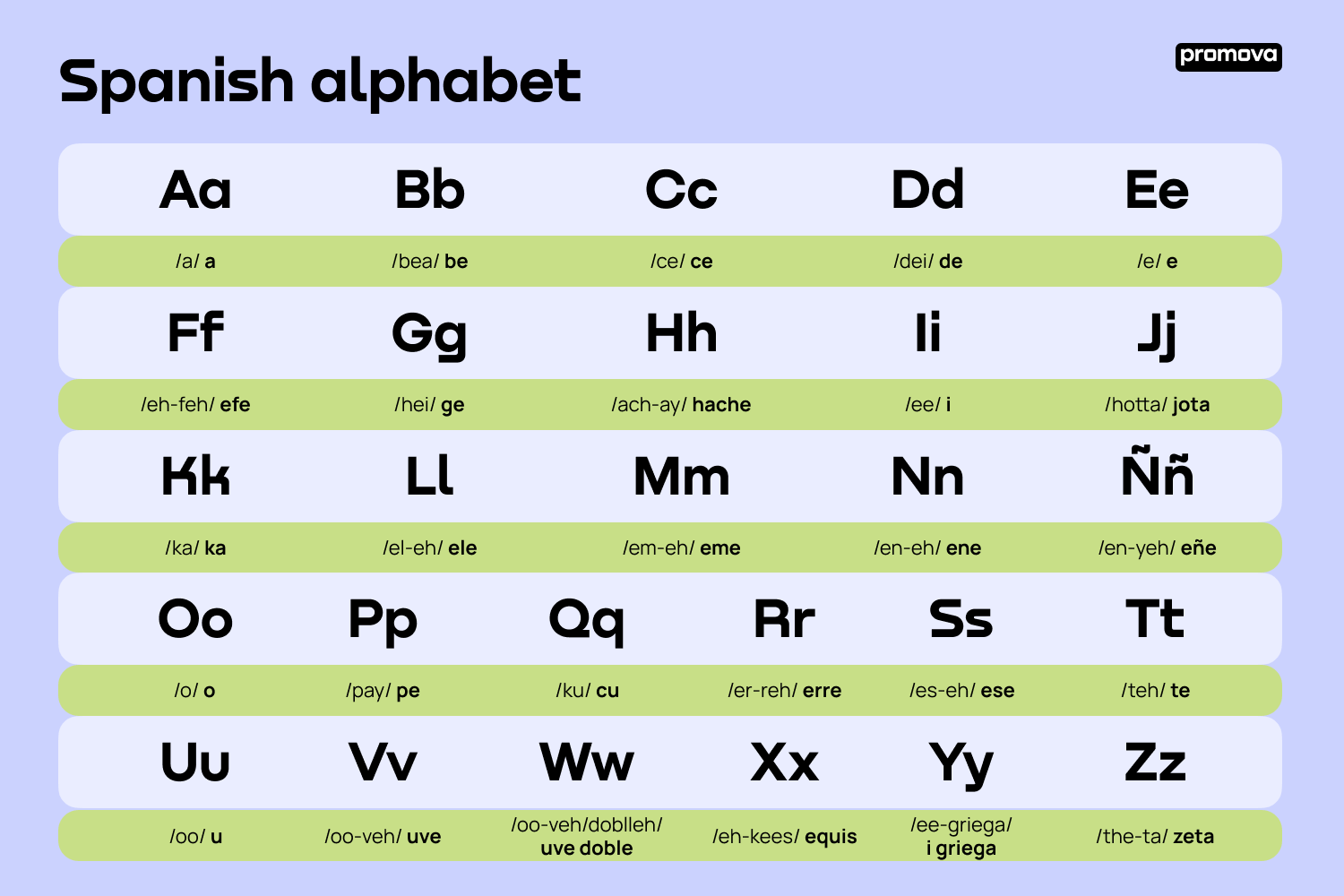
The Colombian language, also known as Colombian Spanish, is a dialect of the Spanish language spoken in Colombia. It is the official language of the country and is spoken by the vast majority of the population. Colombian Spanish has its roots in the Spanish language brought to Colombia by Spanish conquistadors in the 16th century.
Over time, the language has evolved and developed unique characteristics that distinguish it from other dialects of Spanish.
Variations and Dialects
There are several regional variations and dialects of Colombian Spanish. The most prominent dialects are:
- Coastal Colombian Spanish, spoken along the Caribbean coast
- Andean Colombian Spanish, spoken in the mountainous regions of the Andes
- Pacific Colombian Spanish, spoken along the Pacific coast
- Llanero Colombian Spanish, spoken in the eastern plains
Dialects and Regional Variations
Colombian Spanish is a diverse language with several dialects and regional variations. These variations are influenced by factors such as geography, history, and cultural exchange.
The main dialects of Colombian Spanish are:
- Coastal dialect: Spoken in the Caribbean coastal region, it is characterized by its use of “voseo” (the use of “tú” instead of “usted” for the second person singular) and unique vocabulary.
- Andean dialect: Spoken in the central and mountainous regions, it is known for its distinctive pronunciation and vocabulary, influenced by indigenous languages.
- Eastern Plains dialect: Spoken in the eastern plains region, it shares similarities with Venezuelan Spanish and has a slower, more melodic intonation.
In addition to these main dialects, there are numerous regional variations within each dialect. For example, the coastal dialect has variations in the pronunciation of vowels and the use of certain vocabulary in different coastal cities.
The following table summarizes the key differences between the main dialects of Colombian Spanish:
| Dialect | Pronunciation | Vocabulary | Grammar |
|---|---|---|---|
| Coastal | Use of “voseo,” distinct vowel pronunciation | Unique vocabulary, influenced by Caribbean culture | Simplified grammar, reduced use of formal structures |
| Andean | Distinctive pronunciation of consonants, rolled “r” | Influenced by indigenous languages, use of certain words and phrases | More complex grammar, retention of formal structures |
| Eastern Plains | Slower, melodic intonation | Shares vocabulary with Venezuelan Spanish | Simplified grammar, reduced use of formal structures |
The development of the different dialects of Colombian Spanish is a result of the country’s diverse geography and history. The coastal dialect, for example, was influenced by the arrival of Spanish settlers and the interaction with indigenous and African communities.
Colombian language, a vibrant and diverse collection of dialects and languages, is a testament to the country’s rich cultural heritage. Just as Cantonese and English are the official languages of Hong Kong , Colombian Spanish is the official language of Colombia, but numerous indigenous languages, such as Quechua and Wayuu, are also spoken throughout the country, contributing to the linguistic tapestry of this dynamic nation.
The Andean dialect developed in the isolated mountainous regions, while the Eastern Plains dialect was influenced by the migration of people from Venezuela and the Llanos region.
– Discuss the various influences that have shaped Colombian Spanish, including
Colombian Spanish, a dialect of the Spanish language spoken in Colombia, has been shaped by various influences throughout its history. These influences include indigenous languages, Spanish colonization, and global interactions.
Indigenous Languages
Indigenous languages spoken in Colombia, such as Quechua, Arawak, and Chibcha, have influenced Colombian Spanish in several ways. Many loanwords from these languages have been incorporated into Colombian Spanish, particularly in areas related to flora, fauna, and geography. For example, the word “guayaba” (guava) comes from the Quechua word “wayaba”.
Spanish Colonization, What is colombian language
The arrival of Spanish colonists in the 16th century had a profound impact on the development of Colombian Spanish. The Spanish language was imposed as the official language of the colony, and over time, it gradually replaced indigenous languages in many areas.
However, Spanish colonization also resulted in the incorporation of some indigenous words and grammatical structures into Colombian Spanish.
Global Interactions
In the 19th and 20th centuries, Colombia experienced increased global interactions, particularly with English- and French-speaking countries. This led to the incorporation of loanwords from these languages into Colombian Spanish. For example, the word “computador” (computer) comes from the English word “computer”, while the word “parqueadero” (parking lot) comes from the French word “parking”.
Comparison to Other Spanish Varieties

Colombian Spanish shares many similarities with other varieties of Spanish spoken in Latin America and Spain, including a shared vocabulary, grammatical structure, and pronunciation system. However, there are also some notable differences that set Colombian Spanish apart from other dialects.
The Colombian language is a diverse and fascinating subject. However, it is important to note that Belgium has a complex linguistic landscape as well. To explore this further, we can refer to the article ” What Language Do They Speak in Belgium “.
Returning to the topic of the Colombian language, its richness and variety are undeniable, with numerous dialects and influences shaping its unique character.
One of the most striking differences between Colombian Spanish and other dialects is its use of certain vocabulary items. For example, the word “chévere” is commonly used in Colombia to mean “cool” or “great,” while in other Spanish-speaking countries, it is not as widely used.
Another difference between Colombian Spanish and other dialects is its pronunciation. Colombian Spanish is characterized by a distinctive intonation pattern, which can make it difficult for speakers of other dialects to understand. Additionally, Colombian Spanish speakers tend to pronounce certain sounds differently than speakers of other dialects.
For example, the “s” sound is often pronounced as a “sh” sound in Colombian Spanish.
The factors that contribute to these variations in Colombian Spanish are complex and include geography, history, and culture. Colombia’s unique geographical location has led to the development of a number of regional dialects, each with its own unique characteristics. Additionally, Colombia’s history of colonization and immigration has influenced the development of its language.
The arrival of Spanish colonists in the 16th century brought with it the Spanish language, which gradually replaced the indigenous languages that were spoken in Colombia. Over time, the Spanish language in Colombia has evolved to reflect the country’s unique cultural and historical experiences.
Vocabulary
Colombian Spanish has a number of unique vocabulary items that are not used in other dialects. Some of these words are derived from indigenous languages, while others have been borrowed from other languages, such as English and French. For example, the word “arepa” is a type of cornmeal flatbread that is popular in Colombia.
The word “arepa” is derived from the indigenous language of the Taíno people.
Other unique vocabulary items in Colombian Spanish include:
- “chévere” – cool, great
- “parcero” – friend, buddy
- “bacano” – cool, awesome
- “berraco” – strong, tough
- “macho” – manly, virile
Grammar
Colombian Spanish has a number of grammatical features that are not found in other dialects. For example, Colombian Spanish speakers often use the present perfect tense to express past actions that have a continuing relevance to the present. Additionally, Colombian Spanish speakers often use the subjunctive mood to express uncertainty or possibility.
Other grammatical features of Colombian Spanish include:
- The use of the “ustedes” form of the second person plural pronoun
- The use of the “vosotros” form of the second person plural pronoun in some regions
- The use of the “tú” form of the second person singular pronoun in some regions
- The use of the “se” pronoun to express impersonal constructions
Pronunciation
Colombian Spanish is characterized by a distinctive intonation pattern, which can make it difficult for speakers of other dialects to understand. Additionally, Colombian Spanish speakers tend to pronounce certain sounds differently than speakers of other dialects. For example, the “s” sound is often pronounced as a “sh” sound in Colombian Spanish.
Other pronunciation features of Colombian Spanish include:
- The use of a velarized “l” sound
- The use of a palatalized “ñ” sound
- The use of a retroflex “r” sound
These are just a few of the many differences between Colombian Spanish and other varieties of Spanish. While there are many similarities between Colombian Spanish and other dialects, there are also a number of unique features that set it apart.
Literature and Arts in Colombian Language
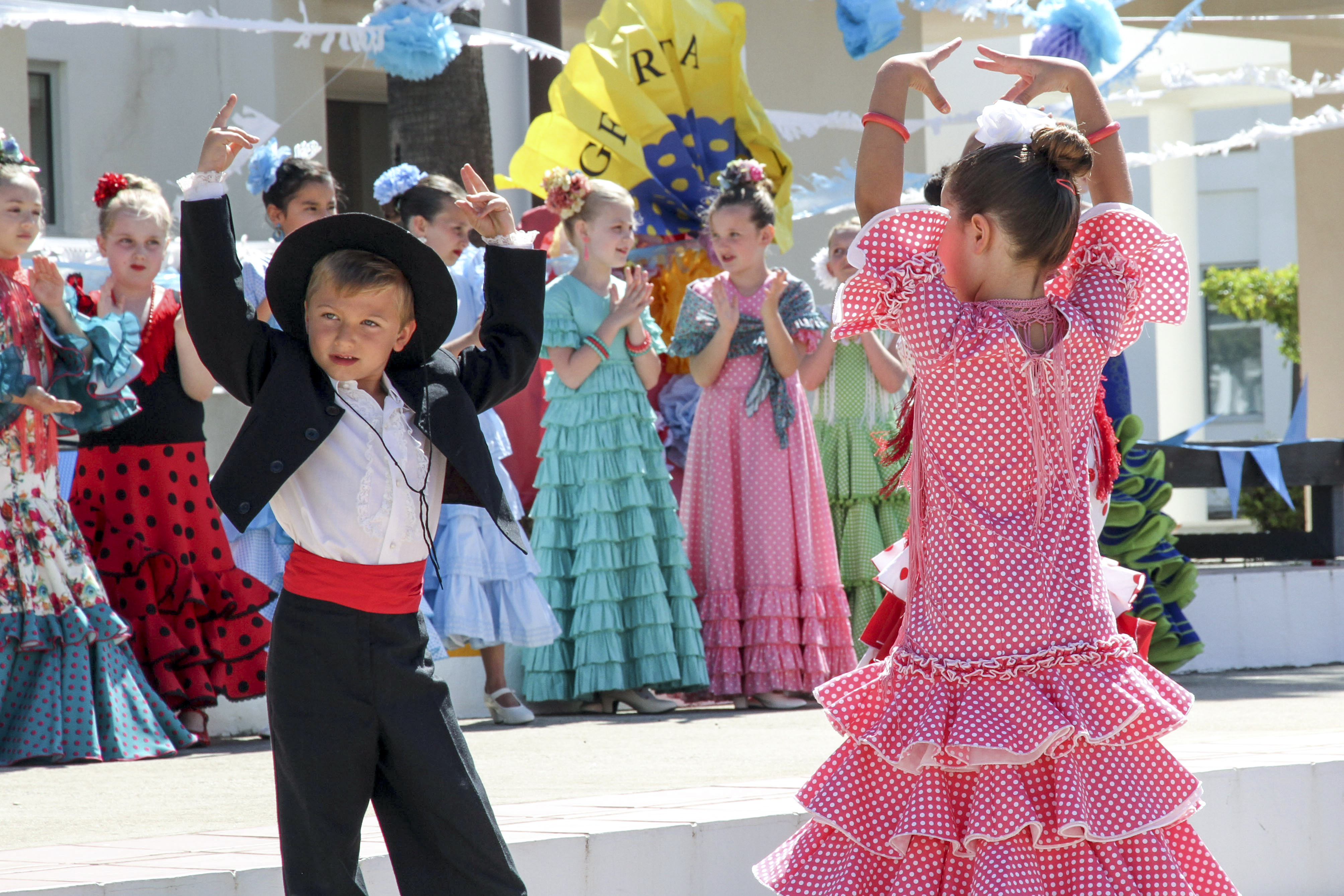
Colombian Spanish has played a significant role in shaping the country’s rich literary and artistic landscape. It has inspired numerous renowned authors, poets, and musicians, who have used the language to express their unique perspectives and experiences.
Colombian literature is known for its diverse range of genres, from novels and short stories to poetry and essays. Some of the most famous Colombian authors include Gabriel García Márquez, the Nobel laureate known for his magical realism style; Álvaro Mutis, known for his lyrical and evocative poetry; and Laura Restrepo, a renowned novelist and journalist.
Music and Poetry
Music is an integral part of Colombian culture, and Colombian Spanish has significantly influenced its development. The country is home to a wide variety of musical genres, including vallenato, cumbia, and salsa. Many Colombian musicians have achieved international recognition, such as Carlos Vives, Shakira, and Juanes.
Colombian poetry is known for its rhythmic and lyrical qualities. Some of the most famous Colombian poets include José Asunción Silva, known for his modernist poetry; Jorge Gaitán Durán, known for his social and political themes; and Piedad Bonnett, a contemporary poet known for her exploration of themes of love, loss, and memory.
Use of Colombian Language in Media
The Colombian language is widely used in media outlets such as television, radio, and the internet. This exposure has a significant impact on shaping perceptions of the language and its regional variations.
On television, Colombian Spanish is commonly used in news broadcasts, soap operas, and talk shows. These programs often feature characters from different regions of the country, showcasing the diverse dialects and accents of the Colombian language. This exposure helps to normalize and promote the acceptance of different language variations.
Representation of Dialects and Regional Variations
The media plays a crucial role in representing the diverse dialects and regional variations of the Colombian language. Television shows and radio programs often feature characters from different parts of the country, allowing viewers and listeners to experience the richness and diversity of Colombian Spanish.
- Coastal dialects:Dialects spoken along the Caribbean coast, such as costeño, are characterized by their unique intonation, vocabulary, and grammar.
- Andean dialects:Dialects spoken in the mountainous regions of the Andes, such as paisa and cachaco, have distinct pronunciations and use different vocabulary and expressions.
- Amazonian dialects:Dialects spoken in the Amazon rainforest, such as llanero, are influenced by indigenous languages and have unique features such as the use of nasal vowels.
By showcasing these regional variations, the media helps to promote linguistic diversity and preserve the cultural heritage of different regions of Colombia.
Role of Media in Shaping Perceptions
The media has a powerful influence on shaping perceptions of the Colombian language. Television shows and radio programs can influence how people view different dialects and accents, and can contribute to the formation of stereotypes.
- Positive representations:When media outlets portray different dialects and accents in a positive light, it can help to break down stereotypes and promote acceptance of linguistic diversity.
- Negative representations:However, negative or stereotypical representations of certain dialects or accents can reinforce prejudices and perpetuate linguistic discrimination.
It is important for the media to be responsible in its representation of the Colombian language and to promote linguistic diversity and tolerance.
Education and Language Policy
Colombian Spanish plays a crucial role in the education system, serving as the primary medium of instruction and a subject of study in its own right. The promotion of Colombian Spanish as a cultural heritage further emphasizes its importance in the educational landscape.
Language policies and practices in schools aim to preserve and promote Colombian Spanish. Textbooks are carefully curated to reflect the local dialect and cultural nuances. Teacher training programs incorporate methods for effectively teaching Colombian Spanish, ensuring its accurate transmission to future generations.
Assessment of Student Language Proficiency
Assessing student language proficiency is essential for monitoring progress and identifying areas for improvement. Standardized tests and classroom-based evaluations measure students’ abilities in reading, writing, speaking, and listening. These assessments provide valuable insights into the effectiveness of language instruction and help tailor teaching strategies to individual student needs.
Colombian Language in International Context

Colombian Spanish plays a significant role in international communication and diplomacy, serving as a bridge between Spanish-speaking nations and the broader global community. Its widespread use and cultural influence have made it a vital language for fostering cross-cultural understanding and cooperation.
One of the key challenges in promoting Colombian Spanish on a global scale is the presence of other major Spanish varieties, such as Mexican, Argentine, and Castilian Spanish. To overcome this, efforts have been made to promote the recognition and appreciation of Colombian Spanish as a distinct and valuable dialect, highlighting its unique linguistic features and cultural significance.
Use of Technology and Social Media
Technology and social media have emerged as powerful tools for expanding the reach of Colombian Spanish. The internet and social media platforms provide opportunities for Colombian Spanish speakers to connect with each other and share their language and culture with a global audience.
Additionally, online resources, such as language learning apps and online dictionaries, have made it easier for non-native speakers to learn and engage with Colombian Spanish.
Future of Colombian Language

The future of Colombian Spanish is a topic of interest to linguists and scholars alike. As the language continues to evolve, it is influenced by a variety of factors, including globalization, technology, and social change. While it is difficult to predict the exact future of the language, it is possible to speculate on some of the potential changes and influences that may shape it in the coming years.
One of the most significant factors that will likely influence the future of Colombian Spanish is globalization. As the world becomes increasingly interconnected, languages are becoming more and more influenced by each other. This is likely to lead to the adoption of new words and phrases into Colombian Spanish, as well as changes in grammar and pronunciation.
Additionally, the internet and social media are playing a major role in the spread of new ideas and languages, which is also likely to have an impact on Colombian Spanish.
Another factor that will likely influence the future of Colombian Spanish is technology. The development of new technologies, such as machine translation and artificial intelligence, is making it easier for people to communicate with each other across linguistic barriers. This is likely to lead to a decrease in the use of traditional languages, such as Colombian Spanish, in favor of more widely spoken languages, such as English.
Finally, social change is also likely to have an impact on the future of Colombian Spanish. As the Colombian population becomes more diverse, the language is likely to reflect this diversity. This could lead to the development of new dialects and regional variations, as well as changes in the way that the language is used.
Factors Contributing to Preservation and Evolution
Despite the challenges posed by globalization, technology, and social change, there are a number of factors that will likely contribute to the preservation and evolution of Colombian Spanish. These factors include:
- Strong national identity:Colombians are proud of their language and culture, and this pride is likely to continue to motivate them to preserve their language.
- Government support:The Colombian government has a number of policies in place to support the preservation and promotion of Colombian Spanish, including the use of the language in education and the media.
- Education:Colombian Spanish is taught in schools throughout the country, which helps to ensure that the language is passed on to future generations.
- Literature and the arts:Colombian Spanish is a rich and vibrant language that has been used to create a wealth of literature and art. This cultural heritage is likely to continue to inspire future generations of Colombians to use and appreciate their language.
While it is impossible to predict the exact future of Colombian Spanish, it is likely that the language will continue to evolve and change in the years to come. The factors discussed above will all play a role in shaping the future of the language, and it is likely that Colombian Spanish will remain a vibrant and dynamic language for many years to come.
Historical Documents in Colombian Language
Colombian Spanish has a rich history, and there are many historical documents that have been written in this language. These documents provide valuable insights into the evolution of Colombian Spanish and the history of Colombia itself.
Some of the most important historical documents written in Colombian Spanish include:
- The Constitution of Cúcuta(1821): This document was the first constitution of the Republic of Colombia. It was written in Spanish and is considered to be one of the most important documents in Colombian history.
- The Declaration of Independence of Colombia(1810): This document declared Colombia’s independence from Spain. It was written in Spanish and is considered to be one of the most important documents in Colombian history.
- The Treaty of New Granada(1832): This treaty was signed between Colombia and New Granada. It established the borders between the two countries and is considered to be one of the most important documents in Colombian history.
These documents are just a few examples of the many historical documents that have been written in Colombian Spanish. These documents provide valuable insights into the evolution of Colombian Spanish and the history of Colombia itself.
Timeline of the Development of Colombian Spanish
- 1500s:Spanish explorers arrive in Colombia.
- 1600s:Spanish is established as the official language of Colombia.
- 1700s:Colombian Spanish begins to develop its own unique characteristics.
- 1800s:Colombia gains independence from Spain.
- 1900s:Colombian Spanish continues to develop and evolve.
- 2000s:Colombian Spanish is spoken by over 45 million people worldwide.
Key Characteristics of Colombian Spanish
| Characteristic | Description |
|---|---|
| Grammar | Colombian Spanish has a number of unique grammatical features, such as the use of the “ustedes” form of address and the “vosotros” form of address. |
| Vocabulary | Colombian Spanish has a number of unique vocabulary words, such as “chévere” (cool) and “parcero” (friend). |
| Pronunciation | Colombian Spanish has a number of unique pronunciation features, such as the use of the “yeísmo” sound (the pronunciation of “ll” as “y”). |
Glossary of Terms
- Castellano:The Spanish language.
- Español colombiano:Colombian Spanish.
- Yeísmo:The pronunciation of “ll” as “y”.
- Ustedes:The plural form of “you” used in formal situations.
- Vosotros:The plural form of “you” used in informal situations.
Glossary of Colombian Spanish Terms: What Is Colombian Language
Colombian Spanish is a vibrant and diverse language with a rich vocabulary that includes unique terms and phrases not found in other Spanish-speaking countries. This glossary provides a collection of some of the most common and distinctive Colombian Spanish terms, along with their definitions, examples of usage, and the regions where they are commonly used.
The glossary is organized alphabetically for easy reference.
A
- Bacano:Cool, awesome (Used throughout Colombia)
- Berraco:Tough, strong (Used in the Andean region)
- Camello:Work (Used in the Caribbean region)
- Chévere:Great, excellent (Used throughout Colombia)
- Chimba:Amazing, incredible (Used in the Andean region)
- Güevón:Lazy, stupid (Used throughout Colombia)
- Parce:Friend, buddy (Used throughout Colombia)
- Rumba:Party (Used throughout Colombia)
- Tinto:Black coffee (Used throughout Colombia)
- Vaina:Thing, stuff (Used throughout Colombia)
B
- Bacán:Cool, awesome (Used in the Andean region)
- Berraco:Tough, strong (Used in the Andean region)
- Camello:Work (Used in the Caribbean region)
- Chévere:Great, excellent (Used throughout Colombia)
- Chimba:Amazing, incredible (Used in the Andean region)
- Güevón:Lazy, stupid (Used throughout Colombia)
- Parce:Friend, buddy (Used throughout Colombia)
- Rumba:Party (Used throughout Colombia)
- Tinto:Black coffee (Used throughout Colombia)
- Vaina:Thing, stuff (Used throughout Colombia)
Table of Colombian Dialectal Differences
Colombian Spanish exhibits significant dialectal variation across the country, influenced by factors such as geography, history, and cultural heritage. The following table compares some of the key differences among the major dialects of Colombian Spanish.
This table provides a comprehensive overview of the dialectal differences in Colombian Spanish, highlighting the distinct features that characterize each region. It serves as a valuable resource for understanding the linguistic diversity of Colombia and the factors that have shaped its language over time.
Pronunciation
- Coastal dialects (Caribbean coast):Characterized by the use of voseo (the use of “tú” instead of “usted” for the second person singular), as well as distinctive vowel pronunciations and intonation patterns.
- Andean dialects (central and eastern regions):Pronounced with a more neutral accent, with less variation in vowel sounds and a more standard intonation pattern.
- Pacific dialects (western coast):Influenced by African and indigenous languages, with unique vowel pronunciations and a distinctive intonation pattern.
Vocabulary
- Coastal dialects:Incorporate words and phrases from Caribbean and African languages, such as “chévere” (cool) and “parchar” (to hang out).
- Andean dialects:Use more standard Spanish vocabulary, with some regional variations in certain words and expressions.
- Pacific dialects:Include words and phrases from indigenous languages, such as “chontaduro” (a type of palm fruit) and “marimba” (a musical instrument).
Grammar
- Coastal dialects:Often use the present perfect tense instead of the simple past tense, and may have simplified verb conjugations.
- Andean dialects:Adhere more closely to standard Spanish grammar rules, with fewer regional variations.
- Pacific dialects:May have unique grammatical structures and verb conjugations, influenced by indigenous languages.
Cultural Context
- Coastal dialects:Reflect the vibrant and diverse cultural heritage of the Caribbean coast, with influences from African and indigenous cultures.
- Andean dialects:Represent the traditional and conservative values of the Andean region, with a strong emphasis on standard Spanish.
- Pacific dialects:Showcase the unique cultural identity of the Pacific coast, with a blend of African, indigenous, and Spanish influences.
Timeline of Colombian Language Development
The development of Colombian Spanish can be traced back to the arrival of the Spanish conquistadors in the 16th century. Over time, the language has been influenced by various factors, including the indigenous languages of the region, the African slave trade, and immigration from other Spanish-speaking countries.
Key Events in the Development of Colombian Spanish
- 1500s:Arrival of the Spanish conquistadors and the introduction of Spanish to Colombia.
- 1600s:Establishment of Spanish as the official language of Colombia.
- 1700s:Influx of African slaves, leading to the development of Afro-Colombian Spanish.
- 1800s:Independence from Spain and the beginning of a period of linguistic diversification.
- 1900s:Immigration from other Spanish-speaking countries, such as Venezuela and Ecuador.
- Present:Colombian Spanish continues to evolve, influenced by both internal and external factors.
The timeline above provides a brief overview of the key events in the development of Colombian Spanish. For a more detailed discussion, please refer to the following resources:* [History of the Spanish Language in Colombia](https://www.colombia.co/en/colombian-culture/history-of-the-spanish-language-in-colombia/)
[The Development of Colombian Spanish](https
//www.jstor.org/stable/41334614)
[The Colombian Dialect of Spanish](https
//www.britannica.com/topic/Colombian-dialect-of-Spanish)
FAQ Resource
What are the key characteristics of Colombian Spanish?
Colombian Spanish is characterized by its unique pronunciation, vocabulary, and grammar. It features distinctive vowel sounds, such as the “yeísmo” and “voseo,” and a rich vocabulary that includes words and phrases influenced by indigenous languages and African languages.
How many dialects of Colombian Spanish are there?
There are several dialects of Colombian Spanish, each with its own unique features. Some of the most prominent dialects include Paisa, Costeño, and Rolo. These dialects vary in terms of pronunciation, vocabulary, and grammar.
What is the role of Colombian Spanish in Colombian culture?
Colombian Spanish is deeply intertwined with Colombian culture and identity. It is the language of literature, music, art, and everyday communication. It reflects the history, values, and traditions of the Colombian people and serves as a vital means of cultural expression.
